
2027 Best Nursing Degree Programs Ranking in Columbus

Co-Founder and Chief Data Scientist
If you're considering a nursing career in Columbus, this article is for you. The 2027 Best Nursing Degree Programs Ranking in Columbus was developed by the Research.com team of data scientists to help you make an informed decision about your education.
Choosing the right nursing degree program can shape your future, and this ranking highlights programs that offer quality training and strong career prospects. Reading this article will guide you toward opportunities that fit your goals and inspire confidence in your path forward.
Key benefits of getting nursing degree in Columbus
- Salary for nursing degree graduates: Registered Nurses in Columbus earn a mean annual wage of $94,480, while Operating Room Nurses make up to $128,490 per year, showing promising financial rewards.
- Career paths: Nursing graduates from Columbus State Community College can pursue diverse roles like Public Health Nurse or Emergency Room Nurse, each offering meaningful and impactful work.
- Online degree benefits: Completing a nursing degree online through Ohio State University's program allows flexible scheduling and faster completion, perfect for working adults balancing life and education.
- 2027 Best Nursing Degree Programs Ranking in Columbus
- What can I expect from nursing degree in Columbus?
- Where can I work with nursing degree in Columbus?
What can I expect from nursing degree in Columbus?
The average cost of a nursing degree in Columbus varies depending on the type of program and institution. For example, students pursuing an Associate Degree in Nursing (ADN) at community colleges often pay between $5,000 and $12,000 for the entire program. Graduates recall that this affordable path provided strong foundational nursing skills while keeping debt manageable. Meanwhile, a Bachelor of Science in Nursing (BSN) at universities such as Ohio State University or Franklin University typically ranges from $30,000 to $60,000, reflecting the program's comprehensive curriculum and access to advanced clinical experiences.
Many students highlight the importance of exploring scholarships and grants available locally. Institutions in Columbus frequently offer financial aid specifically for nursing students, easing the burden of tuition fees. Attending schools with close ties to health systems like OhioHealth can also open doors to paid clinical rotations or employer tuition reimbursement programs, offsetting costs while building valuable career connections.
Accelerated BSN programs, designed for career changers, may cost more upfront but attract students eager to transition quickly, often finding the investment worthwhile given Columbus's strong job market for nurses.
Where can I work with nursing degree in Columbus?
Graduates with nursing degrees from popular Columbus institutions like Ohio State University often find a variety of fulfilling career paths right in their city. Many start in large hospitals such as Ohio State University Wexner Medical Center or Mount Carmel Health System, where they gain hands-on experience in specialties like critical care or pediatrics. These settings provide dynamic environments and strong mentorship, helping new nurses build confidence quickly.
Others explore positions in outpatient centers or physician offices, where nurses focus on preventive care and managing chronic illnesses. This suits those who enjoy direct patient interaction but prefer a steadier pace than hospital emergency rooms. Nurses here collaborate closely with doctors, expanding their practical skills in patient education and care coordination.
Some graduates choose rewarding roles in long-term care or assisted living, especially given the growing demand in Columbus for geriatric nursing. Working in these settings means making a real difference in residents' quality of life every day.
Lastly, innovative home healthcare agencies offer flexible schedules and personalized care opportunities. This appeals to nurses seeking independence and stronger patient relationships. Overall, Columbus' diverse healthcare landscape allows nursing graduates to find careers suited to their passions and lifestyles.
Graduates from nursing programs in Columbus, such as those at well-regarded local universities, can expect competitive earnings reflecting the region's strong healthcare demand. Entry-level registered nurses typically earn around $94,480 annually, matching the mean wage data from the Bureau of Labor Statistics for various nursing roles like Clinical Nurse Educator and Public Health Nurse.
Many nursing graduates in Columbus find rewarding opportunities as Emergency Room Nurses, earning similar median salaries near $94,480, balancing fast-paced work with solid compensation. For those aspiring to specialize further, Operating Room Nurses earn significantly more, with mean annual wages up to $128,490, offering a clear financial incentive to pursue advanced certifications or specialized training locally available.
A graduate from a Columbus nursing college shared how clinical rotations at area hospitals strengthened her skills and confidence, leading to a position with salary offers above local benchmarks. This highlights how completing practical experience while studying can boost your negotiation power for pay and benefits.
By choosing a nursing degree program with clinical affiliations in Columbus, you pave a pathway to salaries that reflect your dedication and expertise, with strong potential to grow as you gain experience or additional certifications.
- ADN programs at public community colleges in Columbus cost between $5,000 and $10,000, while BSN programs at universities range from $20,000 to $35,000, with private colleges charging over $40,000.
- Starting salaries for new nursing graduates are about $55,000 to $60,000 annually, with mid-career nurses earning $70,000 to $80,000.
- Nurses with advanced degrees or specialized certifications can earn more than $90,000 per year.
- The job market for registered nurses in Columbus is projected to grow 9% from 2020 to 2030, faster than average.
- NCLEX-RN exam licensure is required after completing an accredited nursing program in Ohio.
- Clinical placements at top hospitals and RN-to-BSN or MSN bridge programs are accessible to nursing students in Columbus.
Completing a nursing degree in Columbus typically takes between 2 and 4 years, depending on the program you choose. Many successful graduates from community colleges in Columbus finished their Associate Degree in Nursing (ADN) within 2 to 3 years. This path offers a quicker entry into the workforce while building strong foundational skills. For those aiming higher, traditional Bachelor of Science in Nursing (BSN) programs at well-known universities in Columbus usually require about 4 years of full-time study, allowing for deeper knowledge and more career opportunities.
Graduates who transferred to or enrolled in accelerated BSN programs found the intense 12 to 18-month schedule challenging but rewarding, especially for career changers holding previous degrees. These programs often demand strong time management but lead to licensing readiness faster.
Online and hybrid formats offered by some Ohio colleges also help students balance life and study, reducing campus time without sacrificing essential clinical hours, typically around 500 to 800 hours. This flexibility keeps motivation high and fits diverse lifestyles.
When considering nursing programs in Columbus, OH, one crucial factor is the cost of the program and the available financial aid options. Prospective students can explore various paths, including visiting https://research.com/rankings/nursing/most-affordable-nursing-oh as a resource to find the cheapest nursing schools in Ohio, which can significantly reduce the financial burden. Understanding the costs associated with nursing education, such as tuition fees, books, uniforms, and licensing fees, is essential for making informed decisions. Additionally, students should research and apply for scholarships, grants, and loan programs that can help fund their nursing education. Institutions in Columbus, OH, often provide financial aid packages, including work-study programs and Nursing Faculty Loan Programs, aiming to support students in achieving their nursing careers without substantial financial stress. By carefully considering these factors and exploring available financial aid, prospective nursing students can make a more informed decision about their educational investment.
Nursing students at Columbus-based universities often notice that on-campus programs offer a more immersive experience with face-to-face classes and hands-on clinical practice at local hospitals. This setup allows immediate guidance from instructors and builds strong connections with peers and healthcare professionals, which many find motivating and reassuring during their training.
Conversely, graduates from online nursing programs appreciate the flexibility to study around work and family commitments. These programs use digital lectures and interactive platforms, but require students to arrange clinical hours at approved Columbus-area facilities, ensuring essential real-world experience. Success here depends heavily on self-discipline and proactive time management.
Cost is another important factor. While tuition at institutions like The Ohio State University may range from $8,000 to $12,000 for in-state students, some online programs offer lower fees but may add technology charges. Checking accreditation-such as from the Commission on Collegiate Nursing Education (CCNE)-is crucial regardless of format for licensure eligibility and employment prospects in Columbus hospitals.
After graduating from an accredited nursing program, the next critical step is securing your Registered Nurse (RN) license through the Ohio Board of Nursing. For LPNs seeking a fast-track route, the best 6-month lpn to rn bridge programs online provide a rigorous curriculum that integrates seamlessly with Ohio’s licensure prerequisites. Here’s what you need to know: • Program Accreditation: Ensure your degree is from a CCNE- or ACEN-accredited institution, a requirement for eligibility to sit for the NCLEX-RN exam. • Application Submission: Apply online via the Ohio Board of Nursing portal, including official transcripts, background check information, and application fees (currently $75). • NCLEX-RN Examination: Register with Pearson VUE, schedule your exam once your authorization to test (ATT) is approved, and prepare using approved review courses to maximize your pass rate. Once you’ve passed the NCLEX-RN, your license will typically be issued within 2–4 weeks. Ohio requires RNs to renew their license every two years by December 31 of the renewal year. Renewal criteria include: • Completion of 24 contact hours of continuing education (CE), with at least 2 hours in pain management and 2 hours in human trafficking awareness. • Submission of renewal fees ($60) and verification of any name or address changes. For advanced practice nurses, additional certification through national bodies (such as ANCC or AACN) is required before applying for an APRN credential with the state board. Staying current on CE requirements and maintaining professional liability insurance will ensure uninterrupted practice and reinforce your commitment to excellence in Columbus’s dynamic healthcare market.
The average nursing degree cost in Columbus typically falls around $45,344 for total tuition, which reflects both in-state and out-of-state students. Many graduates from popular institutions like Ohio State University - Columbus campus report that managing tuition is a key part of their journey, especially when combining academic work with clinical placements. The median in-state total cost is notably lower, near $16,609, making public universities accessible options for students who meet residency requirements.
Students often find that tuition is just one component of their overall expenses. Books, supplies, and clinical fees can add significant costs each year, which is why it's important to budget carefully when exploring Columbus nursing program tuition fees. Graduates from community colleges and state universities emphasize the value of financial aid programs and supportive scholarships that helped ease their financial burden.
Exploring options such as workforce scholarships or federal aid can make a meaningful difference. Those looking for additional guidance can review the cheapest nursing schools in Ohio to compare costs and funding opportunities that fit their circumstances. Many Columbus nursing students share that proactively researching these resources allowed them to focus on their studies and clinical experiences with confidence.

As tuition costs and scheduling constraints become significant barriers for many prospective students in Columbus, exploring accredited online nursing programs can offer a flexible and budget-friendly pathway. Online nursing degrees blend rigorous coursework with virtual simulations and remote clinical partnerships, allowing you to balance work, family, and study without relocating. Many programs utilize interactive platforms for live lectures, discussion boards for peer collaboration, and local clinical placements coordinated through partner hospitals in Ohio. When evaluating affordable online options, prioritize programs accredited by the Commission on Collegiate Nursing Education (CCNE) or the Accreditation Commission for Education in Nursing (ACEN). Accreditation ensures that coursework meets national standards and that you’re eligible for federal financial aid and licensure. Additionally, verify that the program’s NCLEX-RN pass rate aligns with or exceeds the national average, signifying strong preparation for licensure exams. For students seeking especially cost-conscious alternatives, out-of-state online programs may present lower tuition rates and streamlined pathways to licensure in Ohio. One resource to compare such offerings is the Low Cost Online Nursing Degree Programs Ranking in Kansas, which highlights institutions with competitive pricing and high academic quality. Pairing local clinical support with these online curricula can help you graduate debt-smart and job-ready, ensuring you enter the Columbus healthcare market with both credentials and confidence.
Nursing students in Columbus often rely on multiple financial aid sources to manage tuition costs effectively. Graduates from schools like The Ohio State University and Columbus State Community College frequently highlight the benefits of federal aid, especially Pell Grants, which can cover up to $7,395 per year without needing repayment. Completing the FAFSA is a crucial first step to unlock these funds alongside subsidized loans and work-study options.
State grants like the Ohio College Opportunity Grant are also widely used by in-state nursing students, significantly cutting tuition expenses at public colleges. Many nursing students share stories of securing merit-based scholarships through their institutions or external organizations such as the Ohio Nurses Foundation, easing their financial stress.
Post-graduation, loan forgiveness programs tailored to nursing professionals who serve in underserved Ohio areas offer a powerful way to reduce debt. Meanwhile, employed nursing students find relief through employer tuition reimbursement plans, which help balance work and continuing education.
Accreditation ensures a nursing program meets national quality standards and qualifies you to sit for the NCLEX-RN exam. Confirm each Columbus school holds regional accreditation and programmatic approval from CCNE or ACEN, plus the Ohio Board of Nursing.
Key accreditation and pass-rate metrics to check:
- CCNE or ACEN accreditation demonstrating curriculum quality
- Approval by the Ohio Board of Nursing for licensure eligibility
- Recent NCLEX-RN pass rates (2023 data): Ohio State University – 95%, Columbus State Community College – 89%, Chamberlain University – 92%
Reviewing these factors helps you choose a program with proven graduate success. For advanced practice pathways after earning your RN, explore the easiest dnp program online.
To enroll in a nursing degree program in Columbus, you must first hold a high school diploma or GED. Graduates from popular local institutions often highlight how completing foundational courses like biology, chemistry, and math made advanced nursing concepts more accessible and enjoyable. For example, students at Columbus State Community College frequently emphasize the advantage of strong science preparation before starting clinical work.
Applicants should be prepared to submit standardized test scores such as SAT, ACT, or TEAS, depending on the program. Many students share that achieving satisfactory TEAS results boosts their confidence when applying to top programs. Meeting GPA requirements, typically between 2.5 and 3.0, is also essential to gain acceptance into nursing tracks at schools like Ohio State University.
In addition to academics, expect to pass background checks and provide immunization records, which protect patients and foster a safe clinical learning environment. Some nursing students recount how completing healthcare volunteer hours gave them hands-on insights and helped their applications stand out at Columbus colleges.
- Completion of prerequisite courses such as anatomy, physiology, microbiology, and statistics
- Maintaining a GPA of 2.5 to 3.0 depending on the institution
- Passing the TEAS or similar nursing entrance exams
- Submitting immunization records and passing background checks
- Strengthening applications with healthcare experience and personal statements
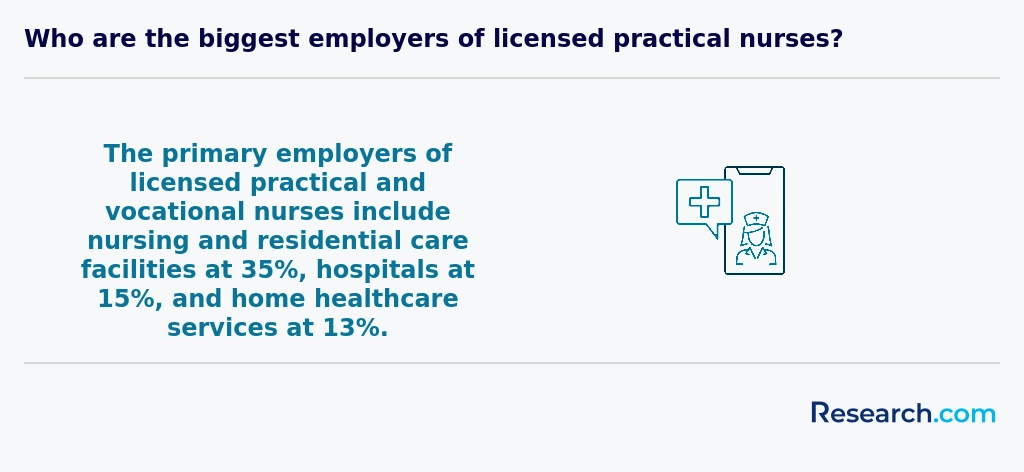
Columbus offers several accredited LPN programs designed for students aiming to enter the workforce quickly-typically within 12 months-by combining intensive coursework with hands-on clinical rotations. These programs focus on core nursing competencies, such as medication administration, wound care, and basic patient assessment, ensuring graduates meet state licensure requirements upon completion. Admission requirements generally include a high school diploma or GED, prerequisite courses in biology and chemistry, and satisfactory scores on standardized entrance exams. Many colleges also provide evening and weekend cohorts, facilitating flexible scheduling for working students. For those seeking a faster route to licensure, exploring the fastest online lpn program can be a strategic step, offering asynchronous lectures, virtual simulations, and local clinical placements coordinated by program advisors. Upon passing the NCLEX-PN licensure exam, LPNs in Columbus can pursue roles in long-term care facilities, outpatient clinics, and home health agencies, all while qualifying for bridge programs-such as LPN-to-RN or LPN-to-BSN tracks-that streamline the transition to higher nursing credentials.
Nursing students in Columbus typically engage in courses that blend essential science with practical clinical skills. Graduates from institutions like Ohio State University often recall how human anatomy and physiology classes deepened their understanding of patient care by helping them visualize how the body functions in real time.
The curriculum covers microbiology, where students learn to identify and control infections-a vital skill in hospital settings. Pharmacology courses teach safe medication administration, directly impacting patients' recovery experiences during clinical rotations.
Nutrition and pathophysiology classes prepare students to recognize dietary needs and disease processes, essential for crafting personalized care plans. Health assessment courses equip students with techniques to evaluate patients thoroughly, gaining confidence through hands-on practice in well-known Columbus hospitals.
Practical nursing fundamentals and mental health nursing provide insights into daily patient interactions, fostering empathy and effective communication. Many students express satisfaction learning pediatric and maternal-child nursing, as it offers a rewarding chance to care for vulnerable populations.
Leadership modules prepare future nurses for supervisory roles, an advantage highlighted by graduates entering Columbus healthcare teams prepared for diverse challenges.
Nursing degrees in Columbus offer a range of specializations that prepare students for focused careers in healthcare. Graduates from local programs often highlight specializations such as Adult-Gerontology, which addresses the care of Ohio's growing elderly population, and Pediatric Nursing, where they gain skills working with children and adolescents in Columbus hospitals. Others choose Critical Care Nursing to thrive in fast-paced ICU or emergency settings, benefiting from clinical placements at well-known institutions like OhioHealth.
Students pursuing Columbus nursing programs with specializations can also explore Psychiatric-Mental Health Nursing, meeting the region's increasing demand for mental health services. Women's Health and Obstetric Nursing is a popular track, addressing prenatal care and family health with hands-on experience. Informatics Nursing combines tech-savviness with patient care, a growing niche given healthcare's digital evolution. Some graduates recommend considering pathways like the fastest online lpn program to accelerate entry into the field while exploring these diverse options.
To choose the best nursing degree in Columbus, start by assessing your career goals and the level of education you need. Graduates from Columbus State Community College often praise the affordability and supportive environment of its ADN program, ideal for those seeking practical training without high costs. On the other hand, students at Ohio State University highlight the value of its BSN program's strong clinical partnerships with local health systems like OhioHealth, offering hands-on experience and access to research opportunities.
Look closely at program accreditation from bodies like CCNE or ACEN to ensure quality education and licensure readiness. Many find that programs with higher NCLEX-RN pass rates build their confidence for the exam and future employment.
Consider flexibility too, especially if you balance work and study. Some nursing students benefit from online or hybrid schedules, such as those exploring the best 6-month lpn to rn bridge programs online. Choosing affordable nursing schools in Columbus Ohio that match your learning style and offer strong clinical placements will set you on a fulfilling nursing career path.

Nursing graduates in Columbus find a wide array of career paths tailored to different interests and strengths. Those earning an ADN or BSN from local institutions often secure positions in hospitals, outpatient clinics, or community health centers, gaining hands-on experience that builds confidence and skills. Popular colleges in Columbus regularly share success stories of graduates who started as registered nurses and swiftly moved into specialized roles such as emergency or pediatric nursing, thriving in fast-paced, rewarding environments. This practical approach is key for students focused on nursing career opportunities in Columbus.
Graduates with a BSN expand their options by pursuing leadership roles like nurse managers or clinical nurse specialists. Many also choose advanced education to become nurse practitioners or nurse educators, steadily increasing their impact and income. Some find fulfilling work in public health or healthcare administration, which bridges patient care with system-wide improvements. Students appreciate programs that highlight these pathways, helping them envision clear futures.
For those concerned about affordability and flexibility, exploring Low Cost Online Nursing Degree Programs Ranking in Kansas can offer valuable insights. This resource complements local studies and eases the financial burden, making a Columbus nursing degree accessible and practical for many.
Graduates with nursing degrees in Columbus benefit from a robust job market driven by a growing healthcare sector and strong demand for skilled professionals. Registered nurse employment opportunities Columbus-wide range from entry-level roles to specialized positions in hospitals like OhioHealth and Nationwide Children's Hospital. Many graduates from popular local colleges find success entering these systems, especially those with a Bachelor of Science in Nursing, as employers favor candidates with advanced education for competitive salaries and career growth.
New nurses often share positive experiences securing roles in pediatric or trauma units, reflecting the city's diverse healthcare needs. Average wages in Columbus typically exceed the Ohio statewide average, helping graduates feel confident about their investment in nursing education. For students considering this path, Columbus also offers relatively affordable nursing programs compared to other regions, improving accessibility and encouraging workforce development.
To maximize prospects, aspiring nurses should focus on advanced qualifications and seek opportunities through local healthcare systems. Exploring what are the best college majors for the future can also help align career goals within Columbus's promising nursing job outlook Columbus Ohio.
2027 Best Nursing Degree Programs Ranking in Columbus
Investing in your education is a significant decision that can shape your future, and the Research.com team recognizes the importance of making well-informed choices. To support prospective students in Columbus, we have carefully developed the "2027 Best Nursing Degree Programs Ranking in Columbus." Our dedication to quality, credibility, and accuracy is demonstrated through rigorous research and thorough analysis.
We utilized the following reputable data sources to ensure a comprehensive evaluation of nursing programs:
By exploring this ranking, readers will gain valuable insights into the top nursing degree programs available in Columbus, empowering them to make confident decisions about their educational futures. For more information on how we created this ranking, please visit our Research.com methodology page.


# 8 position
Chamberlain University-Ohio
Bachelor of Science in Nursing

# 9 position
Franklin University
Master of Science in Nursing

# 10 position
Franklin University
Bachelor of Science in Nursing
Frequently Asked Questions About nursing
Students pursuing nursing degrees in Columbus can maximize their learning by combining classroom study with hands-on clinical experience. Columbus hosts several accredited nursing programs with strong hospital partnerships, allowing students to gain practical skills in varied healthcare settings.
Engaging actively in internships at local institutions such as OhioHealth and Mount Carmel Health System can improve job readiness, as these networks represent over 40% of clinical placements for nursing students in the region according to the Ohio Board of Nursing.
Additionally, joining professional nursing organizations like the Ohio Nurses Association enhances networking and access to resources. Utilizing Columbus-specific simulation labs and workshops offered by institutions like The Ohio State University facilitates skill mastery before real-life application.
The nursing field in Columbus is rapidly evolving, with several emerging niches gaining prominence. One notable area is gerontological nursing, driven by Ohio's growing elderly population. Nurses specializing in gerontology provide essential care tailored to aging patients' unique needs.
Another expanding niche is informatics nursing, combining healthcare and technology to improve patient data management. Columbus hospitals increasingly seek nurses skilled in electronic health records and data analysis.
Additionally, population health nursing is gaining traction, focusing on preventive care and community wellness. This aligns with Columbus public health initiatives addressing chronic diseases and health disparities.
Specialties like psychiatric mental health nursing are also expanding, given rising mental health awareness in Ohio. These emerging areas offer promising career paths for nursing graduates in Columbus.
Preparing for the job market after completing a nursing degree in Columbus involves strategic steps that increase employability. Graduates should prioritize obtaining their Registered Nurse (RN) license by passing the NCLEX-RN exam, a requirement for practice in Ohio and nationwide. Gaining clinical experience through internships or externships during studies can enhance practical skills and networking opportunities.
Columbus offers diverse healthcare employers, including OhioHealth and Mount Carmel Health System, which often recruit locally. According to the Ohio Bureau of Labor Statistics (2023), the metropolitan area projects a 15% growth in registered nursing jobs through 2030, indicating strong demand.
Professional certifications such as Basic Life Support (BLS) and Advanced Cardiovascular Life Support (ACLS) improve credentials. Additionally, joining local nursing organizations, like the Ohio Nurses Association, connects graduates with resources and job leads. Continuous education and skill development remain key in adapting to evolving healthcare demands.
Employers in Columbus highly value nursing graduates who demonstrate strong clinical skills. Proficiency in patient care, medication administration, and familiarity with electronic health records are essential. According to the Ohio Board of Nursing, nurses with excellent clinical judgment tend to have better employment outcomes in the region.
Communication skills are also critical. Nurses must effectively interact with patients, families, and healthcare teams to ensure quality care. Local hospitals like Columbus Regional Health emphasize teamwork and interpersonal skills when hiring.
Additionally, adaptability and problem-solving are important due to the fast-paced healthcare environment in Columbus. Employers appreciate graduates who show critical thinking skills and the ability to respond to emergencies calmly.
Finding internships in Columbus relevant to a nursing degree involves exploring opportunities at local hospitals, clinics, and long-term care facilities. Columbus is home to major healthcare providers such as OhioHealth, Mount Carmel Health System, and Nationwide Children's Hospital, which frequently offer nursing internships or clinical rotations.
Many nursing programs in Columbus also have partnerships with these institutions, making it easier for students to secure internships through their schools. Prospective interns should contact their academic advisors or the career services office for guidance.
The Ohio Board of Nursing provides information on approved clinical sites and requirements to ensure internships meet licensure prerequisites.
Additionally, online platforms like Handshake and local job fairs often list nursing internship openings specifically in Columbus.
Obtaining a nursing degree in Columbus significantly enhances career mobility and advancement opportunities. According to the Ohio Board of Nursing, registered nurses (RNs) with bachelor's degrees often access higher-paying roles, including specialized clinical positions and leadership jobs. Employers in Columbus, such as OhioHealth and Mount Carmel Health System, increasingly prefer candidates with a Bachelor of Science in Nursing (BSN) for managerial and advanced practice roles.
Additionally, the Columbus labor market shows a steady demand for nurses with advanced degrees, supporting transitions into nurse practitioner or nurse educator positions. Data from the U.S. Bureau of Labor Statistics highlights a 15% growth rate for nursing professionals in Ohio through 2032, indicating strong prospects for degree holders.
Higher education also facilitates eligibility for certifications and continued education, both crucial for career progression within Central Ohio's healthcare systems.
Studying for a nursing degree in Columbus equips students with the skills needed for interdisciplinary roles in healthcare. Programs often emphasize collaboration with professionals in medicine, social work, and allied health fields. This reflects the integrated care model prevalent in Ohio hospitals, including OhioHealth and Nationwide Children's Hospital, which employ over 30,000 healthcare workers combining diverse expertise.
Nursing curricula integrate communication, teamwork, and patient-centered care to prepare graduates for working across disciplines. Clinical rotations in Columbus provide hands-on experience alongside pharmacists, therapists, and physicians, enhancing coordination skills.
According to the Ohio Board of Nursing, nearly 60% of nursing graduates in Columbus secure roles in team-based care settings, highlighting strong preparation for interdisciplinary responsibilities.
Choosing between a thesis and a non-thesis nursing degree program in Columbus depends largely on your career goals and time commitment. Thesis programs typically require original research and are suitable for students interested in advanced clinical roles or pursuing doctoral study. Non-thesis options focus more on practical skills and coursework, ideal for those aiming to enter the workforce quickly.
In Columbus, nursing graduates benefit from the city's robust healthcare industry, including large hospital systems like OhioHealth and Mount Carmel Health. The Ohio Board of Nursing estimates that demand for nurses in Ohio will grow 15% through 2030, emphasizing practical experience.
Research from the National League for Nursing suggests thesis tracks often take longer to complete, averaging 2-3 years compared to 1.5-2 years for non-thesis programs. Consider your professional timeline and interest in research before deciding.
Students in Columbus who want to study nursing abroad have several options through partnerships between local institutions and foreign universities. For example, The Ohio State University in Columbus offers study abroad programs that allow nursing students to gain international clinical experience in countries such as Spain and Australia. These programs are typically short-term, lasting a few weeks, and provide opportunities to observe different healthcare systems.
Additionally, nursing students can explore exchange programs facilitated by professional organizations like the American Association of Colleges of Nursing (AACN), which supports global learning experiences. While direct degree programs abroad are uncommon, internships or study tours enhance cultural competence and clinical skills vital to nursing careers.
Students pursuing nursing degrees in Columbus have several part-time job opportunities that can enhance their education and practical skills. Common roles include certified nursing assistant (CNA) positions, which provide direct patient care experience and are widely available in local hospitals and nursing homes. According to the Ohio Department of Health, CNAs in Columbus earn an average hourly wage of around $15, making this a practical option for students.
Other opportunities include medical scribe positions, where students assist healthcare providers by documenting patient interactions, improving clinical knowledge and familiarity with medical terminology. Additionally, hospital volunteer roles offer exposure to healthcare environments without requiring licensure.
Working part-time in these capacities not only supplements income but also strengthens resumes and clinical competencies, which can improve future job prospects after graduation.
Nursing students in Columbus benefit from multiple networking opportunities crucial for career development. Local hospitals like OhioHealth and Mount Carmel Health System often host workshops and career fairs where students can connect with experienced nurses and healthcare professionals.
Additionally, Columbus is home to chapters of national nursing organizations such as the American Nurses Association, which provide access to conferences, seminars, and local events focused on professional growth.
Colleges offering nursing degrees in Columbus, including Ohio State University, actively support student involvement in nurse networking groups, promoting mentorship and clinical connections.
These resources help students build valuable relationships that can lead to internships and job placements in the competitive nursing field.
Alumni networks provide significant benefits for nursing degree students in Columbus. These networks connect current students with graduates working in local hospitals and healthcare facilities, offering valuable mentorship and career guidance. According to the Ohio Board of Nursing, over 90% of nursing graduates in Columbus find employment within six months, often supported by alumni referrals. Networking events hosted by universities help students build professional relationships that increase job prospects and ease transition into the workforce.
Columbus has a robust healthcare sector, including major employers like OhioHealth and Nationwide Children's Hospital, where alumni often have established connections. Such networks also offer access to continuing education opportunities and updates on nursing practices.
In Columbus, customizing a nursing degree program begins with selecting the right educational path, such as LPN, ADN, or BSN, based on career goals. Many local institutions allow students to choose electives focusing on specialties like pediatrics, geriatrics, or critical care. Additionally, accelerated and bridge programs offer flexible timelines for working professionals seeking advancement.
Students can also engage in clinical rotations within various health systems around Columbus, tailoring hands-on experience toward preferred settings. According to the Ohio Board of Nursing, nearly 30% of nurses in Columbus specialize after initial licensure, reflecting opportunities for targeted skill development. Careful program selection and alignment with local healthcare needs optimize career outcomes.
Nursing students in Columbus face a variety of challenges during their studies. One major issue is balancing intense clinical hours with academic coursework, which can lead to high levels of stress and burnout. According to the Ohio Board of Nursing, clinical placement availability sometimes limits hands-on experience, making it harder for students to meet program requirements.
Financial burdens also affect many, as tuition and fees for nursing programs can exceed $10,000 per year in the region, not including costs for textbooks and supplies. Additionally, the rigorous nature of nursing exams, such as the NCLEX, demands significant preparation time, which some students find overwhelming.
Local healthcare demand continues to grow, intensifying competition for internships and jobs among graduates. These challenges require strong time management and resilience from nursing students in Columbus.
With a nursing degree in Columbus, graduates can pursue several professional certifications to enhance their careers and specialize in various nursing fields. Common certifications include the Certified Registered Nurse Anesthetist (CRNA), Family Nurse Practitioner (FNP), and Certified Nurse Midwife (CNM). These require additional education and clinical experience but offer advanced practice roles.
Registered Nurses (RNs) may also earn certifications like Medical-Surgical Nursing (RN-BC) or Pediatric Nursing Certification (CPN). According to the Ohio Board of Nursing, Columbus-area professionals increasingly attain these credentials to meet local healthcare demand and improve patient outcomes.
Certifications from recognized bodies such as the American Nurses Credentialing Center (ANCC) or the National Certification Corporation (NCC) help nurses qualify for higher salaries and better job opportunities in Columbus hospitals and clinics.
Writing a winning application for a nursing program in Columbus requires clear attention to detail and strong preparation. Begin by thoroughly researching each program's specific prerequisites, such as required GPA, prerequisite courses, and entrance exams like the TEAS. The Columbus area has competitive programs, including those at Columbus State Community College and Ohio State University, with admission rates sometimes below 50%, highlighting the need for a polished application.
Focus on a personal statement that clearly expresses your motivation for nursing and connection to healthcare needs in Columbus. Mention relevant experience, such as volunteering or employment in medical settings, to demonstrate commitment. Accurate transcripts and strong letters of recommendation-preferably from healthcare professionals-can strengthen your dossier. Finally, ensure that all application materials are submitted on time and free from errors, reflecting professionalism and attention to detail.
The nursing profession is highly valued worldwide for its critical role in healthcare systems. Globally, nurses are recognized as essential providers of patient care, health education, and community support. In the United States, including Columbus, nursing careers offer strong job security and diverse opportunities. According to the U.S. Bureau of Labor Statistics, registered nursing employment is projected to grow 9% from 2020 to 2030, reflecting high demand.
In Columbus, local healthcare facilities actively recruit nurses with bachelor's and advanced degrees, showing the importance of educational attainment. Globally, the International Council of Nurses emphasizes the need for well-educated nurses to address challenges like aging populations and chronic diseases. Thus, pursuing a nursing degree in Columbus aligns with both national and international workforce trends.
Gaining practical experience while studying for a nursing degree in Columbus is essential for developing clinical skills and confidence. Most accredited nursing programs in the city, including those affiliated with Columbus State Community College or Ohio State University, incorporate clinical rotations directly into their curricula. These rotations offer hands-on experience in local hospitals, healthcare centers, and community clinics.
Students can also participate in internships or volunteer positions at facilities such as OhioHealth Riverside Methodist Hospital or Mount Carmel Health System. The Ohio Board of Nursing recommends engaging in at least 500 clinical hours before graduation, which prepares students for the NCLEX licensing exam and real-world nursing challenges.
Choosing the right concentration within a nursing degree program in Columbus begins with understanding your career goals. Nursing offers various specializations, such as pediatric, geriatric, psychiatric, or critical care nursing. Each focuses on different patient needs and work environments. Researching local demand is essential; for example, Columbus has a growing elderly population, increasing opportunities in geriatric nursing (Ohio Department of Job and Family Services, 2023).
Consider the program's curriculum and clinical placement options. Schools in Columbus often partner with OhioHealth and Nationwide Children's Hospital, providing valuable hands-on experience. Additionally, evaluate licensure pass rates and job placement statistics to ensure the program supports your future ambitions.
- 2027 Best Nursing Degree Programs Ranking in Cleveland
- 2027 Best Nursing Degree Programs Ranking in Pittsburgh
- 2027 Best Nursing Degree Programs Ranking in Detroit
- 2027 Best Nursing Degree Programs Ranking in Indianapolis
- 2027 Best Nursing Degree Programs Ranking in Louisville
- 2027 Best Nursing Degree Programs Ranking in Harrisonburg
- 2027 Best Nursing Degree Programs Ranking in Lynchburg
- 2027 Best Nursing Degree Programs Ranking in Chicago
- 2027 Best Nursing Degree Programs Ranking in Washington
- 2027 Best Nursing Degree Programs Ranking in Milwaukee
See What Experts Have To Say About Studying Nursing
Read our interview with Nursing experts


- How Do Nurses Prepare to Work in a Multidisciplinary Team? | NursingEducation https://nursingeducation.org/insights/multidisciplinary-team/
- How to Write https://esign.com/letter-of-intent/school/nursing/
- Exploring Diverse Nursing Career Horizons - N2S Healthcare Blog https://n2shealthcare.com/blog/exploring-diverse-nursing-career-horizons-n2s-healthcare-blog
- THE FIELD OF NURSING - FIRST-DEGREE OF STUDIES https://wnoz.wum.edu.pl/pl/content/field-nursing-first-degree-studies
- Factors that influence the clinical learning experience of ... https://www.sciedupress.com/journal/index.php/jnep/article/viewFile/7350/5104
- Nursing Accelerated Program https://www.capital.edu/academics/majors-and-minors/nursing-accelerated-program/
- Top Skills Employers Want in Practical Nursing Graduates https://vervecollege.edu/what-employers-look-for-in-practical-nursing-graduates/
- Study Nursing Abroad | Boomerang International Educational Services https://boomerangedu.com/study-nursing-abroad/
- How to Choose the Right Nursing School for You | Houston Christian University https://hc.edu/articles/how-to-choose-the-right-nursing-school-for-you/
- Bachelor of Science in Nursing https://explore.cscc.edu/programs/NURS.BS/bachelor-of-science-in-nursing


