
2027 Most Valuable Online Master's in Nursing Degree Programs Ranking in the USA

Co-Founder and Chief Data Scientist
Choosing the right online master's in nursing degree program can shape your career and open doors to new opportunities. This article presents the 2027 Most Valuable Online Master's in Nursing Degree Programs Ranking in the USA, created by the Research.com team of data scientists. It aims to guide you in finding programs that offer excellent value and strong career prospects.
By exploring this ranking, you'll gain insights that help you make confident decisions for your future. Pursuing a nursing degree is a rewarding step toward personal growth and professional success.
Key benefits of getting online nursing degree in America
- Nurses with degrees often enjoy strong salaries, such as Nurse Practitioners and Critical Care Nurses earning around $128,490 annually, while roles like Clinical Nurse Specialists and Nurse Educators earn approximately $94,480.
- Graduates from top universities can explore diverse careers, including advanced practice, administration, education, and critical care, offering exciting opportunities to make a real impact in healthcare.
- Online nursing degrees, like those from popular programs such as the University of Florida, provide flexibility and convenience, allowing students to balance work and study without compromising quality education.
- 2027 Most Valuable Online Master's in Nursing Degree Programs Ranking in the USA
- What can I expect from online nursing degree in America?
- Where can I work with online nursing degree in America?
What can I expect from online nursing degree in America?
The average cost of an online nursing degree in America typically ranges from $5,000 to $15,000 per year, depending largely on the state and institution. For example, graduates from popular public universities offering online BSN programs often report tuition aligning with this range, making these programs financially accessible compared to traditional on-campus options. Many students emphasize the advantage of employer tuition assistance and scholarships, which significantly soften the financial burden.
One graduate from a well-known university shared how employer support allowed continuation of work while pursuing their MSN online, highlighting how financial aids create a manageable pathway. The College Board's data supports this, showing public online programs maintain competitive rates, reinforcing access to quality education without overwhelming debt.
With recognized accreditation from bodies such as CCNE or ACEN, students are assured their investment meets national standards. The balance of affordability, flexibility, and practical on-site clinical training attracts thousands of working nurses eager to advance their careers without sacrificing income or stability.
Where can I work with online nursing degree in America?
Graduates with an online nursing degree in America often find diverse employment opportunities across healthcare settings, aligning with their training and career goals. Many begin working as Registered Nurses (RNs) in hospitals, where approximately 61% of RNs are employed, including large institutions like the University of Pennsylvania Health System and University of Michigan Hospitals. These graduates often share how intense yet rewarding shifts in emergency rooms or intensive care units helped them build confidence and clinical expertise.
Others move into outpatient care centers or physicians' offices, assisting with patient management in less acute environments. Popular nursing programs at colleges such as Ohio State University emphasize clinical rotations that prepare students for these versatile roles, leading to positive feedback about real-world readiness.
Those who pursue advanced degrees online, like the Master of Science in Nursing (MSN) from top schools including Johns Hopkins University, qualify for roles as Nurse Practitioners or Clinical Nurse Specialists. Graduates commonly express excitement about joining primary care clinics or public health agencies, contributing directly to community wellness initiatives backed by solid job market growth projections by the American Association of Nurse Practitioners.
Increasingly, nurses trained online engage in telehealth services, enabling care delivery from rural homes to urban centers-a trend especially energized by recent Medicare policy expansions. Many alumni recall the satisfaction of expanding healthcare access remotely, underscoring the degree's adaptability.
Graduates with an online nursing degree in America can expect varied earning potential depending on their level of education and specialization. For example, nurse practitioners and critical care nurses, often holding a Master of Science in Nursing (MSN), have mean annual wages near $128,490 with hourly rates around $61.78, according to the U.S. Bureau of Labor Statistics. Such figures highlight the financial benefits of advanced degrees.
Other roles like clinical nurse specialists, nurse administrators, and nurse educators typically earn mean salaries near $94,480 per year, equating to about $45.42 per hour. These positions are common career paths for those graduating from respected nursing programs at institutions like the University of Pennsylvania or the University of Washington, where students report feeling well-prepared for rewarding and stable roles in healthcare.
Many graduates describe a strong sense of accomplishment and confidence entering the workforce, especially in metropolitan areas where demand and salaries tend to be higher. With an online degree from accredited universities, nurses achieve licensure eligibility equal to traditional programs, making their financial prospects comparable and promising.
- Online nursing degrees include ADN, BSN, and MSN programs, with clinical hours completed in healthcare settings.
- Tuition costs range from $10,000-$20,000 for ADN programs, $30,000-$60,000 for BSN, and $40,000-$70,000+ for MSN degrees.
- Additional expenses may include textbooks, licensing exam fees, and clinical placement costs.
- Starting salaries for nurses with ADN or BSN are around $60,000 to $70,000 annually, with median wages near $80,000 as experience grows.
- Nurse practitioners with MSN degrees often start with salaries above $100,000.
- Registered nurse employment is projected to grow 9% from 2022 to 2032, faster than the average for all jobs.
Completing an online nursing degree in America varies primarily by program type and prior education. Graduates of popular schools like the University of Florida report that an Associate Degree in Nursing (ADN) typically takes about two years, making it an appealing, efficient route into the workforce. These programs balance accessible entry with preparation for the RN licensure exam, allowing students to start earning professionally in a relatively short period.
Those pursuing a Bachelor of Science in Nursing (BSN) often find that starting fresh at institutions such as Ohio State University requires around four years. However, working nurses holding an ADN appreciate RN-to-BSN bridge programs, offered by schools like Arizona State University, which condense the timeline to 12 to 24 months, accommodating busy schedules while advancing careers.
Masters-level students note that online Master of Science in Nursing (MSN) programs from universities like Johns Hopkins usually require 18 to 36 months, driven by specialization demands. Many describe the journey as challenging but rewarding, thanks to flexible pacing and real-world application throughout coursework.
When pursuing an online nursing degree, ensuring your program meets state board requirements is essential for seamless licensure and practice. Each state board of nursing sets specific criteria for approving online programs, including curriculum standards, clinical hour reporting, and accreditation by bodies such as the Commission on Collegiate Nursing Education (CCNE) or the Accreditation Commission for Education in Nursing (ACEN). Before enrolling, verify your chosen program’s approval status through your state board’s website and confirm that clinical placements are permitted in your region. The Nurse Licensure Compact (NLC) further simplifies multistate practice by allowing RNs and LPNs licensed in one compact state to work in any other compact state without obtaining additional licenses. Graduates planning to live or work across state lines should check if their home state and the state where their clinical rotations occur participate in the NLC. This compact not only reduces administrative hurdles but also expands job opportunities for online nursing graduates. Advanced practice nurses also face state-specific requirements for Nurse Practitioner (NP) licensure. Prospective NP students should examine advanced practice authorization rules-such as required supervised practice hours, prescriptive authority regulations, and continuing education mandates-in their intended state of practice. Those comparing tuition and program features may benefit from exploring low cost nurse practitioner online programs that are designed with state authorization in mind, ensuring graduates meet both educational and licensure standards. Maintaining active licensure demands adherence to renewal cycles, which often include continuing education credits and background check updates. By selecting an accredited, state-authorized online program and staying informed about compact participation, graduates can confidently navigate the transition from student to licensed nursing professional with minimal disruption.
The primary difference between online and on-campus nursing degrees in America is the mode of delivery, which shapes the student experience significantly. Graduates from well-known institutions like the University of North Carolina or Ohio State University often describe online programs as flexible, allowing them to balance family or work commitments while advancing academically. They access recorded lectures and virtual simulations, which makes studying feasible outside typical classroom hours.
Conversely, traditional on-campus students, such as those attending the University of Pennsylvania, emphasize face-to-face interaction and immediate feedback during hands-on clinical labs and discussions. This direct engagement fosters a sense of community and networking that online programs can struggle to replicate.
Both formats require clinical practice in approved healthcare settings to ensure skill proficiency, a critical factor stressed by graduates nationwide. While online degrees may save money on commuting and housing, additional technology costs and reliable internet access are necessary. These practical differences shape individual preferences, making the choice highly personal but equally credible across delivery methods.
Building on an MSN, the Doctor of Nursing Practice (DNP) offers a terminal practice-focused degree designed to elevate clinical leadership, policy advocacy, and quality improvement skills. Many MSN graduates explore accredited online dnp programs to deepen their expertise in population health, healthcare systems management, and evidence-based practice. By engaging in DNP coursework-such as advanced statistics, organizational leadership, and health informatics-nurses develop the strategic insight needed to implement innovative care models and shape institutional protocols. DNP programs typically require completion of a scholarly project that addresses a real-world clinical challenge, from reducing hospital readmissions to optimizing telehealth workflows. The online format often combines asynchronous lectures with synchronous case discussions and practicum placements, allowing working professionals to apply new competencies directly within their home institutions. Graduates frequently report enhanced confidence in leading multidisciplinary teams, securing higher-level roles such as Chief Nursing Officer or Director of Clinical Services, and influencing policy at state or federal agencies. Choosing the right DNP pathway involves evaluating accreditation, faculty expertise, and cohort support. Prospective students should confirm program accreditation by CCNE or ACEN, review faculty research interests, and seek out schools offering robust career services, mentorship networks, and technical platforms for interactive simulations. With healthcare organizations increasingly prioritizing advanced-practice nurses for leadership and complex care delivery, attaining a DNP positions graduates to drive system-wide improvements and secure competitive compensation.
The average cost of an online nursing degree in America varies significantly depending on factors such as residency status, program level, and the type of institution. According to recent data, the median total cost for these programs is approximately $26,853, with in-state students paying about $19,512 and out-of-state students facing costs near $32,880. These figures illustrate why many prospective students focus on public universities where in-state tuition offers a more affordable pathway to obtaining a valuable nursing degree.
Graduates from prominent public universities often share how the manageable tuition helped them balance their education with work and family responsibilities, reinforcing the appeal of online nursing programs as a flexible, cost-effective choice. In contrast, graduates of private institutions frequently mention the higher price tag but also emphasize the perceived benefits of smaller class sizes and specialized resources that some schools provide.
When evaluating the average cost of online nursing degree USA, it's important to remember that these figures generally reflect tuition and fees, excluding additional expenses such as textbooks, technology, and exam fees. Many students in graduate programs, especially those pursuing a Master of Science in Nursing, report that extra fees for clinical hours or specialized courses can increase total expenses but often correlate with enhanced hands-on training and career outcomes.
For those exploring options, it's wise to compare programs carefully. Some graduates advocate for researching the cheapest nursing school options to maximize the value of their investment while preparing robustly for a rewarding career in nursing.

When comparing online nursing master’s programs, focusing on quantifiable indicators ensures you choose a high-quality option that aligns with your career goals. Key metrics include: Accreditation and Licensure Alignment: Verify program accreditation by bodies such as CCNE or ACEN and confirm that coursework satisfies state board requirements for licensure. An accredited program maintains rigorous standards, safeguards clinical placement eligibility, and often correlates with higher NCLEX pass rates. NCLEX Pass Rates and Graduation Outcomes: Review recent first-time NCLEX-RN and NCLEX-PN pass rates-programs with rates above 90% demonstrate effective preparation. Equally important are retention and graduation rates; programs with low attrition reflect strong student support and curriculum design. Clinical Placement Support and Faculty Access: Investigate the average number of clinical hours and the ratio of placement coordinators per student. Programs offering dedicated placement assistance and regular access to faculty mentors foster smoother transitions from theory to practice. Student-to-Faculty Ratio and Peer Collaboration: Smaller cohorts (often 10:1 or lower) enable personalized feedback and vibrant discussion forums. Look for virtual study groups, residency intensives, and interprofessional projects that mirror real-world teamwork. Technology Infrastructure and Resources: Assess the learning management system’s usability, availability of virtual simulation labs, digital libraries, and telehealth training modules. Robust tech platforms minimize downtime and enhance interactive learning. Cost, Affordability, and Financial Aid: Compare tuition, fees, and scholarship opportunities. For example, the Most Affordable Online Master's in Nursing Degree Programs Ranking in Columbia, MO highlights programs that maximize value without compromising quality. Post-Graduation Employment Rates: Finally, examine job placement statistics and alumni surveys. Programs with partnerships in hospitals, clinics, and public health agencies typically report higher placement rates within six months of graduation. By systematically evaluating these metrics, you’ll identify an online nursing master’s program that combines academic rigor, practical experience, and affordability-setting the foundation for a successful career in nursing.
Students pursuing online nursing degrees in America often rely on federal financial aid as their primary resource. The FAFSA application unlocks access to Pell Grants that offer up to $7,395 annually without repayment, a crucial relief for many attending schools like the University of Florida or Ohio State University.
Federal loans are another key aid source. Direct Subsidized and Unsubsidized Loans provide manageable interest rates, with graduate nursing students qualifying for up to $20,500 each year. Numerous graduates from programs at institutions such as Arizona State University have benefited from loan deferment options available to active-duty military nurses.
State grants and scholarships vary but are especially supportive in regions facing nursing shortages, rewarding commitments to underserved areas. Private scholarships from organizations like the AACN and NSNA frequently assist nursing students from colleges such as Boston College, boosting morale and easing financial burdens.
Employer tuition assistance programs often support working nurses advancing through online degrees, offering critical reimbursement that many graduates at Johns Hopkins University have praised for enabling career growth.
Accreditation ensures your degree meets national quality standards and qualifies you for licensure exams and certifications. Always confirm a program is approved by the Commission on Collegiate Nursing Education (CCNE) or the Accreditation Commission for Education in Nursing (ACEN) and recognized by your state board.
Key accreditation factors:
- National accreditation (CCNE or ACEN)
- State board approval for your licensing jurisdiction
- Eligibility for NCLEX-RN or advanced practice certification
- Participation in the Nurse Licensure Compact for multi-state practice
Many programs accept transfer credits from accredited RN-to-BSN pathways, including rn to bsn online with no clinicals.
Enrolling in an online nursing degree in America typically requires applicants to have a high school diploma or GED, reflecting a foundational academic readiness. Graduates from esteemed programs at universities like the University of Pennsylvania often highlight how completing prerequisite courses in anatomy, physiology, microbiology, chemistry, nutrition, and statistics prepared them effectively for the intensity of nursing coursework.
Most institutions expect a minimum GPA between 2.5 and 3.0 on a 4.0 scale, demonstrating academic competence. For example, students at the University of Michigan report that maintaining these standards helped streamline their admissions process. Some schools still request standardized test scores, though this requirement is decreasing in favor of holistic application reviews.
Advanced online programs such as RN-to-BSN or MSN demand an active nursing license, emphasizing the importance of practical experience. Reliable internet access and access to local clinical placements are also essential; students from Florida State University share positive experiences coordinating clinical hours through community hospitals, reinforcing their skills while balancing online classes.
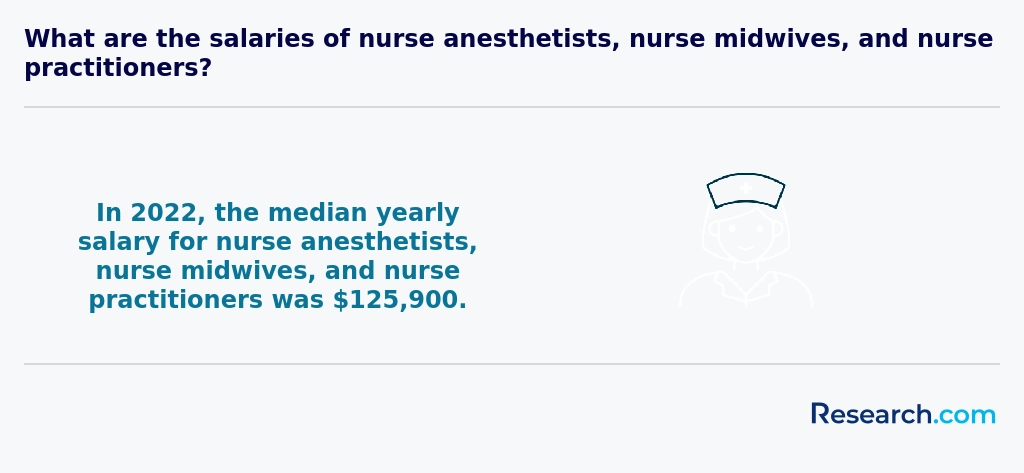
When considering an online nursing degree, one of the most critical factors for prospective students is the cost and how it compares to traditional on-campus programs. Understanding the financial implications of pursuing an online nursing education is essential, as it directly affects the student's ability to manage their expenses and make informed decisions about their academic and professional futures. Students can explore options for the cheapest nursing school to make their educational goals more attainable. By evaluating the total cost of attendance, including tuition, fees, and living expenses, students can better plan their financial strategies. Additionally, exploring financial aid options, scholarships, and grants can significantly reduce the financial burden, making online nursing degrees a more viable and affordable choice for many aspiring healthcare professionals.
Online nursing degree programs in America commonly feature courses that balance theory and practical skills essential for real-world healthcare settings. Graduates from well-known institutions like the University of Arizona or Ohio State University highlight foundational courses such as Human Anatomy and Physiology, Microbiology, and Pharmacology that helped them understand the complexities of the human body and medication interactions.
Beyond sciences, vital classes include Health Assessment, Nursing Ethics, and Evidence-Based Practice, which prepare students to deliver compassionate, ethical, and scientifically supported care. Leadership-focused programs, favored at schools like Johns Hopkins University, add Healthcare Informatics and Management in Nursing to develop skills for supervisory roles.
Students often describe hands-on clinical experiences near their communities as transformative, bridging online learning with patient care. This practical training, required for licensure, ensures readiness for the challenges of nursing careers across America's diverse healthcare environments.
Online nursing degrees in America typically offer a range of specializations that align with the evolving healthcare landscape and diverse student goals. Among the most sought-after is the Family Nurse Practitioner (FNP) track, where graduates report high satisfaction in providing primary care across all age groups, focusing on prevention and chronic condition management. The Bureau of Labor Statistics projects a 40% growth in nurse practitioner roles through 2031, reflecting strong demand in this area.
Other common specializations include Adult-Gerontology Acute Care, which prepares nurses for critical care in hospital settings, and Psychiatric-Mental Health Nursing, attracting those passionate about mental health services. Nursing Administration and Nursing Education are also popular choices for those aiming to lead healthcare teams or teach future nurses. Graduates from well-known nursing colleges often appreciate the flexibility these specialized programs provide.
Additional options encompass Pediatric, Neonatal, Community Health, Informatics, and Emergency Nursing, allowing students to tailor their careers further. Choosing a program from an accredited online nursing degree specializations USA catalog can ensure quality and flexibility. For advanced education pathways, many candidates explore accredited online dnp programs to deepen expertise and career opportunities.
Choosing the best online nursing degree programs USA requires prioritizing accreditation by bodies like CCNE or ACEN to ensure licensure eligibility and program quality. Graduates from popular universities in America often highlight how accredited programs provided a strong foundation blending online theory with essential clinical practice. Cost variability also plays a major role; tuition for a master's degree ranges from $10,000 to $40,000, so comparing expenses against potential employment outcomes is crucial. Many students appreciate programs offering asynchronous learning for flexibility, which is especially important when balancing work and studies.
Clinical placement support is another key factor. Successful graduates frequently credit schools with established healthcare partnerships for easing local clinical hour requirements. Employment data, such as median registered nurse wages of $77,600 reported by the Bureau of Labor Statistics, confirm the economic benefits of advanced nursing degrees. For those seeking affordable online nursing degrees in America, exploring low cost nurse practitioner online programs can provide valuable options without sacrificing quality.
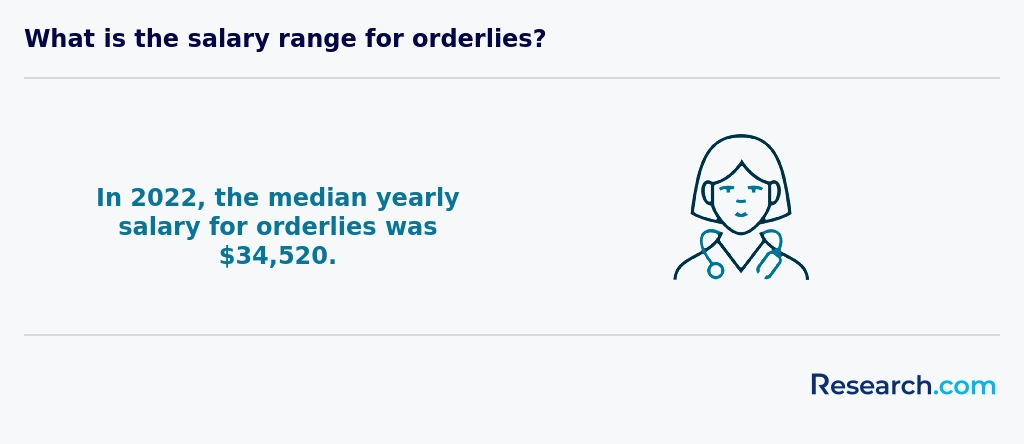
Graduates of online nursing degree programs in America have access to diverse career paths that align with the growing healthcare demand. Many pursue roles as Registered Nurses (RN), a stepping stone to advanced practice positions. Universities known for their nursing programs, such as those in major states, often highlight their graduates' success securing RN licensure and positions in hospitals or community health clinics. This opportunity reflects strong nursing job prospects with online degree in America.
Advanced roles include Nurse Practitioner, Clinical Nurse Specialist, Nurse Anesthetist, and Nurse Midwife, which involve higher responsibility and specialized skills. Graduates from well-respected programs often share their rewarding experiences transitioning into these roles, which contribute significantly to underserved areas. The median salary for nurse practitioners was $120,680 in 2021, illustrating the financial incentive alongside job stability.
Additional pathways encompass nursing administration, education, and informatics-fields where graduates lead healthcare teams or innovate patient care through technology. Many find affordable options through public universities, and those seeking cost-effective programs may consult rankings such as the Most Affordable Online Master's in Nursing Degree Programs Ranking in Columbia, MO for guidance on their educational investment in America's nursing workforce.
The online nursing job market USA shows strong growth driven by demand for qualified nurses in diverse settings like hospitals and outpatient care centers. Graduates from well-known programs at universities known for nursing, such as those in large metropolitan areas, report positive employment outcomes as employers actively seek accredited online nursing degrees. Many find themselves advancing quickly into roles with higher responsibility and pay, benefiting from flexible online study that fits around work or family commitments.
Employment outlook for nursing graduates America highlights a projected 6% growth in registered nursing jobs from 2021 to 2031, with nurse practitioners in particular seeing demand surge by 40%. Graduates from online programs appreciate how their education aligns with these opportunities, especially in states offering incentives like loan forgiveness. For example, graduates from top-tier colleges often share how their advanced degrees helped them secure competitive salaries while maintaining personal balance.
Cost considerations also matter. Online programs reduce expenses related to commuting and housing. Tuition typically ranges between $400 and $800 per credit, which places many students on a financially viable path. Those seeking the best options might explore best paying 6 month certificate programs as supplementary credentials to jumpstart careers quickly and efficiently.
2027 Most Valuable Online Master's in Nursing Degree Programs Ranking in the USA
Investing in your education is a significant decision that can shape your future, and the Research.com team understands the importance of making informed choices. To support prospective students seeking the best online master's in nursing degrees in the USA, we have carefully developed the "2027 Most Valuable Online Master's in Nursing Degree Programs Ranking in the USA." Our dedication to quality, credibility, and accuracy is demonstrated through thorough research and analysis involved in creating this ranking.
We utilized the following reputable data sources to ensure a comprehensive evaluation of nursing programs:
By exploring this ranking, readers will gain valuable insights into the most valuable online master's nursing programs, empowering them to make informed decisions aligned with their career goals. For more information on how the ranking was created, please visit our Research.com methodology page.


# 3 position
Research College of Nursing
Master of Executive Practice & Healthcare Leadership


# 7 position
University of North Georgia
Master of Science with a major in Nursing - Nursing Education track


# 10 position
Aspen University
Master of Nursing


# 19 position
SUNY Empire State College
Master of Nursing Education

# 20 position
Wilmington University
Master of Nursing Leadership Executive, Educator or Legal Nurse Consultant

Frequently Asked Questions About nursing
Online nursing degree students in America can maximize their learning by actively engaging with interactive course materials and participating in virtual simulations. According to the American Association of Colleges of Nursing (AACN), students who complement theory with practical exercises demonstrate higher retention and clinical readiness.
Connecting regularly with instructors and peers through discussion boards and video conferences provides valuable networking and support, which is essential in a demanding field like nursing.
Students should also seek accredited programs, as graduates from these institutions are more likely to pass the NCLEX exam, critical for nursing licensure in the U.S.
Finally, managing time effectively and setting a strict study schedule helps accommodate clinical hours, which remain a vital component despite the online format.
The nursing field in America is rapidly evolving, with several emerging niches gaining attention. One growing area is **geriatric nursing**, driven by the aging U.S. population; the Census Bureau projects that by 2030, all baby boomers will be over 65. Nurses specializing in elder care focus on managing chronic diseases and improving quality of life.
Another niche is **telehealth nursing**, which expanded significantly during the COVID-19 pandemic. The U.S. Bureau of Labor Statistics highlights that telehealth enables nurses to provide remote patient monitoring and consultation, enhancing access to care in rural areas.
Additionally, **genomic nursing** is an innovative area where nurses integrate genetic information into patient care, supporting personalized medicine approaches. These specialties reflect how nursing adapts to new healthcare challenges and technologies.
After completing an online nursing degree in America, preparing for the job market involves several strategic steps. First, obtaining licensure is essential; graduates must pass the NCLEX-RN exam to become registered nurses. According to the National Council of State Boards of Nursing, the pass rate for first-time NCLEX-RN test takers is around 86%. Next, gaining clinical experience through internships or volunteer work helps build practical skills employers seek. Networking is also crucial-joining nursing associations like the American Nurses Association can open job opportunities and mentorships. Finally, staying updated with continuing education enhances employability in this rapidly evolving healthcare field.
Employers in the American nursing field prioritize a blend of clinical expertise and interpersonal skills when hiring graduates. According to the U.S. Bureau of Labor Statistics, strong communication abilities are essential, as nurses must effectively interact with patients, families, and healthcare teams. Critical thinking and problem-solving skills rank highly, enabling nurses to make quick, accurate decisions in dynamic medical environments. Proficiency in electronic health records (EHR) is increasingly important due to the digitalization of patient data. Additionally, empathy and cultural competence help nurses provide personalized care to diverse populations, improving patient outcomes and satisfaction. These skills form the foundation of successful nursing careers in the U.S.
Finding internships related to nursing degrees in America involves a few strategic steps. Start by contacting your online nursing program's career services or academic advisors, as many schools collaborate with healthcare facilities for placements. The American Association of Colleges of Nursing (AACN) reports that internships and clinical placements are essential for hands-on experience in nursing education.
Additionally, explore opportunities at hospitals, clinics, and community health centers near you by visiting their websites or calling their human resources departments. Networking through professional organizations like the National Student Nurses' Association (NSNA) can also provide internship leads. Early application is crucial due to high demand.
An online nursing degree in America significantly enhances career mobility by offering flexible access to advanced education without geographical constraints. According to the American Association of Colleges of Nursing (AACN), nurses with a Bachelor of Science in Nursing (BSN) or higher are more likely to secure leadership roles and specialized positions.
The U.S. Bureau of Labor Statistics projects a 9% growth in registered nurse employment from 2022 to 2032, with increased demand for advanced credentials. Online programs enable working nurses to earn degrees such as MSN or DNP while continuing their careers.
Graduates of accredited online nursing degrees often qualify for higher salaries and broader job prospects, including management, education, and clinical specialties.
Studying for a nursing degree in America equips students with skills essential for interdisciplinary healthcare roles. Online nursing programs emphasize collaboration, critical thinking, and communication, which are vital for working alongside physicians, therapists, and social workers. According to the American Association of Colleges of Nursing (AACN), over 70% of nursing curricula now include interprofessional education to foster teamwork.
Courses integrate case studies and simulations where students practice coordinating with other health professionals. This approach mirrors real-world environments in hospitals and clinics. Research from the National Institutes of Health (NIH) highlights improved patient outcomes when nurses understand roles beyond their own.
Additionally, many programs teach informatics and leadership, preparing nurses to contribute in diverse settings like policy-making and community health.
When choosing between a thesis and a non-thesis nursing degree program in America, consider your career goals. A thesis program involves research and a formal dissertation, ideal for those pursuing a PhD or research-focused roles. According to the American Association of Colleges of Nursing, about 25% of MSN students opt for thesis tracks.
Non-thesis programs emphasize practical skills and clinical application, better suited for nurses aiming to advance in clinical practice or leadership positions. These programs typically require a capstone project or practicum instead of a thesis.
Cost and time are factors: thesis programs often take longer and may require faculty mentorship. Understanding your professional aspirations will guide your choice effectively.
American students interested in studying nursing abroad have several pathways, particularly through established exchange programs and partnerships between U.S. institutions and foreign universities. Many universities offer online nursing degrees with international clinical practicum options, allowing students to meet American licensing standards while gaining global experience. According to the National Council of State Boards of Nursing, graduates must ensure their international clinical hours are recognized for U.S. licensure eligibility.
Options include enrolling in dual-degree programs where students complete part of their studies online with U.S. accreditation while spending time abroad. Additionally, nursing students often participate in global health programs or internships to enhance cultural competence alongside online coursework.
Part-time job opportunities that complement nursing degree education in America often enhance practical skills while providing income. Common roles include certified nursing assistant (CNA), medical scribe, or patient care technician. These positions build clinical experience crucial for nursing students.
According to the U.S. Bureau of Labor Statistics, CNAs earn a median hourly wage of about $15.50, making the role accessible and beneficial for students balancing work and study. Medical scribing offers exposure to healthcare documentation, improving knowledge of medical terminology and patient interactions.
Other opportunities include working as a pharmacy technician or home health aide. These roles improve medication knowledge and patient communication skills, important for future registered nurses.
Employers often offer flexible schedules that accommodate online nursing program demands, making these jobs a practical option for students advancing their education.
Online nursing students in America have access to a variety of networking opportunities despite studying remotely. Many universities offer virtual student groups and professional organizations such as the American Nurses Association (ANA), which has over 4 million registered nurses nationwide. These groups provide webinars, discussion forums, and local events to connect students and professionals.
Additionally, students often participate in online conferences, clinical placements, and alumni networks, helping them build relationships within the nursing community. Platforms like LinkedIn also serve as essential tools to connect with healthcare professionals and potential employers across the country.
According to the National Council of State Boards of Nursing, 70% of successful nurse hires cite professional networking as influential in job placement.
Alumni networks play a crucial role for online nursing degree students in America by offering career support and networking opportunities. According to the American Nurses Association, nearly 3 million registered nurses are employed nationwide, making connections through alumni a valuable resource for job placement and professional growth.
These networks enable students to access mentorship from experienced nurses, which is essential in navigating the clinical and administrative challenges of the profession. Additionally, alumni often share job openings and career advice, increasing employment chances upon graduation.
Membership also fosters continuing education and collaboration, which can lead to higher retention rates in nursing roles as reported by the National Council of State Boards of Nursing.
Customizing an online nursing degree program in America allows students to align their education with specific career goals. Many accredited programs offer concentrations such as family nurse practitioner, nurse educator, or healthcare administration. According to the American Association of Colleges of Nursing (AACN), 58% of graduate nursing programs provide specialized tracks to meet diverse professional needs.
You can select electives and clinical experiences that match your desired role, helping build relevant skills. Online formats often include flexible scheduling, which is ideal for working nurses advancing in their careers. Additionally, students should verify that their program's curriculum aligns with state licensure requirements for practice.
Access to mentorship and networking opportunities within a program also supports career development tailored to individual goals.
Online nursing students in America often face significant challenges balancing coursework with demanding personal and professional responsibilities. According to the American Association of Colleges of Nursing (AACN), many students juggle full-time jobs and family care, which can increase stress and impact study time.
Technical issues also hinder learning, as reliable internet access and sufficient computer skills are essential. A 2023 EDUCAUSE report highlighted that 35% of students experienced disruptions due to inadequate technology.
Clinical practice requirements present another challenge. While theory can be taught online, finding local sites for hands-on experience is critical but sometimes limited by location or scheduling conflicts.
With an online nursing degree in the United States, graduates can pursue various professional certifications to enhance their careers. Common certifications include the Certified Registered Nurse Anesthetist (CRNA), Certified Nurse Midwife (CNM), and Certified Clinical Nurse Specialist (CNS). These credentials typically require passing exams administered by organizations like the American Nurses Credentialing Center (ANCC).
Nurses with a master's degree can also aim for specialty certifications such as Family Nurse Practitioner (FNP) or Adult-Gerontology Acute Care Nurse Practitioner (AGACNP). The Bureau of Labor Statistics reports demand for nurse practitioners is expected to grow 46% through 2030, making such certifications valuable.
Many certifications require both education and clinical hours, so accredited online programs often include practicum components to fulfill these criteria.
Applying to an online nursing program in America requires a clear, well-organized application that highlights your academic and professional strengths. Start by ensuring you meet all admission requirements, such as a valid RN license and a minimum GPA, often around 3.0, depending on the school. Include a compelling personal statement that explains your motivation for advancing in nursing, demonstrating understanding of current healthcare challenges.
Strong letters of recommendation from nursing supervisors or professors can significantly boost your application. Many programs value clinical experience, so detail your hands-on patient care skills and any leadership roles. According to the American Association of Colleges of Nursing (AACN), programs increasingly seek applicants with experience in diverse healthcare settings.
Finally, carefully proofread your application to avoid errors, and submit it before deadlines to improve your chances in competitive nursing programs.
A nursing career in the United States offers global opportunities due to high standards of education and licensure recognized worldwide. American nursing degrees, especially at the master's level, are respected internationally, allowing graduates to work in diverse healthcare systems.
According to the U.S. Bureau of Labor Statistics, registered nursing jobs are projected to grow 9% from 2020 to 2030, faster than the average for all occupations. This demand reflects a global trend highlighting the importance of healthcare professionals.
Additionally, U.S. nurses often engage in international collaborations and humanitarian efforts, enhancing their global impact. Many online nursing programs in America incorporate global health topics to prepare students for worldwide challenges.
Gaining practical experience is essential when pursuing an online nursing degree in America. Most programs integrate clinical placements or hands-on practicums as part of their curriculum, typically requiring students to complete a specific number of clinical hours. These experiences usually take place in healthcare facilities near the student's residence, such as hospitals, clinics, or nursing homes. According to the American Association of Colleges of Nursing (AACN), MSN programs generally require between 500 to 1,000 clinical hours to ensure competency.
Students often work with assigned preceptors who supervise and evaluate clinical performance. Additionally, some schools offer virtual simulation labs to supplement hands-on learning. These strategies help bridge the gap between theory and real-world practice, preparing students for licensure exams and employment.
Choosing the right concentration within an online nursing degree program in America involves evaluating your career goals and interests. Popular concentrations include Family Nurse Practitioner, Nurse Anesthesia, and Nursing Education, each with distinct roles and salary prospects. According to the U.S. Bureau of Labor Statistics, nurse practitioners earn a median annual wage of about $120,000, reflecting strong demand through 2031.
Consider your preferred patient population, work environment, and certification requirements. Verify that the program is accredited by organizations such as the Commission on Collegiate Nursing Education (CCNE) or the Accreditation Commission for Education in Nursing (ACEN).
Research the curriculum to ensure it aligns with your intended specialization and meets state licensing requirements. Also, assess the availability of clinical placements, which are crucial for hands-on experience.
See What Experts Have To Say About Studying Nursing
Read our interview with Nursing experts

Lisa Grubb
Nursing Expert
Assistant Professor
Johns Hopkins School of Nursing

- | NRR | Dove Medical Press https://www.dovepress.com/internship-challenges-encountered-by-nursing-students-a-qualitative-st-peer-reviewed-fulltext-article-NRR
- Scholarships & Financial Aid https://www.aacnnursing.org/students/scholarships-financial-aid
- Nurse Salary https://nursinglicensemap.com/resources/nurse-salary/
- School of Nursing Alumni Resources https://nursing.utmb.edu/About/Alumni
- What Are the Best RN Certifications for Your Career? https://credenzahealth.com/career-advice/what-are-the-best-rn-certifications-for-your-career
- Study Nursing Abroad | Boomerang International Educational Services https://boomerangedu.com/study-nursing-abroad/
- Online Nursing Prerequisites: Complete Guide & Cost Savings | StraighterLine https://www.straighterline.com/blog/which-online-nursing-prerequisites-should-you-take-online
- Nursing School - Online Nursing Degrees | Aspen University https://www.aspen.edu/nursing/
- Guide to Making a Career Change to Nursing https://teach.com/online-ed/healthcare-degrees/online-msn-programs/career-change-to-nursing/
- 7 Things to Consider When Getting a Nursing Degree Online https://onlinedegrees.elmhurst.edu/blog/seven-things-consider-when-picking-online-nursing-program


