2027 Most Affordable Nursing Degree Programs Ranking in Ponce

Co-Founder and Chief Data Scientist
Choosing the right nursing degree program in Ponce is an important step toward a rewarding healthcare career. To help you navigate this journey, this article presents the 2027 Most Affordable Nursing Degree Programs Ranking in Ponce, developed by the Research.com team of data scientists.
By exploring this ranking, you'll discover valuable insights into affordable options that offer quality education. Whether you're starting out or advancing your nursing career, finding the right program can make all the difference. Take the first step toward a fulfilling future in nursing with confidence and clarity.
Key benefits of getting nursing degree in Ponce
Obtaining a nursing degree in Ponce opens doors to rewarding salaries, with roles like Registered Nurse and Public Health Nurse earning around $94,480 annually, while Operating Room Nurses can earn up to $128,490. Graduates from the University of Puerto Rico at Ponce enjoy diverse career paths, including clinical nursing, education, and emergency care, reflecting strong job flexibility and community impact. Choosing an online nursing degree from popular local institutions offers the benefit of flexible study schedules, allowing students to balance work and family life while gaining essential skills, making education more accessible and manageable.
- 2027 Most Affordable Nursing Degree Programs Ranking in Ponce
- What can I expect from nursing degree in Ponce?
- Where can I work with nursing degree in Ponce?
What can I expect from nursing degree in Ponce?
The average cost of pursuing a nursing degree in Ponce typically falls between $5,000 and $15,000 per year, offering an affordable pathway compared to many mainland U.S. programs. Graduates from places like Universidad Ana G. Méndez and Ponce Health Sciences University often recall how this financial accessibility eased their focus on mastering anatomy, pharmacology, and patient care without the heavy burden of overwhelming debt.
Imagine a student balancing rigorous clinical rotations in local hospitals with coursework, knowing their tuition investment feels reasonable in exchange for real-world experience. Many feel a deep sense of accomplishment as they navigate bilingual communication challenges, uniquely preparing them for Ponce's healthcare environment. The lower cost also reflects community support and local initiatives, reinforcing the idea that quality education need not come at an exorbitant price.
These programs not only prepare students for the NCLEX-RN exam but also nurture cultural competence essential for serving a largely Spanish-speaking population, making every dollar spent on tuition feel purposeful and rewarding.
Where can I work with nursing degree in Ponce?
Graduates with a nursing degree in Ponce quickly discover that their career options extend far beyond traditional hospital roles. Many find themselves energized by opportunities at Hospital Damas, where the fast-paced environment of emergency rooms or specialized care units pushes their skills to new heights. Others share how working in Ponce Health Sciences University's research clinics transformed their perspective, allowing them to contribute to cutting-edge medical advancements while applying academic knowledge in real-world settings.
Some graduates embrace the rewarding challenge of community health, providing compassionate care to the elderly at places like Casa de Ancianos Jesús María. They describe a deep fulfillment in supporting patients through chronic disease management and rehab, often in home-based care environments that foster strong, personal connections.
Beyond the hospital ward, nursing alumni frequently leverage their degrees in unexpected arenas-public health departments or pharmaceutical sectors in Ponce-demonstrating that a nursing degree here equips you for a versatile and meaningful career path.
Nursing graduates from respected institutions in Ponce often discover that earning potential challenges expectations shaped by local averages. While typical Registered Nurses in Puerto Rico earn between $45,000 and $55,000, national data shows a different reality for specialized roles. For instance, Registered Nurses, Clinical Nurse Educators, Public Health Nurses, and Emergency Room Nurses in the U.S. have a mean annual wage around $94,480, reflecting the value of advanced nursing education and skills. Graduates in Ponce pursuing these paths might aspire to these figures as a benchmark.
Consider a graduate from one of Ponce's prominent nursing programs who chooses to specialize-for example, training as an Operating Room Nurse. The U.S. median salary for this role is significantly higher, at $128,490 annually, which can inspire ambitious individuals to seek certification and experience beyond local standards.
Those starting out as Licensed Practical Nurses or Nurse Assistants in Ponce, earning closer to $25,000-$35,000, often see firsthand how extra credentials and perseverance open doors to roles with higher pay and more professional satisfaction. These real-world journeys reinforce that the financial rewards of a nursing degree can evolve remarkably with dedication, even in Ponce's unique healthcare environment.
- Nursing programs in Ponce offer associate and bachelor's degrees through universities and technical colleges.
- Tuition costs range from $4,000 to $10,000 per year, with public schools generally being more affordable.
- Entry-level nursing salaries average between $45,000 and $55,000 annually, rising above $65,000 with experience.
- The nursing field in Ponce is growing steadily due to an aging population and higher healthcare demand.
- Graduates must pass the NCLEX-RN exam to obtain nursing licensure, recognized across the United States.
- Associate degree programs take about two years, while bachelor's degrees typically require four years; accelerated options exist for non-nursing graduates.
Completing a nursing degree in Ponce often challenges the assumption that it must be a lengthy, rigid process. Graduates from well-known institutions like the Ponce Health Sciences University and Universidad Ana G. Méndez frequently share how the typical timelines-two years for an ADN and about four for a BSN-felt manageable and motivating. One ADN graduate recalls balancing coursework and clinical hours at local hospitals while still finding time to engage with the community, which infused their studies with real-world relevance.
Meanwhile, BSN students describe their journey as an enriching four-year experience that goes beyond textbooks, blending leadership training and hands-on practice crucial for professional growth. Those who pursued RN-to-BSN bridge programs often highlight the flexibility, completing their degree in as little as 12 months while working full time, a testament to Ponce's adaptive educational offerings.
Rather than viewing nursing education as a barrier, these timelines reflect a dynamic process shaped by personal dedication, program formats, and clinical placements-elements that make the time invested feel purposeful and empowering.
Choosing between online and on-campus nursing degrees in Ponce often feels like deciding between two distinct worlds. Graduates from Pontificia Universidad Católica de Puerto Rico frequently reflect on the energizing classroom atmosphere-face-to-face discussions that spark immediate insights and hands-on clinical simulations where they build confidence through direct patient care. The tangible presence of instructors and peers fosters a community that feels deeply supportive during intense learning moments.
Conversely, those who completed their studies online, perhaps through Universidad Ana G. Méndez, emphasize the freedom found in flexible schedules. Juggling work, family, and education, they appreciate attending lectures at their own pace, turning theory into practical knowledge through virtual tools. Yet, they still navigate the challenge of securing local clinical placements, often feeling a mix of independence and responsibility as they arrange hands-on hours in nearby Ponce hospitals.
Both paths ignite passion and skill; the on-campus route offers immersive experiences with peers, while online learning invites self-discipline and adaptability. Reflecting on these contrasts helps reveal not just a format difference but a transformative approach unique to each student's journey.
In Ponce, the average cost of obtaining a nursing degree reveals an intriguing balance between affordability and quality. While many assume nursing education always carries a hefty price tag, local data shows that in-state students can expect a median total cost of around $8,577, considerably lower than mainland counterparts. This affordability is a crucial factor for students weighing their options among popular universities or colleges in Ponce, known for their strong nursing programs. Graduates often reflect positively on this financial accessibility, which allows them to focus more on mastering clinical skills rather than worrying about overwhelming debt.
Consider a student pursuing an Associate Degree in Nursing (ADN) at a well-regarded institution in Ponce. With full-time enrollment, they can complete their program for a fraction of what it might cost elsewhere in the U.S. This manageable expense not only covers tuition but also supports opportunities like clinical rotations, which enrich practical experience. However, additional costs such as books, uniforms, and exam fees still require budgeting. For those focused on affordable nursing programs in Ponce 2027, such realistic awareness helps avoid surprises.
One aspect worth deeper reflection is how financial aid and scholarships shape the overall cost. Many nursing students benefit from targeted support, and local schools actively assist in this regard. This dynamic can turn the median figures into personal success stories. For students eager to explore pathways in nursing leadership, understanding these variables alongside programs offering leadership in healthcare can be transformative.
Many nursing students in Ponce find that navigating financial aid is not just about numbers, but about unlocking the doors to their dreams. At popular institutions like the Pontifical Catholic University of Puerto Rico or the Pontifical University of Puerto Rico, graduates often share how applying for federal aid through FAFSA transformed their ability to focus on studies instead of financial stress. The Pell Grant, for example, offering up to $7,395 yearly, often feels like a lifeline for students balancing tuition costs upwards of $10,000 annually.
Beyond federal aid, local scholarships serve as vital support, especially when offered by organizations like the Puerto Rico Nurses Association. These awards feel deeply personal-many recipients report a renewed sense of community and encouragement to complete their degrees. State tuition waivers at public colleges make a significant difference too, reducing tuition sharply for Ponce residents and making education tangible rather than distant.
Employer-supported tuition reimbursement is another powerful aid form. Graduates from local hospitals recall the gratitude of being empowered to grow professionally while working, often feeling motivated by the investment their employers make in them. This intertwining of financial assistance and practical experience challenges the idea that college debt is an unavoidable burden for nursing students in Ponce.
Enrolling in a nursing degree program in Ponce demands more than just paperwork; it calls for a genuine readiness grounded in academic and personal commitment. Graduates from well-known institutions in the city recall how strong foundations in biology, chemistry, and algebra formed the backbone of their early success. Imagine entering the University of Puerto Rico at Ponce with a solid grasp of these subjects-it's not just about passing exams, but about developing the critical thinking needed to thrive in clinical environments.
Applicants must also demonstrate proficiency through standardized tests like the SAT or ACT, though some local community colleges offer flexibility, understanding that prior college credits or placement tests can better reflect readiness. Health clearances, including immunizations and tuberculosis tests, are more than formalities; they embody the ethical responsibility nurtured from day one.
Healthcare experience, even as a volunteer or CNA, is often the game-changer. Alumni frequently share how this firsthand exposure sparked their passion for patient care and gave them a confident edge when starting clinical rotations in Ponce's hospitals. This mix of academic preparation and practical insight makes nursing in Ponce a uniquely rewarding journey.
Nursing degrees in Ponce immerse students in courses that go beyond rote memorization, inviting them to truly understand the human body and its complexities. Graduates from popular local universities often describe the foundational science classes-like anatomy, physiology, microbiology, and chemistry-as eye-opening, providing the essential language needed to communicate effectively in clinical settings.
What sets Ponce apart is how nursing programs weave specialized courses such as pharmacology, health assessment, and nursing theory directly with practical experiences. One graduate recalled how the hands-on lessons at their clinical rotation in a Ponce community health center brought pharmacology concepts to life, making every dosage and side effect feel deeply personal and relevant.
Courses like adult and geriatric nursing, pediatric nursing, and mental health nursing prepare students to meet real demands with compassion and confidence. Beyond science, leadership and healthcare law classes challenge students to envision themselves as advocates within a complex healthcare system-ready to lead change where it matters most in Ponce's diverse patient populations.

Nursing degree specializations in Ponce challenge students to think beyond traditional roles. Graduates from prominent institutions like Pontifical Catholic University of Puerto Rico report that specializing in areas such as Community Health, Pediatric Nursing, or Geriatric Nursing translates theory into impactful, real-world care. These programs push students to engage with Ponce's unique demographic challenges, whether working with youth in pediatric wards or developing preventive strategies in community clinics.
Another graduate from the University of Puerto Rico at Ponce highlights how Critical Care Nursing prepares students for the intense, fast-paced environments of local hospitals, transforming fear into confident expertise. Meanwhile, emerging specializations like Mental Health Nursing reflect the shifting priorities in Puerto Rico's healthcare landscape, where understanding emotional resilience is increasingly vital.
For those seeking broader perspectives on healthcare careers, integrating allied fields offers exciting possibilities. Some students balance their nursing studies with Radiology education, illustrating the interconnected nature of modern medicine and opening new doors in the best nursing career options Ponce 2027 will demand.
Choosing the best nursing degree in Ponce means looking beyond just the diploma. Graduates from top colleges here often reflect on how program flexibility made all the difference-some juggled evening classes while working, proving that schedule options matter as much as curriculum. But it's not just about convenience; accreditation and NCLEX-RN pass rates shape real career outcomes, revealing whether the program truly prepares students for the rigor of nursing.
Cost is another puzzle piece in the decision-nursing programs in Ponce are known for being among the best affordable nursing programs in Ponce, yet careful budgeting and exploring financial aid can transform a good choice into a great one. Imagine training in local hospitals, gaining hands-on skills during clinical placements, and feeling confident stepping into your first nursing job because your program prioritized these experiences.
For those aiming higher, a Bachelor of Science in Nursing opens broader paths not just for pay but for leadership roles, as many graduates attest. If you're thinking about career growth, consider how to navigate healthcare career advancement by linking your education with local workforce demands. Exploring this balance challenges conventional wisdom and encourages students to envision nursing not just as a degree but a lifelong journey.

Graduates with a nursing degree in Ponce find themselves at a unique crossroads of opportunity, where conventional paths like becoming a registered nurse (RN) intersect with emerging roles shaped by the island's healthcare needs. Many starting their careers in facilities such as Hospital Damas or Hospital Dr. Meléndez discover that nursing career opportunities in Ponce extend far beyond bedside care. Graduates often share how hands-on experiences at local clinics have deepened their passion, pushing them to explore specialized nursing roles that challenge the traditional RN framework.
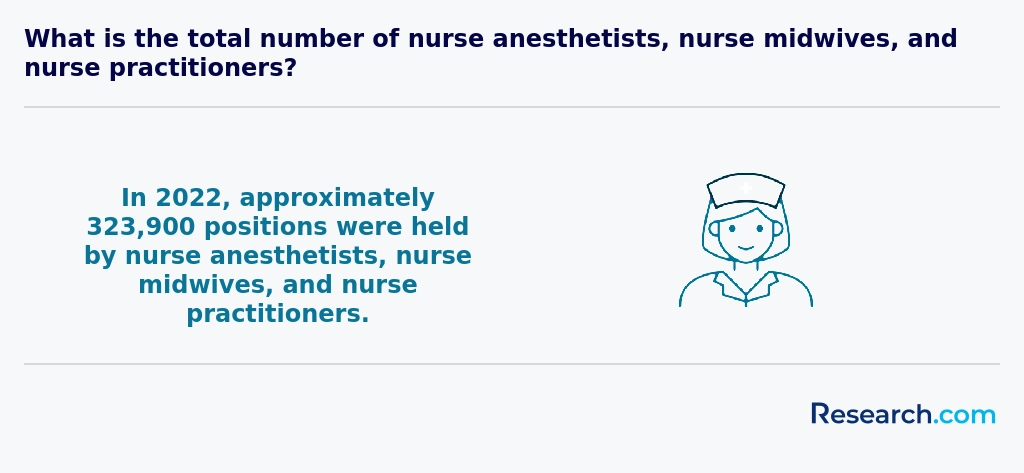
Advanced roles like nurse practitioners, nurse anesthetists, and nurse midwives require further study but unlock autonomy and leadership in patient care, reflecting a growing recognition of nursing as a dynamic career. Public health nursing also presents a compelling avenue where graduates collaborate with community organizations, addressing chronic diseases prevalent in Puerto Rico. Those who studied at prominent Ponce colleges describe a gratifying sense of impact from these roles. For those intrigued by leadership or education, nursing administration and teaching positions offer meaningful ways to shape future generations of caregivers.
Nursing degree job prospects Ponce also include continuous professional growth, supported by programs such as nurse practitioner degrees wisconsin continuing education, which many graduates pursue to expand their clinical capabilities. This range of career paths challenges the notion that a nursing degree is a singular trajectory, instead inviting reflection on nursing as an evolving, versatile profession rooted deeply in Ponce's healthcare fabric.

Nursing job opportunities in Ponce reflect a market both steady and promising, shaped by local healthcare demands and educational pathways. Graduates from popular colleges in Ponce often share how their clinical rotations at Hospital San Lucas Ponce or the Puerto Rico Veterans Affairs Medical Center open immediate doors to employment, highlighting a unique advantage not always found in other regions. Many feel encouraged by the balance of a stable income with meaningful work in acute care or home health services, despite salaries being lower than the U.S. mainland.
Those pursuing a Ponce nursing degree employment outlook can consider the value of programs that provide strong employer connections and accredited clinical experience. One graduate recalled the excitement of joining a team in a community health clinic where ongoing demand creates room for advancement, especially when paired with dedication to specialized fields. This real-world exposure fuels positive momentum and growth in the profession.
It's important to actively explore options for advancement in neonatal nursing, a pathway some students have found rewarding within Ponce's healthcare system, adding both personal satisfaction and career resilience to their journey.
2027 Most Affordable Nursing Degree Programs Ranking in Ponce
Investing in your education is a significant decision that can shape your future, and the Research.com team understands the importance of making informed choices. To assist prospective students in Ponce, we have meticulously crafted the "2027 Most Affordable Nursing Degree Programs Ranking in Ponce." Our commitment to quality, credibility, and accuracy is reflected in the extensive research and analysis conducted to compile this ranking.
We utilized the following reputable data sources to ensure a comprehensive evaluation of nursing programs:
By exploring this ranking, readers will gain valuable insights into the most affordable nursing degree options available in Ponce, empowering them to make well-informed decisions about their educational investment. For more details on our methodology, please visit our Research.com methodology page.
# 1 position
Pontifical Catholic University of Puerto Rico-Ponce
Bachelor of Science in Nursing
# 2 position
Ponce Health Sciences University-East
Bachelor of Science in Nursing

Frequently Asked Questions About nursing
Students pursuing nursing degrees in Ponce can enhance their learning by engaging actively in clinical placements offered through local hospitals like Hospital Dr. Pila. Practical experience is vital in nursing education and Ponce's healthcare facilities provide diverse opportunities for hands-on training. According to the Puerto Rico Board of Nursing, students who complete over 500 hours of clinical training tend to perform better on the NCLEX-RN licensure exam.
In addition, joining study groups and nursing organizations on campus can improve understanding of complex subjects and offer valuable networking. Utilizing online resources and simulation labs available at institutions in Ponce further supports knowledge retention. Time management and seeking mentorship from experienced nurses also contribute significantly to academic success.
Nursing is rapidly evolving, with several emerging specialties gaining importance in the U.S., including in regions like Ponce, Puerto Rico. One growing niche is geriatric nursing, driven by the increasing elderly population requiring specialized care. The U.S. Census Bureau highlights that by 2030, one in five Americans will be over 65, fueling demand for skilled geriatric nurses.
Another expanding area is telehealth nursing, which has surged following advancements in technology and the COVID-19 pandemic. Nurses in this niche provide remote patient care and monitoring, essential in underserved or rural communities around Ponce.
Additionally, pediatric oncology nursing is advancing due to ongoing cancers treatment innovations. Nurses in this field require expertise in managing complex childhood cancer cases, a critical need within specialized hospitals near Ponce.
After completing a nursing degree in Ponce, preparing for the job market requires focused planning and practical steps. First, obtaining licensure by passing the NCLEX-RN exam is essential to practice as a registered nurse in Puerto Rico.
Nurses in Ponce benefit from internships or clinical rotations completed during their studies, which strengthen real-world skills and local healthcare network connections. Graduates should also create a professional resume highlighting clinical experience and relevant certifications.
Joining nursing associations, such as the Puerto Rico Nurses Association, provides access to job listings, continuing education, and networking events, increasing employment opportunities. Awareness of Ponce's growing healthcare demand, supported by the Department of Labor, shows promising job prospects in hospitals and community clinics.
Employers in Ponce highly value nursing graduates who demonstrate strong clinical skills and effective patient care. According to the Puerto Rico Board of Nursing, proficiency in communication and teamwork ranks among the top requirements for new nurses. These skills ensure smooth collaboration within healthcare teams and improve patient outcomes.
Critical thinking and problem-solving abilities are also essential. Nursing graduates must quickly assess situations and make informed decisions, especially in emergency settings common in Ponce hospitals. Additionally, cultural sensitivity is important, given the diverse patient population in the region.
Lastly, technical competence with electronic health records (EHR) systems is increasingly expected by employers. Familiarity with EHR software aligns with modern healthcare standards and improves efficiency. These combined skills enhance the employability of nursing graduates in Ponce.
Finding internships in Ponce for nursing students involves a combination of research, networking, and utilizing local healthcare resources. Ponce is home to several hospitals and clinics, including Hospital Dr. Pila and Clinica Dr. Porrata Doria, which regularly offer clinical internship opportunities for nursing students. These internships are essential for gaining real-world experience and meeting state licensing requirements.
Students should start by contacting their nursing program's clinical coordinator, as many schools maintain partnerships with local health providers. Additionally, the Puerto Rico Board of Nursing provides guidelines on approved clinical sites. Job fairs and local health department websites also list available internships frequently.
Obtaining a nursing degree in Ponce significantly enhances career mobility and advancement opportunities within Puerto Rico's healthcare system. Registered nurses (RNs) with formal education often qualify for a wider range of positions, including specialized and managerial roles, compared to those with only a nursing assistant certification. According to the Puerto Rico Department of Labor and Human Resources, nurses with bachelor's degrees tend to experience faster promotion rates and higher salary brackets.
In Ponce, healthcare facilities increasingly prefer nurses with Associate or Bachelor of Science in Nursing (ASN or BSN) degrees due to their comprehensive training. This preference aligns with U.S. nationwide trends emphasizing education for improved patient outcomes. Additionally, a nursing degree enables graduates to pursue advanced certifications and graduate studies, further boosting career prospects.
Studying for a nursing degree in Ponce equips students to work effectively in interdisciplinary healthcare teams. Local nursing programs emphasize collaboration with professionals such as physicians, pharmacists, and social workers through clinical rotations at hospitals and community health centers. This hands-on experience develops communication skills essential for integrated patient care.
Ponce's nursing curriculum aligns with U.S. accreditation standards, including the Commission on Collegiate Nursing Education (CCNE), ensuring graduates are prepared for diverse healthcare environments. According to the Puerto Rico State Office of Nursing, over 60% of nurses in Ponce report active roles in multidisciplinary teams.
Courses in leadership, ethics, and healthcare technology further prepare students for the teamwork required in modern healthcare settings.
When choosing between a thesis and a non-thesis nursing degree program in Ponce, students should consider their career goals and learning preferences. A thesis option typically requires conducting original research and writing a detailed paper, which can strengthen skills beneficial for careers in academia or research. The non-thesis path usually involves additional coursework and practical training, appealing to those focused on clinical practice.
In Ponce, where nursing roles often emphasize patient care within hospitals and community settings, many students prefer the non-thesis route for its direct application. According to the Puerto Rico Nursing Board, 65% of nurses working in Ponce hold degrees emphasizing practical experience over research.
Additionally, the thesis route can extend program duration by several months. Prospective students should evaluate program requirements and discuss options with academic advisors to align their choice with professional aspirations.
Students based in Ponce looking to study nursing abroad often explore accredited programs within the United States due to their recognized standards and comprehensive clinical training. Many US institutions offer Bachelor of Science in Nursing (BSN) and Associate Degree in Nursing (ADN) programs accessible to international students through established exchange agreements or online coursework combined with in-person clinical requirements. According to the National League for Nursing, BSN graduates have better job prospects and salary outcomes.
Some Puerto Rican students use their residency status to access in-state tuition in US states, reducing financial barriers to studying nursing abroad. Additionally, partnerships between Caribbean nursing schools and US universities sometimes facilitate transfer pathways for nursing credits. For many, online RN-to-BSN programs offer flexibility while maintaining accreditation recognized by the Commission on Collegiate Nursing Education (CCNE).
Students pursuing nursing degrees in Ponce can benefit from various part-time job opportunities that reinforce their education. Positions such as certified nursing assistants (CNAs) or home health aides provide hands-on patient care experience, complementing coursework. Local healthcare facilities, including Ponce Health Sciences University Hospital, often seek part-time workers, offering valuable clinical exposure. Additionally, pharmacy technician roles allow nursing students to deepen their understanding of medications and patient communication.
According to the Puerto Rico Department of Labor, healthcare jobs accounted for over 15% of local employment in 2023, indicating steady demand. Engaging in such roles supports practical skill development essential for nursing licensure exams (NCLEX-RN) and future career advancement.
Nursing students in Ponce benefit from various networking opportunities through local universities and healthcare facilities. The Pontificia Universidad Católica de Puerto Rico and the Universidad Ana G. Méndez offer student organizations and professional nursing clubs that encourage peer and professional connections. These groups often host seminars and workshops featuring experienced nurses and healthcare leaders.
Healthcare institutions such as Hospital Dr. Pila and Hospital San Lucas also provide clinical rotations where students gain hands-on experience and interact with nursing professionals. These partnerships are crucial for building contacts that can lead to internships and job placements.
Additionally, Ponce's proximity to regional nursing conferences and Puerto Rico Nurses Association events allows students to engage with broader professional networks. According to the Puerto Rico Board of Nursing, over 30% of newly licensed nurses in Ponce report that networking during training influenced their employment outcomes.
Nursing degree students in Ponce benefit significantly from active alumni networks. These networks offer valuable mentorship opportunities, connecting current students with experienced graduates who can guide career development and academic challenges. According to the Puerto Rico Board of Nursing, mentorship through alumni connections contributes to higher NCLEX-RN pass rates among graduates.
Alumni networks also provide access to job postings and internships tailored to the local healthcare market, which is crucial in Ponce due to its growing demand for qualified nurses in hospitals and community clinics. Networking events and professional workshops organized by alumni help students build essential professional relationships.
Moreover, alumni can support scholarship programs and fundraising efforts, reducing financial barriers for nursing students. The shared insights from nursing professionals in Ponce strengthen students' practical knowledge and readiness for licensure exams.
Customizing your nursing degree program in Ponce involves selecting coursework and clinical experiences that align with your career goals. Many institutions in the region offer flexible curriculum tracks, such as pediatrics, geriatrics, or community health, allowing you to focus on specific populations or specialties. You can also pursue elective classes or certifications in areas like pharmacology or nurse leadership to strengthen particular skills.
Local programs often provide partnerships with Ponce hospitals and clinics, giving you options for clinical rotations that match your interests. These experiences are crucial for building practical skills and networking in your desired field.
The Puerto Rico Board of Nursing provides guidelines to ensure coursework meets licensure requirements, so customization stays aligned with professional standards.
Nursing students in Ponce face several challenges that impact their education and practical training. One major issue is balancing demanding clinical hours with academic coursework. Clinical placements are essential but often require time commitments that conflict with personal responsibilities. According to the Puerto Rico Nursing Education Consortium, many students report stress from managing these obligations simultaneously.
Additionally, limited access to updated simulation labs can hinder skill development. Some institutions in Ponce struggle to provide modern facilities due to budget constraints. Financial pressures also affect students, as nursing programs can incur costs exceeding $6,000 annually, excluding supplies and transportation.
Language barriers may affect comprehension of medical terminology, especially for students whose primary language is Spanish but must learn English-language resources. These obstacles contribute to the rigorous journey nursing students encounter pursuing their degrees in Ponce.
With a nursing degree in Ponce, graduates can pursue a variety of professional certifications to advance their careers. One primary certification is the Registered Nurse (RN) license, which is essential for clinical practice and regulated by the Puerto Rico Board of Nursing. Beyond this, nurses often seek specialty certifications such as Certified Nurse Assistant (CNA), Certified Nurse Midwife (CNM), or certifications in areas like gerontology, critical care, and pediatrics offered by the American Nurses Credentialing Center (ANCC).
These certifications enhance job prospects and often lead to higher salaries. According to the U.S. Bureau of Labor Statistics, registered nurses in Puerto Rico earn a median annual wage near $50,000, with certified nurses generally earning more.
Obtaining professional certifications requires passing standardized exams and fulfilling clinical experience hours, both manageable with local guidance in Ponce. Continuing education is vital, making certification a pathway to lifelong career growth in nursing.
Writing a winning application for a nursing program in Ponce requires careful preparation and attention to detail. Start by researching programs offered by accredited institutions in the area, such as the Universidad Ana G. Méndez. Ensure you meet all prerequisites, including GPA and coursework in science and math.
Highlight relevant experience, such as healthcare volunteering or work, in your personal statement. Programs in Puerto Rico often emphasize community involvement, so mentioning local service can be advantageous. According to the Puerto Rico Board of Nursing, a strong application also includes clear career goals and commitment to the field.
Prepare for standardized tests if required, and request recommendation letters from professionals familiar with your abilities. Finally, submit your application by the stated deadlines to avoid disqualification.
The nursing profession is recognized worldwide as a vital and growing career with strong job security. In the United States, including Ponce, Puerto Rico, nursing careers are expected to grow by 9% from 2020 to 2030, according to the U.S. Bureau of Labor Statistics. This growth reflects a global demand for skilled nurses due to aging populations and increased healthcare needs.
Globally, nurses with U.S. degrees are often sought after because of their comprehensive training. In Ponce, nursing programs align with national standards, ensuring graduates can compete in both local and international healthcare markets. The knowledge of U.S. healthcare protocols and earned credentials provide valuable mobility for nurses worldwide.
Gaining practical experience while studying for a nursing degree in Ponce typically involves clinical rotations, internships, and externships that are integral to most accredited nursing programs. These opportunities allow students to work directly in healthcare settings such as hospitals, community clinics, and long-term care facilities.
Local institutions, including the Pontifical Catholic University of Puerto Rico and the Inter American University of Puerto Rico-Ponce campus, have partnerships with nearby medical centers. These collaborations ensure students gain hands-on training under the supervision of registered nurses and licensed professionals.
According to the Puerto Rico Board of Nursing, students must complete a minimum number of clinical hours-often totaling 500 to 700-depending on the degree level. This practical experience is essential to develop clinical skills and satisfy state licensure requirements.
Volunteering in local health outreach programs or participating in simulation labs equipped with advanced technology also enhances students' readiness for real-world nursing challenges.
Choosing the right concentration within a nursing degree program in Ponce involves understanding both your career goals and the local healthcare needs. Nursing concentrations such as pediatrics, geriatrics, or critical care prepare students for specialized roles. According to the Puerto Rico Nursing Board, demand for geriatric nursing professionals is increasing due to an aging population on the island.
Review the curriculum offered by institutions like the Pontifical Catholic University of Puerto Rico, which provide specific tracks aligned with practical experience. Consider your strengths, interests, and the types of clinical placements available locally. Additionally, check licensure requirements to ensure your chosen concentration supports your long-term certification and employment goals.
See What Experts Have To Say About Studying Nursing
Read our interview with Nursing experts


- Ponce Health Sciences University | Where Healthcare Dreams Become Reality | Home https://phsu.edu/
- Nursing Internship and Externship Programs https://jobs.mayoclinic.org/nursinginternexternprograms
- Career Advancement Pathways for Nurses : Expert RN shares 10+ Professional growth opportunities - MuminMed https://blog.muminmed.com/career-advancement-pathways-for-nurses/
- How to Choose a Nursing Program: A Comprehensive Guide https://absn.madonna.edu/blog/how-to-choose-a-nursing-program/
- Work-life balance | Careers Crossroads https://www.rcn.org.uk/Professional-Development/Your-career/Nurse/Career-Crossroads/Career-Ideas-and-Inspiration/work-life-balance
- What Are the Best RN Certifications for Your Career? https://credenzahealth.com/career-advice/what-are-the-best-rn-certifications-for-your-career
- Top Skills Employers Want in Practical Nursing Graduates https://vervecollege.edu/what-employers-look-for-in-practical-nursing-graduates/
- How to Switch to Nursing as a Second Career | All Nursing Schools https://www.allnursingschools.com/articles/second-career-nursing/
- How to Write https://esign.com/letter-of-intent/school/nursing/
- Interdisciplinary Education and Practice https://www.aacnnursing.org/news-data/position-statements-white-papers/interdisciplinary-education-and-practice