2027 Most Valuable Nursing Degree Programs Ranking in Delaware

Co-Founder and Chief Data Scientist
Choosing the right nursing degree program is a big step toward a rewarding career. For students in Delaware, this article offers valuable guidance by presenting the 2027 Most Valuable Nursing Degree Programs Ranking in Delaware. Developed by the Research.com team of data scientists, this ranking helps you discover programs that balance quality education and real-world benefits.
Reading this article will give you clear insights, making it easier to find a program that fits your goals. A nursing degree opens many doors-and starting with the right program sets you up for success.
Key benefits of getting nursing degree in Delaware
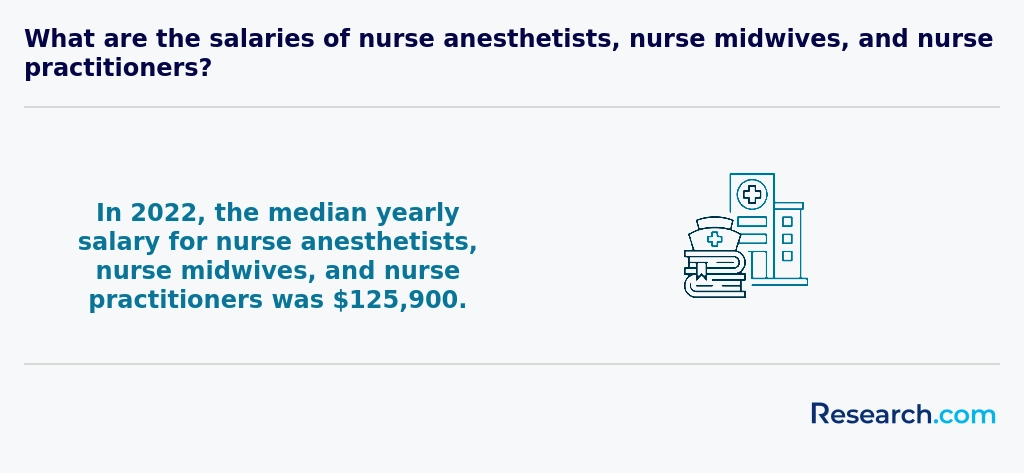
- Nursing degree graduates in Delaware can earn competitive salaries with Registered Nurses, Clinical Nurse Educators, Public Health Nurses, and Emergency Room Nurses making around $94,480 annually, while Operating Room Nurses earn a higher average of $128,490.
- A nursing degree opens doors to diverse career paths, such as working in hospitals, community health, education, or specialized fields, giving you the flexibility to follow your passion within healthcare.
- Getting a nursing degree online from a well-known Delaware university offers flexibility to balance work and study, providing a convenient way to gain essential skills without sacrificing your current lifestyle.
- 2027 Most Valuable Nursing Degree Programs Ranking in Delaware
- What can I expect from nursing degree in Delaware?
- Where can I work with nursing degree in Delaware?
What can I expect from nursing degree in Delaware?
Many nursing students in Delaware are pleasantly surprised by how the cost of obtaining their degree aligns with the value they receive. For example, graduates from the University of Delaware or Delaware Technical Community College often find tuition ranges from approximately $5,000 to $15,000 per year depending on residency status and program level.
This investment feels tangible when paired with the real-world clinical experiences these schools provide. Imagine spending a semester in ChristianaCare's bustling hospital units or Bayhealth's outpatient clinics-this hands-on training transforms textbook knowledge into confident patient care skills. Graduates frequently share a sense of pride and readiness that stems from these immersive environments.
Beyond tuition, students appreciate the support in navigating licensure requirements like the NCLEX-RN, which Delaware programs prepare them for thoroughly. This practical approach reflects a broader commitment to not just educating but empowering nursing students in the state.
In essence, the cost is often viewed as an investment in a deeply rewarding career within Delaware's expanding healthcare landscape, one filled with meaningful human connection and steady opportunity.
Where can I work with nursing degree in Delaware?
Graduates from nursing programs at institutions like the University of Delaware and Delaware Technical Community College find themselves stepping into a world full of opportunity beyond the hospital wards most envision. Many enter bustling hospital environments such as ChristianaCare, where acute care and pediatric nursing challenge and grow their skills daily. Imagine the rewarding moments of guiding a recovering patient through complex treatments-these experiences fuel both confidence and compassion.
Others discover fulfillment in home healthcare, enjoying the autonomy of managing wound care or medication checks directly in patients' homes. This path suits those craving flexibility and closer personal connections, a reality many nursing grads from Delaware's programs embrace with enthusiasm.
Some graduates reflect on their transition into community health roles with the Delaware Health and Social Services agency, where their work in disease prevention impacts lives beyond individual patients. Meanwhile, a few eager learners from these schools pursue advanced certifications, becoming nurse practitioners who independently serve Delaware's primary care needs-transforming their education into broad, meaningful influence in diverse healthcare settings.
Graduates from nursing programs in Delaware, such as those at the University of Delaware or Delaware Technical Community College, often find their efforts rewarded with competitive salaries. Registered Nurses typically start with an average annual wage around $94,480, reflecting the strong demand and respect for their role. This figure exemplifies a meaningful return on the investment in your education and hard work.
Many graduates describe their early jobs as both challenging and fulfilling, rewarded not only by the impact on patients but also by a paycheck that supports a comfortable lifestyle. Specialized roles like Operating Room Nurses elevate earnings further, with a mean annual wage near $128,490, highlighting the financial upside of pursuing additional skills and certifications.
These salary figures challenge the old notion that nursing is a "low-paying" career; in Delaware, nursing graduates are stepping into roles that offer financial stability and growth. Whether in a bustling Wilmington hospital or a community healthcare setting, your nursing degree can open doors to both professional satisfaction and rewarding compensation.
- Delaware offers ADN and BSN nursing programs that meet state licensure requirements.
- ADN programs typically cost between $8,000 and $12,000, while BSN programs range from $25,000 to $40,000 in tuition.
- Registered nurse jobs in Delaware are projected to grow steadily, with most graduates employed within six months.
- New nurses earn between $63,000 and $68,000 annually, and experienced nurses can make $75,000 to $85,000 or more.
- The state has strong healthcare networks providing clinical training and offers scholarships to reduce tuition costs.
Choosing a nursing degree in Delaware means navigating between clear timelines that shape your future. For many, a Licensed Practical Nurse (LPN) certificate, completed in about 12 to 18 months at community colleges or technical schools, offers a swift path into healthcare, though often without RN status. Graduates recall the relief of quickly entering the workforce, yet some felt the pull to continue advancing.
At Delaware Technical Community College, pursuing an Associate Degree in Nursing (ADN) typically spans two years of dedicated full-time study. Graduates describe this as an intense but rewarding journey-balancing classes and clinical hours, while preparing for the critical NCLEX-RN exam. This route opens doors to becoming a licensed RN with a solid foundation.
For those eyeing a Bachelor of Science in Nursing (BSN) from the University of Delaware, the commitment stretches to four years, a comprehensive experience valued for leadership and advanced skills. Graduates often reflect on how the rigorous education empowered them with confidence and versatility, matched by Delaware hospitals' growing preference for BSN-prepared nurses. Some with prior degrees find accelerated programs that challenge convention, finishing in as little as 12 to 18 months, transforming their careers swiftly.
Delaware’s nursing programs distinguish themselves through robust partnerships with leading healthcare institutions, ensuring that students gain hands-on experience in a variety of clinical settings. Key affiliates include ChristianaCare, Bayhealth, Nemours Children’s Hospital, and the Delaware Veterans Home, where students undertake supervised rotations in departments ranging from emergency medicine and critical care to pediatrics and community health. These collaborations not only expose learners to diverse patient populations but also foster mentorship by experienced clinicians, enhancing both technical skills and professional confidence. Most programs mandate between 600 and 900 clinical hours, divided across acute care units, outpatient clinics, and public health initiatives. For example, ChristianaCare’s Simulation Learning Center offers high-fidelity manikin labs that replicate real-world scenarios-cardiac arrest management, obstetric emergencies, and wound care-allowing students to practice in a risk-free environment before entering busy hospital wards. Meanwhile, community rotations with Bayhealth and local health departments emphasize preventive care, health screenings, and patient education, reinforcing the holistic approach central to modern nursing. To accommodate diverse schedules, some institutions offer evening and weekend practicum placements, as well as hybrid coursework-ideal for working professionals. Students seeking greater flexibility can also explore our catalog of affordable bsn programs that integrate virtual simulations with on-site clinical experiences. Ultimately, Delaware’s strategic partnerships and practicum structures ensure graduates are practice-ready, confident, and well-versed in both cutting-edge technology and compassionate patient care.
Choosing between online and on-campus nursing degrees in Delaware often feels like choosing between two distinct worlds. Graduates from the University of Delaware's on-campus program recall the energizing atmosphere of hands-on labs and direct mentorship from professors, creating a strong sense of community and immediate support. Meanwhile, those who pursued online nursing degrees highlight the invaluable flexibility to study after work or between family responsibilities, often arranging clinical hours at nearby hospitals to fulfill practical requirements.
Delaware State University students studying on campus experience immersive clinical rotations facilitated by local healthcare partnerships, fostering both confidence and real-time problem-solving skills. In contrast, online learners must proactively coordinate clinical experiences, which can build self-discipline but also demand strong time management.
While tuition varies, online programs tend to reduce housing and commuting costs but may match on-campus tuition rates. Both pathways demand practical clinical practice, yet the mode of interaction-with peers and faculty-differs profoundly, shaping not only learning styles but the emotional journey of becoming a nurse in Delaware's evolving healthcare landscape.
To ensure your nursing degree leads to a valid RN license in Delaware, focus on program accreditation and board approval:
- Accredited by the Commission on Collegiate Nursing Education (CCNE) or Accreditation Commission for Education in Nursing (ACEN) to meet national standards
- Approved by the Delaware Board of Nursing (verify current listings on the board’s website)
- Completion of required clinical hours, official transcripts and background check submission
- Registration for and successful completion of the NCLEX-RN exam
- For RN-to-BSN pathways, consider accredited online bridge options like cheapest online bsn programs
The average cost of a nursing degree in Delaware challenges many assumptions about affordability in higher education. While public institutions like the University of Delaware and Delaware Technical Community College offer competitive tuition, the median in-state total cost for a nursing degree sits around $12,630. This figure contrasts with the median total cost of approximately $33,796, reflecting significant differences faced by out-of-state students. Graduates often describe the financial journey as manageable but requiring careful planning, especially when accounting for necessary expenses beyond tuition.
When assessing Delaware nursing degree tuition and fees, it's important to factor in real-life costs that students consistently report: lab fees, clinical supplies, textbooks, uniforms, licensing exams, and health requirements. These additional costs can quickly add up, making the decision to pursue nursing a substantial investment. Yet, the satisfaction of stepping into a nursing role after finishing a program at Delaware State University or Delaware Tech often brings a deep sense of accomplishment that outweighs financial concerns.
Many local students find that applying for financial aid and scholarships eases the burden. Opportunities offered by institutions and healthcare organizations in Delaware create pathways to reduce expenses and encourage more residents to enter the nursing field. For those seeking alternatives, exploring the affordable nursing schools in Delaware can provide valuable insights and options that align with personal budgets and goals.
For registered nurses with an Associate Degree in Nursing (ADN) seeking advanced practice roles, ADN to MSN bridge programs provide an accelerated pathway to a Master of Science in Nursing. In Delaware, these bridge programs blend foundational coursework with specialized clinical rotations, enabling nurses to deepen expertise in areas such as family practice, pediatrics, or nurse leadership without first completing a traditional BSN. Key benefits include:
- Accelerated Timeline: Most bridge programs can be completed in 18–24 months, compared to 2 years for a standalone BSN plus 2 more for an MSN.
- Cost Efficiency: Coordinated curriculum reduces redundant credits, often lowering overall tuition and fees.
- Online Flexibility: Hybrid and online formats allow working RNs to attend seminars, submit assignments, and engage in virtual simulations around shift schedules. Delaware institutions frequently integrate hands-on practicums at local health systems, ensuring real-world exposure. Prospective students should review accreditation by the Commission on Collegiate Nursing Education (CCNE) and verify alignment with Delaware Board of Nursing licensure requirements. Many applicants find success by comparing key metrics-NCLEX-RN pass rates, faculty ratio, and clinical site partnerships-across programs. For a detailed comparison of program prerequisites, curriculum structure, and graduate outcomes, explore our guide to the best rn to msn bridge options. By selecting a Delaware-approved bridge pathway, nurses can fast-track career advancement, increase earning potential, and qualify for leadership or advanced clinical roles in today’s competitive healthcare landscape.
Nursing students at institutions like the University of Delaware and Delaware State University often find themselves wrestling with the high costs of their education, yet the financial aid landscape offers unexpected hope. Federal aid through FAFSA opens doors to Pell Grants, which some graduates recall as lifesavers that covered thousands of dollars in tuition. These grants, combined with federal loans featuring low interest and flexible repayment, create a crucial financial foundation.
State programs add another layer of support. The Delaware Nursing Center Foundation's scholarships, frequently tied to commitments in local healthcare, reflect an investment in the community-and many graduates gratefully accepted these, viewing it as a way to give back while easing debt. Others have benefited from grants offered by the Delaware Higher Education Office or scholarships from nursing associations, which often feel like personalized encouragement during tough semesters.
Workplaces also play a quiet but impactful role. Employer tuition reimbursements have been essential for employed students juggling shifts and classes, turning financial strain into motivation. Graduates frequently highlight how exploring these options transformed what seemed like insurmountable debt into an achievable path.
Nursing students in Delaware often face significant financial burdens associated with pursuing their degrees. To alleviate some of this financial stress, it's essential to explore options for affordable nursing education. For those interested in minimizing their educational expenses, researching institutions that offer competitive pricing without compromising on the quality of education is crucial. Prospective students can find valuable information on affordable nursing schools in Delaware, which can help them make informed decisions about their educational paths. By considering factors such as tuition costs, available scholarships, and financial aid packages, aspiring nurses can navigate their way to a high-quality, affordable nursing degree in Delaware.
To step into a nursing program in Delaware, the journey begins with more than just a high school diploma-it requires a firm grasp of core sciences like biology and chemistry. Graduates from well-known institutions such as the University of Delaware often describe how mastering these subjects early on gave them the confidence to tackle rigorous coursework ahead. It's not merely about meeting criteria but about building a foundation that propels you through complex clinical settings.
Many students at Delaware Technical Community College share how completing prerequisite courses like anatomy, microbiology, and psychology transformed their understanding of patient care before formally entering their nursing programs. The TEAS exam, a gatekeeper for academic readiness, challenges applicants to prove their skills in reading, math, and science-an experience described as demanding yet rewarding, reinforcing a sense of accomplishment when passed.
Also crucial are immunizations, background checks, and drug screenings, ensuring safety in real-world clinical environments. Paying attention to these details early can ease transitions and boost confidence for hands-on training in Delaware's healthcare facilities.

Accreditation is the cornerstone of nursing education, validating that a program meets rigorous standards set by recognized bodies such as the Commission on Collegiate Nursing Education (CCNE) and the Accreditation Commission for Education in Nursing (ACEN). In Delaware, accredited programs not only equip students with evidence-based practice and clinical competence but also ensure eligibility for the NCLEX-RN licensure exam. Prospective students should verify accreditation status through the Delaware Board of Nursing and review each school’s NCLEX pass rate-a key indicator of program effectiveness. • University of Delaware (CCNE-accredited): 2023 NCLEX-RN pass rate: 95% • Delaware State University (ACEN-accredited): 2023 NCLEX-RN pass rate: 92% • Delaware Technical Community College (CCNE-accredited): 2023 NCLEX-RN pass rate: 89% • Wesley College (ACEN-accredited): 2023 NCLEX-RN pass rate: 87% High pass rates reflect strong faculty support, comprehensive curricula, and realistic clinical simulations. When comparing programs, consider not only tuition and location but also whether graduates consistently succeed on their first NCLEX attempt. For students seeking flexible, cost-effective pathways that maintain accreditation and robust licensure preparation, explore our Low Cost Online Bachelor's in Nursing Degree Programs Ranking in the Northeast, which highlights reputable online options with strong NCLEX outcomes.
Nursing degree programs in Delaware, especially at institutions like the University of Delaware and Delaware State University, challenge students beyond textbook knowledge by immersing them in core courses that form the backbone of healthcare. Graduates often reflect on how intensive anatomy and physiology classes, paired with hands-on labs, transformed their understanding of the human body-not just as abstract concepts but as real systems they would soon care for.
Courses in pharmacology and medication management bring both fascination and responsibility into focus. Many students recall the moment they recognized how every pill prescribed holds potential power to heal or harm, deepening their respect for nursing roles. Adult, maternal-child, and mental health nursing classes prepare students to navigate life's most vulnerable moments, reflecting the diverse patient population they will serve throughout Delaware.
Beyond clinical skills, training in healthcare ethics and leadership cultivates confidence to make tough calls. Clinical practicums in Wilmington's hospitals, for example, allow students to blend classroom knowledge with emotions and decisions, bridging theory and practice in a community context.
Nursing degrees in Delaware offer a dynamic range of specializations that reflect real-world healthcare challenges. Graduates from institutions like the University of Delaware often speak about how specializations such as Adult-Gerontology Nurse Practitioner or Pediatric Nursing transformed their approach to patient care, equipping them with skills to handle aging populations or delicate pediatric cases. These focused programs are more than academic tracks-they are immersive experiences that prepare you for the complexity of healthcare demands unique to Delaware's communities.
Delaware nursing programs with specialties like Psychiatric-Mental Health Nursing or Critical Care Nursing allow students to engage deeply with pressing issues such as mental health crises or life-threatening emergencies. One graduate recounts the intensity and reward of applying classroom knowledge directly in Delaware hospitals, proving how meaningful these specializations can be in shaping compassionate, expert practitioners.
For those weighing options, considering affordable bsn programs in Delaware with specialized tracks offers a practical path forward-balancing cost with the opportunity to develop expertise that meets the state's growing healthcare needs.
Choosing the best nursing degree in Delaware means looking beyond just the label of ADN or BSN. Graduates from local programs at institutions like Delaware Technical Community College often share how an ADN's focused curriculum and affordable tuition made launching their careers possible without overwhelming debt. However, others from Delaware State University highlight how a BSN's comprehensive training and leadership opportunities opened doors to advanced clinical roles and management, reflecting the value of investing time in a four-year path.
Delaware's healthcare landscape demands thinking about more than tuition; it's about where you gain clinical experience. Many students find that programs with strong ties to nearby hospitals provide real-world exposure that shapes their confidence and skills. The affordable nursing degrees Delaware offers, combined with state scholarships, create pathways that might surprise those expecting a one-size-fits-all answer.
For those considering long-term growth, exploring a rn to msn bridge can transform an ADN foundation into advanced practice roles. The choice isn't just academic-it's about mapping a personal journey through Delaware's nursing opportunities that fits your ambition and finances.
Graduates from nursing programs at institutions like the University of Delaware often find that their degree opens doors to a spectrum of nursing career opportunities in Delaware that go beyond traditional bedside roles. Many quickly realize that becoming a Registered Nurse (RN) is just the beginning-providing vital direct patient care in varied settings such as hospitals and outpatient clinics, which aligns with the state's growing demand as highlighted by local healthcare trends.
Others discover specialized paths requiring additional certifications, such as Licensed Practical Nurses (LPNs) who lay the essential groundwork in care, or Nurse Practitioners who enjoy the autonomy of diagnosing and treating patients. Clinical Nurse Specialists and Certified Nurse Midwives offer focused expertise, proving that Delaware nursing degree job prospects are richer and more diverse than commonly assumed.
Some graduates from Delaware's top nursing colleges embrace roles in education or administration, shaping future nurses or managing patient care systems. Those mindful of tuition often explore options like the Low Cost Online Bachelor's in Nursing Degree Programs Ranking in the Northeast to balance quality and affordability while pursuing these rewarding career trajectories.
The nursing job outlook in Delaware defies the uncertainty common in many fields, offering a remarkably stable and growing environment. Graduates from well-known institutions like the University of Delaware or Delaware Technical Community College often find themselves stepping directly into rewarding roles. These programs provide real-world clinical experience that aligns closely with the state's healthcare needs, especially in areas such as geriatric and mental health care. The Delaware nursing degree employment opportunities are particularly promising due to a projected 15% growth in RN roles through 2030, exceeding national trends.
Graduates frequently share stories of quick job placements and the satisfaction of serving community hospitals and long-term care facilities that actively recruit locally trained nurses. Starting salaries around $73,000 reflect Delaware's commitment to rewarding nursing talent, encouraging retention and professional growth. For many, pursuing advanced studies becomes a natural path; some explore 1 year master programs to enhance their credentials and widen opportunities within the state's diverse healthcare sector.
2027 Most Valuable Nursing Degree Programs Ranking in Delaware
Investing in your education is a significant decision that requires careful consideration, and the Research.com team is committed to helping you make the best choice. To support prospective students in Delaware, we have thoroughly developed the "2027 Most Valuable Nursing Degree Programs Ranking in Delaware." Our dedication to quality, credibility, and accuracy is demonstrated by the rigorous research and analysis behind this ranking.
We utilized the following reputable data sources to ensure a comprehensive evaluation of nursing programs:
By examining this ranking, readers will gain essential insights into the most valuable nursing degree programs offered in Delaware, empowering them to make well-informed decisions about their educational futures. For more information on how this ranking was developed, please visit our Research.com methodology page.
# 1 position
Wilmington University
Master of Science in Nursing

# 2 position
Wilmington University
Bachelor of Science in Nursing


Frequently Asked Questions About nursing
Nursing students in Delaware can maximize their learning experience by combining academic study with hands-on clinical practice. Delaware's nursing programs, like those at the University of Delaware and Delaware Technical Community College, emphasize clinical hours, which are crucial for skill development. According to the Delaware Board of Nursing, practical experience in hospitals and community health settings improves job readiness.
Students should also engage in state nursing associations such as the Delaware Nurses Association, which offer networking and continuing education opportunities. Utilizing simulation labs and staying updated on Delaware's healthcare policies further enhances learning. Strong faculty support and participation in study groups also contribute significantly to student success in nursing education.
The nursing field in Delaware is rapidly evolving, with several emerging niches offering promising career opportunities. One growing area is telehealth nursing, which expanded significantly due to the COVID-19 pandemic and continues to gain traction as remote patient monitoring becomes common. According to the Delaware Board of Nursing, telehealth-related certifications have increased by nearly 20% over the past two years.
Another niche is gerontological nursing, driven by Delaware's aging population. The state's Office of Management and Budget projects a 15% increase in residents aged 65 and older by 2030, creating high demand for nurses specializing in elder care.
In addition, nurse informatics is becoming vital as healthcare systems adopt more advanced technology. Nurses in this field help manage patient data and improve healthcare delivery, a skill highly valued in Delaware's healthcare institutions.
Preparing for the job market after completing a nursing degree in Delaware requires proactive steps. Graduates should obtain their Registered Nurse (RN) license by passing the NCLEX-RN exam, which is a mandatory step to practice in Delaware. According to the Delaware Board of Nursing, timely licensing accelerates employment opportunities.
Building clinical experience through internships or residencies is vital. Delaware hospitals and healthcare facilities often prefer candidates with hands-on practice. Networking through local nursing associations, such as the Delaware Nurses Association, can open doors to job listings and mentorship.
Additionally, staying informed about Delaware's nursing workforce trends helps. The Delaware Department of Labor projects a steady growth of 15% in nursing jobs through 2030, making specialization in areas like geriatrics or critical care advantageous. Continuous education and certification enhancement increase competitiveness in this evolving job market.
Employers in Delaware highly value nursing graduates who demonstrate strong clinical skills and critical thinking abilities. According to the Delaware Board of Nursing, competence in patient assessment and safety procedures are essential due to the state's focus on quality healthcare outcomes. Communication skills are also top priorities; nurses must effectively collaborate with multidisciplinary teams and educate patients.
Adaptability is another key skill, especially as Delaware healthcare systems integrate more technology in patient care. Data from the Delaware Health Care Commission indicates a growing demand for nurses proficient in electronic health records (EHR) and telehealth.
Finally, ethical judgment and cultural competence are crucial, reflecting Delaware's diverse population and the importance of patient-centered care.
Finding internships in Delaware for nursing students typically involves connecting with local healthcare providers and academic institutions. Many nursing programs in Delaware, such as those at the University of Delaware and Delaware Technical Community College, have established partnerships with hospitals and clinics to facilitate clinical placements.
The Delaware Health Care Commission reports that clinical internships are crucial due to the state's growing demand for registered nurses, which is expected to increase by over 15% through 2030. Students should explore resources like the Delaware Nurses Association and state workforce boards that list available internships and job-shadowing opportunities.
Additionally, contacting healthcare networks such as ChristianaCare and Bayhealth directly can provide internship leads. Early application and maintaining good academic standing improve chances of placement in competitive programs.
Obtaining a nursing degree in Delaware significantly enhances career mobility and advancement opportunities. Registered nurses (RNs) with a Bachelor of Science in Nursing (BSN) often qualify for higher-paying positions and leadership roles compared to those with an associate degree. According to the Delaware Department of Labor, the median annual wage for RNs was $72,970 as of 2023, with BSN-prepared nurses generally earning more.
Employers increasingly prefer or require BSN degrees for roles in management and specialty care, aligning with broader national trends promoted by the American Nurses Association. Advanced degrees like a Master of Science in Nursing (MSN) further enable nurses to become nurse practitioners or clinical nurse specialists, roles in high demand in Delaware.
Delaware's healthcare infrastructure supports upward mobility through continuing education programs and partnerships with local universities, fostering a clear pathway from entry-level nursing to advanced practice and administrative roles.
Studying for a nursing degree in Delaware equips students with skills essential for interdisciplinary roles in healthcare. Delaware's nursing programs emphasize collaboration among nurses, physicians, social workers, and other healthcare professionals to improve patient outcomes. Courses often integrate training in communication, teamwork, and care coordination, preparing graduates for complex clinical environments.
The Delaware Board of Nursing reports that over 60% of new nurses work in settings requiring interdisciplinary cooperation, such as hospitals and community health centers. Local universities align their curricula with national standards, like those from the American Association of Colleges of Nursing, to foster cross-disciplinary knowledge.
This focus reflects growing trends in healthcare delivery, encouraging nursing students to contribute effectively to diverse medical teams.
When choosing between a thesis and a non-thesis nursing degree program in Delaware, students should consider their career goals and learning preferences. A thesis program typically involves conducting original research and writing a detailed paper, preparing students for roles in academia or research. Non-thesis programs focus more on practical skills and coursework, ideal for those aiming to advance in clinical practice.
Delaware's nursing workforce needs align with both paths; registered nurses in the state earned a median salary of about $76,870 in 2022 (Bureau of Labor Statistics). Programs at institutions like the University of Delaware offer both options, so prospective students should review program curricula and speak with advisors.
Students seeking flexible schedules may find non-thesis tracks less time-consuming. Ultimately, understanding your professional objectives and preferred learning style will guide your decision.
Students based in Delaware who wish to study nursing abroad have several pathways to consider. Many US nursing programs, including those in Delaware, offer study abroad opportunities through partnerships with international universities. These programs typically last a semester or summer and allow students to gain clinical experience in diverse healthcare settings.
Delaware nursing students can also explore universities accredited by the Commission on Collegiate Nursing Education (CCNE) or the Accreditation Commission for Education in Nursing (ACEN) outside the United States, ensuring their education meets US standards.
Before enrolling, students should verify license transferability and eligibility for the NCLEX-RN exam, essential for nursing practice in Delaware and across the US.
Delaware offers several part-time job opportunities that can complement nursing degree education for students. Working as a certified nursing assistant (CNA) is a common choice, providing hands-on experience in patient care and improving practical skills. Nursing students often find employment in clinics or hospitals as medical assistants or patient care technicians, which helps familiarize them with healthcare settings and workflows.
Pharmacies in Delaware, such as those in Wilmington and Dover, sometimes hire pharmacy aides or clerks, allowing nursing students to learn medication management and customer interaction. Additionally, roles in rehabilitation centers and home health agencies offer exposure to various patient populations. According to the Delaware Department of Labor, healthcare support occupations are projected to grow by 18% through 2030, highlighting expanding opportunities for nursing students.
Nursing students in Delaware have access to a variety of networking opportunities that enhance their education and career prospects. Several nursing programs partner with healthcare facilities in the state, allowing students to connect with professionals through clinical placements. Organizations like the Delaware Nurses Association offer student memberships, enabling access to conferences, mentoring, and local events focused on nursing development. Delaware's proximity to major metropolitan areas, including Philadelphia and Baltimore, broadens opportunities for inter-state networking as well. According to the Delaware Health and Social Services, such connections are crucial for job placement in a state projected to grow nursing employment by 15% through 2030.
Alumni networks provide nursing degree students in Delaware valuable resources for career growth. Graduates gain access to mentorship from experienced nurses familiar with the local healthcare system. This guidance helps new nurses navigate licensing, certifications, and job placement in Delaware's competitive market.
These networks often share job openings specific to Delaware hospitals and clinics, improving employment prospects. According to the Delaware Healthcare Association, networking can increase job placement rates by up to 30% for recent nursing graduates.
Additionally, alumni groups foster professional development opportunities such as continuing education workshops and conferences. These benefits support ongoing competence, which is crucial in a state where the Delaware Board of Nursing requires continuing education for license renewal every two years.
In Delaware, nursing students can tailor their degree programs by selecting specialized tracks such as pediatrics, gerontology, or psychiatric nursing. Many institutions offer flexible options like part-time study and online courses, allowing learners to balance work and education. Clinical placements within Delaware's diverse healthcare facilities enable hands-on experience aligned with specific career interests. For example, the Delaware Nurses Association highlights that over 60% of clinical hours occur in acute care or community settings, which students can choose based on goals. Additionally, some programs support certifications alongside degrees, enhancing professional qualifications within the state's evolving healthcare environment.
Nursing students in Delaware face several common challenges throughout their education. One significant hurdle is the intense academic workload paired with demanding clinical rotations, which require balancing practical experience with theoretical learning. According to the Delaware Nurses Association, time management becomes critical as students must meet rigorous coursework deadlines while gaining hands-on skills.
Another challenge is the competitive nature of nursing programs in the state. With limited seats available in top schools such as the University of Delaware, many qualified applicants may face rejection or delays in starting their education. Additionally, financial strain is a concern highlighted by the Delaware Higher Education Office, as tuition and living expenses can be high, and scholarships are limited.
Finally, nursing students often report stress and burnout due to long hours and emotional demands inherent to clinical settings, especially in Delaware's busy healthcare facilities. Access to sufficient mental health resources is sometimes inadequate, amplifying these pressures.
With a nursing degree in Delaware, graduates can pursue various professional certifications to enhance their career prospects and specialize in targeted areas. Common certifications include the Registered Nurse (RN) license, overseen by the Delaware Board of Nursing, which is essential for most nursing roles in the state.
Advanced certifications such as Certified Nurse Practitioner (NP), Certified Clinical Nurse Specialist (CNS), and Certified Nurse Midwife (CNM) are available for nurses seeking roles with expanded responsibilities. Delaware nurses can also obtain specialty certifications through national organizations like the American Nurses Credentialing Center (ANCC).
Specialty certifications often cover fields such as pediatrics, geriatrics, critical care, and oncology, helping nurses meet Delaware's growing healthcare demands. The Delaware Department of Health reports a continuous rise in the need for certified nursing professionals to support an aging population and expanding healthcare services.
To write a winning application for a nursing program in Delaware, start by meeting all academic requirements, including a strong GPA, particularly in science courses like biology and chemistry. Delaware's nursing schools often look for applicants with at least a 3.0 GPA to be competitive. Highlight any healthcare experience, such as volunteering or working as a CNA, to demonstrate commitment to the profession.
Write a clear and focused personal statement explaining why you want to pursue nursing in Delaware. Mention awareness of the state's nursing workforce needs, as Delaware faces a growing demand for registered nurses. Use facts from local reports like the Delaware Department of Labor to support your motivation.
Include strong letters of recommendation, ideally from professionals in healthcare or academics familiar with your skills and work ethic. Finally, prepare for any interview by practicing answers to common nursing application questions and showing knowledge about Delaware's healthcare environment.
Nursing is a globally respected career, offering diverse opportunities across many countries. In the United States, including Delaware, nursing education aligns with international standards, making degrees highly transferable worldwide. According to the Delaware Department of Health and Social Services, the state's nursing workforce is growing steadily to meet increasing healthcare demands.
Globally, nurses play critical roles in public health, emergency care, and chronic disease management. The U.S. Bureau of Labor Statistics projects a 9% growth in nursing jobs nationally through 2032, reflecting widespread demand. Delaware's nursing programs prepare students for these trends by emphasizing clinical skills and cultural competence, essential for global healthcare environments.
International bodies, like the World Health Organization, highlight the need for well-educated nurses to address global health challenges. Students in Delaware benefit from this focus, gaining credentials respected both locally and internationally.
Students pursuing nursing degrees in Delaware can gain practical experience through clinical rotations, which are a required component of accredited nursing programs. These hands-on training sessions typically take place in hospitals, community health centers, and nursing homes across the state. The Delaware Board of Nursing mandates clinical hours to ensure students meet competency standards.
Many schools partner with local healthcare facilities such as ChristianaCare and Bayhealth, providing students with opportunities to work alongside licensed nurses. According to the Delaware Health Care Commission, clinical placements enhance skills in patient care and medical procedures.
Additionally, some programs offer simulation labs that use advanced technology to mimic real patient scenarios, allowing for skill development in a controlled environment.
When choosing a concentration within a nursing degree program in Delaware, consider your personal interests and career goals. Delaware offers various concentrations such as family nurse practitioner, psychiatric-mental health, and gerontology. According to the Delaware Healthcare Workforce Reports, demand for geriatric nurses is rising due to the state's aging population. Prospective students should also evaluate program accreditation and clinical training opportunities in local hospitals, which impact licensure and job prospects.
Research the specialties aligned with Delaware's healthcare needs, including community health and chronic disease management. Speaking with faculty and current students can provide insight into each concentration's outcomes and challenges.
- 2027 Most Valuable Online Nursing Degree Programs Ranking in New Jersey
- 2027 Most Valuable Online Nursing Degree Programs Ranking in Pennsylvania
- 2027 Most Valuable Online Nursing Degree Programs Ranking in Virginia
- 2027 Most Valuable Online Nursing Degree Programs Ranking in New York
- 2027 Most Valuable Online Nursing Degree Programs Ranking in Connecticut
- 2027 Most Valuable Online Nursing Degree Programs Ranking in North Carolina
- 2027 Most Valuable Online Nursing Degree Programs Ranking in Ohio
- 2027 Most Valuable Online Nursing Degree Programs Ranking in Kentucky
- 2027 Most Valuable Online Nursing Degree Programs Ranking in Massachusetts
- 2027 Most Valuable Online Nursing Degree Programs Ranking in South Carolina
See What Experts Have To Say About Studying Nursing
Read our interview with Nursing experts


- From our readers…Strengthening nursing networks https://www.myamericannurse.com/from-our-readersstrengthening-nursing-networks/
- How to Write https://esign.com/letter-of-intent/school/nursing/
- Nurse Assisting - Department of Education Pathways https://delawarepathways.org/pathways/nurse-assisting/
- Delaware ACNP Programs Online - Acute Care Nurse https://www.acnpprograms.com/acnp-programs/delaware/
- What Nursing Concentration Is Right for Me? | Maryville Nursing https://nursing.maryville.edu/blog/what-nursing-concentration-is-right-for-me
- How Do Nurses Prepare to Work in a Multidisciplinary Team? | NursingEducation https://nursingeducation.org/insights/multidisciplinary-team/
- Nursing Financial Aid https://nursinglicensemap.com/resources/nursing-financial-aid/
- How to Choose a Nursing Program | All Nursing Schools https://www.allnursingschools.com/how-to-get-into-nursing-school/choose-the-right-school/
- Nursing, Associate in Applied Science (NURS) https://catalog.dccc.edu/academic-programs/programs-study/nursing-aas/
- Nursing Jobs In Delaware https://daohn.nursingnetwork.com/nursing-jobs