2027 Most Affordable Nursing Degree Programs Ranking in New Mexico

Co-Founder and Chief Data Scientist
Choosing the right nursing degree program in New Mexico can feel overwhelming, especially when balancing costs and quality. This article introduces the 2027 Most Affordable Nursing Degree Programs Ranking in New Mexico, carefully crafted by the Research.com team of data scientists to guide you toward smart, informed decisions.
With this ranking, you can explore cost-effective options without compromising your education. Pursuing a nursing degree opens doors to meaningful careers and personal growth. Whether you're starting fresh or advancing your skills, this resource empowers you to find a program that fits both your goals and budget.
Key benefits of getting nursing degree in New Mexico
- Graduates with a nursing degree in New Mexico can earn competitive salaries, such as $94,480 annually for Registered Nurses and Public Health Nurses, with Operating Room Nurses earning even higher at $128,490 per year.
- Career paths are diverse, allowing nursing graduates from local universities like the University of New Mexico to explore roles in clinical care, education, or emergency response, offering exciting opportunities to make a real difference.
- Online nursing degrees offer flexibility for busy students, as seen with graduates from New Mexico State University's program, enabling them to balance work and study while gaining practical skills at their own pace.
- 2027 Most Affordable Nursing Degree Programs Ranking in New Mexico
- What can I expect from nursing degree in New Mexico?
- Where can I work with nursing degree in New Mexico?
What can I expect from nursing degree in New Mexico?
The average cost of nursing degrees in New Mexico varies depending on the program and institution. For example, pursuing an Associate Degree in Nursing (ADN) at Central New Mexico Community College typically costs significantly less than a four-year Bachelor of Science in Nursing (BSN) at the University of New Mexico.
Many graduates from Central New Mexico Community College share how affordable tuition allowed them to focus on gaining hands-on clinical experience without overwhelming financial stress. ADN programs here often run around $5,000 to $8,000 for the full two-year course, making them an accessible option to start a nursing career.
On the other hand, students aiming for a BSN at the University of New Mexico usually invest between $15,000 and $30,000, which covers four years of comprehensive study, leadership training, and clinical rotations across various healthcare settings.
Planning for expenses, including books, supplies, and living costs, is essential. Many nursing students find that balancing part-time work or utilizing state financial aid helps manage these costs while immersing themselves fully in nursing practice.
Where can I work with nursing degree in New Mexico?
Graduates with a nursing degree from institutions like the University of New Mexico or New Mexico State University find a wide range of employment options across the state. Many start their careers as registered nurses in major hospitals such as the University of New Mexico Hospital or Presbyterian Healthcare Services, gaining hands-on experience in specialties like pediatrics and emergency care. These hospital roles often lead to leadership opportunities that graduates find both rewarding and motivating.
Others choose to work in nursing homes or assisted living centers, where they provide compassionate long-term care to New Mexico's growing elderly population. This setting offers graduates a sense of fulfillment through personal patient connections and rehabilitation work.
Some graduates embrace community health nursing, delivering crucial services in rural areas and tribal programs, which makes a real difference in underserved communities. Home health care is also popular for those seeking flexible schedules and individualized patient care.
Beyond clinical roles, nursing graduates often advance to teaching, research, or healthcare administration, helping to shape the future of nursing in New Mexico's evolving healthcare landscape.
Graduates from nursing programs at New Mexico institutions like the University of New Mexico or Central New Mexico Community College can expect strong earning potential upon entering the workforce. According to recent data, registered nurses typically earn about $94,480 annually in the state, reflecting both entry-level and experienced roles. This aligns well with reported salaries for related nursing careers such as Clinical Nurse Educators and Public Health Nurses, who also average around $94,480 yearly.
Opportunities to specialize can significantly boost your income. For example, Operating Room Nurses in New Mexico see mean annual salaries of approximately $128,490. Many nursing graduates pursuing certifications or advanced training find rewarding roles that pay above the average starting salary, often reaching or exceeding this range.
One graduate shared how their shift to a hospital setting in Albuquerque, after completing a Bachelor of Science in Nursing (BSN), increased their earnings and offered valuable hands-on experience. Focus on acquiring experience in larger medical centers to maximize salary potential and career growth.
- Nursing programs in New Mexico range from LPN certificates to BSN and advanced degrees.
- BSN tuition at public universities is about $6,000 to $8,000 per year; ADN programs at community colleges cost around $3,000 to $5,000 per year.
- The nursing job market in New Mexico is growing at approximately 12% through 2030, higher than the national average.
- Starting RN salaries range from $57,000 to $65,000 annually, with median wages around $75,000; advanced nursing roles can earn over $100,000 per year.
- Licensure requires passing the NCLEX-RN exam after completing an accredited program, with state resources available to support this process.
Completing a nursing degree in New Mexico typically depends on the program you choose. For example, graduates from Central New Mexico Community College often complete their Associate Degree in Nursing (ADN) in about two years. This accelerated timeline helps students start working quickly as registered nurses, which many find rewarding and motivating.
If you prefer a Bachelor of Science in Nursing (BSN), popular choices like the University of New Mexico offer four-year programs that combine classroom learning with valuable clinical experience. Graduates often share how this comprehensive training boosts their confidence and opens doors to leadership roles in hospitals statewide.
For those aiming higher, advancing to a Master of Science in Nursing (MSN) can take an additional two years after a BSN. Some accelerated programs allow students with a non-nursing bachelor's degree to complete this in as little as 12 to 18 months, making it ideal for career changers eager to specialize quickly.
Overall, New Mexico's nursing schools offer flexible paths tailored to your schedule and goals, ensuring you can find the right balance between speed and depth of study.
Before enrolling in any nursing program in New Mexico, it’s essential to verify that the school holds proper accreditation and aligns with state licensure criteria to ensure graduate eligibility for the NCLEX exam and professional practice. • Program Accreditation: Look for institutional accreditation by regional bodies (e.g., HLC) and programmatic approval from the Accreditation Commission for Education in Nursing (ACEN) or the Commission on Collegiate Nursing Education (CCNE). Graduating from a CCNE- or ACEN-accredited program is a prerequisite for sitting the NCLEX-RN or NCLEX-PN exams. • State Board of Nursing Approval: All nursing programs must be approved by the New Mexico Board of Nursing (NMBON). Approved programs are listed on the NMBON website, guaranteeing adherence to curriculum standards, clinical hour requirements, and faculty qualifications mandated by state law. • NCLEX Pass Rates: High first-time NCLEX pass rates reflect strong program quality and exam preparation. Prospective students should compare annual pass rates-programs exceeding an 85% first-time pass rate are considered exemplary. • Licensure Application Process: Upon graduation, candidates must: 1. Submit an application and fee to the NMBON. 2. Undergo a criminal background check and fingerprinting. 3. Receive authorization to test (ATT) from Pearson VUE. 4. Schedule and pass the NCLEX-RN (for RNs) or NCLEX-PN (for LPNs). • Bridge and Fast-Track Options: For those seeking accelerated pathways, consider exploring short lpn programs that articulate into ADN or BSN curricula, reducing overall time to licensure while maintaining accreditation standards. Ensuring accreditation and understanding licensure requirements not only protects your investment but also upholds the quality and safety of patient care in your future nursing practice.
Online nursing degrees in New Mexico provide unmatched flexibility, ideal for those balancing work or family. Graduates from programs at institutions like New Mexico State University often share how virtual lectures and local clinical hours allowed them to maintain their daily routines while progressing steadily. However, success requires strong self-discipline and motivation to stay engaged with coursework and online discussions.
In contrast, on-campus programs at universities such as the University of New Mexico offer hands-on learning in well-equipped simulation labs and direct access to faculty, which many graduates find invaluable for immediate feedback and building professional networks. The face-to-face environment fosters a sense of community, making the learning experience more immersive and interactive.
Financially, online programs may save on tuition but expect extra fees for clinical placements. On-campus tuition ranges from $4,000 to $9,000 annually for in-state students, with a structured semester schedule. Choosing between these formats depends on your need for flexibility versus in-person support and resources.
Advancing your nursing career from RN to NP requires strategic planning and clear steps to ensure success:
- Earn an accredited BSN and gain 1–2 years of relevant clinical experience
- Select an NP program that aligns with your desired specialty and state licensure requirements
- Complete graduate coursework alongside supervised clinical practicums
- Pass the national NP certification exam for your population focus
For cost-conscious nurses, explore the cheapest online acute care nurse practitioner programs to advance your credentials without breaking the bank.
The average total cost of earning a nursing degree in New Mexico is approximately $27,065, with in-state students typically paying around $7,642. Graduates from schools like the University of New Mexico often share how manageable these in-state tuition rates make pursuing a nursing career more accessible. Community colleges offering associate degrees in nursing provide an even more affordable path, usually under $5,000 annually. This range of options helps students tailor their education to fit their financial situation while focusing on hands-on clinical experience and building strong professional skills.
Out-of-state students, however, face higher costs, often matching the median total cost of $27,065, which can feel daunting but can be offset by scholarships and loan programs available specifically to nursing students in New Mexico. Many graduates emphasize the importance of seeking financial aid, including programs like the New Mexico Nursing Education Loan Repayment Program, which rewards commitments to local healthcare jobs after graduation. This is a practical way for students to lower their debt burden while enjoying the vibrant nursing community at institutions like New Mexico State University.
When budgeting for affordable nursing programs New Mexico tuition fees, remember to include additional costs such as textbooks, uniforms, and lab fees. These necessary expenses add up but are manageable with careful planning. For students looking to save while studying, exploring the cheapest online nursing school in New Mexico can offer flexibility and cost savings without sacrificing quality education.

Nursing degree programs in New Mexico range from highly affordable community-college offerings to more expensive university pathways, making it essential for prospective students to compare costs and long-term returns. On average, an ADN program can cost between $23,900 and $66,320 total (approximately $12,300 per year), while BSN programs at public institutions average $22,389 annually (totaling $89,556 to $211,392 over four years). MSN programs typically run between $28,060 and $78,820 per year, with an average cost of $33,150. Factoring in living expenses, materials, and clinical fees, ADN candidates might invest around $30,000 in two years, BSN students approximately $90,000 in four years, and MSN candidates $66,300 in two years. When evaluating return on investment (ROI), consider the mean annual wages: ADN and BSN graduates as RNs earn about $89,010, translating to a payback period of roughly one year for ADNs and just over one year for BSNs at full-time earnings. MSN-prepared nurse practitioners command a mean salary above $119,000, often recouping program costs within nine months of practice. Comparing program cost against salary growth highlights that each dollar invested in a BSN or MSN yields significantly higher lifetime earnings, especially when pursuing specialized roles like CRNA or NP. Financing options further enhance ROI: federal and state grants, scholarships, employer tuition reimbursement, and student loan-for-service programs can reduce out-of-pocket expenses by up to 60%. For those seeking cost-effective flexibility, Research.com also highlights some of the top online rn programs for non nurses, which combine lower tuition rates with accelerated pathways and the same clinical competencies as on-campus degrees-delivering exceptional ROI for career changers and working adults. By aligning program costs, financial aid opportunities, and projected salaries, students can make data-driven decisions that maximize their educational investment in New Mexico’s nursing workforce.
Nursing students in New Mexico can access a variety of financial aid options that significantly ease the cost of their education. At institutions like the University of New Mexico or New Mexico State University, students often start by filing the FAFSA to unlock federal aid, including Pell Grants that can cover up to $7,395 annually without repayment. Graduates frequently share how these grants relieved their tuition pressures and allowed them to focus more on their studies.
State-specific scholarships through programs like the New Mexico Nursing Education Consortium (NMNEC) are another critical resource. Many nursing graduates describe how these awards made it feasible to attend in-state schools and pursue careers locally, helping address nurse shortages in communities around Albuquerque and Las Cruces.
Additionally, employer tuition assistance and loan repayment programs stand out as practical solutions. Nursing students at popular clinical sites often balance work-study or part-time roles while benefiting from programs promoted by the New Mexico Area Health Education Centers, which encourage service in underserved areas.
Private scholarships from the New Mexico Nurses Association and local foundations further support students' ambitions, making nursing education feel achievable and rewarding.
When considering nursing programs in New Mexico, affordability is a crucial factor. Prospective students should research the costs associated with each program, including tuition, fees, and living expenses. To find the most affordable options, students can explore the cheapest online nursing school in New Mexico, which can provide a cost-effective pathway to a nursing degree. Additionally, students should investigate available financial aid, scholarships, and loan forgiveness programs to help offset the costs of their education. By carefully evaluating the financial aspects of nursing programs, students can make informed decisions and choose a program that aligns with their budget and career goals.
To enroll in a nursing degree program in New Mexico, students must first have a high school diploma or GED, a fundamental requirement at institutions such as the University of New Mexico and New Mexico State University. Graduates often recall how meeting this basic criteria gave them immediate confidence, knowing they had the necessary foundation to progress.
Completing college-level preparatory courses in biology, chemistry, anatomy, and physiology is essential. Many students found that earning at least a "C" in these classes at community colleges like Central New Mexico Community College was key to building strong scientific knowledge for their nursing programs. Some also took microbiology to strengthen their applications.
Passing the TEAS exam with a competitive score is another critical step. Students share that thorough preparation for this test eased their anxiety and opened doors to their preferred schools.
Additional requirements such as submitting transcripts, letters of recommendation, personal statements, and sometimes background checks or immunization records are common across New Mexico nursing programs. Meeting these prerequisites early helped graduates feel organized and ready to focus on clinical training and eventual licensure.

Understanding the full cost of a nursing degree-and the value it delivers-empowers students to make informed choices. In New Mexico, tuition for an Associate Degree in Nursing (ADN) ranges from $23,900 to $66,320, while Bachelor of Science in Nursing (BSN) programs typically cost between $89,556 and $211,392 overall. Master’s programs (MSN) average $33,150 per year at public institutions, with total costs spanning $28,060 to $78,820. Beyond tuition, students should budget for fees (lab, technology, and clinical), textbooks (approximately $1,200–$1,800 per year), uniforms, and national exam preparation. Average student loan debt at graduation hovers around $30,000 for ADN holders and $45,000 for BSN graduates. Considering the mean RN salary of $89,010 in New Mexico, many graduates recoup their investment within 3–4 years post-licensure. Specialized roles, such as Operating Room Nurses earning $124,680 annually, can shorten the payback period to under 2 years. Factoring in loan forgiveness programs-like the Nursing Loan-for-Service-and employer tuition reimbursement further enhances ROI. When comparing cost-effectiveness, consider total cost of attendance alongside NCLEX pass rates and job placement. For those exploring options beyond New Mexico, our Inexpensive Nursing Degree Programs Ranking in the West offers a regional perspective on affordability and outcomes. By evaluating both expenses and earning potential, aspiring nurses can confidently invest in a program that aligns with their financial goals and career aspirations.
Nursing degree programs in New Mexico, such as those at the University of New Mexico and local community colleges, include courses that build a strong foundation in both theory and hands-on skills. Graduates often recall how studying Anatomy and Physiology helped them understand patient conditions deeply during clinical rotations, making real hospital experiences less intimidating.
Key courses like Microbiology and Pharmacology equip students to safely manage infections and medications, vital skills reported as confidence boosters by many graduates. Fundamentals of Nursing and Health Assessment prepare students to perform accurate patient evaluations, key in busy clinical settings across New Mexico's healthcare facilities.
- Anatomy and Physiology
- Microbiology
- Pharmacology
- Fundamentals of Nursing
- Pathophysiology
- Health Assessment
- Nutrition
- Mental Health Nursing
- Maternal and Child Health
- Community and Public Health Nursing
For example, graduates from these programs often share how Community and Public Health Nursing courses helped them feel prepared to contribute to health promotion efforts in New Mexico's diverse communities, enhancing their sense of purpose and professional readiness.
Nursing degree specializations in New Mexico offer practical pathways to careers that align with the state's healthcare needs. Graduates from popular institutions like the University of New Mexico and New Mexico State University highlight options such as Pediatric Nursing, which prepares nurses to care for infants and children, and Geriatric Nursing, vital due to the growing elderly population. Critical Care Nursing attracts students interested in working in intensive care units managing complex cases, while Psychiatric-Mental Health Nursing reflects increased focus on mental well-being. Community Health Nursing allows graduates to engage with rural and underserved populations.
Many students pursuing New Mexico nursing programs with specialties like Family Nurse Practitioner find these tracks meet local demands for primary care providers. The hands-on experience gained at these schools equips students to confidently step into diverse roles. For those balancing work or other commitments, options like online rn programs for non nurses provide flexible access to advanced nursing education without sacrificing quality.
Start by identifying the nursing degree that aligns with your goals. Many graduates from the University of New Mexico share how pursuing a Bachelor of Science in Nursing (BSN) opened doors to leadership roles and higher salaries, while others appreciated the quicker path of an Associate Degree in Nursing (ADN) for entering the workforce sooner. Focus on programs accredited by ACEN or CCNE to ensure eligibility for RN licensure in New Mexico.
Consider affordability carefully; affordable nursing degree programs in New Mexico vary widely. Public institutions, such as Central New Mexico Community College, offer annual tuition between $4,000 and $7,000 for in-state students, making them a popular choice among students balancing budgets. Graduates often highlight the benefit of hybrid course options which offer flexibility alongside hands-on clinical experience, enabling them to manage work and study effectively.
Investigate clinical partnerships within local healthcare facilities to boost your practical training and job prospects. Many students from these schools recommend exploring short lpn programs for accelerated entry into nursing careers while pursuing higher degrees. Choosing programs with strong hospital affiliations in New Mexico often leads to faster employment and rewarding nursing careers.
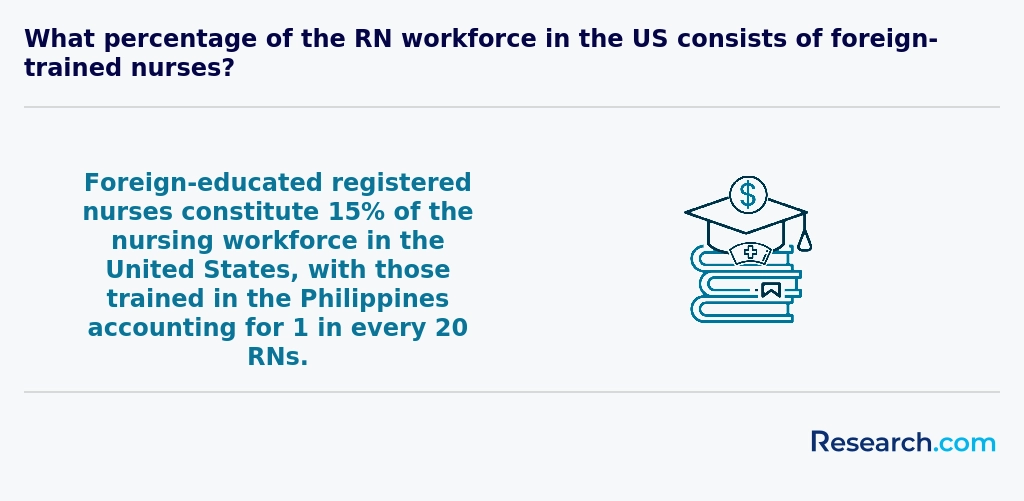
Graduates of nursing programs in New Mexico find a variety of career paths ready to explore. Many start as Registered Nurses (RNs) in hospitals, clinics, or community health centers, providing essential patient care. Those from the University of New Mexico or New Mexico State University often share how hands-on clinical training prepares them for fast-paced emergency rooms or pediatrics units. These roles offer strong job prospects and regional wages reflecting local demand.
Specializations such as geriatric, mental health, or critical care nursing are popular among graduates seeking to deepen expertise. Advancing to a Nurse Practitioner (NP) with a Master of Science in Nursing opens doors to diagnosing and prescribing independently-especially valuable in rural parts of the state where healthcare shortages are common. This career flexibility highlights the diversity of nursing career opportunities in New Mexico.
Some graduates transition into nursing administration or education, contributing to workforce growth by training others. Practical advice for prospective students includes exploring affordable options like those featured in the Inexpensive Nursing Degree Programs Ranking in the West to maximize investment while securing strong job prospects.
Nursing graduates in New Mexico find a robust job market thanks to steady growth in healthcare needs statewide. Universities and colleges popular for nursing programs, such as those in Albuquerque and Las Cruces, report that graduates quickly secure roles in hospitals, community clinics, and rural health facilities. Practical experience gained during clinical rotations often leads directly to job offers, making the employment outlook optimistic for those with a nursing degree.
The nursing job opportunities in New Mexico are enhanced by state initiatives improving rural health services, where nurses are essential primary care providers. Graduates share that competitive salaries ranging from $60,000 to $75,000 annually contribute to satisfaction and motivation. Many students also pursue an accelerated undergraduate degree path to enter the workforce sooner and meet the rising demand.
Graduates emphasize that understanding certification levels, like LPN, RN, or APRN, helps tailor career goals to maximize opportunities. The New Mexico nursing degree employment outlook encourages continuous education, helping nurses adapt and thrive in varied healthcare settings.
2027 Most Affordable Nursing Degree Programs Ranking in New Mexico
Investing in your education is a significant decision that can shape your future, and the Research.com team understands the importance of making informed choices. To assist prospective students in New Mexico, we have meticulously crafted the "2027 Most Affordable Nursing Degree Programs Ranking in New Mexico." Our commitment to quality, credibility, and accuracy is reflected in the extensive research and analysis conducted to compile this ranking.
We utilized the following reputable data sources to ensure a comprehensive evaluation of nursing programs:
By exploring this ranking, readers will gain valuable insights into the most affordable nursing degree programs in New Mexico, helping them make well-informed decisions about their educational paths. For more details on our methodology, please visit our Research.com methodology page.

# 3 position
New Mexico Highlands University
Bachelor of Science in Nursing


Frequently Asked Questions About nursing
Nursing degree students in New Mexico can maximize their learning experience by engaging actively in clinical rotations offered through accredited programs. New Mexico's nursing programs often partner with diverse healthcare settings, providing students hands-on experience vital for skill development. The New Mexico Board of Nursing highlights that clinical practice is essential for meeting licensure requirements and improving patient care competence.
Students should also take advantage of state resources such as the New Mexico Nursing Education Consortium, which supports standardized curricula and shared clinical opportunities. Additionally, joining professional organizations like the New Mexico Nurses Association helps students network and access continuing education.
Utilizing simulation labs and seeking mentorships with experienced nurses are proven strategies to deepen understanding and readiness for the workforce.
The nursing field in New Mexico is evolving rapidly, with several emerging niches attracting new professionals. One significant area is geriatric nursing, driven by the state's growing elderly population, which is expected to increase by nearly 20% by 2030 according to the New Mexico Department of Health. Specialized care in mental health nursing is also expanding, addressing rising demands in rural areas.
Pediatric nursing and nurse informatics are gaining prominence due to technological advancements and the need for improved health data management. Telehealth nursing has grown as well, especially after recent healthcare delivery changes driven by the COVID-19 pandemic.
After completing a nursing degree in New Mexico, preparing for the job market requires strategic steps. First, graduates must obtain their Registered Nurse (RN) license by passing the NCLEX-RN exam, a mandatory requirement across the U.S., including New Mexico. According to the New Mexico Board of Nursing, timely application and thorough exam preparation improve licensure success rates.
Networking plays a crucial role; joining local nursing associations like the New Mexico Nurses Association offers professional growth and job leads. Clinical experience gained during your program is highly valued, so highlight it on your resume. Job growth in New Mexico for registered nurses is projected to increase by 16% through 2031, making early job search efforts vital.
Additionally, consider enhancing your skill set with certifications relevant to New Mexico's key healthcare fields, such as rural health or geriatrics, to boost employability. Many employers favor candidates with ongoing education and practical readiness for diverse environments.
Employers in New Mexico highly prioritize strong clinical skills in nursing degree graduates, including patient assessment, medication administration, and emergency response. According to the New Mexico Board of Nursing, practical experience gained through clinical rotations is essential for readiness in healthcare settings. Communication abilities are equally critical, as nurses must effectively interact with patients, families, and interdisciplinary teams.
Additionally, cultural competence is vital in New Mexico's diverse population, ensuring sensitive and personalized care. Critical thinking and decision-making skills also rank prominently, enabling nurses to adapt quickly to complex situations. Familiarity with electronic health records (EHR) systems is increasingly demanded due to technology integration in healthcare facilities.
Finding internships in New Mexico relevant to a nursing degree typically involves collaboration between nursing schools and local healthcare facilities. Many accredited nursing programs in New Mexico require clinical hours, which are often completed through internships or externships at hospitals, clinics, and community health centers.
The New Mexico Board of Nursing recommends students network with institutions such as the University of New Mexico Hospital and Presbyterian Healthcare Services, which frequently offer clinical placement opportunities. Additionally, websites like the New Mexico Nursing Education Consortium provide resources on available internship programs.
Students are encouraged to contact their school's nursing department early to explore partnerships and secure valuable hands-on experience before graduation.
Holding a nursing degree in New Mexico significantly enhances career mobility and advancement opportunities within the healthcare sector. The New Mexico Board of Nursing requires at least an associate degree in nursing to become licensed as an RN, but employers increasingly prefer candidates with a Bachelor of Science in Nursing (BSN) due to expanded clinical knowledge and leadership skills.
According to the New Mexico Center for Nursing Workforce Studies, RNs with a BSN or higher earn 15-20% more on average than those with an associate degree. Higher education also opens doors to specialized roles such as nurse practitioner or nurse educator, which require advanced degrees.
Nursing degrees support upward career movement by meeting licensing requirements and boosting competitiveness in New Mexico's diverse healthcare settings, including hospitals and community clinics. As demand for healthcare professionals grows statewide, degree attainment remains key to long-term professional success.
Studying for a nursing degree in New Mexico equips students with skills vital for interdisciplinary healthcare roles. Nursing programs emphasize collaboration with professionals such as physicians, social workers, and pharmacists. This approach reflects the state's healthcare environment, where 42% of nurses work in diverse teams, according to the New Mexico Board of Nursing 2023 report.
Curricula include courses on communication, leadership, and healthcare systems, preparing nurses to coordinate patient care effectively. Clinical experiences often take place in varied settings, exposing students to complex cases that require teamwork. Such training enhances problem-solving and adaptability, crucial for integrated care delivery in hospitals and community clinics statewide.
Choosing between a thesis and a non-thesis nursing degree program in New Mexico depends on your career goals and learning preferences. Thesis programs require original research, which suits students interested in advanced clinical or academic roles. Non-thesis options focus more on practical skills and coursework, appealing to those aiming to enter the workforce quickly.
New Mexico's nursing workforce is growing, with an expected 15% job increase through 2030 according to the New Mexico Center for Nursing Excellence. This growth influences program demand and design.
Public universities like the University of New Mexico offer both pathways, with thesis options often required for pursuing doctoral or research roles.
Students based in New Mexico seeking to study nursing abroad have several pathways available within the US higher education system. Many public and private New Mexico universities offer study abroad programs or exchange partnerships with international institutions, especially in countries with strong nursing education like Canada, the UK, and Australia. These programs typically last a semester or a full academic year, allowing students to gain global clinical experience while earning credits toward their degree.
According to the New Mexico Nursing Education Consortium, international programs often focus on expanding cultural competence and evidence-based practices, which are crucial in today's healthcare environment. Participation may require coordination with academic advisors to ensure credits transfer. Additionally, organizations such as the American Association of Colleges of Nursing provide resources on accredited global nursing programs recognized by US licensing boards.
Students pursuing nursing degrees in New Mexico have several part-time job options that effectively complement their education. Many choose to work as Certified Nursing Assistants (CNAs), which provide valuable hands-on patient care experience. According to the New Mexico Department of Workforce Solutions, CNAs earn an average hourly wage of $13.50, making it a practical option for students.
Other common roles include Medical Scribes and Patient Care Technicians, which offer exposure to clinical environments without requiring full nursing credentials. Working in local hospitals or clinics in cities like Albuquerque or Santa Fe helps students build professional networks and reinforce their classroom learning.
Volunteering or working in community health programs is another route, offering insight into public health challenges in the state. These part-time positions enhance practical skills and improve employment prospects after graduation.
Nursing students in New Mexico have numerous networking opportunities that can enhance their educational experience and career prospects. The New Mexico Center for Nursing Workforce offers events and resources connecting students with healthcare professionals statewide. Several local chapters of national organizations, such as the American Nurses Association New Mexico (ANA NM) and the New Mexico Nurses Association, provide networking events, conferences, and mentorship programs.
Universities hosting nursing programs often facilitate clinical partnerships with hospitals and clinics, allowing students to build professional relationships during their training. According to the New Mexico Nursing Workforce Report (2023), over 70% of nursing students engage in such practica, which serve as valuable networking platforms.
These opportunities are essential for accessing job openings, continuing education information, and professional support within New Mexico's healthcare community.
Alumni networks play a significant role for nursing degree students in New Mexico by providing valuable professional connections and support. These networks often include experienced nurses who have successfully navigated New Mexico's healthcare system, offering mentorship and career advice.
In addition, alumni can share job opportunities and internship leads, which is crucial in a state where demand for registered nurses is projected to grow by 12% from 2020 to 2030, according to the New Mexico Department of Workforce Solutions.
Networking through alumni groups can also help students prepare for licensure exams by sharing resources and study tips. This social capital enhances students' chances of employment and career advancement within New Mexico's healthcare facilities.
Customizing a nursing degree program in New Mexico allows students to align their education with specific career goals. Many New Mexico institutions offer options such as selecting clinical specialties, including pediatrics, geriatrics, or psychiatric nursing. Students can often choose between pursuing an Associate Degree in Nursing (ADN) or a Bachelor of Science in Nursing (BSN), with BSN graduates typically qualifying for broader roles and higher salaries. Clinical rotations within local hospitals provide exposure to New Mexico's diverse healthcare environments. Additionally, some programs offer flexible scheduling or online coursework to accommodate working students. According to the New Mexico Board of Nursing, tailoring your education can enhance job readiness in the region.
Nursing students in New Mexico face several challenges that impact their educational journey. One major hurdle is balancing clinical hours with academic coursework, as nursing programs require extensive hands-on training in hospitals and clinics. According to the New Mexico Board of Nursing, students must complete a set number of clinical hours, which can be difficult alongside class schedules.
Another challenge is the limited availability of clinical placements, especially in rural areas. This scarcity can delay program completion or reduce practical learning opportunities. Additionally, rising tuition fees and related costs pose financial challenges, particularly since New Mexico's median household income is below the national average, making affordability a concern for many students.
Preparation for the NCLEX-RN licensing exam also demands significant time and effort, as passing rates in New Mexico vary among institutions, and exam success is critical for entering the workforce.
With a nursing degree in New Mexico, graduates can pursue several professional certifications to advance their careers. Common certifications include the Certified Nurse Assistant (CNA), Licensed Practical Nurse (LPN), and Registered Nurse (RN), all regulated by the New Mexico Board of Nursing. For advanced practice, nurses can earn certifications such as Certified Nurse Midwife (CNM) or Family Nurse Practitioner (FNP).
Certain certifications require passing national exams, like the NCLEX-RN for Registered Nurses. The New Mexico Department of Workforce Solutions reported a steady 12% growth in nursing jobs through 2030, highlighting growing demand for certified professionals.
Specialty certifications, such as in gerontology or pediatrics, help nurses meet regional healthcare needs effectively.
Applying to a nursing program in New Mexico requires clear preparation and attention to specific criteria. Start by researching accredited programs, such as those approved by the New Mexico Board of Nursing. Most programs seek applicants with a minimum GPA of 3.0 in science and math courses.
Highlight any healthcare-related experience, including volunteer work or CNAs roles, as New Mexico programs value practical exposure. Write a focused personal statement explaining your motivation for nursing and your commitment to serving New Mexico's communities.
Request strong recommendations from educators or healthcare professionals familiar with your abilities. Some programs use TEAS (Test of Essential Academic Skills) scores as part of admission; aim for scores in the 70th percentile or higher to remain competitive.
Following these steps improves your chances in New Mexico's growing nursing education landscape. According to the New Mexico Center for Nursing Excellence, demand for qualified nurses is rising, making a strong application essential.
The global perspective on nursing careers highlights the profession's increasing importance and mobility. Nurses trained in the U.S., including New Mexico, often find their education aligned with international standards set by organizations such as the World Health Organization. This alignment supports opportunities for work abroad or in multinational health settings.
In New Mexico, the demand for registered nurses is expected to grow by 15% from 2022 to 2032, reflecting a nationwide trend. This growth creates various career pathways, including public health and advanced practice roles, attractive to globally minded students.
Additionally, cultural competence is emphasized in U.S. nursing programs to prepare professionals for diverse populations worldwide.
Gaining practical experience while studying for a nursing degree in New Mexico is essential for preparing for a nursing career. Many nursing programs require clinical rotations in hospitals, community health centers, or long-term care facilities, allowing students to apply classroom knowledge in real-world settings. The New Mexico Board of Nursing supports supervised clinical practice as a core part of nursing education. According to the New Mexico Center for Nursing Workforce Studies, partnerships between colleges and local healthcare providers enhance access to diverse clinical sites.
Students can also gain experience through internships, volunteer opportunities, or health outreach programs. These options help build hands-on skills and professional networks valuable for future employment.
Choosing the right concentration within a nursing degree program in New Mexico depends on your career goals and local healthcare demands. The state has a notable need for registered nurses in rural and underserved areas, making concentrations like community health and gerontology especially relevant. According to the New Mexico Center for Nursing Workforce Studies, specialties in primary care and mental health nursing show strong employment growth.
Evaluate each concentration's curriculum to ensure it aligns with your interests and strengths. Also, consider clinical placement opportunities in New Mexico's diverse healthcare settings, from hospitals in Albuquerque to tribal health clinics. Licensing requirements remain consistent regardless of concentration, so select one that best fits your long-term plans.
- 2027 Most Affordable Online Nursing Degree Programs Ranking in Texas
- 2027 Most Affordable Online Nursing Degree Programs Ranking in Kansas
- 2027 Most Affordable Online Nursing Degree Programs Ranking in California
- 2027 Most Affordable Online Nursing Degree Programs Ranking in Missouri
- 2027 Most Affordable Online Nursing Degree Programs Ranking in Louisiana
- 2027 Most Affordable Online Nursing Degree Programs Ranking in North Dakota
- 2027 Most Affordable Online Nursing Degree Programs Ranking in Iowa
- 2027 Most Affordable Online Nursing Degree Programs Ranking in Illinois
- 2027 Most Affordable Online Nursing Degree Programs Ranking in Mississippi
- 2027 Most Affordable Online Nursing Degree Programs Ranking in Wisconsin
See What Experts Have To Say About Studying Nursing
Read our interview with Nursing experts

Lisa Grubb
Nursing Expert
Assistant Professor
Johns Hopkins School of Nursing

- Top Skills Employers Want in Practical Nursing Graduates https://vervecollege.edu/what-employers-look-for-in-practical-nursing-graduates/
- Associate Degree Nursing https://nnmc.edu/academics/nursing-and-health-sciences/associate-degree-nursing/index.html
- The Nurses' Alumni Association https://giving.mainlinehealth.org/get-involved/auxiliaries-and-womens-boards/lankenau-medical-center-womens-board/the-nurses-alumni-association
- Nursing Degree You Need to Become an RN https://www.allnursingschools.com/registered-nursing/degrees/
- Nursing - SUM Admission https://admission.sum.edu.pl/nursing/
- How Do Nurses Prepare to Work in a Multidisciplinary Team? | NursingEducation https://nursingeducation.org/insights/multidisciplinary-team/
- Nursing School Requirements and Prerequisites: What to Know https://www.carerev.com/blog/nursing-school-requirements-and-prerequisites-a-guide-for-aspiring-nursing-students
- How to Choose the Right Nursing Program for Your Career Goals - Maria College https://mariacollege.edu/blog/how-to-choose-the-right-nursing-program-for-your-career-goals
- How to Choose the Right Nursing School for Your Career Goals | Archer Review https://www.archerreview.com/blog/how-to-choose-the-right-nursing-school-for-your-career-goals
- Nursing Study Abroad Programs | Go Overseas https://www.gooverseas.com/study-abroad/nursing