2027 Best Nursing Degree Programs Ranking in Abilene

Co-Founder and Chief Data Scientist
Choosing the right nursing degree program is a big step toward a rewarding healthcare career. If you're in Abilene and thinking about your future, this article offers valuable guidance.
You'll find the 2027 Best Nursing Degree Programs Ranking in Abilene, created by the Research.com team of data scientists. This ranking helps you evaluate programs based on trusted data, making your decision easier and more confident.
Reading this article will inspire and inform you, highlighting the opportunities a nursing degree can bring to your life and community.
Key benefits of getting nursing degree in Abilene
- Graduates with a nursing degree in Abilene can expect competitive salaries, such as $94,480 annually for Registered Nurses and Clinical Nurse Educators, with Operating Room Nurses earning up to $128,490 per year.
- A nursing degree opens doors to diverse careers including public health nursing, emergency room care, and clinical education, offering a variety of fulfilling paths to serve the community.
- Completing a nursing degree online provides flexibility for busy students in Abilene, allowing them to balance work and study while gaining the same valuable skills and credentials as traditional programs.
- 2027 Best Nursing Degree Programs Ranking in Abilene
- What can I expect from nursing degree in Abilene?
- Where can I work with nursing degree in Abilene?
What can I expect from nursing degree in Abilene?
The average cost of pursuing a nursing degree in Abilene dances between affordability and value, with programs at McMurry University and Cisco College offering tuition that generally falls in the range of $6,000 to $15,000 per year. Graduates often recall feeling a mix of excitement and determination as they navigated these costs, investing in a future where every dollar spent translates to hands-on learning at places like Hendrick Medical Center. For example, those pursuing an associate degree might complete their studies in about two years, making the financial commitment feel more like a sprint than a marathon, while BSN students embrace a four-year journey that opens wider professional doors.
Students appreciate the balance here: reasonable tuition paired with immersive clinical rotations creates a nurturing environment where passion and practicality interlace. The financial investment becomes part of a bigger picture-the rewarding reality of turning theory into compassionate care within Abilene's vibrant healthcare community.
Where can I work with nursing degree in Abilene?
Graduates from Abilene's nursing programs often find themselves stepping into bustling halls of Hendrick Health System, where the pulse of emergency rooms and surgical suites teaches them resilience and fast thinking. Imagine starting your shift amid the beeping monitors and the flow of life-saving energy-an unforgettable rite of passage for many local grads.
Others pivot to clinics or community health centers, weaving connections with patients managing chronic conditions. These nurses become trusted anchors, providing steady support in familiar neighborhoods. Several alumni from Hardin-Simmons University share stories of leading vaccination drives with the Abilene-Taylor County Public Health District, feeling the profound joy of safeguarding entire communities.
Long-term care facilities offer a quieter, yet deeply rewarding path. Picture yourself helping an elder regain strength, celebrating each small victory. Some grads speak fondly of balancing clinical duties with heartfelt conversations, making every day meaningful.
Whether working in school hallways or making home visits, Abilene-trained nurses embrace varied roles filled with purpose, adapting skills learned during their studies in a city that truly values compassionate care.
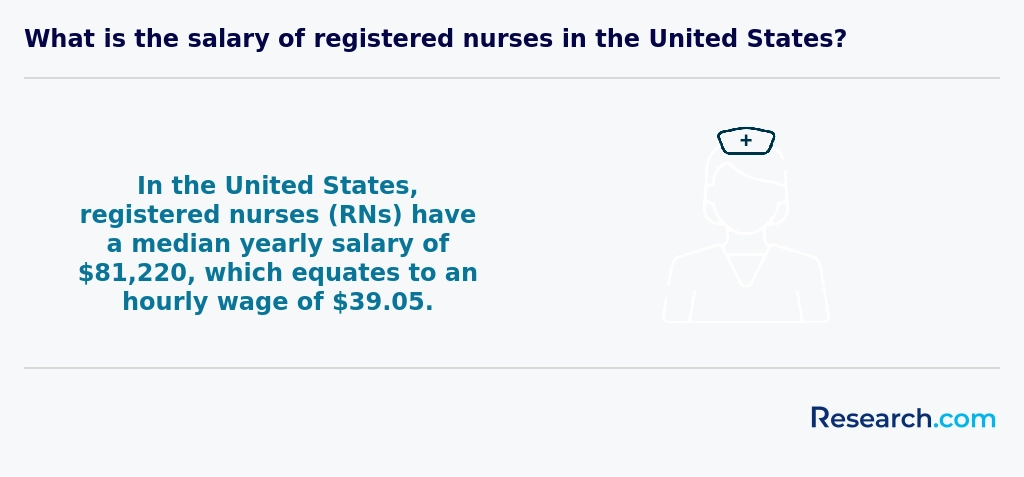
Graduates from nursing programs in Abilene step into a world where numbers translate to rewarding futures. Imagine finishing your studies at Hardin-Simmons University or McMurry University, then stepping into roles where Registered Nurses earn a solid mean annual wage of $94,480-enough to turn your effort and late-night study sessions into tangible success.
Visualize yourself in the intense but thrilling environment of an Emergency Room Nurse, where the skills you honed get you that same $94,480 average yearly income, every hour echoing with purpose and care. If your passion pushes you deeper into specialized arenas, dream big like an Operating Room Nurse commanding an impressive $128,490 annually, transforming precision and knowledge into elevated compensation.
Graduates often share the joy of advancing from classroom struggles to paycheck realities that reflect their dedication in Abilene's healthcare settings. Whether you're comforting patients or leading clinical education, the median $45.42 hourly wage mirrors the value placed on your expertise locally-making nursing degrees from Abilene a gateway to both personal satisfaction and financial stability.
- Nursing degrees in Abilene include ADN programs lasting about two years and BSN programs that take four years to complete.
- Tuition for ADN programs ranges from $6,000 to $10,000, while BSN programs cost between $20,000 and $35,000 for in-state students.
- Registered nurses in Abilene earn a median salary of around $65,000, with experienced nurses making over $85,000 annually.
- The nursing job market in Abilene is growing, with an expected 7% increase in nursing positions over the next decade.
- Passing the NCLEX-RN exam is required for licensing as a registered nurse in Texas.
If you imagine stepping onto the campus of a popular Abilene college like McMurry University, the clock to your nursing career starts ticking differently depending on your chosen path. Some graduates recall breezing through an LPN program in just 12 to 18 months, diving quickly into patient care roles while building confidence under RN supervision. Others embraced the journey of an Associate Degree in Nursing at local community colleges, spending 2 to 3 years immersed in classrooms and clinical labs, gearing up for the NCLEX-RN exam that unlocks the RN title.
A few adventurous spirits pursued the traditional Bachelor of Science in Nursing at institutions such as Hardin-Simmons University, dedicating a solid 4 years to mastering nursing science and practice. For those balancing life's demands, the accelerated BSN option-offered in Abilene-felt like a thrilling sprint packed into 12 to 18 months, fueled by prior credits and relentless determination.
Many students share how hybrid and part-time schedules helped them harmonize study and work, proving flexibility here is more than a buzzword; it's a lifeline. The clinical hands-on moments-though sometimes time-consuming-spark joy and growth, rooting their education in real-world healing.
Financial considerations play a significant role in the decision-making process for nursing students in Abilene, TX. Apart from tuition fees, students should also consider additional expenses such as books, uniforms, transportation, and licensure fees. To alleviate some of these costs, many nursing students in Abilene find that financial aid options, scholarships, and grants can help make their educational journey more manageable. For instance, students can explore the most affordable nursing programs! in Texas to find institutions that offer quality education at a lower cost. By understanding the total cost of attendance and available financial aid, prospective nursing students can make informed decisions that align with their financial situation and career aspirations.
Imagine juggling your job, family, and studies all from your living room in Abilene-that's the rhythm of an online nursing degree. Graduates from popular Abilene institutions appreciate how recorded lectures and virtual discussions let them learn at midnight or during lunch breaks, weaving education into their busy lives. Yet, the heartbeat of nursing-the clinical hours-pulls them outside the screen, into local hospitals or clinics, making those real-world moments just as tangible as their on-campus counterparts.
Contrast this with the buzz of campus life at Abilene's community colleges or universities, where nursing students thrive on face-to-face connections. Feeling the buzz in simulation labs or collaborating in crowded classrooms, these students soak in immediate feedback and peer energy, creating bonds that textbooks alone can't offer. The tactile experience of hands-on practice adds a rich texture to their education.
Cost dances differently, too. A year at a public nursing program here might hover around $8,000-$12,000, but the online learner should factor in tech gear and travel for clinical practice-a trade-off between convenience and campus camaraderie that shapes each student's unique journey.
As the nursing profession evolves, many graduates seek to expand their scope of practice and leadership opportunities through advanced degrees. After earning a BSN in Abilene, RNs can pursue MSN or DNP programs to specialize in areas like family practice, pediatrics, or psychiatric care. Accelerated bridge options, such as RN-to-MSN tracks, streamline the path by crediting prior clinical experience and foundational coursework. One of the most sought-after specializations is the Family Nurse Practitioner (FNP) role, which equips nurses to diagnose, treat, and manage patient care across the lifespan. For those balancing work and study, many institutions now offer accelerated online tracks such as the best 12-month fnp online program, allowing RNs to transition quickly into advanced practice roles without relocating or pausing their careers. Key considerations when selecting an advanced practice pathway: • Accreditation and CCNE/ACEN approval to ensure eligibility for national certification exams • Clinical residency requirements and partnerships with healthcare facilities for hands-on training • Faculty expertise, including FNP-certified instructors and active researchers in primary care • Tuition costs, financial aid packages, and employer tuition reimbursement options By strategically choosing a respected advanced practice program, nursing graduates in Abilene can secure higher earning potential-often exceeding $100,000 annually as FNPs-while meeting critical community health needs through expanded autonomy and expertise.
Counting every penny from textbooks to uniforms, a nursing degree in Abilene typically climbs to around $32,960 for in-state students, while out-of-state learners often encounter totals near $45,686. Those numbers reflect the full journey - tuition, supplies, and hidden essentials like lab fees and clinical expenses. Imagine a graduate from one of Abilene's community colleges recalling the thrill and challenge of balancing budget spreadsheets alongside grueling clinical hours, all while investing in their future as a healthcare hero.
Within the city, many aspiring nurses find themselves weighing the cost against opportunity, knowing that private institutions, such as McMurry University, touch the higher end of this spectrum. Yet, these figures are not just cold numbers; they paint the vibrant picture of dedication and hope that colors every campus experience. For students navigating these expenses, scholarships and loan programs often act as lifelines, making dreams more than just a financial calculation.
With the tangible costs in mind, it's important to explore resources like the nursing schools dallas course catalog to discover programs aligned with your goals and budget. When broken down, the total cost of nursing programs Abilene TX offers a hopeful roadmap with clear checkpoints, guiding students toward rewarding careers where compassion meets cost-effectiveness.
Every nursing graduate in Texas must complete the state licensure process before practicing clinically:
- Graduate from a Board-approved nursing program (ADN, BSN, MSN).
- Submit an application to the Texas Board of Nursing with fees, fingerprints, and a criminal background check.
- Register for and pass the NCLEX-RN exam through Pearson VUE.
- Obtain your RN license via email and verify it on the Board’s online portal.
- Complete 20 hours of continuing education and renew your license every two years.
For those pursuing advanced practice roles, explore texas nurse practitioner programs.
Imagine diving into nursing at Abilene Christian University or McMurry University with a safety net woven from scholarships and grants. Graduates speak fondly of merit-based awards that turned their dreams into reality, easing the hefty $9,300 yearly tuition for in-state students. For many, the Free Application for Federal Student Aid (FAFSA) unlocked Pell Grants-free money up to $7,395 annually-creating a financial cushion as they balanced night shifts and study sessions.
Some found magic in Texan state programs: the Texas Workforce Commission's nursing scholarships felt like a handshake promising both education and a future job in critical shortage areas. Others accessed Stafford Loans with reasonable rates, borrowing wisely to bridge the tuition gaps without drowning in debt.
Employer tuition reimbursements transformed part-time hospital gigs into double-duty earnings, while work-study opportunities allowed hands-on experience with a paycheck. Graduates cherish how layering these options turned what seemed a mountain of costs into manageable, hopeful steps toward their nursing careers in vibrant Abilene.
Graduating from a nursing program in Abilene is only the first step; obtaining and maintaining your license ensures you can practice legally and safely. In Texas, this process is overseen by the Texas Board of Nursing (TBON), which sets rigorous standards for initial licensure and ongoing certification. To begin, applicants must submit a completed licensure application through the TBON website, including official transcripts, a criminal background check, and payment of the required fees. Once the application is approved, candidates register for the NCLEX-RN examination-a standardized test that evaluates competency in areas such as patient care, pharmacology, and ethics. Scheduling your exam promptly after graduation maximizes the relevance of academic knowledge and builds confidence for test day. After passing the NCLEX-RN, you will receive your official Texas nursing license. To maintain it, RNs in Texas must renew biennially and complete at least 20 hours of approved continuing nursing education (CNE). These CNE hours often cover topics like patient safety, cultural competence, and advanced clinical practices. Keeping careful records of course certificates and TBON correspondence helps avoid lapses and ensures uninterrupted practice. Many registered nurses choose to advance their careers by pursuing a Master of Science in Nursing (MSN). Before enrolling, it’s wise to explore whether are online msn programs affordable, since cost can influence program selection and long-term return on investment. Understanding both licensure requirements and educational affordability will empower you to plan a sustainable path toward specialized roles, such as nurse practitioner or clinical educator.
Imagine stepping onto the campus of Texas State Technical College in Abilene, ready to start your nursing journey. Before that dream unfolds, there's a roadmap: a high school diploma or GED is your ticket in, but the path is paved with more than just credentials. Graduates often recall the crunch of mastering biology, chemistry, and anatomy-foundation stones that transform curiosity into clinical confidence.
Then comes the gatekeeper exam, the TEAS, challenging your grasp of reading, math, science, and English. One graduate described it as less of a test and more of a proving ground, a personal rite of passage that primes you for the demanding coursework ahead.
But nursing in Abilene isn't just about books. Volunteering at local hospitals or nursing homes weaves you into the fabric of real healthcare, turning theory into heartbeat and breath. Letters of recommendation, background checks, and immunization proof ensure you're ready-mentally, physically, and professionally-to care for your community.
As the nursing profession evolves, many graduates seek to deepen their expertise and leadership potential through advanced degrees. Master of Science in Nursing (MSN) programs typically require two additional years beyond the BSN and offer specializations such as Nurse Practitioner, Clinical Nurse Specialist, or Nurse Educator. These programs emphasize evidence-based practice, healthcare policy, and advanced clinical skills, preparing nurses to assume roles with greater autonomy and impact on patient outcomes. For those aiming to influence healthcare at the highest levels, Doctor of Nursing Practice (DNP) and PhD in Nursing pathways are ideal. A DNP focuses on clinical leadership, quality improvement, and translating research into practice, while a PhD centers on scholarly research and teaching. Both doctoral tracks can take two to four years and often include a capstone project or dissertation. Graduates in these roles frequently secure positions as chief nursing officers, academic professors, or policy advisors, contributing to system-wide improvements in care delivery. Financial considerations play a pivotal role in selecting an advanced program. Prospective students should compare tuition, scholarship opportunities, and program flexibility. For a comprehensive overview of cost-effective doctoral options, prospective applicants can consult our Most Affordable Online Doctorate in Nursing Degree Programs Ranking in Texas, which highlights accredited programs offering competitive tuition rates and robust online delivery. Before enrolling, verify program accreditation by agencies such as the Commission on Collegiate Nursing Education (CCNE) or the Accreditation Commission for Education in Nursing (ACEN). Additionally, assess clinical placement support, faculty credentials, and residency requirements to ensure the degree aligns with your career goals. By investing in an advanced nursing degree, practitioners not only enhance their clinical competence but also open doors to leadership, research, and educational roles that shape the future of healthcare.
Imagine diving into anatomy and physiology at a place like Abilene Christian University, where graduates recall the thrill of uncovering the secrets of the human body, connecting veins and neurons like an intricate map of life. Microbiology and chemistry courses become gateways to understanding the invisible battles waged within patients' cells-knowledge that sticks when you're knee-deep in clinical rotations at local Abilene hospitals.
Picture yourself in pharmacology labs, grasping the delicate balance of medication and side effects, a skill praised by students from Hardin-Simmons University who describe moments of awe when their lessons turned into life-saving decisions during mental health and maternity units.
Nursing fundamentals and health assessment classes sharpen senses, teaching how to read a heartbeat and decode subtle patient cues-a favorite topic among graduates who treasure community health rotations around Taylor County for its real-world pulse on public wellness.
Ethics and leadership courses round out the journey, instilling a deep sense of responsibility and teamwork that nursing students in Abilene embrace as they prepare to become not just caregivers, but advocates in a vibrant healthcare tapestry.

Students diving into nursing degree specializations in Abilene quickly find themselves immersed in a spectrum of pathways tailored for distinct healthcare adventures. From the fast-paced corridors of Critical Care Nursing, where every moment counts, to the gentle touch of Pediatric Nursing, graduates from Texas Tech University Health Sciences Center recount vivid clinical rotations that ignite their passion for specific care roles. Those drawn to the challenges of mental resilience often channel their focus into Psychiatric/Mental Health Nursing, cultivating empathy in diverse healing environments.
Meanwhile, the growing demand for elder care creates heartfelt opportunities in Geriatric Nursing, a specialization embraced by many nursing students captivated by serving Abilene's aging community. Community Health Nursing also pulls at the spirit of those eager to expand their impact beyond hospital walls, engaging in preventive care and outreach. At McMurry University, the blend of theory and hands-on experience through well-designed tracks embraces these varied interests, making the journey fulfilling and dynamic.
Additionally, aspiring nurses can explore bridge programs for nursing like the LVN to RN pathway, a favorite among students eager to deepen their clinical expertise while advancing their careers. These Abilene nursing programs with specialization options foster both skill and heart, fueling the vibrant futures of healthcare heroes right here in Texas.
Choosing the best nursing degree in Abilene feels like mapping your own healthcare adventure. Imagine a graduate from McMurry University who thrived because they picked a Bachelor of Science in Nursing program with strong hands-on clinical rotations-this wasn't just textbook learning; it was real hospital hallways, bustling with life, where skills sharpened with every patient interaction. Local nursing schools here blend flexibility with quality, accommodating those juggling jobs or family, offering evening or part-time schedules that feel like they bend to your rhythm.
Affordability plays a starring role too. Picture someone carefully navigating affordable nursing schools near Abilene, balancing tuition costs with financial aid, discovering ADN programs that don't pressure one's wallet yet open doors to fulfilling careers. Strong NCLEX pass rates from these programs are like badges of honor, promising you'll walk confidently into your nursing exams.
If you crave specialized paths without leaving your hometown vibe, consider exploring online nursing degrees new york specialization options as a creative way to widen horizons while rooted locally. The magic lies in merging local opportunities, quality training, and personal logistics to find the nursing degree that ignites your passion and fits your life.

Nursing degree job prospects Abilene paint a vibrant picture of possibilities. Graduates from local colleges often leap into roles as Registered Nurses, thriving in busy halls of Hendrick Medical Center or Abilene Regional Medical Center, where every shift feeds their passion for hands-on care. Some dive into pediatrics or geriatrics, their days filled with the gentle rhythms of supporting young lives or honoring seniors. Others chase the thrill of emergency nursing, mastering quick decisions and calm under pressure. Recently, many find themselves drawn to public health or home health nursing, weaving care into the community fabric beyond hospital walls.
Ambitious graduates stretch further, transforming their careers by becoming Nurse Practitioners or Nurse Educators, shaping future healers. The excitement of growth and leadership feels tangible, especially at Abilene's growing academic hubs. Students juggling studies often balance them with full-time medical assistant programs Connecticut, unlocking hands-on skills early. For those imagining their nursing career opportunities in Abilene, the journey from classroom to clinic offers purposeful challenges and rewarding successes.

Nursing graduates from Abilene's well-regarded colleges often find themselves stepping into a vibrant healthcare scene where nursing job opportunities in Abilene TX are growing steadily. Between Hendrick Health System and Abilene Regional Medical Center, graduates regularly report feeling welcomed and valued as they fill crucial roles in bustling hospital wings and community clinics. One recent graduate shared how clinical rotations at local facilities not only shaped their skills but also connected them directly to employers, accelerating their career start.
Healthcare employment outlook Abilene 2027 suggests ongoing growth fueled by the city's aging population and expanding healthcare infrastructure. Nurses with specialized skills in gerontology or critical care tend to shine brightest here, often landing offers right after graduation. Many of these professionals also pursue accelerated rn to bsn programs to boost employability and salary potential while balancing real-world work.
2027 Best Nursing Degree Programs Ranking in Abilene
Investing in your education is a significant decision that can shape your future, and the Research.com team understands the importance of making informed choices. To assist prospective nurses in Abilene, we have meticulously developed the "2027 Best Nursing Degree Programs Ranking in Abilene." Our dedication to quality, credibility, and accuracy is demonstrated through careful research and thorough analysis behind this ranking.
We utilized the following reputable data sources to ensure a comprehensive evaluation of nursing programs:
By exploring this ranking, readers will gain valuable insights into the top nursing degree programs in Abilene, empowering them to make well-informed decisions about their educational journey. For more details on our methodology, please visit our Research.com methodology page.


Frequently Asked Questions About nursing
Nursing degree students in Abilene can maximize their learning experience by actively engaging in clinical rotations offered through partnerships with local hospitals such as Hendrick Medical Center. Practical experience is crucial, as it complements classroom learning by exposing students to real-world patient care. According to the Texas Board of Nursing, students completing accredited programs with substantial clinical hours have higher NCLEX pass rates.
In addition, students should take advantage of academic support services, including tutoring and simulation labs often available at institutions like McMurry University. Networking with local nursing professionals and joining student nursing organizations can also provide mentorship and career guidance.
Finally, staying updated on healthcare trends and state regulations by consulting resources like the Texas Nurses Association ensures students are well-prepared for the evolving demands of nursing in Abilene.
Nursing in Abilene is evolving with several emerging specialties gaining attention. One prominent niche is gerontological nursing, driven by the area's growing elderly population. According to the Texas Department of State Health Services, Abilene's population over 65 is expected to increase by 20% in the next decade, creating demand for nurses experienced in elder care.
Another growing field is telehealth nursing. With rural parts of Taylor County relying more on virtual care, nurses skilled in remote patient monitoring and digital communication tools are increasingly sought after. The Bureau of Labor Statistics highlights telehealth as a rapidly expanding area nationwide.
Additionally, psychiatric-mental health nursing is gaining significance due to rising awareness of mental health issues locally. Specialized training in this field is becoming a valuable asset for nurses in Abilene healthcare settings.
After completing a nursing degree in Abilene, preparing for the job market begins with obtaining licensure. Graduates must pass the NCLEX-RN exam, which is required to practice as registered nurses in Texas. According to the Texas Board of Nursing, the pass rate for first-time test takers in the state is around 87%, reflecting a solid foundation for new nurses.
Building practical experience is crucial; many employers in Abilene seek candidates with hands-on clinical hours. Volunteering or securing internships at local hospitals such as Hendrick Medical Center can enhance employability. Networking through nursing associations like the Texas Nurses Association's local chapter also provides job leads and professional development opportunities.
Keeping updated with continuing education is vital due to evolving healthcare practices. The Texas Board of Nursing requires ongoing education to maintain licensure, which can improve career prospects. Job seekers should also consider preparing a professional resume emphasizing specialized skills, such as pediatric or geriatric nursing, which are in demand in the Abilene area.
Employers in Abilene seeking nursing degree graduates prioritize a combination of clinical skills and interpersonal abilities. Strong communication is essential for collaborating with patients and healthcare teams effectively. Critical thinking and problem-solving skills help nurses make quick, informed decisions in high-pressure environments. According to the Texas Board of Nursing, graduates must demonstrate competence in patient care, including administering medications and monitoring vital signs accurately.
In Abilene's healthcare market, employers also value adaptability and cultural sensitivity due to the diverse patient population. Technical proficiency with electronic health records (EHR) is increasingly important as medical facilities adopt digital systems. These skills collectively improve patient safety and care quality, making graduates more competitive in the job market.
Finding nursing internships in Abilene involves leveraging local healthcare facilities and educational institutions. Start by contacting hospitals such as Hendrick Medical Center, which is one of the largest employers of nursing students in the area. They often offer structured internship programs tailored for nursing degrees. Additionally, regional clinics and long-term care facilities provide valuable hands-on experience.
Many nursing programs in Abilene require internships as part of their curriculum, so coordinating with your school's career services or nursing department can connect you to relevant opportunities. Websites like the Texas Board of Nursing also list approved clinical sites which help ensure quality training environments.
Networking with professional nursing organizations, including the Texas Nurses Association, also helps uncover internship openings. Given that Texas is projected to have a 15% growth in the nursing workforce by 2030, demand for internships remains strong, offering good placement chances for motivated students.
Obtaining a nursing degree in Abilene significantly enhances career mobility and advancement opportunities. Nurses with formal education, such as an Associate Degree in Nursing (ADN) or Bachelor of Science in Nursing (BSN), are preferred by many healthcare employers, including Hendrick Health System, a leading hospital in the area. The Texas Workforce Commission reports that the demand for registered nurses in Abilene is projected to grow by over 15% through 2030, reflecting robust job prospects.
Additionally, higher nursing degrees enable access to specialized roles like nurse practitioner or clinical nurse leader, which offer increased salaries and leadership opportunities. A BSN degree, in particular, is often a prerequisite for management positions or advanced certifications recognized nationwide.
Studying for a nursing degree in Abilene equips students with essential skills to operate effectively within interdisciplinary healthcare teams. Local nursing programs emphasize collaboration between nurses, physicians, therapists, and social workers, reflecting the integrated nature of modern patient care. Courses often include communication training and case studies featuring real-world scenarios from nearby healthcare facilities like Hendrick Medical Center.
In Abilene, nursing curricula align with national standards, ensuring graduates are prepared to contribute to diverse healthcare settings. According to the Texas Board of Nursing, Abilene programs maintain a strong focus on teamwork and leadership, helping students develop competencies valuable across disciplines.
Hands-on clinical experiences in the region's hospitals further enhance students' abilities to work alongside varied professionals, preparing them for complex health challenges and improving patient outcomes.
Choosing between a thesis and a non-thesis nursing degree program in Abilene depends largely on your career goals and learning preferences. Thesis programs typically involve conducting original research and writing a comprehensive paper, ideal for students aiming for advanced clinical roles or doctoral studies.
Non-thesis programs focus more on coursework and practical skills, which suits nurses seeking to enhance their professional practice or move into administrative roles.
According to the Texas Board of Nursing, Abilene's healthcare sector continues to grow, increasing demand for both research skills and practical expertise. Considering local job trends can help guide your choice.
Review program requirements at Abilene's institutions like Hardin-Simmons University or McMurry University for specific details on thesis options.
Students based in Abilene who wish to study nursing abroad have several opportunities, primarily through partnerships and exchange programs offered by their home institutions. For example, McMurry University and Hardin-Simmons University, both located in Abilene, occasionally collaborate with international universities, allowing nursing students to gain global clinical experience.
These study abroad programs usually last one semester and focus on public health or community nursing. Students gain exposure to diverse healthcare systems, which can enhance their cultural competence-a valuable skill in nursing.
Financial aid and scholarships may be available to help cover costs, but students must meet academic and language requirements specific to each program. Consulting each university's study abroad office is recommended for up-to-date options.
Students pursuing nursing degrees in Abilene can enhance their education by engaging in part-time jobs closely related to healthcare. Positions such as certified nursing assistant (CNA), medical assistant, or patient care technician provide hands-on experience with patients, which is invaluable for nursing students.
According to the Texas Workforce Commission, Abilene's healthcare sector has grown by 5% in recent years, increasing opportunities in local hospitals like Hendrick Medical Center. Working in these roles helps students develop clinical skills and understand hospital workflows before graduation.
Additionally, Abilene offers opportunities in home health aide roles or positions at outpatient clinics, allowing flexible schedules that accommodate class hours. These roles complement academic knowledge and strengthen resumes when applying for registered nursing positions.
Nursing students in Abilene benefit from varied networking opportunities that help build professional connections early in their careers. West Texas A&M University and McMurry University offer student nursing organizations, which host events and workshops inviting local healthcare professionals. These gatherings promote mentorship and open doors to clinical placements.
The Abilene Nurse Practitioner Association organizes regular meetings and seminars, enabling students to engage with experienced nurses and healthcare leaders. Additionally, the Texas Nurses Association has a local chapter in the region, which supports networking through conferences and community outreach programs.
Clinical rotations across multiple Abilene healthcare facilities, including Hendrick Health System, also provide practical networking experiences with hospital staff and administrators.
Alumni networks play a significant role in supporting nursing degree students in Abilene by providing valuable professional connections. Graduates can access mentorship from experienced nurses, which enhances their practical knowledge and career readiness. According to the Texas Nurses Association, approximately 85% of nursing positions in Texas are filled through networking or referrals, underscoring the importance of these connections.
In Abilene, alumni often share job openings at local hospitals such as Hendrick Health System, enabling students to find employment more easily after graduation. Networking events and workshops organized through alumni associations also offer ongoing education and skill development.
Customizing a nursing degree program in Abilene involves selecting courses and clinical experiences that align with your career goals. Many local institutions offer flexible tracks such as registered nurse (RN) to bachelor of science in nursing (BSN) or accelerated programs for those with prior degrees. Clinical placements in Abilene-area hospitals and clinics provide practical experience tailored to specialties like pediatrics, geriatrics, or emergency care. Additionally, students can pursue certifications in high-demand fields to enhance skills. According to the Texas Board of Nursing, the region's healthcare needs guide program focuses, ensuring graduates meet workforce demands. Advising services support personalized academic planning.
Nursing students in Abilene encounter several challenges typical to rigorous healthcare programs across the United States. One primary difficulty is managing the demanding coursework, which combines complex subjects like anatomy, pharmacology, and patient care. Many students report struggling with time management as clinical rotations often require long hours in medical settings.
Financial strain is another common issue. According to the Texas Higher Education Coordinating Board, the average tuition for nursing programs in the region can be a barrier, compounded by costs for textbooks and supplies.
Additionally, competitive clinical placement availability in Abilene hospitals can limit hands-on learning opportunities for students, affecting their practical experience. The high stress and responsibility associated with nursing education contribute to elevated dropout rates nationally, which local counseling services in Abilene strive to address.
With a nursing degree in Abilene, graduates can pursue various professional certifications to enhance their careers. Common certifications include the Certified Nurse Assistant (CNA), Registered Nurse (RN) licensure, and advanced certifications like Certified Nurse Practitioner (CNP). The Texas Board of Nursing regulates these certifications, ensuring standards are met statewide.
Specialty certifications such as the Critical Care Registered Nurse (CCRN) or the Certified Pediatric Nurse (CPN) are also available to nurses seeking expertise in specific areas. According to the Texas Workforce Commission, demand for certified nurses in Abilene is expected to grow by 15% through 2028.
Professional certifications not only improve job prospects but also often lead to higher salaries and expanded clinical roles within healthcare settings.
To write a winning application for a nursing program in Abilene, start by ensuring you meet all academic prerequisites, such as a strong GPA and completion of required science and math courses. Highlight relevant experience, like volunteering in healthcare or certifications such as CPR. Nursing programs in Abilene, including those at Texas State Technical College and McMurry University, emphasize clinical readiness and communication skills.
Clear, concise personal statements that reflect your passion for nursing and understanding of local healthcare needs can set you apart. According to the Texas Board of Nursing, programs often prioritize applicants with demonstrated commitment to community health and teamwork.
The nursing profession holds a significant global importance, with the United States playing a leading role in setting educational and professional standards. Nurses trained in Abilene benefit from curricula aligned with worldwide competencies, enabling them to work internationally if desired. The U.S. Bureau of Labor Statistics reports a projected 9% growth in nursing jobs nationwide through 2032, reflecting global demand for healthcare professionals.
American nursing degrees, including those offered in Abilene, emphasize evidence-based practice and cultural competence, which are critical for serving diverse populations. This global approach prepares graduates to contribute effectively in many healthcare settings worldwide.
The World Health Organization also recognizes the U.S. nursing education system as a model for advancing professional skills across countries.
Students pursuing nursing degrees in Abilene can gain practical experience through clinical rotations, which are an essential part of accredited nursing programs. Local hospitals such as Hendrick Medical Center and various community health clinics partner with nursing schools to provide these hands-on learning opportunities.
Many programs also offer simulation labs where students practice clinical skills in a controlled environment before working with real patients. According to the Texas Board of Nursing, clinical hours usually range from 500 to 700 hours, ensuring substantial exposure.
Additionally, some schools in Abilene encourage internships or volunteer positions to enhance practical skills and build professional networks.
When choosing a concentration within a nursing degree program in Abilene, consider your career goals, interests, and the local healthcare environment. Popular options include family nurse practitioner, pediatric nursing, and geriatric care, reflecting Abilene's growing demand for diverse nursing professionals. According to the Texas Workforce Commission, the region's healthcare sector is expanding, with particularly strong growth projected in specialties like mental health and community nursing.
Review the curriculum and clinical opportunities each concentration offers. Programs affiliated with local hospitals in Abilene can provide valuable hands-on experience. Also, consider certification requirements and future job prospects in the area. Aligning your choice with workforce needs enhances your employment potential after graduation.
- 2027 Best Nursing Degree Programs Ranking in Lubbock
- 2027 Best Nursing Degree Programs Ranking in Colorado Springs
- 2027 Best Nursing Degree Programs Ranking in Kansas City
- 2027 Best Nursing Degree Programs Ranking in Denver
- 2027 Best Nursing Degree Programs Ranking in Lincoln
- 2027 Best Nursing Degree Programs Ranking in Hattiesburg
- 2027 Best Nursing Degree Programs Ranking in Omaha
- 2027 Best Nursing Degree Programs Ranking in Saint Louis
- 2027 Best Nursing Degree Programs Ranking in Mobile
- 2027 Best Nursing Degree Programs Ranking in Tempe
See What Experts Have To Say About Studying Nursing
Read our interview with Nursing experts

Lisa Grubb
Nursing Expert
Assistant Professor
Johns Hopkins School of Nursing

- Know more about thesis vs non- thesis: what is the difference? https://studyfans.com/en/blogs/816
- From our readers…Strengthening nursing networks https://www.myamericannurse.com/from-our-readersstrengthening-nursing-networks/
- School of Nursing Alumni Resources https://nursing.utmb.edu/About/Alumni
- NURSING - University College of Enterprise and Administration https://en.wspa.pl/nursing-graduate-program/
- Nursing Internship and Externship Programs https://jobs.mayoclinic.org/nursinginternexternprograms
- Join the Nursing Team at Hendrick Health System https://careers.hendrickhealth.org/us/en/nursing
- Types of Nursing Careers & Specialties https://nursinglicensemap.com/nursing-specialties/
- Nursing Degree You Need to Become an RN https://www.allnursingschools.com/registered-nursing/degrees/
- The Nurses' Alumni Association https://giving.mainlinehealth.org/get-involved/auxiliaries-and-womens-boards/lankenau-medical-center-womens-board/the-nurses-alumni-association
- Nursing Study Abroad Programs | Go Overseas https://www.gooverseas.com/study-abroad/nursing