
2027 Best Nursing Degree Programs Ranking in Tempe

Co-Founder and Chief Data Scientist
Choosing the right nursing degree program is a big step for any aspiring healthcare professional in Tempe. To help you navigate this important decision, this article presents the 2027 Best Nursing Degree Programs Ranking in Tempe. Developed by the Research.com team of data scientists, this ranking offers a clear and trustworthy overview of top programs available locally.
Reading this article will give you valuable insights into which nursing degrees align with your goals and empower your future. Nursing is a rewarding path, and making an informed choice now can shape a fulfilling career ahead.
Key benefits of getting nursing degree in Tempe
- Nursing degree graduates in Tempe can earn competitive salaries, with roles like Registered Nurses and Public Health Nurses averaging around $94,480 annually, while specialized positions such as Operating Room Nurses earn about $128,490.
- Career paths for nursing degree holders in Tempe are diverse, ranging from clinical nursing to education and emergency care, offering exciting opportunities for growth and meaningful impact in healthcare.
- Completing a nursing degree online from a well-known Tempe university offers flexibility and convenience, allowing students to balance studies with personal life while gaining valuable skills for a rewarding career.
- 2027 Best Nursing Degree Programs Ranking in Tempe
- What can I expect from nursing degree in Tempe?
- Where can I work with nursing degree in Tempe?
What can I expect from nursing degree in Tempe?
The average cost of pursuing a nursing degree in Tempe varies significantly based on the institution and degree level. Public universities, such as Arizona State University's College of Nursing and Health Innovation, offer more affordable tuition rates for in-state students, making the Bachelor of Science in Nursing (BSN) and Associate Degree in Nursing (ADN) programs accessible to many. Graduates often recall balancing rigorous coursework with clinical rotations across Phoenix-area healthcare facilities, appreciating the value added by hands-on experience despite the financial commitment.
Many students find that available scholarships and financial aid substantially ease the tuition burden, reflecting the high demand for qualified nurses in the region. For example, those enrolled in ASU's programs benefit from financial resources tailored specifically to nursing students, recognizing the profession's vital public health role. This support, combined with the region's expanding healthcare market, instills confidence and optimism among future nurses as they invest in their education and career paths.
Where can I work with nursing degree in Tempe?
Graduates from nursing programs at institutions like Arizona State University in Tempe find diverse employment opportunities within the city's vibrant healthcare sector. Many secure positions at Banner Tempe Medical Center, where they care for acute patients as registered nurses, licensed practical nurses, or advanced practice nurses. This setting offers hands-on experience in fast-paced hospital environments, fostering professional growth and confidence.
Others leverage their skills in outpatient clinics, addressing primary care and specialized fields such as cardiology and oncology. Nurses in these roles often engage deeply with patient education and chronic disease management, enjoying meaningful connections that enhance their job satisfaction.
Long-term care facilities, including locations like Sun Health, employ nursing graduates to provide critical care for older adults, ensuring they make a positive impact on individuals' quality of life every day. Home health nursing is another rewarding path, where professionals support patients recovering at home, blending clinical expertise with personal compassion.
Several graduates also pursue roles in community health or public health departments in Tempe, contributing to wellness initiatives that improve lives citywide, reflecting the fulfilling diversity of nursing careers available locally.
Graduates from nursing programs in Tempe, such as those attending institutions like Arizona State University, can anticipate competitive salaries reflective of the growing healthcare market. Entry-level registered nurses typically start with wages near the regional average; however, according to recent data, registered nurses command a mean annual wage of $94,480, equating to about $45.42 per hour. This robust salary allows new nurses to confidently embark on their careers in Phoenix-Mesa-Scottsdale healthcare facilities.
For those specializing or advancing their careers, opportunities abound. Roles such as clinical nurse educators and public health nurses also average the same strong salary of approximately $94,480 annually, combining professional growth and financial stability. A particularly rewarding path includes working as an emergency room nurse, where the mean wage mirrors that of registered nurses.
Operating room nurses, benefiting from advanced skills and acute care responsibilities, earn substantially more, with mean annual salaries reaching $128,490. Graduates from Tempe's nursing programs often express pride and satisfaction in their ability to contribute meaningfully to patient outcomes while enjoying these favorable earning prospects.
- Nursing programs in Tempe range from Associate Degree in Nursing (ADN) to Bachelor of Science in Nursing (BSN), with BSN programs often preferred by employers.
- Tuition for BSN programs at public universities typically costs between $10,000 and $25,000 for in-state students, while private schools may charge over $30,000.
- The average starting salary for registered nurses in Tempe is around $65,000 per year, with experienced nurses earning between $85,000 and $90,000 annually.
- Job demand for nurses in Tempe is strong due to population growth and an aging population requiring more healthcare services.
- Nursing programs often include clinical experience in local hospitals, such as Arizona State University's BSN program with clinical partnerships.
- Graduates must pass the NCLEX-RN exam to become licensed, and many schools offer NCLEX preparation; financial aid and scholarships are available locally.
Completing a nursing degree in Tempe depends largely on the program selected and study pace. Graduates from community colleges and technical schools offering ADN programs in Tempe often finish in about two years of full-time study. These students frequently share feelings of accomplishment and excitement as they quickly enter the nursing workforce, ready to apply practical skills learned through accredited courses and clinical experiences.
Those enrolled in BSN programs at well-known Tempe universities typically spend around four years completing their degree. Their journey combines theoretical knowledge with hands-on clinical practice, fostering confidence and professional growth. Many graduates recall the rewarding balance of classroom learning and direct patient care that prepares them comprehensively for diverse healthcare settings.
For students with prior nursing education or degrees, accelerated BSN programs in Tempe offer intensive study lasting approximately 12 to 18 months. These individuals often express pride in their fast-track success, enabled by the focused, immersive curriculum that equips them swiftly for RN licensure and employment.
- ADN programs: about 2 years full-time
- Traditional BSN programs: about 4 years full-time
- Accelerated BSN programs: 12 to 18 months for qualified candidates
Part-time and online students may extend completion times by 1 to 2 years, valuing the flexibility that supports their work-life balance while pursuing nursing degrees in Tempe's educational institutions.
Choosing an accredited nursing program in Tempe ensures you meet education and licensing standards before entering practice. Look for schools approved by recognized bodies and recognized by the state board.
Key accreditation bodies:
- Commission on Collegiate Nursing Education (CCNE)
- Accreditation Commission for Education in Nursing (ACEN)
- Arizona State Board of Nursing approval
Essential steps to licensure:
- Complete your nursing curriculum at an accredited institution.
- Register for and pass the NCLEX-RN exam through Pearson VUE.
- Submit your application, transcripts, and exam results to the Arizona State Board of Nursing.
For nurses planning advanced practice roles, consider affordable post-licensure options like the cheapest dnp online program to continue your education without breaking the bank.
Online nursing degrees in Tempe offer remarkable flexibility, enabling students from institutions like Arizona State University to manage coursework around their personal and professional commitments. Graduates often describe the convenience of accessing lectures anytime, which suits working adults balancing family or jobs. However, these students emphasize the importance of completing local clinical rotations, typically arranged through Tempe-area hospitals such as Banner Health, to acquire hands-on skills essential for nursing practice.
Conversely, on-campus programs at colleges like Mesa Community College provide a structured environment where students benefit from direct interaction with faculty and peers. Many recall how engaging in labs and simulations on campus enhanced their confidence and communication abilities, fostering a sense of community and immediate support. The traditional schedule encourages discipline but also cultivates stronger professional networks, which alumni find valuable when starting their careers.
Both paths require clinical practice, but cost differences matter too. While online learners save on commuting and housing, some report additional technology fees. Ultimately, the choice in Tempe hinges on personal learning style and lifestyle demands.
Applying to a nursing program in Tempe, AZ, requires careful planning and attention to detail. Start by researching each school’s application portal and note critical deadlines-many programs open their applications as early as September for fall admission. Create a checklist that includes prerequisite verification, official transcripts, standardized test scores (such as TEAS), and any program-specific requirements. Next, gather your academic records and letters of recommendation. Most nursing schools in Tempe require at least two professional or academic references; choose individuals who can speak to your work ethic and passion for healthcare. Request official transcripts from all post-secondary institutions, including community colleges and universities, and confirm they meet the minimum GPA threshold (often around 2.75). Craft a compelling personal statement that highlights your motivations, clinical experience, and long-term goals. If you’re transitioning from another field, consider exploring accelerated pathways like a non nursing degree to msn program to streamline your journey. Be sure to emphasize transferable skills-such as communication, critical thinking, and time management-that will strengthen your application. Submit your application online, paying any required fees, and double-check that all supplemental materials (test scores, essays, resumes) are uploaded correctly. After applying, monitor your email for interview invitations or additional requests. Some programs may conduct an admissions interview or supplemental writing assignment to assess your suitability for clinical training. Finally, stay organized by using a calendar or application tracking tool. Mark dates for financial aid submission (FAFSA), scholarship deadlines, and orientation sessions. By following these steps systematically, you’ll maximize your chances of acceptance into a top nursing degree program in Tempe, AZ.
The average nursing degree cost in Tempe varies significantly depending on residency status and the type of institution. For in-state students pursuing a Bachelor of Science in Nursing at notable institutions such as Arizona State University, the median in-state total cost is approximately $12,223. Graduates from these programs often reflect positively on their educational investment, appreciating the blend of affordability and strong academic reputation. Out-of-state students, however, face substantially higher expenses, with median total costs reaching around $49,298, which can be a considerable financial commitment but often justified by the quality of education and career prospects.
Many nursing students in Tempe also consider community colleges offering Associate Degree in Nursing programs as a cost-effective alternative. These programs typically require a lower tuition fee, which helps reduce the total cost of nursing programs Tempe AZ. Graduates from these community colleges frequently share a sense of pride for completing their degrees efficiently and economically while gaining the practical skills needed for entry-level nursing roles.
It is important to remember, however, that these tuition figures do not cover additional required expenses such as textbooks, uniforms, clinical equipment, and certification fees. Students looking for the cheapest nursing school in Arizona can find valuable options and further financial guidance by visiting cheapest nursing school in arizona.

Many practicing Registered Nurses (RNs) in Tempe pursue a Bachelor of Science in Nursing (BSN) to advance their careers, and RN to BSN bridge programs offer a seamless pathway. These programs recognize prior nursing coursework and clinical experience, allowing RNs to complete their BSN in as little as 12 to 18 months. Key benefits include higher salary potential, leadership opportunities, and eligibility for specialized roles. Program Highlights:
- Accelerated Curriculum: Courses focus on evidence-based practice, community health, and leadership, reducing redundant prerequisites.
- Flexible Delivery: Hybrid and fully online options accommodate shift work and family commitments. Some nurses opt for renowned offerings like the capella rn to bsn for its streamlined admissions and robust clinical partnerships.
- Clinical Integration: Bridge programs often include practicum placements at Tempe-area hospitals to refine skills in gerontology, pediatrics, and acute care settings. Admission Requirements:
- Active RN license in Arizona
- Minimum GPA (usually 2.5–3.0) in previous nursing coursework
- Official transcripts and professional references
- Completion of general education credits if not waived by prior degree Career Impact: Graduates of RN to BSN programs report a 15–25% salary increase and greater access to roles such as case manager, clinical educator, and leadership positions. Additionally, BSN-prepared nurses meet Magnet® recognition criteria at top healthcare facilities, enhancing both personal fulfillment and institutional prestige.
Nursing students in Tempe have access to diverse financial aid opportunities that help ease the burden of tuition fees, typically ranging between $10,000 and $15,000 annually at public institutions. Many rely on federal aid through FAFSA applications, securing Pell Grants worth up to $7,395, which eliminate the need for repayment and significantly lower educational expenses. Graduates from Arizona State University often share how these grants made their studies more affordable during challenging times.
Federal loans with fixed interest rates provide another option, but borrowers are advised to manage debt carefully, as many nationwide graduate with about $40,000 in student loans. State-specific scholarships, offered by the Arizona Board of Nursing and the Department of Health Services, further support Tempe nursing students committed to working locally after graduation-an arrangement that benefits both students and community healthcare.
Institutional scholarships at Tempe universities reward academic excellence, while employer tuition assistance programs benefit those already employed in health settings. Veterans in Tempe can also tap into GI Bill funds, enhancing financial support tailored to their needs.
Navigating the admissions timeline for Nursing degree programs in Tempe, AZ, can make the difference between a smooth start and last-minute stress. Here’s a step-by-step guide to ensure you meet all requirements and deadlines: 1. Research & Information Sessions • Attend virtual or on-campus info sessions at Arizona State University, Maricopa Community Colleges, or private institutions to learn about program formats, clinical rotations, and part-time options. • Review program-specific deadlines-many fall cohorts close by December 1, while spring starts may require applications by July 1. 2. Prepare Application Materials • Official Transcripts: Submit sealed transcripts showing completion of prerequisite courses (biology, chemistry, anatomy). • Entrance Exam Scores: Register for the TEAS exam at least 6 weeks before your deadline; aim for a score in the 70th percentile or higher. • Letters of Recommendation: Request two professional or academic references at least a month in advance. 3. Complete the Online Application • Create an account on each school’s admissions portal, upload all documents, and pay any application fees by the stated deadline. Note rolling admissions may fill early. • If you’re considering graduate study after your BSN, explore our Affordable Online Master's in Nursing Degree Programs Ranking in the South for cost-effective MSN options. 4. Interview & Notification • Some programs require a brief interview-prepare to discuss your clinical experience and career goals. • Admissions decisions are typically sent 4–6 weeks after the deadline; accepted students should confirm their spot by the deposit date to secure clinical placements and orientation. By following this timeline and gathering materials early, you’ll be well positioned to join Tempe’s top nursing cohorts without missing a beat.
To enroll in a nursing degree program in Tempe, students must first hold a high school diploma or equivalent, which assures readiness for the demanding nursing curriculum. Many graduates from Arizona State University, a leading local institution, recall that completing essential prerequisite courses was crucial. These typically include biology with labs covering human anatomy and physiology, general chemistry, microbiology, English composition, and college-level math such as statistics.
Achieving at least a C grade in these courses is often required to demonstrate adequate knowledge. Additionally, applicants commonly need a minimum cumulative GPA around 3.0 to remain competitive, reflecting the rigorous standards set by Tempe's nursing programs.
Many prospective students also face the TEAS exam, which assesses skills across reading, math, science, and English. Graduates emphasize that passing this exam builds confidence and ensures preparedness before clinical training begins.
Beyond academics, nursing candidates in Tempe frequently submit personal statements and letters of recommendation. Background and drug screenings are typical, underscoring the profession's responsibility and the community trust placed in future nurses.

When considering a nursing program in Tempe, AZ, affordability is a crucial factor for many students. The cost of tuition, fees, and other expenses can vary significantly between institutions, making it essential to research and compare prices. For those looking for the most affordable options, exploring programs that offer financial aid, scholarships, and flexible payment plans can be beneficial. If you're interested in learning more about affordable nursing education, you can visit our page on the cheapest nursing school in arizona to find a program that fits your budget and career aspirations.
Nursing degree programs in Tempe typically include core courses that blend theory with essential clinical practice to prepare students for real-world healthcare settings. Graduates from local institutions often describe how courses like Anatomy and Physiology laid the groundwork for understanding patient care, while Pharmacology taught them to confidently manage medications. Microbiology and Pathophysiology classes bring to life the complexities of diseases and infections, equipping students to recognize and respond to critical health conditions.
Students in Tempe also benefit from specialized courses such as Adult and Pediatric Nursing and Mental Health Nursing, which provide comprehensive knowledge tailored to diverse patient populations. Community and Public Health Nursing offers exposure to healthcare in varied environments beyond hospitals, which many find especially rewarding. Nursing Fundamentals and Clinical Practicums give hands-on experience through partnerships with leading local hospitals like Banner Health, making the coursework highly relevant and engaging.
Additional subjects like healthcare ethics, leadership, and informatics reflect how nurses are prepared to navigate modern healthcare challenges with confidence and compassion. These rigorous yet supportive programs at Tempe's colleges foster both skill and professional growth, often leaving graduates feeling well-prepared and optimistic about their nursing careers.
Nursing degree specializations in Tempe typically encompass diverse tracks that prepare students for varied healthcare roles. Popular options include Registered Nurse (RN) to Bachelor of Science in Nursing (BSN) pathways, which many graduates from Arizona State University appreciate for enhancing clinical expertise and opening career doors. Other common specializations focus on Adult-Gerontology Acute Care, addressing hospital care for older adults, and Family Nurse Practitioner programs, equipping nurses to provide primary care across age groups.
Students pursuing the best nursing career paths Tempe Arizona often select Pediatric Nursing or Mental Health Nursing, allowing them to impact vulnerable populations such as children and psychiatric patients. Community Health Nursing also attracts those passionate about public health and preventive medicine. Many graduates find that these specializations directly align with local workforce demands, reflecting Arizona's growing need for advanced nursing roles.
For those interested in further advancement, graduate-level options exist, including Nurse Practitioner tracks with varying costs and durations. Exploring options like the capella rn to bsn program can be a strategic step for students aiming to tailor their education to specific career goals within Tempe's healthcare system.
To choose the best nursing degree in Tempe, begin by identifying the degree type aligning with your ambitions, such as ADN, BSN, or advanced tracks like MSN. Graduates from Arizona State University often praise the BSN program for balancing rigorous academics with practical clinical experience in local hospitals, which fosters confidence and readiness. Considering the best nursing degree programs in Tempe, verify accreditation from recognized bodies like CCNE or ACEN to ensure high educational standards and successful NCLEX-RN outcomes.
Affordability matters; nursing students in Tempe frequently highlight the competitive tuition rates at public institutions alongside the importance of budgeting for textbooks and clinical fees. For affordable nursing schools Tempe AZ offers options that allow part-time enrollment or online coursework, supporting those balancing family or work. Those without a nursing background might explore specialized paths such as non nursing degree to msn programs.
Lastly, hands-on clinical placements with Tempe healthcare facilities and robust student support services reinforce practical skills, helping students feel prepared and optimistic about their nursing careers.
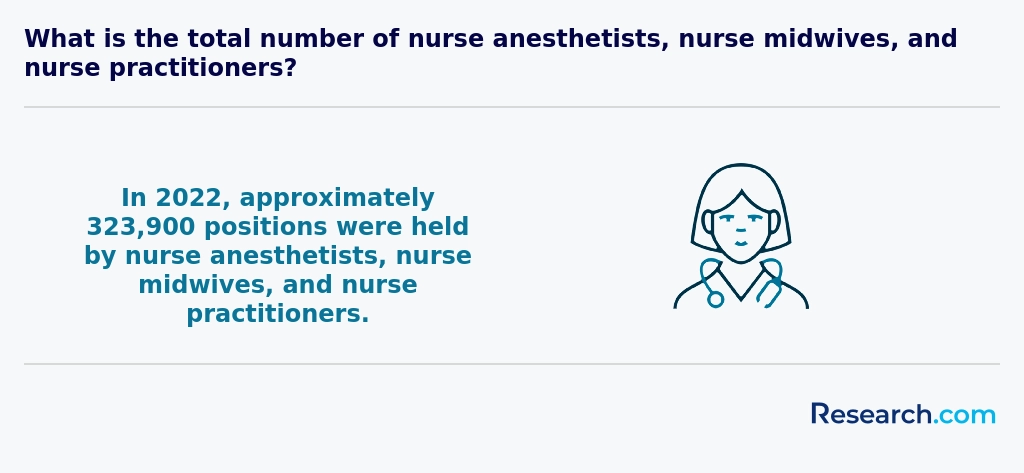
Graduates holding a nursing degree from institutions in Tempe often find themselves well-equipped for diverse roles within the healthcare sector. Many assume positions as Registered Nurses (RNs) in local hospitals and community health centers, where they engage directly with patients, applying their knowledge in fast-paced clinical settings. For example, those completing their studies at prominent universities in Tempe have shared rewarding experiences working in hospital emergency departments, emphasizing the real-world impact of their education.
Exploring nursing career opportunities in Tempe also includes pathways as Licensed Practical Nurses (LPNs) or Licensed Vocational Nurses (LVNs), providing essential care in long-term and outpatient facilities. Graduates pursuing advanced qualifications such as a Bachelor of Science in Nursing often expand into specialized roles like Nurse Practitioners or Nurse Educators at nearby colleges, fulfilling critical teaching and leadership functions.
Furthermore, nursing degree job options Tempe extends into healthcare policy, research, and administration, reflecting the evolving demands of the region's growing population. For individuals interested in advancing their expertise, viewing options in specialized education can be guided by resources like the Affordable Online Master's in Nursing Degree Programs Ranking in the South. These varied avenues ensure that nursing graduates maintain a strong connection to both clinical practice and broader healthcare innovation.
The nursing job opportunities in Tempe are notably strong due to the city's expanding healthcare infrastructure and rising demand for skilled professionals. Graduates from well-regarded institutions like Arizona State University frequently find employment in major healthcare centers such as Banner - University Medical Center Phoenix, where nursing roles offer competitive salaries exceeding $70,000 annually. Many nursing students share positive experiences about job placement support and practical clinical rotations that prepare them well for the real-world healthcare environment in Tempe.
The healthcare employment outlook Tempe reflects a combination of factors including population growth, an aging demographic, and ongoing public and private investments in medical facilities. Local governments also provide incentives and loan forgiveness programs, making nursing careers more accessible and financially viable. For students weighing education costs, Tempe colleges often present flexible financing coupled with options like 6 month certificate programs high paying jobs to accelerate entry into the workforce.
2027 Best Nursing Degree Programs Ranking in Tempe
Investing in your education is a significant decision that can shape your future, and the Research.com team understands the importance of making informed choices. To assist prospective students in Tempe, we have meticulously crafted the "2027 Best Nursing Degree Programs Ranking in Tempe." Our commitment to quality, credibility, and accuracy is reflected in the extensive research and analysis conducted to compile this ranking.
We utilized the following reputable data sources to ensure a comprehensive evaluation of nursing programs:
By exploring this ranking, readers will gain valuable insights into the best nursing degree programs available in Tempe, helping them make informed decisions about their educational paths. For more details on our methodology, please visit our Research.com methodology page.

# 4 position
Arizona College of Nursing-Tempe
Bachelor of Science in Nursing

Frequently Asked Questions About nursing
Nursing degree students in Tempe can maximize their learning experience by engaging actively with both theoretical coursework and hands-on clinical practice. Tempe benefits from proximity to renowned healthcare facilities like Banner Health and Mayo Clinic, which often collaborate with local colleges for clinical placements. These partnerships provide students valuable real-world experience, essential for skill development.
Additionally, students should take advantage of resources offered by institutions such as Arizona State University's School of Nursing and Health Innovation. Utilizing academic advising, tutoring services, and simulation labs can enhance understanding of complex nursing concepts.
Networking through local nursing associations and volunteering at community health centers also helps students build professional connections critical to career advancement.
The nursing field is rapidly evolving, with several emerging niches gaining attention, especially for students pursuing nursing degrees in Tempe. One growing area is gerontological nursing, driven by Arizona's expanding elderly population. According to the Arizona Department of Health Services, older adults represented over 15% of the state's population in 2023, increasing the demand for specialized care.
Another important niche is informatics nursing, where nurses combine clinical expertise with data management to improve patient care. Tempe's proximity to technology firms supports growth in this area. Additionally, community and public health nursing are expanding, focusing on preventive care and health education in underserved urban and rural areas around Tempe.
Pediatric specialty nursing and psychiatric nursing are also seeing growth due to increased awareness of mental health and children's healthcare needs.
After completing a nursing degree in Tempe, it is essential to focus on licensure and hands-on experience to prepare for the job market. Graduates must pass the NCLEX-RN exam to become licensed registered nurses in Arizona. This certification is critical as it validates the skills and knowledge required for nursing practice.
Securing clinical internships or volunteer roles during or after your degree enhances practical skills and improves employability. Local hospitals like Banner Desert Medical Center and Tempe St. Luke's Hospital often offer such opportunities.
Networking through Arizona Nurses Association events and job fairs in Tempe can connect graduates to potential employers. According to the Arizona Office of Economic Opportunity, registered nursing jobs in the Phoenix metropolitan area, including Tempe, are projected to grow by 15% through 2028, indicating strong demand for qualified nurses.
Employers in Tempe seeking nursing degree graduates prioritize a blend of clinical competence and interpersonal skills. According to the Arizona Board of Nursing, strong critical thinking abilities are essential for handling complex patient care scenarios. Communication skills rank highly, enabling nurses to collaborate effectively with healthcare teams and patients.
Technical proficiency with electronic health records (EHR) software is increasingly demanded, reflecting Tempe's integration of advanced healthcare technology. Additionally, adaptability and cultural sensitivity are valued, given the diverse patient population in the Phoenix metropolitan area.
Data from the Bureau of Labor Statistics highlights that licensed practical nurses in Arizona earn a median wage of about $53,000 yearly, reinforcing the importance of practical and professional skill sets.
Finding nursing internships in Tempe involves a combination of research, networking, and utilizing local educational resources. Tempe is home to several healthcare facilities, including Banner Health and local clinics, which often offer clinical placements for nursing students.
Students should begin by contacting academic advisors at local institutions like Arizona State University, which provides partnerships with hospitals for internship placements. Websites like the Arizona Hospital and Healthcare Association list internship opportunities specifically for nursing students in the state.
Additionally, students can explore the Arizona State Board of Nursing's resources, which sometimes highlight approved clinical sites. It's important to start the search early, as competitive programs fill quickly. Local career fairs and professional nursing organizations in Tempe provide valuable networking opportunities to secure internships relevant to nursing degrees.
A nursing degree significantly enhances career mobility and advancement opportunities in Tempe's healthcare sector. With a growing demand for qualified nurses, particularly in hospitals such as Banner Health and HonorHealth, holding a degree can open doors to various clinical and administrative roles. According to the Arizona Department of Economic Security, registered nursing jobs in the Phoenix metropolitan area, which includes Tempe, are expected to grow 23% from 2020 to 2030, faster than the national average.
Obtaining a nursing degree, such as an ADN or BSN, often leads to higher salaries and eligibility for specialized positions like nurse practitioner or nurse manager. Employers in Tempe typically prefer candidates with formal education due to increasingly complex patient care needs and regulatory requirements.
Furthermore, degree holders have better access to continuing education, which is critical for career progression in nursing. Advanced degrees facilitate opportunities for leadership roles and teaching positions within Tempe's medical community. This upward mobility is supported by local education alliances connecting graduates with healthcare employers, strengthening career pipelines in the region.
Studying for a nursing degree in Tempe equips students with skills essential for interdisciplinary collaboration in healthcare. Local nursing programs emphasize teamwork between nurses, physicians, therapists, and social workers, reflecting the integrated care models used in Tempe-area hospitals. According to the Arizona Board of Nursing, programs in Tempe incorporate simulation labs and clinical rotations within diverse medical settings, fostering real-world communication and problem-solving skills.
Tempe's proximity to major medical centers like Banner Health and the Mayo Clinic Arizona offers nursing students opportunities to engage in interdisciplinary teams. This exposure prepares graduates to coordinate patient care efficiently in complex environments.
Curricula often include courses on healthcare informatics and ethics, further enabling nurses to work effectively across professions.
When choosing between a thesis and a non-thesis nursing degree program in Tempe, consider your career goals and learning preferences. A thesis program is research-focused, ideal for students aiming for clinical research, advanced practice roles, or doctoral studies. It usually requires completing an original research project.
Non-thesis programs emphasize practical skills and coursework, better suited for those seeking immediate employment in healthcare settings or leadership positions. According to the Arizona Board of Nursing, Tempe offers several accredited nursing programs supporting both formats.
Demand for nurse researchers in Arizona grew by 8% from 2020 to 2023, favoring thesis graduates.
Review program curricula and faculty expertise before making your decision.
Students based in Tempe seeking to study nursing abroad have several pathways through U.S. higher education partnerships and exchange programs. Many Tempe institutions, including Arizona State University, which hosts over 6,000 nursing students, offer study abroad opportunities with accredited nursing programs in countries such as the United Kingdom, Australia, and Canada. These programs provide clinical experience in diverse healthcare settings, enhancing global nursing competence.
Students typically maintain their U.S. nursing curriculum while gaining international exposure during a semester or summer program. Additionally, some organizations facilitate international internships and research collaboration abroad, helping Tempe students broaden their professional networks and skills.
In Tempe, part-time job opportunities that align well with nursing degree education provide valuable hands-on experience. Positions such as Certified Nursing Assistant (CNA) or Medical Assistant roles are commonly available through local healthcare facilities like Banner Health and Mayo Clinic. These jobs allow students to develop patient care skills while balancing their studies. According to the Arizona Department of Economic Security, healthcare support occupations in Tempe are expected to grow by 15% over the next decade, reflecting strong job availability.
Working as a pharmacy technician or volunteer in community clinics also supplements nursing education by enhancing knowledge of medication management and public health. Such roles improve practical skills and strengthen resumes for future nursing careers.
Nursing students in Tempe benefit from various networking opportunities that enhance their education and career prospects. Arizona State University's School of Nursing offers student organizations such as the Student Nurses Association, which hosts events connecting students with local healthcare professionals. The proximity to major hospitals like Tempe St. Luke's Hospital and Banner - University Medical Center provides access to clinical rotations and mentorship programs.
Local nursing conferences and workshops, often sponsored by the Arizona Nurses Association, allow students to meet experienced practitioners and potential employers. Online platforms and job fairs in the Phoenix metropolitan area also play a role in expanding professional networks for nursing students in Tempe.
Alumni networks play a vital role for nursing degree students in Tempe by providing valuable connections within the healthcare community. These networks often facilitate mentorship opportunities, helping students navigate challenges in clinical settings and academic requirements. In Tempe, where healthcare institutions like Banner Health and Tempe St. Luke's Hospital have strong ties to local nursing programs, alumni connections can lead to internships and job placements.
Data from the Arizona Center for Nursing Excellence shows that graduates with active alumni support have up to a 20% higher employment rate within six months post-graduation. These networks also offer continuing education resources and professional development events, crucial for staying current in a rapidly evolving field. Overall, they enhance career readiness by linking students to experienced professionals who understand the local job market.
In Tempe, nursing degree programs offer various ways to tailor your education to meet specific career objectives. Many institutions provide multiple tracks such as registered nursing (RN), nurse practitioner (NP), or specialized fields like pediatrics or gerontology. You can often choose electives and clinical placements that align with your interests, enhancing real-world experience in desired settings.
Programs also support part-time or accelerated options, accommodating working professionals or those seeking faster completion. Local hospitals and health centers frequently collaborate with schools, offering practical internships.
According to the Arizona Board of Nursing, Tempe's nursing graduates enjoy a high NCLEX pass rate of over 90%, reflecting strong program quality and preparation for licensure.
Nursing students in Tempe often face rigorous coursework combined with demanding clinical hours, which can lead to high stress and time-management challenges. According to the Arizona Board of Nursing, retention rates in local nursing programs can be affected by these pressures, especially in accelerated or traditional Bachelor of Science in Nursing (BSN) tracks.
Additionally, the competitive nature of clinical placements in Tempe's healthcare facilities requires students to quickly adapt to diverse medical environments. Financial concerns also play a role; many students balance part-time jobs alongside studies due to the high cost of tuition and living expenses in the Phoenix metropolitan area.
Language barriers and cultural competency are other relevant challenges, as Tempe's population is increasingly diverse. Support services such as tutoring and mentoring are crucial for mitigating these difficulties, although availability varies by institution.
With a nursing degree in Tempe, graduates can pursue several professional certifications to advance their careers. The most common certification is the Registered Nurse (RN) licensure, required to practice nursing in Arizona. Beyond that, specialized certifications such as Certified Emergency Nurse (CEN) and Critical Care Registered Nurse (CCRN) are available to nurses seeking expertise in emergency or intensive care settings.
Additional certifications include Nurse Practitioner (NP) credentials in various specialties like Family or Pediatric NP, which require advanced degrees and board exams. According to the Arizona State Board of Nursing, over 35% of Tempe's nurses hold at least one specialty certification, reflecting local healthcare demand for advanced skills.
To write a winning application for a nursing program in Tempe, start by thoroughly researching local institutions like Arizona State University. Emphasize your academic achievements, especially in science courses, as a strong GPA is crucial. Include well-crafted personal statements that explain your motivation for nursing and highlight any hands-on healthcare experience, such as volunteering or internships, which programs highly value.
Standardized tests like the TEAS may be required, so prepare thoroughly to achieve competitive scores. Additionally, letters of recommendation from healthcare professionals or educators can strengthen your profile. Meeting application deadlines and submitting complete documentation is essential.
The Arizona Board of Nursing and specific Tempe programs often publish detailed admission requirements; consult these sources to tailor your application precisely.
The global view of a nursing career reflects a growing demand for skilled professionals, driven by aging populations and healthcare advancements. In the United States, nurses are essential to the healthcare system, with the Bureau of Labor Statistics projecting a 9% growth in nursing jobs from 2022 to 2032. Tempe follows this national trend, benefiting from its proximity to major medical centers and universities offering accredited nursing programs.
Nursing in the US often emphasizes advanced education and specialization, with many seeking Bachelor's or higher degrees to enhance their careers. Globally, nursing also faces challenges such as workforce shortages and varying standards of education, creating opportunities for US-educated nurses in international health organizations and collaborations. Understanding these trends can help Tempe students prepare for a dynamic, globally connected profession.
Gaining practical experience is essential while pursuing a nursing degree in Tempe. Many nursing programs in the area incorporate clinical rotations as a core part of their curriculum. These rotations allow students to work directly with patients under the supervision of licensed nurses in local hospitals and healthcare facilities.
Tempe's close proximity to several major medical centers, such as Banner Health and HonorHealth, provides students with diverse clinical settings. According to the Arizona Board of Nursing, students typically complete between 600 to 1,000 clinical hours during their training.
Additionally, some schools offer simulation labs equipped with advanced mannequins and technology, allowing students to practice critical skills in a controlled environment before entering actual clinical sites.
Choosing the right concentration within a nursing degree program in Tempe involves assessing your career goals, interests, and the needs of the local healthcare market. Tempe's nursing programs often offer concentrations such as Family Nurse Practitioner, Pediatric Nursing, and Geriatric Nursing. Understanding which area aligns with your passion and strengths is crucial.
The Arizona Center for Nursing reports a growing demand for nurses specializing in geriatrics and chronic disease management in the Tempe area, driven by an aging population. Research local hospitals and clinics to see which specializations are in highest demand.
Additionally, consider program flexibility, clinical placement opportunities, and faculty expertise when selecting a concentration. Accredited programs in Tempe provide strong support in these areas, helping you gain relevant experience.
- 2027 Best Nursing Degree Programs Ranking in Phoenix
- 2027 Best Nursing Degree Programs Ranking in Las Vegas
- 2027 Best Nursing Degree Programs Ranking in San Diego
- 2027 Best Nursing Degree Programs Ranking in Los Angeles
- 2027 Best Nursing Degree Programs Ranking in Colorado Springs
- 2027 Best Nursing Degree Programs Ranking in Lubbock
- 2027 Best Nursing Degree Programs Ranking in Denver
- 2027 Best Nursing Degree Programs Ranking in San Francisco
- 2027 Best Nursing Degree Programs Ranking in Lincoln
- 2027 Best Nursing Degree Programs Ranking in Omaha
See What Experts Have To Say About Studying Nursing
Read our interview with Nursing experts


- Nursing Faculty - Maternal Health Specialty in Tempe, Arizona | Careers at Tempe https://careers-arizonacollege.icims.com/jobs/5430/nursing-faculty---maternal-health-specialty/job
- THE FIELD OF NURSING - FIRST-DEGREE OF STUDIES https://wnoz.wum.edu.pl/pl/content/field-nursing-first-degree-studies
- The Importance of Clinical Experience for Nursing Students https://bealuniversity.ca/clinical-experience-for-nursing-students/
- Nursing Career Paths [Infographic] https://nursinglicensemap.com/blog/nursing-career-pathways/
- Nursing Degree You Need to Become an RN https://www.allnursingschools.com/registered-nursing/degrees/
- Working While in Nursing School: 25 Ways to Make Money as a Nursing Student https://credenzahealth.com/career-advice/working-while-in-nursing-school-25-ways-to-make-money-as-a-nursing-student
- Nursing Careers as Bright as Arizona's Sun https://www.nurserecruiter.com/arizona
- How to Choose the Right Nursing School for Your Career Goals | Archer Review https://www.archerreview.com/blog/how-to-choose-the-right-nursing-school-for-your-career-goals
- How Long Is Nursing School in The USA? | Shiftmed Blog https://www.shiftmed.com/professionals/blog/how-long-is-nursing-school-in-the-usa/
- Work-life balance | Careers Crossroads | RCN Careers Resources | Royal College of Nursing https://www.rcn.org.uk/Professional-Development/Your-career/Nurse/Career-Crossroads/Career-Ideas-and-Inspiration/work-life-balance


