2027 Most Affordable Nursing Degree Programs Ranking in Azusa

Co-Founder and Chief Data Scientist
Are you considering a nursing degree in Azusa but worried about costs? This article introduces the 2027 Most Affordable Nursing Degree Programs Ranking in Azusa, carefully crafted by the Research.com team of data scientists. It's designed to help you find the best nursing programs that fit your budget without sacrificing quality.
Choosing the right program is an important step toward a rewarding career. By reading this ranking, you'll gain clarity and confidence in making informed decisions that lead to a brighter future in nursing.
Key benefits of getting nursing degree in Azusa
- Nursing degree graduates in Azusa can expect competitive salaries, such as $94,480 annually for Registered Nurses and Public Health Nurses, with Operating Room Nurses earning up to $128,490 per year.
- A nursing degree opens diverse career paths, from bedside care to specialized roles like Clinical Nurse Educator or Emergency Room Nurse, offering flexibility and growth opportunities.
- Online nursing degrees provide convenience and allow students in Azusa to balance studies with personal life, making education accessible without compromising quality or career prospects.
- 2027 Most Affordable Nursing Degree Programs Ranking in Azusa
- What can I expect from nursing degree in Azusa?
- Where can I work with nursing degree in Azusa?
What can I expect from nursing degree in Azusa?
The average cost of obtaining a nursing degree in Azusa varies depending on the level and institution chosen, with ADN programs at nearby community colleges like Citrus College generally proving more affordable. Graduates often recall managing tuition fees around $6,000 to $10,000 for the full two-year ADN program, making it a practical choice for students balancing finances and education. In contrast, pursuing a BSN at universities such as Azusa Pacific University involves a significantly higher investment, often exceeding $40,000 for the four-year course, reflecting the expanded curriculum and advanced opportunities offered.
Many nursing students appreciate how these costs align with the value they receive-comprehensive clinical training at leading local hospitals, including Foothill Presbyterian, helps build confidence and readiness for real healthcare environments. While expenses can be daunting, scholarship availability and financial aid often ease the burden. Graduates express a strong sense of achievement, noting how the blend of theory and hands-on experience justifies the investment, especially given the promising job market in the greater Los Angeles area.
Where can I work with nursing degree in Azusa?
Nursing graduates in Azusa often find diverse career paths thanks to the region's vast healthcare infrastructure. Many graduates from local institutions, such as Citrus College, share how their clinical rotations at Azusa Regional Medical Center exposed them to fast-paced hospital environments including emergency rooms and maternity wards. This hands-on experience builds confidence for roles in hospitals which remain a top employment choice.
Others appreciate the balanced lifestyle offered by ambulatory care clinics and community health centers throughout Azusa. Graduates often describe the rewarding nature of primary care work, where continuity with patients and health education play a central role. This is appealing for those valuing routine schedules over hospital shift demands.
Long-term care facilities nearby also provide fulfilling opportunities. Nurses here support elderly residents with chronic conditions, allowing graduates to develop strong patient relationships and witness the impact of sustained care.
Public health positions and home healthcare offer alternative career routes-graduates highlight the satisfaction of community outreach and personalized patient visits that address public health challenges directly in Azusa neighborhoods.
Graduates from nursing programs in Azusa, such as those at Azusa Pacific University, often start their careers with registered nurse salaries averaging around $94,480 annually, closely matching the mean wage for RNs reported by the U.S. Bureau of Labor Statistics. This income can provide a solid foundation, particularly for those entering entry-level hospital or clinic roles.
Many graduates find the transition rewarding, especially when securing specialized positions. For example, those working as operating room nurses in the Los Angeles metropolitan area can earn significantly more, with mean salaries around $128,490 per year. This higher wage reflects the advanced skills and responsibilities required in surgical settings, offering clear financial incentives for pursuing further certifications.
Azusa nursing graduates appreciate the balance of competitive pay and career growth potential. Some who began their studies at local colleges recall gaining overtime and shift differentials-up to 20% extra pay for night shifts-that made a meaningful difference in their take-home income. While wages vary depending on exact employer, experience, and specialization, pursuing a nursing degree in Azusa remains a promising pathway to both financial stability and professional fulfillment.
- Citrus College near Azusa offers an accredited Associate Degree in Nursing (ADN) program that takes about two years to complete and prepares students for the NCLEX-RN licensure exam.
- Tuition for community college nursing programs in the area ranges from $1,000 to $2,500 per year for in-district students, with additional yearly costs of $1,000 to $2,000 for fees and supplies.
- Bachelor of Science in Nursing (BSN) degrees in the greater Los Angeles area cost between $8,000 and over $20,000 annually depending on residency and institution.
- Starting salaries for new nursing graduates in Azusa range from $65,000 to $75,000 per year, while experienced nurses can earn between $90,000 and $110,000 annually.
- Registered nurse employment in California is expected to grow by about 9% over the next decade, driven by aging populations and advances in medical care.
- Clinical training is a required part of nursing education, offering hands-on experience in local hospitals and healthcare settings.
Completing a nursing degree in Azusa generally depends on the chosen program. Graduates from community colleges around Azusa often recall completing their Associate Degree in Nursing (ADN) within about two years. These programs strike a balance between affordability and speed, enabling many to start working as registered nurses relatively quickly. For instance, an ADN graduate from a local community college shared how the program's structure allowed them to manage clinical hours alongside coursework while staying on track.
On the other hand, those attending universities near Azusa for a Bachelor of Science in Nursing (BSN) typically invest four years in their education. Graduates frequently highlight how the extended time enables deeper learning and better preparation for leadership roles, despite the longer commitment. Some students with prior degrees appreciate accelerated BSN options, completing the program in 12 to 18 months, though many mention the intense pace as demanding.
Factors like part-time enrollment or clinical requirements may extend these timelines. Nonetheless, nursing students around Azusa find real satisfaction in balancing these commitments with their personal lives while moving steadily toward their careers.
Choosing between online and on-campus nursing degrees in Azusa often comes down to how you balance flexibility with hands-on experience. Graduates from Mt. San Antonio College praise in-person classes for the immediate interaction with instructors and the ability to practice clinical skills under direct supervision, which builds confidence quickly. Conversely, those who completed their degrees online value the freedom to study around work or family, though they emphasize the importance of arranging local clinical placements to gain essential practice.
For example, an online nursing student might complete lectures at night but spend weekdays at nearby healthcare facilities for clinical hours, reflecting how these programs adapt to real-life demands. On-campus students from Azusa Pacific University often highlight the richer networking opportunities through campus events and peer collaboration, which can feel more natural and supportive. However, online learners develop strong self-discipline and time management, essential traits for professional nursing.
Cost is another factor; online programs may reduce living and commuting expenses, yet tuition varies widely across Azusa institutions, making thorough research crucial. Both paths demand commitment but offer distinct experiences tailored to different lifestyles.
When choosing an affordable nursing program, prioritize proven quality indicators to ensure success after graduation:
- NCLEX-RN Pass Rate: Look for programs with first-attempt pass rates above the state average (typically 85–90%).
- Graduation Rate: A completion rate of 70% or higher suggests strong academic support and student retention.
- Employment Rate: Top programs report 90%+ of graduates employed in nursing roles within six months of graduation.
- Clinical Hours: Programs requiring 700+ hands-on practicum hours often produce more confident, practice-ready nurses.
Comparing these outcomes alongside tuition costs helps you invest wisely in a program that delivers both affordability and licensure success. For a broader view of high-performing programs, explore our ranking of affordable options beyond California, including the best nursing schools in texas.
The average nursing degree cost in Azusa varies primarily depending on the type of institution and residency status. For instance, graduates from public community colleges, such as Citrus College or Mount San Antonio College, often find that total in-state costs-including tuition, fees, and necessary supplies-amount to approximately $44,000 for completing their degree. Out-of-state students may face higher expenses, generally adding up closer to $67,000. These figures reflect the reality that while affordable nursing programs tuition Azusa options exist, especially at community colleges, the overall investment remains significant when considering additional costs like textbooks, uniforms, licensing exams, and transportation.
Graduates from California State University, Los Angeles, a popular choice near Azusa for those pursuing a Bachelor of Science in Nursing, often describe a balance between manageable tuition and quality clinical experiences. Though tuition is higher than at community colleges, many students appreciate the value of CSU's connections in local healthcare systems. Some students express relief in tapping into financial aid and scholarships that help ease the burden, emphasizing how critical it is to explore all aid options carefully. The net cost can vary widely depending on personal circumstances and aid eligibility.
Prospective students should also recognize that nursing education in this region involves more than just tuition. Indirect costs like credentialing exam fees and transportation add to the overall expenses, but many find the investment rewarding given the steady demand for nursing professionals. For those seeking more detailed guidance on healthcare training, exploring healthcare services in San Jose can offer useful perspectives on navigating program costs beyond Azusa's immediate area.

Nursing students in Azusa often rely on a combination of financial aid sources to manage the high costs of their education. Graduates from local colleges have shared how Pell Grants, which can provide up to $7,395 annually, significantly eased their tuition burden without adding debt. These grants are especially crucial given that community college nursing programs here typically charge between $8,000 and $15,000 per year, while private institutions can exceed $30,000.
Federal Direct Loans are another common tool, offering subsidized and unsubsidized options with reasonable interest rates. However, many students express cautious optimism; while loans provide vital support, they also bring concerns about future repayment, especially in a demanding field like nursing.
State-based programs like California's Cal Grant A and B add meaningful aid-sometimes up to $12,500 annually-enabling students from Azusa's nursing schools to focus on their studies rather than financial stress. Several graduates have mentioned local scholarships and work-study roles within healthcare settings as valuable ways to both fund their education and gain hands-on experience.
Azusa’s nursing programs hold accreditation from leading bodies such as the Commission on Collegiate Nursing Education (CCNE) and the Accreditation Commission for Education in Nursing (ACEN), ensuring that curricula meet rigorous national standards. Prospective students should verify a program’s accreditation status before applying, as this directly impacts eligibility for federal financial aid and state licensure. In recent years, Azusa Pacific University and Citrus College have reported NCLEX-RN first-time pass rates of 92% and 88%, respectively-well above the California average of 84%. Graduation rates for these programs also reflect strong student success, with Azusa Pacific University achieving a 75% completion rate within four years and Citrus College reporting a 68% completion rate for its ADN track. Beyond licensure outcomes, job placement statistics further attest to program quality. Data collected from alumni surveys indicate that 82% of nursing graduates from Azusa institutions secure full‐time positions within six months of graduation. Hospitals and clinics in the Los Angeles metropolitan area often recruit directly from local clinical partnerships, providing a streamlined transition from student to practicing nurse. For students weighing the balance between cost and outcomes, our Low Cost Online Nursing Degree Programs Ranking in North Dakota offers a comparative look at accredited, budget-friendly online pathways that can complement on-campus training in Azusa.
Enrolling in a nursing degree program in Azusa typically requires meeting several key prerequisites that ensure students are well-prepared for both academic challenges and hands-on clinical work. For example, graduates from well-known local institutions often recall how completing foundational courses-such as biology, chemistry, anatomy, and physiology-helped them build the essential knowledge necessary for success. These courses usually must be passed with at least a "C" grade, reinforcing not just completion but competence.
Many programs, including those popular in Azusa, expect applicants to hold a high school diploma or GED. Beyond coursework, passing the TEAS exam is a common hurdle, assessing abilities in reading, math, science, and English. Students frequently describe a sense of accomplishment after succeeding here, understanding it as a gateway to a demanding yet rewarding nursing pathway.
Health and safety prerequisites also play a significant role. Graduates often emphasize the reassurance they felt upon submitting immunization records and completing background checks, recognizing these steps as essential for protecting patients during clinical placements within local hospitals or clinics.
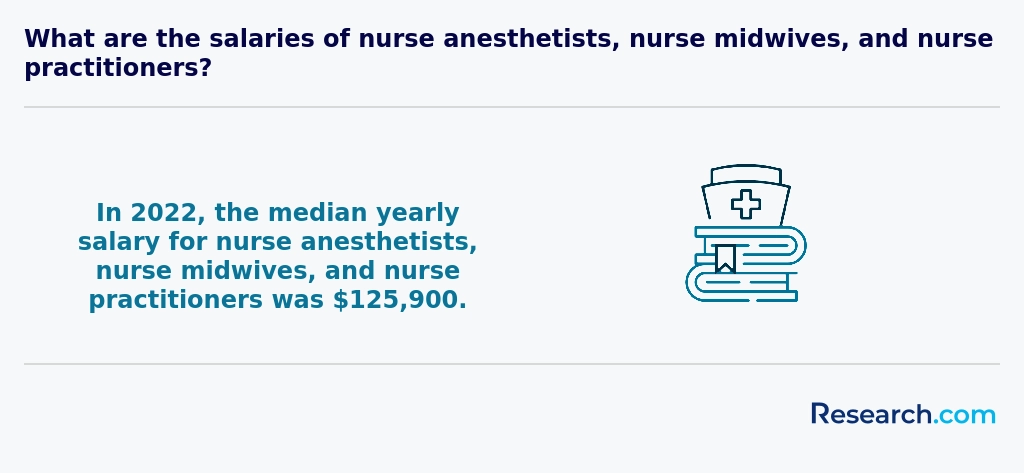
When exploring options for nursing schools in California, particularly in areas like Azusa, it's essential to consider several key factors that can significantly impact your educational journey and subsequent career. One crucial aspect is the cost of attending these institutions, as it can vary widely. For instance, students can explore cheapest nursing schools in California to find programs that fit their budget while still offering high-quality education. Additionally, accreditation, program length, and the availability of specializations such as pediatric nursing or geriatric nursing should be evaluated. Many students also find it beneficial to look into the clinical experience offered by each program, as hands-on training is critical for developing the skills necessary to succeed in the nursing field. By carefully considering these factors, prospective nursing students can make informed decisions that align with their career aspirations and financial situation, ultimately leading to a fulfilling and successful career in nursing.
Nursing degree programs in Azusa typically include a blend of courses that emphasize both theory and hands-on practice essential for effective patient care. Graduates from local institutions often recall early coursework in human anatomy and physiology as a challenging yet rewarding foundation, offering deep insight into how the body operates-knowledge they found invaluable during clinical rotations.
Alongside this, microbiology courses introduce students to pathogens and infection control, which proved critical when graduates encountered real patients in Azusa's community hospitals. Fundamental nursing classes cover patient assessment and ethics, providing future nurses with the communication and decision-making skills needed in diverse clinical settings.
Pharmacology is another core element, where students learn medication management-a subject that many students appreciated for its practical importance. Programs also typically include medical-surgical, maternal and child health, and mental health nursing, reflecting Azusa's commitment to training nurses ready for various specialties.
Graduates frequently highlight the value of clinical practicums offered in well-known Azusa colleges, noting how direct patient interaction under supervision built both competence and confidence in their nursing abilities.

Specializations in nursing degree programs in Azusa typically reflect urgent healthcare needs while offering diverse career paths. Graduates from popular institutions like Citrus College often describe Medical-Surgical Nursing as a core specialization, offering versatile skills in adult patient care across various hospital wards or outpatient clinics. Some students pursuing Azusa nursing programs with specialization options find Psychiatric and Mental Health Nursing deeply rewarding, as it addresses the increasing demand for mental health services, often involving real-world community outreach.
Others highlight Pediatric and Geriatric Nursing, which resonate locally given the city's demographic mix of young families and an aging population. This balance helps students visualize their future roles, from caring for fragile infants to supporting elderly wellness programs. Community Health Nursing also stands out, encouraging engagement in preventive measures on a public scale. These specializations not only prepare candidates for hands-on patient work but also align with broader trends in nursing patient carenursing patient care, making them relevant both locally and nationwide.
Choosing the best nursing degree in Azusa requires balancing factors like accreditation, cost, and program length. Graduates from Azusa Pacific University often reflect positively on the rigorous BSN program, despite its higher tuition exceeding $45,000, appreciating the strong clinical placements linked to local hospitals. Conversely, students who opted for affordable nursing degree programs Azusa found community colleges a practical alternative, valuing shorter, two-year ADN paths that still lead to solid entry-level jobs.
Accreditation by bodies such as ACEN or CCNE is crucial to ensure your degree is recognized and you can take the NCLEX-RN exam. Some graduates emphasize how program NCLEX pass rates influenced their choices, noting these rates reflect the quality of instruction and clinical experience. Others weigh job prospects differently, aware that many California employers prefer BSN-prepared nurses due to slightly better starting salaries.
Flexibility often plays a role; some students seek part-time options or hybrid formats to balance work and study. Researching local options thoroughly helps, including exploring online healthcare administration degrees benefits if considering career advancement beyond hands-on nursing roles.
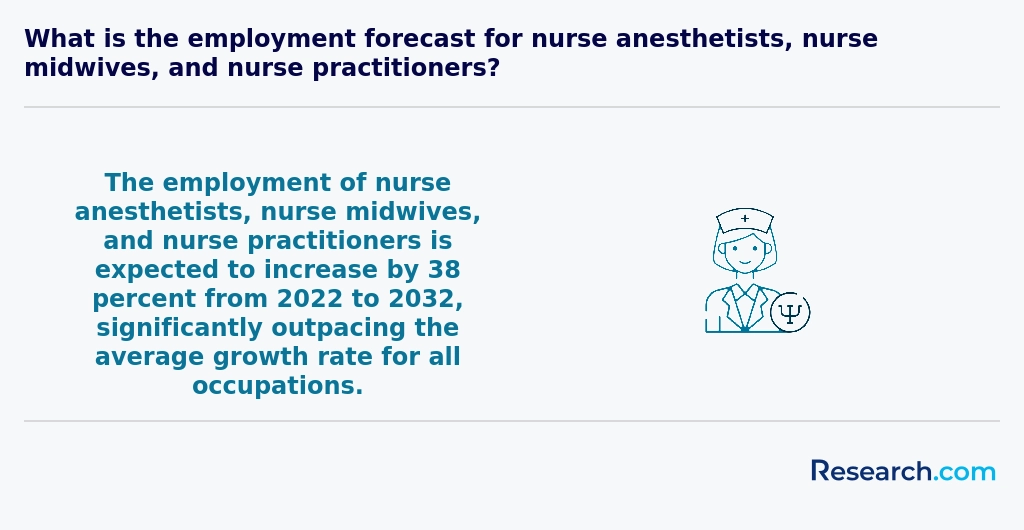
Graduates holding a nursing degree in Azusa commonly pursue roles as Registered Nurses (RNs), delivering vital patient care in hospitals, clinics, or community health environments. Many students from local colleges find this path rewarding due to the immediate job opportunities and competitive wages in California. Beyond this, pursuing advanced qualifications, such as a Master of Science in Nursing, can open doors to specialized careers like Nurse Practitioners or Nurse Anesthetists, which offer greater responsibility and financial rewards. However, some graduates have noted the demanding nature of these roles, emphasizing the need for strong commitment.
In addition to clinical roles, Azusa nursing degree job prospects include fields like home health nursing, especially valuable for supporting the area's aging population, and public health nursing, which students often explore after discovering interest in community well-being through a public health major. Administrative careers, combining leadership with clinical knowledge, also attract those seeking diverse professional challenges. While these paths are promising, graduates often reflect on the importance of choosing a direction aligned with personal values and lifestyle.
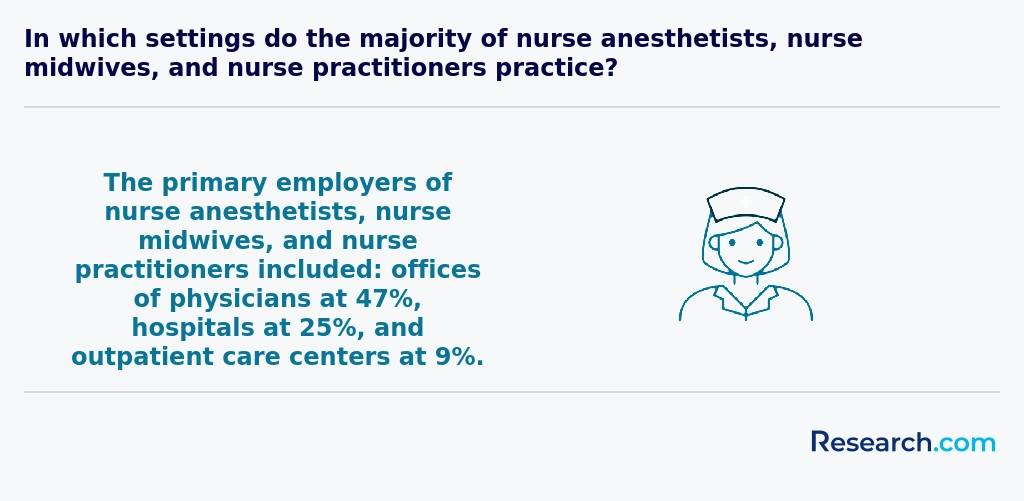
The nursing job outlook in Azusa shows a steady and growing demand for graduates with nursing degrees, supported by an expanding healthcare sector in Los Angeles County. Graduates from popular local institutions often find employment in nearby hospitals like Citrus Valley Health Partners and community clinics, where their skills are highly valued. One graduate shared that the hands-on training and community health focus they received helped them secure a position quickly, highlighting the relevance of Azusa's nursing education to local workforce needs.
Nursing degree employment opportunities Azusa offers also extend beyond hospitals to public health initiatives and home healthcare roles, creating diverse pathways for new nurses. While salaries average around $98,000 annually for RNs, wages vary considerably depending on qualifications, with associate degree holders generally starting lower than BSN graduates. Prospective students should weigh these factors carefully, especially considering financial investment in programs that vary in cost.
Those interested might explore program details and typical durations elsewhere, such as the nurse practitioner program length Texas, for comparison and planning purposes.
2027 Most Affordable Nursing Degree Programs Ranking in Azusa
Investing in your education is a significant decision that can impact your future, and the Research.com team is committed to helping you make well-informed choices. To support prospective students in Azusa, we have carefully developed the "2027 Most Affordable Nursing Degree Programs Ranking in Azusa." Our dedication to quality, credibility, and accuracy is evident through rigorous research and thorough analysis involved in creating this ranking.
We utilized the following reputable data sources to ensure a comprehensive assessment of nursing programs:
By consulting this ranking, readers will gain valuable insights into the most affordable nursing degree options in Azusa, enabling them to choose programs that best align with their goals and financial considerations. For further information on our approach, please visit our Research.com methodology page.

Frequently Asked Questions About nursing
Nursing degree students in Azusa can maximize their learning experience by actively engaging in both classroom and clinical settings. Azusa students benefit from programs offered at local institutions such as Azusa Pacific University, where hands-on training comprises a significant part of the curriculum. According to the California Board of Registered Nursing, practical experience through clinical rotations improves critical thinking and patient care skills.
Students should also take advantage of tutoring services, peer study groups, and nursing workshops available locally. Networking with professionals in Azusa's healthcare community provides valuable insights and can open doors for internships or employment.
Furthermore, balancing academic studies with technology, such as simulation labs, enhances practical readiness. Being proactive in seeking guidance from faculty and staying updated on nursing trends in California will help students stay competitive in this evolving field.
Emerging niches within the nursing field reflect changes in healthcare needs and technology. In Azusa and the broader California region, there is growing demand for nurses specializing in geriatric care due to an aging population. According to the California Employment Development Department, jobs in geriatric nursing are projected to grow 17% by 2028.
Another expanding niche is telehealth nursing. With advances in digital health technology, nurses manage patient care remotely, improving access for rural or underserved communities.
Additionally, mental health nursing is gaining importance, driven by increased awareness and funding. Nurses trained in psychiatric care provide essential support in varied settings.
Nurses with expertise in informatics and case management also find rising opportunities, as hospitals adopt electronic health records and coordinate complex patient services more efficiently.
After completing a nursing degree in Azusa, preparing for the job market involves several crucial steps. First, obtaining licensure by passing the NCLEX-RN exam is mandatory to work as a registered nurse in California. According to the California Board of Registered Nursing, the pass rate for first-time test takers from local programs averages around 85%, reflecting strong preparation.
Next, gaining practical experience through internships or clinical rotations helps build essential skills employers seek. Networking with local healthcare providers in the San Gabriel Valley, where Azusa is located, enhances job opportunities due to the region's demand for nurses.
Additionally, maintaining up-to-date certifications such as BLS (Basic Life Support) further strengthens your portfolio.
Employers in Azusa seek nursing graduates with a mix of clinical skills and interpersonal abilities. Strong critical thinking and problem-solving skills are essential, as nurses must quickly assess patient conditions and respond effectively. According to the California Board of Registered Nursing, communication skills also rank high, enabling nurses to collaborate with healthcare teams and connect with patients.
Azusa employers value cultural competence due to the city's diverse population, ensuring nurses can provide inclusive care. Basic technical skills like proficiency with electronic health records (EHR) systems are increasingly important, reflecting nationwide trends in healthcare technology adoption. Adaptability and stress management remain vital for the demanding nursing environment.
Finding nursing internships in Azusa involves connecting with local healthcare providers and educational institutions. Many nursing programs in Azusa, such as those affiliated with community colleges or universities, partner with nearby hospitals and clinics to offer clinical placements.
Azusa Regional Medical Center and nearby Kaiser Permanente facilities often provide internship opportunities essential for hands-on nursing experience. Students should consult their nursing program's career services or clinical coordinators to explore these options.
The California Board of Registered Nursing supports licensing and education requirements, ensuring internships meet state standards. Additionally, websites like the California Nursing Students Association may list internship openings specific to the Azusa area.
Networking at local healthcare events and joining nursing student organizations can significantly enhance finding relevant internships in this competitive field.
Obtaining a nursing degree in Azusa significantly enhances career mobility and advancement opportunities for healthcare professionals. The region's growing healthcare sector demands qualified nurses in hospitals, clinics, and specialty care centers. According to the U.S. Bureau of Labor Statistics, registered nurses in California, including Azusa, can expect a 9% job growth from 2022 to 2032, which is faster than the national average.
Nursing degrees open pathways to specialized roles such as nurse practitioner, nurse educator, or clinical nurse leader. Many local employers prioritize candidates with a Bachelor of Science in Nursing (BSN) for leadership and higher-paying positions. Additionally, Azusa's proximity to larger healthcare markets offers graduates increased chances to advance through certifications and graduate education.
Studying for a nursing degree in Azusa equips students with essential skills for interdisciplinary healthcare roles. Programs emphasize collaboration with professionals in medicine, social work, and therapy to deliver holistic patient care. Students learn communication techniques and critical thinking, vital for team-based environments often found in hospitals and clinics across Los Angeles County.
Local nursing schools incorporate clinical rotations in diverse settings, including community health centers and rehabilitation facilities. This exposure enhances understanding of different healthcare perspectives. According to the California Board of Registered Nursing, Azusa nursing graduates consistently demonstrate strong competency in teamwork, aligning with statewide standards for collaborative practice.
When choosing between a thesis and a non-thesis nursing degree program in Azusa, consider your career goals carefully. Thesis programs typically focus on research and prepare students for roles in academia or advanced clinical research. These programs require developing and defending a research project, which can take additional time but builds strong analytical skills.
Non-thesis programs often emphasize practical training and coursework, appealing to students who want to enter or advance in clinical practice more quickly. According to the National League for Nursing, about 60% of nursing graduate students nationwide choose non-thesis routes for faster workforce entry.
Local Azusa institutions, such as Azusa Pacific University, offer both options, so reviewing specific program details is essential. Consulting academic advisors can help align your choice with your professional plans.
Students in Azusa interested in studying nursing abroad have several pathways rooted in U.S. higher education standards. Many nursing programs in California, including those near Azusa, offer exchange or partnership agreements with international institutions, allowing students to gain clinical experience overseas while earning credits recognized by their home university.
Popular destinations for nursing study abroad include Canada, the United Kingdom, and Australia, where curricula align closely with U.S. nursing requirements. Programs typically last from a few weeks to a semester, emphasizing global health perspectives and cultural competency.
Financial aid and scholarships specifically for study-abroad nursing students are available through institutions like the California Nursing Students Association and federal programs. It is essential students verify accreditation of foreign nursing programs, ensuring eligibility for NCLEX-RN licensure upon return.
In Azusa, part-time job opportunities that complement nursing degree education often include roles such as Certified Nursing Assistant (CNA), medical receptionist, and home health aide. These positions allow students to gain hands-on experience in patient care and familiarize themselves with healthcare environments while pursuing their studies.
Healthcare facilities like Queen of the Valley Hospital and local clinics frequently seek part-time workers, providing practical exposure that aligns with coursework. According to California Employment Development Department data, CNAs in the region earn an average hourly wage of $16-$18, supporting students financially as well as educationally.
Additionally, positions in medical offices help nursing students develop administrative and communication skills critical for their future roles.
Nursing students in Azusa have access to several valuable networking opportunities that can enhance their educational and professional development. Local institutions such as Citrus College and Azusa Pacific University often organize career fairs and nursing symposiums, providing students with direct contact to healthcare employers.
Additionally, students can join professional organizations like the California Nursing Students' Association (CNSA), which hosts regional events and workshops. The American Nurses Association California Chapter also supports networking through local chapter meetings and conferences.
Clinical placements in nearby hospitals and clinics, such as those in the Los Angeles metropolitan area, further facilitate connections with experienced nurses and healthcare teams. According to the California Board of Registered Nursing, Azusa nursing programs maintain strong ties with local healthcare providers to ensure relevant clinical experiences.
Alumni networks provide valuable support to nursing degree students in Azusa by fostering connections with experienced professionals. These networks often share job leads, mentorship opportunities, and career advice tailored to local healthcare settings. According to the California Board of Registered Nursing, Azusa's healthcare employers value referrals from established nursing alumni, enhancing graduates' job prospects.
Furthermore, alumni groups frequently organize events and workshops that help students stay updated on industry trends and continuing education requirements. Strong networks can improve internship placements, which are crucial for hands-on experience in Azusa's hospitals and clinics.
Participating in alumni activities also strengthens professional identity and collaboration, essential for success in nursing's fast-evolving environment.
Students pursuing a nursing degree in Azusa can tailor their education by selecting programs offering diverse specializations. Many local institutions provide options such as geriatric nursing, pediatric care, or mental health nursing, allowing learners to focus on areas aligned with their career goals. Additionally, enrolling in certificate courses or electives in leadership, community health, or healthcare technology can enhance one's qualifications.
Azusa community colleges often collaborate with nearby healthcare facilities for clinical placements, giving students practical experience in preferred settings. According to the California Board of Registered Nursing, Azusa's nursing graduates have strong job placement rates, underscoring the benefit of targeted program choices.
Flexible scheduling and part-time study options are also common, helping students balance education with work or family commitments.
Nursing students in Azusa face several common challenges as they pursue their degrees. One major issue is balancing rigorous coursework with clinical rotations, which demand significant hours and hands-on experience. According to the California Board of Registered Nursing, many students report stress related to managing both academic and practical components. Financial strain is another concern, with average tuition for local nursing programs ranging from $8,000 to $15,000, excluding additional costs for textbooks and equipment.
Moreover, students often struggle to find quality clinical placements due to high demand in the Azusa healthcare system. Time management and coping with emotional stress from patient care are frequent difficulties as well.
With a nursing degree obtained in Azusa, graduates can pursue several professional certifications to enhance their career prospects. Common certifications include the Registered Nurse (RN) license, which is required to practice nursing in California. Beyond that, nurses often seek specialty certifications such as Certified Medical-Surgical Registered Nurse (CMSRN) or Certified Pediatric Nurse (CPN).
Many nurses also aim for advanced credentials like the Certified Nurse Practitioner (NP) or Certified Nurse Educator (CNE), which require additional education and experience.
According to the California Board of Registered Nursing, over 4,000 licenses are issued annually in the region encompassing Azusa, reflecting strong demand for certified professionals.
These certifications validate expertise and can lead to higher salaries and leadership roles in hospitals and clinics throughout Azusa and the wider Los Angeles area.
When applying for a nursing program in Azusa, it is essential to prepare a strong, well-organized application. Start by meeting all the prerequisites, such as completing required science and general education courses with competitive grades. Many local programs, like those at Citrus College near Azusa, recommend a minimum GPA of 3.0 for consideration.
Craft a clear personal statement explaining your motivation for nursing and your commitment to patient care. Highlight any relevant experience, such as volunteering or work in healthcare settings, which strengthens your application.
Include strong letters of recommendation from academic instructors or healthcare professionals who can attest to your abilities and character. Lastly, ensure all forms are complete and submitted before deadlines to maximize your chances of admission.
The nursing career is increasingly recognized worldwide for its vital role in healthcare systems. In the United States, including Azusa, nursing offers diverse opportunities and a solid professional outlook. According to the U.S. Bureau of Labor Statistics, registered nurse employment is expected to grow 6% from 2021 to 2031, a reflection of rising healthcare needs.
Globally, countries face nursing shortages, increasing demand for skilled professionals. This shared challenge highlights the universal value of nursing degrees, including those offered locally in Azusa. The California Board of Registered Nursing reported over 3,000 licensed nurses in Azusa, demonstrating a steady workforce presence.
Additionally, nursing education in the U.S. emphasizes advanced practice and evidence-based care, aligning with international standards. This positions graduates for exchange, collaboration, or employment opportunities beyond borders, reinforcing nursing as a globally respected and essential profession.
Gaining practical experience while studying for a nursing degree in Azusa is essential for developing clinical skills. Nursing programs typically incorporate clinical rotations in local hospitals and healthcare facilities. For example, students may complete hands-on training at nearby institutions like Citrus Valley Medical Center or Azusa Regional Medical Center.
These clinical placements allow students to apply theoretical knowledge to real patient care under supervision. Additionally, Azusa nursing programs often include simulation labs where students can practice procedures in a controlled environment before working with patients.
Students interested in additional experience can explore volunteer opportunities or internships at community clinics, which strengthen resume credentials and networking within the local healthcare system.
Choosing the right concentration within a nursing degree program in Azusa starts with understanding local healthcare needs and your career goals. Azusa and the surrounding San Gabriel Valley have growing opportunities in geriatrics and primary care, reflecting California's broader demand for nurses in aging populations and community health settings, according to the California Employment Development Department.
Students should research concentrations such as family nurse practitioner, psychiatric nursing, or acute care. Consider the curriculum, available clinical placements, and alignment with state licensing requirements. Reviewing the U.S. Bureau of Labor Statistics data can help gauge job outlook and salary expectations for each focus area in California.
It is also valuable to visit nursing schools in Azusa to discuss with advisors and current students about program strengths and outcomes. Choosing a concentration that matches both personal interests and market demand can improve chances for employment after graduation.
- 2027 Most Affordable Nursing Degree Programs Ranking in Los Angeles
- 2027 Most Affordable Nursing Degree Programs Ranking in San Diego
- 2027 Most Affordable Nursing Degree Programs Ranking in Phoenix
- 2027 Most Affordable Nursing Degree Programs Ranking in Tempe
- 2027 Most Affordable Nursing Degree Programs Ranking in San Francisco
- 2027 Most Affordable Nursing Degree Programs Ranking in Salt Lake City
- 2027 Most Affordable Nursing Degree Programs Ranking in El Paso
- 2027 Most Affordable Nursing Degree Programs Ranking in Colorado Springs
- 2027 Most Affordable Nursing Degree Programs Ranking in Denver
- 2027 Most Affordable Nursing Degree Programs Ranking in Seattle
See What Experts Have To Say About Studying Nursing
Read our interview with Nursing experts


- Earn an Associate’s Degree in Nursing (ADN) & Bachelor of Science in Nursing (BSN) with PCC and Azusa Pacific https://pasadena.edu/academics/divisions/health-sciences/nursing-programs/apu-pcc-nursing.php
- THE FIELD OF NURSING - FIRST-DEGREE OF STUDIES https://wnoz.wum.edu.pl/pl/content/field-nursing-first-degree-studies
- Nursing Internship and Externship Programs https://jobs.mayoclinic.org/nursinginternexternprograms
- | NRR | Dove Medical Press https://www.dovepress.com/internship-challenges-encountered-by-nursing-students-a-qualitative-st-peer-reviewed-fulltext-article-NRR
- Work-life balance | Careers Crossroads | RCN Careers Resources | Royal College of Nursing https://www.rcn.org.uk/Professional-Development/Your-career/Nurse/Career-Crossroads/Career-Ideas-and-Inspiration/work-life-balance
- Nurse Salary https://nursinglicensemap.com/resources/nurse-salary/
- Azusa Pacific University https://www.free-4u.com/Colleges/Azusa-Pacific-University.html
- What Are the Best Jobs to Work While in Nursing School? https://www.dewv.edu/what-are-the-best-jobs-to-work-while-in-nursing-school/
- School of Nursing Alumni Resources https://nursing.utmb.edu/About/Alumni
- Know more about thesis vs non- thesis: what is the difference? https://studyfans.com/en/blogs/816