2027 Most Affordable Nursing Degree Programs Ranking in Phoenix

Co-Founder and Chief Data Scientist
Are you exploring nursing degree options in Phoenix for 2027? This article introduces the 2027 Most Affordable Nursing Degree Programs Ranking in Phoenix, thoughtfully compiled by the Research.com team of data scientists.
Designed to help you make informed decisions, the ranking highlights programs that balance quality and affordability. Pursuing a nursing degree can open doors to rewarding and stable careers, making it a powerful step toward your future.
Read on to discover which local programs align with your goals and budget, helping you take confident steps forward in your nursing journey.
Key benefits of getting nursing degree in Phoenix
- Nursing degree graduates in Phoenix can expect competitive salaries, such as a Registered Nurse earning a mean annual wage of $94,480 and an Operating Room Nurse making around $128,490, providing strong financial stability.
- Graduates from institutions like Arizona State University have diverse career paths available, from clinical nursing roles to specialized fields such as emergency room or public health nursing, allowing you to find your passion.
- Completing a nursing degree online from universities like Grand Canyon University offers flexibility and convenience, making it easier to balance studies with work or family commitments while still gaining quality education.
- 2027 Most Affordable Nursing Degree Programs Ranking in Phoenix
- What can I expect from nursing degree in Phoenix?
- Where can I work with nursing degree in Phoenix?
What can I expect from nursing degree in Phoenix?
The average cost of pursuing a nursing degree in Phoenix varies significantly depending on the type of institution and program. For example, ADN programs at community colleges are generally more affordable, often costing a fraction of what a four-year BSN program at Arizona State University (ASU) or Carrington College may charge. Graduates often recall balancing tight budgets while leveraging scholarships, financial aid, and state grants to ease their expenses.
Students in community colleges express relief at the lower tuition, which allows them to focus more on hands-on clinical experiences without the stress of overwhelming debt. Meanwhile, those attending four-year universities appreciate the comprehensive education and additional resources, despite higher costs, acknowledging that these can open doors to advanced career paths.
These varied financial experiences highlight that choosing where to study nursing in Phoenix requires weighing both cost and long-term benefits. Ultimately, students find that planning ahead financially and seeking available aid are vital to managing the investment in their nursing education successfully.
Where can I work with nursing degree in Phoenix?
Graduates from nursing programs at institutions like Arizona State University or Grand Canyon University often find themselves well-positioned for a range of career paths across Phoenix's healthcare landscape. Many start in hospitals such as Banner Health or Mayo Clinic, where hands-on experience in fast-paced environments builds confidence and clinical skills. One graduate shared how working a night shift at a major hospital nurtured both resilience and teamwork, crucial traits for nurse practitioners or specialized roles.
Others pursue opportunities in outpatient care centers or urgent care clinics, appreciating the steadier schedules and close patient interactions. These settings allow nurses to develop strong communication skills and often provide a more balanced lifestyle, which recent graduates have found rewarding.
Long-term care facilities and nursing homes represent growing fields due to Arizona's aging population. Graduates describe a deep sense of fulfillment supporting elderly patients through chronic illness management, highlighting how such roles require empathy and patience.
Some graduates with a BSN seek community health or home healthcare roles, where they engage directly with families and individuals, emphasizing preventive care and personalized treatment. This variety of options reflects Phoenix's diverse job market but also suggests that flexibility and ongoing education can shape career success.
Graduates from nursing programs in Phoenix, such as those at Arizona State University or Phoenix College, typically find promising earning potential in local healthcare roles. Registered nurses, clinical nurse educators, and public health nurses in the area report mean annual wages near $94,480, reflecting stable and competitive pay in these fields. This supports the experience of many recent grads who enter hospitals or outpatient centers and quickly gain confidence in their financial independence.
Some graduates pursue specialties, where salaries rise notably. For example, operating room nurses in Phoenix earn a mean annual wage of approximately $128,490, demonstrating how advanced skills can translate to significantly higher income. These roles often involve intense responsibility and fast-paced environments, which many new nurses find rewarding.
While the average figures offer a positive outlook, it's important to recognize that actual salaries may vary based on employer, experience, and certifications. A nurse working long-term in a hospital might earn more than one in home health care. Understanding these variables helps set realistic expectations after completing a nursing degree in Phoenix.
- ADN programs at community colleges in Phoenix cost between $7,000 and $10,000 in total tuition and fees.
- BSN programs at public universities generally range from $40,000 to $60,000 for the entire four-year degree.
- Private nursing schools often charge more than $70,000 for their programs.
- The job market for registered nurses in Phoenix is expected to grow by about 12% over the next decade.
- Starting salaries for new nursing graduates typically range from $60,000 to $70,000 annually.
- Experienced registered nurses earn median salaries near $85,000 to $90,000 per year in Phoenix.
Completing a nursing degree in Phoenix varies widely, reflecting diverse student backgrounds and goals. For instance, an ADN from a community college like Maricopa often takes 2 to 3 years, offering a faster path to becoming a registered nurse. Graduates express satisfaction with this route, especially those eager to quickly enter the workforce while balancing family or part-time jobs.
Alternatively, pursuing a BSN at Arizona State University typically requires around 4 years of full-time study. Many students describe the comprehensive curriculum as both challenging and rewarding, appreciating how it prepares them for leadership roles. Some who already hold a bachelor's degree opt for the accelerated BSN program lasting 12 to 18 months, providing an intense but thrilling opportunity to advance their careers.
Those aiming for advanced practice often enroll in MSN programs, which take 1.5 to 3 years. Part-time options remain popular among working nurses, offering flexibility even though they extend the overall timeline.
Ultimately, the time to complete a nursing degree in Phoenix hinges on personal circumstances and program choice, with many graduates feeling fulfilled by their practical and academic experiences.
Proper accreditation ensures program quality and state board approval, a crucial factor for licensure eligibility and future employment confidence.
- Commission on Collegiate Nursing Education (CCNE) and Accreditation Commission for Education in Nursing (ACEN) accreditation benchmarks curriculum rigor and clinical standards
- Arizona State Board of Nursing approval validates program meets state licensure requirements
Graduates must pass the NCLEX-RN exam to become licensed. Top Phoenix programs report first-time pass rates above 90%, reflecting strong academic support and exam preparedness.
For nurses aiming to advance beyond RN roles, exploring cheapest online nurse practitioner programs can guide your next career step.
Online nursing degrees in Phoenix offer a flexible way to balance studies with work or family, allowing students from Arizona State University and others to learn remotely while still completing required clinical hours at nearby hospitals. Graduates appreciate managing their schedules but note the need for self-discipline and proactive coordination for clinical placements. In contrast, on-campus programs at institutions like Arizona State University provide daily face-to-face interaction, which helps many students quickly grasp complex skills and form lasting professional connections through direct access to simulation labs and study groups.
One graduate shared feeling energized by the campus environment, valuing the immediate feedback from instructors there, while another highlighted the convenience of saving commuting costs in an online program. Both paths require travel to local healthcare sites, though online students might face unpredictable schedules. With in-state tuition around $11,000 annually at public universities, pricing differences are sometimes offset by additional facility fees or technology expenses, making the choice deeply personal depending on individual circumstances and learning preferences.
For those seeking to pursue a nursing degree in Phoenix, AZ, without breaking the bank, it's essential to explore affordable options. One of the most critical factors to consider is the cost of tuition, which can vary significantly between institutions. To make an informed decision, prospective students should research and compare the costs of different nursing programs in Phoenix. Additionally, considering the cheapest nursing programs in Arizona can help students find a high-quality education at a lower cost. By weighing the pros and cons of each program, including factors like accreditation, curriculum, and clinical opportunities, students can find an affordable nursing program that meets their needs and sets them up for success in their future careers.
The average nursing degree cost in Phoenix reflects a complex interplay between program type, institution, and residency status, with median in-state tuition around $9,552 and overall median cost about $18,428. Graduates from local community colleges often share how affordable ADN programs provide a manageable financial path, reinforcing the appeal of public community colleges that charge between $4,000 and $7,000 annually.
Students pursuing a Bachelor of Science in Nursing (BSN) at public universities like Arizona State University experience higher tuition rates, typically ranging from $11,000 to $15,000 per year for in-state learners. Many report that although the cost is greater, the comprehensive education and improved job prospects make it worthwhile. Private colleges in Phoenix, offering nursing degrees, can demand $20,000 to $40,000 yearly, a significant investment but sometimes offset by scholarships or financial aid programs.
It's important for prospective students to note that additional expenses, including textbooks, uniforms, and clinical fees, usually add another $2,000 to $4,000 to the total cost. Many find comfort and optimism in financial aid options helping to ease this burden. Those seeking affordable nursing programs Phoenix 2027 might consider exploring the cheapest nursing programs in Arizona to carefully weigh costs against educational benefits when planning their futures.
One of the most critical indicators of a nursing program’s quality is its NCLEX-RN pass rate, as this reflects how effectively schools prepare students for licensure and practice. Prospective students should prioritize programs with consistently high pass rates-ideally above the state average of 85% in Arizona. Here’s what to look for: • Program Transparency: Leading institutions publish their annual NCLEX-RN statistics. For example, Arizona State University reports pass rates exceeding 90% over the past five years, indicating strong curriculum alignment with exam content. • Exam Prep Resources: Top programs integrate dedicated review sessions, simulation labs, and faculty-led workshops focusing on test-taking strategies and critical thinking under pressure. • Ongoing Support: Schools that assign academic advisors and NCLEX coaches tend to see higher first-time success. Graduates often cite mentorship and structured study plans as pivotal to passing on their first attempt. • Alternative Pathways: If you’re transitioning from another field, consider specialized tracks like online rn programs for non nurses, which offer accelerated exam prep modules tailored for career changers. Before enrolling, request the most recent NCLEX-RN pass rates for any program on your shortlist. Programs that invest in robust exam support not only help you earn your license faster but also demonstrate a genuine commitment to your long-term career success.
Financial aid opportunities for nursing students in Phoenix, particularly those attending institutions like Arizona State University or Maricopa Community Colleges, are vital given the potential $20,000 to $40,000 cost of a BSN program. Many graduates recall how completing the FAFSA opened doors to federal aid such as Pell Grants, which can provide up to $7,395 annually, significantly easing their financial burden.
State-specific assistance, including the Arizona Nursing Grant, offers another crucial lifeline by prioritizing residents enrolled in local nursing programs, especially in high-need areas. Graduates often describe relief when securing these grants, as it directly offsets tuition and fees.
Scholarships from local healthcare organizations and associations further help students balance expenses while rewarding academic and community achievements. For example, several graduates benefitted from awards by the Arizona Nurses Association, allowing them to focus more on studies and less on financial stress.
Employer tuition assistance and loan forgiveness programs, like the Nurse Corps Loan Repayment Program, also motivate students by linking education with job opportunities in underserved Phoenix communities.
While private loans remain an option, most graduates emphasize prioritizing federal and state aid due to better terms and support, advising prospective students to consult financial aid offices early and explore multiple funding sources to make nursing degrees in Phoenix more accessible and achievable.
Ensuring your nursing program is fully accredited and meets Arizona’s licensure standards is critical for a successful career in healthcare. In Phoenix, AZ, recognized accrediting bodies include the Accreditation Commission for Education in Nursing (ACEN) and the Commission on Collegiate Nursing Education (CCNE). Graduating from an ACEN- or CCNE-accredited program not only guarantees a rigorous curriculum but also grants eligibility to sit for the NCLEX-RN exam, required by the Arizona State Board of Nursing (AZBN). To obtain your Arizona nursing license, you must: 1. Complete an accredited nursing program (ADN, BSN, or higher) approved by the AZBN. 2. Submit an application to the AZBN, including official transcripts, a background check, and fingerprinting. 3. Register for and pass the NCLEX-RN examination with a minimum passing score as set by the National Council of State Boards of Nursing. 4. Complete any state-mandated jurisprudence or drug-law modules within the first year of licensure. 5. Renew your license biennially, which currently requires 30 contact hours of continuing education (CE) to maintain competency and fulfill AZBN standards. Prospective students should verify accreditation status and NCLEX pass rates before enrolling. High pass rates often indicate strong program support, comprehensive review sessions, and hands-on clinical partnerships with local hospitals. For those exploring cost-effective pathways outside Arizona, consider the Cheapest Online Nursing Degree Programs Ranking in Mississippi, which highlights accredited online options that prepare you for licensure in multiple states.
To enroll in a nursing degree program in Phoenix, meeting key prerequisites is essential, though requirements can differ slightly between respected institutions like Arizona State University or Grand Canyon University. Graduates often reflect that having a solid foundation in high school biology, chemistry, and math makes the transition into rigorous nursing courses more manageable and confidence-boosting. For example, many students found their prior chemistry coursework invaluable when tackling anatomy and physiology classes early in their nursing studies.
Standardized testing, particularly the TEAS, is another hurdle. In Phoenix, nursing schools typically expect scores in the 60-75 percentile range, serving as a benchmark to gauge readiness for demanding coursework. One graduate shared that preparing for this exam helped sharpen critical thinking skills essential for clinical decision-making.
Furthermore, applicants usually complete college prerequisites such as microbiology and statistics, which build the scientific reasoning needed in patient care. Practical requirements, like immunization proof and background checks, are more than administrative steps-they represent real safeguards for patient and student wellbeing during clinical rotations in local hospitals.
- Some programs value prior healthcare experience, like CNA certification or medical volunteer work, which enriches understanding and eases early clinical stresses.
- Financial awareness is also important; with annual tuition in Phoenix public schools averaging $8,000 to $12,000, students often balance budgeting with securing scholarships contingent on meeting these prerequisites.

Accreditation is the cornerstone of a credible nursing education, ensuring programs meet rigorous standards set by recognized bodies such as the Accreditation Commission for Education in Nursing (ACEN) and the Commission on Collegiate Nursing Education (CCNE). In Phoenix, Arizona Board of Nursing approval is equally vital, as it authorizes graduates to sit for the NCLEX-RN exam and launch their professional careers. When researching schools, always verify both institutional accreditation-often through the Higher Learning Commission-and specialized nursing accreditation on official program websites. Quality assurance goes beyond initial approval: accredited programs undergo periodic reviews of curriculum, faculty qualifications, clinical partnerships, and student outcomes. High NCLEX pass rates, transparent retention statistics, and partnerships with local hospitals like Banner Health and Dignity Health are indicators of sustained excellence. Prospective students can compare accreditation status and outcomes on the Arizona Board of Nursing portal or by requesting accreditation reports directly from each institution. Financial aid eligibility and transferability of credits hinge on accreditation, making this a critical consideration for budgeting and long-term planning. Furthermore, employers in Phoenix and beyond prioritize graduates from fully accredited programs, citing consistency in training and readiness for real-world challenges. If you’re exploring alternative entry points into healthcare, you may also find value in accelerated pathways-consider reviewing lpn programs 10 months to begin hands-on patient care while you plan your RN or BSN journey. By prioritizing accredited nursing programs in Phoenix, you safeguard your investment, uphold high educational standards, and position yourself for licensure success and competitive employment in a growing healthcare market.
Nursing degree programs in Phoenix typically include core courses like human anatomy, physiology, and microbiology, which provide a vital understanding of the human body and disease processes. Graduates from local universities often emphasize how these foundational classes prepared them to confidently navigate clinical environments, from hospital wards to community clinics.
Pharmacology is another essential course, focusing on the safe administration of medications. Many students describe hands-on lab experiences that demystify complex drug interactions, making real-world application less intimidating during clinical rotations at institutions like Banner Health.
Programs also cover nursing fundamentals such as patient care techniques, communication, and ethics-skills graduates find critical when working with diverse patient populations, including the significant elderly community in Phoenix. Advanced courses in maternal-child health, mental health nursing, and gerontology address specific regional needs, reflecting the city's demographic trends.
Finally, students appreciate courses on healthcare policy and leadership, which cultivate a broader perspective beyond bedside care, equipping them to take on managerial or advanced practice roles within the dynamic Phoenix healthcare landscape.
Nursing degree specializations in Phoenix reflect both the region's demographic needs and broader healthcare trends. Graduates from popular institutions often note their focus areas, such as Registered Nurse (RN) to Bachelor of Science in Nursing (BSN) programs concentrating on cardiology or emergency nursing. This specialization suits Phoenix's busy hospital environment where rapid response skills are critical. Others highlight Family Nurse Practitioner (FNP) pathways, which address the growing demand for primary care providers due to Arizona's expanding population.
Additionally, geriatric nursing is widely recognized as vital given Arizona's high elderly population, with students gaining valuable experience through clinical placements at local community health centers. Pediatric and psychiatric nursing are also prominent specializations, fostering empathetic care and mental health awareness among graduates from these programs. Critical care nursing prepares students for intensive units at major Phoenix hospitals, making hands-on learning an integral part of their education.
Some prospective students consider flexible options and explore online rn programs for non nurses to supplement their studies. While the specializations offered match labor market demands, evaluating personal passion remains key when choosing among these Phoenix nursing program specialization options.
Choosing the best nursing degree in Phoenix means weighing your career goals against practical realities like cost and program quality. Graduates from well-known universities appreciate how a Bachelor of Science in Nursing (BSN) often opens doors to stronger job prospects, especially since many Phoenix hospitals prefer BSN-prepared nurses. Yet, some graduates pursuing more affordable nursing degree programs in Phoenix found that an Associate Degree in Nursing (ADN) offered a quicker, budget-friendly path with solid employment outcomes.
Students also emphasize the importance of accreditation and NCLEX pass rates when selecting among the best nursing schools in Phoenix AZ. Schools with strong ties to Phoenix Biomedical Campus hospitals, for example, offer hands-on clinical experience that enhances confidence and readiness for real-world nursing challenges.
Flexible scheduling can be a game changer too. One graduate shared how part-time and evening options allowed them to balance family life while studying. For those seeking quicker entry into nursing, programs like lpn programs 10 months provide alternative routes worth considering.
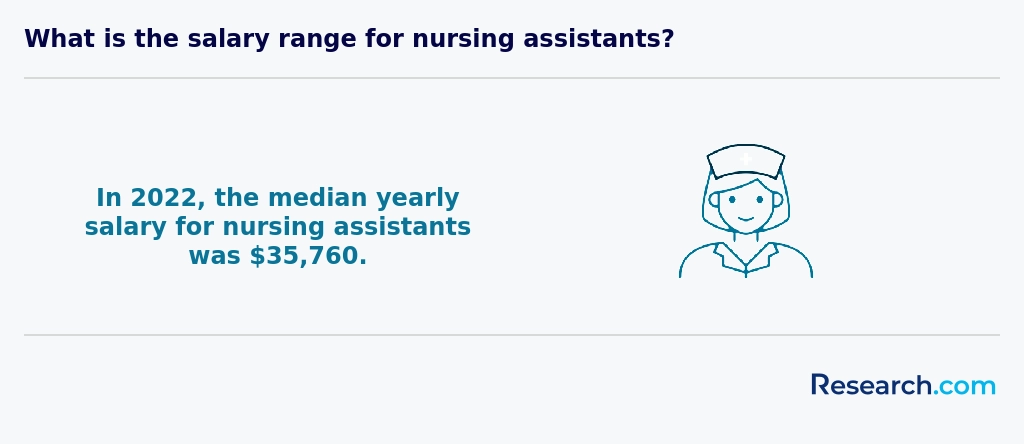
Graduates with a nursing degree in Phoenix can pursue diverse nursing career opportunities in Phoenix, from frontline roles such as registered nurses in hospitals and clinics to advanced positions requiring specialization. Many graduates from well-known institutions like Arizona State University find employment within prominent local healthcare networks like Banner Health and HonorHealth, gaining experience in high-intensity environments such as emergency rooms or surgical units.
Beyond entry-level nursing jobs, graduates often explore more specialized paths. Careers such as Nurse Practitioners or Clinical Nurse Specialists allow practitioners to provide targeted care or contribute to research and education. Nurse Anesthetists and Nurse Midwives represent high-demand, well-compensated specialties that attract motivated students who wish to have a direct and lasting impact on patient care. Some graduates describe the rewarding challenge of balancing clinical duties with continuing education, while others move into Nurse Educator roles to support the next generation of nurses.
Considering nursing jobs and salary Phoenix, financial aspects also shape career decisions. Many students weigh tuition costs critically, benefitting from options like Arizona State University's competitive rates and employer tuition reimbursement programs. For students evaluating degree affordability alongside career prospects, resources such as the Cheapest Online Nursing Degree Programs Ranking in Mississippi offer useful comparisons to understand broader educational investments.
The nursing job outlook in Phoenix remains positive due to steady population growth and a rising demand for healthcare services in the area. Graduates from well-regarded institutions like Arizona State University often share that local hospitals, such as Banner Health and HonorHealth, provide frequent job openings that help ease the transition from study to employment. These institutions value nurses skilled in specialties like gerontology and emergency care, reflecting the region's demographic needs.
The employment opportunities for nurses in Phoenix are supported by an expected 15% statewide growth in nursing jobs through 2030. While the median annual wage of around $78,000 may be slightly below the national average, many recent graduates express satisfaction with the balance of income and cost of living in Phoenix. For students weighing affordability, local programs often offer competitive tuition rates between $6,000 and $10,000 annually, making nursing degrees more accessible.
For those considering accelerated paths, exploring 6 month programs that pay well can be a practical choice to enter the field more quickly and capitalize on job prospects in Phoenix's healthcare market.
2027 Most Affordable Nursing Degree Programs Ranking in Phoenix
Investing in your education is a significant decision that can shape your future, and the Research.com team understands the importance of making informed choices. To assist prospective students in Phoenix, we have meticulously crafted the "2027 Most Affordable Nursing Degree Programs Ranking in Phoenix." Our commitment to quality, credibility, and accuracy is reflected in the extensive research and analysis conducted to compile this ranking.
We utilized the following reputable data sources to ensure a comprehensive evaluation of nursing degree programs:
By exploring this ranking, readers will gain valuable insights into the most affordable nursing degree options in Phoenix, enabling them to make well-informed decisions about their education and career paths. For more details on our methodology, please visit our Research.com methodology page.
# 1 position
University of Phoenix-Arizona
Doctor of Nursing Practice

# 2 position
Aspen University
Bachelor of Science in Nursing

# 3 position
University of Phoenix-Arizona
Master of Science in Nursing
# 4 position
Aspen University
Master of Science in Nursing

# 6 position
University of Phoenix-Arizona
Bachelor of Science in Nursing
# 9 position
Aspen University
Doctor of Nursing Practice
# 10 position
Chamberlain University-Arizona
Bachelor of Science in Nursing

Frequently Asked Questions About nursing
Nursing degree students in Phoenix can maximize their learning by engaging fully with both classroom and clinical experiences. Arizona State University, one of the largest public universities in the area, reports a clinical placement rate of over 90%, ensuring students gain hands-on practice in local hospitals.
Active participation in local nursing organizations, such as the Arizona Nurses Association, also enhances networking and professional growth. Utilizing Phoenix's diverse healthcare settings-from urban medical centers to community clinics-helps students understand varied patient populations.
Additionally, many programs emphasize simulation labs to build critical skills before clinical rounds. Accessing tutoring and academic support services available at institutions like Phoenix College improves knowledge retention and exam performance.
Emerging niches within the nursing field reflect evolving healthcare needs, especially in places like Phoenix where the population is growing rapidly. One rising area is geriatric nursing, driven by Arizona's significant senior population. According to the Arizona Department of Health Services, the state's 65+ demographic is expected to grow by over 20% by 2030, increasing demand for nurses specialized in elder care.
Another expanding specialty is telehealth nursing. The COVID-19 pandemic accelerated virtual care, and Phoenix healthcare providers now increasingly require nurses adept in remote monitoring and patient communication technologies.
Additionally, psychiatric nursing is gaining attention due to rising mental health awareness and the statewide shortage of mental health professionals. Nurses trained in behavioral health can find growing opportunities in Phoenix's community clinics and hospitals.
After completing a nursing degree in Phoenix, preparing for the job market involves several strategic steps. First, obtaining licensure through the NCLEX-RN exam is essential to legally practice as a registered nurse in Arizona. According to the Arizona State Board of Nursing, timely application and thorough exam preparation improve success rates significantly.
Networking with local healthcare providers, including major employers like Banner Health and Dignity Health, can enhance job prospects. Phoenix's healthcare sector is growing, with a 12% projected increase in nursing jobs through 2030, per the Bureau of Labor Statistics.
Additionally, gaining clinical experience through internships or volunteer work in Phoenix hospitals provides practical skills highly valued by employers.
Employers in Phoenix seek nursing graduates with strong clinical skills and the ability to provide compassionate patient care. According to the Arizona State Board of Nursing, proficiency in critical thinking and effective communication ranks high among top hiring criteria. Nurses must also demonstrate competency in electronic health records, as healthcare facilities in Phoenix increasingly rely on digital documentation.
Time management and teamwork are essential due to the fast-paced hospital environment. The Arizona Healthcare Association highlights that cultural sensitivity and adaptability are vital, reflecting Phoenix's diverse population. Additionally, employers favor graduates familiar with local healthcare regulations and patient safety protocols, ensuring compliance and quality care.
Finding nursing internships in Phoenix involves several practical steps tailored to the local healthcare and education system. Many nursing programs in the area require clinical placements, which often serve as valuable internship opportunities. Students should start by consulting their school's career services or nursing department, as partnerships with hospitals and clinics are common.
Major healthcare providers in Phoenix, such as Banner Health and Mayo Clinic, offer internships and externships specifically designed for nursing students. These placements provide hands-on experience essential for licensure and skilled practice.
Additionally, students can explore the Arizona Nurses Association and local job boards focused on healthcare roles. Networking with professionals through local nursing organizations can also reveal hidden internship opportunities. According to the Arizona Center for Nursing Workforce, the demand for qualified nurses in Phoenix continues to grow, making internships more accessible for nursing students statewide.
Obtaining a nursing degree in Phoenix significantly enhances career mobility and advancement opportunities within the local healthcare sector. According to the Arizona Center for Nursing Workforce, the demand for registered nurses in Phoenix is expected to grow by over 15% by 2030, driven by an aging population and expanding healthcare services.
With a degree, nurses can access higher-paying roles such as nurse practitioners, clinical nurse specialists, or nurse managers. Many employers in Phoenix, including major hospital systems like Banner Health, prefer candidates with Bachelor of Science in Nursing (BSN) degrees for leadership and specialized clinical positions.
Additionally, earning a nursing degree supports eligibility for advanced certifications and graduate programs, further boosting career advancement. The local job market rewards education, making investment in a nursing degree a pivotal step for career growth in Phoenix's healthcare landscape.
Studying for a nursing degree in Phoenix equips students with key skills needed for interdisciplinary healthcare roles. Nursing programs here emphasize collaboration with professionals from medicine, pharmacy, social work, and other disciplines. This prepares graduates to contribute effectively in diverse clinical teams.
Arizona's healthcare sector often ranks high in interdisciplinary practices, supported by institutions like Banner Health and Phoenix Children's Hospital, which promote integrated care models. According to the Arizona Board of Nursing, Phoenix nursing students participate in clinical rotations across multiple settings, fostering practical teamwork experience.
The curriculum typically includes coursework on communication, ethics, and leadership, essential for navigating complex healthcare environments. This well-rounded training ensures graduates can handle a broad range of patient needs in collaborative settings.
Choosing between a thesis and a non-thesis nursing degree program in Phoenix depends largely on your career goals and learning preferences. Thesis programs emphasize research skills and independent study, preparing students for roles in academia, advanced clinical practice, or leadership. The University of Arizona College of Nursing in Phoenix offers such options for students interested in research contributions.
Non-thesis programs, by contrast, focus on clinical practice and coursework, allowing quicker completion with practical skills. They suit those aiming to enter or advance in clinical settings promptly. According to the Arizona Board of Nursing, demand for skilled nurses in Phoenix is growing by 15% annually, favoring hands-on experience.
Consider whether you prefer analytical research or applied nursing practice before deciding.
Students based in Phoenix who wish to study nursing abroad have several options through exchange programs and international partnerships offered by Arizona universities. Arizona State University (ASU), a major institution serving Phoenix students, maintains collaborations with universities in Canada, the UK, and Australia, allowing nursing students to earn credits overseas while completing US-degree requirements.
Typically, these programs last from a few weeks to a full semester and focus on global healthcare practices, enriching students' perspectives without delaying graduation.
Students should also consider accredited international nursing programs that meet US licensing standards, as Arizona's Board of Nursing requires graduates to hold degrees from approved institutions for licensure eligibility.
Exploring study abroad options early is essential to align clinical requirements and licensing criteria.
Students pursuing nursing degrees in Phoenix often seek part-time jobs that enhance their clinical skills and understanding of healthcare environments. Positions such as certified nursing assistant (CNA) or medical assistant are popular, providing hands-on patient care experience critical for nursing students. According to the Arizona Department of Economic Security, these roles are in high demand locally, offering flexible hours suitable for class schedules.
Other opportunities include working as pharmacy technicians or home health aides, where students can deepen their knowledge of medication management and patient support.
Hospitals like Banner Health and Dignity Health frequently offer internships or part-time employment aimed at nursing students. Such roles not only supplement income but also build professional networks essential for future nursing careers in Phoenix.
Nursing students in Phoenix benefit from a variety of networking opportunities offered by local healthcare institutions, professional organizations, and academic partnerships. The city hosts chapters of prominent groups like the Arizona Nurses Association, providing students access to conferences, seminars, and mentorship programs. Additionally, major hospitals such as Banner Health and Phoenix Children's Hospital frequently collaborate with nursing schools for clinical placements, allowing students to connect with practicing professionals and leaders in the field.
Many Phoenix nursing programs encourage student participation in community health events and career fairs, enhancing local networking prospects. These opportunities are essential for building professional relationships and gaining insights into the healthcare landscape in Arizona. According to the Arizona Board of Nursing, Phoenix-based nursing students who engage in such activities show higher job placement rates post-graduation.
Alumni networks offer significant benefits for nursing degree students in Phoenix by providing valuable connections to healthcare employers in the region. Since Phoenix has a growing healthcare industry with over 30 major hospitals, a strong alumni network can help students access internships and job openings more easily. According to the Arizona Nurses Association, networking through alumni increases job placement rates by nearly 20% for recent graduates.
These networks also offer mentorship opportunities, allowing current students to gain insights from experienced nurses about clinical practices and career development. Alumni events in Phoenix foster community and give students a chance to build relationships that support professional growth beyond graduation.
Customizing a nursing degree program in Phoenix involves choosing specializations and course options aligned with your career goals. Many local colleges, including Arizona State University and Phoenix College, offer pathways such as registered nursing (RN), nurse practitioner, or healthcare administration.
Students can select electives focusing on pediatrics, geriatrics, or mental health nursing to tailor their expertise. Clinical rotations in Phoenix-area hospitals, like Banner Health, provide practical experiences relevant to desired fields.
Additionally, some programs allow part-time or online coursework, accommodating working professionals aiming to advance or shift specialties.
According to the Arizona Board of Nursing, over 65% of nursing students in Phoenix pursue certificates or degrees aligned with advanced practice roles, reflecting a demand for customization to meet diverse workforce needs.
Nursing students in Phoenix face multiple challenges during their studies. One key difficulty is balancing rigorous coursework and clinical hours with personal responsibilities, as many students work part-time or have families. The demand for clinical placements often exceeds supply, causing delays in gaining essential hands-on experience. According to the Arizona Nurse Workforce Report 2023, approximately 30% of Phoenix nursing students reported limited access to affordable clinical sites. Additionally, rising tuition and associated costs pose financial challenges for many, with average program fees ranging from $8,000 to $18,000. Mental health concerns related to stress and burnout are also prevalent among nursing students in the area.
With a nursing degree in Phoenix, graduates can pursue various professional certifications that enhance their skills and career opportunities. Popular certifications include the Certified Nurse Assistant (CNA), Registered Nurse (RN) licensure, and advanced credentials like Certified Nurse Practitioner (CNP). The Arizona State Board of Nursing governs licensure and certification requirements, ensuring practitioners meet state and federal standards.
Specialty certifications are available in areas such as pediatrics, geriatrics, and critical care. For example, the Arizona Center for Nursing Excellence supports nursing workforce development through reports highlighting growth in specialty roles.
According to the U.S. Bureau of Labor Statistics, Phoenix's healthcare sector continues expanding, increasing demand for certified nursing professionals. Pursuing certification improves job prospects and potential salary, with median RN wages in Phoenix reported at around $80,000 annually.
Writing a winning application for a nursing program in Phoenix begins with careful preparation. Admissions committees prioritize strong academic records, so highlight your GPA, especially in science and math courses. Phoenix schools such as Arizona State University emphasize the importance of prerequisite completion and competitive GRE or TEAS scores.
Personal statements should clearly explain your motivation for nursing and include any healthcare experience. Volunteering or working in local hospitals like Banner Health can strengthen your application significantly.
Letters of recommendation from professionals familiar with your skills add credibility. Finally, meet all deadlines and ensure your application is error-free. According to the Arizona Board of Nursing, timely and complete applications improve your chances.
The nursing profession holds a vital role worldwide, with the US being a leader in nursing education and standards. In Phoenix, nursing careers reflect this global importance, offering pathways aligned with international best practices. According to the Arizona State Board of Nursing, over 30,000 licensed nurses work across the state, many trained through Phoenix's diverse degree programs.
Nursing careers worldwide emphasize cultural competence, technology use, and evidence-based care. Phoenix nursing programs incorporate these skills to meet rising healthcare demands locally and globally. Graduates from Phoenix often find opportunities in various healthcare settings, adapting to global nursing workforce trends reported by the World Health Organization.
Gaining practical experience while studying for a nursing degree in Phoenix is essential for career readiness. Many nursing programs in the area incorporate clinical rotations, where students work under supervision in hospitals and community health settings. These opportunities allow hands-on practice with patient care, aligning with Arizona Board of Nursing requirements.
Local healthcare providers such as Banner Health and St. Joseph's Hospital often partner with schools to offer clinical placements. According to the Arizona Center for Nursing Workforce Studies, about 75% of nursing students in Phoenix complete clinical hours before graduation. Additionally, some programs encourage volunteering or internships at local clinics, broadening exposure to diverse patient populations.
Choosing the right concentration within a nursing degree program in Phoenix involves understanding local healthcare needs and your career goals. Arizona's growing population increases demand for specialties like geriatric and community health nursing. The Arizona Board of Nursing reports that registered nurses specializing in primary care and chronic disease management are highly sought after.
Research the available concentrations offered by Phoenix schools, such as pediatrics, mental health, or acute care. Consider clinical opportunities each concentration provides, as hands-on experience is crucial. Also, look into job placement rates and partnerships local hospitals maintain with the programs.
Finally, reflect on your interests and strengths-choosing a concentration aligned with both personal passion and market demand enhances future employment prospects.
- 2027 Most Affordable Nursing Degree Programs Ranking in Tempe
- 2027 Most Affordable Nursing Degree Programs Ranking in San Diego
- 2027 Most Affordable Nursing Degree Programs Ranking in El Paso
- 2027 Most Affordable Nursing Degree Programs Ranking in Los Angeles
- 2027 Most Affordable Nursing Degree Programs Ranking in Salt Lake City
- 2027 Most Affordable Nursing Degree Programs Ranking in Colorado Springs
- 2027 Most Affordable Nursing Degree Programs Ranking in Denver
- 2027 Most Affordable Nursing Degree Programs Ranking in San Francisco
- 2027 Most Affordable Nursing Degree Programs Ranking in San Antonio
- 2027 Most Affordable Nursing Degree Programs Ranking in Lincoln
See What Experts Have To Say About Studying Nursing
Read our interview with Nursing experts

Lisa Grubb
Nursing Expert
Assistant Professor
Johns Hopkins School of Nursing

- Nursing Study Abroad Programs | Go Overseas https://www.gooverseas.com/study-abroad/nursing
- How to Become a Registered Nurse | University of Phoenix https://www.phoenix.edu/articles/nursing/how-to-become-a-registered-nurse.html
- Study Nursing Abroad | Boomerang International Educational Services https://boomerangedu.com/study-nursing-abroad/
- What Are the Best Jobs to Work While in Nursing School? https://www.dewv.edu/what-are-the-best-jobs-to-work-while-in-nursing-school/
- Tips for Creating a Perfect Nursing School Application https://www.allnursingschools.com/articles/how-to-create-the-perfect-nursing-school-application/
- Top Nursing Skills U.S. Employers Want to See on Your Resume | O'Grady Peyton https://www.ogradypeyton.com/blog/job-seeker-resources/top-nursing-skills-u.s.-employers-want-to-see-on-your-resume
- | NRR | Dove Medical Press https://www.dovepress.com/internship-challenges-encountered-by-nursing-students-a-qualitative-st-peer-reviewed-fulltext-article-NRR
- How to Choose a Nursing Program: A Comprehensive Guide - Madonna ABSN https://absn.madonna.edu/blog/how-to-choose-a-nursing-program/
- Nursing - SUM Admission https://admission.sum.edu.pl/nursing/
- Top Cities for Nursing Careers: Phoenix https://imagine-america.org/blog/top-cities-nursing-careers-phoenix