2027 Best Online Doctorate in Nursing Degree Programs Ranking in Tennessee

Co-Founder and Chief Data Scientist
Exploring advanced nursing degrees can open new doors for your career and personal growth. Whether you are balancing work, family, or other commitments, pursuing an online doctorate in nursing offers flexibility and opportunity.
This article introduces the 2027 Best Online Doctorate in Nursing Degree Programs Ranking in Tennessee, developed by the Research.com team of data scientists. Their analysis helps identify quality programs worth your consideration.
By reading this guide, you'll gain clear insights to make confident decisions on which nursing programs align with your goals and lifestyle.
Key benefits of getting online nursing degree in Tennessee
- Graduates with an online nursing degree in Tennessee can expect strong salary prospects, with roles like Family Nurse Practitioner and Psychiatric Nurse Practitioner earning a mean annual wage of $128,490, offering financial stability and rewarding careers.
- Career paths for nursing graduates from Tennessee universities, such as the University of Tennessee, include diverse opportunities in acute care, adult, and psychiatric nurse practitioner roles, enabling professionals to find fulfilling work that matches their interests.
- Online nursing degrees from institutions like Vanderbilt University provide flexibility, allowing students to balance work and study, while gaining the same valuable skills and qualifications as traditional programs for a smooth career launch.
- 2027 Best Online Doctorate in Nursing Degree Programs Ranking in Tennessee
- What can I expect from online nursing degree in Tennessee?
- Where can I work with online nursing degree in Tennessee?
What can I expect from online nursing degree in Tennessee?
The average cost of an online nursing degree in Tennessee typically ranges between $10,000 and $35,000, depending on the level of study and institution. Graduates from popular schools like the University of Tennessee or Vanderbilt University often describe the investment as a pivotal step toward career advancement and personal fulfillment. Many find that the tuition fees, while significant, are balanced by the flexibility to work alongside studies and complete clinical hours locally, making the financial commitment more accessible.
One nursing student shared how balancing family life and coursework from a Tennessee college helped manage expenses effectively without sacrificing quality. Another graduate noted that scholarships and employer tuition assistance programs played a vital role in easing costs, underlining the importance of researching financial aid options offered by Tennessee institutions.
Beyond price, students consistently highlight how the hands-on clinical experiences, coupled with evidence-based courses, provide more than textbook knowledge-they foster real-world confidence.
Where can I work with online nursing degree in Tennessee?
Graduates from online nursing programs in Tennessee, such as those offered by the University of Tennessee and Vanderbilt University, find themselves welcomed in diverse healthcare environments. Far from being limited to traditional hospital roles, many enter bustling outpatient clinics where hands-on care and quick decision-making matter deeply. Imagine the satisfaction of a graduate working in a vibrant urgent care clinic in Nashville, making a direct impact on patients' lives every day.
Others embrace the challenge of long-term care facilities, especially in communities like the Upper Cumberland region, where they develop meaningful relationships with elderly patients managing chronic conditions. This kind of work isn't just a job-it's a calling that brings purpose beyond routine tasks.
Some graduates boldly pursue advanced roles as nurse practitioners, enjoying the autonomy to influence primary care and mental health in Tennessee's underserved areas. These opportunities, backed by programs at schools like Belmont University, prove that an online degree can open doors to empowering careers that defy outdated notions of nursing limitations.
Graduates from online nursing programs in Tennessee often find their efforts rewarded with impressive salaries that reflect their advanced skills and dedication. For instance, those stepping into roles as Family Nurse Practitioners or Psychiatric Nurse Practitioners can expect a mean annual wage of about $128,490, according to the latest data. This figure significantly exceeds the state's average RN salary, illustrating the powerful financial impact of pursuing specialized nursing degrees.
Many students from well-regarded Tennessee institutions, such as the University of Tennessee Health Science Center and Vanderbilt University's School of Nursing, report that balancing online learning with their current jobs makes the eventual salary boost feel well worth the challenge. The flexibility of online degrees means they can sharpen their expertise without sacrificing income, accelerating their journey toward those top-tier nurse practitioner salaries.
It's important to remember that metropolitan areas like Nashville and Memphis typically offer higher pay, making the investment in an online nursing degree a strategic move for those aiming to advance both their careers and financial stability in Tennessee's evolving healthcare landscape.
- Tennessee offers accredited online nursing programs including LPN, RN, and APRN degrees, with state-mandated clinical practice hours completed locally.
- Tuition for a bachelor's nursing degree typically ranges from $8,000 to $20,000 per year for in-state students, with associate degrees usually costing less.
- The average starting salary for nursing graduates in Tennessee is about $55,000 per year, with experienced nurses earning over $75,000 annually.
- Nurses must pass the NCLEX exam for licensure and Tennessee is part of the Nurse Licensure Compact, allowing multi-state practice for licensed nurses.
- The nursing job market in Tennessee is growing steadily, with high demand and shortages in both rural and urban areas.
Completing an online nursing degree in Tennessee often defies the traditional four-year expectation. Graduates from institutions like the University of Tennessee Health Science Center share how accelerated BSN programs allowed them to finish in as little as 12 to 18 months, transforming their career paths swiftly. For many, juggling work and studies was manageable thanks to flexible pacing, enabling steady progress without sacrificing personal commitments.
RN-to-BSN programs offer another example, with nurses reporting it took them around 12 to 24 months to elevate their qualifications while continuing full-time employment. This blend of practicality and ambition reflects Tennessee's understanding of real-life demands.
Master's and doctoral candidates often experience a broader range of timelines, from 18 months up to four years, influenced by clinical requirements and part-time options designed for working professionals. Such flexibility underscores that completing a nursing degree in Tennessee isn't about rigid timelines but about balancing growth, career, and life-making the journey uniquely personal and achievable.
Upon completing an online doctorate or advanced nursing program, securing licensure through the Tennessee Board of Nursing is your next critical step. Prospective graduates must submit official transcripts, proof of graduation, and a completed application to the Board. An application fee and a criminal background check are mandatory components of this process. Once your credentials are verified, you will receive authorization to sit for the NCLEX-RN examination. Passing the NCLEX-RN is essential for initial Registered Nurse licensure; applicants typically receive their official Tennessee RN license within two to four weeks of exam results. For advanced practice roles-such as Clinical Nurse Specialists (CNS), Nurse Practitioners (NP), or Certified Nurse Midwives (CNM)-additional certification and approval are required. APRN candidates must hold national certification from a recognized credentialing body (e.g., ANCC, AANP) in their chosen specialty. After national certification, you must apply for APRN recognition with the Tennessee Board of Nursing and complete any state-specific controlled substance prescriptive authority requirements. Many online doctorate graduates leverage specialized tracks in mental health to pursue roles as psychiatric-mental health nurse practitioners; to explore comparative income potential, view the top paying states for psych pmhnp. Maintaining your Tennessee nursing or APRN license requires ongoing continuing education (CE). Tennessee mandates 30 contact hours of CE every two years, including courses in pharmacology and patient safety. Some APRN roles also require additional CE hours in controlled substance management. Renewal applications are submitted online to the Board of Nursing and must be completed before December 31 of the license expiration year. By understanding these licensure, certification, and renewal processes, you ensure a seamless transition from graduate to practicing professional within Tennessee’s robust healthcare system.
Choosing between online and on-campus nursing degrees in Tennessee often challenges how we think about education. Graduates from the University of Tennessee praise online programs for their unmatched flexibility-balancing night shifts with coursework without sacrificing family time. They describe the freedom of asynchronous classes as empowering, turning downtime into productive study hours.
Meanwhile, graduates from Vanderbilt University recall the energy of in-person labs, hands-on simulations, and spontaneous hallway conversations with peers that sparked deeper understanding and confidence. For them, the tangible presence of professors and on-site resources made skill-building feel immediate and real.
Yet, both paths lead to the same accredited Tennessee nursing credentials. Online learners navigate clinical hours at local providers, cultivating community ties, while on-campus students benefit from structured placements organized by the university. Consider how your life fits into these scenarios-whether it's the hustle of commuting or the need for face-to-face mentorship-that define your personal journey toward nursing success.
Choosing the right doctorate shapes your career trajectory. Here’s a quick comparison to guide your decision:
- DNP (Doctor of Nursing Practice): Practice-oriented degree focused on clinical leadership, quality improvement and evidence-based outcomes.
- PhD in Nursing: Research-driven path emphasizing original scholarship, theoretical frameworks and academic teaching.
- Time to Completion: DNP programs typically span 2–3 years with a practice capstone; PhD tracks often require 3–5 years culminating in a dissertation.
- Curriculum Highlights: DNP curricula integrate advanced clinical courses, healthcare policy and systems management; PhD studies center on research methods, statistics and theory development.
- Career Outcomes: Graduates with a DNP lead clinical teams, shape policy or direct healthcare programs. PhD holders pursue university faculty positions, research grants and scholarly publications.
For a seamless transition from RN to doctoral pathways, consider exploring rn to bsn online no clinicals.
The average cost of an online nursing degree in Tennessee hovers around a median total of $27,885, presenting a realistic investment for many aspiring nurses. Graduates from institutions such as East Tennessee State University often share how this balance between quality education and affordability made their choice straightforward, allowing them to focus on mastering clinical skills without overwhelming debt. While some programs reach toward the higher end with private institutions, public universities offer solid nursing education within this moderate price range, making Tennessee a sensible option.
For students budgeting the total expenses for nursing degree programs Tennessee's public universities provide clear advantages. Online Bachelor of Science in Nursing (BSN) programs typically range from $12,000 to $18,000 total, and RN to BSN pathways can be even more affordable, sometimes as low as $7,000. But it's not only tuition; graduates often highlight supplementary costs such as clinical placement fees, textbooks, and technology as areas needing close planning. The more intangible expenses, like the time invested in coordinating local clinical experiences, also come into play.
Financial aid, employer tuition reimbursement, and scholarships further ease the burden. Many Tennessee nursing students find that these supports transform the initial sticker price into a more manageable reality, fueling their enthusiasm to progress toward licensure and career growth. Some even point out how nursing degrees can lead to unexpectedly fulfilling career paths, echoing sentiments about job satisfaction in physical therapy sparked by peers pursuing healthcare roles.

Earning an online doctorate in nursing is only the first step toward practicing as an advanced practice registered nurse (APRN) in Tennessee. To legally deliver care, graduates must navigate both national certification and state licensure requirements. The Tennessee Board of Nursing (TBN) oversees all APRN credentials, ensuring practitioners meet educational, examination, and clinical practice standards. Key steps to full licensure: • National Certification: Most Tennessee APRNs secure credentials through the American Nurses Credentialing Center (ANCC) or the American Association of Nurse Practitioners (AANP), which require successful completion of a recognized certification exam in specialties like family, adult-gerontology, or psychiatric-mental health nursing. • State Application: After passing national exams, candidates submit an application to the TBN, including official transcripts, proof of certification, and a background check. Processing times average 4–6 weeks. • Collaborative Practice Agreements: Nurse practitioners in Tennessee must establish written agreements with collaborating physicians, detailing prescriptive authority, consulting arrangements, and scope of practice. • Renewal and Continuing Education: APRN licenses renew biennially with proof of 30 contact hours of continuing nursing education, at least 10 of which must be in pharmacology. Maintaining national certification is also mandatory. Many nurses begin their careers by entering easy licensed practical nursing programs to get into before advancing to doctoral studies, gaining foundational skills and clinical hours. Understanding these licensure steps early can streamline your transition from student to practicing APRN, ensuring you meet Tennessee’s rigorous standards and maximize the return on your doctoral investment.
Financial aid for online nursing students in Tennessee goes beyond the typical Pell Grants and federal loans. Graduates from popular institutions like the University of Tennessee and Middle Tennessee State University recall how state programs such as the HOPE Scholarship and Governor's Nursing Scholarship transformed their education journey, making the dream of nursing attainable despite financial hurdles. These aids target not only academic merit but also commitments to work in underserved Tennessee communities, giving students a sense of purpose tied to tangible benefits.
Federal work-study positions connected to nursing fields add both income and real-world experience, easing financial stress for many. Institutional scholarships further sweeten the deal, often awarded based on a mix of need, merit, and diversity considerations, offering a personalized safety net.
Consider the countless nurses who benefited from tuition reimbursement through Tennessee healthcare employers-these programs turn professional growth into a shared investment, reflecting the state's urgent demand for nurses and fostering hope among students balancing work and study.
Choosing an online doctorate in nursing program accredited by a recognized agency is essential for ensuring academic quality, eligibility for federal financial aid, and seamless credit transfer. In Tennessee, top programs hold accreditation from the Commission on Collegiate Nursing Education (CCNE) or the Accreditation Commission for Education in Nursing (ACEN), reflecting adherence to rigorous standards in curriculum design, faculty qualifications, and clinical practice requirements. Moreover, graduates from CCNE-accredited DNP programs in Tennessee report certification exam pass rates exceeding 90%, demonstrating strong preparation for Advanced Practice Registered Nurse (APRN) credentials and leadership roles in healthcare. Program accreditation also influences licensure mobility: nurses who earn a doctorate from an accredited Tennessee institution can apply for certification and practice privileges across state lines, thanks to the Nurse Licensure Compact (NLC). This portability enhances career flexibility, allowing alumni to pursue roles in diverse settings-from urban hospitals in Nashville to rural clinics in Memphis-without the need for additional state-specific approvals. Additionally, accreditation bodies require programs to publish annual outcomes data, including completion rates, job placement statistics, and student satisfaction scores, which prospective students can review to gauge program effectiveness. For those balancing budget with accreditation, it’s worth exploring cost-effective options beyond Tennessee that still meet national quality benchmarks. Many applicants compare Tennessee offerings with other affordable accredited programs-see our Inexpensive Online Nursing Degree Programs Ranking in Columbia, MO-to ensure they select a doctorate pathway that combines high licensure success rates with financial value. By prioritizing accredited programs with proven certification outcomes, future DNP candidates can confidently invest in an education that unlocks advanced practice opportunities and leadership roles nationwide.
Enrolling in an online nursing degree in Tennessee is more than just submitting an application; it requires a solid academic foundation and readiness for a challenging journey. Graduates from programs at institutions like the University of Tennessee Health Science Center often reflect on how completing prerequisite courses such as human anatomy, microbiology, and chemistry was crucial in building their confidence before diving into nursing specifics.
Beyond a high school diploma or GED, many students discover that passing the TEAS test significantly sharpens their academic skills, setting a strong tone for their studies. For those pursuing RN-to-BSN tracks, holding a current Tennessee RN license becomes a gateway-affirming your practical experience and dedication.
Applicants frequently share how balancing prerequisite courses early, sometimes at community colleges like Nashville State, helped accelerate their path. These steps, though demanding, become empowering milestones that transform apprehension into excitement, proving readiness to embrace Tennessee's nursing standards fully.

In an online Doctorate in Nursing (DNP) program in Tennessee, you’ll progress through advanced coursework, clinical practica, and a scholarly project that demonstrates your expertise in evidence-based practice. A typical curriculum includes:
- Advanced Health Policy and Leadership: Courses on healthcare systems, advocacy, and organizational management.
- Evidence-Based Practice and Research Methods: Training in statistical analysis, clinical trials, and translation of research into practice.
- Informatics and Quality Improvement: Instruction on data analytics, electronic health records, and process improvement strategies.
- Clinical Practicum Hours: 1,000+ supervised practice hours tailored to your specialization.
- DNP Scholarly Project: A capstone initiative that identifies a practice problem, implements evidence-based solutions, and evaluates outcomes.
This structured path equips you with the skills to lead interdisciplinary teams, influence policy, and drive quality initiatives in diverse healthcare settings. For insights on selecting the right starting point, see our guide to easy nursing schools to get into.
Online nursing degree programs in Tennessee dive deep into courses that matter most, balancing rigorous science with real-world application. Graduates from well-known institutions in the state recall how foundational classes like human anatomy, physiology, microbiology, and chemistry transformed their understanding of patient care. These courses don't just teach facts-they shape how you think about the human body in urgent, high-stakes situations.
Core nursing topics go beyond basics, tackling health assessment, pathophysiology, and nursing ethics. Imagine navigating legal and moral dilemmas with confidence, a skill emphasized heavily in these courses. Students often mention how evidence-based practice and research methods challenge their assumptions, making them sharper, more analytical caregivers.
Popular Tennessee programs also include community health, leadership, and specialty areas like pediatrics or mental health. For example, graduates from a top Tennessee college highlight clinical practicums at local hospitals that connect theory directly with patient experiences, instilling pride and a sense of readiness.
Such coursework ensures that Tennessee online nursing students not only meet licensure standards but emerge equipped to innovate and lead in healthcare environments.
Among the most sought-after specializations in online nursing degrees in Tennessee are Family Nurse Practitioner (FNP), Adult-Gerontology Acute Care Nurse Practitioner (AGACNP), and Psychiatric-Mental Health Nurse Practitioner (PMHNP). Graduates from popular Tennessee colleges often share how the FNP track empowered them to confidently serve families in both urban and rural areas, while those in AGACNP appreciate the hands-on focus on critical adult care. The PMHNP specialization speaks deeply to nurses driven by mental health advocacy, connecting theory to the rising need for these services statewide.
Other compelling online nursing specializations in Tennessee include Nursing Education and Healthcare Leadership and Administration. Graduates pursuing education roles express fulfillment in shaping future nurses' careers, while leadership paths open doors to meaningful impact at healthcare organizations. Many students at renowned Tennessee universities embrace the flexibility to tailor their learning, often exploring dual pathways or certificates, enhancing their credentials dramatically.
With the state's specific demands, those interested in nursing doctorate concentration options Tennessee find value in programs aligned with local licensure standards. For practical insights and accelerated progression, students frequently explore accelerated nurse practitioner programs accelerated online, gaining momentum in their careers without compromising cost or quality.
Choosing the best online nursing degree in Tennessee isn't just about picking a program with a high NCLEX pass rate; it's about how well the program fits your life in Tennessee. Graduates from the University of Tennessee often share how local clinical placement support made juggling work and family commitments manageable, proving that program flexibility matters as much as accreditation. Affordable online nursing degrees Tennessee residents find through public universities become essential when balancing tuition costs with daily expenses, especially compared to pricier private schools.
Imagine you're navigating course deadlines late at night while coordinating clinical hours locally-programs without strong state partnerships can make that frustrating. That's why students appreciate robust online platforms and dedicated support services tailored for Tennessee learners. When reflecting on your choice, consider the emotional support behind your education, too, just like those who have thrived at one of the top-ranked entry-level nursing programs known for nurturing resilience alongside skill.
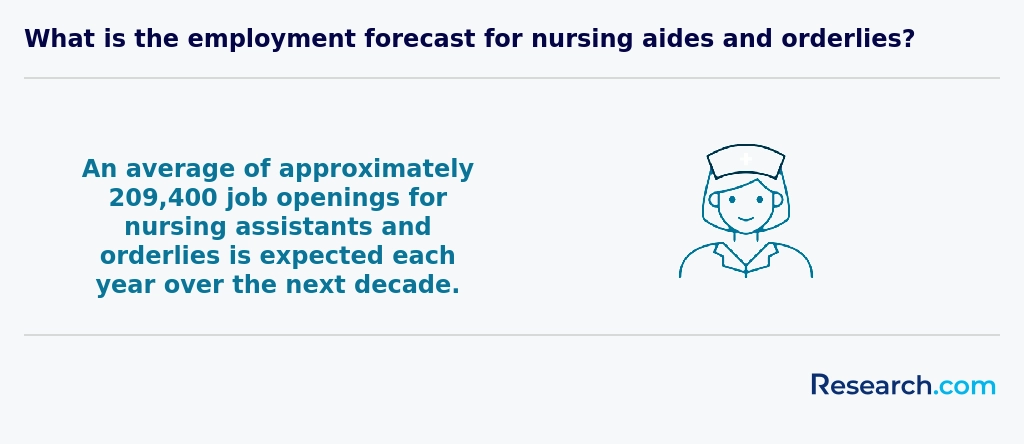
Graduates of online nursing degree programs in Tennessee find themselves stepping into diverse and impactful roles that defy traditional career expectations. Many who studied at popular institutions like the University of Tennessee Health Science Center describe the transition from student to registered nurse as both empowering and transformative. These roles, including Registered Nurse (RN), Nurse Practitioner (NP), and Clinical Nurse Specialist, respond directly to the state's healthcare demands, offering graduates a way to make tangible differences in local communities. Considering the breadth of nursing degree job opportunities Tennessee offers, some graduates advance further by becoming nurse educators or healthcare managers, shaping future professionals or leading healthcare teams.
Such career paths are not static; nurses often rise into leadership or specialize in niches requiring advanced skills through online Master of Science in Nursing (MSN) or Doctor of Nursing Practice (DNP) degrees. The journey of Tennessee nursing students goes beyond the classroom, mirroring national growth and opening doors to exciting possibilities. Exploring various fields while balancing life underscores why online nursing career options in Tennessee attract those seeking flexibility and meaningful impact. For a broader view, students often compare these paths with online nursing degrees Michigan specialization options.
The online nursing job outlook Tennessee graduates face is shaped by a steadily growing healthcare sector hungry for skilled professionals. Graduates from popular universities such as the University of Tennessee and Belmont University consistently report finding diverse employment opportunities in hospitals, clinics, and community care settings shortly after completing their degree. The flexibility of online nursing programs allows busy students to balance work and study, making the practical transition to local healthcare roles smoother and more attainable.
Many online nursing degree programs in Tennessee prepare students to meet licensure requirements and advanced certifications, positioning graduates competitively in the job market. With a median nurse wage around $65,000, many graduates feel financially valued while contributing meaningfully to patient care. Stories shared by recent graduates highlight not just job placement but the pride in working in local communities, often choosing from a variety of settings, reflecting the Tennessee nursing degree employment opportunities available.
For those beginning their nursing education journey, exploring easy licensed practical nursing programs to get into is a practical step toward entering the field swiftly and confidently.
2027 Best Online Doctorate in Nursing Degree Programs Ranking in Tennessee
Investing in your education is a significant decision that can shape your future, and the Research.com team understands the importance of making informed choices. To assist prospective students in Tennessee, we have meticulously crafted the "2027 Best Online Doctorate in Nursing Degree Programs Ranking in Tennessee." Our commitment to quality, credibility, and accuracy is reflected in the extensive research and analysis conducted to compile this ranking.
We utilized the following reputable data sources to ensure a comprehensive evaluation of online doctorate nursing programs:
By exploring this ranking, readers will gain valuable insights into the best online nursing doctorate programs available in Tennessee, empowering them to make well-informed decisions about their educational journey. For more details on our methodology, please visit our Research.com methodology page.


Frequently Asked Questions About nursing
Online nursing degree students in Tennessee can enhance their learning by actively engaging with their coursework and clinical opportunities. Networking with peers and faculty via virtual platforms helps build professional relationships that are crucial in healthcare.
To gain practical skills, students should seek programs that partner with local hospitals and clinics for clinical placements, as Tennessee requires hands-on experience for licensure. According to the Tennessee Board of Nursing, successful completion of supervised clinical hours is essential to becoming a Registered Nurse.
Additionally, using state and national resources such as the Tennessee Nurses Association and the American Nurses Association can support ongoing education and career development.
The nursing field in Tennessee is rapidly evolving, with several emerging niches gaining importance. One notable area is gerontological nursing, which focuses on the health care of the aging population. Tennessee's senior population is expected to grow by 40% by 2030, increasing the demand for specialized care. Another expanding niche is telehealth nursing, driven by the state's rural communities seeking remote access to healthcare services. Additionally, nurse informaticists are becoming vital as healthcare systems adopt more digital technologies to improve patient management. These niches offer promising career paths for online nursing degree students in Tennessee, reflecting broader national healthcare trends.
After completing an online nursing degree in Tennessee, it is important to prepare strategically for the job market. Start by obtaining licensure through the Tennessee Board of Nursing, which requires passing the NCLEX-RN exam for registered nurses. Networking within local healthcare institutions can open opportunities, as Tennessee's healthcare sector is growing rapidly, with a projected 15% job growth for registered nurses through 2030, according to the U.S. Bureau of Labor Statistics. Tailoring your resume to highlight clinical skills gained during your degree and pursuing certifications like BLS or ACLS can improve employability. Additionally, leveraging state-specific job boards increases chances of finding relevant nursing positions.
Employers in Tennessee seek nursing graduates with strong clinical skills, including patient assessment and care planning. According to the Tennessee Board of Nursing, proficiency in evidence-based practice is essential to ensure quality care and patient safety.
Communication skills are highly valued, as nurses must effectively collaborate with multidisciplinary teams and interact with diverse patient populations. Critical thinking and problem-solving abilities are also critical, enabling nurses to make informed decisions in fast-paced environments.
Technological competence, especially familiarity with electronic health records (EHR), is increasingly important due to the growing use of digital tools in healthcare settings across Tennessee, as noted by the Tennessee Center for Nursing.
Finally, empathy and cultural sensitivity remain vital for delivering patient-centered care in Tennessee's diverse communities.
Finding nursing internships in Tennessee while pursuing an online degree involves strategic networking and leveraging state resources. Many nursing programs in Tennessee collaborate with local hospitals, clinics, and long-term care facilities to offer clinical placements. The Tennessee Board of Nursing requires supervised clinical experience for licensure, making internships essential.
Students should contact their online program's clinical coordinator early to secure these sites. Additionally, organizations like the Tennessee Nurses Association provide job boards and internship listings specifically for nursing students. According to the Tennessee Department of Health, Memphis and Nashville have the highest concentration of healthcare facilities offering practical training.
Exploring partnerships with major health systems such as Vanderbilt University Medical Center can also increase internship opportunities. Early application and flexible scheduling enhance chances, as many sites fill slots months in advance.
Obtaining an online nursing degree in Tennessee can significantly enhance career mobility and advancement for registered nurses. The state reports a growing demand for advanced nursing roles, with the Tennessee Department of Labor projecting a 15% increase in nurse practitioner positions by 2030. Online degrees offer flexible education to meet this demand without interrupting work schedules.
Many employers in Tennessee value accredited online nursing programs, especially those recognized by the Commission on Collegiate Nursing Education (CCNE). Graduates of these programs qualify for advanced certifications and leadership positions.
Furthermore, online degrees facilitate progression from RN roles to specialized fields such as nurse practitioner or nurse educator, often increasing salary potential. According to the Bureau of Labor Statistics, nurse practitioners in Tennessee earn a median annual wage around $110,000, 35% higher than registered nurses.
Studying for a nursing degree in Tennessee offers strong preparation for interdisciplinary roles by emphasizing collaborative healthcare education. Tennessee nursing programs integrate coursework that promotes teamwork among nurses, physicians, social workers, and other healthcare professionals. This approach reflects recommendations from the Institute of Medicine and the Tennessee Board of Nursing.
Many online programs in Tennessee include simulations and case studies focused on interdisciplinary communication and patient-centered care. According to the Tennessee Higher Education Commission, approximately 65% of Tennessee nurses report working in team-based settings, highlighting the importance of these skills.
Furthermore, state nursing curricula often align with national core competencies to ensure graduates are ready to contribute effectively in diverse healthcare environments.
When choosing between a thesis and a non-thesis nursing degree program in Tennessee, consider your career goals. Thesis programs involve original research and are ideal for those interested in academic or research careers. Non-thesis programs focus more on practical skills and clinical applications, suiting healthcare professionals aiming to advance in clinical roles.
Data from the Tennessee Higher Education Commission shows that many online programs offer both options, allowing flexibility. Thesis tracks often require more time and commitment, while non-thesis paths can be completed faster. Assess your time availability and intended future role before deciding.
Students in Tennessee interested in studying nursing abroad have limited direct options due to accreditation and licensing requirements. Most nursing programs recognized by the Tennessee Board of Nursing must be regionally accredited within the United States. However, some students choose to enroll in internationally recognized online nursing programs that meet U.S. standards and offer global clinical experiences.
Additionally, programs affiliated with international universities may provide specialized coursework, but clinical training typically must occur within U.S. accredited facilities to qualify for Tennessee licensure.
According to the Tennessee Higher Education Commission, nearly 75% of nursing students graduate from in-state accredited programs, highlighting the importance of choosing programs aligned with Tennessee's licensure prerequisites.
Part-time job opportunities in Tennessee can greatly enhance the education experience of nursing students pursuing online degrees. Common roles such as certified nursing assistant (CNA), medical assistant, or home health aide offer practical experience, vital for clinical coursework. According to the Tennessee Department of Labor and Workforce Development, these positions often provide flexible hours conducive to study schedules.
Working in hospitals, clinics, or long-term care facilities allows students to apply theoretical knowledge while improving patient communication skills. Additionally, roles in telehealth services are growing, aligning with digital healthcare trends in Tennessee. Engaging in these jobs supports both skill development and networking within the healthcare community.
Online nursing students in Tennessee have several opportunities to build professional networks despite attending classes remotely. Many universities offering online nursing degrees provide virtual forums, group projects, and discussion boards that encourage interaction among students and faculty.
Tennessee's nursing associations, such as the Tennessee Nurses Association (TNA), often welcome online students as members. These associations host local and state conferences, webinars, and continuing education events that foster connections with practicing nurses and healthcare leaders.
Clinical placements required for licensure also help students meet professionals in hospitals and clinics across Tennessee, expanding their local networks. According to the Tennessee Board of Nursing, these placements are integral to gaining hands-on experience and professional contacts.
Alumni networks offer significant advantages to online nursing degree students in Tennessee. These networks create a community where graduates can share job leads, career advice, and professional development opportunities.
In Tennessee, where healthcare employment is projected to grow by 14% through 2030 according to the Bureau of Labor Statistics, an active alumni network can help students connect with hospitals, clinics, and specialized nursing roles across the state.
Members often gain access to exclusive events, mentorship programs, and continuing education offers. Such resources can improve licensure preparation and enhance networking, which is critical in Tennessee's competitive nursing job market.
Overall, these connections facilitate career advancement and provide ongoing support beyond graduation.
Customizing your online nursing degree program in Tennessee lets you align education with your career goals. Many Tennessee institutions offer specialization options such as family nurse practitioner, nurse educator, or nurse administrator tracks. These focus areas prepare students for specific roles within healthcare.
Additionally, course selection flexibility allows you to emphasize leadership, research, or clinical practice depending on your interests. Some programs provide electives or certificate add-ons to enhance skills in areas like healthcare policy or informatics.
Since Tennessee requires nurses to be licensed by the Board of Nursing, ensuring your program meets state requirements is essential. According to the Tennessee Nurses Association, completing an accredited and state-approved program optimizes licensure success.
Online nursing students in Tennessee often face several challenges during their studies. One common issue is balancing clinical practice requirements with remote learning. Tennessee mandates hands-on clinical hours, which can be difficult to schedule alongside virtual coursework. According to the Tennessee Board of Nursing, clinical placements are limited in some areas, causing delays or difficulties in finding suitable sites.
Additionally, students report technology barriers, including unreliable internet access in rural parts of the state. This can hinder participation in live lectures and accessing course materials on time.
Time management is another significant challenge, as many students juggle work, family, and study commitments while pursuing demanding nursing programs.
With an online nursing degree in Tennessee, graduates can pursue several professional certifications that enhance their career prospects. Common certifications include the Certified Nursing Assistant (CNA), Licensed Practical Nurse (LPN), and Registered Nurse (RN) credentials, all regulated by the Tennessee Board of Nursing. For advanced practice nurses, certification options include the Nurse Practitioner (NP) and Clinical Nurse Specialist (CNS) credentials.
According to the Tennessee Department of Health, over 28,000 Registered Nurses are licensed in the state, reflecting strong demand for certified professionals. Nationally, certifications such as those offered by the American Nurses Credentialing Center (ANCC) validate expertise in specialties like pediatrics, geriatrics, and acute care. Pursuing these certifications after earning an online degree can significantly improve job opportunities and salary potential in Tennessee's healthcare sector.
To write a winning application for an online nursing program in Tennessee, start by carefully reviewing the program's prerequisites and admission criteria. Many schools require a minimum GPA, often around 3.0, and official transcripts from accredited institutions. Highlight relevant healthcare experience, as Tennessee's nursing workforce emphasizes practical skills alongside academic achievement, according to the Tennessee Board of Nursing.
Craft a compelling personal statement that explains your motivation for nursing and your commitment to serving Tennessee's diverse communities. Incorporate local healthcare challenges to show awareness and dedication. Letters of recommendation should come from nursing supervisors or instructors who can attest to your clinical skills and character.
Finally, ensure all documents are complete and submitted before the deadline, as competition in Tennessee's online nursing programs is growing due to statewide nursing shortages reported by the Tennessee Center for Nursing. Attention to detail and professionalism can significantly boost your chances.
The nursing profession is highly regarded worldwide, with increasing demand due to aging populations and global health challenges. In the United States, including Tennessee, nurses play a vital role in healthcare delivery and disease prevention. According to the Tennessee Board of Nursing, the state expects a 15% growth in nursing employment by 2030, reflecting national trends.
Globally, nurses are recognized as essential healthcare providers, often adapting to diverse cultural and clinical settings. Online nursing degrees in Tennessee prepare students to meet these broad expectations by offering flexible programs that align with current U.S. healthcare standards and international competencies.
Understanding global perspectives helps Tennessee students appreciate how nursing knowledge and skills transfer across borders, enhancing career mobility and impact.
Gaining practical experience is essential when pursuing an online nursing degree in Tennessee. While coursework is completed remotely, clinical hours must be fulfilled in person. Tennessee requires nursing students to complete a set number of supervised clinical hours, typically arranged through partnerships between online programs and local healthcare facilities.
Students can complete clinical placements in hospitals, clinics, or long-term care facilities near their residence. The Tennessee Board of Nursing regulates these clinical requirements to ensure quality training and patient safety. Many programs assist students in securing clinical internships within Tennessee's robust healthcare system, which includes large networks like Vanderbilt University Medical Center.
Additionally, students often engage in simulation labs or virtual clinical experiences offered by their institutions to complement real-world practice. According to the Tennessee Higher Education Commission, practical training significantly improves job readiness and licensure exam success rates in the state.
Choosing the right concentration within an online nursing degree program in Tennessee begins with understanding your career goals and the state's healthcare needs. Tennessee has a growing demand for nurse practitioners and nurse educators, reflecting a 15% projected increase in nursing jobs by 2030 according to the Tennessee Department of Labor.
Consider specializations such as Family Nurse Practitioner (FNP), Psychiatric-Mental Health, or Nurse Leadership, which are popular due to local healthcare trends. Research each concentration's curriculum to ensure it aligns with your interests and professional aspirations.
Additionally, review Tennessee Board of Nursing requirements for licensure and certification tied to each specialty. Some concentrations may demand clinical hours that you must complete in-state.
Lastly, evaluate program flexibility, accreditation, and connections to Tennessee healthcare facilities to strengthen practical experience. Resources like the Tennessee Nurses Association offer guidance on various nursing paths in the state.
- 2027 Best Online Doctorate in Nursing Degree Programs Ranking in Kentucky
- 2027 Best Online Doctorate in Nursing Degree Programs Ranking in Georgia
- 2027 Best Online Doctorate in Nursing Degree Programs Ranking in Missouri
- 2027 Best Online Doctorate in Nursing Degree Programs Ranking in Virginia
- 2027 Best Online Doctorate in Nursing Degree Programs Ranking in Indiana
- 2027 Best Online Doctorate in Nursing Degree Programs Ranking in South Carolina
- 2027 Best Online Doctorate in Nursing Degree Programs Ranking in Illinois
- 2027 Best Online Doctorate in Nursing Degree Programs Ranking in Ohio
- 2027 Best Online Doctorate in Nursing Degree Programs Ranking in Florida
- 2027 Best Online Doctorate in Nursing Degree Programs Ranking in Louisiana
See What Experts Have To Say About Studying Nursing
Read our interview with Nursing experts


- Nursing Financial Aid https://nursinglicensemap.com/resources/nursing-financial-aid/
- Nursing Internships Abroad: An Introduction - RealStep https://www.real-step.com/en/articles/nursing-internships-abroad/
- ANU Announces Online Bachelor’s of Science in Nursing Program https://an.edu/anu-announces-online-bachelors-of-science-in-nursing-program/
- School of Nursing Alumni Resources https://nursing.utmb.edu/About/Alumni
- Essential Tips for Nursing Students to Advance Their Careers https://almanaltraining.com/essential-tips-for-nursing-students-to-advance-their-careers/
- Scholarships & Financial Aid https://www.aacnnursing.org/students/scholarships-financial-aid
- How Much Can I Earn With a BSN? https://www.allnursingschools.com/bsn/salary/
- Opening Doors in Nursing Careers: UT Health Sciences Launches Online RN to BSN Degree Program - UTHSC News https://news.uthsc.edu/opening-doors-in-nursing-careers/
- The Nurses' Alumni Association https://giving.mainlinehealth.org/get-involved/auxiliaries-and-womens-boards/lankenau-medical-center-womens-board/the-nurses-alumni-association
- Guide to Making a Career Change to Nursing https://teach.com/online-ed/healthcare-degrees/online-msn-programs/career-change-to-nursing/