2027 Are There Any One-Year Online Clinical Mental Health Counseling Degree Programs Worth Considering?

Co-Founder and Chief Data Scientist
If you are looking for the fastest online path into clinical mental health counseling, the central question is not simply whether a program is “one-year.” It is whether the degree will actually meet state licensure expectations, include the required supervised clinical training, and prepare you to practice ethically with clients.
Clinical Mental Health Counseling is a regulated professional field. Most licensure-oriented master’s programs require substantial graduate coursework, practicum experience, internship hours, faculty supervision, and documentation for state boards. That makes the idea of a one-year online counseling master’s appealing but usually unrealistic for students seeking a legitimate path to becoming a licensed professional counselor or an equivalent state-recognized role.
This guide explains what accelerated online Clinical Mental Health Counseling programs can and cannot do, why true one-year options are generally unavailable, what requirements to expect, how to evaluate program quality, and how to think about cost, financial aid, and career readiness before enrolling.
Key Points About One-Year Online Clinical Mental Health Counseling Degree Programs
- One-year online Clinical Mental Health Counseling degrees are rare due to extensive practicum and internship requirements unique to licensure preparation.
- These accelerated programs often emphasize intensive, synchronous sessions contrasting with traditional, paced curricula.
- Students should expect limited options; most programs exceed one year to meet CACREP accreditation standards essential for clinical credibility.
Is It Feasible to Finish a Clinical Mental Health Counseling Degree in One Year?
For a licensure-focused master’s degree in Clinical Mental Health Counseling, finishing fully online in one year is generally not feasible. Accredited counseling programs are built around both academic preparation and supervised client-facing experience, and those requirements take time to complete responsibly.
The main barrier is not just the number of courses. Accredited programs commonly require about 60 graduate credits, along with practicum and internship experiences that must be completed under supervision. These fieldwork requirements are central to counselor preparation because students need time to develop assessment skills, treatment planning ability, ethical judgment, documentation habits, and professional boundaries in real practice settings.
Some students can shorten their path through transfer credits, year-round enrollment, heavier course loads, or full-time study. Even then, most legitimate programs still extend beyond a single year because clinical placements, supervision schedules, and state licensure documentation cannot usually be compressed safely or accepted by boards if they fall short of expected standards.
A better way to evaluate speed is to ask whether the program offers an accelerated but licensure-aligned pathway. A program that is fast but does not meet your state’s education and clinical requirements may save time upfront but create delays later when you apply for licensure.
Are There Available One-year Online Clinical Mental Health Counseling Degree Programs?
At present, students should be very cautious of any program marketed as a one-year online Clinical Mental Health Counseling master’s degree for licensure. Programs that prepare graduates for counseling licensure typically require more time because they include extensive coursework, supervised practicum, and internship training.
That does not mean faster online options are unavailable. Instead, the realistic category to look for is accelerated or full-time online Clinical Mental Health Counseling programs that reduce time to completion while still preserving accreditation expectations and clinical training requirements. Students comparing broader accelerated graduate options can also review this overview of 1 year graduate programs, while keeping in mind that counseling licensure programs are subject to stricter clinical requirements than many other master’s degrees.
- Commonwealth University: Offers a 60-credit online MS in Clinical Mental Health Counseling completed in 2.5 to 3 years full-time or 3.5 to 4 years part-time. The program includes a flexible online format and a 600-hour internship requirement.
- The Chicago School: Provides an online M.A. in Clinical Mental Health Counseling attainable in under four years. The program includes rigorous coursework, supervised clinical training, and two in-person residency sessions.
- Adler University: Offers a 62-credit M.A. program typically completed in two years full-time. Online students complete practicum and internship experiences, along with an in-person residency requirement.
These examples show the practical reality: the fastest credible pathways are usually measured in multiple years, not one year. When comparing programs, prioritize licensure alignment, accreditation, practicum support, and internship quality over marketing language about speed.
Why Consider Taking Up One-year Online Clinical Mental Health Counseling Programs?
The main reason students search for one-year online Clinical Mental Health Counseling programs is speed. Many applicants are career changers, working professionals, or recent graduates who want to enter the mental health workforce as quickly as possible. The challenge is that a true one-year licensure pathway is generally not available in this field, so the practical decision is whether an accelerated online program can help you finish faster without weakening your eligibility for licensure.
Fast-track mental health counseling programs for busy professionals may still be worth considering when they are transparent about timeline, clinical placement expectations, residency requirements, and state licensure preparation.
- Shorter time to graduation than traditional pacing: Accelerated online programs may allow full-time students to move through coursework more efficiently than part-time or campus-based formats, even if completion still takes longer than one year.
- More flexibility for adult learners: Online access to lectures, assignments, advising, and discussion forums can reduce commuting and relocation barriers. This is especially useful for students balancing work, caregiving, or other obligations.
- Structured preparation for clinical practice: Credible programs still require supervised practicum and internship experiences. These experiences are not optional extras; they are where students begin applying counseling theory, assessment methods, ethics, and intervention skills with real clients.
- Focused licensure-oriented curriculum: Strong programs cover diagnosis, assessment, counseling theories, ethical practice, multicultural competency, group counseling, human development, and research-informed treatment approaches in a sequence designed to build professional readiness.
- Potential fit for motivated, organized students: Accelerated formats work best for students who can manage intensive reading, writing, skills practice, supervision meetings, and clinical documentation without falling behind.
Students returning to school later in life may also want to compare counseling with other flexible fields of study. This guide to the top college degrees for older adults online can help place Clinical Mental Health Counseling in a broader educational planning context.
What Are the Drawbacks of Pursuing One-year Online Clinical Mental Health Counseling Programs?
The biggest drawback is that a legitimate one-year online Clinical Mental Health Counseling program for licensure is generally not a realistic option. Students who focus only on speed risk choosing a program that does not provide enough clinical preparation, does not satisfy state board expectations, or creates problems when they apply for supervised post-graduate licensure.
- Heavy academic and clinical workload: Even accelerated programs that take longer than one year can be demanding. Students may have to manage graduate coursework, skills labs, supervision, practicum or internship hours, and personal responsibilities at the same time.
- Limited ability to work full time: Clinical placements often require daytime availability, scheduled supervision, and consistent client contact. This can make full-time employment difficult during practicum and internship periods.
- Placement challenges: Online students may need to secure approved practicum and internship sites in their local area. Programs vary significantly in how much help they provide with site identification, affiliation agreements, and supervisor approval.
- Reduced in-person networking: Online learning can limit spontaneous interaction with faculty, peers, and local counseling professionals. Students may need to be intentional about joining professional associations, attending virtual events, and building supervision relationships.
- Residency or travel requirements: Some online counseling programs include brief in-person residencies. These can strengthen skills training, but they also add travel, lodging, scheduling, and cost considerations.
- Risk of non-licensure programs: Some mental health-related degrees sound similar to Clinical Mental Health Counseling but are not designed for counselor licensure. Always confirm the exact licensure pathway before applying.
To reduce these risks, ask each program for a state-by-state licensure disclosure, practicum and internship requirements, recent placement support details, and accreditation information. A slower program that meets licensure standards is usually a better investment than a faster program that leaves you ineligible for the credential you need.
What Are the Eligibility Requirements for One-year Online Clinical Mental Health Counseling Programs?
Because one-year online Clinical Mental Health Counseling degree programs are not generally available for licensure preparation, applicants should review eligibility requirements for accelerated online master’s programs instead. These programs usually follow rigorous academic and clinical standards because graduates may use the degree to pursue state counseling licensure.
Understanding online counseling degree admission requirements is important before you compare timelines. A program may admit students quickly, but that does not mean it can be completed quickly or that it will meet your state’s licensure rules.
- Bachelor's degree: Applicants must hold a bachelor's degree from an accredited institution. Many programs accept students from a range of majors, although common backgrounds include psychology, sociology, social work, or communications.
- Credit hours: Programs require 60 credit hours, and accelerated full-time tracks still take at least 2.5 years to complete because of the depth of coursework and sequencing involved.
- Clinical hours: A minimum of 100 practicum hours and 600 internship hours are mandatory, reflecting the supervised face-to-face experience generally needed for state licensure preparation.
- Transfer credits: Some schools allow transferring up to 50% of the credits if the courses are from a CACREP-accredited program, completed with a grade of B or higher, and taken within three years of program start.
- Admissions materials: Programs may also request transcripts, recommendations, a statement of purpose, a resume, and an interview to assess readiness for graduate counseling study and client-facing training.
- State fit: Online applicants should confirm whether the program’s curriculum and supervised experience structure align with the licensing rules in the state where they plan to practice.
Students who need a shorter graduate credential may want to consider an accelerated master's program in a related field. However, no legitimate one-year online Clinical Mental Health Counseling program currently meets the full professional and licensure expectations associated with counseling practice.
What Should I Look for in One-year Online Clinical Mental Health Counseling Degree Programs?
When evaluating programs advertised as fast, accelerated, or online, look beyond the completion timeline. The right Clinical Mental Health Counseling program should help you qualify for the next step toward licensure in your state, provide meaningful supervised training, and offer enough support to complete clinical requirements without unnecessary delays.
Use the following criteria when comparing options:
- Accreditation: Look for properly accredited programs and review whether the curriculum aligns with CACREP expectations or other standards recognized by your intended state licensing board. Be cautious with any claim about CACREP accredited one-year online Clinical Mental Health Counseling programs, because the required coursework and clinical hours typically exceed a one-year format.
- Licensure alignment: Ask the program to identify which state licensure requirements it is designed to meet. If you plan to move, confirm portability issues before enrolling.
- Faculty expertise: Review whether instructors have strong academic credentials, counseling licenses, supervision experience, and current or recent clinical practice. Faculty who understand licensure and field placement expectations can make a major difference.
- Curriculum quality: A strong curriculum should cover counseling theories, assessment, diagnosis, ethics, multicultural counseling, group counseling, crisis response, research methods, and treatment planning. It should also clearly sequence practicum and internship experiences.
- Clinical placement support: Ask whether the school finds placements, helps identify approved sites, reviews supervisors, or leaves the process mostly to students. Placement support is one of the most important differences among online counseling programs.
- Course delivery format: Some programs use asynchronous courses, while others require live online classes, skills demonstrations, weekend intensives, or brief residencies. Choose a format that fits your schedule and learning style.
- Credit transfer policies: If you have prior graduate counseling coursework, ask how many credits may transfer and whether transferred courses affect licensure eligibility or program sequencing.
- Tuition and fees: Compare total program cost, not just per-credit tuition. Include technology fees, residency travel, clinical liability insurance, background checks, textbooks, graduation fees, and any costs tied to practicum or internship.
- Student support services: Prioritize programs with academic advising, licensure guidance, writing support, career services, and responsive field placement staff.
If application costs are a concern, reviewing top accredited online schools with no application charge may help you identify institutions that reduce upfront expenses while you compare program fit.
How Much Do One-year Online Clinical Mental Health Counseling Degree Programs Typically Cost?
Searches for one-year online Clinical Mental Health Counseling degrees often cite tuition ranges of about $8,000 to $30,000, depending on the school and program design. However, students should treat this range carefully because licensure-oriented Clinical Mental Health Counseling master’s programs are generally not completed in one year. The more useful number is the total cost of the full degree.
Cost can vary based on whether the institution is public or private, how many credits are required, whether the program is accredited, and whether online students pay additional fees. Technology charges, residency costs, graduation fees, liability insurance, background checks, and travel for in-person requirements can change the final price significantly.
Public universities often provide lower tuition than private institutions, while private and prestigious programs may charge upwards of $25,000 for the full year. But annual tuition can be misleading in counseling because a lower yearly bill over a longer program may still produce a substantial total cost, and an accelerated schedule may require students to reduce work hours.
Before enrolling, request a written cost breakdown that includes tuition, mandatory fees, residency expenses, estimated clinical placement costs, and the expected number of terms. Also ask whether tuition is charged per credit, per term, or by program. This helps you compare programs on total investment rather than marketing claims about speed.
What Can I Expect From One-year Online Clinical Mental Health Counseling Degree Programs?
Students should not expect a legitimate licensure-oriented Clinical Mental Health Counseling master’s program to be completed online in one year. What they can expect from accelerated online programs is a structured graduate curriculum, supervised clinical experience, and a timeline that is faster than some traditional part-time formats but still long enough to meet professional preparation standards.
An accelerated online clinical mental health counseling degree still commonly requires around 60 credit hours. Full-time students typically complete a sequence of courses in counseling theory, diagnosis, psychopathology, assessment, ethics, multicultural counseling, group counseling, career counseling, crisis intervention, and evidence-informed treatment approaches.
Clinical training is equally important. Students must complete at least 600 hours of internships and practicum work, with supervision and documentation tied to program and licensure expectations. These experiences allow students to practice intake, treatment planning, counseling interventions, referral decisions, case notes, and professional consultation under oversight.
Online delivery does not mean the program is entirely self-paced. Many counseling programs include synchronous class meetings, skills practice, recorded demonstrations, faculty feedback, supervision groups, and deadlines tied to clinical placement calendars. Some also require residencies or campus visits.
Students pursuing the fastest credible route should expect a minimum of 2 to 2.5 years in full-time accelerated programs, with part-time options taking longer. Choosing programs through credible institutions, including nationally accredited universities, can help students focus on academic quality, institutional legitimacy, and licensure-oriented preparation.
Are There Financial Aid Options for One-year Online Clinical Mental Health Counseling Degree Programs?
Financial aid may be available for online Clinical Mental Health Counseling master’s programs, even though strictly one-year options are uncommon because of typical 60-credit requirements. The key is to confirm that the program participates in the aid source you plan to use and that you understand borrowing limits before enrolling.
- Federal aid: Eligible graduate students can submit the FAFSA to access federal student aid. Federal Direct Unsubsidized Loans offer up to $20,500 per academic year. Graduate PLUS Loans may cover additional expenses up to the total cost of attendance minus other aid. Deadlines vary by school; for example, some require FAFSA submissions by early December or April depending on the start term.
- Institutional scholarships: Many counseling programs consider applicants for merit-based scholarships during admission. Some awards may prioritize students committed to community mental health, underserved populations, or specific service areas.
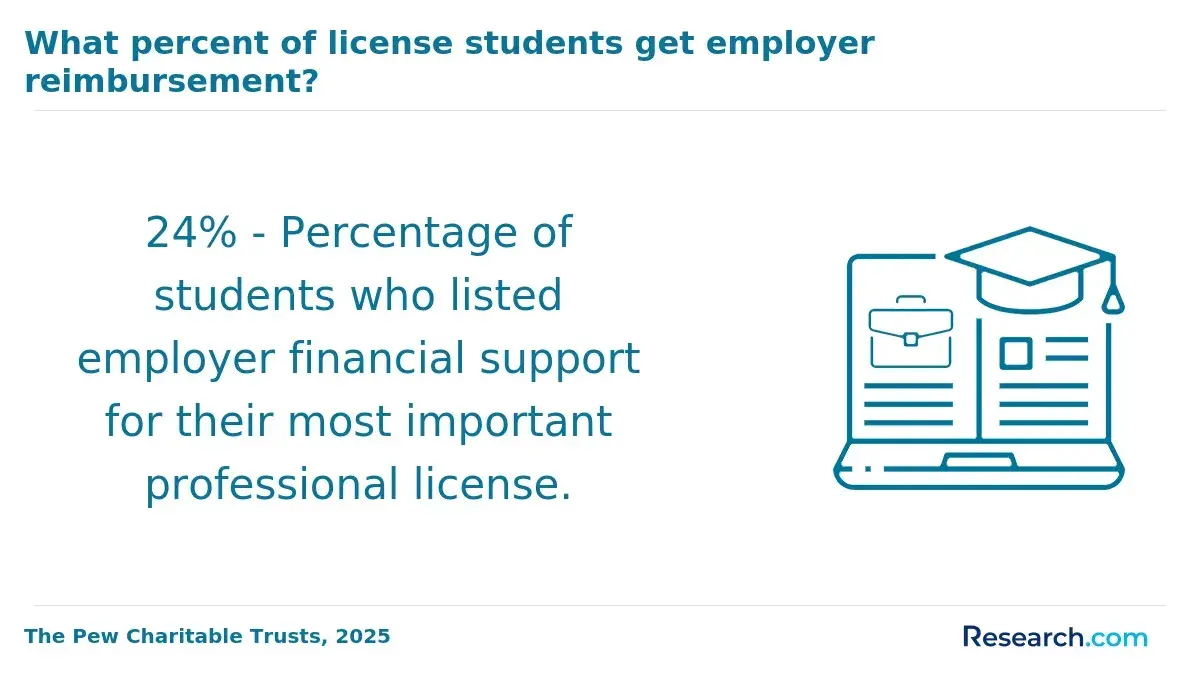
- Employer tuition assistance: Students already working in health care, education, social services, or nonprofit settings may have access to tuition reimbursement or professional development funding. Confirm eligibility, reimbursement timing, grade requirements, and repayment obligations before enrolling.
- State and local programs: Depending on location, students may find state-specific grants, workforce development programs, or loan repayment opportunities tied to service in shortage areas or underserved communities.
- Professional association funding: Counseling associations and related organizations may offer scholarships, grants, or awards for graduate counseling students. Availability often depends on membership, specialty interest, or geographic region.
Compare aid packages based on net cost, not just scholarship amounts. A larger scholarship at a higher-cost school may still leave you with more debt than a lower-cost public program. Also consider whether the program’s clinical schedule may reduce your ability to work, since lost income can be a major part of the real cost of attendance.
What Clinical Mental Health Counseling Graduates Say About Their Online Degree
- Bryson: "The online format helped me keep moving toward a counseling career without relocating, but the program still required serious time management. The clinical placement process, supervision, and skills practice were just as important as the online coursework."
- Tripp: "I originally looked for the fastest option, but I learned that licensure preparation matters more than speed. A structured online program gave me flexibility while still requiring me to build counseling skills gradually and document my practicum and internship experience carefully."
- Joshua: "The most valuable part of my online counseling degree was the connection between coursework and supervised practice. Courses in ethics, diagnosis, and evidence-based counseling made more sense once I began applying them in clinical training."
Other Things You Should Know About Pursuing One-Yeas Clinical Mental Health Counseling Degrees
Accrediting bodies like the Council for Accreditation of Counseling & Related Educational Programs (CACREP) and the Higher Learning Commission (HLC) recognize one-year online Clinical Mental Health Counseling degree programs in 2027, ensuring the programs meet the industry standards and quality criteria.
Prerequisites for one-year online Clinical Mental Health Counseling programs in 2027 often include a bachelor's degree in psychology or a related field. Some programs may require relevant work experience or completion of specific undergraduate courses in psychology or counseling.
References
- MS in Clinical Mental Health Counseling https://www.waldenu.edu/online-masters-programs/ms-in-clinical-mental-health-counseling
- Evaluation of Online Counseling through the Working Experiences of Mental Health Therapists Amidst the COVID-19 Pandemic https://pmc.ncbi.nlm.nih.gov/articles/PMC10888081/
- Tuition & Financial Aid https://online.marquette.edu/counseling/admissions/tuition-and-financial-aid
- M.A. Clinical Mental Health Counseling | CMHC Online Program https://www.thechicagoschool.edu/programs/counseling/clinical-mental-health-counseling/ma-online/
- 24+ Best Online Counseling Programs for 2025 https://onlinemftprograms.com/best-online-counseling-programs/
- Why Pursue an Online Counseling Degree? | University of Bridgeport https://www.bridgeport.edu/news/pursue-an-online-counseling-degree-now/
- 2025 Most Affordable Online Master's Degrees in Counseling https://www.onlineu.com/most-affordable-colleges/counseling-masters-degrees
- Can You Finish a Psychology Degree Online in Just One Year? https://www.counselingpsychology.org/complete-online-degree-psychology-one-year/
- ▷ What to Expect From an Accredited Online Counseling Program https://psychology-spot.com/accredited-online-counseling-program-what-to-expect/
- Embrace the future: the benefits of choosing an online CMHC program https://online.okcu.edu/clinical-mental-health-counseling/blog/the-benefits-of-choosing-an-online-cmhc-program