
2027 Most Popular Nursing Degree Programs Ranking in Detroit

Co-Founder and Chief Data Scientist
Choosing the right nursing degree program in Detroit can feel overwhelming, but you're not alone. This article features the 2027 Most Popular Nursing Degree Programs Ranking in Detroit, created by the Research.com team of data scientists to help you make an informed decision.
By exploring this ranking, you'll discover trusted programs that match your goals and aspirations. A nursing degree opens doors to a rewarding career focused on care and growth. Dive in to find the best path for your future in healthcare.
Key benefits of getting nursing degree in Detroit
- A nursing degree in Detroit can lead to rewarding salaries, with Registered Nurses earning an average annual wage of $94,480 and Operating Room Nurses making up to $128,490 annually.
- Graduates from local schools like Wayne State University enjoy diverse career paths, including roles as Public Health Nurses or Emergency Room Nurses, offering options that fit many interests and lifestyles.
- Online nursing degrees from universities such as the University of Detroit Mercy provide flexibility, allowing students to balance work and studies while earning a respected degree recognized across healthcare settings.
- 2027 Most Popular Nursing Degree Programs Ranking in Detroit
- What can I expect from nursing degree in Detroit?
- Where can I work with nursing degree in Detroit?
What can I expect from nursing degree in Detroit?
The average cost of pursuing a nursing degree in Detroit typically ranges from $8,000 to $15,000 per year for in-state undergraduate students at public institutions. Many graduates from schools like Wayne State University or Henry Ford College recall balancing tuition with financial aid and scholarships designed specifically for nursing students, which helps ease the financial burden greatly. For example, some found community colleges gave an affordable start through Licensed Practical Nurse (LPN) or Associate Degree in Nursing (ADN) programs before transitioning to a Bachelor of Science in Nursing (BSN).
It's encouraging to know that beyond tuition, these programs offer valuable clinical experiences in well-respected local health systems, turning classroom lessons into hands-on skills-something graduates often highlight as priceless. Many students also appreciate hybrid or online course options that provide flexibility, allowing them to work or care for family while pursuing their degree.
Choosing to study nursing in Detroit means investing wisely in both education and future job prospects, thanks to the city's strong healthcare connections and supportive academic pathways.
Where can I work with nursing degree in Detroit?
With a nursing degree earned right here in Detroit-whether from Wayne State University or University of Detroit Mercy-you open doors to a world of meaningful careers. Graduates often begin by joining bustling hospitals like Detroit Medical Center or Henry Ford Health System, where they find themselves swiftly adapting in fast-paced emergency rooms or comforting patients in maternity wards.
Many find joy working in outpatient clinics, enjoying more predictable hours while helping patients manage chronic conditions and learn healthier lifestyles. For those seeking rewarding, steady work, long-term care facilities and nursing homes provide a chance to care deeply for Detroit's aging population, building lasting bonds with residents.
Graduates also share that roles in community health organizations bring a special fulfillment-engaging directly with diverse neighborhoods to promote well-being and address health disparities. Others find unique opportunities in schools or correctional facilities, applying their skills in innovative environments that truly impact lives every day.
Graduates from nursing programs in Detroit can expect promising earnings as they launch their careers. For example, many recent graduates from Wayne State University's nursing program step into roles as registered nurses and quickly find themselves earning an average annual salary close to $94,480. This aligns with the mean wage for various nursing roles such as clinical nurse educators or public health nurses in the area, demonstrating a strong starting point for those dedicated to their profession.
Some graduates pursue specialized positions like operating room nurses, where the salary can rise significantly to about $128,490 per year. Picture yourself working in a bustling Detroit hospital, applying advanced skills learned during your studies and seeing your dedication rewarded with competitive pay.
Many Detroit nursing graduates share how their programs prepared them well to navigate the local healthcare scene, boosting their confidence to negotiate salaries or seek overtime opportunities that can increase annual earnings. Choosing Detroit-based schools not only offers quality education but also connects students directly with local employers eager for skilled nurses.
- Nursing programs in Detroit range from associate (ADN) to bachelor's degrees (BSN), with BSN tuition costing between $10,000 and $25,000 per year.
- Demand for registered nurses in Detroit is expected to grow by about 12% in the next decade, which is faster than the national average.
- New nursing graduates typically start with an average salary of $55,000 per year, increasing to about $75,000 within five years.
- Accreditation by CCNE or ACEN is required for nursing programs to be recognized and to qualify for the NCLEX-RN licensing exam.
- Detroit offers many clinical training opportunities through its hospitals and community health centers, providing essential hands-on experience.
Completing a nursing degree in Detroit depends on the path you choose, but the journey is always rewarding. Many students begin with LPN/LVN programs offered by local community colleges and technical schools, completing their studies in as little as 12 to 18 months. These programs quickly prepare you for entry-level nursing roles and the NCLEX-PN exam, making it a great option if you want to start working soon.
For those aiming to become registered nurses, ADN programs typically take two to three years. Graduates from schools like Wayne County Community College District often share how the mix of classroom learning and hands-on clinical experience helped them gain confidence and skills needed to pass the NCLEX-RN exam.
The traditional BSN from universities such as the University of Detroit Mercy or Wayne State University usually takes around four years, but accelerated options can shorten that to 12-18 months if you already hold a bachelor's degree. Working nurses often appreciate the flexible RN-to-BSN bridges, which can take one to three years, fitting their busy schedules while advancing their careers.
Nursing is a highly rewarding profession that offers a unique blend of personal fulfillment and financial stability, making it an attractive career choice for many in Detroit, MI. At the heart of this profession is the desire to make a meaningful difference in the lives of others, a sentiment echoed by graduates from reputable institutions such as Wayne State University. For those considering this path, exploring the best popular nursing colleges can provide invaluable insights into the quality of education and career opportunities available. The diversity of nursing roles, from bedside care to leadership positions, ensures that there is a niche for everyone, regardless of their interests or skills. Moreover, the demand for skilled nursing professionals in Detroit continues to rise, driven by an aging population and the increasing complexity of healthcare needs. This trend not only guarantees job security but also opens up avenues for career advancement and specialization. As the healthcare landscape evolves, nurses are at the forefront, driving innovation, and improving patient outcomes. Therefore, choosing nursing as a career in Detroit, MI, is a decision that promises both personal and professional growth, contributing to a fulfilling and impactful life in healthcare.
Online and on-campus nursing degrees in Detroit each offer unique paths tailored to different lifestyles and learning preferences. Graduates from Wayne State University often praise the on-campus experience for its hands-on labs and face-to-face faculty support, which build confidence in practical skills and foster a close-knit community. Imagine walking into a state-of-the-art simulation center, surrounded by peers and instructors ready to guide you through real-world scenarios.
Conversely, those who choose online programs value the flexibility to balance studies with work or family commitments. A graduate from the University of Detroit Mercy shared how accessing lectures anytime allowed them to study after shift work, though they still completed vital clinical hours at local Detroit hospitals to gain essential hands-on experience.
Both paths demand clinical placements embedded in Detroit's healthcare network, ensuring you develop bedside skills vital for licensure. The key difference is the environment: traditional campus life thrives on interaction and direct mentorship, while online learning prioritizes accessibility and self-discipline, empowering you to shape your journey around your life.
Before you can practice as a registered nurse in Detroit, MI, you must obtain licensure through the Michigan Board of Nursing and pass the NCLEX-RN. Key steps include: • Education Verification: Submit official transcripts from your accredited program to the Michigan Board of Nursing. • NCLEX-RN Registration: Register with Pearson VUE to schedule and pay for your exam; most graduates aim to test within three months of degree completion. • Fingerprinting & Background Check: Complete Michigan’s electronic fingerprinting process; results typically arrive within two to six weeks. • Application & Fees: File your licensure application online and pay the non-refundable fee (approximately $200). Once licensed, maintaining your RN credential requires: • Continuing Education (CE): Michigan mandates 25 contact hours of CE every two years; courses must cover nursing practice, management, ethics or safety. • License Renewal: Renew biennially through the Michigan eLicense system; late renewals incur additional fees. Many nurses choose to enhance their scope of practice by earning advanced credentials-such as becoming a Nurse Practitioner or pursuing a Doctor of Nursing Practice (DNP). If you’re exploring cost-effective paths to a DNP, consider the Low Cost Online Doctorate in Nursing Degree Programs Ranking in Pittsburgh, PA, which highlights flexible online options that align with Michigan’s certification requirements.
Understanding the average nursing degree cost in Detroit can help you plan your educational journey with confidence. For many local students, the in-state tuition for a Bachelor of Science in Nursing (BSN) typically averages around $24,000 for the entire program. Graduates from institutions like Wayne State University often reflect on balancing these costs with part-time work and financial aid, which can make the investment feel achievable rather than overwhelming. This practical approach to managing Detroit nursing program tuition fees speaks to the dedication many students bring to their studies and future careers.
Community colleges offering Associate Degree in Nursing (ADN) programs provide a more affordable entry point, with in-district tuition ranging closer to $5,000 to $10,000 for the full program. Students who choose this path appreciate the shorter duration and focused training, which prepares them swiftly for the NCLEX-RN exam and nursing roles. When you hear stories of recent graduates from Detroit's public colleges, their enthusiasm often centers on how manageable costs and supportive financial aid helped them achieve their goals.
Private universities in Detroit, where tuition fees can reach $30,000 to $40,000 per year, offer a different experience with deeper resources and networking opportunities. Yet, many students highlight the importance of scholarships and grants designed specifically for nursing majors to offset these tuition rates. Whether you lean toward public or private education, remember there are financial help options to explore.
Students planning their budget should also consider annual expenses like books, uniforms, and clinical fees, which can add an extra $1,500 to $3,000. For a comprehensive overview of program choices and costs, you might explore the best popular nursing colleges in Detroit to find the right fit for your ambitions.

Navigating the application process for nursing programs in Detroit requires careful planning and attention to detail. Begin by creating a master calendar of deadlines-most fall-semester intakes require materials submitted between October and December for enrollment the following August. Key steps include: 1. Research & Information Sessions – Visit university and college websites to confirm program-specific requirements and attend virtual or in-person info sessions. – Compare clinical placement opportunities and support services to find the best fit. 2. Prepare Required Documents – Official transcripts from all post-secondary institutions. – TEAS (Test of Essential Academic Skills) or HESI scores, if required. – Two to three letters of recommendation from instructors, employers, or healthcare professionals. – A personal statement addressing your motivations and career goals. – Proof of immunizations, background check clearance, and CPR certification. 3. Complete the Online Application – Use each school’s dedicated portal; some institutions may utilize a centralized application system. – Pay attention to program codes and supplemental questionnaires. – Request application fee waivers if eligible. 4. Interview & Skills Assessment – Select programs may conduct virtual or on-campus interviews to assess communication skills and fit. – Participate in situational judgment tests or clinical skills demonstrations when required. 5. Special Considerations for LPNs – Licensed Practical Nurses can often fast-track into advanced standing; for example, many applicants explore the top 6-month lpn to rn bridge program online to strengthen their application and expedite RN licensure. 6. Financial Aid & Scholarships – Complete the FAFSA by the priority deadline (usually January 1). – Apply for university scholarships and external nursing grants immediately after admission offers arrive. By mapping out each requirement and adhering to deadlines, prospective students can submit competitive applications and secure a spot in Detroit’s leading nursing programs.
When pursuing a nursing degree in Detroit, financial aid is a vital lifeline that fuels many students' journeys. Graduates from schools like Wayne State University often highlight how federal aid, obtained through the FAFSA, lifted significant burdens by unlocking Pell Grants that can cover thousands annually for those who qualify. This firsthand relief helps turn dreams into reality without overwhelming debt.
State grants and scholarships, such as Michigan's Tuition Incentive Program, offer another crucial layer of support. Many Detroit nursing students rely on these funds to offset tuition, especially when attending local colleges. Scholarships from organizations like the Michigan Nurses Foundation provide not just money but motivation, often linked to commitments to serve Detroit's communities-a rewarding way to give back while easing financial pressure.
Loan forgiveness programs are a beacon of hope for those dedicated to tackling nursing shortages in underserved Detroit neighborhoods. Knowing that working locally can reduce their student loans inspires confidence and resilience in ambitious nursing students ready to make a difference.
Choosing an accredited program and reviewing NCLEX-RN outcomes ensures you’re prepared for licensure and a successful nursing career.
- Accredited by CCNE or ACEN, Detroit’s top programs meet rigorous national standards.
- Statewide average NCLEX-RN pass rate (2025): 88%; top schools exceed 92%.
- Wayne State University: 94% first-time pass rate; University of Detroit Mercy: 91%.
- Accreditation status and pass rates directly impact employer confidence and your eligibility for advanced study-explore bsn to dnp programs for doctoral pathways.
To enroll in a nursing degree in Detroit, you'll first need a high school diploma or GED-this foundation opens the door to programs at institutions like Wayne State University or Madonna University. Graduates often share how completing courses in biology, chemistry, math, and English gave them the confidence to handle challenging nursing coursework ahead.
Many Detroit programs also require you to pass the TEAS exam, testing your skills in reading, math, science, and English. One graduate from a popular Detroit college described how preparing for this test sharpened their critical thinking, making clinical studies more manageable. Maintaining a GPA around 2.5 to 3.0 is common, reflecting your readiness for academic demands.
Volunteering at Detroit hospitals or community clinics can set you apart by showing your dedication and hands-on experience. Nursing schools also require background checks and drug screenings to ensure safety, important steps for working with vulnerable patients.
After earning your RN license in Michigan, staying current through continuing education and specialty certifications is essential. The Michigan Board of Nursing mandates 25 hours of continuing education (CE) every two years, including at least one hour in pain and symptom management. Detroit schools such as Wayne State University and the University of Detroit Mercy offer hybrid CE courses-combining online modules with hands-on simulation labs-that help you meet renewal requirements while deepening clinical competence. To advance your career, consider graduate degrees like the MSN or DNP, which prepare you for roles as Nurse Practitioners (NPs), Clinical Nurse Specialists (CNS), or Certified Registered Nurse Anesthetists (CRNAs). Coursework in advanced pathophysiology, pharmacology, and health policy readies you for national board exams administered by organizations such as the American Nurses Credentialing Center (ANCC). For those focused on mental health, specialized credentials like the Psychiatric-Mental Health NP require supervised clinical hours and successful completion of the ANCC certification exam. Cost-conscious students can research what are the cheapest online psychiatric nurse practitioner programs to compare tuition, accreditation, and faculty expertise across accredited offerings. Professional associations-including the Michigan Nurses Association and specialty chapters-provide workshops, webinars, and annual conferences that count toward CE credits and foster networking with local leaders. Topics often cover evidence-based practice, leadership development, and emerging healthcare technologies, all of which enhance your resume and readiness for high-stakes clinical environments. By integrating ongoing education and advanced certifications into your career plan, you not only comply with state regulations but also elevate your authority and marketability in Detroit’s dynamic healthcare landscape.
Nursing programs in Detroit offer a rich blend of courses that build your confidence and skills for real-world healthcare. At universities like Wayne State and other local colleges, you'll dive deep into foundational sciences such as anatomy, physiology, microbiology, and chemistry. These subjects feel challenging at first but become the backbone for understanding patient care in hospitals and clinics across Detroit.
Graduates often recall how courses like Fundamentals of Nursing, Adult Health, and Pediatric Nursing prepared them for diverse patient needs-from elderly care in Detroit's communities to newborn support in city hospitals. Mental Health Nursing and Community Health classes bring important perspectives, helping you connect with patients beyond physical symptoms, especially in Detroit's varied neighborhoods.
Hands-on clinical rotations enhance your learning, making theory come alive. Pharmacology courses sharpen your understanding of medications, vital to safe nursing practice. Plus, leadership and ethics classes remind you why your role is so important in shaping Detroit's healthcare future-graduates often speak about the pride they feel stepping into their careers well-prepared and eager to make a difference.
In Detroit, nursing degree specializations reflect the city's diverse healthcare needs and provide focused paths that empower students to make a real difference. Graduates from popular nursing programs confidently pursue areas like Family Nurse Practitioner (FNP), serving patients of all ages in community clinics across Detroit's urban landscapes. Others specialize in Psychiatric-Mental Health Nursing, addressing the critical mental health challenges many local families face. Many students drawn to colleges here find fulfillment in geriatric nursing, caring for Michigan's aging population with compassion and expertise.
Programs in pediatric and critical care nursing also stand out, offering hands-on experience in busy hospitals where students witness life-saving moments firsthand. Schools emphasize leadership tracks, encouraging future nurse educators and administrators to shape Detroit's healthcare landscape. If you want guidance on choosing a path, see what graduates say about nursing degree specializations in Detroit and consider exploring what are the cheapest online psychiatric nurse practitioner programs to plan your journey wisely.
Choosing the best nursing degree in Detroit means balancing your career goals with practical details. Graduates from Wayne State University often share that earning a Bachelor of Science in Nursing (BSN) opened doors to rewarding roles and higher salaries. The BSN's growing popularity among employers makes it a smart choice if you aim for specialized nursing positions. Many students find programs at Detroit colleges are affordable when you consider local public options versus private institutions, an important factor if you're exploring affordable nursing schools Detroit offers.
Remember to prioritize programs accredited by trusted bodies like the CCNE or ACEN, as these ensure you're prepared for the NCLEX-RN exam and your nursing license. Clinical experience comes alive in Detroit's partnerships with facilities such as the Henry Ford Health System, where students gain real-world skills that boost confidence and readiness for nursing challenges. If you need flexibility, several Detroit programs, like those at Wayne State, offer part-time or evening classes to fit your lifestyle.
Many Detroit nursing students also explore accelerated paths; you might find the top 6-month lpn to rn bridge program online a great option if time is a priority. Finally, check each school's graduation and NCLEX pass rates to gauge success-these numbers reflect the support systems that help you thrive in your studies and beyond.
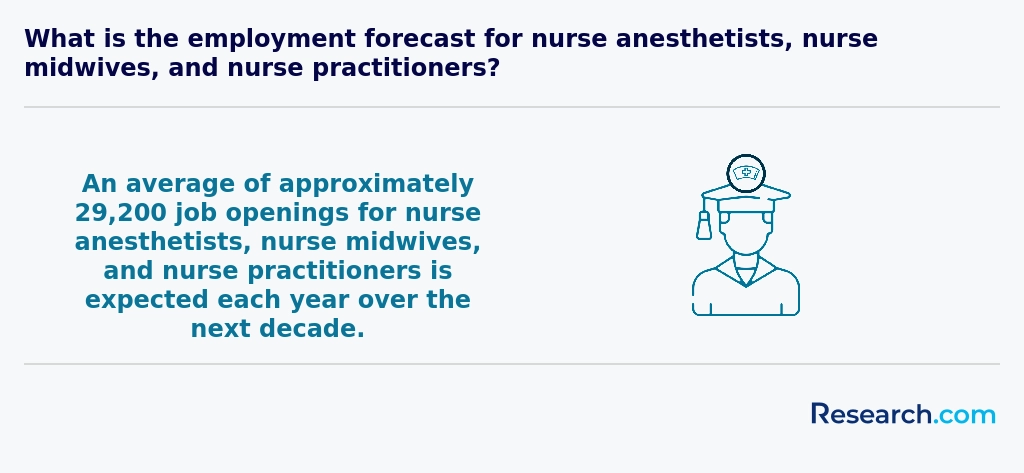
Graduates with a nursing degree in Detroit discover a wide range of rewarding career paths tailored to meet the city's healthcare needs. Many start as Registered Nurses (RNs), delivering direct patient care in major local hospitals such as Henry Ford Health System or Detroit Medical Center. These roles are fulfilling and allow nurses to thrive in fast-paced environments, coordinating treatments and supporting patients and their families. For those seeking further growth, advanced practice roles like Nurse Practitioner or Nurse Anesthetist are accessible through higher degrees, offering greater autonomy and impact.
Detroit's nursing career opportunities extend beyond hospitals. Graduates often find joy in community health nursing, outreach programs, home health nursing, or health education, where they make a tangible difference in people's daily lives. Many alumni from Detroit-area nursing schools emphasize how these diverse options align perfectly with their passions and lifestyle.
Exploring specialized fields such as pediatric or oncology nursing is also common. For students considering academia or research, opportunities abound to influence future healthcare. To navigate costs and advanced options, check resources like the Low Cost Online Doctorate in Nursing Degree Programs Ranking in Pittsburgh, PA, which can guide your educational journey effectively.
The nursing job outlook in Detroit is bright and filled with opportunity. Graduates from popular local colleges often find themselves quickly absorbed into hospital systems like Henry Ford Health System or Detroit Medical Center, where demand for skilled nurses remains high. Many nursing graduates recall starting in acute care units, gaining hands-on experience that fuels their confidence and sharpens their skills. Employment opportunities for nursing graduates Detroit-wide are growing steadily, supported by a 12% job growth projection through 2030, which aligns closely with national trends.
Nursing students here benefit from a community eager to support its healthcare workforce, especially as Detroit's aging population increases the need for specialized care in settings such as rehabilitation centers and nursing homes. The career paths of local graduates often include advancement through certifications and specialization, enhancing both job satisfaction and salary prospects. For those balancing costs with future earnings, public universities in Michigan offer affordable tuition, making nursing a smart investment. Exploring highest paying 6 month online certifications can also complement your nursing education and boost employment chances.
2027 Most Popular Nursing Degree Programs Ranking in Detroit
Investing in your education is a significant decision that can shape your future, and the Research.com team recognizes the importance of making well-informed choices. To support aspiring nursing professionals, we have carefully developed the "2027 Most Popular Nursing Degree Programs Ranking in Detroit." Our dedication to quality, credibility, and accuracy is demonstrated through thorough research and detailed analysis conducted during the ranking's creation.
We utilized the following reputable data sources to ensure a comprehensive evaluation of nursing programs:
By reviewing this ranking, readers will gain valuable insights into the most popular and reputable nursing degree programs in Detroit, helping guide their educational and career decisions. For a detailed overview of how this ranking was compiled, please visit our Research.com methodology page.


Frequently Asked Questions About nursing
Students pursuing nursing degrees in Detroit can enhance their learning by engaging actively in clinical placements offered by local hospitals such as Henry Ford Health System and Detroit Medical Center. These institutions provide hands-on experience that complements classroom education. According to the Michigan Center for Nursing, practical exposure increases confidence and skill retention among nursing students. Incorporating simulation labs available at Detroit-area universities also helps in refining critical decision-making and technical skills in a controlled environment.
Networking with healthcare professionals and joining student nursing organizations can expand career opportunities. Additionally, utilizing Detroit Public Library's health databases supports academic research. Time management and seeking faculty mentorship further optimize academic success in the demanding nursing curriculum.
Emerging niches within the nursing field in Detroit reflect broader trends across the United States but also respond to local healthcare needs. One significant area is geriatric nursing, driven by Detroit's aging population, where specialized care for seniors is increasingly important. According to the Michigan Department of Health and Human Services, Detroit's senior demographic is growing faster than the state average, creating demand for nurses skilled in elder care.
Another growing specialty is psychiatric-mental health nursing, addressing the rising awareness of mental health issues. Detroit's community health networks have emphasized expanding access to mental health services, increasing opportunities in this sector.
Additionally, telehealth nursing is expanding rapidly, allowing nurses to provide remote care amid Detroit's urban and suburban mix. This niche leverages technology to reach underserved areas efficiently.
Graduates with a nursing degree in Detroit should begin job market preparation by obtaining their Registered Nurse (RN) license through successful completion of the NCLEX-RN exam, a mandatory step across the US. Detroit's healthcare sector is growing, with a 10% increase in nursing job openings expected between 2022 and 2032, according to the Bureau of Labor Statistics. Networking through local nursing associations such as the Detroit Regional Nursing Network can provide valuable contacts and job leads. Additionally, gaining clinical experience through internships or residency programs in Detroit hospitals strengthens practical skills and resumes.
Continuing education and certifications in specialties like geriatrics or critical care can further improve employment prospects. Familiarity with electronic health records (EHR) systems, common in Detroit-area hospitals, adds another advantage. Finally, leveraging career services offered by Detroit universities helps graduates access job fairs and employer connections specific to the region.
Employers in Detroit seek nursing graduates with strong clinical skills and the ability to provide compassionate patient care. Proficiency in medical technologies, such as electronic health records (EHR), is increasingly important, as noted by the Michigan Center for Nursing. Communication skills also rank highly, enabling nurses to effectively collaborate with healthcare teams and interact with diverse patient populations. Critical thinking is essential for evaluating patient conditions and making quick, informed decisions. Additionally, knowledge of local health challenges, like chronic diseases prevalent in Detroit, gives graduates an advantage. These skills align with the competencies required for licensure and employment in Michigan's growing healthcare sector.
Finding internships in Detroit relevant to a nursing degree involves several practical steps. Start by engaging with nursing schools like Wayne State University, which often partner with local hospitals for clinical placements. The Detroit Medical Center and Henry Ford Health System are two leading healthcare providers that offer internships and clinical experience for nursing students.
Students should utilize career services at their institutions, where dedicated advisors assist in securing internships. Additionally, checking online job boards such as the Michigan Health & Hospital Association website can provide updated internship listings tailored to nursing.
Networking through local nursing associations like the Detroit Chapter of the Michigan Nurses Association can also open internship opportunities. These organizations frequently post openings and hold events to connect students with healthcare professionals.
Obtaining a nursing degree in Detroit significantly enhances career mobility and advancement opportunities. Registered Nurses (RNs) with at least an Associate Degree in Nursing (ADN) can access diverse healthcare settings, but a Bachelor of Science in Nursing (BSN) greatly improves chances for leadership roles and specialized practice. According to the Michigan Center for Nursing, the demand for BSN-prepared nurses in Detroit has increased by over 15% in recent years.
Employers such as Detroit Medical Center and Henry Ford Health System increasingly prefer candidates with BSN degrees for better patient outcomes and eligibility for higher salaries. Advanced degrees like a Master of Science in Nursing (MSN) can lead to roles in administration, education, and advanced clinical practice, further broadening career paths.
Studying for a nursing degree in Detroit equips students with essential skills for interdisciplinary roles in healthcare. Programs in the city emphasize collaboration among nurses, physicians, social workers, and other healthcare professionals to improve patient outcomes. According to the Michigan Department of Health and Human Services, Detroit's nursing curricula often include simulation labs and clinical rotations in diverse hospital settings, fostering teamwork and communication skills.
Detroit-area nursing schools incorporate training on healthcare technologies and evidence-based practices, preparing graduates to contribute effectively within multidisciplinary teams. With Detroit's growing healthcare sector, students gain exposure to urban health challenges, enabling them to address complex patient needs alongside various specialists.
When choosing between a thesis and a non-thesis nursing degree program in Detroit, consider your career goals. Thesis programs emphasize research and prepare students for roles in academia or advanced clinical research. Non-thesis options focus on practical skills and coursework, suitable for those aiming to enter or advance in clinical practice quickly.
Detroit's nursing programs often reflect this divide, with thesis tracks usually requiring a formal research project. According to the Michigan Center for Nursing, nearly 60% of local nursing graduates pursue clinical roles where non-thesis tracks suffice.
Evaluate your interest in research, time availability, and long-term plans before deciding.
Students in Detroit interested in studying nursing abroad have several pathways to consider within the US higher education framework. While Detroit itself offers robust nursing programs, those seeking international study often explore exchange programs or partnerships through local universities. For example, Wayne State University, a major Detroit institution, occasionally participates in study abroad initiatives that allow nursing students to gain clinical experience internationally.
Additionally, students can pursue nursing degrees abroad by transferring credits or enrolling directly in foreign institutions recognized by US accreditation bodies. It is essential to verify any international program's compatibility with US nursing licensure requirements, managed by the National Council of State Boards of Nursing.
According to the Michigan Center for Nursing, 17.3% of nursing students in Michigan consider global clinical experiences valuable for career development, influencing Detroit-based applicants.
Students pursuing nursing degrees in Detroit have several part-time job opportunities that enhance their education and practical experience. Common roles include patient care technician, medical scribe, and home health aide, which provide hands-on experience in clinical settings. According to the Michigan Department of Labor and Economic Opportunity, healthcare support jobs in Detroit are projected to grow by over 10% through 2028, reflecting strong demand.
Working in hospitals or community clinics allows students to develop clinical skills while balancing study schedules. Additionally, roles in pharmacies or medical offices help improve understanding of healthcare systems and patient interaction. These jobs complement nursing education by offering relevant, practical experience alongside academic training.
Nursing students in Detroit benefit from robust networking opportunities through local healthcare institutions and professional organizations. For example, Detroit's Henry Ford Health System and Detroit Medical Center offer clinical placements that connect students with practicing nurses and medical staff. These experiences often lead to mentorship and job referrals.
Additionally, the Michigan Nurses Association hosts events and workshops in Detroit, promoting professional growth and peer connections. According to the Bureau of Labor Statistics, Michigan expects a 12% increase in registered nursing jobs through 2031, highlighting the importance of networking for career advancement in this growing field.
Local nursing schools also organize career fairs and alumni events, providing students with direct access to employers across Detroit's healthcare sector.
Alumni networks offer nursing degree students in Detroit valuable connections that can enhance their educational and professional journey. These networks provide access to mentorship opportunities, helping students learn from experienced nurses who graduated from local programs. According to the Michigan Nurses Association, mentorship significantly improves clinical skills and job readiness among new graduates.
Furthermore, alumni networks often share exclusive job openings in Detroit's healthcare system, which is one of the largest in Michigan, employing over 40,000 nurses statewide. Networking events and workshops organized by alumni groups also support career growth by fostering professional relationships.
Students gain insights into licensing and certification processes through alumni guidance, improving their chances of successful employment after graduation.
Customizing a nursing degree program in Detroit allows students to align their education with specific career goals. Many local universities offer flexible tracks, such as Licensed Practical Nurse (LPN) to Registered Nurse (RN) bridge programs, or Bachelor of Science in Nursing (BSN) completion options tailored for working professionals. Elective courses in specialties like gerontology or pediatric nursing provide focused knowledge relevant to Detroit's healthcare needs.
Clinical placements in Detroit hospitals and community health centers, including the Detroit Medical Center, give practical experience specific to local populations. According to the Michigan Center for Nursing, programs incorporating such options report higher job placement rates within the region.
Nursing students in Detroit commonly face significant challenges related to clinical placement availability. Due to high demand, securing quality clinical hours in hospitals can be competitive, impacting hands-on experience. According to the Michigan Center for Nursing, the city has seen increased enrollment in nursing programs but limited clinical sites.
Financial stress is also prevalent. Many students balance coursework with part-time jobs, as tuition and living expenses in Detroit average around $15,000 annually for in-state residents, according to the National Center for Education Statistics.
Additionally, high academic workload and rigorous testing pose difficulties. Students must master complex medical knowledge and skills to meet NCLEX licensing exam standards, which have a pass rate near 85% statewide but fluctuate between institutions.
With a nursing degree in Detroit, graduates can pursue several professional certifications to advance their careers. Popular certifications include the Registered Nurse (RN) license, which is required to practice nursing statewide.
Beyond the RN license, nurses may seek specialty certifications such as Certified Nurse Assistant (CNA), Certified Medical-Surgical Registered Nurse (CMSRN), or Critical Care Registered Nurse (CCRN). These credentials demonstrate expertise in specific areas and improve job opportunities.
According to the Michigan Board of Nursing, Detroit-based nurses have access to certification programs endorsed by the American Nurses Credentialing Center (ANCC) and other reputable bodies.
Certification requirements often include passing standardized exams, completing clinical hours, and maintaining continuing education credits.
Applying for a nursing program in Detroit requires careful preparation and attention to detail. Start by researching local schools, such as Wayne State University and University of Detroit Mercy, which offer respected nursing degrees. Strong academic records, especially in science and math courses, are essential since Detroit nursing programs are competitive and typically expect GPAs above 3.0. Include relevant healthcare experience, like volunteering or working in clinics, to demonstrate commitment.
Detroit's nursing schools often require applicants to submit standardized test scores, such as the TEAS exam, to assess readiness.
Craft a clear personal statement explaining your motivation to serve Detroit's diverse communities and address local healthcare challenges, supported by recent data from the Michigan Department of Health and Human Services showing continued demand for nurses in the region.
The nursing profession holds a respected position worldwide, with demand consistently growing due to aging populations and increased healthcare needs. In the United States, including Detroit, registered nurses are expected to grow by 6% from 2021 to 2031, according to the U.S. Bureau of Labor Statistics. Globally, nursing careers offer diverse opportunities, from clinical roles to leadership and research. Detroit's nursing programs emphasize preparing students for these varied paths by aligning education with international standards such as those from the World Health Organization. This global viewpoint highlights nursing as a vital, adaptable career with both local and international relevance.
Gaining practical experience while studying for a nursing degree in Detroit is essential for building clinical skills and meeting licensure requirements. Most nursing programs in the area, including those at Wayne State University and University of Detroit Mercy, integrate clinical rotations in local hospitals and healthcare facilities. Students typically complete 500 to 1,000 hours of supervised clinical practice through partnerships with Detroit medical centers such as Henry Ford Health System and Detroit Medical Center.
Additionally, students can enhance experience by participating in simulation labs, community health initiatives, and internships. Volunteering at healthcare nonprofits also provides valuable exposure. According to the Michigan Board of Nursing, hands-on clinical hours are mandatory for successful program completion and state licensing.
Choosing the right concentration within a nursing degree program in Detroit begins with understanding local healthcare needs. Detroit's aging population and high rates of chronic illnesses have increased demand for specialties like geriatric nursing and community health. According to the Michigan Department of Health and Human Services, these areas offer strong job prospects.
Students should also consider the program's clinical placement opportunities. Detroit hospitals often collaborate with nursing schools to provide practical experience in critical care, pediatrics, and psychiatric nursing.
Finally, assess your career goals and interests, balancing passion with labor market trends. Research from the Detroit Regional Workforce Intelligence Network highlights growing openings in bedside nursing and nurse management roles.
- 2027 Most Popular Nursing Degree Programs Ranking in Cleveland
- 2027 Most Popular Nursing Degree Programs Ranking in Columbus
- 2027 Most Popular Nursing Degree Programs Ranking in Pittsburgh
- 2027 Most Popular Nursing Degree Programs Ranking in Cincinnati
- 2027 Most Popular Nursing Degree Programs Ranking in Chicago
- 2027 Most Popular Nursing Degree Programs Ranking in Indianapolis
- 2027 Most Popular Nursing Degree Programs Ranking in Rochester
- 2027 Most Popular Nursing Degree Programs Ranking in Louisville
- 2027 Most Popular Nursing Degree Programs Ranking in Peoria
- 2027 Most Popular Nursing Degree Programs Ranking in Washington
See What Experts Have To Say About Studying Nursing
Read our interview with Nursing experts

Lisa Grubb
Nursing Expert
Assistant Professor
Johns Hopkins School of Nursing

- 10 Nursing Fields That Are Growing in Demand https://promedcert.com/blog/10-nursing-fields-that-are-growing-in-demand
- How to Write https://esign.com/letter-of-intent/school/nursing/
- Tips for Creating a Perfect Nursing School Application https://www.allnursingschools.com/articles/how-to-create-the-perfect-nursing-school-application/
- Search our Job Opportunities at TENET https://jobs.tenethealth.com/employment/detroit-nursing-jobs/30315/1673/6252001-5001836-5014227-4990729/4
- Reviving Health in Motown's Heartbeat https://www.nurserecruiter.com/michigan/detroit
- What Are the Best Jobs to Work While in Nursing School? https://www.dewv.edu/what-are-the-best-jobs-to-work-while-in-nursing-school/
- Nursing - WSEI University https://www.wsei.pl/en/admission/bachelors-degree/nursing-bachelor-degree/
- | NRR | Dove Medical Press https://www.dovepress.com/internship-challenges-encountered-by-nursing-students-a-qualitative-st-peer-reviewed-fulltext-article-NRR
- What Nursing Concentration Is Right for Me? | Maryville Nursing https://nursing.maryville.edu/blog/what-nursing-concentration-is-right-for-me
- From our readers…Strengthening nursing networks https://www.myamericannurse.com/from-our-readersstrengthening-nursing-networks/


