
2027 Most Popular Nursing Degree Programs Ranking in Cincinnati

Co-Founder and Chief Data Scientist
Choosing the right nursing degree program is a big step toward a rewarding career in healthcare. If you're in Cincinnati and looking to make that choice easier, this article is for you.
The 2027 Most Popular Nursing Degree Programs Ranking in Cincinnati was created by the Research.com team of data scientists to help students like you find programs that truly stand out.
By exploring this guide, you'll discover valuable insights that can boost your confidence and help you make an informed decision about your education and future.
Key benefits of getting nursing degree in Cincinnati
- Graduates with a nursing degree in Cincinnati can expect competitive salaries, such as $94,480 annually for Registered Nurses and Public Health Nurses, while specialized roles like Operating Room Nurses offer higher wages around $128,490.
- A nursing degree opens diverse career paths in Cincinnati, including roles in hospitals, community health, and education, inspired by successful alumni from the University of Cincinnati's nursing program.
- Completing a nursing degree online through a Cincinnati-based program offers flexibility for busy students, allowing them to balance work and study while gaining the same valuable credentials as traditional methods.
- 2027 Most Popular Nursing Degree Programs Ranking in Cincinnati
- What can I expect from nursing degree in Cincinnati?
- Where can I work with nursing degree in Cincinnati?
What can I expect from nursing degree in Cincinnati?
The average cost of earning a nursing degree in Cincinnati typically ranges between $10,000 and $30,000 per year, depending on the school and program you choose. For example, many students attending well-known schools like the University of Cincinnati find the investment worthwhile because of the strong hands-on training and clinical opportunities available nearby. Graduates often mention how the cost feels manageable once they experience the real-life nursing practice in major local hospitals-it's like paying for a skill set that immediately opens doors in a bustling healthcare job market.
Community colleges offering Associate Degrees in Nursing (ADN) tend to be more affordable, which is great for those looking to keep costs low while getting solid preparation for the NCLEX-RN exam. Students going for a Bachelor of Science in Nursing (BSN) might spend a bit more, but they often appreciate the extra leadership and research skills they gain that can boost their career prospects. The overall vibe from graduates is that Cincinnati's nursing programs provide great value for money, balancing quality education with local healthcare industry connections.
Where can I work with nursing degree in Cincinnati?
If you earn a nursing degree in Cincinnati, you're stepping into a city packed with healthcare job options. Graduates from the University of Cincinnati and other popular local schools find themselves working in big hospitals like Cincinnati Children's or Mercy Health, where you might be helping in emergency rooms, pediatrics, or cancer care units. It's a fast-paced environment that makes your work feel meaningful every day.
Some graduates love the idea of getting closer to patients and choose outpatient clinics or community health centers, like those in the TriHealth Network. These places often offer more regular hours and the chance to build real connections with people over time.
Others enjoy the stability of long-term care facilities or home healthcare agencies, where you can provide support in nursing homes or patient homes. It's pretty rewarding knowing you're making a difference in people's daily lives, especially with Cincinnati's growing aging population.
Plus, if you studied locally, you might even end up teaching or researching nursing yourself at places like the University of Cincinnati, helping train the next generation of nurses.
If you're wrapping up a nursing degree in Cincinnati, you're probably wondering, "How much can I actually make around here?" Well, grads from popular local schools like the University of Cincinnati's College of Nursing or Mount St. Joseph University often start out with salaries close to $55,000 to $60,000 a year, which feels pretty solid when you're fresh out of school.
As you gain experience, those numbers get way better. Registered Nurses around Cincinnati have a mean annual wage of about $94,480, according to the latest data. This matches up nicely with what you'll hear from clinical nurse educators and public health nurses-many of whom started right where you are now.
And if you go for specialized roles? Things get even sweeter. Operating Room Nurses, for example, earn around $128,490 a year on average. That extra cash can make all the difference, especially if you're thinking about working in busy hospitals like Cincinnati Children's or UC Health, where demand for skilled nurses is constant.
- Cincinnati offers nursing programs ranging from Associate Degree in Nursing (ADN) to Bachelor of Science in Nursing (BSN) at universities and community colleges.
- ADN tuition typically ranges from $5,000 to $8,000 per year for in-state students, while BSN programs cost between $10,000 and $15,000 annually.
- Entry-level nurses in Cincinnati earn an average annual salary of about $62,000, with experienced nurses making over $80,000.
- Nursing job growth in Cincinnati is projected to increase by approximately 15% by 2030 due to population growth and healthcare needs.
- Graduates must pass the NCLEX-RN exam to become registered nurses in Ohio, and local programs often provide clinical experience aligned with state regulations.
If you're thinking about nursing school in Cincinnati, the time it takes really depends on the path you pick. For example, many students jump into an Associate Degree in Nursing (ADN) at places like Cincinnati State Technical and Community College, which typically wraps up in about two years. Graduates often say it's a great way to start working quickly and gain hands-on experience.
On the other hand, if you want a deeper dive and more career options, a Bachelor of Science in Nursing (BSN) at universities like the University of Cincinnati or Xavier University will take around four years. Many grads feel proud of the well-rounded training and say it opens more doors for leadership roles later.
For those switching careers, accelerated BSN programs at the University of Cincinnati pack everything into 12 to 18 intense months. It's fast, challenging, but totally doable - and perfect if you want to hit the ground running.
Choosing an accredited program ensures quality education and eligibility for licensure in Ohio.
- Regional accreditation by the Higher Learning Commission (HLC) validates overall institutional quality
- Programmatic accreditation from the Commission on Collegiate Nursing Education (CCNE) or Accreditation Commission for Education in Nursing (ACEN) confirms nursing standards
- Approval by the Ohio Board of Nursing is required for all clinical and licensure requirements
NCLEX-RN Pass Rates in Cincinnati (2023 data):
- University of Cincinnati: 92%
- Xavier University: 89%
- Cincinnati State Technical and Community College: 85%
Strong licensure outcomes reflect program rigor and student preparedness. For advanced pathways after earning your BSN, explore bsn to dnp programs.
If you're thinking about nursing degrees in Cincinnati, the big difference between online and on-campus programs usually comes down to how you learn and where. Students at places like the University of Cincinnati love the buzz of attending classes in person, getting hands-on practice in simulation labs, and working directly with local hospitals during clinicals. That face-to-face mentoring and study group vibe really helps many feel confident and connected.
On the flip side, online nursing students often cherish the flexibility of studying from home or even at work. It's a game-changer for those juggling jobs or family stuff. But don't expect to skip clinical hours - even online programs in Cincinnati usually require in-person clinicals, which means lining up local healthcare spots for real-world experience.
Graduates often say the choice depends on what feels right for you: whether it's campus energy and direct support or taking control of your schedule while still getting solid clinical exposure nearby.
Ensuring your nursing program is properly accredited and leads to licensure in Ohio is critical for both educational quality and career success. Accredited programs meet rigorous standards set by bodies such as the Accreditation Commission for Education in Nursing (ACEN) or the Commission on Collegiate Nursing Education (CCNE). In Cincinnati, reputable schools like the University of Cincinnati and Xavier University hold CCNE accreditation, guaranteeing that curricula, faculty credentials, clinical partnerships, and student outcomes align with national benchmarks. Before applying, always verify a program’s accreditation status on the Ohio Board of Nursing website to confirm state board approval and eligibility to sit for the NCLEX-RN exam. Program accreditation directly influences NCLEX-RN pass rates, which in Cincinnati often exceed the national average of 86%. High pass rates not only reflect strong academic preparation but also enhance employment prospects, as many healthcare employers require graduates from accredited institutions. Prospective students should review each school’s most recent NCLEX outcomes and graduation statistics-key indicators of a program’s effectiveness and commitment to student success. After graduation, all nursing graduates must complete the NCLEX-RN licensure exam to practice in Ohio. The Ohio Board of Nursing recommends registering for the exam within six weeks of degree conferral. It typically takes 2–4 weeks to receive official scores, after which successful candidates can apply for their provisional license. Maintaining licensure requires 24 contact hours of continuing education every two years, reinforcing lifelong learning and adherence to evolving standards of care. For Licensed Practical Nurses (LPNs) seeking to advance quickly, bridge pathways offer an efficient route to RN licensure. Consider exploring 6-month online lpn to rn bridge programs-many of which hold both ACEN and state approval-to accelerate your education and take the NCLEX-RN sooner. By selecting an accredited, board-approved program and staying informed on licensure requirements, you’ll position yourself for a seamless transition from student to practicing nurse in Cincinnati’s dynamic healthcare landscape.
When it comes to the average nursing degree cost in Cincinnati, you'll find it varies quite a bit depending on where you study and whether you're in-state or out-of-state. On average, if you're a local student, you might expect the total cost to be around $17,400 for your degree. This is a lot friendlier on your wallet compared to what out-of-state students often pay, which can be nearly three times higher, topping out around $48,000.
Many nursing students in Cincinnati choose to study at well-known schools like the University of Cincinnati, where in-state tuition keeps costs manageable. Graduates often share how balancing tuition and daily expenses gave them real motivation to secure scholarships or work part-time. On the other hand, if you're leaning toward private colleges such as Xavier University or Mount St. Joseph University, the price tag for tuition can jump significantly, sometimes nearing the $100,000 mark for the full program.
Besides tuition, remember to budget for textbooks, lab fees, and clinical supplies. These extra costs can add up but planning ahead keeps things less stressful. Many students have found that financial aid and scholarships can be a real lifesaver when tackling the cost of nursing programs Cincinnati offers.
For a clearer picture of the best popular nursing colleges in Ohio and to explore your options further, check out best popular nursing colleges.

When budgeting for nursing school in Cincinnati, OH, it’s important to weigh program quality against tuition expenses. While ADN programs here range from $23,900 to $66,320 and BSN pathways can total $89,556 to $211,392, some students may benefit from exploring cost-effective out-of-state options. For those seeking more budget-friendly programs without sacrificing accreditation or clinical rigor, consider our Low Cost Nursing Degree Programs Ranking in Alabama, where ADN and BSN tuition often falls 20–40% below national averages. Key considerations when comparing nursing program costs:
- Tuition vs. Living Expenses: Alabama’s lower cost of living can offset non-resident fees, making overall expenses comparable to in-state rates in Ohio.
- Financial Aid Availability: Many Alabama schools offer competitive scholarships and loan forgiveness programs, similar to those in Cincinnati, ensuring you maximize aid regardless of location.
- Clinical Partnerships: Verify that out-of-state programs provide local clinical rotations or established hospital affiliations to meet state licensure requirements without additional travel costs.
- NCLEX Pass Rates: Always compare board exam pass rates-programs with over 90% first-time NCLEX success demonstrate strong academic support and prepare you effectively for licensure. By strategically comparing tuition, financial aid, and program outcomes, you can identify nursing schools that align with both your career ambitions and your budget.
If you're planning to study nursing in Cincinnati, you'll be glad to know there's a solid mix of financial aid options to ease the cost. Many nursing students attending schools like the University of Cincinnati or Mount St. Joseph University start by applying for federal aid through FAFSA. Pell Grants, which don't need to be paid back, can cover up to $7,395 a year, making a huge difference for folks juggling tuition and living expenses.
Graduates often mention how those Direct Subsidized and Unsubsidized Loans helped them focus on their studies without stressing over high-interest costs. Plus, if you're pursuing a graduate nursing program, Direct PLUS Loans could be a helpful extra.
State-funded help like the Ohio College Opportunity Grant is a lifesaver for low-income students enrolled at public colleges in Cincinnati, cutting down tuition bills significantly. And don't forget local scholarships from places like the Greater Cincinnati Foundation, which many nursing students tap into for extra support.
Some students also share how their jobs at local hospitals came with tuition reimbursement perks. It's a win-win-you get to work and earn experience while they chip in for your education!
Pursuing a nursing degree in Cincinnati, OH, is a strategic decision that can lead to a fulfilling and rewarding career in healthcare. By choosing to enroll in one of the city's esteemed nursing programs, such as those offered by the University of Cincinnati or Xavier University, students can gain access to cutting-edge facilities, expert faculty, and diverse clinical experiences. This comprehensive education not only prepares students for the technical aspects of nursing but also instills a deep sense of compassion, empathy, and commitment to patient care. For those interested in exploring the best nursing programs, considering factors such as curriculum, accreditation, and graduate outcomes is crucial. Additionally, understanding the job market and salary potential can help prospective students make informed decisions. To find the most suitable program, it's essential to research and compare different options, and for those looking for a starting point, visiting best popular nursing colleges can provide valuable insights into the most reputable nursing programs in the area.
If you're thinking about diving into a nursing degree in Cincinnati, getting your basics right is key. Most programs here want you to have finished high school or got your GED, which is pretty standard. But it's not just about having a diploma-schools love it when you've tackled science and math classes like biology, chemistry, and algebra during high school. It really shows you're ready for the tough stuff ahead.
For those aiming for a BSN, many local schools-like the ones students rave about around Cincinnati-ask for a few college courses first. Think anatomy, physiology, microbiology, and stats. One graduate shared how nailing these prereqs made the jump into nursing classes way smoother and kept stress levels low.
Oh, and don't forget about tests! Some programs want SAT or ACT scores, though a few have gotten more flexible lately. Plus, many schools require passing the TEAS exam, which tests your skills in reading, science, math, and English. It might sound scary, but passing it feels like your golden ticket.
A GPA between 2.5 and 3.0 is usually expected, and having some hands-on experience, even volunteering at local hospitals, can really make your application pop. Plenty of grads say that practical experience helped them feel confident and connected before classes even started.
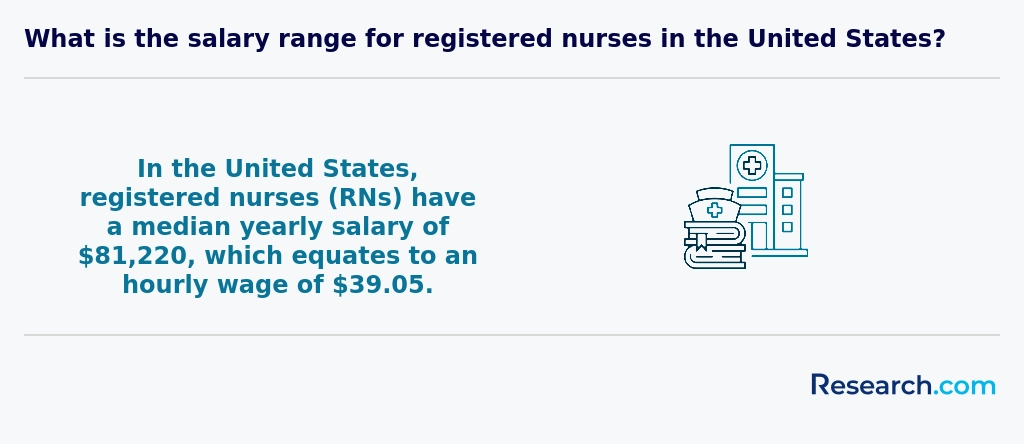
Before beginning your professional nursing career in Cincinnati, OH, it’s essential to understand the state licensure process and national certification pathways that ensure you meet both legal and quality standards. Here’s what you need to know: 1. NCLEX-RN Examination – Eligibility: Graduates must have completed an accredited ADN or BSN program and received a program completion or graduation verification. – Registration: Apply through the Ohio Board of Nursing and register with Pearson VUE, paying the exam fee (approximately $200). – Exam Structure: The NCLEX-RN consists of 75–145 adaptive questions covering Safe and Effective Care, Health Promotion, Physiological Integrity, and Psychosocial Integrity. – Results and Timeline: Authorization to Test (ATT) takes 2–3 days after application, and results are released in 2–6 weeks. 2. State Licensure in Ohio – Application: Submit an online application to the Ohio Board of Nursing, including a background check, official transcripts, and NCLEX results. – Fees & Renewal: Initial licensure costs $80, with biennial renewal fees of $80 plus continuing education (CE) requirements-24 contact hours every two years. – Endorsement: If you hold a license from another state, apply for endorsement by submitting proof of active licensure and NCLEX passage. 3. Advanced Practice Certifications – Nurse Practitioner (NP): After earning an MSN or DNP, obtain national certification through ANCC or AANP. – Specialty Exams: For roles like Psychiatric Mental Health NP, pass the PMHNP-BC exam and fulfill 30 hours of psychiatric CE credits every 5 years. – Program Selection: For those pursuing a Psychiatric Mental Health NP track, consider exploring the most affordable online psychiatric nurse practitioner programs to align cost-effective education with certification prerequisites. By mastering licensure and certification requirements early, you’ll streamline your entry into the workforce and set a strong foundation for continuing education and professional growth.
If you're thinking about nursing degrees in Cincinnati, expect courses that mix science with real-world care skills. Graduates from popular local schools often mention how anatomy and physiology helped them truly understand how the human body works, making patient care feel more meaningful. Microbiology classes, for example, show you why keeping infections in check is such a big deal in hospitals around Cincinnati.
Courses like pharmacology and pathophysiology get you comfortable with meds and how diseases affect the body - skills you'll use daily in clinics or hospitals here. Students also dive into health assessment and medical-surgical nursing, where they practice hands-on patient checks and learn to manage conditions from minor illnesses to serious surgeries.
Some graduates recall how pediatric and maternal nursing courses prepared them to care for families, while mental health classes opened their eyes to challenges patients face emotionally. Cincinnati's community health nursing courses reflect the city's public health needs, helping students work confidently in local clinics. Plus, leadership classes get you ready to lead teams once you're working.
Lastly, the clinical practicums in Cincinnati hospitals are where everything clicks - that's where students turn their book knowledge into life-saving skills, making the whole experience feel rewarding and exciting.
If you're diving into nursing degree specializations in Cincinnati, you'll find plenty of options that really match the city's healthcare vibe. Graduates from local colleges often talk about how Pediatric Nursing stands out, especially with Cincinnati Children's Hospital nearby offering hands-on experience with kids and teens. Many also opt for Adult-Gerontology Nursing since caring for older adults is a big part of healthcare here and across Ohio.
Some students find psychiatric-mental health nursing especially rewarding, and you can even explore most affordable online psychiatric nurse practitioner programs if you want to take a flexible path. Cincinnati's nurses also get great exposure to critical care nursing, thanks to top hospitals like UC Health and Mercy Health, which is perfect if you love fast-paced, intense environments.
Community health is another popular pick, letting students connect with diverse populations around the city, focusing on prevention and wellness. These best nursing programs Cincinnati specialties really prepare you for a variety of roles and make sure you get solid clinical practice right here at home.
When choosing the best nursing degree in Cincinnati, one big thing to look at is accreditation. Graduates from schools like the University of Cincinnati often share how having a degree recognized by the Commission on Collegiate Nursing Education (CCNE) gave them confidence going into the NCLEX-RN exam and job interviews. It's reassuring to know your program meets solid standards.
Cost matters too, especially if you're searching for affordable nursing schools Cincinnati offers. Many students talk about how community colleges helped them save money on tuition while still getting great hands-on experience with local hospitals. Plus, don't forget to factor in other expenses like books and supplies.
Real-world training is critical - Cincinnati programs usually have strong partnerships with nearby healthcare facilities where you can get actual patient care practice. This practical experience made former students feel ready to jump right into nursing roles.
If you want a faster track, check out 6-month online lpn to rn bridge programs, which some graduates found incredibly flexible without sacrificing quality.
Finally, look at outcomes like NCLEX pass rates-programs with higher rates often mean better support and teaching, which a lot of local students appreciate when deciding on the best nursing degree programs in Cincinnati.

If you're looking into nursing career opportunities in Cincinnati, there's quite a variety waiting for you once you graduate. Many grads from popular nursing programs around the city find themselves working as registered nurses in hospitals or outpatient clinics, gaining hands-on experience in areas like emergency care or pediatrics. These roles are in high demand here, making the job prospects quite promising.
Some graduates take their careers further by becoming Nurse Practitioners or Clinical Nurse Specialists, stepping into more advanced roles that often come with bigger paychecks and more responsibilities. Others choose public health nursing, working on community wellness projects around Hamilton County, which feels rewarding for those who want to make a direct impact outside traditional hospital walls.
Plus, for those worried about costs, Cincinnati's universities offer competitive tuition rates compared to the average, and if you're curious about affordable options in the region, check out this Low Cost Nursing Degree Programs Ranking in Alabama for ideas. Overall, studying nursing here gives you a solid foundation and plenty of doors to open.
So, whether you dream of bedside care, healthcare leadership, or community work, nursing grads in Cincinnati have plenty of exciting paths to explore.
The nursing job outlook in Cincinnati is looking pretty strong right now. Graduates from popular local schools like the University of Cincinnati or Xavier University often share how their clinical rotations at major hospitals-like Cincinnati Children's or Mercy Health-opened doors to great job offers. These hands-on experiences really boost your chances of landing nursing roles across specialties like pediatrics or outpatient care. Many grads find themselves pleasantly surprised by a mean annual wage around $75,000, which is competitive for the area and reflects steady demand.
If you're worried about costs, remember that many local nursing programs offer financial aid, plus scholarships tailor-made for nursing students. Plus, there are options for a cheap accelerated bachelor's degree online which grads say can help cut study time without sacrificing quality. Career opportunities for nursing graduates Cincinnati-wide are expanding, especially as suburban hospitals grow and the population ages-making it a fantastic time to dive into nursing here.
2027 Most Popular Nursing Degree Programs Ranking in Cincinnati
Investing in your education is a significant decision that can shape your future, and the Research.com team understands the importance of making informed choices. To assist prospective students in Cincinnati, we have meticulously crafted the "2027 Most Popular Nursing Degree Programs Ranking in Cincinnati." Our commitment to quality, credibility, and accuracy is reflected in the extensive research and analysis conducted to compile this ranking.
We utilized the following reputable data sources to ensure a comprehensive evaluation of nursing programs:
By exploring this ranking, readers will gain valuable insights into the most popular nursing degree programs in Cincinnati, helping them make informed decisions about their educational paths. For more details on our methodology, please visit our Research.com methodology page.


# 10 position
Galen College of Nursing-Cincinnati
Bachelor of Science in Nursing
Frequently Asked Questions About nursing
Nursing degree students in Cincinnati can maximize their learning experience by engaging actively in clinical rotations offered through local hospitals like Cincinnati Children's Hospital Medical Center and UC Health. Hands-on practice is crucial, as nearly 70% of nursing education in Ohio involves clinical experience to reinforce classroom knowledge.
Utilizing the resources at institutions such as the University of Cincinnati, which offers simulation labs and access to experienced nursing faculty, also enhances practical skills. Additionally, joining nursing student organizations can provide networking opportunities and exposure to community health initiatives relevant to the region's healthcare needs.
Balancing coursework with part-time work or volunteer roles in Cincinnati hospitals helps develop time management and real-world patient care skills. Students should also stay informed about Ohio Board of Nursing requirements and licensure exam preparation resources to align learning outcomes with career goals.
The nursing field in Cincinnati is rapidly evolving, with several emerging niches attracting attention. One key area is geriatric nursing, driven by the city's aging population and the broader national trend of increasing demand for elder care. According to the Ohio Department of Health, the number of adults aged 65 and older in Cincinnati is expected to grow by 20% over the next decade, boosting opportunities in this specialty.
Another expanding niche is telehealth nursing, which has gained prominence due to advances in digital technology and the COVID-19 pandemic's lasting effects. Telehealth allows nurses to provide care remotely, improving access especially in rural parts surrounding Cincinnati.
Additionally, informatics nursing is becoming essential. Nurses with skills in data management and health information systems are sought after as hospitals in Cincinnati modernize their electronic health records to improve patient outcomes.
These fields reflect the city's broader healthcare trends and show promising career paths for nursing graduates.
After completing a nursing degree in Cincinnati, graduates should focus on licensure by passing the NCLEX-RN exam, which is required to practice as a registered nurse in Ohio. Cincinnati offers various support resources, including local test prep courses and guidance from nursing schools.
Networking plays a crucial role; joining professional groups like the Ohio Nurses Association can improve job prospects. Additionally, Cincinnati's healthcare sector is growing, with the Cincinnati Health Department reporting a 10% increase in nursing job openings between 2022 and 2023.
Securing internships or clinical placements during study also boosts employability in the local market.
Employers in Cincinnati seek nursing degree graduates who demonstrate strong clinical competence and critical thinking skills. According to the Ohio Board of Nursing, practical knowledge of patient care and safety protocols is essential given the region's diverse healthcare needs.
Communication skills also rank highly, as nurses often collaborate with multidisciplinary teams and interact with patients facing complex conditions. A 2023 survey by the Cincinnati Health Workforce Council highlighted that 85% of local employers prioritize effective communication.
Additionally, adaptability and proficiency with electronic health record (EHR) systems are increasingly important, reflecting Cincinnati hospitals' investments in digital technologies. Time management and empathy remain key qualities that employers expect from new nursing graduates entering the job market.
Finding nursing internships in Cincinnati involves several strategic steps. First, explore partnerships between local nursing schools and healthcare facilities. Many institutions like the University of Cincinnati and Cincinnati State Technical College offer formal internship programs in collaboration with hospitals such as Cincinnati Children's Hospital Medical Center and Mercy Health.
Another way is to contact hospitals, clinics, and public health departments directly to inquire about internship opportunities. Cincinnati's healthcare sector is large, supporting over 60,000 jobs, which increases internship availability.
Online job boards and university career centers also list internships. According to the Ohio Board of Nursing, securing clinical experience through internships is crucial for licensure and employment.
Networking with nursing faculty and attending local healthcare job fairs in Cincinnati can provide valuable leads for internships relevant to nursing degrees.
A nursing degree in Cincinnati significantly enhances career mobility and advancement opportunities. According to the Ohio Board of Nursing, professionals with a Bachelor of Science in Nursing (BSN) are more likely to secure higher-paying roles, including leadership and specialized clinical positions. The Cincinnati metropolitan area has seen a 12% growth in nursing jobs from 2018 to 2028, reflecting strong demand for qualified nurses with formal education.
Employers in Cincinnati increasingly prefer nurses with advanced degrees for roles in hospitals, public health, and research. For example, many healthcare systems require a BSN or higher for managerial positions, promoting educational attainment as a clear pathway to career growth.
Studying for a nursing degree in Cincinnati equips students with skills essential for interdisciplinary collaboration in healthcare. Many local nursing programs emphasize teamwork across professions such as medicine, social work, and physical therapy. According to the Ohio Board of Nursing, Cincinnati programs integrate clinical experiences with hospitals like Cincinnati Children's and UC Health, fostering real-world interdisciplinary practice.
Cincinnati's nursing curriculum often includes courses on communication, ethics, and healthcare systems, preparing graduates to work effectively within diverse teams. The region's focus on community health also encourages students to coordinate care beyond traditional clinical settings. This comprehensive training aligns with national standards promoting collaborative patient-centered care.
When choosing between a thesis and a non-thesis nursing degree program in Cincinnati, students should consider their career goals and learning preferences. A thesis program involves conducting original research and writing a detailed paper, which is ideal for those interested in advanced clinical roles, leadership, or pursuing a doctorate. Non-thesis programs typically focus on coursework and practical skills, appealing to students aiming to enter or advance in nursing practice quickly.
Local schools, such as the University of Cincinnati, offer both options, reflecting a nationwide trend where about 60% of nursing master's students choose non-thesis tracks for their flexibility, according to the American Association of Colleges of Nursing. Prospective students should also evaluate program length, faculty expertise, and available research resources in Cincinnati when making their decision.
Students based in Cincinnati who want to study nursing abroad have several options through partnerships and exchange programs facilitated by local institutions. Universities like the University of Cincinnati offer study abroad opportunities in countries such as Ireland and Australia, where students can gain clinical experience and earn credits transferable to their degree.
These programs often last one semester and combine classroom learning with hands-on practice in international healthcare settings. Participation requires coordination with academic advisors to ensure compliance with Ohio Board of Nursing standards.
According to the National Student Clearinghouse, about 3% of nursing students nationwide engage in study abroad experiences, reflecting growing interest in global health perspectives. Cincinnati students can benefit from these programs to enhance cultural competence and expand professional networks in nursing.
In Cincinnati, part-time job opportunities that complement nursing degree education often include roles such as certified nursing assistant (CNA), medical receptionist, and phlebotomy technician. These positions provide hands-on experience with patient care and healthcare environments, which aligns well with nursing studies. According to the Bureau of Labor Statistics, CNAs in Ohio earn a median hourly wage of about $14.50, offering financial support while gaining relevant skills.
Local hospitals and clinics, including Cincinnati Children's Hospital and UC Health, frequently hire part-time healthcare aides and support staff. These roles improve clinical knowledge and patient communication skills essential for nursing students. Additionally, volunteering in healthcare settings can enhance resumes and provide networking opportunities.
Nursing students in Cincinnati benefit from numerous networking opportunities that connect them with professionals and peers. Local universities, such as the University of Cincinnati and Mount St. Joseph University, offer nursing student organizations and honor societies that facilitate networking events and workshops.
Additionally, Cincinnati's strong healthcare industry-home to institutions like Cincinnati Children's Hospital Medical Center and Mercy Health-provides clinical placements and externships. These experiences enable students to build professional relationships and gain mentorship.
The Cincinnati Area Board of Nursing and Ohio Nurses Association also host conferences and seminars that nursing students can attend to expand their network within the state's nursing community.
Alumni networks provide valuable benefits to nursing degree students in Cincinnati by creating connections that support career development. Graduates from local institutions like the University of Cincinnati benefit from access to mentors who understand the specific demands of the Cincinnati healthcare environment.
These networks often facilitate job placements and internships in prominent Cincinnati hospitals, such as Cincinnati Children's Hospital Medical Center and UC Health. According to the Ohio Board of Nursing, strong professional ties increase employment rates for new nurses in the region by up to 30% within six months of graduation.
Networking events, continuing education workshops, and online platforms connect students with seasoned professionals, enhancing both their clinical skills and employment prospects.
Customizing a nursing degree program in Cincinnati involves selecting coursework and clinical experiences that align with your career goals. Many local programs offer specializations such as pediatric, geriatric, or psychiatric nursing, allowing students to focus on areas of interest.
Students can often choose between Bachelor of Science in Nursing (BSN) or accelerated programs designed for those with prior degrees. Cincinnati's healthcare landscape, including partnerships with leading hospitals like Cincinnati Children's and the University of Cincinnati Medical Center, provides diverse clinical placement options.
Additionally, some schools offer flexible schedules or online components to accommodate working professionals. According to the Ohio Board of Nursing, tailoring your education improves job readiness in Cincinnati's competitive nursing market.
Nursing students in Cincinnati face several common challenges throughout their education. One significant issue is balancing demanding clinical hours with classroom learning. Students often manage 30 to 40 hours per week in clinical settings, which can lead to fatigue and stress. According to data from the Ohio Board of Nursing, the high standards for clinical competency require students to develop strong time management skills early on.
Another challenge is the competitive nature of local nursing programs. With Cincinnati experiencing a growing healthcare demand, programs have increased admission selectivity, making acceptance difficult. Additionally, students may encounter financial strain due to tuition costs and limited availability of scholarships specific to nursing.
Finally, the COVID-19 pandemic has impacted nursing education, forcing faster adaptations to virtual learning, which some students find less effective for practical skills development.
With a nursing degree in Cincinnati, professionals can pursue various certifications to enhance their careers. Common certifications include the Certified Nurse Assistant (CNA), Registered Nurse (RN) license, and Advanced Practice Registered Nurse (APRN) credentials. Specialized certifications, such as Certified Pediatric Nurse (CPN) or Critical Care Registered Nurse (CCRN), are also popular.
The Ohio Board of Nursing oversees licensing and provides resources for certification exams. According to the Ohio Department of Higher Education, Cincinnati hospitals increasingly value these certifications to ensure high-quality patient care.
Certification requirements often include passing an exam and completing continuing education, aligning with national standards to maintain licensure and skills.
Writing a winning application for a nursing program in Cincinnati requires careful preparation and attention to detail. Begin by researching local nursing schools such as the University of Cincinnati and Xavier University, which are known for their strong nursing programs. Ensure you meet prerequisites like a solid GPA, ideally above 3.0, and complete necessary science courses including anatomy and physiology.
Highlight any healthcare experience, such as volunteering or CNA work, to demonstrate your commitment. Cincinnati ranks among the top cities for nursing jobs, stressing the demand for qualified professionals. Write a clear, concise personal statement explaining your motivation and career goals. Strong letters of recommendation from educators or healthcare supervisors can also enhance your application.
Nursing is a globally recognized profession with strong demand in many countries, including the United States. In Cincinnati, the nursing workforce is influenced by international standards and practices, reflecting a broader global perspective. According to the U.S. Bureau of Labor Statistics, registered nursing jobs are projected to grow 9% from 2022 to 2032 nationwide, with Cincinnati mirroring this trend due to its robust healthcare sector.
Globally, nurses play a vital role in health systems, especially in response to pandemics and aging populations. In Cincinnati, nursing programs often emphasize cultural competence and global health awareness, preparing students to meet diverse patient needs locally and internationally.
Internationally educated nurses account for a portion of the workforce in Ohio, contributing valuable perspectives to patient care.
Students pursuing a nursing degree in Cincinnati can gain practical experience through clinical rotations required by most accredited nursing programs. These hands-on placements typically happen in local hospitals, clinics, and long-term care facilities, allowing students to apply classroom knowledge in real healthcare settings.
Cincinnati is home to prominent medical centers like Cincinnati Children's Hospital and UC Health, which often partner with nursing schools to provide clinical opportunities. According to the Ohio Board of Nursing, clinical hours are mandatory for program completion and licensure eligibility.
In addition, many programs encourage participation in internships, externships, or volunteer work to further build skills. Students should explore individual school offerings and local healthcare networks for these opportunities.
Choosing the right concentration within a nursing degree program in Cincinnati involves understanding your career goals and the local healthcare needs. Cincinnati's healthcare sector is growing, with increasing demand for nurses in specialties like gerontology, pediatrics, and critical care, reflecting national trends reported by the Ohio Board of Nursing.
Researching concentrations offered at Cincinnati institutions and considering clinical placement opportunities can help. For example, concentrations in acute care or family nurse practitioner roles may align with job openings in the region's major hospitals such as Cincinnati Children's Hospital.
Review accreditation status and speak with advisors to ensure the program supports state licensure requirements.
- 2027 Most Popular Nursing Degree Programs Ranking in Louisville
- 2027 Most Popular Nursing Degree Programs Ranking in Indianapolis
- 2027 Most Popular Nursing Degree Programs Ranking in Columbus
- 2027 Most Popular Nursing Degree Programs Ranking in Cleveland
- 2027 Most Popular Nursing Degree Programs Ranking in Detroit
- 2027 Most Popular Nursing Degree Programs Ranking in Chicago
- 2027 Most Popular Nursing Degree Programs Ranking in Pittsburgh
- 2027 Most Popular Nursing Degree Programs Ranking in Peoria
- 2027 Most Popular Nursing Degree Programs Ranking in Saint Louis
- 2027 Most Popular Nursing Degree Programs Ranking in Charlotte
See What Experts Have To Say About Studying Nursing
Read our interview with Nursing experts

Lisa Grubb
Nursing Expert
Assistant Professor
Johns Hopkins School of Nursing

- Caring for Cincinnati: Healing in the Heartland https://www.nurserecruiter.com/ohio/cincinnati
- Online versus Face-to-Face Nursing Degrees: A Study of Recruiters’ Perceptions - OJDLA https://ojdla.com/articles/online-versus-face-to-face-nursing-degrees-a-study-of-recruiters-perceptions
- How to Choose the Right Nursing School for Your Career Goals | Archer Review https://www.archerreview.com/blog/how-to-choose-the-right-nursing-school-for-your-career-goals
- Interdisciplinary Education and Practice https://www.aacnnursing.org/news-data/position-statements-white-papers/interdisciplinary-education-and-practice
- Exploring Diverse Nursing Career Horizons - N2S Healthcare Blog https://n2shealthcare.com/blog/exploring-diverse-nursing-career-horizons-n2s-healthcare-blog
- Top Skills Employers Want in Practical Nursing Graduates https://vervecollege.edu/what-employers-look-for-in-practical-nursing-graduates/
- How Do Nurses Prepare to Work in a Multidisciplinary Team? | NursingEducation https://nursingeducation.org/insights/multidisciplinary-team/
- Tips for Creating a Perfect Nursing School Application https://www.allnursingschools.com/articles/how-to-create-the-perfect-nursing-school-application/
- Nursing School in Cincinnati, OH | Galen College of Nursing https://galencollege.edu/campuses/cincinnati
- Nursing Study Abroad Programs | Go Overseas https://www.gooverseas.com/study-abroad/nursing





