
2027 Most Affordable Nursing Degree Programs Ranking in Knoxville

Co-Founder and Chief Data Scientist
Choosing the right nursing degree program is an important step toward a rewarding career in healthcare. This article introduces the 2027 Most Affordable Nursing Degree Programs Ranking in Knoxville, created by the Research.com team of data scientists to help you make a well-informed decision.
By exploring this ranking, you'll discover quality programs that fit your budget without sacrificing education. A nursing degree opens many opportunities to positively impact lives and build a stable future. Whether you're starting fresh or advancing your skills, this guide supports your journey.
Key benefits of getting nursing degree in Knoxville
- Nursing degree graduates in Knoxville can enjoy strong salaries, with Registered Nurses earning a mean annual wage of $94,480 and Operating Room Nurses making up to $128,490.
- Graduates from local universities in Knoxville find diverse career paths, including roles like Clinical Nurse Educator and Public Health Nurse, offering rewarding opportunities to make a community impact.
- Online nursing degrees from Knoxville institutions provide flexibility and convenience, allowing students to balance work and study while advancing their careers at their own pace.
- 2027 Most Affordable Nursing Degree Programs Ranking in Knoxville
- What can I expect from nursing degree in Knoxville?
- Where can I work with nursing degree in Knoxville?
What can I expect from nursing degree in Knoxville?
The average cost of pursuing a nursing degree in Knoxville typically ranges between $25,000 and $50,000 for a Bachelor of Science in Nursing (BSN) program at institutions like the University of Tennessee Health Science Center (UTHSC). Graduates often recall balancing tuition with living expenses and the value of investing in quality education that includes hands-on clinical training at hospitals such as the University of Tennessee Medical Center. This practical experience is invaluable and adds meaning to every dollar spent.
Many students reflect on accelerated BSN programs that, while sometimes pricier per credit, shorten the path to licensure and employment, helping to offset overall costs with faster entry into the workforce. For others pursuing practical nursing certificates, costs are more moderate and provide accessible pathways into healthcare roles quickly.
Financial aid, scholarships, and employer partnerships are common supports that nursing students in Knoxville can tap into, easing the financial journey and allowing them to focus on gaining the skills and confidence necessary to thrive in their future nursing careers.
Where can I work with nursing degree in Knoxville?
Nursing graduates in Knoxville find themselves welcomed into a diverse healthcare landscape, with many securing positions at the University of Tennessee Medical Center. This renowned facility offers numerous clinical settings where graduates quickly gain hands-on experience in emergency care, surgical units, and specialized departments. Graduates from popular local institutions often share how this exposure shaped their confidence and clinical judgment early in their careers.
Beyond hospitals, graduates find rewarding work in outpatient clinics and rehabilitation centers, where they contribute directly to patient recovery. Many also appreciate roles in long-term care and assisted living facilities, where building lasting connections with Knoxville's aging population adds a profound sense of purpose to daily work. Stories from recent alumni highlight how home healthcare nursing allows them to support patients more personally, visiting families and managing complex care plans outside traditional settings.
For those with advanced credentials, Knoxville's colleges sometimes offer teaching roles, inspiring the next generation while staying engaged in evolving nursing practices. Others progress into specialized careers like case management or healthcare administration, proving that a nursing degree in Knoxville opens abundant, fulfilling paths rooted in community and growth.
Graduates from nursing programs in Knoxville often find themselves stepping into roles with solid earning potential reflective of their education and training. For example, those entering as Registered Nurses can expect a mean annual wage around $94,480, which aligns well with local economic conditions. This figure offers reassurance to graduates from institutions like the University of Tennessee Health Science Center, where practical skills and clinical experience translate into competitive pay.
Many graduates start in general nursing positions such as Clinical Nurse Educators, Public Health Nurses, or Emergency Room Nurses, all sharing a similar mean wage near $94,480. This consistency provides predictability and comfort for new nurses planning their careers in Knoxville's diverse healthcare settings.
For those who pursue specializations, the financial rewards can be even more significant. Operating Room Nurses in Knoxville, who often have advanced training, report mean annual earnings of about $128,490. Graduates embracing these paths from local nursing programs frequently share how their intensive training and hands-on hospital experiences opened doors to these higher-paying roles.
Reflecting on graduates' journeys, it's clear that nursing degrees in Knoxville offer not just a profession but a pathway to steady and growing income, fostering pride and confidence in their chosen career.
- The cost of an Associate Degree in Nursing (ADN) at community colleges in Knoxville ranges from $4,000 to $7,000 per year for in-state students.
- Bachelor of Science in Nursing (BSN) programs at four-year universities in Knoxville typically cost between $10,000 and $15,000 annually for in-state students.
- Entry-level registered nurses (RNs) in Knoxville earn an average of $55,000 to $60,000 per year after graduation and licensure.
- Mid-career registered nurses in the area can expect salaries between $65,000 and $75,000 annually.
- Passing the NCLEX-RN exam is required for nursing licensure in Tennessee, and local programs have high pass rates due to strong preparation.
- Knoxville offers clinical placement opportunities as part of nursing education, which are essential for hands-on experience.
Completing a nursing degree in Knoxville varies mainly by the program you choose, and understanding this helps set clear expectations. Many graduates who pursued the Associate Degree in Nursing (ADN) at schools like the Tennessee College of Applied Technology recall a focused two-year journey filled with both classroom learning and hands-on clinicals that truly prepared them for the realities of nursing.
Others who enrolled in the Bachelor of Science in Nursing (BSN) program at the University of Tennessee Knoxville describe a more immersive, four-year experience. This path offers deep academic engagement alongside extensive clinical exposure, often opening doors to advanced opportunities and greater job security in the Knoxville healthcare community.
For those already licensed with an ADN, the RN-to-BSN bridge programs offer flexibility, typically lasting between one and two years depending on full- or part-time study. Graduates often appreciate how this option balances career demands while enhancing their qualifications.
It's worth noting that accelerated BSN programs provide an intensive 12 to 18 month route for students switching careers, though these can be challenging and less common locally. Each pathway reflects a realistic timeframe that aligns with personal circumstances and ambitions, making nursing education in Knoxville both accessible and rewarding.
. For those looking to pursue a nursing degree without breaking the bank, understanding the cost implications is crucial. The cheapest nursing school in Tennessee can significantly ease the financial burden, allowing students to focus on their studies rather than tuition costs. When evaluating the most affordable options, prospective students should consider not just the tuition fees but also additional expenses such as books, uniforms, and licensure fees. Many institutions in Tennessee offer affordable nursing programs, with some community colleges providing associate degree nursing programs at a lower cost compared to traditional four-year universities. Scholarships, grants, and tuition assistance programs can also help make nursing education more accessible. By carefully weighing these factors and exploring all available financial aid options, aspiring nurses can find a program that fits their budget and sets them up for success in their future careers.
Online and on-campus nursing degrees in Knoxville offer distinct experiences that suit different lifestyles and learning preferences. Graduates from online programs often appreciate the flexibility to balance work, family, and studies, especially when enrolled at institutions like the University of Tennessee's online nursing track. They describe managing coursework around their daily schedules as empowering, though they still value the hands-on clinical hours completed locally, which bring real-world skills to their virtual learning.
On the other hand, students at on-campus programs such as those at Pellissippi State Community College emphasize the immediate engagement with instructors and peers. Being physically present in labs and simulation centers provides them with confidence, boosting their technical skills through direct practice and face-to-face mentorship. Many recall how the campus environment fostered strong bonds of support and motivation during challenging clinical rotations.
Choosing between these paths in Knoxville depends largely on personal circumstances and how you envision your nursing education journey unfolding, making either option a meaningful step toward a fulfilling career.
Accreditation serves as a critical benchmark for quality assurance in nursing education, ensuring that programs meet rigorous standards set by bodies such as the Commission on Collegiate Nursing Education (CCNE) and the Accreditation Commission for Education in Nursing (ACEN). Prospective students in Knoxville should verify that their chosen school holds regional accreditation from the Southern Association of Colleges and Schools Commission on Colleges (SACSCOC) in addition to specialized nursing accreditation. Accredited programs not only guarantee eligibility for federal financial aid but also streamline licensure processes across state lines. Equally important is a program’s NCLEX-RN pass rate, which reflects how well a curriculum prepares graduates for the national licensure exam. For example, recent data show:
- University of Tennessee, Knoxville BSN: 95% NCLEX-RN pass rate
- South College ADN: 88% NCLEX-RN pass rate
- Pellissippi State Community College ADN: 92% NCLEX-RN pass rate When comparing programs, look for pass rates consistently above the national average of 84%. High NCLEX success correlates with strong faculty support, comprehensive review courses, and robust simulation labs. Many students also choose to start with an accredited online RN-to-BSN bridge, leveraging flexible course delivery without compromising quality. For those exploring virtual pathways, our ranking of most affordable online rn to bsn programs highlights accredited options that maintain impressive NCLEX outcomes. To confirm accreditation and recent licensure results, visit the CCNE and ACEN websites and review each school’s consumer information. Prioritizing both institutional and programmatic accreditation, along with transparent NCLEX pass rates, empowers you to select a nursing degree that is respected by employers and recognized nationwide.
When considering the average nursing degree cost in Knoxville, students often find that in-state tuition significantly influences their financial planning. Graduates from programs at public institutions such as the University of Tennessee, Knoxville commonly recall managing tuition costs around $16,000 for the entire degree. This figure aligns closely with the median in-state total cost and reflects more affordable nursing programs Knoxville tuition fees compared to private colleges. Spending time navigating these expenses offers relatable insight for prospective students estimating their education budget in Knoxville.
Many students share that while tuition forms the largest part of their expenses, additional costs for books, uniforms, and clinical fees notably increase the overall amount. A nursing student undertaking clinical rotations at popular local hospitals often remembers budgeting carefully for transportation and specialized supplies. These practical details add depth to understanding the actual financial commitment involved.
It's also encouraging to note that scholarships and tuition reimbursement programs offered by some healthcare employers in Knoxville substantially ease the burden. Graduates frequently express relief and gratitude for such support, which motivates them to pursue their careers locally. For those searching for the best value, considering options like the cheapest nursing school in Tennessee can be a prudent step toward balancing cost with quality education.

Choose programs accredited by the Commission on Collegiate Nursing Education (CCNE) or Accreditation Commission for Education in Nursing (ACEN) and approved by the Tennessee Board of Nursing. Accredited curricula meet national quality standards and qualify graduates to sit for the NCLEX-RN exam.
Key Accreditation and Licensing Criteria:
- CCNE or ACEN accreditation ensures a rigorous curriculum and qualified faculty
- Tennessee Board of Nursing approval guarantees eligibility for state licensure
- First-time NCLEX-RN pass rates above 80% reflect program efficacy
- Regional institutional accreditation validates overall academic standards
Verifying Accreditation
Always confirm accreditation status on the school’s website or the accreditor’s directory before applying. After earning your BSN, explore advanced paths like the cheapest bsn to dnp programs to further strengthen your credentials.
Many nursing students in Knoxville find significant relief through federal financial aid, starting with the FAFSA. Completing this application early can unlock access to Pell Grants-awards up to $7,395 that don't require repayment-which have been a game-changer for graduates attending institutions like the University of Tennessee Health Science Center. Federal student loans and work-study programs also provide practical ways to manage costs during the schooling years.
State programs like the Tennessee HOPE Scholarship and Tennessee Promise add another layer of support for undergraduates pursuing their first degree in nursing. These grants help to reduce tuition burden at colleges such as Chattanooga State Community College, boosting confidence among students who might initially worry about affordability.
Local scholarships from community organizations and healthcare employers offer invaluable opportunities. Graduates often recall how scholarships from the Tennessee Nurses Foundation or tuition assistance tied to service commitments helped them stay focused on their studies while feeling supported by the Knoxville healthcare community.
For those committed to serving in critical shortage facilities, the Nurse Corps Scholarship Program covers tuition and related costs, making advanced nursing journeys less daunting and more rewarding within Tennessee's ongoing demand for skilled nurses.
Ensuring your nursing program is fully accredited and state-approved is critical for licensure eligibility and employer recognition. In Knoxville, TN, prospective students should verify: • Regional Accreditation: Institutions should hold accreditation from recognized bodies such as the Southern Association of Colleges and Schools Commission on Colleges (SACSCOC). • Programmatic Accreditation: Look for nursing-specific accreditation from the Accreditation Commission for Education in Nursing (ACEN) or the Commission on Collegiate Nursing Education (CCNE). ACEN and CCNE accreditation confirms that curricula meet rigorous quality standards, which directly impacts NCLEX-RN pass rates and employment prospects. • Tennessee Board of Nursing Approval: All programs must be approved by the Tennessee Board of Nursing. This approval ensures graduates are eligible to sit for the NCLEX-RN and obtain licensure in the state. • NCLEX-RN Pass Rates: Review each program’s first-time pass rate, ideally above the national average of 84%. High pass rates indicate effective preparation for the licensure exam. • Licensure Process: After graduation, apply through the Tennessee Board of Nursing; required materials include official transcripts, fingerprinting, background checks, and NCLEX registration. For RNs planning to advance to family nurse practitioner roles, consider bridge pathways like the online rn to msn fnp programs, which offer accredited curricula tailored for seamless progression from ADN to MSN-FNP. Verifying accreditation and understanding licensure requirements early ensures your nursing education leads to a smooth transition into professional practice.
Enrolling in a nursing degree program in Knoxville begins with a clear academic foundation, often demonstrated by completing a high school diploma or GED equivalent. Graduates from local programs like those at the University of Tennessee Knoxville or Pellissippi State Community College recall how essential courses such as human anatomy, microbiology, and general chemistry prepared them for real-world clinical challenges. These prerequisites aren't just boxes to check-they build confidence and readiness for the demanding study ahead.
Many nursing hopefuls find that standardized tests like the TEAS help spotlight their strengths in key areas like math and science, offering a meaningful measure of their preparedness. Practical experience, whether volunteering at local clinics or working as nursing assistants, often enriches learning beyond textbooks and lectures. Those who've walked this path emphasize how such hands-on exposure helped deepen their passion and gave them a grounded understanding of healthcare environments in Knoxville.
Finally, meeting health and safety requirements, including background checks and immunization records, reflects a shared responsibility to patients and peers-a vital step embraced by all successful students.

To help prospective students compare costs at a glance, below is our top-5 ranking of the most affordable nursing degree programs in Knoxville, TN, based on average annual tuition for in-state students:
- Pellissippi State Community College – Associate Degree in Nursing (ADN): ~$6,800/year; hybrid clinical model with early hands-on rotations.
- South College (Knoxville) – Bachelor of Science in Nursing (BSN): ~$12,400/year; small cohorts and robust simulation labs.
- University of Tennessee, Knoxville – Accelerated BSN: ~$14,200/year in-state; intensive 16-month track for career-changers.
- American National University – Practical Nursing Certificate (LPN): ~$9,600/year; evening/weekend options for working students.
- Tennessee Wesleyan University – Traditional BSN: ~$13,700/year; emphasis on community health and service learning.
Nursing degrees in Knoxville integrate a range of carefully chosen courses, each playing a vital role in shaping capable and compassionate nurses. Graduates from institutions like the University of Tennessee Knoxville often recall how courses such as Human Anatomy and Physiology grounded them in understanding the human body, a foundation essential in every clinical encounter. The study of Microbiology brings to life the invisible world of pathogens, fostering a deep respect for infection control that becomes second nature in hospital settings.
Pharmacology and Pathophysiology courses challenge students to think critically about medication effects and disease mechanisms, skills that prove invaluable during fast-paced clinical rotations. Many graduates describe the powerful impact of Health Assessment and Adult and Pediatric Nursing, where theory meets the reality of patient care, building confidence and empathy through direct interaction with diverse populations.
The inclusion of Mental Health Nursing and Community and Public Health Nursing expands perspective beyond individual patients, preparing students to address broader health needs. Leadership and Management courses also empower graduates to step into supervisory roles, a common aspiration among those from Knoxville's nursing programs.
Nursing degree specializations Knoxville students often pursue reflect both the evolving healthcare climate and personal aspirations. Graduates from institutions like the University of Tennessee and local community colleges frequently share how programs such as Registered Nurse (RN) to Bachelor of Science in Nursing (BSN) provided a valuable pathway to advance their careers, especially for those balancing work and study. This specialization often opens doors to leadership roles and higher salaries.
Other popular choices include Family Nurse Practitioner (FNP), which equips nurses to deliver comprehensive primary care. Many students find the hands-on experience in Knoxville clinics rewarding, knowing their work meets community needs. Specializations in Psychiatric-Mental Health Nursing and Geriatric Nursing respond to real local challenges, like mental health awareness and an aging population, making the training deeply relevant.
Nurses appreciating pediatric care often highlight Knoxville's pediatric units where theory meets practice. For those focused on expert clinical skills, options like Clinical Nurse Specialist (CNS) provide advanced knowledge in areas such as cardiovascular care. Prospective students interested in affordable options can explore the ranking of most affordable online rn to bsn programs that balance cost with quality nursing education.
Knoxville nursing programs with specialties cater well to diverse interests, ensuring graduates feel prepared and motivated by the impactful roles they will fill in their communities.
Choosing the best nursing degree in Knoxville begins with reflecting on your career goals and the type of program that fits your lifestyle. Graduates from local colleges often recall how selecting an accredited program from recognized institutions provided them confidence in the quality of their education and smooth passage through licensure exams. For many, the balance between affordability and program strength was essential-public community colleges offering Associate Degree programs were appealing for their reasonable tuition, while others pursued Bachelor of Science degrees at universities known for high NCLEX pass rates and strong connections to healthcare employers like the University of Tennessee Medical Center.
Considering the best nursing schools in Knoxville 2027 means also looking at factors such as class size, clinical opportunities, and flexible schedules. Students juggling work found value in part-time or hybrid formats. Some explored specialty tracks that aligned with their passions, gaining a sense of fulfillment and professional growth. Exploring options for affordable nursing degree programs Knoxville offers, including scholarships or resident tuition rates, proved instrumental.
For those ready to advance, researching online rn to msn fnp programs can open new pathways that blend convenience with specialized training, reflecting a wise step forward in a rewarding nursing career.
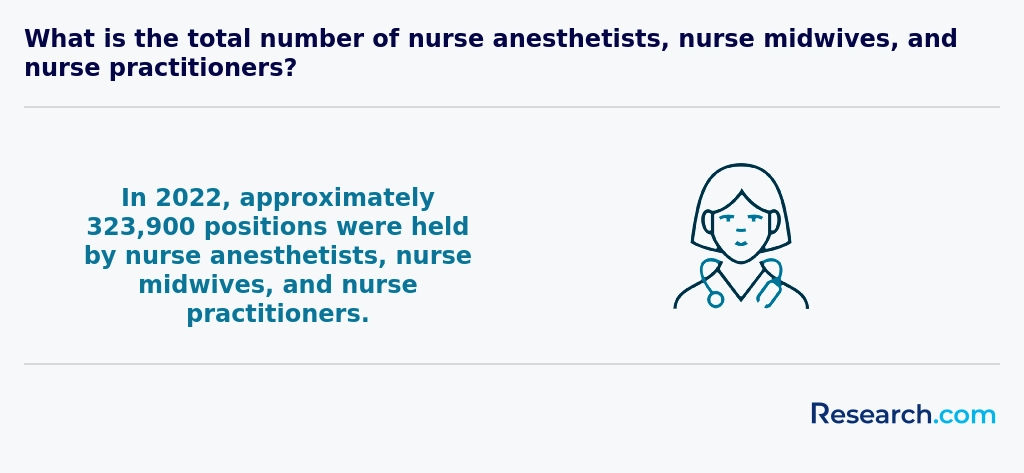
Graduates of nursing programs in Knoxville often find themselves stepping into a vibrant healthcare ecosystem, rich with diverse opportunities. Many who start with an associate or bachelor's degree embrace roles in hospitals like the University of Tennessee Medical Center, outpatient clinics, or long-term care facilities, where hands-on patient care forms the heart of their work. Those graduates have shared how this direct interaction fosters a deep sense of fulfillment, knowing they make a tangible difference daily. Exploring nursing career opportunities in Knoxville frequently leads to specialized paths-some choose critical care nursing in ICUs or emergency departments, requiring advanced certification and calm under pressure, while others focus on pediatric or geriatric care, tailoring services to specific age groups.
Other graduates pursue leadership roles or education, especially after earning a BSN, contributing to healthcare policy or mentoring the next generation of nurses. Community-minded individuals often find public health nursing rewarding, engaging with local populations on health promotion. For those aiming higher, nurse practitioner roles provide autonomy and advanced practice potential, requiring a master's degree but offering significant career growth. Many students at Knoxville's colleges appreciate how affordable tuition supports these ambitions, which is vital when exploring jobs with nursing degree in Knoxville. Prospective students can also find guidance through resources like Affordable Online Nursing Degree Programs Ranking in Tennessee.
The nursing job opportunities in Knoxville remain vibrant and promising, fueled by a strong healthcare network centered around major institutions like the University of Tennessee Medical Center and Covenant Health. Graduates from local colleges often find themselves quickly employed in diverse settings, from acute care hospitals to outpatient and community health roles. Many report feeling supported not only through competitive wages but also by clear paths for professional growth and specialization tailored to regional needs.
Hands-on experiences during clinical placements make the transition to work smoother for those starting their careers. Knoxville graduates commonly highlight how the city's healthcare demands align well with their training, creating confidence in their role as care providers. Salaries averaging between $60,000 and $70,000 reflect a stable market balanced with an affordable cost of living, reinforcing why the Knoxville nursing degree employment outlook is encouraging.
For adults returning to school, exploring the fastest online degree completion programs for working adults can be a strategic step to enter this flourishing field sooner.
2027 Most Affordable Nursing Degree Programs Ranking in Knoxville
Investing in your education is a significant decision that can shape your future, and the Research.com team understands the importance of making informed choices. To assist prospective students in Knoxville, we have meticulously crafted the "2027 Most Affordable Nursing Degree Programs Ranking in Knoxville." Our commitment to quality, credibility, and accuracy is reflected in the extensive research and analysis conducted to compile this ranking.
We utilized the following reputable data sources to ensure a comprehensive evaluation of nursing programs:
By exploring this ranking, readers will gain valuable insights into the most affordable, high-quality nursing degree options available in Knoxville, empowering them to make well-informed educational decisions. For more details on our methodology, please visit our Research.com methodology page.

# 2 position
South College
Bachelor of Science in Nursing

# 4 position
South College
Master of Science in Nursing
Frequently Asked Questions About nursing
Nursing degree students in Knoxville can maximize their learning experience by actively engaging in both classroom instruction and clinical practice. Knoxville offers access to several accredited nursing programs, including those at the University of Tennessee, which emphasize hands-on training. Students should take advantage of clinical rotations in local hospitals such as the University of Tennessee Medical Center, where exposure to diverse patient populations enhances practical skills.
Additionally, joining nursing student organizations and participating in community health initiatives is recommended. These activities foster professional development and networking, which are crucial in healthcare careers. According to the Tennessee Board of Nursing, students who combine academic study with practical experience tend to perform better on the NCLEX-RN licensing exam.
The nursing field in Knoxville is expanding beyond traditional roles, reflecting broader healthcare trends. Emerging niches include gerontological nursing, which focuses on elderly patient care, a critical area due to Tennessee's aging population. According to the Tennessee Department of Health, the 65+ demographic in Knoxville has grown by 15% over the last decade, increasing demand for specialized care.
Another growing niche is informatics nursing, where nurses integrate healthcare with technology to improve patient outcomes. This field is vital as Knoxville's hospitals adopt more electronic health records and telehealth services.
Additionally, psychiatric-mental health nursing is gaining importance amid rising mental health awareness locally. Professionals in this field work in community clinics and hospitals throughout Knox County.
After earning a nursing degree in Knoxville, preparing for the job market involves several key steps. First, graduates must pass the NCLEX-RN exam to become licensed registered nurses in Tennessee, as required by the Tennessee Board of Nursing. Knoxville's healthcare sector is growing, with employers like UT Medical Center offering diverse opportunities.
Building practical experience through internships or clinical rotations during your studies greatly enhances employability. Networking is also crucial; joining local organizations such as the Tennessee Nurses Association can provide valuable contacts and job leads.
Additionally, updating your resume to highlight relevant skills and certifications, including Basic Life Support (BLS), helps attract employers. According to the U.S. Bureau of Labor Statistics, nursing jobs in Tennessee are expected to grow by 12% from 2022 to 2032, indicating a strong local job market.
Employers in Knoxville highly value nursing graduates who demonstrate strong clinical skills combined with effective communication. According to data from the Tennessee Board of Nursing, proficiency in patient assessment, medication administration, and electronic health record documentation are essential technical skills sought by local healthcare providers.
Equally important are soft skills such as teamwork, critical thinking, and empathy. Knoxville's growing healthcare sector, including institutions like the University of Tennessee Medical Center, reports that nurses who can collaborate well in multidisciplinary teams and provide compassionate care have better job retention and patient satisfaction.
Additionally, familiarity with local healthcare regulations and cultural competence tailored to Knoxville's diverse population increases employability.
Finding nursing internships in Knoxville involves exploring local hospitals, clinics, and healthcare organizations that partner with educational institutions. Facilities such as the University of Tennessee Medical Center and Fort Sanders Regional Medical Center frequently offer internship programs tailored for nursing students. These internships provide hands-on experience essential for licensure and career development.
Students should contact their nursing program's career services or clinical coordinators for guidance. Knoxville-area nursing institutes often maintain updated lists of internship opportunities. Additionally, online platforms such as the Tennessee Board of Nursing and hospital websites publish application details and deadlines.
Networking through local nursing associations, like the Tennessee Nurses Association, can also increase internship prospects.
In Knoxville, earning a nursing degree significantly enhances career mobility and opportunities for advancement. According to the U.S. Bureau of Labor Statistics, registered nurses in Tennessee, including Knoxville, can expect a faster-than-average job growth rate of 9% through 2031. A formal nursing degree, such as an Associate Degree in Nursing (ADN) or Bachelor of Science in Nursing (BSN), is often required to qualify for higher-level positions.
Hospitals and healthcare providers in Knoxville increasingly prefer BSN-prepared nurses for leadership and specialist roles. The Tennessee Board of Nursing also promotes advanced education to improve patient outcomes, encouraging nurses to pursue further certifications or graduate degrees to advance.
Studying for a nursing degree in Knoxville offers targeted preparation for interdisciplinary roles essential in today's healthcare environment. Programs such as those at the University of Tennessee emphasize collaborative skills by integrating courses in communication, ethics, and healthcare management. This approach aligns with the Joint Commission's recommendations on team-based care.
Local clinical placements commonly involve teamwork with physicians, social workers, and therapists, providing students practical experience in diverse healthcare teams. According to the Tennessee Board of Nursing, Knoxville nursing programs maintain strong partnerships with regional hospitals, which enhances these opportunities.
Equipping students with knowledge in informatics and patient-centered care further supports their ability to coordinate with multiple disciplines effectively.
When choosing between a thesis and a non-thesis nursing degree program in Knoxville, students should consider their career goals. A thesis option typically involves research writing and is ideal for those wanting to pursue advanced studies or academic roles. Non-thesis programs focus more on practical skills, suitable for nurses seeking leadership or clinical positions.
Knoxville offers several accredited nursing programs accredited by the CCNE, ensuring quality education. According to the Tennessee Department of Health, the local demand for nurse practitioners and clinical specialists continues to grow, emphasizing practical experience.
Cost and time commitment differ; thesis programs often take longer and may have additional fees for research materials.
Students in Knoxville interested in studying nursing abroad have several pathways facilitated by local institutions. The University of Tennessee, Knoxville, a prominent school in the area, offers exchange programs and study-abroad opportunities in partnership with international universities. These programs enable nursing students to gain clinical and cultural experience in countries like Ireland, Australia, and the United Kingdom.
Additionally, community colleges such as Pellissippi State Community College may provide guidance for students seeking international internships or semesters abroad through affiliated programs. According to the National Student Exchange, many Knoxville students participate annually in such initiatives.
While American nursing licensure requirements remain a factor, studying abroad can enhance students' resumes and global healthcare perspectives.
Part-time job opportunities in Knoxville that complement nursing degree education often include roles in healthcare settings where students can gain practical experience. Common positions are Certified Nursing Assistant (CNA), medical scribe, and pharmacy technician. According to the Tennessee Department of Labor, Knoxville's healthcare sector is expected to grow by 15% through 2030, creating steady demand for such roles.
CNAs assist patients with daily activities, providing valuable hands-on experience related to nursing fundamentals. Medical scribes support physicians by documenting patient encounters, sharpening understanding of clinical terminology. Pharmacy technician jobs offer insight into medication management and patient counseling.
These roles typically offer flexible hours suited for students balancing coursework. Knoxville's numerous hospitals and clinics, including University of Tennessee Medical Center, regularly hire part-time healthcare workers, enhancing students' learning and professional networks.
Nursing students in Knoxville have access to a variety of valuable networking opportunities that can enhance their education and career prospects. Local institutions such as the University of Tennessee Health Science Center and Pellissippi State Community College often host nursing student organizations and events designed to connect students with healthcare professionals.
Additionally, Knoxville's healthcare industry is robust, featuring organizations like the Tennessee Nurses Association. This association regularly offers workshops, conferences, and local chapter meetings where students can meet experienced nurses and potential employers.
Internships and clinical placements in Knoxville hospitals, including the University of Tennessee Medical Center, provide real-world experiences and networking chances with clinical staff. According to the Bureau of Labor Statistics, Knoxville's healthcare employment is projected to grow, which increases opportunities for nursing graduates to build professional relationships locally.
Alumni networks provide valuable support for nursing degree students in Knoxville by offering connections to experienced professionals. These networks facilitate mentorship, which helps students navigate clinical placements and career choices with guidance from graduates familiar with local healthcare settings. According to the Tennessee Board of Nursing, Knoxville's healthcare market is competitive, making networking essential for job placements.
Many programs encourage alumni to share job leads and internships, expanding opportunities beyond campus resources. Additionally, alumni events and online groups promote knowledge exchange on industry trends and certifications relevant to Tennessee's nursing requirements.
Such networks can enhance professional development and increase employment prospects for Knoxville nursing students.
Customizing a nursing degree program in Knoxville allows students to align their education with specific career goals. Many local schools offer flexible options such as elective courses, clinical rotations, and specialty tracks in areas like pediatric, geriatric, or emergency nursing. Students can choose part-time or online studies to balance work and life commitments.
Knoxville's healthcare market, supported by institutions like the University of Tennessee Medical Center, encourages practical experience through partnerships, helping students tailor clinical hours to preferred settings. Additionally, certifications such as Nurse Practitioner or Nurse Anesthetist can be pursued post-degree to further specialize.
According to the Tennessee Center for Nursing, 2023 data shows growing demand in advanced practice roles, which nursing programs in Knoxville are adapting to with customizable curriculums.
Nursing students in Knoxville often face a variety of challenges throughout their education. One major difficulty is managing the demanding coursework and clinical hours simultaneously. According to the Tennessee Board of Nursing, students must complete extensive practical training, which can be physically and emotionally taxing.
Financial burden is another common issue. The average cost of nursing programs in Knoxville ranges from $7,000 to $15,000 annually, depending on the institution, which can create stress about tuition and living expenses.
Additionally, students report high levels of stress due to intense academic expectations and balancing part-time jobs or family responsibilities. These challenges require strong time management and support systems.
With a nursing degree in Knoxville, graduates can pursue several professional certifications to enhance their careers. Popular options include the Registered Nurse (RN) license, which is essential for clinical practice and overseen by the Tennessee Board of Nursing. Many nurses also seek specialty certifications such as Certified Nurse Educator (CNE), Certified Pediatric Nurse (CPN), or Critical Care Registered Nurse (CCRN) to advance their expertise.
According to the Tennessee Center for Nursing, certifications can improve job prospects and salary potential in the region's growing healthcare market. Most certifications require passing an exam after completing specific coursework and clinical hours.
Writing a winning application for a nursing program in Knoxville requires careful preparation and attention to detail. Start by ensuring your academic records, especially in science and math courses, meet or exceed program requirements, as many Knoxville nursing schools expect a minimum GPA around 3.0. Strong letters of recommendation from healthcare professionals or instructors can significantly enhance your profile.
Applicants should also submit a well-crafted personal statement that highlights relevant experiences and a clear motivation for nursing. Knoxville-area programs often value community service and healthcare exposure, so detail any volunteer work or internships. Additionally, prepare for entrance exams like the TEAS, as performance here impacts acceptance chances. According to the Tennessee Board of Nursing, local programs reported increasing competitiveness in 2023 due to rising applicant numbers.
Nursing is a highly respected profession worldwide, and the demand for skilled nurses continues to grow. In the United States, including Knoxville, nursing is seen as a stable and rewarding career with many opportunities for advancement. According to the Bureau of Labor Statistics, employment of registered nurses is expected to grow 9% from 2020 to 2030 nationally.
Globally, nursing careers emphasize cultural competence and adaptability due to diverse patient populations. Many US nursing programs, including those in Knoxville, incorporate global health concepts to prepare graduates for this reality. Organizations such as the World Health Organization highlight nursing as essential to meeting global health goals.
For Knoxville students, earning a nursing degree means joining a field that values continuous learning and international collaboration. Local institutions align their curriculum with national standards while addressing community health needs, reflecting global trends in nursing education and practice.
Gaining practical experience while studying for a nursing degree in Knoxville is essential for career readiness. Local nursing programs typically include clinical rotations in area hospitals such as the University of Tennessee Medical Center and Parkwest Medical Center. These rotations provide hands-on patient care under professional supervision, allowing students to apply classroom knowledge in real settings.
Additionally, many programs partner with clinics and long-term care facilities in East Tennessee to offer externships and internships. These opportunities help build essential skills and professional networks.
According to the Tennessee Board of Nursing, students must complete a minimum of 500 clinical hours to qualify for licensure, ensuring practical experience is a core component of education.
Choosing the right concentration within a nursing degree program in Knoxville involves understanding your career goals and the healthcare needs of the community. Knoxville offers diverse options such as pediatrics, geriatrics, or acute care, aligning with the city's growing elderly population, which was approximately 16% of residents aged 65 and older as of 2023 (U.S. Census Bureau).
Researching local healthcare facilities can help identify in-demand specialties. For example, University of Tennessee Medical Center frequently hires nurses with acute care expertise.
Consider curriculum structure, clinical opportunities, and licensing exam pass rates when comparing programs in Knoxville to ensure strong professional preparation.
- 2027 Most Affordable Nursing Degree Programs Ranking in Atlanta
- 2027 Most Affordable Nursing Degree Programs Ranking in Louisville
- 2027 Most Affordable Nursing Degree Programs Ranking in Macon
- 2027 Most Affordable Nursing Degree Programs Ranking in Birmingham
- 2027 Most Affordable Nursing Degree Programs Ranking in Lynchburg
- 2027 Most Affordable Nursing Degree Programs Ranking in Indianapolis
- 2027 Most Affordable Nursing Degree Programs Ranking in Harrisonburg
- 2027 Most Affordable Nursing Degree Programs Ranking in Memphis
- 2027 Most Affordable Nursing Degree Programs Ranking in Pittsburgh
- 2027 Most Affordable Nursing Degree Programs Ranking in Saint Louis
See What Experts Have To Say About Studying Nursing
Read our interview with Nursing experts


- Types of Nursing Degrees-Which One Is Yours? https://www.allnursingschools.com/how-to-get-into-nursing-school/degree-options/
- What Nursing Concentration Is Right for Me? | Maryville Nursing https://nursing.maryville.edu/blog/what-nursing-concentration-is-right-for-me
- THE FIELD OF NURSING - FIRST-DEGREE OF STUDIES https://wnoz.wum.edu.pl/pl/content/field-nursing-first-degree-studies
- Interdisciplinary Education and Practice https://www.aacnnursing.org/news-data/position-statements-white-papers/interdisciplinary-education-and-practice
- How to Choose the Right Nursing School for You | Houston Christian University https://hc.edu/articles/how-to-choose-the-right-nursing-school-for-you/
- Nursing, Health Care https://www.maryvillecollege.edu/academics/programs-of-study/healthcare-nursing/
- Study Nursing Abroad | Boomerang International Educational Services https://boomerangedu.com/study-nursing-abroad/
- Do I Have to Write a Thesis to Complete a Master’s Degree in Nursing? https://www.bestmasterofscienceinnursing.com/faq/write-thesis-complete-masters-degree-nursing/
- UT Knoxville’s Nursing Building Designs Care Into Learning https://www.iands.design/people-and-projects/education/article/55392625/ut-knoxvilles-nursing-building-designs-care-into-learning
- Top Nursing Skills U.S. Employers Want to See on Your Resume | O'Grady Peyton https://www.ogradypeyton.com/blog/job-seeker-resources/top-nursing-skills-u.s.-employers-want-to-see-on-your-resume


