
2027 Most Popular Nursing Degree Programs Ranking in the Midwest

Co-Founder and Chief Data Scientist
Exploring nursing degree programs can feel overwhelming, especially with so many options available in the Midwest. To help you navigate this important decision, the Research.com team of data scientists has created the 2027 Most Popular Nursing Degree Programs Ranking in the Midwest. This ranking highlights top programs, making it easier to find the right fit for your goals.
Reading this article will give you confidence as you choose a path toward a rewarding nursing career. A nursing degree opens doors to meaningful work and growth opportunities, and this guide supports your journey every step of the way.
Key benefits of getting nursing degree in the Midwest
- Nursing degree graduates in the Midwest can earn competitive salaries, with Registered Nurses and Public Health Nurses earning a mean annual wage of about $94,480, while Operating Room Nurses can earn up to $128,490 yearly.
- A nursing graduate from the University of Illinois at Chicago might explore diverse career paths such as clinical nurse educator, emergency room nurse, or public health nurse, offering many fulfilling and stable job opportunities.
- Completing a nursing degree online, like through Ohio State University's program, offers flexibility and convenience, allowing graduates to balance work and study while still gaining essential skills for a rewarding nursing career.
- 2027 Most Popular Nursing Degree Programs Ranking in the Midwest
- What can I expect from nursing degree in the Midwest?
- Where can I work with nursing degree in the Midwest?
What can I expect from nursing degree in the Midwest?
The average cost of a nursing degree in the Midwest varies depending on the institution, but public universities typically charge between $8,000 and $15,000 annually for in-state students. Graduates from well-known Midwestern schools often recall managing these tuition rates alongside financial aid options like scholarships and federal aid, which greatly ease the burden. For instance, a nursing student at a state university in Ohio described accessing grant opportunities that covered nearly half of their expenses, allowing them to focus more on clinical practicums and less on finances.
Private colleges in the region usually have higher tuition fees, but many students find the investment worthwhile due to strong networks and hands-on training. Students from Michigan-based programs highlight how their clinical rotations in local hospitals provided invaluable real-world experience, justifying the cost.
Budgeting carefully and exploring loan forgiveness programs available in many Midwestern states can turn degree expenses into a manageable step toward a fulfilling nursing career.
Where can I work with nursing degree in the Midwest?
With a nursing degree from institutions like the University of Illinois or Michigan State University, graduates find diverse job opportunities across the Midwest. Many start their careers in hospitals-both large urban centers in Chicago and smaller rural hospitals in Iowa-where they serve as registered nurses, nurse practitioners, or specialists in emergency care and pediatrics. Graduates often share the rewarding experience of helping patients in high-pressure hospital environments, which sharpens critical skills and fosters professional growth.
Others pursue roles in outpatient clinics or physician offices, focusing on preventive care and chronic disease management. Graduates from programs such as Ohio State University appreciate how these positions balance patient interaction with flexible schedules. The rise of outpatient care means new career paths in education and care coordination.
Long-term care facilities and community health organizations also provide meaningful roles, especially in addressing the needs of the aging Midwestern population and rural communities. Many graduates find fulfillment advocating for elderly patients or delivering vital health screenings, shaping healthier communities across the region.
Graduates with nursing degrees in the Midwest can expect competitive salaries aligned with their education and chosen specialty. For instance, Registered Nurses and Clinical Nurse Educators often start with an average annual wage around $94,480, reflecting steady, reliable income. Many nursing graduates from institutions like the University of Michigan or Ohio State University find these figures encouraging as they begin their careers.
Public Health Nurses and Emergency Room Nurses share a similar earning potential, averaging $94,480 annually, which supports those pursuing diverse paths within nursing. Those aiming to work in more specialized environments, such as Operating Room Nurses, have the opportunity to earn significantly more, with average salaries near $128,490 per year, a strong motivator for graduates focused on advanced clinical roles.
Midwest nursing students often appreciate how local hospitals emphasize practical experience during their studies, helping them secure these well-paying roles quickly. Graduates recall the rewarding feeling when their education directly translates to solid job offers and respectable starting salaries within their communities.
- The average annual tuition for a BSN program at public universities in the Midwest ranges from $10,000 to $20,000 for in-state students.
- Private colleges often charge between $25,000 and $40,000 annually, while community colleges offer more affordable ADN programs costing $5,000 to $10,000 per year.
- Starting salaries for registered nurses in the Midwest are approximately $58,000 to $65,000 per year, depending on state demand.
- With experience, RN salaries can increase to between $70,000 and $90,000 annually after five to ten years of practice.
- The nursing job market in the Midwest is projected to grow by 9% to 11% from 2022 to 2032, with strong demand in states like Illinois, Ohio, and Michigan.
- Many nursing programs provide clinical placements in local hospitals, helping students gain practical experience and improve job prospects after graduation.
Completing an Associate Degree in Nursing (ADN) in the Midwest typically takes 2 to 3 years. Graduates from community colleges appreciate the affordability and fast path to starting their nursing careers, especially in states like Ohio and Michigan. One graduate shared how the manageable timeline allowed them to balance work and study effectively.
For those aiming for a Bachelor of Science in Nursing (BSN), expect about 4 years of full-time study at universities such as the University of Iowa or the University of Michigan. Many find the comprehensive curriculum rewarding, opening doors to leadership roles after graduation. Accelerated BSN programs, completed in 12 to 18 months, suit students who already hold a bachelor's degree, offering an intense but exciting challenge.
Master of Science in Nursing (MSN) programs usually take 1.5 to 3 years beyond a BSN. Graduates often express satisfaction with the flexibility of part-time options that accommodate working professionals. Students appreciate how advanced education at Midwest public universities helps them step confidently into specialized roles like nurse practitioner or educator.
Accreditation ensures your nursing degree meets quality standards and makes you eligible for state licensure and the NCLEX-RN exam.
- Commission on Collegiate Nursing Education (CCNE): National accreditor for BSN, MSN and DNP programs
- Accreditation Commission for Education in Nursing (ACEN): Recognized for diploma, ADN, BSN and graduate nursing programs
- State Board of Nursing Approval: Confirms program compliance with licensing requirements in your state
After graduation, apply to your Midwest State Board of Nursing to sit for the NCLEX-RN. Passing this exam grants your RN license and unlocks clinical practice across regional healthcare settings. Once licensed, consider advancing your career with an online dnp degree.
On-campus nursing programs in the Midwest, like those at Ohio State University, provide a hands-on, structured learning environment with scheduled lectures and direct faculty support. Graduates often share how engaging face-to-face discussions and campus labs strengthened their confidence and skills. However, these programs require physical presence, which means managing commute times and campus commitments.
Online nursing degrees, such as those offered by the University of Nebraska Medical Center, deliver flexibility by allowing students to study lectures and coursework on their own time. This setup works well for working adults or those balancing family life, though graduates emphasize the need for strong self-discipline. Both formats require local clinical placements-partnerships with nearby healthcare facilities ensure hands-on experience that is crucial for licensing.
Financially, students choosing online paths often save 15-20% on total costs by avoiding commuting and housing fees. Yet, both online and campus options maintain high standards through accreditation by bodies like CCNE or ACEN, ensuring quality education and eligibility for the NCLEX-RN exam.
Clinical experience is the cornerstone of any quality nursing program, and Midwest institutions excel by partnering with leading hospitals, community clinics, and simulation centers to ensure students graduate practice-ready. Through a blend of on-site rotations and cutting-edge simulation labs, you’ll gain hands-on exposure to diverse patient populations and care settings. Key experiential learning components include:
- Hospital Affiliations: Top programs in Illinois, Ohio, and Wisconsin maintain relationships with Level I trauma centers, pediatric units, and specialty clinics, allowing students to develop critical skills under the supervision of seasoned practitioners.
- Community and Public Health Clinics: Rotations in rural health departments and urban outreach programs teach students to assess population health, manage chronic conditions, and deliver preventative care in resource-limited environments.
- Simulation Labs: State-of-the-art manikins and scenario-based training replicate real-world emergencies-from code blues to obstetric complications-building confidence and clinical judgment before entering live patient care.
- Interprofessional Collaboration: Joint rotations with pharmacy, physical therapy, and social work students foster teamwork, enhance communication skills, and prepare graduates for the multidisciplinary nature of modern healthcare.
- Virtual and Online Practicums: For those balancing work or family commitments, many Midwest schools offer hybrid clinical schedules. If you’re exploring distance-learned alternatives, consider our Affordable Online Nursing Degree Programs Ranking in Texas for additional insights into flexible, accredited pathways. By immersing yourself in varied clinical environments, you’ll not only refine technical competencies-like IV insertion and patient assessments-but also develop critical soft skills such as empathy, time management, and ethical decision-making. These real-world experiences position you for success on the NCLEX and in your first nursing role.
The average nursing degree cost Midwest students face typically falls around $20,625 for in-state tuition, based on current median figures. Graduates from well-known Midwestern public universities often recall balancing tuition with fees, textbooks, and supplies, which can bring the total cost closer to $25,000 or more per year. Many students find that enrolling in community colleges offering Associate Degree in Nursing (ADN) programs more affordable, generally ranging from $5,000 to $10,000 annually, making them a practical first step toward a nursing career.
For those eyeing Bachelor of Science in Nursing (BSN) degrees, public institutions in the Midwest usually charge between $10,000 and $20,000 per year. This range can feel manageable with the help of financial aid or scholarships often available to nursing students. Many graduates mention the relief of exploring employer tuition reimbursement programs, especially when pursuing higher degrees part-time while working. If you are considering advancing to graduate nursing programs like a Master of Science in Nursing (MSN), expect tuition to rise to $15,000-$30,000 yearly at Midwestern public universities.
If affordability is a concern, exploring community colleges or taking advantage of financial aid can make earning your nursing degree less daunting. Some students choose fast-track options, and finding a 6-month lpn to rn program online has helped them speed up their path while minimizing costs. Understanding Midwest nursing program tuition fees ahead of time lets you strategize and plan finances confidently without surprises.

Midwest nursing programs consistently emphasize strong NCLEX-RN pass rates as a hallmark of their curriculum quality. Many top-ranked institutions report first-time pass rates between 88% and 98%, surpassing the national average of 85%. Understanding these figures can help you gauge program effectiveness and licensure readiness. To boost your NCLEX success, consider these proven strategies:
- Early Integration of Exam Content: Select programs that weave NCLEX-style questions into coursework and clinical simulations, reinforcing test-taking skills throughout your studies.
- Dedicated Prep Workshops: Seek schools offering specialized NCLEX review sessions led by faculty and experienced nurses. These workshops often include timed practice exams, debriefings, and targeted remediation.
- Online Question Banks and Practice Tests: Leverage digital platforms that mimic the exam interface, complete with rationales for correct and incorrect answers. Regular self-assessment helps identify knowledge gaps before graduation.
- Peer Study Groups and Tutoring: Collaborate with classmates or join tutoring programs to discuss challenging concepts and share test-taking techniques. Group accountability can maintain motivation and consistency.
- Simulation Lab Reinforcement: Use on-campus simulation labs to practice clinical judgment in lifelike scenarios, translating critical-thinking skills from the lab to the testing environment. For those exploring accelerated pathways into nursing practice, programs like our lpn fast track option integrate focused NCLEX-PN preparation alongside clinical training, ensuring graduates are fully equipped for licensure. By prioritizing NCLEX-centric resources and selecting programs with robust pass-rate support, you’ll enter the job market with confidence and a proven track record of exam success.
Students pursuing nursing degrees in the Midwest, such as those attending the University of Illinois at Chicago or Ohio State University, often find relief through federal aid like Pell Grants and federal student loans accessed via FAFSA. Many graduates recall how Pell Grants, which can provide up to $7,395 yearly, significantly eased their tuition burden without the stress of repayment. State-specific scholarships are another vital resource; for instance, Illinois Nursing Workforce Center scholarships help reduce costs if students commit to serving underserved communities after graduation.
Midwestern nursing students also benefit from hospital-sponsored tuition reimbursement and loan forgiveness programs, especially in rural areas facing nurse shortages. Graduates from schools like the University of Michigan share how these programs made their education affordable while offering rewarding career paths. Private scholarships from organizations like the American Nurses Association reward leadership and academic excellence, motivating students to excel.
Lastly, institutional aid tailored to nursing students is common at many Midwestern universities. Early contact with financial aid offices at these schools often uncovers merit-based scholarships that can make a significant difference in managing costs.
Accreditation and strong NCLEX pass rates are essential markers of a quality nursing program and your eligibility for licensure.
- Accredited by the Commission on Collegiate Nursing Education (CCNE) or the Accreditation Commission for Education in Nursing (ACEN)
- Approved by your state board of nursing to ensure you meet licensure requirements
- First-time NCLEX-RN pass rates of 85% or higher demonstrate curriculum rigor and effective exam preparation
- Accreditation facilitates credit transfer, graduate studies and employer recognition
For flexible online pathways, compare options like the cheapest rn to bsn program online that hold recognized accreditation.
To enroll in a nursing degree program in the Midwest, you must first hold a high school diploma or GED, showing a strong base in math and science. Graduates from well-known Midwest schools often share how completing prerequisite courses-like biology, chemistry, anatomy, and physiology-before starting nursing classes helped them feel prepared and confident on day one.
Standardized test scores are commonly required. For example, some applicants at top Midwest institutions submit ACT or SAT results, while others take the TEAS exam, designed specifically for nursing readiness. This variety means you can choose the test that plays to your strengths.
Many students also boost their applications with hands-on experiences, such as volunteering or obtaining a CNA certification, which reinforces their passion and readiness for healthcare work.
Finally, maintaining a solid GPA-usually around 2.5 to 3.0-is crucial, as competitive Midwest programs at universities like those in Michigan and Ohio expect students to demonstrate academic dedication right from the start.
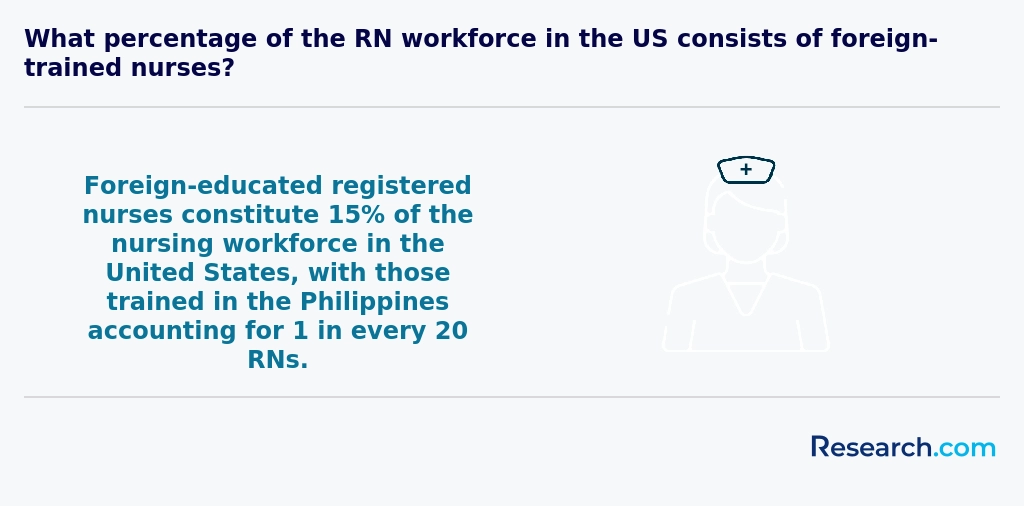
Preparing for the NCLEX® licensure exam is one of the most critical steps in a nursing student’s journey. Midwest nursing programs often publish their first-time NCLEX® pass rates-many exceeding 90%-as a hallmark of quality. Look for schools that provide dedicated review courses, access to question banks modeled on the latest test blueprints, and faculty-led debriefings after simulation labs. These resources not only reinforce clinical judgment and prioritization skills but also build test-taking confidence. In addition to institution-led support, peer study groups and virtual practice exams can dramatically improve retention of pharmacology, medical-surgical concepts, and patient safety protocols. Many programs partner with online platforms offering adaptive learning modules that identify individual knowledge gaps and adjust difficulty in real time. Students consistently report that integrating these digital tools with hands-on practice-such as high-fidelity manikin simulations-bridges the gap between theory and the fast-paced decision-making required on exam day. For students coming from an LPN background, enrolling in an accelerated bridge can sharpen core competencies before sitting the NCLEX®. One option is an accredited 6-month lpn to rn program online, which focuses intensively on pharmacology, pathophysiology, and complex clinical scenarios, ensuring you enter your RN track with both the knowledge and confidence to excel. Finally, transparent reporting of graduate outcomes-such as three-year term pass rates and average number of attempts-demonstrates a program’s commitment to continuous improvement. When researching Midwest nursing schools, prioritize those with dedicated NCLEX® success coaches, mandatory remediation plans for low-scoring students, and partnerships with state boards of nursing. This holistic approach to exam preparation not only boosts your chances of passing on the first attempt but also lays a solid foundation for safe, evidence-based practice throughout your nursing career.
Nursing degree programs in the Midwest typically include core courses that build a strong foundation in both science and patient care, essential for success in healthcare settings. Graduates from universities like the University of Michigan and Ohio State University recall how classes such as anatomy, physiology, microbiology, and chemistry gave them the fundamental knowledge they needed to understand the human body and disease mechanisms.
Practical courses like Introduction to Nursing Practice teach essential patient care skills and ethical decision-making, while Pharmacology prepares students for safe medication administration. In a hands-on way, courses in Health Assessment allow students to practice evaluating real patients, a highlight shared by many who studied at schools like the University of Illinois.
- Pathophysiology: explains disease effects on body functions
- Adult and Pediatric Nursing: focuses on different patient age groups
- Mental Health Nursing: introduces psychiatric and behavioral care
- Community and Public Health Nursing: links nursing to population health
- Nursing Research and Evidence-Based Practice: teaches applying scientific evidence to clinical decisions
These courses are complemented by clinical rotations in diverse healthcare settings across the Midwest, ensuring students develop confidence and competence. Many graduates describe these experiences as transformative, enabling them to connect academic knowledge with real-life nursing challenges.
Nursing degree specializations in the Midwest cover a wide spectrum to meet diverse healthcare demands. Popular tracks include Family Nurse Practitioner (FNP), which prepares graduates to deliver primary care for all ages, especially in rural Midwestern communities facing physician shortages. Pediatric Nursing focuses on care for infants and children, while Geriatric Nursing targets the increasing elderly population prevalent in states like Michigan and Ohio. Psych-Mental Health Nursing addresses rising mental health needs, a growing priority across Midwestern hospitals and clinics. Critical Care Nursing trains students for intense, high-stakes environments such as intensive care units.
Graduates from well-known Midwestern universities often share how hands-on clinical experiences in these specializations build confidence and practical skills. For students aiming for quick pathways, institutions offer programs such as lpn fast track, ideal for entering the workforce sooner.
Focusing on popular nursing career paths in midwest facilities enhances job readiness and aligns training with local healthcare priorities, making these specializations highly practical choices for future nurses.
Choosing the best nursing degree in the Midwest starts with deciding between an ADN, BSN, or advanced degree, based on your career goals and current life situation. Graduates from popular institutions like the University of Illinois and Ohio State University often emphasize how earning a BSN gave them a competitive edge in employment and higher salaries. Many value the balance of affordable nursing degrees Midwest offers, with tuition costs significantly lower than national averages, especially in community colleges for ADN programs.
Program reputation and NCLEX pass rates are critical; graduates report that nursing schools affiliated with major healthcare systems in Michigan and Illinois provide invaluable, real-world clinical placements that boost confidence and practical skills. Flexibility is another key factor-working students often choose online or part-time BSN programs to maintain jobs while advancing their education. Check out the Affordable Online Nursing Degree Programs Ranking in Texas to explore scalable options that make evening or remote learning feasible.
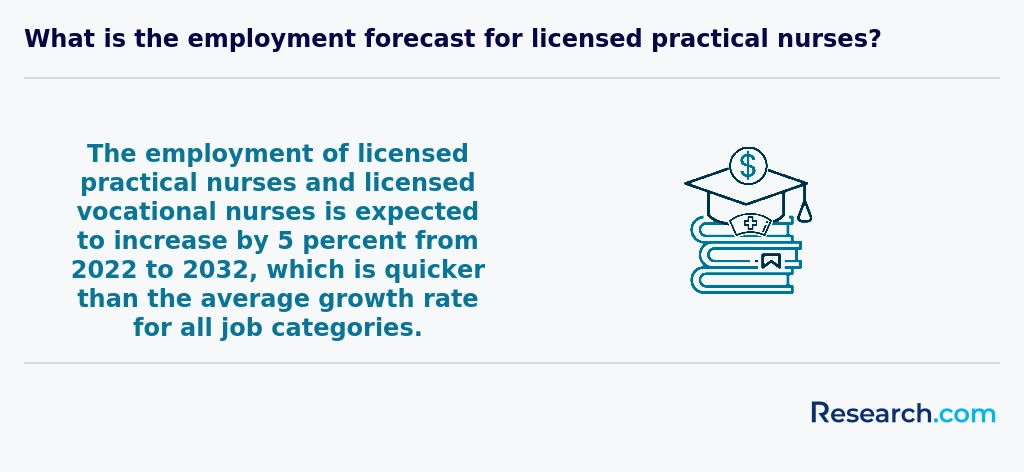
Graduates of nursing programs in the Midwest have access to diverse career paths that fit various skills and interests. Traditional roles include becoming a Registered Nurse (RN), where many alumni from colleges like the University of Illinois gain hands-on experience managing patient care in busy hospitals. Nursing career opportunities in the Midwest also extend to Licensed Practical Nurse (LPN) or Licensed Vocational Nurse (LVN) positions, which offer quicker entry into the workforce with vital support roles. For those aiming higher, Advanced Practice Registered Nurses (APRNs) such as Nurse Practitioners or Nurse Anesthetists are in increasing demand, especially in states like Ohio and Michigan.
Some graduates choose to become nursing educators at universities, sharing practical knowledge gained from their time in programs at institutions like the University of Michigan. Others move into healthcare administration, blending clinical insight with leadership to improve facility operations. Prospective students should consider their long-term goals and explore the best paying bachelor degrees to shape a satisfying, stable nursing career in the Midwest.
The nursing job outlook Midwest shows strong and steady growth, making it an excellent choice for graduates seeking stability and opportunity. Registered nurses in states like Illinois, Ohio, and Michigan benefit from a growing demand driven by an aging population and expanding healthcare services. Graduates from well-known universities in the region, such as the University of Illinois or Ohio State University, report promising job offers shortly after completing their BSN programs.
Many graduates find rewarding employment not only in hospitals but also in long-term care and community health settings, reflecting the diversity of nursing employment opportunities. These roles often come with competitive salaries averaging between $60,000 and $75,000 annually, which is attractive for new nurses.
For students planning their education path, attending accredited schools that offer free online applications can ease the admission process and reduce upfront costs. Midwestern nursing programs are known for their affordability, with tuition generally lower than in coastal states, giving students a financial advantage while preparing for the workforce.
2027 Most Popular Nursing Degree Programs Ranking in the Midwest
Investing in your education is a significant decision that can profoundly impact your career and future opportunities, and the Research.com team recognizes the importance of providing trustworthy guidance. To support students seeking nursing degrees in the Midwest, we have carefully developed the "2027 Most Popular Nursing Degree Programs Ranking in the Midwest." Our dedication to quality, credibility, and accuracy is demonstrated through rigorous data collection and analysis.
We utilized the following reputable data sources to ensure a comprehensive evaluation of nursing programs:
By consulting this ranking, readers will obtain valuable insights into the most popular nursing degree programs in the Midwest, enabling them to make well-informed educational decisions. For further information about how this ranking was developed, please visit our Research.com methodology page.


Frequently Asked Questions About nursing
Nursing degree students in the Midwest can maximize their learning experience by actively engaging in clinical rotations, which are essential for hands-on skills development. Many Midwest nursing programs partner with local hospitals, offering diverse patient care settings. According to the American Association of Colleges of Nursing, more than 60% of Midwest nursing schools incorporate simulation labs to enhance practical training. Students should also take advantage of research opportunities and nursing organizations such as the Midwest Nursing Research Society to stay updated on regional healthcare trends. Combining classroom knowledge with real-world practice prepares students effectively for licensure exams and future employment.
The nursing field in the Midwest is expanding to include several emerging niches that reflect changing healthcare needs. One rapidly growing area is gerontological nursing, driven by the region's aging population. According to the U.S. Census Bureau, states like Ohio and Michigan have seen a 15% increase in residents over 65, increasing demand for specialized elder care.
Another niche gaining attention is telehealth nursing, which leverages technology to deliver care remotely. The American Nurses Association highlights telehealth as a vital service in rural Midwest communities, improving access where hospital options are limited.
Additionally, psychiatric mental health nursing is becoming essential due to rising mental health awareness. The Midwest sees a strong need for professionals trained to support behavioral health, especially in underserved areas.
Preparing for the job market after earning a nursing degree in the Midwest involves strategic steps tailored to regional opportunities. Graduates should first obtain licensure by passing the NCLEX-RN exam, a mandatory requirement across all states. According to the National Council of State Boards of Nursing, Midwest pass rates consistently exceed 85%, reflecting strong program quality.
Networking plays a crucial role; consider joining local chapters of organizations like the Midwest Nursing Research Society. Clinical experience gained during studies is valuable, but pursuing additional certifications in specialties such as gerontology or critical care can enhance employability. Finally, leveraging state job boards and healthcare employers' career portals helps identify openings suited to recent nursing graduates.
Employers in the Midwest prioritize several key skills when hiring nursing degree graduates. Clinical competency is essential, as nurses must reliably perform patient assessments, administer medications, and manage electronic health records with accuracy. Communication skills are also critical; nurses need to clearly convey information to patients, families, and healthcare teams.
Additionally, problem-solving and critical thinking abilities are highly valued, given the fast-paced and complex healthcare environments common across Midwestern hospitals and clinics. According to the Bureau of Labor Statistics, the Midwest region expects a 12% growth in registered nursing jobs by 2030, emphasizing the demand for adaptable, skilled practitioners.
Finally, cultural competence and empathy stand out, enabling nurses to provide inclusive care to diverse populations typical in this region.
Finding nursing internships in the Midwest involves utilizing several key resources linked to higher education and healthcare systems. Many Midwest nursing programs, such as those at the University of Illinois or Ohio State University, have formal partnerships with local hospitals and clinics, which offer structured internships as part of the curriculum. Students should consult their school's career services or nursing department early to learn about these opportunities.
Additionally, the Midwest has a high concentration of healthcare providers, including major hospital networks like Mayo Clinic and Cleveland Clinic, which often offer paid internships or externships for nursing students.
Online platforms like the National Student Nurses' Association and state nursing boards provide listings specific to states such as Minnesota, Michigan, and Wisconsin. According to the U.S. Bureau of Labor Statistics, the healthcare sector in the Midwest is projected to grow by 10% through 2030, increasing the availability of clinical internships. Networking with faculty and attending nursing conferences in the region can also reveal valuable internship openings.
A nursing degree significantly enhances career mobility and advancement opportunities in the Midwest. According to the U.S. Bureau of Labor Statistics, registered nursing jobs in Midwest states are projected to grow by approximately 9% from 2021 to 2031, higher than the national average. Holding a Bachelor of Science in Nursing (BSN) or higher degree often leads to better job prospects, leadership roles, and higher salaries. Hospitals and healthcare systems in states like Illinois, Ohio, and Michigan increasingly prefer BSN-prepared nurses for advanced positions due to improved patient outcomes. Additionally, advanced degrees such as MSN or DNP enable specialization and teaching roles, broadening career paths.
Studying for a nursing degree in the Midwest offers strong preparation for interdisciplinary roles in healthcare. Programs frequently incorporate collaboration with professionals in fields like social work, pharmacy, and public health. According to the American Association of Colleges of Nursing, Midwest schools emphasize team-based care and communication skills, essential for coordinated patient treatment.
Midwestern nursing curricula often include clinical experiences in diverse settings, from urban hospitals to rural clinics. This exposure helps students adapt and work effectively with varied healthcare teams.
Additionally, the region's focus on population health and chronic disease management trains nurses to engage with specialists and community resources, enhancing interdisciplinary collaboration skills.
Choosing between a thesis and a non-thesis nursing degree program in the Midwest depends on your career goals and learning preferences. A thesis option is research-focused and suits students aiming for clinical research, academia, or doctoral studies. It requires completing an original research project, which can enhance critical thinking and analytical skills.
Non-thesis programs emphasize practical skills and coursework, appealing to nurses targeting advanced clinical roles or leadership positions. According to the Midwest Nursing Research Society, nearly 60% of regional nursing graduates prefer non-thesis paths due to quicker completion and direct clinical application.
Consider your long-term plans and consult advisors to determine which aligns best with your professional aspirations and time availability.
Students in the Midwest seeking to study nursing abroad often participate in exchange programs or partnered initiatives offered by Midwestern universities. Many institutions collaborate with universities in Canada, the United Kingdom, and Australia, countries with compatible nursing accreditation systems. According to the American Association of Colleges of Nursing (AACN), approximately 15% of nursing programs in the Midwest offer some form of international study option.
These programs typically last one semester to a full academic year, allowing students to gain clinical experience in diverse healthcare settings. Credits earned abroad usually transfer back to the home institution, supporting timely degree completion.
Financial aid and scholarships specifically for study-abroad nursing students are available but limited, so early planning is crucial.
Students pursuing nursing degrees in the Midwest can find several part-time job opportunities that enhance their educational experience and provide practical skills. Roles such as certified nursing assistant (CNA), medical scribe, or home health aide are common choices. These positions allow students to apply classroom knowledge in real healthcare settings while earning income.
According to the U.S. Bureau of Labor Statistics, Midwest states like Illinois and Ohio have a growing demand for CNAs, reflecting a broader trend in healthcare employment. Positions in clinics, nursing homes, and hospitals offer flexible hours to accommodate academic schedules.
Such jobs also help students build communication skills and gain insights into patient care, critical for success in nursing programs and future licensure exams.
Nursing students in the Midwest benefit from numerous networking opportunities that enhance career growth. Many universities host nursing student organizations affiliated with national groups like the American Nurses Association, offering events, conferences, and local workshops. These opportunities connect students with experienced professionals and peers. Additionally, Midwestern states such as Illinois and Ohio have active regional nursing conferences where students can present research and engage with healthcare leaders.
Clinical placements in hospitals and community health centers also serve as vital networking environments. According to the Midwest Nursing Research Society, over 70% of students find job leads through clinical contacts. State nursing boards often sponsor seminars and continuing education, promoting ongoing networking beyond graduation.
Alumni networks offer valuable support to nursing degree students in the Midwest through mentoring and career opportunities. Many Midwest nursing schools maintain active alumni associations that facilitate connections between current students and experienced nurses. These relationships can help students navigate clinical placements and job searches more effectively.
According to the American Association of Colleges of Nursing (AACN), strong alumni engagement often results in higher employment rates shortly after graduation. In the Midwest, schools with robust alumni programs report employment rates exceeding 90% within six months of completing nursing degrees. Alumni can also provide insight into regional healthcare trends and licensing requirements.
Networking events and online forums hosted by these networks allow students to build professional relationships that last beyond graduation, enhancing job prospects in a competitive market.
Customizing a nursing degree in the Midwest allows students to align education with their unique career goals. Many programs offer specialization options such as pediatrics, geriatrics, or psychiatric nursing. According to the American Association of Colleges of Nursing, nearly 60% of Midwest nursing programs provide elective courses or clinical rotations in specialized fields.
Students can also choose between traditional on-campus, accelerated, or online formats, making it easier to balance work and study. Additionally, some schools partner with local hospitals for internships tailored to specific interests. This practical experience is crucial, especially in states like Illinois and Ohio, where healthcare systems heavily emphasize hands-on training.
Moreover, certificate programs and dual degrees, such as nursing and healthcare administration, are increasingly common, helping students broaden skills and improve employability. The Midwest's diverse healthcare needs make customized nursing pathways a practical choice for career advancement.
Nursing students in the Midwest face several challenges unique to the region's educational and healthcare environments. One significant hurdle is limited clinical placement opportunities, especially in rural areas where healthcare facilities are fewer. According to the Midwest Nursing Research Society, this scarcity often delays hands-on experience crucial for licensing exams. Students also report balancing rigorous academic workloads with personal and family responsibilities, common concerns cited by the American Association of Colleges of Nursing (AACN).
Additionally, financial strain is a critical issue. Tuition costs have risen by nearly 25% over the past decade in many Midwestern states, according to the National Center for Education Statistics. This increase burdens students, particularly those from low-income households. Finally, addressing workforce shortages in local healthcare settings adds pressure, as students must often prepare to work in high-demand environments with limited resources.
With a nursing degree, professionals in the Midwest can pursue various certifications to enhance their careers. Common certifications include the Registered Nurse (RN) license, essential for clinical practice. Beyond this, specialization certifications like Certified Nurse Practitioner (CNP), Certified Clinical Nurse Specialist (CNS), and Certified Nurse Midwife (CNM) are widely recognized. These credentials often require passing national exams through bodies such as the American Nurses Credentialing Center (ANCC).
According to the Midwest Center for Nursing Workforce, nearly 35% of nurses in this region hold at least one specialty certification. This trend reflects growing demand for advanced skills in areas like gerontology, pediatric care, and critical care nursing, aligning with the Midwest's aging population.
Certification can improve job prospects and lead to higher salaries. For example, the ANCC reports certified nurses often earn 10-15% more compared to non-certified peers.
Applying to nursing programs in the Midwest requires careful preparation focused on both academic achievement and personal qualities. Strong grades in science and math courses are essential; many programs expect a minimum GPA of 3.0. According to the American Association of Colleges of Nursing, Midwest schools increasingly emphasize standardized test scores like the TEAS exam.
Personal statements should highlight your motivation for nursing, experiences in healthcare, and understanding of community health challenges typical in the Midwest. Admissions committees value applicants demonstrating commitment to serving diverse populations.
Letters of recommendation from healthcare professionals or professors strengthen applications by confirming your readiness and character. Additionally, volunteer work or paid experience in clinical settings improves your competitiveness.
Research each program's prerequisites carefully, as Midwest nursing schools such as those in Illinois, Ohio, and Michigan often require specific coursework or certifications before admission.
Nursing is a globally respected profession with a growing demand worldwide. In the U.S., and particularly in the Midwest, nursing offers a strong foundation to work internationally due to standardized education and licensure requirements like the NCLEX-RN exam.
Many countries recognize U.S. nursing credentials, which can facilitate employment abroad. The Midwest hosts numerous nursing programs accredited by the Commission on Collegiate Nursing Education (CCNE) or the Accreditation Commission for Education in Nursing (ACEN), ensuring global standards are met.
According to the Bureau of Labor Statistics, nursing jobs in the Midwest are projected to grow by 9% through 2031, supporting both regional healthcare and global mobility opportunities.
Moreover, international nurses often participate in exchange programs or pursue advanced degrees in the Midwest, showcasing the region's role in global nursing education networks.
Gaining practical experience while studying for a nursing degree in the Midwest is essential for success in this hands-on profession. Many programs integrate clinical rotations into their curricula, allowing students to work directly with patients under the supervision of licensed nurses. For example, according to the Illinois Board of Nursing, students typically complete 500 to 700 hours of clinical experience before graduation.
Students can also seek internships or part-time work in hospitals and healthcare facilities. Midwest states such as Ohio and Michigan have large healthcare networks that regularly offer these opportunities. Volunteering at clinics or nursing homes is another valuable way to build skills.
Moreover, some schools partner with regional medical centers to provide simulation labs and real-world training. The University of Minnesota reports increased student readiness due to such hands-on learning environments.
Choosing the right concentration within a nursing degree program in the Midwest requires careful consideration of your career goals and regional job market trends. Specializations like family nurse practitioner, psychiatric nursing, and gerontology are in high demand in states such as Illinois, Ohio, and Michigan, reflecting the aging population and increased mental health needs.
Research from the American Association of Colleges of Nursing shows that selecting a concentration with strong clinical placements and partnerships with local hospitals can enhance your practical experience. Additionally, consider programs that offer licensure preparation for the Midwest Nursing Compact, allowing practice across multiple states.
Understanding state-specific licensing requirements and workforce shortages published by the Health Resources and Services Administration can guide your choice. Tailoring your concentration to local healthcare priorities will improve job prospects after graduation.
See What Experts Have To Say About Studying Nursing
Read our interview with Nursing experts


- From our readers…Strengthening nursing networks https://www.myamericannurse.com/from-our-readersstrengthening-nursing-networks/
- Exploring Diverse Nursing Career Horizons - N2S Healthcare Blog https://n2shealthcare.com/blog/exploring-diverse-nursing-career-horizons-n2s-healthcare-blog
- Tips for Creating a Perfect Nursing School Application https://www.allnursingschools.com/articles/how-to-create-the-perfect-nursing-school-application/
- Learn More About Midwestern University. https://apply.midwestern.edu/portal/graduate-nursing%20programs
- Complete Guide to Mastering Illinois Nursing Prerequisites https://www.prereqcourses.com/mastering-illinois-nursing-prerequisites/
- How to Choose the Right Nursing School for Your Career Goals | Archer Review https://www.archerreview.com/blog/how-to-choose-the-right-nursing-school-for-your-career-goals
- Financial Aid https://researchcollege.edu/admission/financial-aid/
- What Are the Best Jobs to Work While in Nursing School? https://www.dewv.edu/what-are-the-best-jobs-to-work-while-in-nursing-school/
- Do I Have to Write a Thesis to Complete a Master’s Degree in Nursing? https://www.bestmasterofscienceinnursing.com/faq/write-thesis-complete-masters-degree-nursing/
- NCC's Practical Nursing Programs Ranked #11 in the Midwest https://nwicc.edu/nccs-practical-nursing-programs-ranked-11-in-the-midwest/


