
2027 Best Online Doctorate in Nursing Degree Programs Ranking in Texas

Co-Founder and Chief Data Scientist
If you're considering advancing your nursing career in Texas, this article is designed just for you. It presents the 2027 Best Online Doctorate in Nursing Degree Programs Ranking in Texas, created by the Research.com team of data scientists. This carefully crafted ranking helps you identify top programs that fit your goals and lifestyle.
Exploring these options can open doors to new opportunities, higher earning potential, and the chance to make an even greater impact in healthcare. Reading this guide will give you valuable insights as you take an important step forward in your education and future.
Key benefits of getting online nursing degree in Texas
- Graduates with a nursing degree in Texas can expect a strong salary, with roles like Family Nurse Practitioner and Psychiatric Nurse Practitioner earning mean annual wages around $128,490.
- Nursing graduates from Texas universities often pursue careers in diverse fields such as acute care, adult care, and psychiatric services, offering rewarding and stable job options.
- Completing a nursing degree online in Texas provides flexibility and convenience, allowing students to balance work and life commitments while earning a respected credential from institutions like the University of Texas.
- 2027 Best Online Doctorate in Nursing Degree Programs Ranking in Texas
- What can I expect from online nursing degree in Texas?
- Where can I work with online nursing degree in Texas?
What can I expect from online nursing degree in Texas?
When considering the cost of an online nursing degree in Texas, you'll find that tuition varies but generally falls between $20,000 and $50,000 for a full program, depending on whether you pursue a BSN, MSN, or DNP. Graduates from universities such as the University of Texas at Arlington or Texas Woman's University often share how financial aid, scholarships, and employer tuition reimbursement helped ease this investment. Imagine balancing work and weekly assignments, while knowing your tuition is manageable through these supports-this makes the journey both practical and rewarding.
Many students appreciate the value of flexibility combined with accredited curricula, which means paying for education that leads directly to licensure and a strong job market in Texas. Some graduates recall local clinical placements arranged near their homes in Houston or Dallas, allowing hands-on experience without uprooting their lives. This real-world training complements their online studies and justifies every dollar spent on their degree journey.
Affordable financing options and the promise of a growing healthcare field in Texas help frame this cost as an investment in a stable, meaningful career. Students feel motivated knowing they're gaining education tailored specifically to Texas nursing standards, with costs aligned to quality outcomes.
Where can I work with online nursing degree in Texas?
With an online nursing degree in Texas, you can step confidently into a variety of rewarding healthcare roles. Graduates from institutions like the University of Texas at Austin or Texas Woman's University often find themselves working in bustling hospitals such as those in the Texas Medical Center, where they care for patients in emergency rooms or specialized units. Imagine starting your shift in a cutting-edge surgical unit, knowing your skills truly make a difference.
Others discover fulfilling careers in community health centers or rural clinics, where they provide vital preventive care and health education to populations that need it most. This hands-on work in underserved areas brings a deep sense of accomplishment and connection that many graduates cherish.
Some graduates pursue paths beyond direct patient care-working in schools, public health agencies, or even pharmaceutical companies. Advanced degree holders often transition into leadership, research, or policy roles, shaping the future of healthcare in Texas.
Remember, maintaining proper Texas licensure by completing an accredited online program and passing the NCLEX-RN is essential to these opportunities.
Graduates from online nursing programs in Texas often find promising earning opportunities right after completing their degrees. For example, those stepping into roles like Family Nurse Practitioner or Acute Care Nurse Practitioner can expect mean annual wages around $128,490, according to current U.S. Bureau of Labor Statistics data. This aligns closely with what many online graduates from well-known Texas schools report as their starting salaries.
Many nursing alumni from universities like the University of Texas at Austin or Texas Woman's University share that their online education prepared them well for these advanced roles, allowing them to confidently enter the workforce with competitive pay. Imagine working in a bustling Houston hospital or a Dallas clinic, earning around $61.78 per hour for your specialized skills-this kind of reward reflects both your dedication and the high demand for APRNs in the state.
It's inspiring to hear how combining online studies with real-world clinical experience can propel nurses toward such rewarding careers. The pathway from online degree to becoming a high-earning nurse practitioner in Texas is both achievable and rewarding for those ready to take on the challenge.
- Texas offers online nursing programs including ADN, BSN, MSN, and DNP, with required in-person clinical hours.
- Tuition for a BSN in Texas ranges from $10,000 to $30,000 for in-state students, while ADN programs at community colleges often cost under $10,000.
- The average annual salary for nurses in Texas is about $76,000, with new graduates starting near $60,000 and experienced nurses in cities earning over $90,000.
- Nursing jobs in Texas are expected to grow by 15% over the next decade, driven by demand in hospitals, outpatient centers, and home health services.
- Passing the NCLEX-RN exam is required for licensure, and online programs must include supervised clinical hours within Texas healthcare facilities.
If you're aiming to complete an online nursing degree in Texas, understanding the time commitment can help you plan effectively. For example, graduates from popular Texas schools know that ADN programs usually require about two years, but in-person clinicals are mandatory, so fully online ADN options remain limited.
Many have found that RN-to-BSN programs offered by institutions like the University of Texas or Texas Tech provide a flexible path, typically taking between 12 and 24 months. This route is ideal for licensed nurses eager to advance their careers without pausing work or life.
Accelerated BSN programs, especially for those who already hold a bachelor's in another field, can be completed in as little as 11 to 18 months. Graduates often praise how these programs strike a balance between intensity and the ability to maintain personal commitments.
For those pursuing advanced degrees like the MSN or DNP, completion times vary-usually from 1.5 up to 4 years-reflecting the balance many working professionals find between study and career.
When evaluating doctorate options in Texas, understanding each degree’s focus and outcomes ensures the right fit for your goals:
- Practice vs. Research
- DNP (Doctor of Nursing Practice): Emphasizes clinical leadership, evidence-based practice and system improvements.
- PhD in Nursing: Centers on original research, theory development and academic scholarship.
- Career Outcomes
- DNP graduates often become advanced practice leaders, healthcare executives or clinical educators.
- PhD holders pursue roles in academia, research institutions or health policy.
- Program Requirements
- DNP programs include capstone projects addressing real-world clinical challenges.
- PhD tracks demand dissertation research contributing new knowledge to the field.
- Time to Completion
- DNP: Typically 2–4 years post-master’s, with flexible clinical hours.
- PhD: Generally 4–6 years, driven by in-depth research timelines.
- Licensure & Certification
- DNP-prepared APRNs must pass national certification (e.g., FNP, CNS) and obtain Texas Board of Nursing licensure.
- PhD candidates seeking clinical roles still require RN licensure and any specialty certifications.
If you’re beginning your nursing journey and need an affordable entry point, explore cheapest bsn programs online.
When you compare online nursing degrees to traditional on-campus programs in Texas, the difference often comes down to how and where you learn. Graduates from institutions like Texas Woman's University share how on-campus programs offer valuable face-to-face time with professors and hands-on lab experiences that build confidence in a clinical setting. You feel that immediate energy of collaborating with peers and practicing skills in person, which can be deeply motivating.
On the other hand, many nursing students from universities with strong online offerings, such as the University of Texas at Arlington, highlight the freedom online programs provide. You can study after your work shifts or manage family responsibilities without losing track. This flexibility in Texas's busy lifestyle is a game-changer.
Both paths require clinical hours in real healthcare environments. However, the online route cleverly blends digital coursework with those essential in-person experiences, preparing you equally for licensure exams like the NCLEX-RN. Cost-wise, online students often appreciate the savings on commuting and housing, making education feel more accessible without sacrificing quality.
Before you can practice as an advanced nursing professional in Texas, it’s essential to understand the state’s licensure and certification requirements. Graduates of online doctorate in nursing programs must navigate a series of steps to secure legal authorization, ensuring their education seamlessly translates into clinical or leadership roles. 1. RN Licensure via NCLEX-RN • Register with the Texas Board of Nursing (BON) and complete the online application. • Submit official transcripts from your accredited program. • Schedule and pass the NCLEX-RN exam, typically within six months of graduation. • Pay the BON fee (currently $125) and fingerprinting costs for a criminal background check. 2. APRN Certification and Prescriptive Authority • Apply for Advanced Practice Registered Nurse (APRN) status with the BON after obtaining your DNP or PhD. • Provide proof of national certification in your specialty (e.g., Family Nurse Practitioner, Clinical Nurse Specialist) through bodies like ANCC or AANP. • Complete the Texas prescriptive authority application if you plan to prescribe medications, including pharmacology coursework documentation and a formulary exam. 3. Ongoing Renewal and Continuing Education • Renew your RN license every two years; APRN credentials must also be renewed biennially. • Fulfill continuing nursing education (CNE) requirements: at least 20 contact hours for RNs and 2.5 CNE hours in pharmacotherapeutics for APRNs. • Maintain national certification to ensure state recognition and expand career mobility. By meeting these requirements, you not only comply with Texas regulations but also demonstrate the expertise and professionalism employers seek. For those evaluating cost-effective pathways to start their nursing journey before advancing to a doctorate, explore Affordable Online Nursing Degree Programs Ranking in Grand Forks, ND.
The average cost of an online nursing degree in Texas varies depending on the level of the program and your residency status. For instance, many Texas residents pursuing a Bachelor of Science in Nursing (BSN) online often find tuition ranging between $7,000 and $15,000. Graduates from reputable institutions like the University of Texas at Arlington have shared how these competitive rates made it easier for them to focus on their studies without overwhelming financial stress.
When considering advanced degrees, the cost typically increases. Online Master of Science in Nursing (MSN) programs generally cost between $15,000 and $30,000, with some programs charging closer to $40,000, especially at distinguished schools such as Texas Woman's University. Students pursuing a Texas online doctorate in nursing tuition fees may expect even higher costs, often falling in the range of $20,000 to $50,000 or more. These costs reflect the advanced coursework and essential clinical requirements integral to these programs.
It's important to remember that additional expenses like textbooks, technology fees, and clinical placements also factor into your budget. Many nursing students find comfort in scholarships and financial aid options offered by Texas public universities, which help make these programs more accessible. If you're exploring pathways that lead to higher qualifications, you might want to check out best direct entry master's in nursing programs that can fit your goals and budget.
From the perspective of those who've succeeded, careful financial planning and selecting flexible programs in Texas are key. Understanding the average cost of online nursing degrees in Texas helps you take confident steps toward your rewarding nursing career.
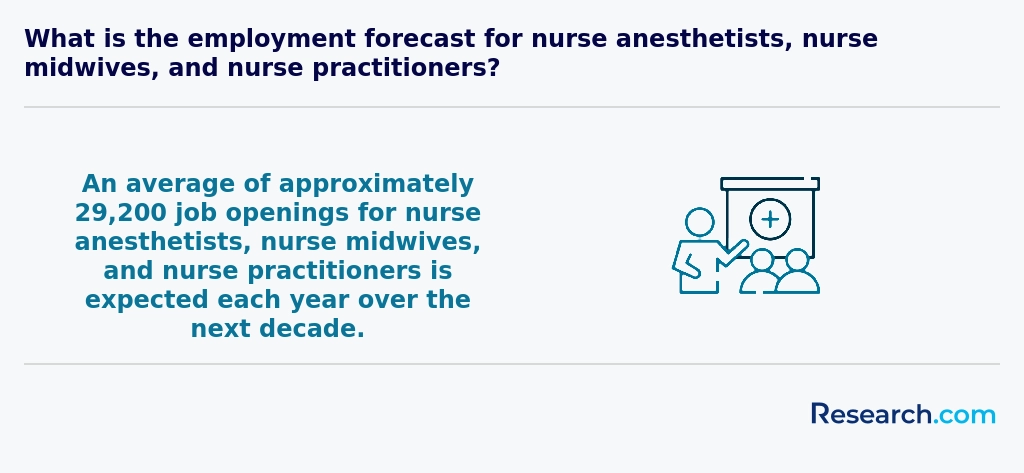
Texas institutions offer two primary online nursing doctorates: the Doctor of Nursing Practice (DNP) and the Doctor of Philosophy in Nursing (PhD). Each path serves distinct professional goals: • Doctor of Nursing Practice (DNP): – Emphasizes advanced clinical practice, healthcare policy, and leadership. – Curriculum includes quality improvement, evidence-based practice, and population health. – Often requires completion of a DNP capstone project in collaboration with healthcare systems. • Doctor of Philosophy in Nursing (PhD): – Focuses on original research, nursing theory, and academic scholarship. – Coursework covers research methodologies, biostatistics, and grant writing. – Culminates in a dissertation that contributes new knowledge to nursing science. Admission prerequisites typically include an accredited MSN or relevant master’s degree, an active RN license in Texas, professional references, and a statement of purpose. For those entering nursing from a non-clinical background, many programs recommend first completing direct entry msn programs non nurses to build foundational skills before pursuing doctoral studies. Career outcomes differ by degree: DNP graduates often assume roles as nurse practitioners, clinical leaders, or policy advisors, commanding salaries that can exceed $120,000 annually. PhD holders tend to secure faculty positions, lead research initiatives, and shape national healthcare guidelines. Both pathways strengthen E-A-T by demonstrating advanced expertise, contributing to evidence-based practice, and expanding leadership within Texas’s evolving healthcare landscape.
When pursuing an online nursing degree in Texas, financial aid is your strongest ally. Many graduates from top schools like the University of Texas at Arlington or Texas Woman's University share how federal aid, especially through FAFSA, transformed their college journey. The Pell Grant alone can cover up to $7,395 annually, easing the burden significantly for students balancing tuition costs ranging from $15,000 to $50,000.
State programs such as the Nursing Shortage Reduction Program (NSRP) provide additional scholarships to students enrolled in accredited Texas nursing programs, offering much-needed support. Graduates often mention how these grants opened doors to careers in underserved communities.
Institutions also offer merit-based scholarships and special awards for veterans or minority students, making your application process worth every effort. Imagine combining these aids-federal, state, and school-based-and how that collaboration creates a financial foundation to build your nursing career confidently and without overwhelming debt.
Online nursing doctorate programs, whether a DNP or PhD in Nursing, are structured to blend advanced coursework, clinical immersion, and rigorous research culminating in a dissertation or capstone project. Core curriculum typically includes evidence-based practice, health policy analysis, advanced physiology, and leadership in healthcare systems. Specialty tracks-such as pediatric, psychiatric-mental health, or nurse informatics-require an additional 12–18 credit hours of focused study. Clinical practicum hours range from 500 to 1,000, often completed through partnerships with local healthcare facilities and guided by faculty mentors who support IRB-compliant research design. Dissertation requirements for PhD candidates demand mastery of research methodologies, statistical analysis, and theoretical frameworks, leading to an original study that contributes new knowledge to nursing science. DNP students pursue a scholarly project or practice immersion that translates evidence into improved patient outcomes or system-level interventions. Both pathways involve proposal defense, regular advisory committee reviews, and a final oral defense or portfolio presentation. Accredited programs emphasize mentorship: students work closely with interdisciplinary faculty to refine research questions, select appropriate methods (qualitative, quantitative, or mixed), and ensure ethical compliance. For those seeking flexible clinical immersion options, programs such as the chatham dnp program offer modular residencies that can be scheduled around professional commitments, enabling seamless integration of academic rigor and practical expertise.
To enroll in an online nursing degree in Texas, you'll need to meet key prerequisites designed to prepare you for success. For entry-level programs like the online BSN, graduates from institutions such as the University of Texas at Arlington share that having a high school diploma or GED is the essential first step. Beyond that, completing prerequisite courses in biology, chemistry, anatomy, and physiology with a solid GPA-usually around 2.5 to 3.0-is crucial. These foundations ensure you're equipped to handle demanding nursing coursework.
Registered nurses aiming to advance through RN to BSN or MSN programs, like those offered at Texas Woman's University, must hold an active Texas nursing license. Many students reflect on how professional nursing experience, often one to two years, brought real-world context to their studies and boosted their confidence. Submitting official transcripts and sometimes passing entrance exams like the TEAS also play a role.
Finally, be prepared for technical needs: reliable internet, access to a computer for simulations, and clinical hours in approved settings with background checks and immunizations are standard. These steps might feel daunting, but they pave the way to a rewarding career in nursing here in Texas.
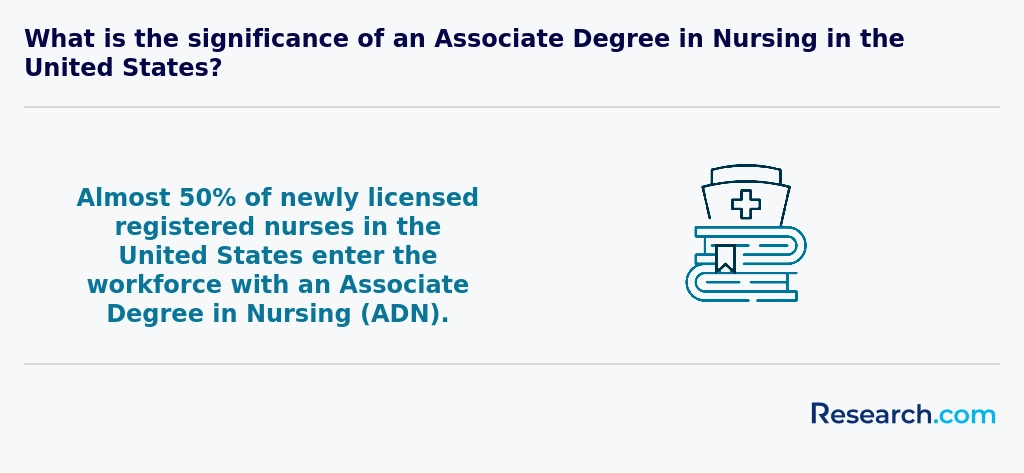
When considering an online nursing program in Texas, one crucial aspect to evaluate is the cost and affordability. For prospective students seeking to minimize their expenses, researching the cheapest nursing school in Texas can be a strategic move. By exploring options such as cheapest nursing school in Texas, individuals can make informed decisions that align with their financial situation and goals. The cost of an online nursing degree in Texas can vary significantly depending on factors such as the institution, program level, and whether the student is classified as in-state or out-of-state. Understanding these costs and identifying affordable options can help aspiring nurses navigate the challenges of financing their education. Additionally, exploring financial aid, scholarships, and loan forgiveness programs can further enhance the affordability of pursuing an online nursing degree in Texas, making it more accessible to a wider range of individuals.
Courses in online nursing degrees across Texas are thoughtfully designed to equip you with both foundational knowledge and practical expertise. Graduates from popular programs at universities like the University of Texas and Texas A&M often share how classes like Health Assessment and Pathophysiology brought textbooks to life-imagine confidently evaluating a patient's vital signs or understanding the underlying causes of illness.
Pharmacology is another cornerstone, teaching you about drug actions and safe medication practices, essential skills for any nursing role. You'll also dive into Adult and Geriatric Nursing, critical for Texas's growing elderly population, where you learn compassionate care tailored to older adults' unique needs.
Pediatric Nursing lets you explore caring for children and adolescents, while Mental Health Nursing prepares you to address psychological wellness with empathy and clinical insight. Many Texas programs offer advanced courses in nursing leadership and ethics, preparing you to confidently navigate complex healthcare environments.
Throughout your studies, clinical practicums or virtual simulations mirror real-life scenarios, ensuring you graduate ready to make a meaningful impact in Texas's diverse healthcare settings.
If you're pursuing an online nursing degree in Texas, you'll find a variety of enriching specializations designed to meet diverse healthcare needs. Many graduates from top Texas schools feel empowered choosing paths like Family Nurse Practitioner (FNP), where they serve broad patient populations, especially in underserved rural communities. Others draw inspiration from the Psychiatric-Mental Health Nurse Practitioner (PMHNP) track, addressing crucial mental health challenges felt statewide.
Programs at well-regarded Texas colleges often include Adult-Gerontology Nurse Practitioner (AGNP) options, perfectly timed for the state's growing elderly population, or Neonatal Nurse Practitioner (NNP) specializations, essential for caring for fragile newborns. Some students thrive in Health Systems Leadership, gaining skills to lead and innovate healthcare facilities, a rewarding shift from bedside nursing.
Exploring the best nursing doctorate specializations Texas schools offer lets you tailor your studies to your passions and goals. By focusing on these areas, many nurses boost their career prospects and earning potential-often reaching milestones that inspire. Curious about long-term rewards? Some graduates share how understanding the starting salary for dentists helped them negotiate better nurse practitioner salaries.
Choosing the best online nursing programs Texas has to offer means focusing first on accreditation and real-world applicability. Graduates from top Texas universities often share how programs accredited by CCNE or ACEN gave them confidence their education met rigorous standards, helping them succeed on the NCLEX-RN licensure exam. Look for schools that provide clinical placements in Texas, so you gain hands-on experience near home-this is vital for licensure and career growth.
Many past students appreciate programs that balance asynchronous coursework with flexible pacing, allowing them to maintain jobs or family commitments while earning degrees. Affordable programs, especially those at public Texas universities with in-state tuition, can reduce financial stress while still delivering quality education. For advanced goals, consider affordable online doctorate nursing Texas options that support leadership roles in healthcare.
Finally, as you explore programs, consider how licensure and career support align with your ambitions. For example, if you are curious how nursing paths compare with other healthcare careers, you might find helpful insights similar to those in the LPC salary Louisiana resource.

Graduates with an online nursing degree in Texas find themselves stepping into a dynamic healthcare landscape teeming with opportunity. Many begin as Registered Nurses, gaining hands-on experience in bustling hospitals or community clinics, much like those who completed their studies at well-known Texas universities. These roles not only offer rewarding patient interactions but also provide a vital foundation for career growth. Exploring the numerous online nursing career opportunities in Texas reveals paths such as Nurse Practitioner or Clinical Nurse Specialist, where advanced practice authority allows for direct patient diagnosis and treatment, a real game changer in many Texan settings.
Others choose leadership or teaching roles, inspired by mentors from prominent colleges who transitioned into Nurse Educator or Nurse Administrator positions, managing teams and shaping the next generation of nurses. Specializing in fields like oncology or pediatrics adds a unique, fulfilling dimension to one's career, often boosting compensation and professional standing.
For students budgeting their future, comparing program fees is crucial. You might also want to explore nursing programs cost Georgia for a broader perspective via nursing programs cost Georgia. With determination and the right online nursing degree, Texas opens doors to careers that combine passion, impact, and stability.
The job market for graduates of online nursing degrees in Texas is vibrant and full of promise. Many graduates from well-known Texas universities, such as the University of Texas at Austin and Texas A&M, report finding rewarding positions quickly in urban hubs like Houston and Dallas, where healthcare demand is soaring. This strong demand for registered nurses creates a valuable opportunity for those pursuing online nursing jobs in Texas, offering flexibility without sacrificing career growth.
Graduates appreciate how their online degree equips them to meet licensure requirements set by the Texas Board of Nursing, allowing a smooth transition into competitive roles. With a projected 16% employment growth through 2030, nurses can confidently expect steady job availability as Texas' aging population and advanced health technologies increase the need for skilled professionals.
Financially, bachelor's and doctorate degrees in nursing from online programs at Texas public universities offer an accessible path that balances cost and career advancement. Many graduates engage in community healthcare initiatives, gaining practical experience while building networks in both rural and urban settings.
2027 Best Online Doctorate in Nursing Degree Programs Ranking in Texas
Investing in your education is a significant decision that can shape your professional future, and the Research.com team recognizes the importance of making well-informed choices. To support prospective students interested in advanced nursing education, we have carefully developed the "2027 Best Online Doctorate in Nursing Degree Programs Ranking in Texas." Our dedication to quality, credibility, and accuracy is demonstrated through thorough research and detailed analysis.
We utilized the following reputable data sources to ensure a comprehensive assessment of nursing programs:
By reviewing this ranking, readers will gain valuable insights into the best online doctoral nursing programs in Texas, enabling them to make informed decisions tailored to their educational and career goals. For a deeper understanding of our ranking process, please visit our Research.com methodology page.


Frequently Asked Questions About nursing
Online nursing degree students in Texas can maximize their learning experience by actively engaging with their coursework and clinical components. Given Texas's requirement for supervised clinical hours to obtain licensure, students should seek programs offering diverse, local clinical placements to gain practical skills. Research from the Texas Board of Nursing shows that hands-on training significantly improves licensure exam pass rates. Additionally, participating in virtual study groups and utilizing online resources, such as simulation labs and nursing databases, helps reinforce knowledge. Time management and regular communication with faculty are also crucial to successfully balance studies, especially for working nurses advancing their education.
The nursing field in Texas is evolving quickly, with several emerging niches gaining importance. One notable area is telehealth nursing, which has grown due to the increased demand for remote patient care. According to the Texas Board of Nursing, telehealth roles now account for a significant portion of job openings. Another fast-growing niche is gerontological nursing, responding to Texas's rising elderly population. Nurse informatics is also expanding, combining healthcare and technology to improve patient outcomes. Additionally, psychiatric-mental health nursing is increasingly critical, given rising mental health awareness. These specialized fields offer online nurses new career paths aligned with Texas healthcare needs.
Preparing for the job market after completing an online nursing degree in Texas involves several key steps. First, ensure you meet all Texas Board of Nursing requirements, including passing the NCLEX-RN exam to obtain licensure, which is mandatory for all registered nurses in the state.
Networking is crucial; join professional organizations like the Texas Nurses Association to access job listings, mentorship, and continued education. Additionally, Texas has a high demand for nurses, projected to grow by 15% through 2030 according to the Texas Center for Nursing Workforce Studies, making timely job search and application essential.
Gaining clinical experience through internships or volunteer work enhances employability. Updating your resume to highlight online learning skills and telehealth capabilities can also set you apart in the evolving healthcare field.
Employers in Texas prioritize a range of skills when hiring graduates from online nursing degree programs. Clinical competence is essential, including proficiency in patient assessment, medication administration, and wound care. According to the Texas Board of Nursing, employers value critical thinking and decision-making skills highly due to the dynamic healthcare environment.
Communication abilities are also crucial. Nurses must effectively interact with patients, families, and interdisciplinary teams. Texas Nursing Workforce Survey data highlights teamwork and empathy as key attributes sought by healthcare providers.
Moreover, digital literacy is increasingly important, especially in electronic health record management and telehealth services. Graduates who combine strong clinical skills with technological competence find a significant advantage in Texas job markets.
Finding nursing internships in Texas requires a strategic approach, especially for online degree students. Start by contacting the Texas Board of Nursing, which oversees clinical practice standards and may offer guidance on approved internship sites.
Many nursing programs in Texas have partnerships with local hospitals, clinics, and healthcare facilities. Inquire with your school's career services or clinical coordinator about affiliated internship opportunities. Popular sites include Texas Health Resources and UT Health Science Center hospitals.
Networking through professional nursing organizations such as the Texas Nurses Association can also open doors to internships and mentorships. Since Texas has over 230,000 licensed nurses (Texas Board of Nursing, 2023), competition can be high, so early application is key.
An online nursing degree in Texas can significantly enhance career mobility and advancement opportunities for registered nurses (RNs) and other nursing professionals. Texas ranks among the top states in nursing employment, with over 300,000 RNs as of 2023, according to the Texas Board of Nursing. Earning an online Bachelor of Science in Nursing (BSN) or a Doctorate of Nursing Practice (DNP) often meets the growing employer demand for higher education credentials in healthcare settings.
Higher degrees enable nurses to access leadership roles, specialized practice areas, and increased salaries. The Texas Workforce Commission projects a 15% growth in advanced nursing positions through 2028. Online degree programs provide flexibility, allowing working nurses to upskill without relocating or pausing their careers.
Accredited online programs also prepare graduates for Texas Board of Nursing licensure and certifications, facilitating smooth transitions into advanced practice registered nurse (APRN) roles. This flexibility supports continuous career development in a competitive healthcare market.
Studying for a nursing degree in Texas equips students with skills essential for interdisciplinary roles through comprehensive online programs. These programs emphasize teamwork across healthcare fields such as medicine, social work, and pharmacy. Nursing curricula in Texas often incorporate collaborative case studies and simulation exercises, fostering communication and leadership abilities.
Texas is home to a growing healthcare workforce, with the Texas Board of Nursing reporting over 350,000 licensed nurses as of 2023. This environment encourages nurses to work within diverse teams to improve patient outcomes. Online degrees also cover topics like health policy and informatics, which are vital for interdisciplinary collaboration.
Courses frequently include training on coordination with physicians and other health professionals, supporting integrated care models prevalent statewide.
When choosing between a thesis and a non-thesis nursing degree program in Texas, consider your career goals. Thesis programs require conducting original research and writing a detailed paper, suitable for those interested in academic or research roles. Non-thesis options focus more on practical skills and coursework, ideal for nurses aiming for advanced clinical practice or leadership positions.
According to the Texas Board of Nursing, roughly 70% of nursing graduate students prefer non-thesis programs due to their quicker completion times. Thesis programs can take longer but provide strong preparation for doctoral studies. Understanding these differences helps align your education with Texas's growing healthcare needs.
Students based in Texas who are interested in studying nursing abroad face unique challenges due to U.S. licensing and accreditation standards. Most nursing programs accepted in Texas require accreditation by bodies such as the Commission on Collegiate Nursing Education (CCNE) or the Accreditation Commission for Education in Nursing (ACEN). Many international online nursing degrees may not meet these standards, which can affect eligibility for the Texas Board of Nursing licensure exam.
However, some Texas students explore exchange programs or partnerships between U.S. and foreign universities, allowing them to complete parts of their degree abroad while maintaining U.S. accreditation eligibility. According to the Texas Higher Education Coordinating Board, nursing remains the largest health-related profession in the state, emphasizing the importance of recognized qualifications for workforce entry.
In short, students interested in studying nursing abroad should prioritize programs with accreditation accepted by Texas to ensure licensure and career opportunities.
In Texas, part-time job opportunities that complement nursing degree education are abundant, especially for students pursuing online programs. Positions such as certified nursing assistants (CNAs), medical scribes, and patient care technicians offer practical experience relevant to nursing. According to the Texas Workforce Commission, CNAs in Texas earn an average of $14 to $18 per hour, providing income alongside skill development.
Many hospitals and clinics also hire part-time health unit coordinators, which helps students understand healthcare operations and improve administrative skills. These roles often accommodate flexible hours, ideal for balancing studies with work commitments. Such jobs not only build clinical knowledge but enhance resumes for future nursing careers.
Online nursing students in Texas have several networking opportunities despite studying remotely. Many universities offer virtual events, webinars, and online student organizations tailored to distance learners. These platforms enable students to connect with peers, faculty, and nursing professionals across the state.
The Texas Nurses Association (TNA) provides valuable networking through conferences, local chapters, and online forums, helping students engage with experienced nurses. Additionally, clinical placements in Texas healthcare facilities facilitate in-person connections essential for career growth.
According to the Texas Board of Nursing, the state's nursing workforce exceeds 290,000, meaning abundant professional networking resources and job opportunities exist for online students.
Alumni networks provide significant advantages for online nursing degree students in Texas by fostering professional connections across the state. According to the Texas Board of Nursing, networking is essential for career advancement as 70% of nursing positions are filled through referrals.
These networks offer mentorship opportunities, helping students navigate licensure requirements and clinical placement challenges specific to Texas healthcare settings. Additionally, alumni groups often share job leads and continuing education resources, which are crucial in a state with growing nursing demands projected to increase 15% by 2030 per Texas Workforce Commission data.
Engagement in these communities can also enhance students' sense of belonging despite studying remotely, providing support and motivation throughout their education.
Customizing an online nursing degree program in Texas allows students to align their education with specific career goals. Many Texas nursing schools offer concentrations such as family nurse practitioner, nurse educator, or healthcare leadership. Selecting relevant clinical practicum sites within Texas supports practical experience tailored to desired specialties.
Students often choose elective courses focused on emerging healthcare needs in Texas, like rural health or telehealth nursing. This flexibility helps meet the state's unique patient populations and workforce demands. According to the Texas Board of Nursing, curricular options are designed to comply with state licensure requirements, ensuring graduates are prepared for Texas healthcare settings.
By leveraging these customizable features, nurses can enhance their skills and improve job prospects within Texas's growing healthcare industry.
Online nursing students in Texas often face several challenges while pursuing their degrees. One major obstacle is balancing clinical requirements with flexible, remote coursework. Texas nursing programs typically require students to complete a minimum number of in-person clinical hours, which can be difficult to schedule around work or family commitments.
Additionally, internet connectivity and access to reliable technology can impact the learning experience, especially in rural areas of Texas where broadband service may be limited. According to the Texas Board of Nursing, clinical placement availability is another common issue, as demand often exceeds supply in high-quality healthcare facilities.
Finally, students may struggle with limited peer interaction and networking opportunities compared to traditional programs, which can affect professional growth and support systems during study.
With an online nursing degree in Texas, you can pursue several professional certifications that enhance your career opportunities. Common certifications include the Registered Nurse (RN) license, overseen by the Texas Board of Nursing. After earning your RN, many graduates seek advanced certifications like the Certified Nurse Practitioner (CNP) or Clinical Nurse Specialist (CNS).
Specialty certifications from bodies such as the American Nurses Credentialing Center are also popular, including certifications in family, psychiatric, or pediatric nursing. These credentials reflect specialized knowledge and skills, increasing employability across Texas healthcare settings.
According to the Texas Workforce Commission, certified nurses often earn 10-20% higher salaries than non-certified peers. Certification requirements typically include passing exams and having clinical experience, which online programs help prepare for effectively.
Applying to an online nursing program in Texas requires careful preparation. First, ensure you meet the Texas Board of Nursing's eligibility criteria, including having an active RN license if applicable. Many programs expect applicants to submit official transcripts showing relevant coursework with competitive GPA scores, often 3.0 or higher.
Craft a compelling personal statement highlighting your commitment to nursing and how the online format fits your career goals. Use clear, concise language and mention any clinical experience in Texas healthcare settings to demonstrate your practical readiness.
Strong letters of recommendation from nursing professionals or educators in Texas can boost your application significantly. Lastly, check deadlines closely and tailor each application according to specific program requirements to improve your chances.
Nursing is a highly respected profession worldwide, with growing demand in many countries. In the United States, including Texas, nursing offers stability and diverse career options. The Texas Board of Nursing reports that registered nurses (RNs) are among the largest healthcare groups, with over 240,000 licensed RNs in the state as of 2023.
Globally, the World Health Organization highlights nursing as essential to healthcare systems, especially with increasing elderly populations. The U.S. education system supports this through numerous accredited online nursing degree programs, allowing flexibility for working professionals in Texas.
The global push toward advanced practice nurses also reflects in Texas, where online doctorate programs help nurses meet evolving healthcare needs. This international recognition reinforces nursing as a sustainable and impactful career choice.
Gaining practical experience while studying for an online nursing degree in Texas is essential for developing clinical skills and meeting licensure requirements. Most online programs incorporate clinical rotations at healthcare facilities near the student's residence. These hands-on experiences are arranged in partnership with hospitals, clinics, and long-term care centers across Texas.
Students typically complete between 500 to 1,000 clinical hours, depending on their program level and specialty. The Texas Board of Nursing mandates that students gain supervised patient care experience before sitting for the NCLEX exam.
Additionally, some programs offer simulation labs or virtual clinical scenarios to supplement real-world practice, helping students prepare for diverse clinical settings.
Choosing the right concentration within an online nursing degree program in Texas begins with understanding your career goals. Texas has a strong demand for specialized nursing roles, such as Family Nurse Practitioners and Nurse Anesthetists, with the Texas Board of Nursing reporting steady growth in these areas. Research the types of licenses and certifications required for each concentration to ensure you meet Texas' regulatory standards.
Consider your personal interests and strengths, whether in pediatrics, gerontology, or acute care. Review program curricula to see if clinical placements align with your preferred settings. Consulting workforce projections from the Texas Health and Human Services can also guide your decision based on job market needs.
- 2027 Best Online Doctorate in Nursing Degree Programs Ranking in Louisiana
- 2027 Best Online Doctorate in Nursing Degree Programs Ranking in New Mexico
- 2027 Best Online Doctorate in Nursing Degree Programs Ranking in Missouri
- 2027 Best Online Doctorate in Nursing Degree Programs Ranking in Colorado
- 2027 Best Online Doctorate in Nursing Degree Programs Ranking in Tennessee
- 2027 Best Online Doctorate in Nursing Degree Programs Ranking in Arizona
- 2027 Best Online Doctorate in Nursing Degree Programs Ranking in Georgia
- 2027 Best Online Doctorate in Nursing Degree Programs Ranking in Florida
- 2027 Best Online Doctorate in Nursing Degree Programs Ranking in Kentucky
- 2027 Best Online Doctorate in Nursing Degree Programs Ranking in South Carolina
See What Experts Have To Say About Studying Nursing
Read our interview with Nursing experts


- Scholarships & Financial Aid https://www.aacnnursing.org/students/scholarships-financial-aid
- College of Nursing Scholarship and Programmatic Funds - College of Nursing https://www.unthealth.edu/college-of-nursing/college-of-nursing-scholarship-and-programmatic-funds.html
- Take a look at the Recent articles https://www.oatext.com/nursing-student-engagement-researching-the-journey-and-its-potential-impact-on-transitions-to-practice.php/faqs.php
- How to Choose the Right Nursing Program for Your Career Goals - Maria College https://mariacollege.edu/blog/how-to-choose-the-right-nursing-program-for-your-career-goals
- Do I Have to Write a Thesis to Complete a Master’s Degree in Nursing? https://www.bestmasterofscienceinnursing.com/faq/write-thesis-complete-masters-degree-nursing/
- The Nurses' Alumni Association https://giving.mainlinehealth.org/get-involved/auxiliaries-and-womens-boards/lankenau-medical-center-womens-board/the-nurses-alumni-association
- Online ABSN Prerequisites - Concordia University Texas https://absn.concordia.edu/admissions/absn-prerequisites/
- How Do Nurses Prepare to Work in a Multidisciplinary Team? | NursingEducation https://nursingeducation.org/insights/multidisciplinary-team/
- Online Nursing Programs in Texas: Explore Top Schools for 2024 https://www.edumed.org/online-schools/nursing-rn-programs/texas/
- Your Questions About Online Nursing School, Answered https://www.allnursingschools.com/how-to-get-into-nursing-school/online-programs/


