2027 Best Online Doctorate in Nursing Degree Programs Ranking in Georgia

Co-Founder and Chief Data Scientist
Choosing the right online doctorate in nursing program can shape your future and career opportunities. For students in Georgia, our article offers a detailed 2027 Best Online Doctorate in Nursing Degree Programs Ranking in Georgia, developed by the Research.com team of data scientists.
This ranking helps you explore reputable programs with confidence, simplifying your decision-making process.
Reading this guide will inspire you to advance your nursing career and make an informed choice that fits your goals. Pursuing a nursing degree can open doors to new possibilities and personal growth.
Key benefits of getting online nursing degree in Georgia
- Graduates with a nursing degree in Georgia can expect strong earnings, such as a mean annual wage of $128,490 for roles like Family Nurse Practitioner and Psychiatric Nurse Practitioner, reflecting rewarding financial opportunities.
- Career paths often include specialties like Adult Nurse Practitioner or Acute Care Nurse Practitioner, offering diverse options that fit many passions and lifestyles seen in nursing graduates from institutions like the University of Georgia.
- Completing a nursing degree online, as many students from Georgia's top programs do, provides flexibility and the ability to balance work and study, making the journey both manageable and enjoyable.
- 2027 Best Online Doctorate in Nursing Degree Programs Ranking in Georgia
- What can I expect from online nursing degree in Georgia?
- Where can I work with online nursing degree in Georgia?
What can I expect from online nursing degree in Georgia?
The average cost of an online nursing degree in Georgia varies widely based on the institution and program level. Graduates from well-known public universities report tuition ranging from approximately $8,000 to $15,000 per year for bachelor's degrees when taking advantage of in-state rates. Private colleges, offering accelerated or specialized tracks, often charge between $20,000 and $30,000 annually, which some students find worthwhile given the tailored curriculum and competitive clinical placement support.
Many graduates recall feeling relieved that their programs balanced affordability with quality, especially when financial aid and scholarships specific to Georgia nursing students were available. For example, those enrolled at reputable universities like Augusta University or Georgia State often praise the practical support in securing local clinical hours without adding relocation costs.
Still, it is important to consider that total expenses may increase due to fees, books, and occasional travel for in-person clinical practice. Prospective students should weigh these factors carefully and explore multiple programs to find one that aligns with both their budget and career goals in Georgia's healthcare landscape.
Where can I work with online nursing degree in Georgia?
Graduates from online nursing programs in Georgia often find diverse employment opportunities across the state's healthcare landscape. Many who studied at institutions like Georgia State University or Augusta University describe feeling empowered when hired by major hospital systems such as Emory Healthcare or WellStar Health System, where their bachelor's degrees are highly valued. These graduates often express a sense of accomplishment transitioning into roles that demand both clinical skills and critical thinking.
Beyond hospitals, some graduates share experiences working in outpatient clinics, nursing homes, and community health centers, highlighting how their education prepared them to adapt quickly to different settings. Those with graduate degrees take pride in securing advanced practice roles like nurse practitioners or clinical nurse specialists, illustrating how Georgia's licensing requirements push graduates to attain specialized certifications.
Nurses also find meaningful work in rural areas, where staffing shortages make their skills crucial. For example, alumni of Kennesaw State University often mention rewarding challenges contributing to public health through education and prevention programs. This variety reflects how online degrees in Georgia can open multiple career paths depending on one's goals and interests.
Graduates with an online nursing degree in Georgia can expect varied earnings depending on their specialization. For example, registered nurses typically earn around $71,620 annually, slightly below the national average. However, those pursuing advanced roles, like nurse practitioners, see significant salary increases. The latest data shows that family, psychiatric, adult, and acute care nurse practitioners in Georgia all share a mean annual wage of approximately $128,490, demonstrating robust financial potential.
Many graduates from popular programs at universities such as Georgia State University and Augusta University highlight how their online MSN degrees propelled them into these well-paid advanced practice roles. Their experiences often include balancing work and study, which makes salary gains feel especially rewarding.
While entry-level nurses often start with median RN salaries, pursuing certifications or advanced degrees through flexible online programs can lead to positions earning upwards of $120,000, such as nurse anesthetists or educators. Location also plays a role, with urban centers like Atlanta offering higher wages that align with living costs.
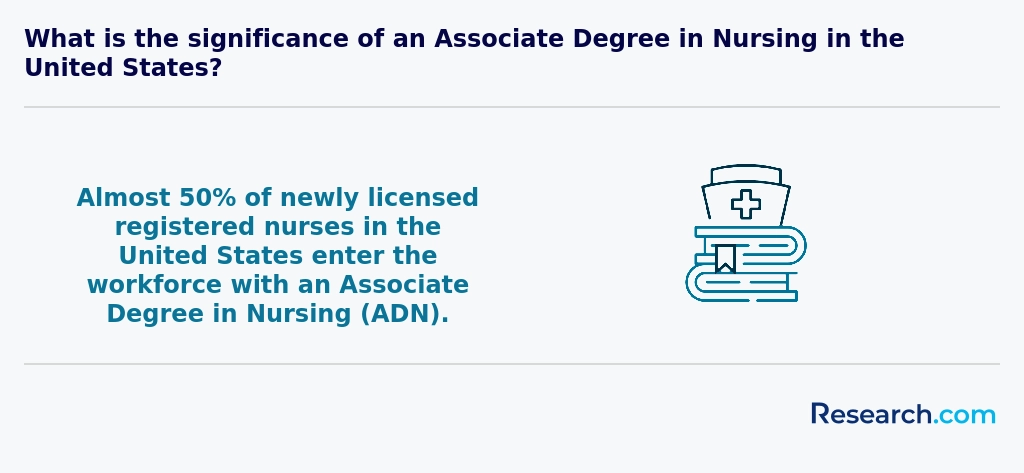
- Online nursing degrees in Georgia range from ADN to BSN and advanced graduate programs, all accredited to prepare students for the NCLEX-RN licensure exam.
- Public universities charge between $7,000 and $12,000 per year for in-state BSN students, while private institutions typically range from $15,000 to $25,000 annually, with additional fees for clinical practice and materials.
- Registered nursing jobs in Georgia are expected to grow by 16% over the next decade, outpacing the national average.
- Starting salaries for entry-level nurses in Georgia average around $60,000 per year, with experienced nurses earning over $80,000 and specialized roles potentially earning more.
- Online programs include clinical placements in local healthcare settings, supporting practical experience within Georgia's diverse healthcare market, including urban and rural areas.
Completion times for online nursing degrees in Georgia differ significantly based on the degree sought and study pace. Graduates from well-known Georgia institutions often share that an Associate Degree in Nursing (ADN) typically takes about 2 to 3 years of study. These programs balance coursework with clinical hours mandated by the Georgia Board of Nursing, requiring students to coordinate in-person experiences alongside online classes.
For those pursuing a Bachelor of Science in Nursing (BSN) online, the timeline usually spans 3 to 4 years full-time. Licensed nurses often use flexible RN-to-BSN programs offered by universities such as Augusta University or Georgia State University, appreciating the option to extend to 4-6 years part-time to fit work and family demands. One graduate described the flexibility as "life-changing," allowing continued employment with steady progress.
Online Master of Science in Nursing (MSN) programs reflect even more variability, with lengths ranging from 18 months to 3 years. Students point out that clinical practicum requirements and specialization choices influence completion markedly, especially in Georgia's rigorous program environments. Transfer credits and part-time enrollment often help manage timelines but require careful planning.
After earning your online doctorate in nursing degree in Georgia, obtaining licensure from the Georgia Board of Nursing is a mandatory step before beginning practice. Applicants must submit proof of graduation from an accredited program, official transcripts, and a completed nursing licensure application. Additionally, passing the National Council Licensure Examination for Registered Nurses (NCLEX-RN) is required for registered nurse licensure, while nurse practitioners must hold valid RN licensure and meet advanced practice credential criteria. Georgia also mandates a state jurisprudence exam covering professional standards and state nursing laws. Continuing education plays a key role in maintaining certification. Advanced practice nurses must complete at least 30 contact hours of approved continuing education every two years, including specific content on pharmacology. Specialty certifications, such as family nurse practitioner (FNP) or psychiatric-mental health nurse practitioner (PMHNP), require additional national board certification through bodies like the American Nurses Credentialing Center (ANCC) or the American Association of Nurse Practitioners (AANP). Many Georgia online programs integrate review courses and workshops to prepare students for these exams. Prospective students concerned about program costs and licensure support should explore affordable alternatives and preparatory resources. For example, you may find value in comparing our Inexpensive Online Nursing Degree Programs Ranking in North Carolina, which highlights cost-effective pathways that include robust licensure assistance and certification prep.
Choosing between online and on-campus nursing degrees in Georgia often hinges on how students balance flexibility with hands-on experience. Graduates from programs at institutions like the University of Georgia or Georgia State University often describe online study as a convenient option, especially for those juggling jobs or family. They appreciate being able to access lectures anytime without the stress of commuting.
However, on-campus programs provide a more structured environment. For example, students at Emory University emphasize the value of face-to-face interactions with professors and classmates, which they say enriches their understanding of complex nursing concepts through immediate feedback.
Both paths require clinical hours completed in-person, often arranged locally if studying online. Graduates from both formats agree that securing these placements can feel challenging but rewarding, as it connects theory with real-world practice.
Cost considerations also come into play-online learners at schools like Kennesaw State note savings on housing and transport, while still investing similar tuition fees as their on-campus peers. Ultimately, the difference lies in balancing personal circumstances with the preferred learning style.
The Doctor of Nursing Practice (DNP) is a terminal, practice-oriented degree designed to prepare nurses for the highest level of clinical leadership. Unlike a PhD in Nursing, which focuses on research and academia, a DNP emphasizes translating evidence into patient care, healthcare policy, and organizational improvement.
Core features of a DNP program:
- Advanced coursework in health policy, epidemiology, leadership, and informatics
- A practice-focused capstone project rather than a traditional dissertation
- Completion of extensive clinical hours (often 1,000+) under the supervision of certified preceptors
- Preparation for roles such as nurse practitioner, clinical director, or healthcare administrator
For nurses seeking programs without a formal dissertation requirement, explore online dnp programs without dissertation.
The average cost of an online nursing degree in Georgia tends to hover around $14,000, reflecting a balance between affordability and quality education. Graduates from well-regarded institutions such as those within the University System of Georgia often share how this investment felt reasonable given the flexibility and resources provided. Public colleges usually charge between $200 and $400 per credit hour for undergraduate nursing programs, with private colleges costing considerably more. This cost difference can influence a student's choice, especially when considering programs that fit personal budgets without sacrificing educational outcomes.
Many students pursuing online nursing degrees in Georgia appreciate the reduced expenses related to commuting and campus fees, which contrasts with traditional on-campus programs. For example, some students from Georgia's Technical College System describe savings on travel and housing as a key factor in their decision. Yet, it's important to account for additional expenses like textbooks, clinical placement fees, and possible travel for in-person clinical hours, which can sometimes add several thousand dollars overall.
Considering affordable online nursing doctorate programs Georgia residents often seek options offering strong financial aid or scholarships. These help make advanced degrees, such as the MSN or DNP, more accessible despite tuition rates that can exceed $500 per credit hour. Prospective students should explore opportunities carefully, as multiple graduates report that such support significantly eased their financial burden.
For those interested in comparing options and ensuring a cost-effective choice, researching affordable nursing schools in Georgia is a practical first step toward an informed decision tailored to individual circumstances and career goals.
When evaluating the 2024 Best Online Doctorate in Nursing Degree Programs in Georgia, it’s essential to distinguish between the Doctor of Nursing Practice (DNP) and the Doctor of Philosophy in Nursing (PhD). The DNP is a practice‐focused degree designed to prepare nurses for advanced clinical leadership, applying evidence‐based research directly to patient care and system improvement. In contrast, a PhD in Nursing emphasizes original research, generating new nursing science and preparing graduates for careers in academia, policy development, and high‐level research positions. Duration and Curriculum Differences Most online DNP programs in Georgia require 35–45 credit hours beyond the MSN and can be completed in 2–3 years full-time. Core courses typically cover advanced pathophysiology, health policy, and organizational leadership, culminating in a practice‐based capstone project. Online PhD programs usually span 3–5 years, involve 45–60 credit hours, and include rigorous research methodology, quantitative and qualitative analysis, and a dissertation that contributes to nursing scholarship. Both program types must hold accreditation from bodies such as the Commission on Collegiate Nursing Education (CCNE) or the Accreditation Commission for Education in Nursing (ACEN), ensuring curriculum quality and eligibility for federal financial aid. Career Outcomes and Program Selection Graduates with a DNP often pursue roles as nurse executives, clinical specialists, or advanced practice providers, while PhD-prepared nurses become faculty members, grant writers, and policy advisors. When comparing admissions competitiveness or planning your application timeline, you might also reference the ranking of easiest nurse practitioner degree programs to get into to gauge selectivity and find programs that align with your career goals. By understanding these distinctions, prospective students can choose the doctorate pathway that best fits their professional aspirations and learning preferences.
Students enrolled in online nursing programs at Georgia colleges like Augusta University or Georgia Southern University often rely on federal aid as a starting point. By completing the FAFSA, they access grants such as the Pell Grant, which can cover up to $7,395 annually for those demonstrating financial need. Graduates from these programs frequently share how Direct Unsubsidized Loans and Grad PLUS Loans helped manage expenses during advanced study, offering manageable repayment options.
State aid plays a critical role as well. For example, recipients of the HOPE Scholarship or HOPE Grant at the University of West Georgia report feeling relieved by the substantial tuition coverage-around 75% at public institutions-which eases the pressure of balancing work and study.
Moreover, scholarships from organizations like the Georgia Nurses Foundation provide targeted support, rewarding both merit and need. Many nursing graduates appreciate local hospitals' tuition reimbursement programs, which encourage continuing education amid Georgia's growing demand for nurses, making financial support feel attainable rather than overwhelming.
When considering online nursing programs in Georgia, affordability is a crucial factor. Prospective students should research the costs associated with tuition, fees, and additional expenses to ensure they can manage their finances effectively. For those looking for budget-friendly options, exploring affordable nursing schools in Georgia can be a valuable step. Many institutions offer financial aid, scholarships, and grants to help alleviate the financial burden, making it more feasible for students to pursue their nursing education. By understanding the cost implications and available resources, students can make informed decisions about their educational investment and future career in nursing.
Enrolling in an online nursing degree in Georgia typically starts with holding a high school diploma or GED, a baseline requirement across institutions like Georgia State University and Kennesaw State University. Many graduates recall the challenge of prerequisite courses such as human anatomy, microbiology, and statistics, which prepare students for rigorous nursing content.
Most programs ask for a cumulative GPA around 2.5, which can feel both motivating and intimidating for students balancing work and family commitments. Passing entrance exams like the TEAS is another common hurdle; graduates often describe these tests as a fair but demanding assessment of essential academic skills.
For advanced pathways like RN-to-BSN programs, an active Georgia RN license is indispensable, reflecting real-world experience that students find empowering when transitioning from clinical practice to higher education.
Additional requirements such as background checks and immunization records ensure readiness for clinical placements-a step graduates frequently view as reassuring, knowing their programs prioritize patient safety and ethical standards.
Such prerequisites might seem extensive, but many Georgia students feel they set a solid foundation for a successful nursing career.
Online doctorate in nursing programs in Georgia typically culminate in either a Doctor of Nursing Practice (DNP) or a PhD in Nursing, each designed to advance clinical expertise, leadership skills, and research acumen. Both pathways require 60–80 credit hours beyond the master’s level, integrating advanced coursework in health policy, biostatistics, organizational leadership, and evidence-based practice. Students progress through modular online lectures, interactive seminars, and small-group research forums, ensuring a rigorous academic experience aligned with AACN and CCNE accreditation standards. A hallmark of these programs is the capstone project or dissertation phase. DNP candidates complete a practice-focused scholarly project, addressing real-world clinical challenges-such as improving patient outcomes in rural clinics or implementing telehealth protocols-under the guidance of faculty mentors. PhD students, by contrast, undertake original research, defend their dissertation proposal, and publish findings in peer-reviewed journals. To build on foundational nursing knowledge, many doctoral enrollees come from accelerated pathways; for example, graduates of the fastest rn to bsn programs often transition seamlessly into doctoral studies, leveraging prior clinical competencies in their research designs. Clinical immersion remains integral even in online formats. DNP learners complete 1,000 practice hours-coordinated with Georgia health systems-while PhD candidates arrange research practicums in academic or policy settings. Both tracks offer synchronous “residency weekends” on campus for skills workshops and collaborative networking. By the program’s end, graduates emerge as nurse executives, clinical scholars, or faculty members equipped to transform healthcare delivery across Georgia’s communities.
Online nursing degree programs in Georgia typically include a robust mix of core courses designed to build essential clinical knowledge and skills. Graduates from schools like Georgia State University and Kennesaw State University often recall how anatomy, physiology, microbiology, and health assessment classes laid a strong foundation, enabling them to confidently understand the human body and patient evaluations.
Beyond these basics, students encounter crucial courses such as pharmacology, which clarifies medication effects-something many describe as eye-opening when they first connect theory to practice during clinical rotations. Pathophysiology courses help learners grasp disease mechanisms, while nursing research and evidence-based practice teach analytical thinking that directly improves patient care outcomes.
Courses in healthcare policy, ethics, and leadership prepare students to navigate complex regulations and take on advanced roles. For example, graduates appreciate how community and public health nursing-themed classes highlighted the importance of preventive care in Georgia's diverse populations, making their education feel both relevant and purposeful.
Online nursing degree programs in Georgia typically offer a range of specializations designed to meet diverse interests and career goals within the healthcare field. Among the popular tracks are Family Nurse Practitioner (FNP), which equips graduates from universities like Georgia State University with skills to provide comprehensive primary care across all ages. Another key specialization is the Adult-Gerontology Acute Care Nurse Practitioner (AGACNP), geared toward managing complex health issues in aging populations, a pressing need in Georgia's communities.
Several graduates from institutions such as the University of Georgia attest to the value of the Psychiatric-Mental Health Nurse Practitioner (PMHNP) specialization, which addresses the growing awareness of mental health challenges statewide. Other options include Neonatal Nurse Practitioner (NNP), Clinical Nurse Specialist (CNS), Healthcare Leadership, and Community/Public Health Nursing, reflecting the broad scope of online nursing specializations in Georgia. Those exploring their path may consider consulting the ranking of easiest nurse practitioner degree programs to get into for guidance tailored to program accessibility and fit.
Choosing the best online nursing degree in Georgia requires balancing several factors grounded in real student experiences. Graduates from popular schools often emphasize the importance of accreditation, such as from CCNE or ACEN, which ensures programs meet essential standards and supports eligibility for the NCLEX-RN exam. For many, attending a university with higher NCLEX pass rates not only boosts confidence but also reflects robust clinical preparation, a critical factor highlighted by those pursuing an online degree while working or managing family commitments.
Cost remains a major concern; some students appreciated that in-state tuition at public Georgia universities averages around $7,000 annually, making it more affordable compared to private options exceeding $20,000, especially when combined with fees and clinical costs. Flexibility also matters: asynchronous coursework and local clinical placements helped graduates juggle responsibilities effectively, a key consideration for those seeking affordable online nursing degrees Georgia offers.
Finally, exploring specializations or advanced pathways can be valuable, as one graduate noted discovering the advantages of the fastest rn to bsn programs. These options can align with long-term goals while providing support services like advising and tech help, which are often decisive for sustained success in demanding nursing programs.

Graduates with an online nursing degree in Georgia discover a variety of career paths shaped by the state's healthcare environment and evolving regulations. Those earning a BSN often find roles within prominent health systems like Emory Healthcare or Piedmont Healthcare, where they engage directly in patient care or community health. Nursing students from Atlanta-area universities report feeling encouraged by strong demand, reflecting the broader trend of expanding job prospects in Georgia nursing degree job prospects.
More advanced online degrees, such as an MSN or DNP, open up specialized roles like nurse practitioners or nurse anesthetists. Since Georgia granted full practice authority to nurse practitioners in 2021, many graduates experience increased professional autonomy and satisfaction. Yet, it's important to recognize that such outcomes may vary depending on clinical settings and individual readiness.
Aside from clinical work, many find fulfilling careers as nursing educators or administrators, especially given Georgia's projected shortage of educators. Graduates often mention feeling a deep sense of purpose shaping the next generation of nurses at popular institutions. For those interested in niche fields, options include geriatric, pediatric, or public health nursing, driving community impact in ways some find personally rewarding. Those seeking affordable study options might explore programs noted in the Inexpensive Online Nursing Degree Programs Ranking in North Carolina, which while outside Georgia, offer useful comparative insights into cost-effectiveness. Overall, online nursing career opportunities in Georgia are broad, yet students are advised to weigh personal interests and market conditions carefully.
The job market for online nursing degree jobs in Georgia remains robust, with strong demand fueled by the state's growing population and healthcare needs. Graduates from well-known programs at institutions like Georgia State University or Kennesaw State University often share positive experiences about how their degrees open doors to diverse clinical and administrative roles. Employers generally value accredited online degrees, recognizing them as equivalent to traditional on-campus credentials if programs satisfy Georgia's licensing standards. This acceptance broadens employment prospects significantly.
Despite challenges some graduates face entering competitive metropolitan hospital settings, many find rewarding positions in outpatient clinics, long-term care, or public health organizations. The Georgia nursing career outlook online degrees reveals a projected 15% job growth for registered nurses over the next decade, which is reassuring for new entrants.
For those considering their financial return, nurse practitioners earn median wages exceeding $110,000, underscoring the value of advanced education. However, prospective students should also explore financial aid options and affordable online programs to manage costs effectively while pursuing a promising nursing career. Understanding what are the highest paying trades can provide additional context for career planning.
2027 Best Online Doctorate in Nursing Degree Programs Ranking in Georgia
Investing in your education is a significant decision that can shape your career, and the Research.com team is committed to helping you make informed choices. To assist prospective students seeking the best online doctorate in nursing degree programs in Georgia, we have carefully developed the "2027 Best Online Doctorate in Nursing Degree Programs Ranking in Georgia." Our dedication to quality, credibility, and accuracy is demonstrated through thorough research and analysis behind this ranking.
We utilized the following reputable data sources to ensure a comprehensive evaluation of these programs:
By exploring this ranking, readers will gain valuable insights into top-quality programs in Georgia, enabling them to select programs aligned with their professional goals. For further information on our rigorous approach, please visit our Research.com methodology page.


Frequently Asked Questions About nursing
Online nursing degree students in Georgia can maximize their learning experience by actively engaging in both virtual and clinical components of their programs. Clinical practice is essential, as nursing demands hands-on skills; Georgia requires students to complete supervised clinical hours in approved healthcare settings. Staying organized with time management tools helps balance coursework with these practical requirements.
Utilizing resources like Georgia's Board of Nursing website can provide updates on regulations and licensure requirements, ensuring students remain compliant. Participating in online discussion groups or local nursing associations helps build professional networks and enhances understanding through peer support.
Moreover, taking advantage of Georgia's many healthcare facilities for clinical placements can expose students to diverse patient populations, which is vital in this state known for its rural and urban healthcare challenges. According to the Georgia Nurses Association, nearly 85% of nursing graduates secure employment within six months, highlighting the importance of practical experience in boosting job readiness.
The nursing field is expanding into several emerging niches, particularly relevant for students pursuing online nursing degrees in Georgia. One significant area is gerontological nursing, driven by Georgia's growing older adult population. According to the U.S. Census Bureau, by 2030, nearly 20% of Georgia's population will be over 65, increasing demand for specialized elderly care. Another rising field is informatics nursing, where professionals manage healthcare data and technology systems, improving patient outcomes. Additionally, psychiatric and mental health nursing is gaining importance as mental health awareness grows nationwide. These niches reflect evolving healthcare needs and offer promising career opportunities for nursing graduates in Georgia.
After earning an online nursing degree in Georgia, preparing for the job market involves several key steps. First, graduates must pass the NCLEX-RN licensing exam to become registered nurses in the state, a mandatory requirement enforced by the Georgia Board of Nursing.
Networking is essential. Joining professional organizations like the Georgia Nurses Association can provide valuable connections and job leads. Additionally, gaining practical experience through internships or clinical partnerships, even if completed online, strengthens resumes.
Georgia's healthcare sector is growing, with jobs expected to increase by 15% through 2030, according to the U.S. Bureau of Labor Statistics. Tailoring resumes to highlight skills relevant to this demand-such as geriatric or pediatric nursing-can improve hiring chances.
Continuing education and certifications in specialties are highly valued by employers in Georgia's hospitals and clinics, enhancing career prospects and salary potential.
Employers in Georgia highly value nursing graduates who demonstrate strong clinical skills and critical thinking abilities. According to the Georgia Board of Nursing, effective patient assessment and care planning are essential competencies. Additionally, communication skills are crucial for coordinating with medical teams and ensuring patient safety.
Technological proficiency is increasingly important, as many healthcare facilities in Georgia use electronic health records and telehealth systems. Emotional resilience and cultural competence are also sought-after, given Georgia's diverse patient population. The Georgia Department of Labor highlights that adaptability and a commitment to continuing education improve job prospects for new nurses in this competitive market.
Finding nursing internships in Georgia involves leveraging multiple resources to gain clinical experience required for licensure and professional development. Prospective students should begin by contacting their nursing program's clinical coordinator, as many institutions have partnerships with local healthcare facilities. According to the Georgia Board of Nursing, clinical placements often occur in hospitals, community health centers, and long-term care facilities across the state.
Utilizing platforms like the Georgia Nurses Association's career center and local hospital websites can help identify available internship and externship opportunities. Additionally, consider reaching out to organizations such as Emory Healthcare and Wellstar Health System, which commonly offer nursing internships.
Networking through state nursing conferences and joining professional groups can also open doors to internships. According to the Georgia Department of Labor, the healthcare sector is among the fastest-growing fields in the state, creating ample opportunities for nursing students to gain practical experience.
An online nursing degree in Georgia significantly enhances career mobility and advancement opportunities. With Georgia's healthcare sector growing faster than the national average, nurses with advanced degrees are in high demand. According to the Georgia Board of Nursing, earning a Bachelor of Science in Nursing (BSN) or higher increases eligibility for leadership and specialized clinical roles.
Online programs offer flexible scheduling, allowing working nurses to upskill without interrupting their careers. Graduates often qualify for positions such as nurse practitioners, nurse educators, or administrative roles. The Georgia Department of Labor projects a 15% growth in advanced nursing roles by 2030, making higher education critical.
Additionally, many healthcare employers in Georgia prefer or require advanced degrees for promotions, tying education directly to salary increases and job security.
Studying for a nursing degree in Georgia equips students with skills necessary for interdisciplinary roles in healthcare teams. Programs often emphasize collaboration with professionals such as physicians, social workers, and pharmacists. This approach reflects the Complexity Science Model promoted by the Georgia Board of Nursing to improve patient care outcomes.
Georgia nursing curricula include coursework in communication, leadership, and healthcare policy, fostering teamwork across disciplines. According to the Georgia Nursing Workforce Survey, 68% of nurses engage in interdisciplinary activities, highlighting the relevance of such training.
Additionally, accredited online programs incorporate clinical experiences that expose students to diverse care settings, preparing them for cooperative roles within various healthcare environments.
When choosing between a thesis and a non-thesis nursing degree program in Georgia, consider your career goals and learning preferences. Thesis programs require original research and are ideal for students interested in academic or research-focused roles. Non-thesis options usually emphasize practical skills and coursework, better suited for those seeking leadership or clinical practice positions.
In Georgia, nursing graduates with research experience may have an edge applying for positions in major medical centers like Emory Healthcare. According to the Georgia Board of Nursing, about 30% of advanced nursing roles require evidence of research skills, highlighting the value of a thesis.
Time and workload also matter. Thesis tracks often take longer due to the research component. Non-thesis programs typically offer greater flexibility, aligning better with working nurses' schedules.
Students based in Georgia who want to study nursing abroad while pursuing an online degree have limited direct options due to accreditation and licensing requirements. Most U.S.-based nursing programs, including those in Georgia, require the school to be accredited by bodies recognized by the U.S. Department of Education or the Commission on Collegiate Nursing Education (CCNE).
Many international nursing programs do not meet these accreditation standards, which can affect licensure eligibility in Georgia. Therefore, most Georgia students interested in studying abroad focus on hybrid or online programs offered by U.S. institutions with global partnerships, allowing clinical practice in local settings.
According to the Georgia Board of Nursing, applicants for licensure must complete NCLEX-RN requirements based on accredited U.S. education, which restricts fully foreign online nursing degrees from qualifying immediately. Students should prioritize programs that offer Georgia Board-approved curriculum and clinical placements.
Part-time jobs in Georgia that complement nursing degree education often involve direct patient care or healthcare support roles. Positions such as Certified Nursing Assistant (CNA), medical assistant, or home health aide allow students to gain valuable clinical experience while managing their studies. According to the Georgia Department of Labor, CNAs earn an average hourly wage of around $13 to $15, providing financial support alongside practical skills development. Additionally, roles in outpatient clinics or community health programs offer exposure to healthcare systems and patient interaction, enhancing understanding relevant to nursing coursework. These opportunities help students build competence and strengthen resumes for future nursing careers.
Online nursing students in Georgia have several valuable networking opportunities despite studying remotely. Many Georgia nursing programs offer virtual events, webinars, and discussion forums designed specifically to connect students, faculty, and local healthcare professionals. These platforms allow students to share experiences and build professional relationships.
The Georgia Nurses Association (GNA) also plays a key role by providing memberships to students, granting access to statewide conferences, workshops, and peer networking groups. Participating in GNA events helps students stay informed about local nursing trends and job opportunities.
The state's growing healthcare sector, with over 170,000 nursing professionals, offers extensive possibilities for clinical partnerships and mentorships for online students. Networking in Georgia's nursing community can enhance career prospects and foster lifelong professional ties.
Alumni networks play a vital role for online nursing degree students in Georgia by creating valuable professional connections. Graduates from programs based in Georgia often join these networks to access mentorship opportunities and career advice from experienced nurses working in the state's healthcare system.
These networks also facilitate job placements, with many employers in Georgia preferring candidates who are recommended through trusted alumni communities. According to the Georgia Board of Nursing, strong professional ties can improve employment outcomes in a state where nursing demand is rising due to an aging population.
Moreover, alumni groups provide continuing education resources and keep members informed about state-specific licensing updates that are critical for maintaining nursing credentials in Georgia.
Customizing an online nursing degree program in Georgia allows students to align their education with specific career goals. Many Georgia institutions offer specialized tracks such as nurse practitioner, nurse educator, or healthcare leadership within their online programs. Students can often choose electives or clinical placements focusing on areas like pediatrics, geriatrics, or psychiatric nursing.
The Georgia Board of Nursing supports flexible learning models, aiding students who balance work and studies. According to the Georgia Nurses Association, approximately 70% of local nursing students pursue advanced degrees to meet workforce demands. Selecting programs accredited by bodies like CCNE or ACEN ensures quality and eligibility for licensure exams.
Additionally, some schools provide partnerships with Georgia healthcare facilities for clinical practice, enhancing real-world skills tailored to regional needs and personal aspirations.
Online nursing students in Georgia face several common challenges during their studies. One major difficulty is balancing coursework with clinical requirements, as students must complete hands-on training in approved healthcare facilities while managing work or family responsibilities. The Georgia Board of Nursing enforces strict clinical hour standards, which can be hard to coordinate remotely.
Another challenge is limited access to in-person faculty and peer support, which can affect students' motivation and understanding of complex topics. Technical issues such as unreliable internet connections are also prevalent, especially in rural areas.
Additionally, navigating state-specific licensing criteria after graduation adds complexity. According to the Georgia Nurses Association, ensuring programs align with Georgia's Nurse Practice Act is crucial but often confusing for online students.
With an online nursing degree in Georgia, graduates can pursue several valuable professional certifications to advance their careers. Common options include becoming a Certified Registered Nurse Anesthetist (CRNA), Family Nurse Practitioner (FNP), or Clinical Nurse Specialist (CNS). These certifications require passing exams administered by national bodies such as the American Nurses Credentialing Center (ANCC) or the American Association of Nurse Practitioners (AANP).
Georgia reports a high demand for nurse practitioners, with the Georgia Board of Nursing highlighting an expanding scope for advanced practice registered nurses (APRNs). Earning certifications can improve job prospects and salary potential in the state's growing healthcare sector.
Additional pathways include certifications in specialties like gerontology or psychiatric nursing, reflecting Georgia's diverse patient population needs. These credentials typically require both education and clinical experience.
To write a winning application for an online nursing program in Georgia, start by carefully reviewing admission requirements specific to each school. Many programs require a minimum GPA of 3.0 and prerequisite coursework in biology and anatomy. Highlight your clinical experience clearly, as practical skills are highly valued.
Strong letters of recommendation from nursing supervisors or professors can significantly bolster your application. Georgia's Board of Nursing emphasizes the importance of professionalism and commitment, so include relevant volunteer work or memberships in nursing associations.
Finally, craft a concise personal statement explaining your motivation and career goals. Mention any familiarity with Georgia's healthcare system or underserved communities to show your commitment locally. Reliable data from the Georgia Board of Nursing reported a growing demand for nurses, making competitive applications even more crucial.
The nursing profession holds a vital role worldwide, with strong demand driven by aging populations and expanding healthcare needs. In the United States, including Georgia, nursing is viewed as a stable and respected career with diverse opportunities.
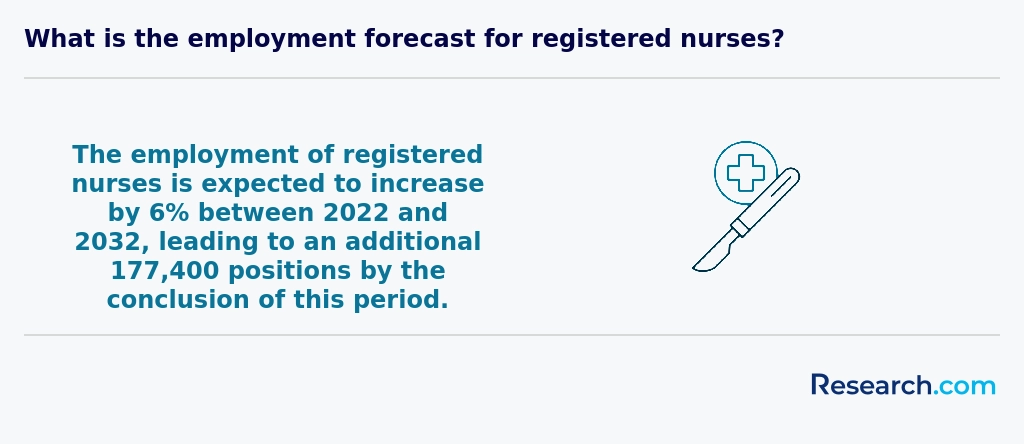
Globally, nursing faces challenges such as workforce shortages and the need for advanced skills. According to the U.S. Bureau of Labor Statistics, employment for registered nurses is projected to grow 6% from 2021 to 2031, reflecting steady demand.
Georgia specifically supports this trend, with the Georgia Board of Nursing reporting over 150,000 active licensed nurses as of 2023. Online nursing degrees offer flexible pathways to enter and advance in this profession, aligning with global trends emphasizing accessibility and continuing education.
Gaining practical experience is essential when pursuing an online nursing degree in Georgia. Most programs include clinical components that students complete locally at approved healthcare facilities. These clinical hours provide hands-on training under the supervision of licensed nurses, helping to develop critical skills.
Many Georgia online nursing programs partner with hospitals, clinics, and long-term care facilities statewide to facilitate placements. For example, the Georgia Board of Nursing requires students to complete a set number of clinical hours to qualify for licensure.
Additionally, some programs offer simulation labs or virtual clinical experiences to supplement in-person training, ensuring students gain diverse practical exposure.
Choosing the right concentration within an online nursing degree program in Georgia requires careful consideration of your career goals and local healthcare needs. Popular concentrations, such as family nurse practitioner or nurse educator, align with growing job markets in the state. According to the Georgia Board of Nursing, advanced practice registered nurses are in high demand, particularly in primary care and rural areas.
Examine program accreditation and course offerings to ensure comprehensive training in your chosen specialty. You should also consider Georgia's specific licensure requirements for advanced roles to avoid barriers after graduation.
Finally, factor in clinical placement opportunities within Georgia, which are essential for hands-on experience and meeting state licensure standards.
- 2027 Best Online Doctorate in Nursing Degree Programs Ranking in South Carolina
- 2027 Best Online Doctorate in Nursing Degree Programs Ranking in Florida
- 2027 Best Online Doctorate in Nursing Degree Programs Ranking in Tennessee
- 2027 Best Online Doctorate in Nursing Degree Programs Ranking in Kentucky
- 2027 Best Online Doctorate in Nursing Degree Programs Ranking in Virginia
- 2027 Best Online Doctorate in Nursing Degree Programs Ranking in Louisiana
- 2027 Best Online Doctorate in Nursing Degree Programs Ranking in Missouri
- 2027 Best Online Doctorate in Nursing Degree Programs Ranking in Indiana
- 2027 Best Online Doctorate in Nursing Degree Programs Ranking in Ohio
- 2027 Best Online Doctorate in Nursing Degree Programs Ranking in Illinois
See What Experts Have To Say About Studying Nursing
Read our interview with Nursing experts


- Getting RN Experience After Graduation | All Nursing Schools https://www.allnursingschools.com/articles/getting-rn-experience/
- School of Nursing https://www.gcsu.edu/health/nursing
- Know more about thesis vs non- thesis: what is the difference? https://studyfans.com/en/blogs/816
- Nurse Salary https://nursinglicensemap.com/resources/nurse-salary/
- How to Set and Achieve Your Nursing Career Goals | HealthTrust https://engage.healthtrustjobs.com/how-to-set-achieve-nursing-career-goals
- How to Write https://esign.com/letter-of-intent/school/nursing/
- Scholarships & Financial Aid https://www.aacnnursing.org/students/scholarships-financial-aid
- | NRR | Dove Medical Press https://www.dovepress.com/internship-challenges-encountered-by-nursing-students-a-qualitative-st-peer-reviewed-fulltext-article-NRR
- Essential Tips for Nursing Students to Advance Their Careers https://almanaltraining.com/essential-tips-for-nursing-students-to-advance-their-careers/
- Find Online Nursing Programs with Financial Aid https://www.edumed.org/online-schools/nursing-rn-programs/financial-aid/