
2027 Best Online Doctorate in Nursing Degree Programs Ranking in Missouri

Co-Founder and Chief Data Scientist
If you're considering advancing your nursing career in Missouri, this article is here to guide you. It features the 2027 Best Online Doctorate in Nursing Degree Programs Ranking in Missouri, created by the Research.com team of data scientists. This ranking helps you make an informed choice about which nursing programs stand out for quality and value.
Getting a nursing degree opens the door to meaningful opportunities, personal growth, and greater impact in healthcare. Explore the programs that align with your goals and take the next step confidently.
Key benefits of getting online nursing degree in Missouri
- Nursing degree graduates in Missouri can expect competitive salaries, with roles like Family Nurse Practitioner or Psychiatric Nurse Practitioner earning an average annual wage of $128,490, offering financial stability and rewarding compensation.
- Graduates from the University of Missouri's nursing program enjoy diverse career paths, including advanced practice and acute care, allowing flexibility to choose specialties that match their passion and skills.
- Obtaining a nursing degree online through programs like those at Missouri State University provides flexibility for working adults, enabling learners to balance study with life commitments while achieving the same respected credentials as traditional students.
- 2027 Best Online Doctorate in Nursing Degree Programs Ranking in Missouri
- What can I expect from online nursing degree in Missouri?
- Where can I work with online nursing degree in Missouri?
What can I expect from online nursing degree in Missouri?
The average cost of an online nursing degree in Missouri varies, generally ranging from $10,000 to $30,000 for full program completion depending on the level of study and the institution. Graduates from popular schools like the University of Missouri or Missouri State University often share how manageable tuition combined with financial aid made their education accessible. Many students find that community colleges offering RN-to-BSN programs provide more affordable pathways, while private universities may have higher tuition but offer extensive scholarship opportunities.
Students emphasize the importance of budgeting for additional expenses such as clinical placement fees and textbooks, which are often required for programs accredited by the Commission on Collegiate Nursing Education (CCNE) or the Accreditation Commission for Education in Nursing (ACEN). Planning ahead financially allows students to focus more fully on coursework and local clinical experiences in settings like Kansas City hospitals or St. Louis clinics, reinforcing practical skills that are crucial for licensure and career growth in Missouri's healthcare system.
Where can I work with online nursing degree in Missouri?
Graduates from online nursing programs at Missouri institutions like the University of Missouri and Missouri State University find a broad range of career opportunities across the state. Many quickly secure positions in large hospital systems located in cities such as St. Louis and Kansas City, where they apply their training in intensive care units, pediatrics, or emergency rooms. These roles offer hands-on experience alongside seasoned professionals, which recent graduates often describe as immensely rewarding and confidence-building.
Others pursue roles in long-term care facilities and nursing homes, especially in communities with growing elderly populations. Here, nurses manage patient care with compassion and develop close-knit relationships with residents, which many graduates feel deeply satisfied by. Colleges in Missouri prepare students to adapt to these settings through clinical rotations and tailored coursework on geriatric care.
Community health centers also hire online nursing graduates to provide preventive care and health education, particularly in underserved rural areas. Graduates often express pride in making a tangible difference in these communities. Advanced roles for those with further education, such as nurse practitioners, can be found in specialty clinics or private practices, reflecting the diverse pathways available after earning a Missouri nursing degree.
Graduates with online nursing degrees in Missouri can expect competitive salaries, especially when pursuing advanced roles. For example, family nurse practitioners, psychiatric nurse practitioners, adult nurse practitioners, and acute care nurse practitioners typically earn a mean annual wage of around $128,490, according to the latest data. This salary reflects both the advanced skills gained through online programs offered by Missouri institutions like the University of Missouri and Truman State University and the high demand for specialized nursing professionals in the state.
Recent graduates often share how completing a Master of Science in Nursing online helped them quickly step into positions with significantly higher pay than entry-level registered nurse roles. These roles not only offer financial benefits but also greater job satisfaction by allowing nurses to work independently and provide specialized patient care.
For practical career advancement, many graduates recommend focusing on obtaining certifications and seeking employment in metropolitan areas such as St. Louis or Kansas City, where wages tend to be higher and nurse practitioners are in strong demand. Rural positions may pay less but often include loan repayment incentives, making them attractive to some online nursing graduates.
- Missouri offers online nursing degrees from accredited universities, including ADN, BSN, and advanced practice programs.
- Annual tuition for BSN programs ranges from $8,000 to $12,000 at public universities for in-state students, with private schools generally charging more.
- Entry-level registered nurses in Missouri earn a median salary between $59,000 and $65,000 per year.
- Advanced practice nurses, such as nurse practitioners, have median salaries exceeding $95,000 annually.
- The demand for registered nurses in Missouri is expected to grow by 12% over the next decade due to an aging population and expanded healthcare services.
- All registered nurses must be licensed by Missouri's State Board of Nursing, requiring graduation from an accredited program and passage of the NCLEX-RN exam.
Completing an online nursing degree in Missouri depends on your starting point and program choice. For example, students beginning with no college credits often finish an online Associate Degree in Nursing (ADN) in about 2 to 3 years. Graduates from community colleges offering online ADN programs appreciate the balance between work and study, making steady progress while preparing for the NCLEX-RN licensure exam.
Those aiming for a Bachelor of Science in Nursing (BSN) can expect around 4 years if attending full time. However, many find accelerated or RN-to-BSN programs available at popular universities like the University of Missouri-Columbia or Missouri State University especially helpful, allowing licensed nurses to upgrade their credentials in 1 to 2 years. Graduates often share how this faster track energized their career goals without overwhelming their schedules.
For advanced degrees such as the Master of Science in Nursing (MSN) or Doctor of Nursing Practice (DNP), the timeframe varies from 2 to 4 years. Online graduate nursing programs in Missouri typically require completing clinical hours locally, which students find both challenging and rewarding as they integrate theory with hands-on experience in familiar healthcare settings.
Online nursing doctoral programs in Missouri typically offer two pathways, each aligned to distinct career goals.
- DNP (Doctor of Nursing Practice): Emphasizes advanced clinical skills, evidence-based practice and organizational leadership. Graduates assume roles as clinical leaders, nurse executives and policy advisors.
- PhD in Nursing: Centers on original research, theory development and academic scholarship. Graduates pursue faculty positions, research grants and clinical research projects.
- Curriculum: DNP programs include intensive practicum hours and quality improvement projects, while PhD tracks focus on research methodology, statistics and dissertation work.
- Career outcomes: DNP holders often lead healthcare teams or manage programs, whereas PhD graduates contribute to nursing science, teach at universities and secure NIH or private funding.
Choose the pathway that matches your professional aspirations and timeline. For cost-conscious options, explore the cheapest adn online programs.
Online nursing programs in Missouri, such as those offered by the University of Missouri or Missouri State University, allow students to balance their studies with work or family commitments by accessing lectures and assignments remotely. Graduates often share how this flexibility helped them stay on track without sacrificing income or personal time. For example, a student working full-time at a local clinic appreciated being able to review course materials after shifts.
In contrast, on-campus programs at institutions like Saint Louis University provide a more immersive experience with direct access to simulation labs and face-to-face mentoring. These students often describe the energizing environment of collaborating with peers and immediate support from professors, which enhances hands-on skills.
Both paths require clinical hours completed in person, often arranged at nearby hospitals, ensuring practical experience meets Missouri Board of Nursing standards. Prospective students should evaluate their schedules, learning style, and financial considerations, including potential savings on commuting and housing with online options, to choose the pathway that best fits their life.
Embarking on an online Doctor of Nursing Practice (DNP) demands more than clinical expertise-it requires strategic planning, self-discipline, and a proactive approach to learning. Follow these best practices to thrive in your program: 1. Establish a Dedicated Study Environment • Choose a quiet, well-lit space free from distractions. • Equip your workspace with reliable internet, a quality headset, and dual monitors for research and virtual simulations. 2. Master Time Management • Create weekly study blocks and synchronize them with assignment deadlines and clinical hours. • Use tools like digital calendars and task-tracking apps to balance coursework, work, and personal commitments. 3. Leverage Peer and Faculty Engagement • Actively participate in discussion boards and group projects to deepen understanding. • Schedule virtual office hours with instructors to clarify research methods or clinical practicum requirements. 4. Hone Research and Writing Skills • Familiarize yourself with evidence-based practice by reviewing current DNP dissertations. • Draft literature reviews early, and use citation managers (e.g., EndNote, Zotero) to streamline references. 5. Utilize Academic Support Services • Enroll in writing and statistics workshops offered by your institution’s online learning center. • Seek mentorship through student nursing organizations or by connecting with alumni mentors. 6. Bridge Knowledge Gaps Proactively • If you’re new to nursing theory or research, consider foundation courses-many students explore the masters of science in nursing for non nursing majors to build core competencies before advancing to doctoral studies. 7. Prioritize Self-Care and Resilience • Schedule regular breaks, exercise, and mindfulness practices to prevent burnout. • Celebrate milestones-completing a complex project or mastering a new clinical technique-to stay motivated. By integrating these strategies into your DNP journey, you'll not only manage the rigors of advanced online learning but also position yourself as a resilient leader prepared to drive innovation in healthcare.
The average cost of an online nursing degree in Missouri varies significantly depending on the program and institution, but most students find it quite manageable compared to national figures. For example, graduates from public universities like Missouri State University or the University of Missouri system typically pay between $8,000 and $15,000 for their online Bachelor of Science in Nursing (BSN). These affordable options have helped many local students pursue their nursing degrees without overwhelming debt.
Graduate programs, including the Missouri online doctorate nursing program tuition fees, usually come with higher costs, ranging from $15,000 to $40,000. Many students aiming for a Master of Science in Nursing (MSN) or a Doctor of Nursing Practice (DNP) program budget accordingly, knowing that these advanced degrees often lead to enhanced career opportunities and higher salaries in healthcare.
It's important to factor in additional expenses such as technology fees, textbooks, and licensing exams. Many students share how careful planning around these costs, along with choosing programs with reasonable tuition, creates a more positive and achievable pathway to completing their degree.
Prospective nursing students in Missouri should compare options thoroughly. For those prioritizing cost, exploring the cheapest nursing programs in Missouri offers valuable guidance. These programs maintain strong reputations while keeping tuition affordable, helping students balance quality and cost efficiently.

Doctor of Nursing Practice (DNP) programs in Missouri typically require 30–40 credit hours of coursework, blending advanced clinical expertise with leadership and quality-improvement studies. Core courses often include: • Evidence-Based Practice and Translational Science: Students learn to critically appraise research and implement best practices to improve patient outcomes. • Health Policy and Advocacy: In-depth analysis of healthcare legislation and strategies for influencing policy at local, state, and federal levels. • Informatics and Data Analytics: Training in electronic health records, data mining, and analytics to drive population-health initiatives. • Organizational Leadership and Change Management: Techniques for leading interdisciplinary teams, managing budgets, and fostering a culture of safety. • Population Health and Health Equity: Strategies for reducing disparities, designing community interventions, and evaluating outcomes. Beyond didactic coursework, DNP candidates complete 1,000 practice hours, integrating theoretical knowledge in diverse clinical settings. The final DNP capstone project-guided by faculty mentors-serves as a culminating experience. Typical capstone focus areas include designing quality-improvement initiatives, implementing telehealth solutions, or evaluating policy impacts on vulnerable populations. Students draft a project proposal, secure approval from a practice partner (e.g., a hospital or public-health agency), and present findings in a scholarly paper and defense. For prospective students weighing program investment against outcomes, our sister ranking of affordable options offers additional insights-see the Affordable Online Nursing Degree Programs Ranking in the West. This resource highlights cost-effective pathways that still uphold rigorous accreditation standards and robust practicum experiences.
Missouri nursing students studying online can reduce costs significantly through federal aid like Pell Grants, which may provide up to $7,395 without repayment for the 2023-2024 year. Completing the FAFSA is crucial for accessing these funds and low-interest Direct Subsidized and Unsubsidized Loans. For example, graduates from the University of Missouri often highlight how Pell Grants helped them focus on studies instead of financial stress.
State programs like Missouri's Nursing Student Loan Program offer forgivable loans when graduates agree to serve in underserved areas, easing debt and opening community career paths. Many Missouri State University students share how this program made their education affordable while encouraging them to give back locally.
Beyond federal and state aid, nursing-specific scholarships at schools such as Missouri State and the University of Missouri reward high achievers and underrepresented students, offering additional relief. Professional groups like the Missouri Nurses Association also provide scholarships, while some employers support tuition reimbursement, boosting students' confidence in completing advanced degrees.
A Doctor of Nursing Practice (DNP) represents the pinnacle of clinical nursing education, equipping graduates with the advanced skills needed for leadership, evidence-based practice, and health policy development. Unlike research-focused PhD tracks, DNP programs concentrate on translating scientific findings into direct patient care improvements, preparing nurses to design and implement system-level interventions. Graduates often assume roles as clinical leaders, healthcare administrators, and advanced practice providers, driving quality improvement initiatives across diverse care settings. Key advantages of earning a DNP include enhanced clinical expertise through immersive practicum experiences, mastery of population health strategies, and proficiency in informatics that optimizes patient outcomes. Many online DNP curricula integrate interdisciplinary collaboration, enabling students to work with professionals in public health, pharmacy, and social work. This collaborative emphasis not only broadens clinical perspectives but also fosters innovative solutions to complex healthcare challenges. Flexibility is another hallmark of modern DNP offerings. Working nurses can choose from a spectrum of program intensities-from part-time formats that extend over five years to accelerated pathways completing in under three years. For example, the streamlined curriculum of the chatham university dnp track offers a balanced blend of synchronous seminars and self-paced modules, allowing busy professionals to advance without compromising work commitments or patient care responsibilities. Career outcomes for DNP graduates underscore the degree’s impact. Graduates report securing leadership positions in academic institutions, health systems, and policy organizations, often commanding salary premiums relative to master’s-prepared nurses. Furthermore, DNP-educated nurses play an integral role in mentoring the next generation, teaching in both online and on-campus settings, and guiding evidence-based practice transformations within their organizations. In sum, pursuing a DNP affords clinical nurses the opportunity to elevate their practice, influence healthcare delivery at the macro level, and lead interdisciplinary teams in developing patient-centered solutions. As the demand for highly skilled nursing leaders grows, a DNP stands out as a strategic investment in both personal career growth and the advancement of quality care across Missouri and beyond.
To enroll in an online nursing degree in Missouri, you must first have a high school diploma or GED. Graduates from programs at well-known schools like the University of Missouri emphasize how completing essential prerequisite courses-such as anatomy, physiology, microbiology, chemistry, and statistics-gave them confidence entering advanced nursing topics online.
For bachelor's degree applicants, proving proficiency in English and math via transcripts or standardized tests is crucial. Many students relate that meeting these clear benchmarks early avoided surprises during enrollment.
If you're advancing through an RN-to-BSN or RN-to-DNP bridge program, holding a current Missouri RN license is non-negotiable. This ensures you have real clinical experience, a requirement stressed by alumni from institutions such as Missouri State University.
Additionally, be prepared to submit background checks and immunization records. These steps help protect both you and your future patients during clinical experiences.
Financial readiness matters too. Public schools in Missouri average about $8,000 annually in tuition, while private colleges can exceed $20,000. Successful students recommend planning finances early or exploring financial aid options to ease this burden.
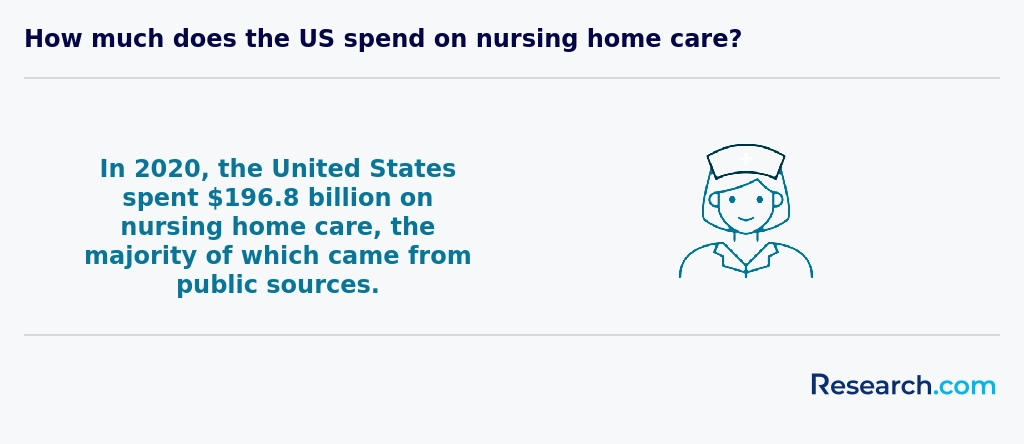
To further assist prospective students in making informed decisions about their educational futures, it's essential to consider the affordability of online nursing programs in Missouri. The cost of tuition, fees, and other expenses can significantly impact a student's ability to pursue their degree. For those seeking affordable options, exploring the cheapest nursing programs in Missouri can provide valuable insights. By examining factors such as tuition rates, scholarship opportunities, and financial aid packages, students can find programs that align with their budget and career goals. This information can help students navigate the financial aspects of pursuing an online nursing degree, enabling them to make a more informed decision about their educational pathway.
Online nursing degree students in Missouri typically take a well-rounded set of courses that build essential skills for healthcare roles. Fundamentals like Anatomy and Physiology, Microbiology and Pharmacology give a strong scientific base crucial for patient care, as graduates from Missouri State University's nursing program often highlight in their success stories.
As you progress, expect classes in Pathophysiology and Health Assessment that teach how to accurately evaluate patient conditions, a skill praised by graduates from the University of Missouri's online BSN program for real-world readiness.
Programs at colleges like St. Louis Community College emphasize Nursing Research and Evidence-Based Practice, helping students make informed clinical decisions using the latest healthcare studies, which creates confidence in handling complex cases.
Courses covering Healthcare Policy, Ethics, Clinical Leadership, and Management prepare you to lead teams effectively and grasp Missouri's legal nursing standards, a key factor praised by alumni pursuing advanced degrees.
Community health classes focus on rural care challenges common in Missouri, making the education especially practical for working in diverse settings. Clinical practicums ensure hands-on experience that meets Missouri's licensure requirements, blending online learning with real patient care.
Nursing students in Missouri pursuing an online nursing degree can choose from several specializations tailored to meet the state's healthcare demands. Popular tracks include Family Nurse Practitioner (FNP), which equips nurses to provide primary care across all ages, especially valuable in both urban and rural Missouri communities. Graduates from public universities often praise the flexibility and strong job prospects tied to this specialization.
Other top specializations include Psychiatric-Mental Health Nurse Practitioner (PMHNP), addressing Missouri's growing mental health needs, and Adult-Gerontology Nurse Practitioner (AGNP), focused on caring for the aging population. Leadership and Administration is another path, empowering nurses to step into management roles that improve healthcare systems statewide. Healthcare Education prepares nurses to become instructors or trainers, reflecting the state's emphasis on skilled educators in nursing.
Choosing a relevant specialization means considering local needs and opportunities. Many Missouri graduates from popular colleges recommend programs offering clinical placements within the state for real-world experience. For those seeking advanced degrees, looking into chatham university dnp programs can be a strategic step. This variety of options ensures Missouri students can align their careers with both personal passions and statewide demands for nursing expertise.
When selecting an online nursing degree in Missouri, start by confirming the program's accreditation through agencies like CCNE or ACEN. Graduates from popular institutions often highlight how accreditation ensured their education met licensure requirements and boosted their confidence entering the workforce. Next, verify the program's alignment with Missouri's nursing board mandates, especially clinical placement options within the state to meet hands-on training standards.
Consider affordability carefully; many students report relief finding programs categorized as affordable nursing degrees online Missouri, with tuition varying widely between public and private schools. Evaluating financial aid opportunities early can ease stress.
Flexibility makes a real difference for working adults balancing responsibilities. Look for programs offering asynchronous courses and multiple start dates, which graduates from well-known Missouri colleges praise for fitting seamlessly into busy schedules. Checking NCLEX-RN pass rates above 85% also signals strong preparation and positive outcomes.
For those interested in advancing, exploring specializations through options like a masters of science in nursing for non nursing majors can open new career pathways tailored to Missouri's healthcare market.
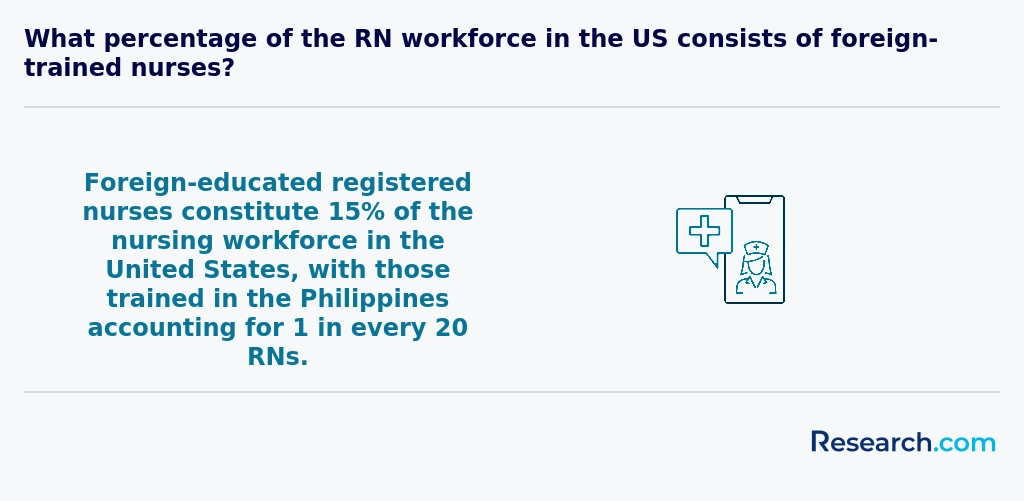
Graduates of online nursing degree programs in Missouri have a variety of rewarding career paths to explore. Many find opportunities as registered nurses in diverse settings like hospitals, outpatient centers, and nursing homes, where they enjoy making a direct impact on patient care. Those seeking advanced roles often become nurse practitioners, gaining the ability to diagnose and prescribe, thanks to Missouri State Board of Nursing certifications. This career path is especially promising given the national demand surge and local job growth projections. Others leverage their degrees into nursing education, helping address faculty shortages at popular schools like the University of Missouri or Saint Louis University, which enables them to shape future nurses with a fulfilling sense of purpose.
Some graduates specialize further to become nurse anesthetists or nurse midwives, roles that often come with six-figure salaries. For students weighing options, exploring program costs is key-Missouri public universities offer competitive in-state tuition rates. To compare affordable options, consider consulting the Affordable Online Nursing Degree Programs Ranking in the West. This practical step supports informed choices that align with career and financial goals in nursing.
In sum, online nursing career opportunities in Missouri are rich and varied, offering paths that suit hands-on caregivers, educators, and advanced practitioners alike. Graduates consistently express satisfaction in local job availability and career growth, reflecting both personal fulfillment and financial stability.
The job market for graduates with online nursing degrees in Missouri remains robust, driven by a growing demand for healthcare professionals. Graduates from well-known programs at universities in St. Louis and Kansas City often find rewarding roles in hospitals and community health centers, benefiting from the state's support for licensure pathways that allow online-educated nurses to take the NCLEX-RN. For many, this means they can launch or advance their careers without relocating, enjoying both professional growth and personal flexibility.
For those exploring online nursing jobs in Missouri, competitive salaries add a practical incentive. Registered nurses average around $70,000 annually, while advanced practitioners can earn significantly more. Graduates typically highlight how their online coursework prepared them effectively for real-world challenges, especially in expanding areas like telehealth and outpatient care.
Students interested in further accelerating their education while balancing life commitments may find the best accelerated online bachelor's degree for working adults particularly beneficial, opening doors to even broader nursing opportunities within Missouri's thriving healthcare sector.
2027 Best Online Doctorate in Nursing Degree Programs Ranking in Missouri
Investing in your education is a significant decision that can shape your future, and the Research.com team understands the importance of making informed choices. To assist prospective students in Missouri, we have meticulously crafted the "2027 Best Online Doctorate in Nursing Degree Programs Ranking in Missouri." Our commitment to quality, credibility, and accuracy is reflected in the extensive research and analysis conducted to compile this ranking.
We utilized the following reputable data sources to ensure a comprehensive evaluation of nursing programs:
By exploring this ranking, readers will gain valuable insights into the best online doctorate programs in nursing available in Missouri, helping them make well-informed decisions about their educational investment. For more details on our methodology, please visit our Research.com methodology page.

# 2 position
Maryville University of Saint Louis
Doctor of Adult-Gerontology Primary Care Nurse Practitioner

# 3 position
Chamberlain University - St. Louis
Doctor of Nursing Practice



Frequently Asked Questions About nursing
Online nursing degree students in Missouri can enhance their learning by actively engaging with faculty and peers through virtual office hours and discussion boards. Missouri hosts several accredited programs, and students should confirm their school's approval by the Missouri State Board of Nursing to ensure clinical requirements are recognized.
Balancing study with hands-on practice is vital. Utilizing Missouri's expansive healthcare network for clinical placements provides real-world experience, which complements theoretical online coursework. According to the Missouri Hospital Association, clinical proficiency is a key factor for licensure success and employment.
Students should also leverage state nursing resources like the Missouri Center for Patient Safety for up-to-date best practices. Staying current on Missouri's nurse licensure compact rules helps students navigate work and clinical opportunities across state lines.
Time management and disciplined study schedules remain essential strategies to succeed in rigorous nursing programs delivered online. Combining these approaches enables Missouri nursing students to maximize their educational investment and career prospects.
Emerging niches within Missouri's nursing field reflect growing healthcare demands and technological advancements. One significant area is telehealth nursing, which expanded rapidly after 2020. Telehealth allows nurses to deliver remote care, an important service in Missouri's rural areas, where 33% of the population lives (Missouri Department of Health, 2023). Another important niche is gerontological nursing, driven by Missouri's aging population; the state expects a 20% growth in adults over 65 by 2030 (Missouri Census Data Center). Additionally, nursing informatics is gaining traction, integrating data technology to improve patient outcomes and healthcare efficiencies. These niches indicate evolving roles and opportunities in the nursing profession.
After completing an online nursing degree in Missouri, graduates should focus on obtaining licensure by passing the NCLEX-RN exam, which is required for Registered Nurses in the state. Missouri's Board of Nursing provides resources and timelines to help candidates prepare effectively.
Building a strong resume that highlights clinical experiences, even those completed through virtual simulations, is essential. Networking through local nursing associations such as the Missouri Nurses Association can connect graduates with employers and mentorship opportunities.
Job growth projections in Missouri indicate a 12% increase for registered nurses through 2030, according to the U.S. Bureau of Labor Statistics, making timely applications and interview preparation crucial.
Continuing education and certifications, such as in gerontology or critical care, can also strengthen competitive standing in the job market.
Employers in Missouri value a blend of clinical expertise and soft skills in nursing graduates. Strong critical thinking and decision-making abilities are essential, as nurses need to quickly assess patient conditions and respond effectively. Communication skills rank highly, enabling clear collaboration with patients, families, and healthcare teams.
Technical proficiency with electronic health records and medical technology is increasingly important. According to the Missouri Center for Nursing, knowledge of evidence-based practice is pivotal for improving patient outcomes and meeting state healthcare standards.
Additionally, employers look for adaptability and cultural competence, given Missouri's diverse population and evolving healthcare needs. Nurses who display empathy and professionalism consistently perform well in statewide surveys of hospital employers.
To find nursing internships in Missouri, start by contacting your online nursing program's career services or clinical coordinator, as many have partnerships with local healthcare facilities. Missouri's major healthcare systems, such as BJC HealthCare and Mercy Health, offer internships and clinical placements for nursing students. Additionally, search for opportunities on the Missouri State Board of Nursing website, which provides resources and guidance for clinical education.
Networking is crucial; join local nursing associations like the Missouri Nurses Association to access internship listings and professional contacts. According to the Missouri Economic Research and Information Center, healthcare is a growing sector offering many clinical training roles.
Obtaining an online nursing degree in Missouri can significantly enhance career mobility and advancement opportunities for registered nurses. Online programs offer flexibility, allowing working professionals to gain advanced qualifications such as a Bachelor of Science in Nursing (BSN) or Doctor of Nursing Practice (DNP) without relocating or leaving their jobs.
The Missouri Economic Research and Information Center reports strong demand for nurses, with an expected 19% growth in healthcare jobs through 2030. Higher degrees often correlate with eligibility for leadership roles, specialized nursing positions, and increased salaries.
Furthermore, Missouri's Board of Nursing requires advanced education for nurse practitioners and clinical nurse specialists, making online degrees essential for career progression in those areas.
Studying for a nursing degree in Missouri equips students with skills essential for interdisciplinary healthcare teams. Missouri nursing programs emphasize collaboration with medical professionals, social workers, and therapists to improve patient outcomes. The Missouri State Board of Nursing requires curricula that include communication, leadership, and ethics, fostering teamwork across disciplines. According to the Missouri Center for Nursing, over 65% of healthcare roles involve coordination between various specialties, increasing the demand for nurses skilled in interdisciplinary work. Online nursing degrees also offer flexible simulations and case studies that mirror real-world settings, preparing students to effectively engage in diverse healthcare environments.
When choosing between a thesis and a non-thesis online nursing degree program in Missouri, students should consider their career goals and learning preferences. A thesis program demands original research, ideal for those aiming for academic or research positions. In contrast, non-thesis programs focus on practical skills and coursework, better suited for nurses pursuing leadership or advanced clinical roles.
Missouri's nursing workforce continues to grow, with an expected 22% job increase by 2030 (Missouri Economic Research and Information Center). Understanding whether you prefer research or applied learning helps decide which path fits best.
Additionally, thesis programs generally require more time and commitment, while non-thesis options often offer more flexibility for working professionals.
Students based in Missouri who wish to study nursing abroad while pursuing an online degree have limited direct options due to accreditation and licensure requirements in the U.S. Most nursing programs that serve Missouri residents are accredited by bodies like the Commission on Collegiate Nursing Education (CCNE) or the Accreditation Commission for Education in Nursing (ACEN), which typically require a U.S.-based institution. However, some international universities offer online nursing degrees recognized in the U.S., provided they meet these accreditation standards.
The Missouri Board of Nursing requires graduates to complete programs approved or recognized by U.S. accreditors to be eligible for licensure. Therefore, students should ensure any foreign online program has U.S.-recognized accreditation or offers pathways that align with Missouri's licensure requirements. According to the Missouri Economic Research and Information Center, the demand for registered nurses in the state is projected to grow by approximately 14% through 2030, increasing the importance of proper credentialing.
Some students explore studying abroad through exchange programs or international clinical experiences linked with U.S. nursing schools, although these typically complement U.S.-based online coursework rather than replace it. For those considering study abroad, it is crucial to consult both Missouri nursing regulations and the educational institution's accreditation status to ensure eligibility for nursing licensure in Missouri.
Part-time job opportunities that align with nursing degree education in Missouri include roles like certified nursing assistant (CNA), home health aide, and medical receptionist. These positions offer practical experience while accommodating flexible schedules for online students. According to the Missouri Economic Research and Information Center (MERIC), CNAs earn a median wage of about $14 per hour, providing a valuable entry point into healthcare settings.
Additionally, Missouri's growing healthcare sector creates demand for support roles in clinics and hospitals, which can enhance clinical skills and professional networking. Volunteer positions in community health organizations also offer relevant exposure without conflicting with study commitments.
Online nursing students in Missouri have multiple networking opportunities that enhance their educational experience and professional growth. Many universities offer virtual events, webinars, and discussion forums where students can connect with faculty, peers, and nursing professionals. For example, the Missouri Nurses Association provides statewide networking through conferences and online resources, supporting student engagement.
Clinical placements and partnerships with Missouri hospitals also create direct contact with healthcare settings, vital for practical experience and connections. Additionally, students can join national nursing organizations like the American Nurses Association, which offer Missouri-specific chapters. These options together build a strong professional network for graduates entering Missouri's healthcare workforce.
Alumni networks provide valuable benefits to online nursing degree students in Missouri by offering connections to experienced professionals and recent graduates. These networks often facilitate mentorship opportunities, which are crucial for career advancement in nursing, especially in a competitive healthcare market like Missouri's. According to the Missouri Center for Nursing, strong professional relationships improve job placement rates among nursing graduates.
Access to job postings and local healthcare events through alumni groups supports students in finding positions in Missouri's hospitals and clinics. Additionally, alumni frequently share advice on licensing exams and continuing education, helping students navigate the state's nursing requirements more effectively.
Customizing an online nursing degree program in Missouri allows students to tailor their education to specific career goals. Many programs offer specialization options such as nurse leadership, family nurse practitioner, or psychiatric-mental health nursing. This helps align coursework with desired roles in healthcare.
Students can often choose electives or clinical experiences that focus on Missouri's population health needs, enhancing readiness for local healthcare environments. Accredited programs approved by the Missouri State Board of Nursing ensure quality and licensure eligibility.
Some schools provide flexible pacing or part-time study, which benefits working nurses balancing education and employment. Additionally, digital learning tools support personalized study plans.
According to the Missouri Economic Research and Information Center, employment for registered nurses is projected to grow by 7% through 2030, encouraging tailored educational paths to high-demand specialties.
Online nursing students in Missouri often face challenges related to clinical placement. Despite the flexibility of online coursework, the state requires hands-on clinical experience, which can be difficult to schedule, especially in rural areas with fewer healthcare facilities. According to the Missouri Board of Nursing, securing clinical sites can delay program completion for many students.
Another common issue is balancing work, family, and studies. Many online nursing students are working professionals, making time management essential but difficult. A 2023 survey by NursingEducation.com noted that 65% of Missouri's online nursing students reported stress related to managing multiple responsibilities.
Technical difficulties also arise, such as unreliable internet access which affects participation in virtual labs and lectures. This is an especially relevant concern in parts of Missouri where broadband coverage is limited, according to the Missouri Broadband Coalition.
With an online nursing degree in Missouri, graduates can pursue various professional certifications that enhance career opportunities. Common certifications include the Certified Nurse Practitioner (CNP), which allows nurses to provide advanced care independently. Many also seek Certified Nurse Educator (CNE) credentials if they aim to enter teaching roles.
Registered nurses often pursue specialty certifications such as Critical Care Registered Nurse (CCRN) or Medical-Surgical Nursing Certification (CMSRN), recognized by the American Nurses Credentialing Center (ANCC). These certifications are valued in Missouri's healthcare market.
Certification requirements usually include passing an exam and meeting clinical experience standards. This process helps maintain high care quality and professional growth.
Writing a winning application for an online nursing program in Missouri starts with a clear demonstration of your commitment to nursing. Missouri schools often expect applicants to show a strong academic record, including prerequisite courses in biology, chemistry, and anatomy. Be sure to provide official transcripts that reflect competitive grades.
Highlight your relevant clinical or healthcare experience, as hands-on practice is vital in nursing education. Missouri's demand for well-prepared nurses, reported by the Missouri Center for Nursing, emphasizes practical skills alongside academic achievements.
Additionally, write a focused personal statement that explains why you want to study nursing online and how this degree fits your career goals. Missouri programs value applicants who understand the unique challenges of healthcare in the state.
Lastly, provide strong letters of recommendation from current or former supervisors or educators familiar with your skills and professionalism.
The nursing profession is valued worldwide for its essential role in healthcare. Globally, nurses are among the most trusted professionals, and demand for skilled nurses is rising due to aging populations and expanding healthcare needs. In the United States, including Missouri, nursing offers diverse career paths and opportunities for advancement through advanced degrees.
Missouri reflects national trends, with the Bureau of Labor Statistics projecting a 9% growth in registered nurse employment from 2022 to 2032. Online nursing degrees allow students in Missouri to access education flexibly while meeting rigorous standards.
Internationally, nursing practices vary, but the US system is often seen as a model due to its focus on specialized training and evidence-based care. This global respect supports Missouri students pursuing online nursing degrees aiming to contribute both locally and abroad.
Students pursuing online nursing degrees in Missouri must complete clinical hours to gain practical experience, a requirement set by the Missouri State Board of Nursing. Many programs partner with local healthcare facilities, allowing students to fulfill these hours at hospitals, clinics, or long-term care centers near their residence. This hands-on training is crucial to develop direct patient care skills. According to the Missouri Hospital Association, over 130 hospitals across the state participate in clinical training for nursing students. Additionally, some programs offer simulation labs or virtual clinical experiences to supplement real-world practice safely and effectively.
Choosing the right concentration within an online nursing degree program in Missouri depends on your career goals and local job market needs. Popular concentrations include Nurse Practitioner, Nurse Educator, and Nurse Anesthesia. Missouri's Department of Economic Development reports a growing demand for Family Nurse Practitioners due to statewide healthcare shortages.
Examine your interests in clinical practice, education, or leadership roles and match them to the concentration's focus. Accreditation is important; look for programs approved by the Commission on Collegiate Nursing Education (CCNE) or the Accreditation Commission for Education in Nursing (ACEN).
Consider program flexibility and clinical placement support, especially if you reside outside major cities like St. Louis or Kansas City.
- 2027 Best Online Doctorate in Nursing Degree Programs Ranking in Kansas
- 2027 Best Online Doctorate in Nursing Degree Programs Ranking in Illinois
- 2027 Best Online Doctorate in Nursing Degree Programs Ranking in Kentucky
- 2027 Best Online Doctorate in Nursing Degree Programs Ranking in Tennessee
- 2027 Best Online Doctorate in Nursing Degree Programs Ranking in Indiana
- 2027 Best Online Doctorate in Nursing Degree Programs Ranking in Wisconsin
- 2027 Best Online Doctorate in Nursing Degree Programs Ranking in Colorado
- 2027 Best Online Doctorate in Nursing Degree Programs Ranking in Louisiana
- 2027 Best Online Doctorate in Nursing Degree Programs Ranking in Ohio
- 2027 Best Online Doctorate in Nursing Degree Programs Ranking in Michigan
See What Experts Have To Say About Studying Nursing
Read our interview with Nursing experts


- Online Programs https://sonhs.umkc.edu/online-programs.html
- Missouri Professional and Practical Nursing Student Loan Program https://accessscholarships.com/scholarship/missouri-professional-and-practical-nursing-student-loan-program/
- Online Nursing Degree Programs | University of Phoenix https://www.phoenix.edu/online-nursing-degrees.html
- | NRR | Dove Medical Press https://www.dovepress.com/internship-challenges-encountered-by-nursing-students-a-qualitative-st-peer-reviewed-fulltext-article-NRR
- Nursing - RN-BS Nursing Option, BS https://www.ucmo.edu/academics/programs/majors/chst/nursing/rn-to-bsn-programs/
- Online Nursing Prerequisites: Complete Guide & Cost Savings | StraighterLine https://www.straighterline.com/blog/which-online-nursing-prerequisites-should-you-take-online
- From our readers…Strengthening nursing networks https://www.myamericannurse.com/from-our-readersstrengthening-nursing-networks/
- Registered Nursing | Ozarks Tech (OTC) https://ozarkstech.edu/programs/health-services/registered-nursing/
- Guide to Making a Career Change to Nursing https://teach.com/online-ed/healthcare-degrees/online-msn-programs/career-change-to-nursing/
- How to Choose a Nursing Program | All Nursing Schools https://www.allnursingschools.com/how-to-get-into-nursing-school/choose-the-right-school/


