
2027 Most Popular Nursing Degree Programs Ranking in Pennsylvania

Co-Founder and Chief Data Scientist
Choosing the right nursing degree program is a big step toward a rewarding healthcare career. This article introduces the 2027 Most Popular Nursing Degree Programs Ranking in Pennsylvania, developed by the Research.com team of data scientists.
By exploring this ranking, you'll gain clear insights into top programs that fit your goals and lifestyle. Getting a nursing degree opens doors to meaningful work and personal growth.
Whether you're just starting out or continuing your education, this guide aims to support your journey with trusted, helpful information.
Key benefits of getting nursing degree in Pennsylvania
- Nursing degree graduates in Pennsylvania can expect strong earning potential, with roles like Registered Nurse, Clinical Nurse Educator, and Public Health Nurse earning mean annual wages of around $94,480.
- Career paths are diverse, ranging from emergency room nursing to specialized positions in operating rooms, where salaries can reach approximately $128,490 yearly, reflecting rewarding advancement opportunities.
- Completing an online nursing degree from a respected Pennsylvania institution offers flexibility and convenience, allowing students to balance studies with personal commitments while opening doors to various nursing careers.
- 2027 Most Popular Nursing Degree Programs Ranking in Pennsylvania
- What can I expect from nursing degree in Pennsylvania?
- Where can I work with nursing degree in Pennsylvania?
What can I expect from nursing degree in Pennsylvania?
The average cost of a nursing degree in Pennsylvania varies significantly depending on the program type and institution. Graduates from well-known universities such as the University of Pennsylvania or Villanova University report that a Bachelor of Science in Nursing (BSN) can cost anywhere from $40,000 to over $100,000 in tuition alone. Community colleges offering Associate Degrees in Nursing (ADN), like those in the Pennsylvania Community College system, often present more affordable options, with total costs typically between $10,000 and $25,000.
Many nursing students appreciate that these programs include not just classroom learning but essential clinical experiences, frequently arranged through partnerships with local hospitals. Graduates often describe the balance of academics and hands-on training as challenging yet rewarding, which justifies the investment despite the financial burden.
Financial aid, scholarships, and employer tuition assistance play a crucial role in making these degrees accessible. Students at institutions like Pennsylvania State University emphasize how such support reduced their out-of-pocket expenses, turning a potentially overwhelming cost into a manageable, hopeful pursuit of their nursing careers.
Where can I work with nursing degree in Pennsylvania?
Nursing graduates from Pennsylvania universities often find diverse job opportunities, most notably in hospitals where over 60% of nurses are employed. For example, a graduate from a well-known nursing program in Philadelphia might gain hands-on experience in an intensive care unit, managing critical patients and fostering a sense of real impact and fulfillment. However, some graduates prefer outpatient clinics or physician offices, where the pace may be steadier and the focus shifts towards managing chronic illnesses and promoting health, reflecting changing healthcare trends in the state.
Long-term care facilities also attract many nursing degree holders, especially those passionate about elder care. A graduate from a nursing school in Pittsburgh shared how working in an assisted living community allowed them to build meaningful relationships with residents, emphasizing the rewarding nature of this career path. Alternatively, some nurses pursue public health roles in community centers or correctional institutions, focusing on prevention and education, which appeals to those interested in systemic health improvements.
For graduates aiming beyond direct care, Pennsylvania's academic institutions offer pathways to become nurse educators or administrators, roles vital to sustaining the profession. The choices vary widely, underscoring how a nursing degree here can open many fulfilling career doors depending on individual interests and values.
Graduates with a nursing degree in Pennsylvania can expect varied earnings depending on the specific role they pursue. Registered Nurses (RNs), Clinical Nurse Educators, Public Health Nurses, and Emergency Room Nurses typically earn a mean annual wage of around $94,480, translating to roughly $45.42 per hour, according to the latest data. This offers a stable foundation for many nursing career paths.
For those aiming higher, Operating Room Nurses command a notably higher salary, with a mean annual wage near $128,490 or about $61.78 hourly. Many graduates from institutions like the University of Pennsylvania or Penn State report feeling encouraged by such prospects, especially after gaining clinical experience and certifications.
While entry-level nurses in Pennsylvania may start with salaries closer to $60,000, those who persist find the opportunity to grow into specialized or leadership roles, increasing their income noticeably. Real-life experiences from graduates highlight that the vibrant hospital networks across Philadelphia and Pittsburgh provide diverse opportunities, giving new nurses a sense of accomplishment and financial security early in their careers.
- Pennsylvania offers nursing programs ranging from Practical Nursing Certificates to advanced degrees like Doctor of Nursing Practice (DNP).
- Tuition for a BSN program at public universities ranges from $8,000 to $20,000 per year for in-state students, while private schools charge between $20,000 and $35,000 annually.
- Registered Nurse job growth in Pennsylvania is expected to increase by approximately 9% over the next decade.
- Starting salaries for new nursing graduates typically begin around $60,000 per year, with experienced nurses earning over $90,000 annually.
- The Pennsylvania State Board of Nursing requires passing the NCLEX-RN exam for licensure, but the state is not a member of the Nurse Licensure Compact.
In Pennsylvania, completing a nursing degree depends heavily on the pathway chosen, with times ranging from two years to over four. For example, graduates from community colleges offering Associate Degree in Nursing (ADN) programs typically finish in about two years, balancing hands-on clinical practice and coursework. This route offers a faster start into the nursing profession, appealing to those eager to begin working quickly.
University nursing programs like Temple University or the University of Pennsylvania offer the traditional Bachelor of Science in Nursing (BSN), usually taking four years full-time. Graduates often reflect positively on the comprehensive curriculum and clinical rotations that prepare them well for real-world challenges, though the time commitment can feel long to some.
Accelerated BSN options offer an intense but rewarding experience, completing the degree in 12 to 18 months for those already holding a bachelor's in another field. RN-to-BSN bridge programs at institutions such as Drexel University allow flexibility, often taking one to two years depending on a student's pace and work commitments, making it a practical choice for working nurses looking to advance quickly.
Master of Science in Nursing (MSN) programs typically require about two years beyond the BSN. Students pursuing advanced roles report a sense of achievement and excitement despite the demanding schedule, emphasizing the career growth those degrees unlock within Pennsylvania's healthcare system.
Graduates must obtain licensure from the Pennsylvania State Board of Nursing by successfully passing the NCLEX-RN exam and meeting state-specific requirements. First, applicants should verify eligibility: hold a diploma, ADN, or BSN from a board-approved program and submit an application with official transcripts, fingerprinting, and a criminal background check. The Board assesses credentials within 4–6 weeks, after which candidates receive an Authorization to Test (ATT) for the NCLEX-RN. Preparing for the NCLEX-RN demands a structured study plan and access to high-quality resources. Students often enroll in review courses focusing on core content areas-medical-surgical, pediatrics, obstetrics, mental health, and pharmacology-while practicing with adaptive question banks. Many find that integrating daily practice questions with simulated exams enhances retention and test-taking confidence. For those transitioning from LPN roles, accelerated pathways like a 6 month lpn to rn program online can streamline both academic preparation and exam readiness. On test day, candidates must arrive at the Pearson VUE testing center with a valid ID and ATT letter. The NCLEX-RN uses computerized adaptive testing (CAT), which adjusts question difficulty based on performance. Understanding the CAT format, time management strategies, and stress-reduction techniques is crucial. After the exam, unofficial results may be available within 48 hours in Pennsylvania, with official licensure granted once all Board requirements are satisfied. Maintaining an active RN license in Pennsylvania involves completing 30 contact hours of continuing education every two years and renewing through the Board’s online portal. Specialties like family nurse practitioner or CRNA require additional certifications and state endorsements. By understanding these licensure steps and committing to ongoing professional development, nurses ensure compliance and advance their careers in Pennsylvania’s dynamic healthcare landscape.
Online nursing degrees in Pennsylvania offer flexibility that suits students balancing work or family, allowing them to complete coursework remotely through digital platforms. For instance, graduates from programs affiliated with Pennsylvania State University often highlight the convenience of studying from home while managing clinical hours at local healthcare facilities. However, this format demands strong self-discipline and comfort with technology, which may not suit everyone equally.
On the other hand, on-campus nursing programs at institutions like the University of Pennsylvania provide immersive, hands-on experiences with direct faculty interaction and peer support. Many graduates appreciate the structured environment and real-time feedback in simulation labs, which can build confidence in clinical skills. Yet, these programs require regular commutes and can be less flexible for those with outside commitments.
Both formats meet rigorous accreditation standards, but they differ in how students engage with material and mentors. Students must weigh whether they prefer the community feel of campus life or the adaptability of online learning when planning their nursing education in Pennsylvania.
Ensuring your nursing program is properly accredited and approved for licensure is vital for a seamless transition to professional practice. In Pennsylvania, reputable accrediting bodies include the Commission on Collegiate Nursing Education (CCNE) and the Accreditation Commission for Education in Nursing (ACEN). Programs holding CCNE or ACEN accreditation have demonstrated adherence to rigorous standards in curriculum design, faculty qualifications, clinical partnerships, and student outcomes. Equally important is state board approval: only graduates from Pennsylvania State Board of Nursing–approved programs are eligible to sit for the NCLEX-RN licensing exam, a critical step toward becoming a registered nurse. NCLEX-RN pass rates serve as a key indicator of program effectiveness. Pennsylvania’s average first-time pass rate of 91.7% outpaces the national average, reflecting strong preparation in core competencies such as patient safety, pharmacology, and clinical judgment. When researching schools, verify that each institution publishes its annual NCLEX pass statistics and state board approval status. High, consistent pass rates signal robust academic support, quality clinical placements, and comprehensive review resources-factors that enhance your licensure success and employability. While focusing on accredited, in-state programs, you may also explore flexible, cost-effective online pathways to meet accreditation and licensure requirements. For example, prospective students balancing work and study can compare offerings in our Low Cost Online Nursing Degree Programs Ranking in California, many of which hold national accreditation and prepare graduates for the NCLEX-RN exam under state board guidelines. By prioritizing accreditation and licensure, you safeguard your investment in education and ensure eligibility for licensure in Pennsylvania and beyond.
The average cost of a nursing degree in Pennsylvania typically falls around $53,745, with in-state students paying closer to $35,970. These figures provide a useful baseline, yet the actual expenses can vary considerably depending on the type of nursing program and whether you attend a public or private institution. Graduates from public universities in Pennsylvania often share how their financial journey was eased by in-state tuition rates, making a nursing degree feel more within reach.
For example, students at well-known institutions such as those in the Pennsylvania State System of Higher Education often highlight the balance of affordability and quality education. Engaging in hands-on clinical experiences and state-of-the-art facilities, they reflect positively on the total nursing degree expenses Pennsylvania 2027 projections, feeling that the investment was justified by the career opportunities that followed.
On the other hand, attending private nursing schools may multiply costs significantly, and students often emphasize the importance of scholarships, employer reimbursement programs, or financial aid to bridge the gap. It's important to recognize that these expenses extend beyond tuition, including books, uniforms, and licensing fees. For those seeking the cheapest nursing programs in Pennsylvania, exploring public options and financial support might be the most practical approach to managing educational costs.
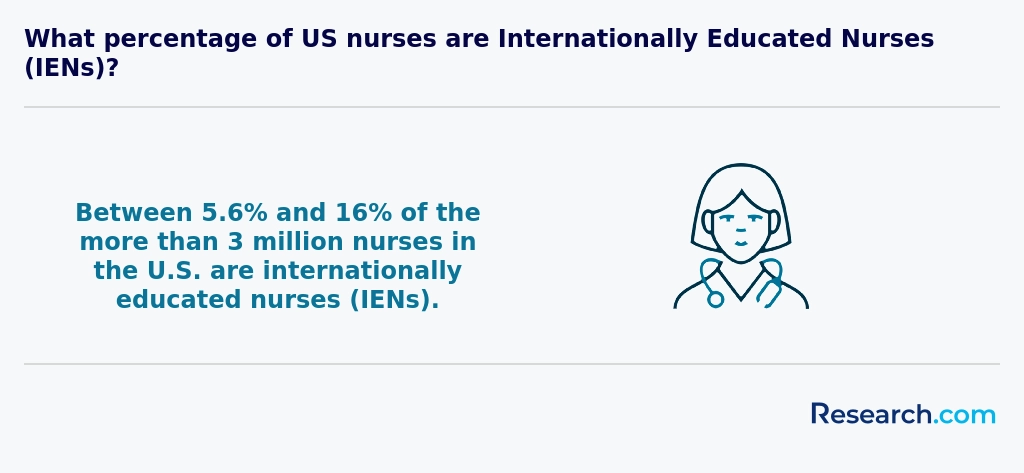
When considering nursing programs in Pennsylvania, affordability is a crucial factor. Prospective students often find themselves weighing the costs of tuition, living expenses, and other fees against the potential benefits of a nursing career. For those seeking budget-friendly options, exploring the cheapest nursing programs in Pennsylvania can be a strategic first step. By understanding the financial implications of their educational choices, students can make informed decisions that align with their career goals and budget. Furthermore, recognizing the importance of financial aid, scholarships, and grants can significantly alleviate the economic burden of pursuing a nursing degree, making it more accessible to a wider range of aspiring nurses.
Nursing students in Pennsylvania often rely on a combination of federal, state, and institutional financial aid to manage tuition costs, which can range from $10,000 to $30,000 annually for in-state learners at universities like the University of Pennsylvania or Temple University. Many graduates recall applying through FAFSA to access federal Pell Grants and low-interest loans, which provided essential relief without immediate repayment pressures.
State-specific programs, such as those offered by the Pennsylvania Higher Education Assistance Agency (PHEAA), enhance support by offering nursing scholarships and loan programs aimed at those planning to teach or work within the state. Graduates from popular colleges have shared how these opportunities-notably the Nursing Faculty Loan Program-alleviated financial strain while connecting them with Pennsylvania's healthcare community.
Institutional scholarships also play a critical role; schools often tailor aid for students demonstrating merit or need, sometimes focusing on underrepresented groups or specialty nursing fields. In practical terms, working students balancing clinical hours appreciate employer tuition reimbursement programs common among Pennsylvania hospitals, which have allowed many to graduate debt-reduced while gaining valuable experience.
To legally practice nursing in Pennsylvania, follow these key steps:
- Graduate from an accredited nursing program approved by the Pennsylvania State Board of Nursing.
- Apply online through the Pennsylvania State Board’s licensing portal, submitting transcripts, fees, and a background check.
- Register for the NCLEX-RN exam with Pearson VUE and schedule your test date.
- Pass the NCLEX-RN to receive your Registered Nurse (RN) license.
- Maintain your license with mandatory continuing education (30 contact hours every two years).
- Pursue advanced certifications or online dnp programs without dissertation to expand your scope of practice.
Enrolling in a nursing degree program in Pennsylvania typically requires more than just a high school diploma or GED. Graduates from popular institutions like the University of Pennsylvania or Drexel University often recall the importance of a solid foundation in high school sciences such as biology and chemistry. This not only prepares students for challenging topics but builds confidence as they transition into clinical work.
Many nursing programs ask for standardized test scores, with the TEAS exam being a common hurdle. Students remember feeling anxious before the test, but ultimately appreciated how it highlighted areas needing improvement before rigorous coursework began. This requirement ensures students are ready for the diverse academic demands of a nursing curriculum.
For those pursuing a Bachelor of Science in Nursing (BSN) track at schools like Penn State, additional college-level prerequisites such as anatomy and physiology or microbiology prove essential. Meeting these requirements often brings a sense of accomplishment, as they reflect readiness for more intensive study and patient care experiences.
- High school diploma or GED
- Completion of key high school courses like biology, chemistry, and math
- Passing scores on standardized tests such as the TEAS
- Completion of college-level prerequisites for BSN tracks
- Background checks and immunization records as health and safety compliance
Applicants also report that letters of recommendation and volunteer experience contribute positively to their applications, providing a personal touch that reflects dedication beyond academics. These elements emphasize the diverse skills nursing programs in Pennsylvania seek, balancing intellectual readiness with demonstrated compassion and commitment.
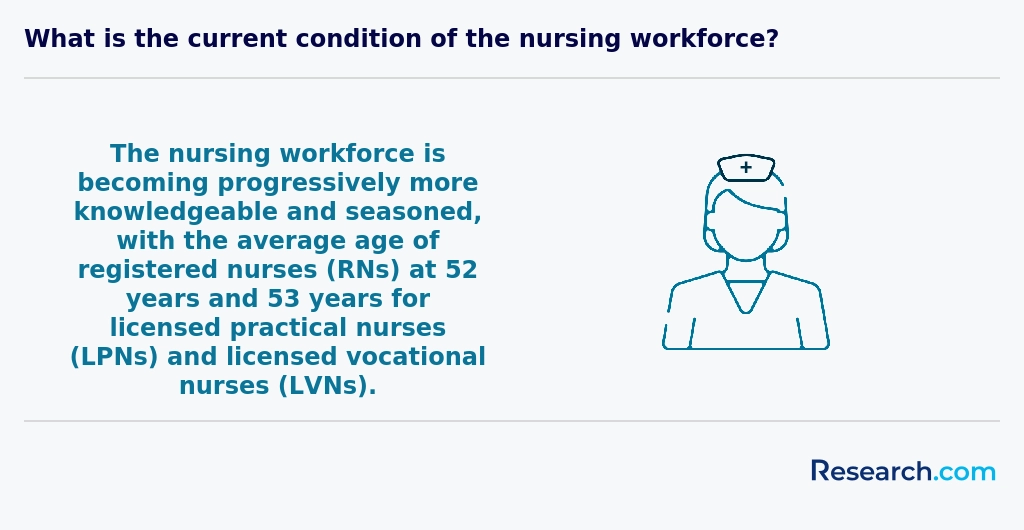
To practice as a Registered Nurse (RN) or Licensed Practical Nurse (LPN) in Pennsylvania, graduates must obtain state licensure through the Pennsylvania State Board of Nursing. Applicants for RN licensure must submit proof of graduation from a Board-approved nursing program, official transcripts, and pass the NCLEX-RN examination. LPN candidates follow a similar path, completing an accredited program and successfully passing the NCLEX-PN exam. Prospective LPN candidates can explore accelerated online lpn programs to fulfill educational prerequisites before applying for their license. In addition to initial licensure, Pennsylvania requires nurses to complete continuing education credits every two years. RNs and LPNs must earn at least 30 contact hours of board-approved continuing education, including mandatory topics such as child abuse recognition and reporting. Specialty credentials-like Certified Nurse Midwife (CNM) or Certified Registered Nurse Anesthetist (CRNA)-demand additional certification through national boards, further enhancing career mobility and ensuring compliance with evolving standards of care. Finally, international nursing graduates and out-of-state licensees must apply for endorsement and submit verification of prior licensure along with an FBI criminal background check. By understanding these licensing and certification steps, aspiring nurses can confidently navigate regulatory requirements, accelerate their entry into practice, and maintain compliance throughout their careers.
Nursing degree programs in Pennsylvania typically combine foundational sciences with specialized nursing coursework to prepare students for diverse healthcare settings. Graduates from well-regarded institutions such as the University of Pennsylvania and Drexel University describe early courses in anatomy, physiology, microbiology, and nutrition as challenging but rewarding, providing the scientific understanding necessary to care confidently for patients.
Core nursing courses often include fundamentals of nursing, pharmacology, and medical-surgical nursing. Students recall how the pharmacology classes clarified medication effects and safety-knowledge crucial for administering the right treatments in fast-paced clinical environments. Pediatric, maternal-newborn, and mental health nursing also form an essential part, shaping empathy and skills tailored to vulnerable populations.
Clinical practicums, emphasized in Pennsylvania programs, give students hands-on experience. In settings ranging from hospital wards in Philadelphia to community clinics in Pittsburgh, students feel both nervous and exhilarated applying theory to practice-experiences they reflect on as transformative for their confidence and professional growth.
Nursing degrees in Pennsylvania commonly include specializations such as Registered Nurse (RN) to Bachelor of Science in Nursing (BSN) pathways, Family Nurse Practitioner (FNP), Psychiatric-Mental Health Nursing, Gerontological Nursing, and Pediatric Nursing. Graduates from major programs at universities like the University of Pennsylvania and Penn State often speak positively about gaining hands-on experience in community health or elderly care settings, which helps them relate classroom theory to real-world patient needs. Choosing a specialization requires careful reflection, especially given Pennsylvania's unique healthcare demands like rural primary care shortages and an aging population.
When exploring Pennsylvania nursing program specialization options, some graduates mention the rewarding challenge of balancing clinical practice with academic coursework, particularly in highly focused fields like psychiatric or pediatric nursing. Others highlight opportunities to advance quickly through online lpn programs for flexible learning tailored to career goals. While specialization can enhance job prospects, prospective students must consider additional certifications that certain tracks demand.
Choosing the best nursing degree in Pennsylvania requires careful evaluation of program types and outcomes specific to the state. Graduates from well-known universities in Philadelphia or Pittsburgh often highlight the advantage of BSN programs, which provide broader opportunities than ADN paths-particularly in leadership and research roles. However, ADN degrees remain appealing for those seeking faster entry into the workforce or lower tuition costs. Balancing these options with questions about affordability is crucial; many students at community colleges appreciate the lower fees typical of affordable nursing degrees Pennsylvania offers, though they compare this against the sometimes higher NCLEX pass rates reported by four-year programs.
Another critical aspect is accreditation and local clinical placement. Graduates who trained near major medical centers in Pennsylvania mention how real-world exposure during clinicals enriched their learning and confidence. Prospective nurses should also investigate program flexibility, as some appreciate options like online or part-time courses, including 6 month lpn to rn program online paths that accommodate work or family life. Selecting a degree demands aligning personal circumstances with program quality and career goals.

Graduates with a nursing degree in Pennsylvania find a variety of nursing career options in Pennsylvania that reflect both traditional roles and emerging specialties. Many become Registered Nurses (RNs), working hands-on in hospitals or community health settings familiar to institutions like the University of Pennsylvania or Penn State College of Nursing. These graduates often share how the balance of clinical responsibility and patient interaction creates a rewarding daily experience, despite the challenges.
Some graduates choose to advance as Nurse Practitioners (NPs), a role that requires further certification but offers increased autonomy, such as diagnosing and prescribing. This path often appeals to those seeking leadership in outpatient care or primary practices in the state, highlighting job opportunities for nursing graduates in Pennsylvania beyond entry-level clinical work. Leading nursing programs emphasize this route as a strategic career move.
Other students explore careers in administration, education, or as Licensed Practical Nurses (LPNs) for a quicker path into care roles, acknowledging that each position demands different education levels and commitments. Those mindful of education costs can consult resources like the Low Cost Online Nursing Degree Programs Ranking in California for comparative insights on managing expenses while pursuing their goals.
This wide spectrum underscores the flexibility of nursing careers in Pennsylvania and the continuous demand for skilled professionals ready to address healthcare needs in diverse environments.
The nursing job outlook in Pennsylvania shows steady demand driven by an aging population and expanding healthcare needs. Graduates from nursing programs at well-known institutions like the University of Pennsylvania and Penn State report feeling optimistic about employment prospects, often securing roles in diverse settings such as hospitals, outpatient centers, and rural clinics. Despite the competitive landscape, Pennsylvania's healthcare system offers multiple pathways for career growth, especially for those who pursue advanced degrees or certifications. While salaries can vary by location and specialization, on average, registered nurses in Pennsylvania earn around $74,000 annually, providing financial stability for many graduates.
However, it's important to consider challenges like regional disparities-urban centers tend to offer higher wages than rural areas, pushing some new nurses to weigh lifestyle and financial factors carefully. Pennsylvania's nursing employment opportunities also favor those with bachelor's degrees or higher, aligning with the state's push for higher education and continuing professional development. Students often find value in programs that emphasize practical skills and facilitate entry into the workforce.
Many graduates complement their studies with certifications that pay well without a degree, enhancing job security and opening specialized career paths.
2027 Most Popular Nursing Degree Programs Ranking in Pennsylvania
Investing in your education is a significant decision that can shape your future, and the Research.com team understands the importance of making informed choices. To assist prospective students in Pennsylvania, we have meticulously crafted the "2027 Most Popular Nursing Degree Programs Ranking in Pennsylvania." Our commitment to quality, credibility, and accuracy is reflected in the extensive research and analysis conducted to compile this ranking.
We utilized the following reputable data sources to ensure a comprehensive evaluation of nursing programs:
By exploring this ranking, readers will gain valuable insights into the most popular nursing degree programs in Pennsylvania, enabling them to make well-informed decisions about their educational journey. For more details on our methodology, please visit our Research.com methodology page.
# 1 position
Pennsylvania State University-Main Campus
Bachelor of Science in Nursing


Frequently Asked Questions About nursing
Nursing degree students in Pennsylvania can maximize their learning by engaging actively in both classroom and clinical settings. Pennsylvania hosts over 70 accredited nursing programs, providing diverse opportunities for practical experience across hospitals and health facilities.
Students should seek internships or externships in hospitals such as the University of Pennsylvania Health System, which offer hands-on learning directly linked to patient care. These experiences bolster clinical skills and professional networks.
Joining student nursing organizations helps students stay informed about evolving healthcare practices and local job markets. Additionally, Pennsylvania's Board of Nursing requires continuing education, so developing a habit of ongoing learning is essential even during studies.
Utilizing state resources like the Pennsylvania Action Coalition can provide access to mentorship and leadership development, critical for excelling in nursing careers.
Emerging niches in nursing are reshaping healthcare in Pennsylvania, driven by demographic shifts and technological advances. One fast-growing area is geriatric nursing, as Pennsylvania has one of the highest proportions of residents aged 65 and older in the U.S., according to the U.S. Census Bureau. Nurses specializing in elder care are increasingly needed to manage chronic diseases and improve quality of life.
Another expanding field is informatics nursing, which blends nursing with data management to enhance patient care through technology. With hospitals in Pennsylvania adopting electronic health records, this skill set is vital.
Additionally, psychiatric-mental health nursing is gaining prominence due to rising mental health awareness and service demands statewide, supported by data from the Pennsylvania Department of Health.
After earning a nursing degree in Pennsylvania, preparing for the job market involves several key steps. Graduates must first pass the National Council Licensure Examination (NCLEX-RN) to become licensed as registered nurses in the state. Pennsylvania requires completion of continuing education credits to maintain licensure, which demonstrates ongoing professional development.
Networking with healthcare employers through internships and job fairs boosts employment opportunities. The Pennsylvania Department of Labor and Industry reports that registered nurse positions are expected to grow by 12% from 2020 to 2030, reflecting strong demand.
Creating a professional resume highlighting clinical experience and certifications is essential. Building soft skills like communication and problem-solving also enhances job readiness. Connecting with organizations such as the Pennsylvania State Nurses Association can provide valuable resources and support.
Employers in Pennsylvania seek nursing degree graduates who demonstrate strong clinical skills and critical thinking. According to the Pennsylvania State Nurses Association, proficiency in patient care procedures and the ability to make quick, informed decisions are essential. Effective communication, both with patients and healthcare teams, ranks highly due to the collaborative nature of healthcare settings in the state.
Additionally, employers value familiarity with electronic health records (EHR) and healthcare technology, reflecting Pennsylvania's investment in digital health systems. Cultural competence and adaptability are also critical, given the state's diverse population. The Pennsylvania Department of Labor notes that graduates with strong ethical standards and leadership potential tend to have a competitive edge in the job market.
Finding nursing internships in Pennsylvania involves exploring partnerships between nursing schools and healthcare facilities. Many accredited programs, such as those at Drexel University and the University of Pennsylvania, maintain established networks with hospitals and clinics where students can complete clinical hours.
Students should consult their academic advisors and career services departments for updated listings of available internships. Pennsylvania's Department of Health also provides resources and information about approved clinical sites across the state.
According to the Pennsylvania State Board of Nursing, clinical practice must meet state-specific requirements to count toward licensure, so verifying site approval is essential.
Utilizing platforms like the Pennsylvania Center for Nursing registry helps students identify facilities committed to nursing education and internships.
Obtaining a nursing degree in Pennsylvania significantly enhances career mobility and advancement opportunities within the state's healthcare sector. According to the Pennsylvania Department of Labor & Industry, registered nurses (RNs) with a Bachelor of Science in Nursing (BSN) are increasingly preferred by employers, leading to higher chances of promotion and access to specialized roles.
Nurses holding advanced degrees, such as a Master of Science in Nursing (MSN), qualify for leadership positions, including nurse practitioner or clinical nurse specialist roles. These positions generally offer better salaries and greater job security. The Pennsylvania State Board of Nursing also highlights that continuing education is essential for maintaining licensure and meeting industry standards.
Career advancement is supported by the state's wide network of accredited nursing programs, facilitating smooth transitions between degree levels. This educational structure allows nurses to move from entry-level roles to advanced clinical and administrative jobs efficiently.
Studying for a nursing degree in Pennsylvania equips students with skills essential for interdisciplinary roles in healthcare. Pennsylvania's nursing programs emphasize collaborative practice by integrating coursework in communication, ethics, and healthcare technology alongside clinical training. This approach aligns with recommendations from the Pennsylvania State Board of Nursing and organizations like the American Association of Colleges of Nursing.
According to the Pennsylvania Center for Nursing, over 70% of nursing graduates engage in team-based care settings, highlighting the importance of interdisciplinary collaboration. Programs often include clinical placements in diverse settings such as hospitals, community centers, and rehabilitation facilities, fostering real-world experience working with physicians, social workers, and pharmacists.
The emphasis on interdisciplinary education prepares nurses to contribute effectively to patient-centered care teams, a growing trend in Pennsylvania's healthcare system supported by the Pennsylvania Department of Health's workforce initiatives.
When choosing between a thesis and a non-thesis nursing degree program in Pennsylvania, consider your career goals first. Thesis programs focus on research, preparing students for advanced roles like nurse educators or doctoral studies. Non-thesis options emphasize clinical practice and coursework, ideal for those aiming to advance in healthcare settings.
Most Pennsylvania nursing schools, such as the University of Pennsylvania and Temple University, offer both tracks. According to the Pennsylvania Department of Education, about 40% of nursing graduate students opt for thesis programs.
Additionally, thesis programs typically take longer to complete due to research requirements.
Weigh whether you prefer in-depth research or want to focus on practical skills before deciding.
Students based in Pennsylvania seeking to study nursing abroad have several pathways available through partnerships and exchange programs offered by Pennsylvania universities. Many institutions facilitate semesters or clinical rotations overseas, allowing nursing students to gain international experience while earning credits. For example, the University of Pennsylvania and Drexel University maintain ties with hospitals and universities in countries like the United Kingdom and Australia.
Additionally, the Pennsylvania State Board of Nursing requires that any foreign coursework or clinical experience align with U.S. licensing standards, so students must ensure their international studies are recognized upon return. According to the National Council of State Boards of Nursing, over 70% of Pennsylvania's nursing graduates choose programs accredited by the CCNE or ACEN, which often have established exchange agreements.
Study abroad opportunities often include a focus on global health and cultural competency, key skills in nursing careers. Pennsylvania students are encouraged to consult their school's study abroad office early to understand visa, curriculum, and licensing implications before committing to an international nursing program.
Students pursuing nursing degrees in Pennsylvania have several part-time job opportunities that enhance both their education and practical skills. Roles such as certified nursing assistants (CNAs) or patient care technicians offer direct patient interaction, vital for hands-on experience. According to the Pennsylvania Department of Labor & Industry, healthcare support occupations are among the fastest-growing job sectors, with a projected 15% growth by 2030.
Positions within hospitals, long-term care facilities, and outpatient clinics provide flexible schedules for students. Additionally, roles like medical scribe or phlebotomy technician allow nursing students to build clinical knowledge while managing academic commitments.
Nursing students in Pennsylvania have access to numerous networking opportunities that can enhance their education and career prospects. Many universities, such as the University of Pennsylvania and Temple University, host nursing student organizations and chapters of the National Student Nurses' Association (NSNA), which connect students with peers and professionals statewide.
State nursing conferences and workshops, like those organized by the Pennsylvania State Nurses Association (PSNA), offer valuable events where students can meet experienced nurses and healthcare leaders. According to the PSNA, these gatherings often include continuing education sessions, career fairs, and mentorship programs tailored for nursing students.
Clinical placements in hospitals and community health settings across Pennsylvania also provide practical networking environments. Students gain direct contact with nursing staff and potential employers in cities such as Philadelphia, Pittsburgh, and Harrisburg.
Alumni networks play a significant role in supporting nursing degree students in Pennsylvania. These networks connect current students with graduates who work across the state's diverse healthcare system. For example, Pennsylvania has over 17,000 registered nurses, creating a broad professional community that students can access for mentorship and career advice, according to the Pennsylvania State Nurses Association.
Networking through alumni groups helps students find internship opportunities and job placements, essential in a competitive field. Alumni often share job openings and guidance on licensure exams regulated by the Pennsylvania State Board of Nursing, increasing students' chances of success.
Participation in alumni events also fosters lifelong professional relationships, encouraging continuous learning and collaboration within Pennsylvania's nursing community.
In Pennsylvania, nursing degree programs offer various options to help students tailor their education to specific career goals. Many schools allow students to choose specialty courses in areas such as pediatrics, geriatrics, or psychiatric nursing, providing focused knowledge and skills.
Additionally, some programs include flexible clinical placements, enabling students to gain hands-on experience in settings that match their interests. For example, students aiming to work in rural health may select clinical sites in underserved communities.
The Pennsylvania State Board of Nursing also supports certification pathways that can align with degree programs, enhancing career readiness. According to the Pennsylvania Department of Education, over 70% of nursing students customize their clinical experiences to fit career plans, helping improve job placement rates after graduation.
Nursing students in Pennsylvania often face several significant challenges throughout their education. A major difficulty is managing the demanding coursework combined with clinical hours, which can exceed 200 hours per semester, according to the Pennsylvania State Board of Nursing. This workload requires strong time management and resilience.
Another challenge is the competitive nature of clinical placements due to limited availability in high-quality healthcare settings. Many students struggle to secure spots that meet program requirements.
Additionally, the rising cost of tuition poses a financial burden. Data from the Pennsylvania Higher Education Assistance Agency highlights that nursing students often rely on scholarships and loans to fund their studies.
Finally, adapting to rapid changes in healthcare technology and protocols can be stressful but is essential for success in the field.
With a nursing degree in Pennsylvania, graduates can pursue several professional certifications to enhance their careers. Common certifications include the Registered Nurse (RN) license, which is required to practice nursing in the state and is regulated by the Pennsylvania State Board of Nursing. Beyond the RN license, nurses can obtain specialty certifications such as Critical Care Registered Nurse (CCRN) and Certified Pediatric Nurse (CPN), accredited by the American Nurses Credentialing Center (ANCC).
Additional certifications include the Certified Nurse Midwife (CNM) and Family Nurse Practitioner (FNP), providing advanced practice opportunities. According to the Pennsylvania Department of Education, specialized credentials often increase job prospects and earning potential in Pennsylvania's competitive healthcare market.
Nurses interested in management can pursue the Certified Nurse Manager and Leader (CNML) certification. These credentials validate expertise and are recognized nationally, supporting career growth.
To craft a winning application for a nursing program in Pennsylvania, start by thoroughly researching the specific admission requirements of each school. Many programs require a minimum GPA, often around 3.0, alongside prerequisite courses such as biology and chemistry. Highlight your academic strengths and relevant experience clearly in your application.
Include a well-written personal statement that explains your motivation for nursing and commitment to patient care. Pennsylvania nursing programs value applicants who show understanding of the profession's demands and ethics.
Additionally, obtain strong letters of recommendation from academic or healthcare professionals familiar with your abilities.
Remember, according to the Pennsylvania State Board of Nursing, competitive programs admit fewer than 60% of applicants, so a comprehensive, honest, and focused application is critical.
The nursing profession holds a significant position worldwide, with consistent demand driven by aging populations and expanding healthcare needs. In the United States, including Pennsylvania, nursing careers are influenced by global trends such as advanced technology integration and evolving healthcare policies. According to the U.S. Bureau of Labor Statistics, the nursing field is projected to grow 6% from 2021 to 2031, which reflects similar growth patterns globally.
In Pennsylvania specifically, the Pennsylvania State Nursing Workforce Center reports a steady increase in registered nurses, highlighting the region's crucial role in the national healthcare system. Globally, nursing is recognized for its adaptability and essential contribution to public health, encouraging cross-border collaborations and knowledge exchange.
Educational pathways in Pennsylvania align with international standards, supporting students in pursuing Bachelor of Science in Nursing (BSN) degrees, which increasingly become a minimum qualification for many global employers. These international perspectives underscore nursing's importance not only locally but on a worldwide scale.
Gaining practical experience while studying for a nursing degree in Pennsylvania often involves clinical rotations, which are mandatory components of most accredited programs. These placements allow students to work directly with patients in hospitals, clinics, and long-term care facilities. According to the Pennsylvania State Board of Nursing, students typically complete between 600 and 1,000 clinical hours depending on their program level.
Many nursing schools in Pennsylvania partner with healthcare providers throughout the state, enabling students to gain hands-on experience in diverse settings. Additionally, internships and externships offer valuable opportunities to apply classroom knowledge under professional supervision.
Some institutions also encourage participation in simulation labs, where students practice skills using advanced mannequins and real-life scenarios. This method helps build confidence before entering actual clinical environments.
Choosing the right concentration within a nursing degree program in Pennsylvania begins with understanding your career goals and interests. Specialty areas such as pediatrics, gerontology, or acute care influence daily tasks and work environments. According to the Pennsylvania State Board of Nursing, high demand exists for nurses specializing in geriatric care and mental health due to the state's aging population and rising behavioral health needs.
Consider visiting accredited programs approved by the Pennsylvania State Board to ensure quality education. Reviewing curriculum details and clinical rotation opportunities can help identify strengths and gaps in different concentrations.
Employment growth projections from the Pennsylvania Department of Labor & Industry suggest rising opportunities in family nurse practitioner and psychiatric nursing roles, which may guide your choice.
Lastly, speaking with current nursing professionals and faculty in Pennsylvania programs offers valuable firsthand perspectives on specialization benefits and challenges.
- 2027 Most Popular Nursing Degree Programs Ranking in New Jersey
- 2027 Most Popular Nursing Degree Programs Ranking in Delaware
- 2027 Most Popular Nursing Degree Programs Ranking in New York
- 2027 Most Popular Nursing Degree Programs Ranking in Ohio
- 2027 Most Popular Nursing Degree Programs Ranking in Connecticut
- 2027 Most Popular Nursing Degree Programs Ranking in Massachusetts
- 2027 Most Popular Nursing Degree Programs Ranking in Indiana
- 2027 Most Popular Nursing Degree Programs Ranking in Georgia
- 2027 Most Popular Nursing Degree Programs Ranking in Illinois
- 2027 Most Popular Nursing Degree Programs Ranking in Alabama
See What Experts Have To Say About Studying Nursing
Read our interview with Nursing experts


- School of Nursing Alumni Resources https://nursing.utmb.edu/About/Alumni
- What Are the Best Jobs to Work While in Nursing School? https://www.dewv.edu/what-are-the-best-jobs-to-work-while-in-nursing-school/
- How Do Nurses Navigate Career Advancement? | NursingEducation https://nursingeducation.org/insights/career-advancement/
- Scholarship Program - Nursing Foundation of Pennsylvania https://thenfp.org/scholarship-program/
- How to Choose the Right Nursing Program for Your Career Goals - Maria College https://mariacollege.edu/blog/how-to-choose-the-right-nursing-program-for-your-career-goals
- Essential Tips for Nursing Students to Advance Their Careers https://almanaltraining.com/essential-tips-for-nursing-students-to-advance-their-careers/
- Nursing Study Abroad Programs | Go Overseas https://www.gooverseas.com/study-abroad/nursing
- Study Nursing Abroad | Boomerang International Educational Services https://boomerangedu.com/study-nursing-abroad/
- How to Choose a Nursing Program | All Nursing Schools https://www.allnursingschools.com/how-to-get-into-nursing-school/choose-the-right-school/
- What Nursing Concentration Is Right for Me? | Maryville Nursing https://nursing.maryville.edu/blog/what-nursing-concentration-is-right-for-me


