
2027 Most Popular Nursing Degree Programs Ranking in Connecticut

Co-Founder and Chief Data Scientist
Choosing the right nursing degree program is a big step toward a rewarding career in healthcare. For students in Connecticut, finding reliable information can be overwhelming. This article introduces the 2027 Most Popular Nursing Degree Programs Ranking in Connecticut, created by the Research.com team of data scientists. It's designed to help you make an informed choice about which programs truly stand out.
Exploring these rankings can give you confidence as you decide your educational path, opening doors to meaningful opportunities in nursing. A nursing degree offers a chance to make a positive impact while building a fulfilling future.
Key benefits of getting nursing degree in Connecticut
- Nursing degree graduates in Connecticut can expect rewarding salaries, with roles like Registered Nurse earning around $94,480 annually and Operating Room Nurses earning up to $128,490 per year, offering strong financial stability.
- Graduates from popular schools like the University of Connecticut often find diverse career paths, including clinical nursing, public health, and emergency care, allowing flexibility to follow your passion within healthcare.
- Completing a nursing degree online, such as through Southern Connecticut State University, provides convenient scheduling and the ability to balance work and studies, making it easier to advance your career without sacrificing personal commitments.
- 2027 Most Popular Nursing Degree Programs Ranking in Connecticut
- What can I expect from nursing degree in Connecticut?
- Where can I work with nursing degree in Connecticut?
What can I expect from nursing degree in Connecticut?
The average cost of earning a nursing degree in Connecticut varies significantly depending on the type of program and institution chosen. Graduates from public schools like the University of Connecticut often report more manageable tuition fees, especially with access to state grants and scholarships, which can substantially offset expenses. However, those attending private universities with renowned nursing programs, such as Yale, might face higher tuition costs, which many justify due to the quality of education and clinical opportunities.
One graduate described balancing financial aid with part-time work to afford the BSN program, noting the importance of planning for both tuition and living expenses in Connecticut's higher-cost areas. Another recalled tapping into federal financial aid and scholarships specifically for nursing students, emphasizing that while the sticker price might initially seem daunting, multiple financial resources exist.
Ultimately, the cost of nursing education in Connecticut reflects a combination of institutional prestige, program length, and available financial support. Students should weigh these factors carefully, considering both immediate costs and long-term career benefits. Pursuing nursing in Connecticut often involves a realistic financial investment but can lead to rewarding clinical careers and growing job prospects statewide.
Where can I work with nursing degree in Connecticut?
Graduates with nursing degrees from institutions like the University of Connecticut and Quinnipiac University often find themselves welcomed in diverse healthcare settings throughout the state. Many embark on careers in acute care hospitals such as Yale New Haven Hospital, where the fast-paced environment challenges them to apply their skills in specialties ranging from emergency care to oncology. One graduate described the rewarding feeling of supporting patients through critical moments, emphasizing hands-on experiences gained during clinical rotations in these prominent hospitals.
Others pursue roles in outpatient clinics, becoming key players in preventive care and chronic disease management. For instance, working as nurse practitioners or diabetes educators allows these nurses to build meaningful, ongoing relationships with patients, a contrast to the immediacy of hospital work. This pathway reflects a national shift towards outpatient services, offering graduates a stable and fulfilling career option.
Long-term care and community health also provide viable and essential career paths. Many graduates note a deep sense of purpose when helping elderly residents in nursing homes or leading public health initiatives in local health departments. These roles often require adaptability and a broad skill set learned during their studies in Connecticut's accredited programs, demonstrating the versatility nursing education here provides.
Nursing graduates in Connecticut can expect varying salaries depending on their specialization and level of experience. For example, those entering roles such as Registered Nurses, Clinical Nurse Educators, or Public Health Nurses typically earn mean annual wages around $94,480, with hourly rates near $45.42. This reflects data consistent across these job titles, providing a reliable baseline for graduates from institutions like the University of Connecticut or Yale School of Nursing.
Graduates who aim for highly specialized roles, such as Operating Room Nurses, can anticipate substantially higher earnings. This position commands a mean annual wage of about $128,490 and an hourly wage of $61.78, reflecting advanced skills and a demanding clinical environment often found in major hospitals within Hartford or New Haven.
Some students from Connecticut nursing programs have shared that the financial reward makes the challenge and rigor of their education feel worthwhile, especially when moving into specialized fields. While earnings start strong for those with bachelor's or advanced degrees, salaries also increase with experience and certifications in critical care or emergency nursing, making nursing a fulfilling and financially viable career path.
- Connecticut offers nursing degrees at associate, bachelor's, and master's levels through accredited institutions.
- The cost for an associate degree ranges from $8,000 to $15,000 for in-state students, while a bachelor's degree costs between $25,000 and $40,000 at public universities.
- Private nursing schools in Connecticut may charge over $50,000 for a degree, but financial aid is commonly available.
- Entry-level registered nurses earn between $65,000 and $75,000 annually, with experienced nurses reaching $90,000 or more.
- Nursing jobs in Connecticut are expected to grow by about 10% through 2030 due to healthcare demand and an aging population.
- All registered nurses must pass the NCLEX-RN exam and maintain continuing education for licensure; clinical rotations during study provide practical experience.
In Connecticut, completing a nursing degree depends greatly on the program you choose, with timelines varying between pathways. For example, many graduates from community colleges like Gateway Community College finish their Associate Degree in Nursing (ADN) in about 2 to 3 years, which offers a quicker route to becoming a registered nurse. These students often express relief at entering the workforce sooner, balancing studies with part-time jobs or family responsibilities.
Alternatively, those attending universities such as the University of Connecticut typically spend around 4 years completing a Bachelor of Science in Nursing (BSN). Graduates highlight the comprehensive nature of the BSN experience, appreciating access to more advanced clinical training and a broader educational foundation that can open doors to leadership roles.
For nurses pursuing advanced practice or specialized fields, Master of Science in Nursing (MSN) programs require 1 to 3 additional years after the BSN. Students navigating these longer programs, especially while juggling work or family, emphasize the importance of flexible scheduling options offered by some Connecticut schools.
Ultimately, personal circumstances and program structures shape how long it takes to complete nursing education in Connecticut, reflecting the diverse needs of students across the state.
Connecticut aspiring nurses often begin their careers as Licensed Practical Nurses (LPNs) before advancing to Registered Nurse (RN) roles through bridge and accelerated pathways. These programs, typically ranging from 10 to 18 months, build on hands-on LPN experience and focus on advanced clinical concepts, leadership, and critical thinking. By leveraging prior coursework and clinical hours, bridge curricula streamline the RN preparation process, helping students transition smoothly and maintain momentum toward their BSN or ADN credentials. One popular option is the accelerated lpn 10 month program, which combines online theoretical modules with intensive, in-person clinical rotations at leading Connecticut healthcare facilities. Graduates of this fast-track pathway report high NCLEX-RN pass rates, thanks to integrated simulation labs, dedicated mentorship, and targeted exam preparation workshops. Additionally, many institutions offer credit transfers for prerequisite science courses, reducing both cost and time to completion. When evaluating LPN to RN bridge programs, consider accreditation status, NCLEX-RN success rates, clinical placement partnerships, and support services such as tutoring and career counseling. Prospective students should also review program schedules-some schools provide part-time evening cohorts to accommodate working LPNs. By selecting a well-structured bridge program, you can capitalize on your practical nursing foundation and accelerate your journey to a rewarding RN career in Connecticut’s dynamic healthcare landscape.
Nursing students in Connecticut often find the choice between online and on-campus programs hinges on lifestyle and learning preferences. For instance, graduates of a major university appreciate the flexibility online RN-to-BSN programs offer, allowing them to balance coursework around family and jobs, with asynchronous classes supporting self-paced study. Yet, they emphasize the importance of coordinating local clinical hours, which can require extra effort but remains essential for licensure.
In contrast, those who enrolled in on-campus programs at community colleges like Three Rivers highlight a more structured environment. Regular class times and hands-on simulation labs foster strong peer connections and immediate faculty support, which many find motivating and reassuring during challenging clinical skill-building.
Financially, students note that community college options can be much more affordable, often under $5,000 annually, compared to private universities charging over $20,000. Yet, both online and on-campus students must complete clinical placements approved by Connecticut healthcare facilities, a shared requirement that shapes real-world readiness regardless of format.
When considering a nursing degree in Connecticut, one of the most critical factors to evaluate is the financial aspect. The cost of tuition, fees, and living expenses can vary significantly depending on the institution and program type. Prospective students should research the total cost of attendance for their desired program, including any additional expenses such as uniforms, equipment, and exam fees. For those looking for affordable options, exploring the cheapest nursing schools in Connecticut can be a valuable first step. Understanding the financial commitments and potential returns on investment, such as salary expectations and job security, can help nursing students make informed decisions about their educational pathways and future careers in healthcare.
The average cost of obtaining a nursing degree in Connecticut varies significantly depending on the type of program and institution attended. For many in-state students, pursuing an Associate Degree in Nursing (ADN) at a public community college can cost between $5,000 and $8,000 per year, representing a more accessible route to enter the nursing profession. Graduates from these programs often share how this affordability allowed them to focus more on their studies and clinical experiences rather than financial stress.
For those aiming for a Bachelor of Science in Nursing (BSN) at popular public universities in Connecticut, tuition typically ranges from $12,000 to $16,000 annually for in-state students. This aligns with the broader findings on the average nursing degree cost Connecticut, where the median in-state total cost is about $21,198. Many BSN graduates from these universities report a sense of pride in managing a balance between quality education and reasonable costs, often utilizing scholarships and financial aid to mitigate expenses.
Private colleges offer BSN programs as well but generally charge tuition exceeding $30,000 per year, leading to total program costs that can surpass $90,000. This steep investment may be daunting but often comes with extensive resources and networking opportunities. It's critical for prospective students to weigh these options carefully and compare tuition rates among institutions. Those seeking to discover more can explore the cheapest nursing schools in Connecticut.
Additional expenses including textbooks, uniforms, and licensing exam fees add to the overall financial commitment. Still, many Connecticut nursing students find financial aid and grants that provide meaningful relief. Understanding the cost of nursing programs in Connecticut enables students to make informed decisions that align with both their educational and financial goals.

Accreditation by recognized bodies ensures program quality, clinical rigor and eligibility for licensure. In Connecticut, look for:
- Commission on Collegiate Nursing Education (CCNE) accreditation
- Accreditation Commission for Education in Nursing (ACEN)
NCLEX-RN first-time pass rates reflect student preparedness and institutional support. Typical rates among top CT BSN programs:
- University of Connecticut: 95%
- Quinnipiac University: 92%
- Central Connecticut State University: 90%
Confirm accreditation status on school websites and state board listings. Graduates seeking advanced roles can also explore accelerated dnp programs after meeting BSN and licensure requirements.
Nursing students in Connecticut typically rely on a blend of financial aid sources to manage the significant costs of their education. Graduates from the University of Connecticut School of Nursing often recall how federal aid, accessed through FAFSA, was crucial-especially Pell Grants that can provide up to $7,395 to ease tuition burdens. While public colleges charge between $10,000 and $15,000 annually, private schools in the state may demand much higher fees, sometimes reaching $50,000, making these grants a vital resource.
State-specific programs also play a key role. Many who studied nursing at institutions like Quinnipiac University benefited from the Nurse Loan Repayment Program, which offers loan forgiveness in exchange for service in underserved Connecticut communities. This program not only alleviates financial pressure but creates rewarding opportunities to give back.
Institutional scholarships, based on merit or background factors such as military service, further help students reduce costs. Employers in healthcare increasingly support tuition reimbursement, allowing those already working-like many graduates from Sacred Heart University-to advance without sacrificing income. This multifaceted approach to funding nursing education reflects both financial necessity and strategic planning.
Building a standout application for nursing programs in Connecticut requires strategic preparation and attention to detail. Here’s how to position yourself for success: 1. Excel Academically • Maintain a competitive GPA (ideally 3.0 or higher) in prerequisite courses such as Biology, Chemistry, and Anatomy. • Enroll in additional science electives-like Microbiology or Nutrition-to demonstrate academic rigor and breadth. 2. Gain Clinical Exposure • Volunteer or work as a Certified Nursing Assistant (CNA) in local hospitals or clinics to acquire hands-on patient care experience. • Arrange job shadowing with practicing nurses in specialties of interest; this will deepen your understanding and fuel your personal statement. 3. Craft a Compelling Personal Statement • Tell a clear story about your motivation to pursue nursing in Connecticut-highlight formative experiences, community service, or family influences. • Emphasize soft skills such as empathy, teamwork, and resilience, supported by specific anecdotes from clinical or volunteer settings. 4. Secure Strong Letters of Recommendation • Request letters from science instructors, nurse supervisors, or healthcare mentors who can attest to your academic abilities and bedside manner. • Provide recommenders with your résumé, transcript highlights, and a draft of your personal statement to guide their endorsements. 5. Prepare for the Admissions Interview • Research common nursing school interview questions: ethics in patient care, conflict resolution, and examples of leadership. • Practice concise, professional responses and demonstrate your knowledge of Connecticut’s healthcare landscape. 6. Explore Affordability and Financial Fit • While shaping your application, compare program costs and aid options in the region. You may also find value in the Most Affordable Online Nursing Degree Programs Ranking in South Carolina to benchmark tuition rates and scholarship opportunities. By combining strong academics, genuine clinical experiences, and polished application materials, you’ll maximize your chances of admission to top nursing programs in Connecticut.
Enrolling in a nursing degree program in Connecticut generally requires demonstrating a solid academic background. Most students from institutions like the University of Connecticut or Quinnipiac University recall the importance of completing a high school diploma or GED with strong grades, especially in science courses such as biology and chemistry. These core subjects are frequently emphasized because they prepare students for the demanding nursing curriculum.
Applicants often face standardized testing requirements like the TEAS, which assesses knowledge in areas crucial to nursing, including math and English. Graduates frequently mention how preparing for this exam helped them build confidence, ensuring they could handle the rigorous coursework ahead.
In addition to academics, schools usually require health clearances-immunizations and background checks-to protect patient safety during clinical placements, a step many students find challenging but ultimately rewarding.
Transfer students aiming for bachelor's degrees often must provide prior college transcripts, adding complexity but allowing flexibility. Letters of recommendation and essays also play a role, reflecting an applicant's dedication and readiness to contribute positively to Connecticut's healthcare community.
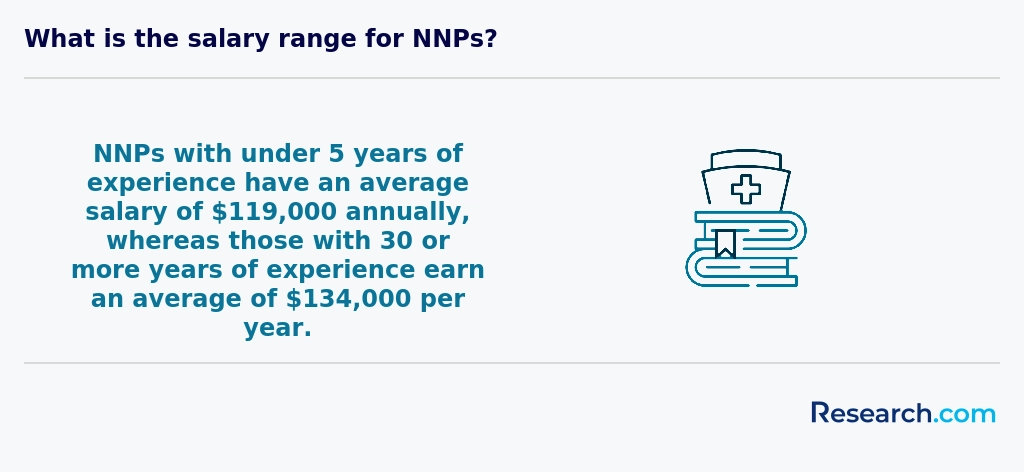
Securing your nursing license in Connecticut involves a series of well-defined steps overseen by the Connecticut Board of Nursing (CBON). First, ensure you graduate from a CCNE- or ACEN-accredited program and pass the NCLEX-RN exam. Once you’ve successfully completed your degree and exam, submit an online application through the CBON portal, including official transcripts, proof of NCLEX registration, and a background check with fingerprinting requirements. Pay the required application and licensing fees, typically totaling around $100–$150. For licensed practical nurses aiming to advance, bridge options like an accelerated lpn to rn online program can fast-track your eligibility for RN licensure. After your initial license is issued, maintain it with biennial renewal, which includes 30 hours of continuing education and a renewal fee. If you hold a nursing license from another state, apply for endorsement by providing verification of licensure, criminal background clearance, and proof of NCLEX-RN passage. Finally, stay informed about Connecticut’s specific requirements by visiting the CBON website for updates on practice standards, scope of practice changes, and continuing education providers. Following these steps precisely will ensure a smooth transition from nursing student to licensed professional ready to serve Connecticut’s diverse patient populations.
Nursing degree programs in Connecticut typically include a comprehensive set of courses that balance science and hands-on practice. Graduates from schools like the University of Connecticut and Manchester Community College often highlight foundational classes such as anatomy, physiology, microbiology, and chemistry as essential for understanding the human body. These courses form the base upon which more specialized topics are built.
Core nursing subjects commonly cover pathophysiology, pharmacology, and medical-surgical nursing-each addressing how diseases affect the body, the roles of various medications, and adult patient care during acute and chronic conditions. Many students describe these courses as challenging yet rewarding, seeing them as crucial for daily nursing responsibilities.
- Pediatric Nursing, focusing on younger patients,
- Obstetrics and Gynecology Nursing, handling maternal health,
- Mental Health Nursing, dealing with psychological care,
- and Community and Public Health Nursing, emphasizing disease prevention and health promotion,
are also standard courses that prepare students for diverse care settings. Personal accounts from graduates often reveal a sense of accomplishment when these practical classes connect to real clinical experiences, helping them build confidence before entering Connecticut's dynamic healthcare environment.
In Connecticut, nursing degree specializations offer a broad spectrum tailored to different healthcare needs and career ambitions. Common options span Family Nurse Practitioner (FNP), Pediatric Nursing, Adult-Gerontology Nursing, Psychiatric-Mental Health Nurse Practitioner (PMHNP), Critical Care Nursing, and Nurse Educator tracks. Graduates from institutions like the University of Connecticut and Yale School of Nursing often share how these diverse specializations helped them gain confidence in handling real-life clinical challenges, whether caring for children or older adults. Such specialization options reflect the state's healthcare demands and also provide flexibility for students aiming to focus on their passions.
One should note, however, that while these specializations enrich skill sets, the choice of program and hands-on opportunities can vary. For example, some colleges emphasize Nurse Anesthesia or Nurse Midwifery, which require extensive clinical training but meet growing national demand. For those unsure about broad nursing paths, exploring lpn to rn online options could be a practical first step.
Connecticut nursing program specialization options are thus designed to accommodate a range of interests, yet it remains important for students to evaluate curricula and clinical exposure carefully to align their education with future career goals.
Choosing the best nursing degree in Connecticut means balancing career goals with realistic factors like cost, program length, and accreditation. Graduates from well-known colleges in the state often share that selecting a program accredited by CCNE or ACEN gave them confidence to pass the NCLEX-RN, a critical step for licensing. While a BSN is favored for leadership roles and higher wages, some students find an ADN suits their timeline better, especially when affordability is a concern. Connecticut's diverse nursing schools offer options from practical diplomas to advanced degrees, reflecting the variety of personal circumstances. Those prioritizing affordability often research affordable nursing degrees Connecticut programs at public institutions, which usually charge less than private schools but still maintain high standards.
Location matters; graduates frequently highlight strong clinical partnerships with local hospitals in colleges like those in Hartford or New Haven as vital for gaining hands-on experience. For students needing a quicker path, a popular choice is the lpn 10 month program, allowing early workplace entry while planning future studies.
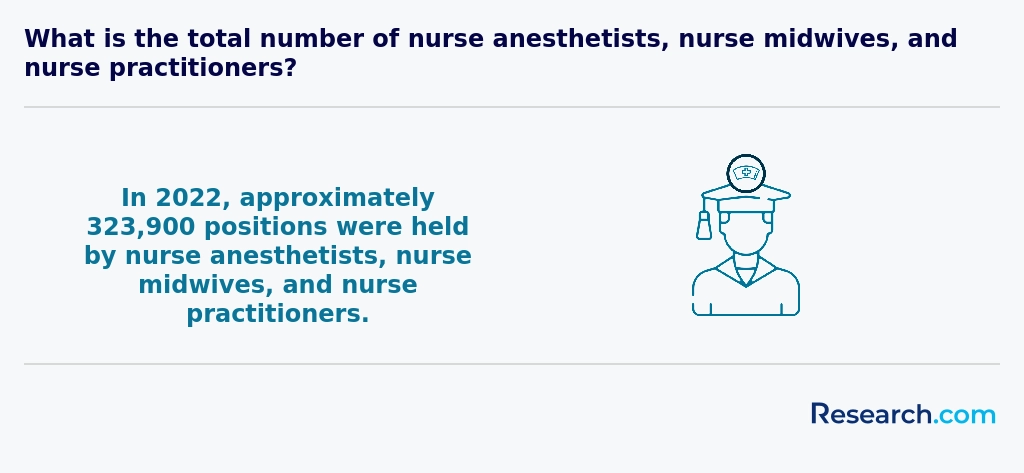
Graduates of nursing programs in Connecticut often find themselves pursuing diverse nursing career opportunities in Connecticut that reflect the state's evolving healthcare landscape. Many start as registered nurses (RNs), gaining valuable experience in hospitals or outpatient clinics, where patient care is both challenging and rewarding. Nursing students from well-known colleges in Connecticut have shared how their clinical rotations in various settings, like nursing homes or home healthcare, deepened their understanding of patient needs and fostered a strong sense of fulfillment.
Some graduates choose advanced paths, becoming APRNs such as nurse practitioners or nurse anesthetists. These roles require further education but offer greater autonomy and higher salaries, with median incomes for nurse practitioners around $110,000 annually. This trajectory is supported by institutions emphasizing advanced nursing degrees and clinical training, offering rich opportunities for career growth. Exploring nursing degree job prospects Connecticut also reveals roles in public health, school nursing, and case management, where graduates contribute uniquely to community health and wellbeing.
Potential students concerned about affordability might find insight in the Most Affordable Online Nursing Degree Programs Ranking in South Carolina, which complements Connecticut options and showcases financial planning options. Overall, pursuing a nursing degree in Connecticut means engaging with a variety of meaningful career paths shaped by both education and practical experience.
The nursing job opportunities in Connecticut remain strong, with registered nurses experiencing steady demand driven by the aging population and expanding healthcare services. Graduates from well-known nursing programs at Connecticut colleges often find themselves employed quickly, especially when armed with degrees like the BSN, which many hospitals and clinics now favor. Recent graduates report enthusiasm about entering diverse settings, such as community health clinics and nursing homes, where their skills are immediately impactful.
Connecticut nursing degree employment outlook is further buoyed by competitive salaries averaging around $80,000 annually, which some graduates note as a motivating factor compared to other states. However, these figures can vary based on certification and experience, highlighting the importance of continuous professional development. Many students from local universities acknowledge that balancing tuition costs-ranging from affordable ADN programs at community colleges to pricier BSN tracks-against job prospects is critical. For those considering accelerated paths, exploring options like a fast bachelor's degree online can be beneficial when aiming for quicker entry into the workforce.
2027 Most Popular Nursing Degree Programs Ranking in Connecticut
Investing in your education is a significant decision that can shape your future, and the Research.com team understands the importance of making informed choices. To assist prospective students in Connecticut, we have meticulously developed the "2027 Most Popular Nursing Degree Programs Ranking in Connecticut." Our dedication to quality, credibility, and accuracy is demonstrated through thorough research and careful analysis in compiling this ranking.
We utilized the following reputable data sources to ensure a comprehensive evaluation of nursing programs:
By exploring this ranking, readers will gain valuable insights into the most popular nursing degree programs in Connecticut, empowering them to make well-informed decisions about their educational journey. For more information on how this ranking was created, please visit our Research.com methodology page.


Frequently Asked Questions About nursing
Nursing degree students in Connecticut can enhance their learning experience by engaging in clinical placements at diverse healthcare settings. Connecticut offers numerous hospitals and clinics, such as Yale New Haven Hospital, where students gain hands-on experience essential for skill development. According to the Connecticut State Board of Nursing, practical exposure improves competency and readiness for licensure exams.
Students should also leverage simulation labs provided by many state colleges to practice critical procedures safely. Participating in study groups and joining nursing organizations helps build professional networks and stay updated on medical advances.
Finally, balancing coursework with time management and utilizing academic support services at Connecticut institutions contributes to overall success in nursing programs.
The nursing field in Connecticut is expanding with several emerging niches that reflect changes in healthcare needs and technology. One fast-growing area is geriatric nursing, due to Connecticut's aging population. Nurses specializing in elder care are increasingly in demand in both community settings and long-term care facilities, according to the Connecticut Department of Public Health.
Another promising niche is informatics nursing. This involves using data and digital tools to improve patient care outcomes and streamline healthcare systems. With Connecticut's investments in health technology, nurses with informatics skills are especially sought after.
Finally, psychiatric and mental health nursing is also growing, responding to rising awareness and resources for behavioral health statewide. These specialties offer prospective nursing students varied career opportunities aligned with Connecticut's healthcare priorities.
After completing a nursing degree in Connecticut, preparing for the job market involves several key steps. First, graduates must pass the NCLEX-RN exam, which is essential to obtain licensure as a registered nurse in the state. The Connecticut Board of Examiners for Nursing provides detailed guidance on this process.
Networking plays an important role, as many Connecticut healthcare employers value experience gained through clinical placements and internships. Candidates should leverage connections made during their studies to find job leads.
According to the Connecticut Department of Labor, registered nursing is projected to grow by 12% from 2020 to 2030, indicating strong job prospects. Additionally, tailoring resumes and preparing for interviews with a focus on Connecticut-specific healthcare challenges can improve employment chances.
Continuing education and certifications, such as in gerontology or critical care, may also enhance competitiveness in the state's diverse healthcare settings.
Employers in Connecticut seek nursing graduates with strong clinical skills and the ability to provide high-quality patient care. According to the Connecticut Hospital Association, proficiency in patient assessment and critical thinking ranks among the top requirements.
Communication skills are vital. Nurses must effectively interact with patients, families, and healthcare teams. This ensures coordinated care and positive outcomes.
Technical knowledge of electronic health records (EHR) is increasingly important, as Connecticut hospitals use advanced health information systems.
Additionally, cultural competence is essential. Connecticut's diverse population requires nurses to understand and respect different backgrounds and health beliefs.
Finally, adaptability and emotional resilience help nurses manage stressful environments and evolving healthcare demands.
Finding nursing internships in Connecticut involves several practical steps. Start by exploring partnerships between nursing schools and healthcare facilities. Many Connecticut colleges, including the University of Connecticut and Yale School of Nursing, maintain formal internship programs with local hospitals, clinics, and long-term care centers.
Additionally, the Connecticut Nurses Association and the Connecticut State Department of Public Health offer resources to help students connect with clinical placements. According to the Connecticut Board of Nursing, clinical experience is required for licensure, so these internships are essential for hands-on learning.
Networking at job fairs, hospital career offices, and professional conferences in Connecticut also boosts internship opportunities. Online portals by major health systems like Yale New Haven Health list available internships and training roles for nursing students in the state.
Obtaining a nursing degree in Connecticut significantly enhances career mobility and advancement opportunities. According to the Connecticut Department of Labor, registered nurses (RNs) with a Bachelor of Science in Nursing (BSN) often experience higher job placement rates and greater salary potential compared to those with an associate degree.
Employers in Connecticut increasingly prefer BSN-prepared nurses for leadership roles and specialized positions in hospitals and community health settings. The state's healthcare sector is growing, with a projected RN job growth rate of 15% through 2030, indicating strong demand for qualified professionals.
Higher nursing degrees, such as MSN or DNP, facilitate access to advanced practice roles like nurse practitioner or clinical nurse specialist, which offer greater responsibility and pay. Additionally, many Connecticut healthcare facilities participate in Magnet recognition programs, favoring nurses with advanced education for career progression.
Studying for a nursing degree in Connecticut equips students to work effectively in interdisciplinary healthcare teams. Connecticut's nursing programs emphasize collaboration with professionals such as physicians, social workers, and pharmacists. This approach reflects standards set by the Connecticut Board of Nursing and accredited institutions like those recognized by the Commission on Collegiate Nursing Education (CCNE).
Many programs include coursework and clinical experiences focused on communication, teamwork, and patient-centered care. These prepare graduates to contribute in diverse settings, from hospitals to community health centers.
According to the Connecticut Department of Public Health, the state nurses increasingly work in integrated care environments, highlighting the importance of interdisciplinary skills. This training helps nursing graduates meet the demands of modern healthcare and improve patient outcomes.
When choosing between a thesis and a non-thesis nursing degree program in Connecticut, students should consider their career goals and learning preferences. Thesis programs typically require original research, which can benefit those planning to pursue doctoral studies or research-related jobs. In contrast, non-thesis programs focus more on clinical practice and coursework, ideal for nurses aiming to advance in healthcare settings quickly.
Connecticut hosts several accredited nursing programs offering both options, monitored by the Commission on Collegiate Nursing Education (CCNE). According to the Connecticut Board of Nursing, employment in advanced practice roles is expected to grow by 17% through 2030, highlighting the importance of advanced clinical skills or research experience.
Students should also assess time commitment and faculty mentorship availability, as thesis tracks frequently demand more extensive one-on-one guidance. Reviewing program details at institutions like the University of Connecticut or Yale School of Nursing can help clarify which path aligns best with individual ambitions.
Students in Connecticut interested in studying nursing abroad have several pathways to consider. Many universities in Connecticut, such as the University of Connecticut and Yale School of Nursing, offer study abroad or exchange programs in partnership with international institutions. These options allow students to gain global healthcare experience while earning credits toward their nursing degree. According to the Connecticut Office of Higher Education, approximately 10% of nursing students in the state participate in some form of international study during their academic programs.
For those seeking fully accredited nursing degrees abroad, students must ensure the program meets standards recognized by the Commission on Collegiate Nursing Education (CCNE) or the Accreditation Commission for Education in Nursing (ACEN) to facilitate licensure in the U.S. Programs in countries like Canada or the United Kingdom often align well with U.S. accreditation requirements, enabling smoother transitions back to Connecticut's nursing workforce.
In Connecticut, several part-time job opportunities complement nursing degree education by providing valuable clinical experience and skill development. Nursing students often find positions as certified nursing assistants (CNAs) or patient care technicians in hospitals and long-term care facilities. These roles allow students to gain hands-on experience in patient care while balancing academic responsibilities.
Additionally, positions such as medical scribes or pharmacy technicians offer exposure to medical terminology and healthcare workflows important for nursing careers. According to the Connecticut Department of Labor, healthcare support jobs are projected to grow 15% through 2030, increasing part-time employment availability for nursing students.
Nursing students in Connecticut benefit from a variety of networking opportunities that enhance their educational experience and career prospects. Many universities and colleges host student nursing organizations, such as chapters of the National Student Nurses' Association (NSNA), which connect students statewide.
Additionally, Connecticut's healthcare industry is robust, with numerous hospitals and clinics offering clinical placements and networking events. Organizations like the Connecticut Nurses Association provide local conferences, seminars, and workshops, facilitating connections with practicing nurses and healthcare leaders.
According to the Connecticut Board of Examiners for Nursing, participation in these groups and events can significantly increase job placement rates for graduates by fostering professional relationships early in their careers.
Alumni networks play a significant role in supporting nursing degree students in Connecticut. These networks connect current students with graduates who have practical experience in the state's healthcare system. Through mentorship, alumni offer guidance on clinical placements and career planning, helping students navigate competitive job markets.
In Connecticut, nursing alumni often share job leads from major employers like Yale New Haven Health and Hartford HealthCare, which employ thousands of nurses statewide. According to the Connecticut Nurses Association, networking can increase job placement success by up to 30% for new graduates.
Additionally, alumni events and online groups provide platforms for knowledge exchange and continuing education opportunities, strengthening professional development beyond graduation.
Customizing your nursing degree in Connecticut starts with choosing the right program type, such as an Associate Degree in Nursing (ADN), Bachelor of Science in Nursing (BSN), or advanced practice degrees. Many Connecticut institutions offer flexible options like part-time, online, or hybrid classes, allowing you to balance studies with work or family.
Specialization areas like geriatrics, pediatrics, or psychiatric nursing enable you to tailor your studies to specific career paths. Some schools provide clinical placements across diverse healthcare settings in Connecticut, offering practical experience aligned with your goals.
The Connecticut Board of Examiners for Nursing ensures accredited programs meet professional standards, essential for licensure and career advancement. According to the Connecticut Department of Public Health, BSN-prepared nurses earn higher salaries and have better job prospects statewide.
Nursing students in Connecticut often face significant challenges during their education. A primary concern is the rigorous academic workload combined with demanding clinical hours, which can lead to high stress levels. According to the Connecticut Department of Public Health, the state requires comprehensive clinical practice in diverse healthcare settings, increasing time commitments outside the classroom.
Many students struggle with securing clinical placements due to competition among nursing programs and limited availability in local hospitals. Financial pressure is another obstacle, as nursing programs can be costly. The average tuition for in-state nursing students in Connecticut public colleges ranges from $10,000 to $15,000 annually, excluding supplies and living expenses (College Board, 2023).
Additionally, students must adapt to evolving healthcare technologies and evidence-based practices, which necessitates ongoing learning. These factors collectively make nursing education in Connecticut demanding but essential for preparing competent professionals.
With a nursing degree in Connecticut, graduates can pursue a variety of professional certifications that enhance career opportunities and expertise. Registered Nurses (RNs) may seek certification in specialties such as Medical-Surgical Nursing, Pediatrics, or Geriatrics through organizations like the American Nurses Credentialing Center (ANCC).
Advanced degrees open paths to certifications like Nurse Practitioner (NP), Clinical Nurse Specialist (CNS), or Nurse Anesthetist, which require additional education and clinical experience. Connecticut's healthcare market, according to the Connecticut Department of Labor, reported over 35,000 employed RNs in 2023, signaling strong demand for certified nurses.
Certifications assist nurses in meeting state requirements and improving patient care quality, while also offering potential for higher salaries and leadership roles. Many Connecticut employers prefer or require certification for specialized nursing positions.
To write a winning application for a nursing program in Connecticut, start with a clear and focused personal statement. Highlight your passion for healthcare and specific reasons for choosing nursing. Emphasize any relevant experience, such as volunteering or working in medical settings, which Connecticut programs highly value. Ensure your academic records demonstrate strong performance in science and math courses, as nursing schools look for solid foundational knowledge.
Next, secure strong letters of recommendation from educators or healthcare professionals familiar with your abilities. Also, prepare thoroughly for the TEAS exam, commonly required by Connecticut nursing programs, aiming for a high score to boost your chances.
Finally, tailor your application to each school's requirements and deadlines. Refer to the Connecticut Board of Nursing and individual program websites for precise guidelines and up-to-date application details.
Nursing is a globally respected profession, and its demand continues to grow worldwide. In the United States, including Connecticut, the need for qualified nurses is driven by an aging population and advances in healthcare technology. According to the Connecticut Department of Labor, nursing jobs are expected to grow by 12% from 2020 to 2030, reflecting strong local demand.
Globally, nursing careers are valued for their impact on public health and patient care. Many countries emphasize advanced education and specialization, similar to trends in the US higher education system. This alignment allows Connecticut nursing graduates to pursue opportunities both nationally and abroad.
Internationally, professional nursing organizations promote continuous learning and cultural competence, skills also prioritized in Connecticut nursing degree programs. These programs prepare students to work effectively in diverse healthcare settings, enhancing global mobility and career flexibility.
Gaining practical experience while studying for a nursing degree in Connecticut is essential for career readiness. Most accredited nursing programs in the state require clinical rotations as part of their curriculum. These rotations take place in various healthcare settings, including hospitals, community clinics, and long-term care facilities. According to the Connecticut Board of Examiners for Nursing, students typically complete at least 500 hours of supervised clinical practice before graduation.
Additionally, many schools encourage internships and externships, offering hands-on learning alongside experienced nurses. Some students also pursue volunteer opportunities or part-time jobs in healthcare to strengthen their skills and build professional networks early in their careers.
Choosing the right concentration within a nursing degree program in Connecticut involves evaluating your career goals and interests alongside local healthcare needs. Popular specializations include registered nursing (RN), nurse practitioner (NP), and clinical nurse leader (CNL). Connecticut's Department of Public Health highlights a growing demand for advanced practice nurses, especially in primary care and gerontology, reflecting the state's aging population.
Consider how each concentration aligns with certification requirements and clinical experience opportunities. Research schools accredited by the Commission on Collegiate Nursing Education (CCNE) or the Accreditation Commission for Education in Nursing (ACEN), as accreditation ensures program quality.
Financial aid options and NCLEX pass rates, often published by Connecticut institutions, can also inform your choice.
- 2027 Most Popular Nursing Degree Programs Ranking in New York
- 2027 Most Popular Nursing Degree Programs Ranking in Massachusetts
- 2027 Most Popular Nursing Degree Programs Ranking in New Jersey
- 2027 Most Popular Nursing Degree Programs Ranking in Pennsylvania
- 2027 Most Popular Nursing Degree Programs Ranking in Delaware
- 2027 Most Popular Nursing Degree Programs Ranking in Ohio
- 2027 Most Popular Nursing Degree Programs Ranking in Indiana
- 2027 Most Popular Nursing Degree Programs Ranking in Georgia
- 2027 Most Popular Nursing Degree Programs Ranking in Illinois
- 2027 Most Popular Nursing Degree Programs Ranking in Florida
See What Experts Have To Say About Studying Nursing
Read our interview with Nursing experts


- Exploring Diverse Nursing Career Horizons - N2S Healthcare Blog https://n2shealthcare.com/blog/exploring-diverse-nursing-career-horizons-n2s-healthcare-blog
- Complete Guide to Mastering Connecticut Nursing Prerequisites https://www.prereqcourses.com/guide-connecticut-nursing-prerequisites/
- Nursing Internships Abroad: An Introduction - RealStep https://www.real-step.com/en/articles/nursing-internships-abroad/
- | NRR | Dove Medical Press https://www.dovepress.com/internship-challenges-encountered-by-nursing-students-a-qualitative-st-peer-reviewed-fulltext-article-NRR
- THE FIELD OF NURSING - FIRST-DEGREE OF STUDIES https://wnoz.wum.edu.pl/pl/content/field-nursing-first-degree-studies
- The Nurses' Alumni Association https://giving.mainlinehealth.org/get-involved/auxiliaries-and-womens-boards/lankenau-medical-center-womens-board/the-nurses-alumni-association
- Medical University of GdaÅsk https://admission.mug.edu.pl/29318.html
- How to Choose the Right Nursing Program for Your Career Goals - Maria College https://mariacollege.edu/blog/how-to-choose-the-right-nursing-program-for-your-career-goals
- How to Write https://esign.com/letter-of-intent/school/nursing/
- Nursing, A.S. https://threeriverscollegefoundation.org/academics/degrees-certificates/nursing/


