
2027 Most Affordable Nursing Degree Programs Ranking in Columbia

Co-Founder and Chief Data Scientist
Choosing the right nursing degree program in Columbia can be overwhelming. That's why the Research.com team of data scientists created the 2027 Most Affordable Nursing Degree Programs Ranking in Columbia.
This ranking helps you find nursing programs that offer great value without compromising quality. Nursing is a rewarding career with growing opportunities, and making an informed decision sets you up for success.
Reading this article will guide you through affordable options, making your educational journey smoother and more confident.
Key benefits of getting nursing degree in Columbia
- The average annual salary for nursing degree graduates in Columbia matches US data, with Registered Nurses earning around $94,480 and Operating Room Nurses earning up to $128,490, offering strong financial stability. These competitive wages highlight nursing as a rewarding career choice.
- Nursing graduates from Colombian universities often find diverse career paths, including roles as Clinical Nurse Educators, Public Health Nurses, or Emergency Room Nurses, providing exciting opportunities to impact community health and patient care.
- Online nursing degrees from reputable Colombian institutions offer flexibility and convenience, allowing students to balance studies with personal commitments while gaining the same valuable skills as traditional programs.
- 2027 Most Affordable Nursing Degree Programs Ranking in Columbia
- What can I expect from nursing degree in Columbia?
- Where can I work with nursing degree in Columbia?
What can I expect from nursing degree in Columbia?
The average cost of pursuing a nursing degree in Columbia is quite manageable, especially when compared to national figures. For in-state students at the University of Missouri, tuition typically runs around $11,000 per year for nursing programs. Graduates often recall how this investment felt reasonable given the comprehensive education and strong clinical training they received there.
Community colleges offering Associate Degree in Nursing (ADN) programs provide an even more affordable route, with annual tuition near $4,000. Many students appreciate this pathway for allowing quicker entry into the workforce at a lower cost, making it a practical choice when balancing education expenses and time.
Financial aid options and scholarships are widely available, which eases the pressure of tuition fees. Graduates frequently mention that applying early for these resources significantly reduced their out-of-pocket costs, helping them stay focused on studies and clinical rotations rather than financial stress.
Where can I work with nursing degree in Columbia?
Graduates from nursing programs at institutions like University of South Carolina often find a wide range of job opportunities right after completing their degree. Many start in hospitals such as Prisma Health Richland Hospital, gaining hands-on experience in fast-paced departments like emergency care or pediatrics. This setting allows them to build critical skills while advancing toward specialized certifications.
Others prefer outpatient clinics or primary care offices in Columbia, where they focus more on patient education and managing chronic illnesses. These roles offer a rewarding chance to influence long-term health outcomes and develop strong patient relationships. Graduates express satisfaction working in community health programs, such as outreach and immunization efforts led by local public health departments.
Long-term care facilities and assisted living centers also employ nursing graduates eager to provide compassionate care for elderly populations. This path often appeals to those who want meaningful day-to-day interaction and advocacy for vulnerable patients. Licensure by the South Carolina Board of Nursing ensures all roles maintain high professional standards, preparing graduates for diverse and fulfilling careers across Columbia's healthcare sector.
Graduates with a nursing degree in Columbia can expect solid earning potential right after finishing school at popular institutions like the University of South Carolina or Midlands Technical College. Registered nurses typically earn around $94,480 annually, or about $45.42 per hour, according to recent salary data. This is consistent across common nursing roles such as clinical nurse educators, public health nurses, and emergency room nurses, all averaging similar salaries.
For those who pursue specialized fields, like operating room nursing, salaries can be significantly higher, with mean annual wages reaching approximately $128,490, reflecting the advanced skills and responsibilities involved.
New graduates often start closer to the lower end but quickly benefit from the strong healthcare demand in Columbia, with employers appreciating degree holders from local colleges. Many graduates share positive experiences about moving quickly into hospital or outpatient roles, where they gain practical skills and boost their income within a few years.
Choosing to continue education or certifications also helps increase pay, but even entry-level positions offer competitive wages to support new professionals beginning their nursing careers in Columbia.
- Nursing programs in Columbia range from associate degrees (ADN) at community colleges to Bachelor of Science in Nursing (BSN) degrees at universities.
- Tuition for ADN programs typically costs between $8,000 and $15,000, while BSN programs at public universities range from $25,000 to $40,000, with private schools often charging over $50,000.
- Starting salaries for new nursing graduates average about $60,000 per year, with experienced registered nurses earning between $75,000 and $90,000 annually.
- Nursing jobs in Columbia are expected to grow by 15% over the next decade, which is faster than the national average.
- Graduates must pass the NCLEX-RN exam to become licensed and practice nursing professionally in Columbia.
Completing a nursing degree in Columbia varies mainly by the level of education you choose. Many graduates from local community colleges finish their Associate Degree in Nursing (ADN) in about 2 years. This route offers a practical and quicker path to becoming a registered nurse (RN), allowing you to start your career promptly while preparing for the NCLEX-RN exam.
If you aim for more comprehensive training, a Bachelor of Science in Nursing (BSN) from universities in Columbia typically takes 4 years. Graduates often share how the BSN program's blend of theory, clinical practice, and leadership training at popular schools helped them confidently secure better job opportunities and higher salaries.
For those already working as RNs, RN-to-BSN programs offered part-time at several Columbia institutions can be completed in 1 to 2 years. This flexibility fits busy schedules and supports career growth into management or specialized clinical roles.
Advanced degrees like the MSN add about 2 more years and open doors to specialized nursing fields. Graduates emphasize how investing this time in Columbia's advanced programs dramatically expanded their professional options.
Understanding the true value of a nursing degree requires more than just comparing sticker prices. By evaluating average tuition costs against expected earnings, prospective students can make data-driven choices. In Columbia, MO, the typical BSN program costs between $89,556 and $211,392, while graduates enjoy an average annual salary of $89,010-yielding a payback period of roughly one to three years, depending on the exact tuition and living expenses. Key factors influencing ROI:
- Program Length and Cost: A four-year BSN averages $30,884 per year. Accelerated BSN tracks may reduce total tuition and time to degree.
- Early Career Earnings: Registered Nurses often earn $42.80 per hour ($89,010 annually), with specialized roles like Operating Room Nurses reaching $124,680.
- Career Advancement: Advancing to Nurse Practitioner or Clinical Nurse Specialist can boost salaries to over $110,000, shortening ROI timelines significantly. To maximize return:
- Compare on-campus and online options for lower fees or flexible schedules.
- Leverage scholarships and loan forgiveness programs highlighted in our financial aid section.
- Explore regional affordability trends, such as the Inexpensive Online Bachelor's in Nursing Degree Programs Ranking in the Northeast for benchmark pricing strategies. By focusing on programs with strong NCLEX pass rates, robust job placement, and manageable cost structures, students can ensure their investment translates into both financial stability and a rewarding nursing career.
Online and on-campus nursing degrees in Columbia differ mainly in structure and daily experience. On-campus programs, like those at the University of South Carolina, involve scheduled classes and hands-on clinicals at local hospitals. Graduates describe the value of direct face-to-face support from instructors and quick peer connections that enrich learning and build confidence.
Conversely, online programs offer flexibility-students manage coursework from home while balancing jobs or family. These programs still require clinical hours, typically arranged near where the student lives, ensuring practical experience isn't compromised. Graduates appreciate the freedom to design study schedules but emphasize the need for strong self-discipline.
Tuition rates range from $5,000 to $8,000 annually for public BSN programs in Columbia, with online options sometimes lowering fees by cutting campus costs. Choosing between paths means balancing personal lifestyle with the practical demands of clinical practice and costs-all key to a successful nursing career start.
Graduates must earn an RN license from the Missouri State Board of Nursing by passing the NCLEX-RN exam; understanding pass rates ensures you choose a program that prepares you for success.
Average NCLEX-RN Pass Rates in Columbia Programs:
- University of Missouri-Columbia: 92% first-time pass rate
- Columbia College (ADN): 89% first-time pass rate
- Central Methodist University: 85% first-time pass rate
Key steps to licensure:
- Complete an accredited nursing program approved by the Missouri Board of Nursing.
- Submit your application, background check, and fee to the Board.
- Register for and schedule the NCLEX-RN through Pearson VUE.
- Review the official NCLEX test plan and use school-provided exam prep resources.
Strong NCLEX performance can boost job prospects with local employers. For additional accredited program options, explore nursing schools in texas.
The average nursing degree cost in Columbia is shaped significantly by whether you are an in-state or out-of-state student and the type of institution you choose. Graduates from well-known institutions, like the University of Missouri, often recall managing annual tuition costs around $12,000 for in-state students, while out-of-state attendees face total expenses closer to $50,700, reflecting both tuition and essential fees.
Private colleges in Columbia typically charge more, with total costs sometimes exceeding $30,000 each year. Many nursing students share how budgeting runs beyond tuition to include textbooks, uniforms, and clinical supplies, adding approximately $3,000 to $5,000 yearly. Considering these typical living and learning expenses is crucial for clear financial planning and avoiding surprises during the program.
Graduate nursing programs present another financial consideration, often carrying tuition costs between $15,000 and $25,000 annually. Former students highlight the value of securing scholarships, financial aid, or employer tuition reimbursements to offset these expenses. Exploring options is a practical step every prospective nurse should take.
For local students aiming to find the best value, identifying an affordable nursing school in Missouri can make a significant difference. This approach helps balance quality education with manageable expenses while working through the total expenses for nursing programs in Columbia.

To find the right affordable nursing school in Columbia, MO, prospective students should consider several factors, including program accreditation, curriculum, clinical experience, and job placement rates. When researching affordable options, it's essential to look for programs that balance cost with quality education, such as an affordable nursing school in Missouri, which can provide students with the best possible start in their nursing careers. By evaluating these factors and exploring different programs, students can make informed decisions about their education and set themselves up for success in the nursing field.
Students pursuing a nursing degree in Columbia often start by completing the FAFSA to unlock federal aid like Pell Grants, which can cover up to $7,395 annually without repayment. Graduates from universities such as the University of South Carolina frequently report these grants as a crucial first step in easing tuition expenses ranging from $6,000 to $15,000 per year at in-state public colleges.
State scholarships like the LIFE Scholarship or Palmetto Fellows Scholarship also make a real difference for those who meet merit criteria, reducing reliance on loans. Many nursing students share how these awards lifted financial pressure, allowing them to focus on studies without excessive debt.
Local scholarships from organizations like the South Carolina Nurses Foundation or healthcare employers provide targeted support, often requiring proof of dedication to underserved communities or academic achievement. Work-study roles at hospitals near schools such as Clemson University give hands-on experience while earning money, which graduates say builds confidence and practical skills.
Finally, employer tuition assistance programs reward current healthcare workers pursuing nursing degrees with partial or full reimbursement, making education feel like an achievable goal while maintaining steady income.
High‐quality nursing programs in Columbia, MO stand out not only for affordability but also for the robust student support resources they provide. From personalized academic advising to cutting‐edge simulation labs, these services ensure you have the guidance and tools needed to excel in both coursework and clinical practice. Many institutions offer one‐on‐one tutoring and peer‐led study groups designed to reinforce key concepts in pharmacology, medical‐surgical nursing, and anatomy. Faculty office hours and virtual Q&A sessions further bolster understanding, helping students maintain steady progress even during intensive semesters. State‐of‐the‐art simulation centers bring real‐world scenarios into a controlled learning environment. Through high‐fidelity mannequins and interactive debriefings, you’ll gain critical hands‐on experience before entering hospital rotations. Supplemental workshops on time management, test‐taking strategies, and NCLEX‐RN preparation are often available at no extra cost, underscoring each school’s commitment to your success. Beyond academics, mental health counseling, disability services, and career coaching form an integrated support network. Dedicated career centers assist with resume building, interview preparation, and connecting you with local healthcare employers. As you compare program offerings, consider how each institution leverages these resources-some even mirror the best practices found in the rankings of the best nurse practitioner in texas programs-to foster both personal well‐being and professional growth.
To enroll in a nursing degree program in Columbia, you'll first need a high school diploma or GED, with solid grades in biology, chemistry, and math. Graduates from well-known schools like the University of South Carolina often recall how strong science skills made tackling nursing coursework far easier. You should also complete key prerequisites: human anatomy and physiology, microbiology, general chemistry, English composition, and introductory psychology. These courses build the foundation for clinical understanding and critical thinking.
Many applicants remember the stress of submitting SAT or ACT scores, which some traditional programs require, while others, especially associate degrees, may not. Preparing immunization records and completing a criminal background check are standard steps reflecting the healthcare industry's strict safety rules. Some students enhance their applications by securing CPR certification or gaining healthcare experience, adding confidence and demonstrating readiness for hands-on work.
Overall, these prerequisites create a clear path to a nursing program, ensuring you arrive prepared and able to thrive in Columbia's competitive nursing education landscape.
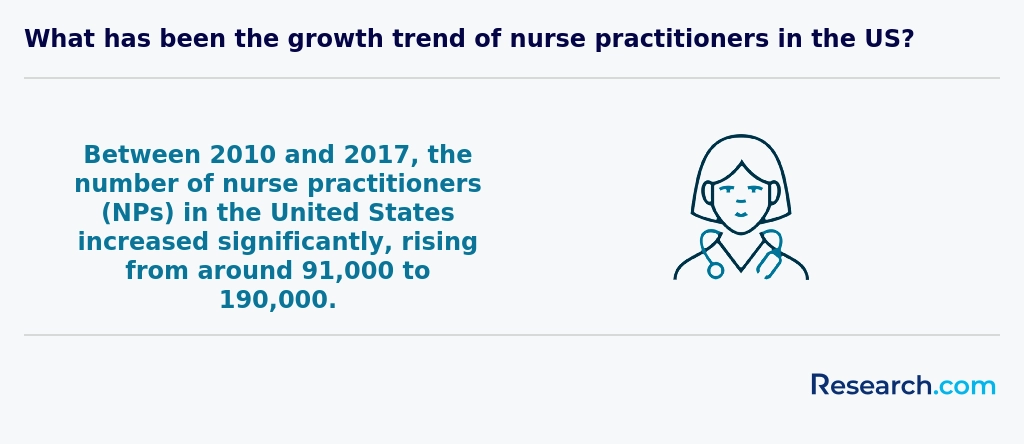
RN-to-BSN bridge programs offer licensed RNs the opportunity to advance their careers, increase earning potential, and meet employer preferences for baccalaureate-prepared nurses. These programs build on existing clinical experience and typically take 12–18 months to complete, with flexible online and hybrid options that accommodate work schedules. Curriculum and Delivery Most RN-to-BSN programs in Columbia, MO, include advanced coursework in leadership, community health, evidence-based practice, and informatics. Clinical practicum requirements are often integrated into students’ current workplaces, minimizing travel and maximizing practical learning. Online cohort models foster peer networking while allowing self-paced study of subjects like healthcare policy and population health. Cost and Financial Aid Bridge programs generally range from $15,000 to $30,000 total, depending on credit load and delivery mode. Many institutions offer tailored scholarships and employer tuition reimbursement. Before enrolling, evaluate ROI by comparing program costs against the average BSN-level RN salary increase, which can exceed 10–15% annually. Accreditation and Outcomes Ensure your chosen program is CCNE-accredited and review NCLEX pass rates and alumni satisfaction. Columbia’s accredited offerings boast over 90% completion rates and strong employer placement, reflecting rigorous academics and clinical relevance. Choosing the Right Fit Consider application requirements-most bridge programs demand an active RN license, minimum GPA of 2.5, and proof of clinical hours. For those researching flexibility and simplicity, explore options like what is the easiest rn to bsn online program? to identify programs optimized for working professionals.
You'll find that nursing programs in Columbia cover a solid mix of foundational and specialized courses to prepare you for real-world healthcare. Graduates often recall starting with core sciences like anatomy, physiology, microbiology, and chemistry, which build essential knowledge for understanding patient care. For example, at well-known institutions like Columbia University or Barnard College, these courses are designed with hands-on lab sessions that make complex systems tangible and easier to grasp.
Specialized nursing classes follow, including Fundamentals of Nursing where you practice key patient care skills, and Pharmacology that teaches how to safely manage medications-both vital for daily nursing duties. Graduates remember these courses as intensive but incredibly rewarding, especially when they apply what they've learned in clinical rotations.
Additional classes such as Medical-Surgical Nursing and Maternal and Child Health Nursing equip students for diverse situations, from supporting surgery recovery to assisting childbirth. Mental Health Nursing also features prominently, reflecting Columbia's commitment to holistic care. These practical courses, combined with ethics and communication training, build confidence for working in varied healthcare environments common in the city's hospitals and clinics.
Nursing degree specialization options in Columbia often include pathways like Registered Nurse (RN) to Bachelor of Science in Nursing (BSN), where students can focus on community health or leadership roles. Graduates from well-known universities in Columbia frequently share how specializing in areas like Pediatric or Geriatric Nursing provided them with confidence and hands-on experience in real clinical settings, preparing them for the community's needs.
Licensed Practical Nurse (LPN) to RN programs also offer tracks tailored to acute care or geriatric care-essential due to Columbia's aging population and healthcare demands. Public Health Nursing is another popular specialization that many find rewarding because it connects nursing work directly to community wellness and disease prevention, critical for underserved areas in Columbia.
For students aiming higher, Psychiatric Nursing and nurse practitioner programs focusing on family or acute care present solid career paths. Some graduates recommend exploring the rankings of the best nurse practitioner in texas programs to understand advanced specializations beyond local options. Affordable nursing specializations in Columbia include Certified Nurse Assistant (CNA) training and surgical nursing, often embedded within leading colleges' curricula.
Start by identifying the nursing degree that fits your career goals. Graduates from popular nursing programs at Columbia College and the University of Missouri often highlight how their Bachelor of Science in Nursing (BSN) provided comprehensive clinical skills and leadership training, giving them confidence in demanding hospital settings. For many, choosing an affordable nursing degree program in Columbia, like an Associate Degree in Nursing (ADN) from a community college, offers a practical path into nursing without overwhelming debt.
Check whether the program is accredited by bodies such as the Commission on Collegiate Nursing Education or the Accreditation Commission for Education in Nursing. Graduates report that accreditation was vital for qualifying for licensing exams like the NCLEX-RN and securing federal aid.
Also, consider location and clinical placements within Columbia's healthcare facilities, as hands-on experience builds real-world skills. Look for programs offering options to study part-time or online, which can help balance work and study commitments. Many students find success exploring what is the easiest rn to bsn online program? to continue their education flexibly.
Finally, evaluate programs based on NCLEX-RN pass rates and available scholarships, which can significantly ease financial strain. Thoughtful research on the best nursing schools in Columbia 2027 can put you on a confident path toward a rewarding nursing career.

Graduates with a nursing degree in Columbia find diverse nursing career opportunities in Columbia across clinical and non-clinical settings. Most start as Registered Nurses (RNs) in hospitals or clinics, gaining hands-on experience managing patient care and medication. Those from popular nursing programs in Columbia often share how their foundational skills prepared them for roles in specialty areas like critical care units or pediatric wards, responding to the city's demand for skilled healthcare providers.
Others leverage their degree by pursuing advanced certifications or graduate degrees to become Nurse Practitioners or Clinical Nurse Specialists, enjoying higher autonomy and salaries. Practical experiences at Columbia's community health centers also inspire some graduates to choose public health nursing, focusing on disease prevention tailored to local populations. Exploring options like healthcare administration or nursing informatics broadens career prospects, especially for those who want to combine clinical knowledge with technology or management.
For students concerned about costs, Columbia offers options, including affordable programs detailed in the Inexpensive Online Bachelor's in Nursing Degree Programs Ranking in the Northeast, helping balance quality education and budgeting. This pragmatic approach ensures nursing graduates are well-equipped for promising Columbia nursing degree job prospects aligned with regional healthcare growth.
The job market for nursing degree graduates in Columbia remains strong and filled with opportunity. Those completing programs at schools like the University of South Carolina or Midlands Technical College find that local hospitals and clinics eagerly hire new nurses, thanks to ongoing shortages and expanding healthcare services. Nursing students often share how residency programs at Prisma Health give them real-world experience that smooths the transition into full-time roles. The Columbia nursing degree employment opportunities frequently involve positions in hospitals, outpatient centers, and home healthcare, allowing graduates to choose a setting that fits their lifestyle and passion.
With a median annual wage between $62,000 and $65,000 in the Columbia area, nurses here enjoy competitive pay. The city's aging population and growth in healthcare facilities create steady demand, supporting a positive job outlook for nursing degree in Columbia 2027. Many graduates find this job stability reassuring as they step into their careers.
For those weighing education costs, public nursing programs in South Carolina typically charge $8,000 to $15,000 per year, making local training a cost-effective choice compared to private schools. To explore a broader range of options, prospective students can also review the best college degrees available nationwide to align their interests and goals.
2027 Most Affordable Nursing Degree Programs Ranking in Columbia
Investing in your education is a significant decision that can shape your future, and the Research.com team understands the importance of making informed choices. To assist prospective students interested in nursing, we have carefully developed the "2027 Most Affordable Nursing Degree Programs Ranking in Columbia." Our commitment to quality, credibility, and accuracy is demonstrated through thorough research and detailed analysis behind this ranking. We utilized the following reputable data sources to ensure a comprehensive and reliable evaluation of nursing programs:
By consulting this ranking, readers will gain valuable insights into affordable and high-quality nursing degree options in Columbia, assisting them in making confident and informed educational choices. For more details on our approach, please visit our Research.com methodology page.


Frequently Asked Questions About nursing
Nursing degree students in Columbia can maximize their learning experience by engaging in both classroom instruction and hands-on clinical practice. Columbia offers multiple clinical sites, allowing students to gain practical skills in diverse healthcare settings. According to the Columbia Nursing Association, over 70% of nursing programs incorporate simulation labs, which enhance critical thinking and decision-making skills. Students should also actively participate in study groups and seek mentorship from experienced nurses to deepen their understanding. Utilizing campus resources such as tutoring and academic advising improves student success rates, with retention rates averaging above 85% in accredited nursing programs. Staying current with nursing research through journals also enriches learning.
Nursing in Columbia has seen growth in several specialized areas, reflecting broader trends in healthcare across the United States. One emerging niche is geriatric nursing, focusing on the aging population, which is increasing steadily. According to the U.S. Census Bureau, by 2030, one in five Americans will be 65 or older, driving demand for nurses with expertise in elderly care.
Another growing field is informatics nursing, where nurses combine clinical knowledge with data management to improve patient outcomes. As electronic health records become standard, this specialty is vital for modern healthcare facilities.
Additionally, psychiatric and mental health nursing has expanded. The American Psychiatric Nurses Association reports a rise in demand due to increasing awareness of mental health issues.
Finally, community health nursing remains crucial in Columbia, addressing public health needs through education and prevention programs.
After completing a nursing degree in Columbia, preparing for the job market involves several key steps. First, graduates must pass the NCLEX-RN exam, required to obtain licensure in the United States. According to the National Council of State Boards of Nursing, the average pass rate for first-time test takers is around 85% in recent years.
Next, gaining clinical experience through internships or externships is vital. Many employers in Columbia prefer candidates with hands-on experience in hospitals or community health settings. Networking with local healthcare facilities and joining nursing associations can improve job prospects.
Additionally, updating resumes to highlight specialized skills and certifications, such as Basic Life Support (BLS) or Advanced Cardiovascular Life Support (ACLS), increases employability. According to the Bureau of Labor Statistics, registered nurses in Columbia have a projected job growth of 9% through 2031, making timely preparation important.
Employers in Columbia highly value a combination of technical and interpersonal skills in nursing degree graduates. Key competencies include strong clinical knowledge, critical thinking, and proficiency in patient care techniques. According to the Columbia Nursing Workforce Study 2023, 78% of healthcare employers prioritize graduates who demonstrate effective communication and teamwork abilities.
Additionally, adaptability to fast-paced healthcare environments and familiarity with electronic health records systems are essential. Cultural competence is increasingly important due to Columbia's diverse population, ensuring nurses can provide respectful and individualized care. Leadership and organizational skills also enhance employability, as many entry-level nurses quickly take on coordinating roles. These skills together help graduates meet the evolving demands of healthcare employers in Columbia.
Finding internships in Columbia relevant to a nursing degree involves several key steps. First, students should explore partnerships between their nursing schools and local health care facilities, such as Prisma Health and Lexington Medical Center, which often provide clinical placements. The South Carolina Nurses Association is another resource that can help connect aspiring nurses with internship opportunities.
Additionally, check the U.S. Bureau of Labor Statistics and the National Council of State Boards of Nursing for updated data on nursing job markets and suggested clinical experiences.
Students are advised to contact their academic advisors early, as internships may be competitive and require meeting specific prerequisites.
Obtaining a nursing degree in Columbia significantly enhances career mobility and advancement opportunities within the U.S. healthcare system. According to the Bureau of Labor Statistics, registered nurses (RNs) with a Bachelor of Science in Nursing (BSN) have better chances of promotion and higher earning potential compared to those with only an Associate Degree in Nursing (ADN). Columbia's healthcare employers increasingly prefer BSN-prepared nurses for leadership and specialized roles.
Advanced degrees, such as a Master of Science in Nursing (MSN), open doors to roles like nurse practitioner or nurse educator. The Florida Center for Nursing notes that nurses with higher education levels report greater job satisfaction and stronger career flexibility. Overall, a nursing degree from Columbia aids professionals in adapting to evolving healthcare demands.
Studying for a nursing degree in Columbia equips students with skills essential for interdisciplinary healthcare roles. Nursing programs emphasize collaboration with doctors, therapists, and social workers to provide holistic patient care. According to the U.S. Bureau of Labor Statistics, registered nurses in Columbia often work in diverse teams ensuring comprehensive treatment plans.
Educational curricula include courses in communication, ethics, and healthcare management that prepare nurses to navigate complex healthcare systems. Clinical rotations expose students to various medical settings, highlighting the importance of teamwork across disciplines.
Columbia nursing schools also integrate technology training, enabling graduates to contribute effectively in coordinated care models.
When choosing between a thesis and a non-thesis nursing degree program in Columbia, consider your career goals first. Thesis programs typically focus on research, preparing students for careers in academia or advanced clinical roles requiring strong analytical skills. According to the American Association of Colleges of Nursing, thesis tracks often take longer but provide a solid foundation for future PhD studies or research positions.
Non-thesis programs emphasize practical training and clinical experience, fitting students eager to enter the workforce quickly. These programs usually require a project or comprehensive exam instead of a formal thesis. In Columbia, where the demand for registered nurses grew by 7% from 2021 to 2023 (Bureau of Labor Statistics), non-thesis options cater well to immediate job market needs.
Students based in Columbia who wish to study nursing abroad have several options within the United States. Many American universities offer accredited nursing programs with varying degree levels, including Associate Degree in Nursing (ADN), Bachelor of Science in Nursing (BSN), and advanced practice degrees. According to the American Association of Colleges of Nursing, BSN programs have seen significant growth due to demand for highly qualified nurses. Some U.S. states provide in-state tuition benefits or scholarships for out-of-state students, which can reduce costs.
Exploring programs with clinical placements near Columbia also allows students to gain practical experience locally while earning a U.S. nursing degree. Multiple institutions now offer hybrid or online BSN options designed for flexibility.
Students pursuing nursing degrees in Columbia often seek part-time jobs that complement their education while building relevant experience. Roles such as certified nursing assistant (CNA), medical assistant, or home health aide are common options. According to the U.S. Bureau of Labor Statistics, CNAs in South Carolina earn a median hourly wage around $13. These positions allow students to develop patient care skills and understand healthcare environments firsthand.
Other opportunities include working as pharmacy technicians or administrative aides in clinics. These jobs provide insight into medication management and healthcare operations. Additionally, many students find internships or externships at local hospitals, which can enhance their resumes before graduation.
Nursing students in Columbia have various networking opportunities to support their professional growth. Many local nursing programs encourage participation in student organizations such as the Student Nurses Association, which hosts events connecting students with practicing nurses and healthcare leaders. According to the American Association of Colleges of Nursing, these groups offer valuable chances to attend conferences and workshops focused on career development.
In addition, Columbia's proximity to major healthcare facilities provides interns and students with clinical placements that often lead to lasting professional contacts. Job fairs and seminars organized by colleges and local health systems further enable networking with potential employers and peers in the nursing community.
Alumni networks offer significant benefits to nursing degree students in Columbia by providing valuable connections for professional growth. These groups enable current students to access mentorship from experienced nurses, which can improve clinical skills and career guidance. According to the National League for Nursing, students involved in alumni networks often report higher confidence during job searches.
Networking through alumni events and online platforms increases access to job opportunities in hospitals and clinics across Columbia. The state's nursing demand is projected to grow by 15% through 2030, making these connections crucial for entering a competitive field. Alumni ties also facilitate sharing insights about licensure and continuing education.
Customizing your nursing degree program in Columbia to fit career goals involves selecting the right specialization and coursework aligned with your interests. Many Columbia institutions offer options such as pediatrics, gerontology, or community health nursing as concentration areas. Additionally, students can choose between Bachelor of Science in Nursing (BSN) and accelerated programs based on their prior education and experience.
Hands-on clinical experiences tailored to specific settings help enhance practical skills, which is crucial given that Columbia's nursing workforce demand is projected to grow by over 15% by 2030 according to the U.S. Bureau of Labor Statistics.
Furthermore, flexible scheduling, online courses, and partnerships with local healthcare facilities enable students to balance education with existing responsibilities while focusing on their desired career path.
Nursing students in Columbia face several common challenges throughout their academic journey. One major hurdle is balancing demanding coursework with clinical practice hours, which often require long shifts and can lead to physical and mental fatigue. The rigorous nature of nursing programs means students must master both theoretical knowledge and hands-on skills simultaneously.
Financial strain also affects many students, as tuition, textbooks, and supplies contribute to a significant economic burden. According to the National Student Nurses' Association, nearly 60% of nursing students across the US report financial concerns impacting their studies, a trend that holds true locally.
Additionally, nursing students encounter high levels of stress due to evaluative pressure and the responsibility of patient care. Support systems and time management strategies are essential to help students succeed amid these challenges.
With a nursing degree in Columbia, graduates can pursue several professional certifications that enhance their career opportunities. The most common certifications include the Registered Nurse (RN) license, which is mandatory and granted after passing the NCLEX-RN exam regulated by the National Council of State Boards of Nursing.
Specialty certifications such as Certified Nurse Practitioner (CNP), Certified Nurse Midwife (CNM), or Certified Registered Nurse Anesthetist (CRNA) are available for advanced practice nurses after additional education and clinical experience.
Other certification options include Certified Clinical Nurse Specialist (CNS) and Certified Nurse Educator (CNE), which support leadership and teaching roles within healthcare facilities. According to the Bureau of Labor Statistics, Columbia's nursing profession is steadily growing, with certified nurses often earning higher wages and better job security.
To write a winning application for a nursing program in Columbia, focus first on meeting all admission requirements precisely. Most nursing schools require a minimum GPA of 3.0 and completion of prerequisite courses like biology and chemistry. Highlight your volunteer or work experience in healthcare to demonstrate commitment and hands-on skills.
Strong letters of recommendation from healthcare professionals or educators improve your chances. Craft a clear personal statement explaining why you want to pursue nursing, emphasizing your passion and career goals.
According to the Columbia Board of Nursing, schools prefer applicants who show both academic aptitude and emotional resilience, critical for nursing roles.
Prepare for possible entrance exams like the TEAS, as many programs use them to assess readiness.
Nursing is a globally respected career with growing demand in many countries, including the United States. In Columbia, nursing professionals often look to U.S. standards for education and certification to advance their careers. The U.S. healthcare system values degrees accredited by bodies like the Commission on Collegiate Nursing Education (CCNE) or Accreditation Commission for Education in Nursing (ACEN).
Employment projections by the U.S. Bureau of Labor Statistics show a 9% growth in nursing jobs from 2020 to 2030, emphasizing strong global opportunities. Many Columbia students pursue U.S.-based degrees to meet international standards and increase mobility.
Advanced nursing roles, such as Nurse Practitioners, require higher education but offer higher salaries and global recognition.
While studying for a nursing degree in Columbia, gaining practical experience is essential. Most accredited nursing programs include clinical rotations where students work directly with patients in hospitals or community health settings. These placements typically begin in the second year of study and are supervised by licensed nurses and faculty. According to the National Council of State Boards of Nursing, students completing around 500 to 700 clinical hours are better prepared for licensure exams.
Additionally, students can seek internships or volunteer opportunities at local healthcare facilities to enhance their skills. Columbia's healthcare network offers various partnerships with nursing schools to support hands-on learning outside the classroom.
Choosing the right concentration within a nursing degree program in Columbia involves evaluating your career goals and interests. Popular options include family nursing, pediatrics, geriatrics, and mental health. According to the American Association of Colleges of Nursing, concentrations aligned with high-demand areas like gerontology may offer better job prospects due to the aging population.
Consider program availability and faculty expertise in Columbia's local colleges. Some schools emphasize community health or acute care, which shapes your clinical experiences. Review licensure requirements, as certain concentrations prepare you for specialized certifications recognized by the Texas Board of Nursing.
Additionally, assess practical factors such as clinical placement opportunities and partnerships with Columbia healthcare facilities. These can significantly impact hands-on training quality and networking chances.
- 2027 Most Affordable Nursing Degree Programs Ranking in Saint Louis
- 2027 Most Affordable Nursing Degree Programs Ranking in Kansas City
- 2027 Most Affordable Nursing Degree Programs Ranking in Peoria
- 2027 Most Affordable Nursing Degree Programs Ranking in Omaha
- 2027 Most Affordable Nursing Degree Programs Ranking in Lincoln
- 2027 Most Affordable Nursing Degree Programs Ranking in Memphis
- 2027 Most Affordable Nursing Degree Programs Ranking in Chicago
- 2027 Most Affordable Nursing Degree Programs Ranking in Madison
- 2027 Most Affordable Nursing Degree Programs Ranking in Sioux City
- 2027 Most Affordable Nursing Degree Programs Ranking in Indianapolis
See What Experts Have To Say About Studying Nursing
Read our interview with Nursing experts


- 6 Reasons to Choose the Nursing Profession - Columbia College Calgary https://columbia.ca/6-reasons-choose-nursing-profession/
- Study Nursing Abroad | Boomerang International Educational Services https://boomerangedu.com/study-nursing-abroad/
- Top Nursing Skills U.S. Employers Want to See on Your Resume | O'Grady Peyton https://www.ogradypeyton.com/blog/job-seeker-resources/top-nursing-skills-u.s.-employers-want-to-see-on-your-resume
- Pros And Cons Of Online Nursing In 2025 | Davis & Elkins https://www.dewv.edu/the-pros-and-cons-of-online-nusing-in-2025-is-it-right-for-you/
- Top Skills Employers Want in Practical Nursing Graduates https://vervecollege.edu/what-employers-look-for-in-practical-nursing-graduates/
- Your Questions About Online Nursing School, Answered https://www.allnursingschools.com/how-to-get-into-nursing-school/online-programs/
- School of Nursing Alumni Resources https://nursing.utmb.edu/About/Alumni
- General Admission Requirements https://www.columbiastate.edu/academics/health-sciences-division/nursing/general-admission-requirements.html
- How Do Nurses Navigate Career Advancement? | NursingEducation https://nursingeducation.org/insights/career-advancement/
- How to Choose the Right Nursing Program for Your Career Goals - Maria College https://mariacollege.edu/blog/how-to-choose-the-right-nursing-program-for-your-career-goals


![2027 Best Advanced Standing Online MSW Programs [CSWE Accredited] thumbnail](/uploads/Online_Advanced_Standing_MSW_301dbd5368.jpg)


