
2027 Most Popular Nursing Degree Programs Ranking in Alabama

Co-Founder and Chief Data Scientist
Choosing the right nursing degree program in Alabama can feel overwhelming. With so many options available, it's important to find one that truly fits your goals and lifestyle.
This article introduces the 2027 Most Popular Nursing Degree Programs Ranking in Alabama, developed by the Research.com team of data scientists. Their analysis highlights programs worth considering, helping you make a well-informed decision for your future.
Reading this guide can give you confidence as you take steps toward a rewarding nursing career. Pursuing a nursing degree opens doors to meaningful work and personal growth.
Key benefits of getting nursing degree in Alabama
- Nursing degree graduates in Alabama can expect strong salaries, with Registered Nurses earning a mean annual wage of $94,480 and Operating Room Nurses making up to $128,490 per year, reflecting rewarding financial opportunities.
- Graduates from programs like the University of Alabama have diverse career paths available, including roles as Clinical Nurse Educators, Public Health Nurses, and Emergency Room Nurses, offering exciting options to match your passion and skills.
- Online nursing degrees from institutions such as Auburn University provide flexible learning that fits busy schedules, helping you balance work and study while advancing your career with the same quality education.
- 2027 Most Popular Nursing Degree Programs Ranking in Alabama
- What can I expect from nursing degree in Alabama?
- Where can I work with nursing degree in Alabama?
What can I expect from nursing degree in Alabama?
In Alabama, the average cost of earning a nursing degree varies widely depending on the type of program and the institution chosen. Many students exploring ADN programs at community colleges find tuition more manageable, often around a few thousand dollars per year. For example, attending a public community college known for its nursing track allows students to balance affordability with quality hands-on experience, making their journey feel like an exciting stepping stone rather than a financial burden.
Meanwhile, those aiming for a BSN at larger universities invest more time and money, with tuition sometimes reaching upwards of $10,000 per year. Graduates recall how their investment felt worthwhile as they immersed themselves in both classroom theory and real clinical settings across Alabama's vibrant healthcare facilities.
The adventure of nursing education in Alabama becomes even richer when students discover financial aid and scholarships tailored for nursing majors. These resources help ease costs and keep motivation high, turning dreams into achievable realities amidst the supportive academic communities of the state.
Where can I work with nursing degree in Alabama?
Graduates with a nursing degree in Alabama dive into a world full of vibrant opportunities. Imagine starting your day in a bustling UAB Health System hospital, where you skillfully care for patients in emergency or pediatric units, gaining hands-on experience that truly shapes your skills. Many from Auburn University or the University of Alabama at Birmingham find themselves thriving in such dynamic hospital environments.
Others are drawn to the steady rhythm of outpatient centers or physician offices, where predictable hours bring a satisfying work-life balance. Picture yourself supporting a rural community through a community health center, directly impacting lives by managing chronic illnesses and promoting wellness.
Home health care is also a growing adventure. Graduates often cherish the deep connections made while helping elderly or disabled clients manage their health in familiar surroundings. Long-term care facilities offer another rewarding path, where nurses manage medications and team up with physicians to provide comfort and skilled care.
For those seeking broader roles, advanced practice nursing unlocks doors to clinics and mental health services, especially in underserved rural areas of Alabama, where nurse practitioners are healthcare heroes expanding vital access.
Graduates from nursing programs at Alabama's well-known institutions, like the University of Alabama at Birmingham or Auburn University, can anticipate intriguing salary prospects that reward their hard work and dedication. For example, registered nurses typically earn a mean annual wage around $94,480, making it a solid career choice in the state. This figure reflects exciting opportunities in diverse roles such as clinical nurse educators, public health nurses, and emergency room nurses, all sharing similar salary expectations, giving graduates a broad spectrum to explore.
Imagine starting your career in a busy ER or teaching future nurses, and earning close to $94,480 yearly - that's the real-life payoff of your nursing degree! If you crunched numbers dreaming of a more specialized path, operating room nurses stand out with an attractive mean annual wage of $128,490, rewarding advanced skills and experience.
The vibrant healthcare markets around Birmingham and Huntsville make these salaries even more meaningful, offering graduates not just a paycheck, but a chance to thrive professionally and personally in Alabama.
- Nursing programs in Alabama include practical diplomas, ADN, and BSN degrees from public and private institutions.
- The cost for an ADN ranges from $8,000 to $20,000, while a BSN typically costs between $20,000 and $40,000 for in-state students.
- Entry-level RNs earn about $58,000 to $62,000 annually, with experienced nurses making $75,000 or more.
- The nursing job market in Alabama is growing, driven by increasing healthcare needs in the state's population.
- Passing the NCLEX-RN exam is required for licensure and most programs prepare students for this test.
- Many nursing schools in Alabama offer clinical experience through partnerships with local hospitals and clinics.
Imagine stepping into the dynamic world of nursing through Alabama's vibrant educational pathways. For adventurous learners starting with an LPN program, at places like the Alabama Career Center System, it typically takes about 12 to 18 months-enough time to gain hands-on skills and confidence for entry-level nursing roles. Many graduates fondly recall the excitement of their first clinicals as they transitioned from classroom theory to real patient care.
Others set their sights on becoming Registered Nurses through ADN programs at community favorites like Shelton State or Jefferson State Community Colleges, often completing their journey in two full-time years. Many express pride in balancing rigorous coursework with meaningful clinical experiences that prepare them to ace the NCLEX-RN licensing exam.
For those eager to dive deeper, the full BSN adventure at universities such as Auburn or UAB unfolds over approximately four years. Graduates often highlight the thrill of advancing leadership skills and gaining extensive clinical practice, opening doors to diverse nursing careers across Alabama.
And if you're returning for a bridge program, the path accelerates-some complete it in just 1 to 2 years-transforming prior credits into new opportunities with a renewed sense of purpose and accomplishment.
Starting your nursing education in Alabama involves clear steps and timely actions. Follow this streamlined process to improve your chances of acceptance:
- Research Accredited Programs
- Verify each school’s CCNE or ACEN accreditation and NCLEX pass rates.
- Note whether they offer traditional BSN, ADN, or RN-to-BSN tracks.
- Complete Prerequisites
- Finish required courses (Anatomy, Physiology, Microbiology, Chemistry, Psychology) with a minimum GPA of 2.75–2.90.
- Take standardized tests (ACT ≥18 or TEAS) as specified by your chosen schools.
- Gather Application Materials
- Official transcripts from all colleges attended
- Test scores and prerequisite course validation
- Immunization records and CPR/BLS certification
- Personal statement or letters of recommendation, if required
- Submit Your Application
- Use each institution’s online portal or NursingCAS by published deadlines (typically October–January for fall entry).
- Pay attention to supplemental fees and interview invitations.
- Monitor Your Application Status
- Check portals weekly for updates or additional requests.
- Arrange campus visits or virtual info sessions to demonstrate interest.
For working RNs seeking a flexible BSN completion option, explore cheap rn to bsn online programs.
Choosing between online and on-campus nursing programs in Alabama unlocks two very different journeys. Imagine a graduate from the University of Alabama who thrived in the campus's simulation labs, soaking in hands-on practice alongside peers and instructors-there's an energizing buzz in face-to-face learning and instant feedback. Meanwhile, an online nursing student balancing family life in Birmingham cherishes the freedom to study anytime, anywhere, while making dedicated visits to nearby clinics to complete required hands-on clinical hours.
Both paths demand clinical experience approved by the Alabama Board of Nursing, anchoring theory in real-world care. While on-campus students dive into structured schedules and campus camaraderie, online learners cultivate disciplined time management, often carving out study hours around work or parenting.
Graduates often recall the rich networking from campus events at Auburn University versus the self-driven connections built through local healthcare settings and virtual communities. Tuition costs hover similarly, yet online learners might save on housing or transport, trading that for occasional tech fees or simulation kit expenses tied to remote learning.
Discovering the average cost of a nursing degree in Alabama can really energize your plans to join this rewarding field. Nursing students across the state often find that the median in-state total cost hovers near $12,132, making it more accessible than many might expect. Graduates from local universities recall balancing expenses at community colleges and public institutions, where tuition is generally more affordable compared to private alternatives. For those pursuing an Associate Degree in Nursing, the total cost is often comfortably below $15,000, which sparked joy and relief for many who were eager to dive into their careers without overwhelming debt.
At places like the University of Alabama or Auburn University, students experience a blend of quality education and a cost that aligns with these averages, with median total costs around $37,710 for out-of-state students who seek nursing degrees here. It opens a thrilling door for diverse learners aiming to enter the field, knowing the investment is considerable yet manageable. Financial aid and scholarships can further ease this journey, creating moments of hope and excitement as many alumni fondly remember.
Considering Alabama nursing degree total expenses encourages prospective students to explore options beyond tuition as well, such as supplies and exam fees. To find programs that fit both budget and ambition, curious learners often turn to affordable nursing programs in Alabama, using resources that highlight this vibrant and welcoming state's educational opportunities.
Before beginning professional practice, graduates must secure licensure through the Alabama Board of Nursing (ABN). To apply, candidates submit an online application, official transcripts, a fingerprint‐based background check and a non-refundable fee (approximately $110). Once approved, you register for the NCLEX-RN exam via Pearson VUE, selecting a convenient test center. Alabama’s pass rate for first-time test-takers typically hovers around 88%, underscoring the importance of structured preparation. Effective study strategies include:
- Dedicated question banks (e.g., UWorld, Kaplan) to master clinical judgment and pharmacology.
- Simulated practice exams under timed conditions to build test-taking stamina.
- Study groups and review courses offered by nursing schools to reinforce weak areas. After passing the NCLEX-RN, your initial license is valid for two years; renewal requires 24 contact hours of continuing education and a $50 renewal fee. For students considering an accelerated path into bedside care before pursuing RN licensure, exploring fast track lpn programs online can provide foundational clinical experience and a smoother transition to RN programs in Alabama.
Imagine stepping onto the campus of the University of Alabama School of Nursing, excitement mixed with the challenge of tuition costs. Many nursing students here tap into federal student aid by filling out the FAFSA, unlocking Pell Grants that can cover up to $7,395 a year-free money that lifts a huge financial weight. Then there are the subsidized Stafford Loans that countless graduates have used to keep their dreams afloat without drowning in debt.
Alabama's own state programs add sparks of hope-grants from the Alabama Student Assistance Program quietly easing tuition burdens for residents. Scholarships like the Alabama Board of Nursing Scholarship Program have empowered hopefuls across the state to pursue their calling, while others who commit to working in underserved regions find support through specialized nursing scholarships.
Picture a nursing student at Auburn University juggling studies and a work-study job, funded through federal aid, gaining hands-on experience while the paycheck helps pay bills. Many graduates share how these layered opportunities paved their path to rewarding healthcare careers, making Alabama's nursing journey feel both accessible and inspiring.
When considering a nursing degree in Alabama, one of the most critical factors to evaluate is the cost of the program and the available financial planning options. Prospective students should research the total cost of attendance, including tuition, fees, books, and living expenses, to understand the financial commitment required. Many institutions in Alabama, such as the University of Alabama at Birmingham, offer affordable nursing programs in Alabama, which can significantly reduce the financial burden on students. Additionally, exploring financial aid options like scholarships, grants, and federal loans can help nursing students manage their expenses and make informed decisions about their educational investments. By carefully planning and considering the cost of a nursing program, students can set themselves up for success and achieve their goal of becoming a skilled nursing professional in Alabama.
Imagine stepping onto the vibrant campus of the University of Alabama at Birmingham, where nursing students embark on their thrilling journey toward becoming healthcare heroes. To join this adventure, you'll need at least a high school diploma or GED, laying the educational groundwork essential for tackling courses like anatomy and physiology.
Graduates often recall the excitement of preparing for prerequisite classes such as biology with labs, chemistry or nutrition, and algebra, building confidence in their scientific and math skills. English composition also plays a starring role, helping students communicate clearly in fast-paced clinical settings.
Many nursing hopefuls at Auburn or Jefferson State Community College share stories of overcoming the TEAS exam, a challenge that sharpens reading, math, and science abilities, ensuring readiness for the demanding nursing curriculum. Maintaining a strong GPA, typically between 2.5 and 3.0, is a badge of honor that signals dedication and academic resilience.
Beyond academics, hands-on healthcare exposure and letters of recommendation vividly prepare students for compassionate patient care. From background checks to CPR certification, these steps are part of the immersive experience that future nurses treasure as they prepare to make a real difference in Alabama's healthcare landscape.

Nurses holding an LPN license can significantly shorten their pathway to a full RN credential by enrolling in accelerated bridge programs designed for working professionals. These intensive curricula, often completed in 12–18 months full-time (and in some cases as few as six months), build on prior clinical experience while delivering core RN coursework in pharmacology, medical-surgical nursing, and health assessment. Programs typically combine online didactic modules with on-site clinical rotations, giving students the flexibility to balance work and family obligations without sacrificing hands-on skills development. Key advantages of accelerated tracks include streamlined credit transfer and targeted clinical placements. Many Alabama institutions partner with local hospitals and community clinics to guarantee high-quality mentorship, advanced simulation lab access, and real-world exposure in specialties such as critical care and pediatrics. Prospective bridge students should verify that their chosen program holds CCNE or ACEN accreditation, and review NCLEX-RN pass rates, clinical hour requirements, and tech-enhanced learning tools to ensure seamless transition from LPN to RN practice. Financially, accelerated LPN to RN pathways can also be cost-effective: shorter program durations often translate to reduced tuition and living expenses. To maximize funding opportunities, applicants should explore state and institutional scholarships dedicated to bridge students, employer-sponsored tuition remission, and federal grants. Additionally, many graduates report that the intensive pace fosters strong peer networks and rapid professional growth, accelerating their eligibility for higher-paying roles and specialized certifications post-RN licensure. For nurses keen on expediting their career advancement, exploring the best online options for bridge completion is essential. Many online platforms support clinical scheduling in local facilities, allowing seamless integration of coursework and practice. To compare top offerings and review key program metrics, check out comprehensive rankings of the best six-month options, including detailed insights on accelerated lpn to rn programs.
Dive into the vibrant world of nursing education in Alabama, where courses blend science and hands-on care to spark your passion for healing. At institutions like The University of Alabama and Jefferson State Community College, students eagerly tackle foundational sciences-anatomy, physiology, microbiology-that unlock the mysteries of the human body. Imagine exploring the complexities of how diseases develop while surrounded by supportive peers who share your curiosity.
Graduates often recall the excitement of nursing-specific classes such as Fundamentals of Nursing, where you first practice patient safety techniques, or Pharmacology, which teaches you how medications can transform lives. Picture yourself confidently navigating care in Medical-Surgical Nursing courses, handling real medical scenarios that prepare you for busy hospital floors.
Nursing students also experience the rewarding challenge of Maternal and Child Health, caring for moms and little ones, and Mental Health Nursing, where empathy meets science. Community Health Nursing opens doors to public clinics, inspiring you to engage with Alabama's diverse populations. Each course feels like a new adventure molding you into a versatile, compassionate nurse ready to make an impact.
Alabama nursing degrees open the door to exciting specializations that perfectly match the state's healthcare needs and your personal passions. Graduates from popular institutions like the University of Alabama at Birmingham often share how advancing from RN to BSN expanded their clinical skills and leadership confidence, enabling them to thrive in hospital environments. Meanwhile, those pursuing Advanced Practice Registered Nursing (APRN) at Auburn University delight in becoming Nurse Practitioners or Certified Nurse Midwives, stepping into roles that offer autonomy and deep patient connections, especially in rural communities craving more primary care providers.
In addition to these paths, many Alabama nursing program focus areas let students dive into specialties such as pediatrics, geriatrics, mental health, emergency care, and oncology. A hands-on experience with diverse patient groups equips learners to tackle real-world challenges and shapes caring professionals ready to make a difference. Some even explore accelerated routes like accelerated lpn to rn programs to jumpstart their nursing journey with thrilling momentum.
Deciding on the best nursing degree in Alabama feels like embarking on a rewarding journey where each path leads to unique opportunities. Many graduates recall choosing between the practical, hands-on training of an ADN program at a community college and the broader, more in-depth study offered by BSN programs at well-known public universities. The affordable nursing degree programs in Alabama often sway students who want quality education without overwhelming debt, especially when targeted scholarships or grants come into play.
Graduates from top accredited nursing schools Alabama celebrate their programs' high NCLEX-RN pass rates, which reflect how well prepared they felt walking into clinicals at local hospitals. The excitement of gaining real-world experience is often tied to the strong partnerships some schools have with nearby healthcare sites, making clinical placements feel accessible and meaningful.
For those curious about quick entry into nursing, exploring fast track lpn programs online has opened doors for many eager students balancing work and study, highlighting how flexible options can shape your adventure in Alabama nursing education.
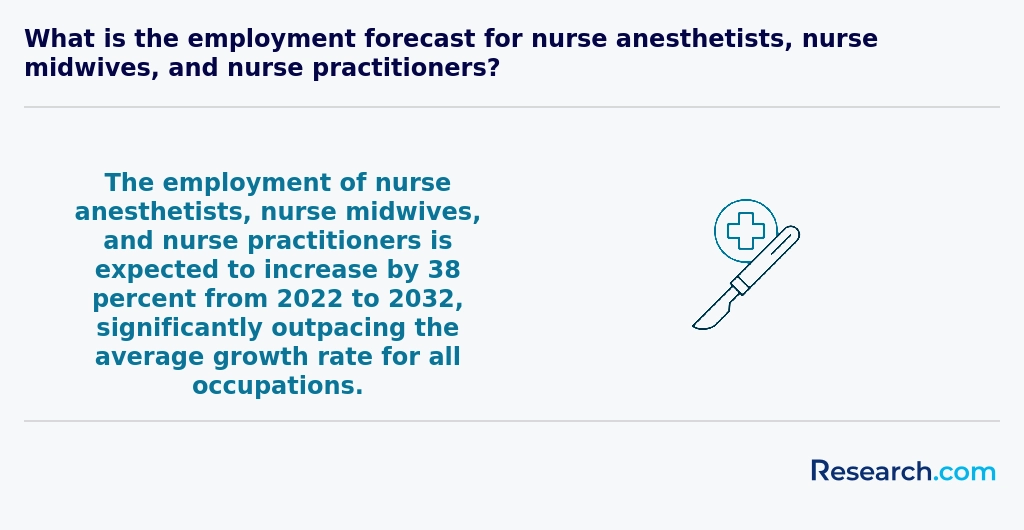
Graduates with a nursing degree in Alabama often find themselves at exciting crossroads, with the chance to pursue diverse nursing jobs in Alabama hospitals or venture into specialized fields that few outside the profession fully appreciate. Imagine working in a bustling hospital in Birmingham or a quiet outpatient clinic in Mobile, each offering distinct challenges that hone your skills. Those who have experienced programs at well-known Alabama colleges often speak of the thrill in choosing between hands-on roles as registered nurses or advancing into roles like nurse practitioners or anesthetists, especially as the demand grows in rural communities.
Some alumni vividly recall their transition into educational or administrative positions, inspired by state-wide expansions in nursing programs. This shift not only allows for leadership growth but also connects them to the heart of Alabama's healthcare progress. For students contemplating costs, it's reassuring that associate and bachelor's degree programs offer solid financial value, often detailed in resources like the Cheapest Online Nursing Degree Programs Ranking in Kansas, emphasizing affordable pathways to an enriching career.
Whether drawn to public health or specialty areas like pediatrics or geriatrics, the spectrum of Alabama nursing degree career options ensures that every graduate can find a fulfilling niche, making a tangible difference in their community and beyond.
The job market for nursing degree holders in Alabama is vibrant and full of promise, especially for those graduating from popular institutions like the University of Alabama and Auburn University. Graduates often share stories of smooth transitions into roles at hospitals and community health centers, energized by the state's growing demand for skilled nurses. Alabama nursing degree employment outlook points to about 7% growth in registered nurse positions through 2032, reflecting an expanding healthcare landscape fueled by an aging population and increased health needs.
Many nursing graduates discover rewarding opportunities across diverse settings, from outpatient clinics in Birmingham to long-term care facilities in more rural areas. The job market for nursing degree in Alabama includes a range of environments where nurses can thrive, embracing varied challenges while making a real difference. For those eager to fast-track their education, pursuing quick bachelor degrees offers a chance to step confidently into this thriving field.
Exploring nursing job opportunities in Alabama reveals a competitive yet welcoming arena where salaries align well with local living costs and specialized roles bring even greater rewards. The blend of classroom learning and hands-on clinical experiences equips graduates with the tools needed to meet the state's healthcare demands with enthusiasm and expertise.
2027 Most Popular Nursing Degree Programs Ranking in Alabama
Investing in your education is a significant decision that can shape your future, and the Research.com team understands the importance of making informed choices. To assist prospective students in Alabama, we have meticulously developed the "2027 Most Popular Nursing Degree Programs Ranking in Alabama." Our commitment to quality, credibility, and accuracy is demonstrated through rigorous research and thorough analysis to create a reliable and trustworthy ranking.
We utilized the following reputable data sources to ensure a comprehensive evaluation of nursing programs:
By consulting this ranking, readers will gain valuable insights into the most popular nursing degree programs in Alabama, empowering them to make well-informed education decisions. For more information on how this ranking was created, please visit our Research.com methodology page.


Frequently Asked Questions About nursing
Nursing degree students in Alabama can maximize their learning by actively engaging in both classroom and clinical experiences. Many Alabama nursing programs, such as those at the University of Alabama and Auburn University, offer hands-on clinical rotations across diverse healthcare settings. This practical exposure enhances critical skills and patient care knowledge.
Utilizing resources like the Alabama Board of Nursing's guidelines and keeping up-to-date with the state's nursing workforce trends are essential. According to the Alabama Department of Public Health, demand for registered nurses is projected to grow steadily through 2030, emphasizing the need for comprehensive training.
Additionally, joining nursing student organizations and seeking mentorship can provide valuable networking and professional development opportunities.
The nursing field in Alabama is evolving rapidly, with several emerging niches gaining attention. One growing area is **gerontological nursing**, reflecting Alabama's significant elderly population-about 17% are age 65 or older, according to the U.S. Census Bureau. Nurses specializing in elder care help manage chronic diseases and improve quality of life.
Another niche is **telehealth nursing**. Advances in technology and rural healthcare needs are driving demand for nurses skilled in remote patient monitoring and virtual care. This is especially crucial in Alabama, where many live in medically underserved areas.
**Informatics nursing** also presents new opportunities. Nurses with expertise in healthcare data and technology support better patient outcomes by optimizing electronic health records.
After completing a nursing degree in Alabama, preparation for the job market involves several strategic steps. First, graduates must pass the NCLEX-RN licensure exam, overseen by the Alabama Board of Nursing, as it is required to practice as a registered nurse in the state. Alabama's employment outlook for registered nurses is strong, with the Alabama Department of Labor projecting a 12% growth rate through 2030.
Building clinical experience through internships or externships during the degree program is critical for practical skills and networking. Additionally, seeking certifications in specialties such as gerontology or pediatrics can enhance employability.
Networking through professional organizations like the Alabama Nurses Association helps connect graduates with job openings and continuing education. Finally, keeping updated on state regulations and healthcare trends improves long-term career prospects in Alabama's evolving healthcare environment.
Employers in Alabama highly value nursing graduates who demonstrate strong clinical skills and critical thinking abilities. According to the Alabama Board of Nursing, graduates must be proficient in patient assessment, medication administration, and infection control. Communication skills are equally important, as nurses frequently collaborate with doctors, patients, and families.
Problem-solving is crucial due to the diverse healthcare settings in Alabama, from urban hospitals to rural clinics. Adaptability and cultural competence also stand out, given the state's varied population. Additionally, familiarity with electronic health records is increasingly in demand, reflecting the digital transformation in healthcare nationwide.
Finding nursing internships in Alabama begins with exploring opportunities through accredited nursing schools. Many Alabama institutions offer clinical placements as part of their curriculum, collaborating with hospitals and healthcare facilities across the state. For instance, the Alabama Board of Nursing supports programs connected to major medical centers like UAB Hospital and Huntsville Hospital.
Students can also utilize resources such as the Alabama Nursing Association, which often lists internship programs and job fairs. Networking through these professional organizations increases chances of securing relevant clinical experience.
Additionally, statewide healthcare systems frequently post internship openings online. Searching hospital websites directly or contacting human resources departments can provide up-to-date opportunities.
According to the U.S. Bureau of Labor Statistics, Alabama had about 49,000 practicing registered nurses in 2022, reflecting a strong demand for nursing roles. Internships play a key role in gaining hands-on experience to enter this growing job market.
Obtaining a nursing degree in Alabama significantly enhances career mobility and advancement opportunities. Registered nurses (RNs) with a Bachelor of Science in Nursing (BSN) often qualify for higher-paying roles and leadership positions compared to those with an associate degree. According to the Alabama Board of Nursing, employers increasingly prefer BSN-prepared nurses for specialized fields and managerial roles.
The Alabama Department of Labor projects a 15% growth in nursing jobs through 2030, highlighting demand for skilled professionals who can advance quickly. Higher degrees also open pathways to roles in education, administration, and advanced clinical practice. Overall, a nursing degree in Alabama serves as a critical foundation for upward mobility within the healthcare sector.
Studying for a nursing degree in Alabama equips students with skills essential for interdisciplinary roles in healthcare. Programs emphasize collaboration with professionals such as physicians, pharmacists, and social workers to enhance patient outcomes. According to the Alabama Board of Nursing, curricula include courses on communication, leadership, and healthcare systems that prepare graduates to work effectively in diverse teams.
Alabama nursing schools often incorporate clinical experiences in hospitals and community settings, exposing students to real-world interdisciplinary environments. This practical training boosts critical thinking and adaptability-key for roles in integrated care models that are growing statewide.
With Alabama's healthcare workforce increasingly valuing teamwork, nursing graduates are well-prepared to contribute across disciplines.
When choosing between a thesis and a non-thesis nursing degree program in Alabama, consider your career goals carefully. A thesis option focuses on research and prepares students for roles in academia or advanced clinical research. It requires completing an original research project under faculty supervision. In contrast, a non-thesis program emphasizes practical skills and coursework, ideal for nurses aiming for leadership or clinical practice positions.
According to the Alabama Board of Nursing, demand for advanced practice nurses is growing, which may influence your program choice. Students interested in a doctoral degree often prefer the thesis route for stronger research experience.
Cost and time commitment also differ: thesis programs usually take longer and might require funding for research materials. Non-thesis programs may allow faster completion, beneficial for working professionals.
Students based in Alabama who wish to study nursing abroad have several pathways available through partnerships and exchange programs. Many Alabama universities with nursing programs offer study abroad options in countries such as Ireland, Australia, and Canada, where students can gain international clinical experience. The Alabama Board of Nursing supports these opportunities, ensuring that coursework completed abroad aligns with US licensing requirements.
According to the Alabama Commission on Higher Education, approximately 15% of nursing students participate in global learning experiences. These programs often include collaborations with universities accredited by organizations like the Commission on Collegiate Nursing Education (CCNE) or the Accreditation Commission for Education in Nursing (ACEN), maintaining high educational standards.
Students should verify that credits earned overseas will transfer and count toward Alabama's nursing degree prerequisites. Securing clinical placements abroad also requires advanced planning to meet Alabama licensure qualifications upon return.
Students pursuing nursing degrees in Alabama can find valuable part-time job opportunities that enhance their education and experience. Common roles include certified nursing assistant (CNA) positions, which provide hands-on patient care experience. According to the Alabama Board of Nursing, CNAs earn an average hourly wage of $13 to $15, offering both income and clinical exposure.
Additionally, medical scribe jobs are available in hospitals and clinics, helping students develop documentation and communication skills vital for nursing careers. Pharmacy technician roles also complement nursing studies, exposing students to medication management and patient counseling.
These positions support practical learning while balancing academic responsibilities.
Nursing students in Alabama have access to various networking opportunities that support their professional growth. Many universities collaborate with local healthcare providers, allowing students to connect with practicing nurses and healthcare leaders through internships and clinical placements. The Alabama Nursing Association offers student memberships, providing access to conferences and local chapter meetings where students can meet experienced professionals.
Alabama also hosts the annual Alabama Nurses Association convention, attracting hundreds of nurses statewide. This event is an excellent platform for students to build relationships and learn about emerging trends in nursing. According to the Alabama Board of Nursing, such connections can increase job placement chances after graduation.
Alumni networks provide critical support to nursing degree students in Alabama by connecting them to experienced professionals across the state. Through these networks, students gain access to mentorship opportunities, which can enhance clinical skills and career guidance. The Alabama Board of Nursing reports that graduates connected to strong professional networks have higher job placement rates within six months of graduation.
These networks also offer informational resources about Alabama's healthcare facilities, helping students navigate local job markets. Furthermore, alumni connections foster collaboration, continuing education, and updates on state regulations. Overall, such networks strengthen career preparedness and professional growth for nursing students across Alabama.
Customizing your nursing degree program in Alabama starts with choosing the right educational level and pathway. Options include Associate Degree in Nursing (ADN), Bachelor of Science in Nursing (BSN), and accelerated BSN programs for students with prior degrees. Many Alabama schools offer specialty tracks, such as pediatric, geriatric, or psychiatric nursing, allowing students to focus on areas suited to their career goals.
Beyond coursework, consider clinical placements carefully. Partner hospitals and clinics often serve specific patient populations, helping you gain targeted experience. According to the Alabama Board of Nursing, licensed programs incorporate varied clinical hours to support this.
Finally, explore continuing education and certification opportunities in Alabama to advance your specialization over time.
Nursing students in Alabama face several common challenges during their studies. One major difficulty is balancing demanding coursework with clinical hours, which often exceed 200 hours for some programs, according to the Alabama Board of Nursing. This workload can lead to stress and fatigue.
Another challenge stems from the competitive nature of program admissions. Many nursing programs have limited seats due to faculty shortages, causing high competition among applicants. Additionally, students often encounter financial hurdles, as the average annual tuition for nursing degrees in Alabama ranges widely, and financial aid options may be limited.
Finally, students sometimes struggle with passing the NCLEX-RN exam, which requires rigorous preparation. Alabama's first-time pass rates in recent years hover around the national average, highlighting the need for strong academic support.
With a nursing degree in Alabama, graduates can pursue various professional certifications to advance their careers. The most common is the Registered Nurse (RN) license, required to practice nursing in the state. Beyond the RN, certified specialties include Certified Nurse Practitioner (CNP), Certified Nurse Midwife (CNM), and Certified Clinical Nurse Specialist (CNS).
Alabama nurses can also earn certifications in areas like critical care, pediatrics, and geriatrics through organizations such as the American Nurses Credentialing Center (ANCC) or the American Association of Critical-Care Nurses (AACN). These credentials often lead to better job prospects and higher salaries.
According to the Alabama Board of Nursing, over 80% of nurses pursue at least one specialty certification within five years of initial licensure.
Writing a winning application for a nursing program in Alabama requires clear communication of your commitment and qualifications. Start by thoroughly researching the schools you are interested in, as Alabama offers various accredited options such as the University of Alabama at Birmingham and Auburn University.
Ensure your application highlights strong academic performance, especially in science and math courses. Most Alabama nursing programs expect a minimum GPA of 3.0, though this varies by school. Include relevant volunteer or healthcare experience to demonstrate your dedication to patient care.
Personal statements are crucial; explain why nursing is your chosen path and how you plan to contribute to Alabama's healthcare needs. According to the Alabama Board of Nursing, the demand for nurses is growing rapidly, so showcasing your understanding of local healthcare challenges can strengthen your application.
Finally, request strong letters of recommendation from educators or healthcare professionals who can attest to your skills and character. Meeting standardized testing requirements, like the TEAS exam, is often mandatory, so prepare accordingly.
Nursing is recognized worldwide as a vital profession that supports healthcare systems in all countries. In the United States, including Alabama, nursing careers are highly valued and experience steady growth, with the Bureau of Labor Statistics projecting a 9% job growth nationally from 2022 to 2032. Alabama reflects this trend, offering multiple pathways such as ADN and BSN degrees, with increasing emphasis on Bachelor of Science in Nursing programs.
Globally, nurses are essential frontline workers, especially highlighted by the COVID-19 pandemic. Organizations like the World Health Organization emphasize the need for more qualified nurses to meet rising healthcare demands. A nursing degree from Alabama also meets standards that support international mobility for those seeking to work abroad, thanks to aligned accreditation and credentialing.
In Alabama specifically, nursing education providers ensure students gain clinical experience consistent with global practices, preparing graduates for diverse healthcare settings. This international alignment enhances the appeal of nursing as a career choice for students looking to make an impact both locally and globally.
Gaining practical experience while studying for a nursing degree in Alabama is essential for career readiness. Most nursing programs in the state require clinical rotations as part of their curriculum, providing hands-on training in hospitals, clinics, and community health settings. These clinical placements allow students to apply classroom knowledge in real healthcare environments under supervision.
The Alabama Board of Nursing emphasizes clinical hours, typically requiring around 500 to 700 hours for ADN and BSN programs. Additionally, some schools offer simulation labs that replicate patient care scenarios, enhancing skills safely before clinical practice.
Students can also seek internships or volunteer opportunities in healthcare facilities to further develop their practical skills and professional networks.
Choosing the right concentration within a nursing degree program in Alabama depends on your career goals and interests. Popular options include registered nursing (RN), nurse practitioner (NP), and specialized fields like pediatric or geriatric nursing. According to the Alabama Board of Nursing, the state expects a 9% growth in RN positions through 2028, highlighting strong demand.
Consider which populations you want to serve and the type of work environment you prefer, such as hospitals, clinics, or community health. Also, review program accreditation by the Accreditation Commission for Education in Nursing (ACEN) to ensure quality education.
Licensing requirements vary by concentration, so align your choice with Alabama's board guidelines.
- 2027 Most Popular Nursing Degree Programs Ranking in Georgia
- 2027 Most Popular Nursing Degree Programs Ranking in Florida
- 2027 Most Popular Nursing Degree Programs Ranking in Louisiana
- 2027 Most Popular Nursing Degree Programs Ranking in Arkansas
- 2027 Most Popular Nursing Degree Programs Ranking in Missouri
- 2027 Most Popular Nursing Degree Programs Ranking in Indiana
- 2027 Most Popular Nursing Degree Programs Ranking in Illinois
- 2027 Most Popular Nursing Degree Programs Ranking in Texas
- 2027 Most Popular Nursing Degree Programs Ranking in Ohio
- 2027 Most Popular Nursing Degree Programs Ranking in Oklahoma
See What Experts Have To Say About Studying Nursing
Read our interview with Nursing experts


- From our readers…Strengthening nursing networks https://www.myamericannurse.com/from-our-readersstrengthening-nursing-networks/
- Know more about thesis vs non- thesis: what is the difference? https://studyfans.com/en/blogs/816
- How to Choose the Right Nursing School for Your Career Goals | Archer Review https://www.archerreview.com/blog/how-to-choose-the-right-nursing-school-for-your-career-goals
- Roles in Nursing https://www.abn.alabama.gov/abn-nursing-excellence/nursing-ce/roles-in-nursing/
- How to Write https://esign.com/letter-of-intent/school/nursing/
- What Are the Best Jobs to Work While in Nursing School? https://www.dewv.edu/what-are-the-best-jobs-to-work-while-in-nursing-school/
- Nursing Degree You Need to Become an RN https://www.allnursingschools.com/registered-nursing/degrees/
- Nurse Salary https://nursinglicensemap.com/resources/nurse-salary/
- Associate Degree in Nursing - Health Science Division https://www.cacc.edu/programs/associate-degree-in-nursing
- 10 Nursing Fields That Are Growing in Demand https://promedcert.com/blog/10-nursing-fields-that-are-growing-in-demand


