
2027 Most Valuable Nursing Degree Programs Ranking in Minneapolis

Co-Founder and Chief Data Scientist
Choosing the right nursing degree program in Minneapolis can shape your future and career success. This article introduces the 2027 Most Valuable Nursing Degree Programs Ranking in Minneapolis, created by the Research.com team of data scientists.
By exploring this ranking, you'll gain clear insights to help you decide which programs offer the best value and opportunities.
Getting a nursing degree is a meaningful step toward a rewarding profession that makes a real difference. This guide supports you in making a confident, informed choice for your education and career growth.
Key benefits of getting nursing degree in Minneapolis
- Graduates with a nursing degree in Minneapolis can expect competitive salaries, such as $94,480 annually for Registered Nurses and Clinical Nurse Educators, with Operating Room Nurses earning up to $128,490 per year, offering strong financial stability.
- Career paths for nursing graduates include roles like Public Health Nurse, Emergency Room Nurse, and Operating Room Nurse, with many finding success through programs at local schools like the University of Minnesota, providing diverse opportunities.
- Online nursing degrees from reputable Minneapolis-area institutions offer flexibility and convenience, allowing students to balance work and study while gaining the same trusted credentials as traditional programs.
- 2027 Most Valuable Nursing Degree Programs Ranking in Minneapolis
- What can I expect from nursing degree in Minneapolis?
- Where can I work with nursing degree in Minneapolis?
What can I expect from nursing degree in Minneapolis?
The average cost of pursuing a nursing degree in Minneapolis varies, but many students find that public institutions offer more affordable tuition compared to private colleges. For example, graduates from well-known local universities often share how financial aid, scholarships, and grants specifically designed for nursing students helped make their dreams achievable without overwhelming debt.
One graduate recalls balancing rigorous coursework and clinical rotations in Minneapolis' top hospitals, grateful for the financial support that lightened their burden. This allowed them to focus on gaining valuable real-world experience in diverse healthcare settings, a common feature across nursing programs here.
While tuition can differ, the investment in a nursing degree in Minneapolis opens doors to rewarding careers. With steady job growth projected in the state and employers favoring BSN-prepared nurses, many students feel empowered by the strong return on investment. The city's vibrant healthcare community actively supports students through practical training and career opportunities, making the cost of education worthwhile.
Where can I work with nursing degree in Minneapolis?
Graduates with a nursing degree in Minneapolis find themselves at the heart of a vibrant healthcare community full of inspiring opportunities. Many alumni from the University of Minnesota's School of Nursing celebrate starting their careers at leading hospitals like Abbott Northwestern or the University of Minnesota Medical Center, gaining hands-on experience in specialized areas such as emergency care, oncology, or pediatrics. The joy of making a real difference in patient lives fuels their passion daily.
Others are drawn to dynamic roles in outpatient clinics, rehab centers, or urgent care facilities scattered throughout the Twin Cities, where teamwork and compassionate care create fulfilling workdays. Mental images of comforting nervous patients or collaborating with dedicated healthcare teams highlight these rewarding paths.
With a Minneapolis nursing degree, doors also open to innovative careers in research or telehealth, where graduates from top local colleges thrive by shaping the future of nursing through education and remote patient support. The sense of growth and impact in these fields sparks excitement and pride.
Community health and home care are equally powerful avenues. Many graduates embrace roles in hospice or home health nursing, delivering comfort and skilled care to aging neighbors, often feeling deeply connected to the lives they touch.
Graduates with a nursing degree in Minneapolis can look forward to rewarding salaries that reflect their hard work and dedication. Registered nurses typically earn a mean annual wage of about $94,480, translating to an hourly rate of $45.42. Many recent graduates from institutions like the University of Minnesota or Augsburg University have found that these figures provide a strong financial foundation as they begin their careers.
Beyond bedside nursing, specialized roles offer exciting opportunities. For example, operating room nurses in Minneapolis enjoy even higher earnings, with a mean salary of $128,490 annually, or roughly $61.78 per hour. Graduates stepping into these advanced positions often share stories of how their education helped them quickly adapt and excel, allowing for both professional growth and increased financial stability.
Other nursing roles, such as clinical nurse educators or public health nurses, also see comparable salaries near $94,480, supporting diverse career paths. The vibrant healthcare community in Minneapolis encourages new nurses to thrive, helping them build fulfilling careers with encouraging compensation right from the start.
- Minneapolis offers nursing programs ranging from Associate Degrees in Nursing (ADN) to Bachelor of Science in Nursing (BSN) and advanced degrees.
- Tuition for ADN programs at community colleges typically ranges from $5,000 to $15,000, while BSN programs at public universities cost between $20,000 and $40,000.
- Private schools may charge $50,000 or more for a BSN degree.
- The average starting salary for nurses in Minneapolis is about $60,000 annually, with experienced nurses earning over $85,000.
- Graduates must pass the NCLEX-RN exam to get licensed, with continuing education required for license renewal.
Completing a nursing degree in Minneapolis is an exciting journey that adapts to your life and goals. Graduates from local institutions like the University of Minnesota School of Nursing often share how their four-year BSN programs created a strong foundation, balancing classroom learning with real clinical experiences that boosted their confidence. For those eager to start sooner, technical colleges offer the Licensed Practical Nurse (LPN) certificate, usually completed within 12 to 18 months, allowing students to quickly enter the workforce and start making a difference.
Many who choose the Associate Degree in Nursing (ADN) find the two to three-year full-time programs at community colleges inspiring, with hands-on learning that prepares them directly for RN licensure. Gradual pathways, such as RN-to-BSN programs, empower working nurses to advance their education over one to two years, fitting study around busy schedules.
These flexible timelines offer Minneapolis nursing students the chance to grow at their own pace while building rewarding careers that truly impact lives.
High NCLEX-RN pass rates and strong job placement are critical indicators of program quality. Leading Minneapolis schools often report:
- First-time NCLEX-RN pass rates above 90%, reflecting robust classroom and clinical preparation
- Job placement rates over 85% within six months, with graduates joining major health systems like Mayo Clinic, Hennepin Healthcare and Allina Health
Reviewing these metrics ensures you choose a program with proven success. For RNs seeking an affordable BSN option and strong outcomes, explore the cheapest rn to bsn pathway.
Choosing between online and on-campus nursing degrees in Minneapolis means embracing the learning style that best fits your life and dreams. Online programs offer remarkable flexibility, allowing busy professionals and parents to study nursing coursework remotely at their own pace. Imagine logging in after work or on weekends, accessing lectures from anywhere, while still gaining hands-on clinical experience at nearby healthcare facilities.
On-campus programs, like those at the University of Minnesota or Augsburg University, bring the vibrant energy of face-to-face interaction. Graduates often cherish the instant support from instructors and camaraderie with peers. The opportunity to practice skills in simulation labs and connect directly with Minneapolis hospitals for clinical rotations fosters confidence and community.
Both paths ensure essential clinical training to meet Minnesota's licensing standards, but your choice shapes a personalized journey-whether you thrive in a structured campus routine or prefer the freedom of digital learning balanced with real-world practice.
Minneapolis nursing programs distinguish themselves through robust hands-on clinical rotations and state-of-the-art simulation labs that prepare students for real-world patient care. Partnering with top healthcare providers-such as the University of Minnesota Medical Center, Hennepin Healthcare, and pediatric units at Children’s Minnesota-students complete over 700 clinical hours across diverse specialties, including acute care, community health, and psychiatric nursing. Dedicated clinical coordinators ensure placements align with your career goals, while small student-to-preceptor ratios foster personalized mentorship and immediate feedback. Cutting-edge simulation centers at institutions like Augsburg University and Metro State feature high-fidelity mannequins, mock operating rooms, and virtual reality scenarios. These facilities allow students to refine critical skills-such as intravenous catheter insertion, code blue response, and patient communication-in a safe, controlled environment. Simulation debriefings led by experienced nursing faculty reinforce evidence-based practices and clinical judgment, enhancing confidence before entering hospital settings. Beyond clinical sites and labs, Minneapolis programs offer comprehensive learning resources: digital anatomy atlases, 24/7 virtual skills modules, and interprofessional simulation events with medical, pharmacy, and social work students. This interdisciplinary approach mirrors modern healthcare teams and strengthens collaboration skills. Graduates frequently cite these immersive experiences as pivotal to their successful transition into high-pressure roles. For nurses aiming to accelerate their leadership trajectory and build on clinical expertise, many graduates pursue advanced pathways such as accelerated dnp online programs. These offerings leverage your simulation-based training and clinical hours to fast-track doctoral preparation while balancing professional commitments.
The average cost of earning a nursing degree in Minneapolis presents an exciting opportunity for dedicated students ready to embark on a rewarding healthcare career. On average, nursing students can expect a total cost around $31,482, which balances well between public and private education options. For many graduates from the University of Minnesota-Twin Cities, the in-state tuition averages near $14,400, making it a solid choice for Minnesota residents eager to keep expenses manageable while gaining a respected nursing degree.
Community colleges in the area provide even more affordable paths. Many students pursuing an Associate Degree in Nursing appreciate how programs at institutions like Minneapolis Community and Technical College can keep tuition costs close to $5,000-$6,000 overall. This route is a great stepping stone with strong real-life application, offering hands-on learning that prepares future nurses for immediate workforce entry.
Students who choose private schools experience the benefit of accelerated or specialized curriculum programs, with tuition generally ranging from $20,000 to $40,000 annually. These options often include focused training that aligns well with specific nursing career goals. Graduates from various Minneapolis schools share stories of feeling empowered and well-prepared to serve diverse communities after completing their studies.
When thinking about the total cost nursing programs Minneapolis 2027 will include, it's important to consider additional expenses such as books, uniforms, and licensing fees, which can add a few thousand dollars but are essential investments in professional growth. Many find that the value of their education far exceeds these costs, fueled by the immense personal and career satisfaction nursing delivers.
Looking for the average nursing degree cost Minneapolis in comparison across schools? Those interested can explore options at the valuable nursing school in Minnesota, known for quality education and a community-driven learning environment that nurtures future nursing leaders.
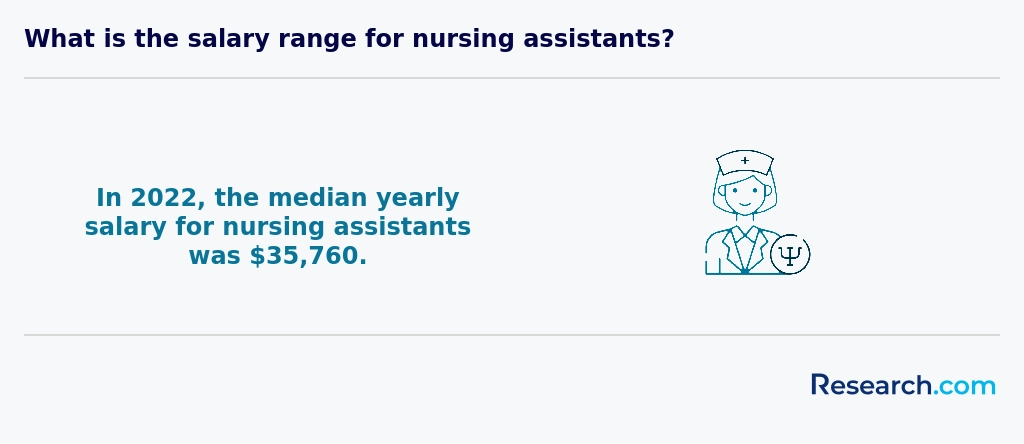
Pursuing a nursing degree in Minneapolis, MN, can be a highly rewarding career path, offering numerous benefits and opportunities for growth. One of the key advantages of studying nursing in Minneapolis is the access to a wide range of clinical experiences and internships, allowing students to gain hands-on experience in diverse healthcare settings. By studying at a valuable nursing school in Minnesota, students can take advantage of the city's vibrant healthcare community, which includes several top-ranked hospitals and medical centers. Additionally, the city's strong job market and competitive salaries make it an attractive location for nursing graduates. With the demand for skilled nursing professionals on the rise, pursuing a nursing degree in Minneapolis, MN, can provide students with a sense of job security and stability, as well as the opportunity to make a meaningful difference in the lives of patients and communities.
Nursing students in Minneapolis can feel empowered knowing there is a strong network of financial aid tailored just for them. Graduates from programs at the University of Minnesota and Normandale Community College often share how federal aid, especially through the Free Application for Federal Student Aid (FAFSA), made their journey possible. Pell Grants, which provide up to $7,395 annually, offer a significant boost, lightening the financial load so students can focus on hands-on learning and patient care.
State support through the Minnesota State Grant program adds another layer of assistance, awarding up to $7,500 to those attending local schools. Imagine the relief of balancing studies with part-time work funded by Federal Work-Study programs, often within healthcare settings that build real-world skills.
Additionally, many find hope in scholarships from the Minnesota Nurses Foundation or loan forgiveness programs offered by the Minnesota Board of Nursing for those committing to vital service in underserved areas-turning passion into a sustainable career with less financial worry.
Applying to nursing programs in Minneapolis, MN, requires careful planning and adherence to each institution’s requirements. First, research accredited programs and confirm prerequisite coursework (biology, chemistry, and anatomy) aligns with each school’s criteria. Gather official transcripts early and schedule any required entrance exams such as the TEAS. Complete the FAFSA as soon as it becomes available-many Minnesota schools use federal aid deadlines to determine scholarship eligibility. Next, assemble an application portfolio that includes: • A compelling personal statement highlighting your passion for patient care and alignment with the program’s mission. • Two to three letters of recommendation from academic instructors or healthcare professionals. • A resume detailing clinical, volunteer, or healthcare-related work experience. Submit applications through each school’s online portal by their priority deadlines-often February or March for fall enrollment. After submission, schedule campus tours or virtual information sessions to connect with faculty and current students. Engaging with admissions counselors can clarify unique requirements, such as immunization records or background checks. If you’re exploring affordable online alternatives beyond Minneapolis, take a look at Low Cost Online Nursing Degree Programs Ranking in Pittsburgh, PA for additional options. Monitor your application status regularly, respond promptly to any requests for interviews or supplemental materials, and prepare for potential entrance interviews by practicing answers to common nursing questions. By following these steps and staying organized, you can streamline your application process and secure a place in one of Minneapolis’s top nursing programs.
To enroll in a nursing degree program in Minneapolis, you'll need to demonstrate a strong academic foundation, especially in biology, chemistry, and algebra. Many successful graduates from local colleges recall how their solid high school GPA-typically around 2.5 to 3.0 or higher-opened doors to competitive nursing programs. Completing a high school diploma or GED is essential, and some programs also require or recommend ACT, SAT, or the TEAS exam, which tests skills in math, science, and reading crucial for nursing.
Health and safety are vital, too. Graduates often share stories about preparing immunizations, background checks, and CPR certification to meet clinical placement requirements at Minneapolis healthcare facilities.
Many BSN students in Minneapolis bolster their applications by completing college prerequisites like anatomy, microbiology, and psychology, often through community colleges before transferring to universities. Personal statements and recommendation letters help showcase passion and dedication, turning dreams of nursing into reality.

Accreditation by the Commission on Collegiate Nursing Education (CCNE) or the Accreditation Commission for Education in Nursing (ACEN) guarantees that a program adheres to national standards, ensuring your degree is recognized by employers and qualifies you for licensure. In Minneapolis, leading institutions such as the University of Minnesota and Augsburg University maintain CCNE accreditation and report NCLEX-RN first-time pass rates above 90%, well above the national average of 88%. These outcomes reflect robust curricula, experienced faculty, and comprehensive clinical experiences. Key accreditation and outcome factors to consider:
- Accrediting Body: CCNE and ACEN are the gold standards; regional accreditation (e.g., HLC) further validates general institutional quality.
- NCLEX-RN Pass Rates: Programs with first-time pass rates of 85% or higher are strong indicators of effective preparation.
- Program Transparency: Top programs publicly share annual pass rates and graduate employment statistics. For students seeking a faster path into nursing, exploring accelerated lpn programs can lead to high NCLEX-PN success and serve as a springboard to an RN or BSN later. Always verify accreditation status on the U.S. Department of Education’s database before applying.
Nursing degree programs in Minneapolis offer a rich blend of courses that inspire confidence and competence in future nurses. Graduates often reflect on how foundational classes like anatomy and physiology allowed them to deeply understand the human body-imagine confidently explaining how a patient's heart works after just one semester at the University of Minnesota. Microbiology classes open doors to the invisible world of microbes, empowering students to fight infections effectively in real clinical settings.
Courses in pharmacology bring the power of medications to life, helping students feel ready to make critical decisions in fast-paced hospital wards. Alongside these sciences, specialized subjects such as mental health nursing and community health prepare students to serve Minneapolis's diverse populations, addressing emotional and social needs with compassion.
Pathophysiology and health assessment classes sharpen diagnostic skills, while nursing ethics teaches respect and professionalism in every patient interaction. Clinical rotations partnered with respected institutions like the Mayo Clinic Health System transform textbook knowledge into hands-on skills, filling students with pride as they care for real patients in their own vibrant city.
Students pursuing a nursing degree in Minneapolis can explore a variety of enriching specializations that reflect the vibrant healthcare needs of the city. Popular institutions here offer concentrations such as Family Nurse Practitioner, where graduates gain the confidence to provide comprehensive care to all ages, and Psychiatric-Mental Health Nursing, preparing nurses to compassionately support mental wellness in their communities. Many graduates from Minneapolis nursing programs share how hands-on experiences in local hospitals bring these specializations to life, fueling their passion for healing.
Specializations like Gerontological Nursing address the unique needs of Minnesota's aging population, while Pediatric Nursing offers opportunities to nurture the health of children and adolescents. Fast-paced areas such as Emergency and Critical Care Nursing challenge students to develop quick thinking and resilience-skills celebrated by those completing their degrees locally.
For those seeking advanced pathways, Minneapolis nursing program concentrations include graduate options with exciting clinical experiences. You might also consider exploring accelerated lpn programs to fast-track your nursing career and deepen your impact in diverse healthcare settings.
Choosing the best nursing degree in Minneapolis means focusing on programs that offer quality education and real-world experience. Graduates from the University of Minnesota emphasize how the strong NCLEX pass rates and clinical partnerships with local hospitals give them confidence and hands-on skills. Many students find that pursuing a Bachelor of Science in Nursing (BSN) opens doors to diverse career paths and higher earning potential compared to an Associate Degree, especially when the program is accredited by respected bodies like the Commission on Collegiate Nursing Education.
Affordability is often a key concern, and Minneapolis offers several options among affordable nursing schools in Minneapolis, balancing cost with excellence. Some students combine flexible program formats with scholarships to manage finances while gaining meaningful clinical experiences that prepare them for success.
For those aiming to advance quickly, exploring options like the accelerated dnp online can be an inspiring path to reach top nursing roles efficiently and confidently.
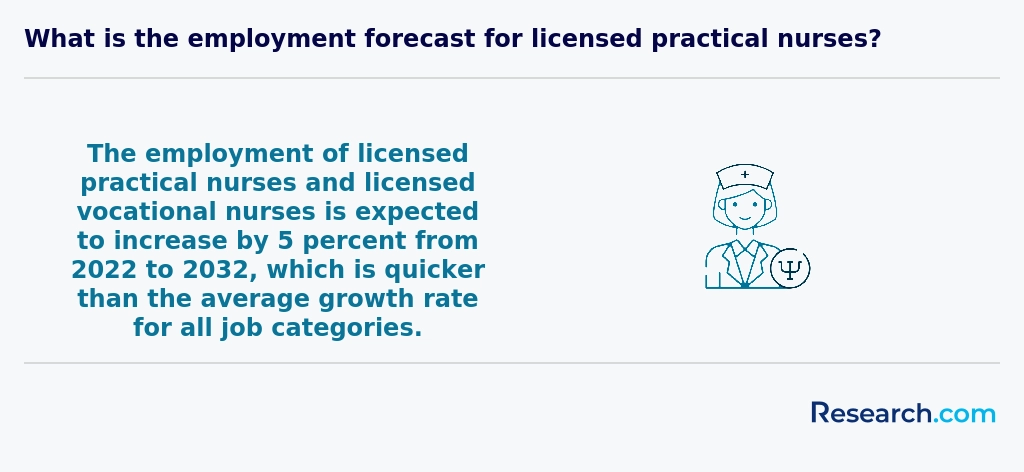
Graduates with a nursing degree in Minneapolis enjoy a wide range of fulfilling career paths, deeply embedded in a city known for its dynamic healthcare environment. Many find opportunities as Registered Nurses (RNs) in bustling hospitals and community clinics, where their skills impact patients every day. Schools like the University of Minnesota and Augsburg University prepare graduates who feel confident stepping into roles that offer both personal satisfaction and financial rewards, aligning with the higher-than-average salaries in the Minneapolis area.
For those eager to advance, roles as Nurse Practitioners, Clinical Nurse Specialists, or Nurse Anesthetists provide specialized avenues to deepen expertise and influence patient care on a larger scale. Graduates often share inspiring stories of transitioning from classroom learning to real-world impact, especially within Minneapolis's supportive healthcare institutions. Public Health Nurses play a vital role in community wellness, making a difference throughout local neighborhoods. Students exploring nursing career opportunities Minneapolis also benefit from resources like the Low Cost Online Nursing Degree Programs Ranking in Pittsburgh, PA to balance cost with quality.
The nursing job opportunities in Minneapolis are thriving, offering graduates from local universities and colleges a strong start in their careers. Many nursing graduates in Minneapolis find rewarding positions at renowned healthcare centers like the Mayo Clinic Health System, where hands-on experience and collaboration with expert staff boost confidence and skills. These positive employment outcomes motivate students who choose to study nursing in Minneapolis, confident that their degree opens doors to diverse roles in hospitals, outpatient care, and community health organizations.
Minneapolis nursing degree employment outlook is especially encouraging due to steady demand driven by the region's aging population and robust healthcare infrastructure. Graduates appreciate the balance of competitive salaries and supportive workplaces that make pursuing a nursing career here both practical and inspiring. For those balancing education with work or family commitments, many find success through accelerated online programs for working adults, which provide flexible pathways to achieve their nursing goals without sacrificing current responsibilities.
2027 Most Valuable Nursing Degree Programs Ranking in Minneapolis
Investing in your education is a significant decision that can greatly influence your career and future opportunities. The Research.com team recognizes the importance of making well-informed choices, which is why we have carefully developed the "2027 Most Valuable Nursing Degree Programs Ranking in Minneapolis." Our dedication to quality, credibility, and accuracy is demonstrated through rigorous research and thorough analysis of available data.
We utilized the following reputable data sources to create this comprehensive ranking:
By reviewing this ranking, readers will gain valuable insights into the most valuable nursing degree programs in Minneapolis, empowering them to choose the best educational path for their goals. For more information about how this ranking was created, please visit our Research.com methodology page.
# 1 position
Walden University
PhD in Nursing

# 2 position
Capella University
Doctor of Nursing Practice

# 3 position
Capella University
Bachelor of Science in Nursing
# 4 position
Walden University
Master of Science in Nursing
# 5 position
Capella University
Master of Science in Nursing
# 6 position
Walden University
Bachelor of Science in Nursing


Frequently Asked Questions About nursing
Nursing degree students in Minneapolis can maximize their learning by engaging in both classroom and clinical experiences. Local institutions like the University of Minnesota emphasize clinical rotations at renowned health centers such as Abbott Northwestern Hospital, improving practical skills. According to the Minnesota Board of Nursing, students involved in hands-on training show higher pass rates on the NCLEX exam, crucial for licensure.
Participating in local nursing organizations and workshops also expands networking and professional development opportunities. Utilizing simulation labs available at many Minneapolis colleges allows students to safely practice complex procedures.
Finally, balancing coursework with volunteer positions in community health programs around Minneapolis helps students apply knowledge while serving diverse populations, enriching their educational journey and cultural competence.
The nursing field in Minneapolis is evolving with several emerging niches attracting attention. One notable area is geriatric nursing, driven by Minnesota's aging population, where the Minnesota Department of Health reports a steady increase in the senior demographic requiring specialized care.
Another growing niche is psychiatric mental health nursing. According to the Minnesota Nurses Association, demand for mental health professionals is rising due to increased awareness and improved access to behavioral health services.
Additionally, the integration of technology in healthcare has created a demand for nurse informaticists, who manage electronic health records and optimize patient care systems. This specialized role is expanding as Minneapolis healthcare providers adopt advanced digital tools.
After completing a nursing degree in Minneapolis, preparing for the job market involves several important steps. First, graduates must pass the NCLEX-RN exam to obtain licensure as a registered nurse in Minnesota. The Minnesota Board of Nursing oversees this process and ensures candidates meet all state requirements.
Networking is crucial; joining local professional groups such as the Minnesota Nurses Association can provide access to job openings and mentorship. Minneapolis has a robust healthcare sector, including major employers like Hennepin Healthcare and Mayo Clinic, which regularly hire nurses.
Gaining clinical experience through internships or volunteer work in these facilities can enhance job prospects. Additionally, tailoring resumes to highlight relevant skills and certifications increases competitiveness.
Employers in Minneapolis prioritize several key skills when hiring nursing degree graduates. Clinical competence is essential, as nurses must effectively perform patient assessments, medication administration, and emergency care. According to the Minnesota Department of Health, strong communication skills are also critical for collaboration within healthcare teams and interacting with patients from diverse backgrounds.
Additionally, problem-solving abilities and adaptability are highly valued due to the fast-paced and evolving nature of healthcare. Familiarity with electronic health records (EHR) is increasingly important, as most Minneapolis hospitals use digital patient management systems. Time management and empathy remain top traits sought by employers, aligning with national trends highlighted by the American Association of Colleges of Nursing.
Finding nursing internships in Minneapolis involves targeting major healthcare providers and utilizing local academic resources. Prominent hospitals like Mayo Clinic Health System and Hennepin Healthcare regularly offer clinical placements for nursing students, providing hands-on experience in various specializations.
Students should connect with their nursing program's career services, as many Minneapolis colleges maintain partnerships with local health systems, streamlining internship access. According to the Minnesota Board of Nursing, clinical experience is essential for licensure and career development.
Additionally, platforms such as Minnesota's CareerForce website list internship opportunities tailored to healthcare fields. Networking through professional organizations like the Minnesota Nurses Association can also reveal valuable internship leads.
Obtaining a nursing degree in Minneapolis significantly enhances career mobility and advancement opportunities within the local healthcare industry. The Minneapolis-St. Paul metropolitan area hosts numerous hospitals and healthcare facilities, including major employers like Mayo Clinic and Allina Health, where higher education credentials are highly valued.
A Bachelor of Science in Nursing (BSN) is often considered the minimum qualification for many advanced nursing roles, leadership positions, and specialized fields. According to the Minnesota Department of Employment and Economic Development, registered nurses with BSN degrees generally see faster wage growth and increased job availability compared to those with only an associate degree.
In Minneapolis, nurses with graduate degrees can pursue roles such as nurse practitioners, clinical nurse specialists, or nurse educators, which command higher salaries and greater responsibility. Additionally, the city's focus on healthcare innovation encourages continual education and certification, further supporting career progression.
Studying for a nursing degree in Minneapolis offers strong preparation for interdisciplinary roles through curriculum integration and local healthcare partnerships. Nursing programs in the city emphasize collaboration with professionals from medicine, social work, and public health, reflecting the complex healthcare environment. According to the Minnesota Board of Nursing, programs incorporate simulation labs and case studies focused on team-based care. Additionally, Minneapolis benefits from major healthcare systems like Hennepin Healthcare and Allina Health that provide clinical placements, allowing students direct experience in multidisciplinary teams.
These experiences help students develop communication and leadership skills essential for working across specialties.
Data from the U.S. Bureau of Labor Statistics (2023) shows that nurses with interdisciplinary training enjoy higher employment rates in the Minneapolis metropolitan area, driven by integrated care models.
When choosing between a thesis and a non-thesis nursing degree program in Minneapolis, consider your career goals and learning preferences. Thesis programs typically involve conducting original research and writing a substantial paper, which can benefit students aiming for roles in research or academia. Non-thesis options focus more on coursework and practical skills, ideal for those seeking clinical or administrative nursing positions.
Minneapolis hosts several nursing schools, including the University of Minnesota, where many graduate students pursue thesis tracks to contribute to evidence-based practice. Meanwhile, non-thesis programs might allow faster completion and more hands-on experience, which local healthcare employers value.
Review program requirements and speak with advisors to ensure alignment with your professional ambitions.
Students based in Minneapolis who wish to study nursing abroad have several pathways available, often facilitated through partnerships between local universities and international institutions. For example, the University of Minnesota offers exchange programs and study-abroad opportunities with nursing schools in countries such as Australia, the United Kingdom, and Canada, allowing students to earn clinical experience overseas.
Minneapolis nursing students can also participate in short-term global health immersion programs, which focus on community health nursing in diverse settings. These programs usually last from a few weeks to a semester.
It is important to consider that U.S. nursing licensure, overseen by the National Council of State Boards of Nursing (NCSBN), requires graduates to meet clinical hour requirements and pass the NCLEX-RN, so international studies must align with these standards to facilitate licensure back home.
Overall, Minneapolis students have access to structured and recognized pathways for studying nursing abroad that enhance their clinical skills and cultural competence.
Students pursuing nursing degrees in Minneapolis often seek part-time jobs that build relevant skills and experience. Popular options include working as certified nursing assistants (CNAs) or medical assistants in local hospitals and clinics. These roles provide direct patient care experience, which is valuable for nursing students. According to the Minnesota Department of Employment and Economic Development, demand for CNAs in Minneapolis is expected to grow by 8% through 2026.
Other opportunities include positions in medical research centers or community health organizations, where students can assist with data collection or health education. Such jobs align with nursing coursework and improve understanding of public health issues.
Minneapolis offers nursing students strong networking opportunities through local professional organizations and university affiliations. The Minnesota Nurses Association (MNA) hosts regular events and workshops, providing a platform to connect with experienced nurses and healthcare leaders. Many universities in Minneapolis, such as the University of Minnesota School of Nursing, facilitate networking by organizing career fairs and alumni panels specifically for nursing students. Hospitals like Hennepin Healthcare and Abbott Northwestern often collaborate with nursing programs to offer clinical placements, which serve as valuable networking venues. According to data from the Minnesota Department of Employment and Economic Development, healthcare is one of the state's fastest-growing sectors, increasing chances to build professional connections locally.
Alumni networks provide essential support for nursing degree students in Minneapolis by offering connections to local healthcare facilities and professionals. These networks often facilitate mentorship, which helps students navigate clinical placements and job searches more effectively. According to the Minnesota Center for Nursing, graduates with strong alumni ties have higher employment rates within six months of graduation, at around 85% locally.
Networking events and workshops hosted by alumni associations expose students to current trends in nursing practices and innovations specific to the Twin Cities' healthcare environment. Moreover, alumni can share insights on licensure preparation and continuing education opportunities in Minnesota, enhancing a student's professional growth.
Customizing a nursing degree program in Minneapolis involves selecting specializations and electives that align with your career goals. Many local universities offer options in areas such as pediatric, geriatric, or psychiatric nursing, allowing students to focus their studies.
Students can also choose between traditional Bachelor of Science in Nursing (BSN) programs, accelerated BSNs, or RN-to-BSN pathways depending on their current experience and timeline.
Clinical placements in Minneapolis hospitals and healthcare centers give practical experience tailored to your interests. According to the Minnesota Board of Nursing, clinical hours are critical for licensure and skill development.
Additionally, some schools incorporate leadership or community health courses if you aim for administrative or public health roles. Utilizing academic advising services in Minneapolis schools can help craft a personalized educational plan that matches both job market demands and your long-term career vision.
Nursing students in Minneapolis face several common challenges throughout their education. One primary difficulty is managing demanding clinical hours alongside coursework, which can lead to high stress levels. According to the Minnesota Board of Nursing, balancing practicum experiences with academic requirements is a significant hurdle for many.
Additionally, the cost of nursing programs in Minneapolis, averaging between $10,000 and $30,000 for a bachelor's degree, presents financial barriers for some students. Securing affordable clinical placements is another challenge, as hospitals in the Twin Cities experience high demand for training sites.
Lastly, students often need strong time management and emotional resilience to succeed amid a competitive and fast-paced learning environment.
With a nursing degree in Minneapolis, graduates can pursue several professional certifications to enhance their careers. The most common certification is the Registered Nurse (RN) license, required to practice nursing in Minnesota, administered by the Minnesota Board of Nursing.
Beyond this, nurses can specialize by earning credentials such as Certified Nurse Midwife (CNM), Certified Registered Nurse Anesthetist (CRNA), or Clinical Nurse Specialist (CNS). These advanced certifications often require additional education and clinical experience.
The American Nurses Credentialing Center (ANCC) offers certifications in areas like gerontology, pediatrics, and psychiatric nursing, all relevant in the Minneapolis healthcare environment, which serves a diverse population.
According to the Minnesota Department of Employment and Economic Development, the demand for certified nurses in specialty roles in Minneapolis has grown by over 8% in recent years, reflecting local healthcare needs.
To write a winning application for a nursing program in Minneapolis, start by ensuring that you meet all prerequisite requirements, such as completing courses in biology, chemistry, and anatomy. Many schools value a competitive GPA; for example, the University of Minnesota Twin Cities reports an average admitted GPA near 3.6 for its nursing program. Highlight relevant healthcare experience, whether through volunteering or work, as practical knowledge strengthens your candidacy.
Craft a clear, compelling personal statement that demonstrates your motivation for nursing and connection to community health. Minneapolis employers emphasize cultural competence, so illustrating this in your essay is beneficial. References from clinical supervisors or academic mentors are also crucial to establish your professionalism and commitment to the field.
Finally, closely follow each program's application deadlines and formats, since schools like Augsburg University and Metropolitan State often have different requirements. Carefully proofread your materials to present a polished, thoughtful application.
Nursing is a profession valued worldwide for its essential role in healthcare. Globally, nurses are recognized not only as caregivers but also as critical contributors to patient safety and health promotion. In the United States, and specifically in Minneapolis, the demand for qualified nurses continues to grow due to an aging population and expanding healthcare services.
According to the Minnesota Department of Employment and Economic Development, registered nursing jobs in Minneapolis are projected to increase by 12% from 2020 to 2030. This growth reflects a broader global trend where nursing shortages exist despite high demand. Internationally, nursing standards and education vary, but the U.S. system, including programs in Minneapolis, is known for its rigorous clinical training and emphasis on evidence-based practice.
Many global health organizations encourage nurses to engage in lifelong learning and cultural competence, preparing them to work in diverse environments. This approach aligns with the structure of Minneapolis nursing programs, which often incorporate community health and global perspectives.
Gaining practical experience while studying for a nursing degree in Minneapolis is a crucial step for students. Most nursing programs in the area include clinical rotations as part of their curriculum, allowing students to work hands-on in hospitals, clinics, and community health settings.
Minneapolis has several healthcare facilities such as Abbott Northwestern Hospital and Hennepin Healthcare where students often complete clinical hours. These placements give direct exposure to patient care under supervision, building essential skills before graduation.
Additionally, some programs offer simulation labs, providing realistic training scenarios. According to the Minnesota Board of Nursing, completing at least 500 clinical hours is common in accredited programs to meet licensure requirements.
Volunteering or internships in local health organizations can further enhance experience and networking opportunities in Minneapolis' healthcare sector.
Choosing the right concentration within a nursing degree program in Minneapolis involves evaluating your career goals, interests, and the local healthcare demands. Minneapolis offers diverse nursing fields such as family practice, pediatric, psychiatric, and geriatric nursing. According to the Minnesota Board of Nursing, specialties like geriatric care are growing due to the aging population in the region.
Consider programs accredited by the Commission on Collegiate Nursing Education (CCNE) or Accreditation Commission for Education in Nursing (ACEN) to ensure quality education. Research local employment trends via the Minnesota Department of Employment and Economic Development, which highlights high demand for nurses in acute care and community health.
Reflect on clinical opportunities available through Minneapolis hospitals and clinics to gain hands-on experience in your desired concentration before committing.
- 2027 Most Valuable Nursing Degree Programs Ranking in Saint Paul
- 2027 Most Valuable Nursing Degree Programs Ranking in Sioux City
- 2027 Most Valuable Nursing Degree Programs Ranking in Omaha
- 2027 Most Valuable Nursing Degree Programs Ranking in Milwaukee
- 2027 Most Valuable Nursing Degree Programs Ranking in Lincoln
- 2027 Most Valuable Nursing Degree Programs Ranking in Peoria
- 2027 Most Valuable Nursing Degree Programs Ranking in Chicago
- 2027 Most Valuable Nursing Degree Programs Ranking in Kansas City
- 2027 Most Valuable Nursing Degree Programs Ranking in Saint Louis
- 2027 Most Valuable Nursing Degree Programs Ranking in Indianapolis
See What Experts Have To Say About Studying Nursing
Read our interview with Nursing experts

Lisa Grubb
Nursing Expert
Assistant Professor
Johns Hopkins School of Nursing

- Exploring Diverse Nursing Career Horizons - N2S Healthcare Blog https://n2shealthcare.com/blog/exploring-diverse-nursing-career-horizons-n2s-healthcare-blog
- Career Advancement Pathways for Nurses : Expert RN shares 10+ Professional growth opportunities - MuminMed https://blog.muminmed.com/career-advancement-pathways-for-nurses/
- Do I Have to Write a Thesis to Complete a Master’s Degree in Nursing? https://www.bestmasterofscienceinnursing.com/faq/write-thesis-complete-masters-degree-nursing/
- Tips for Creating a Perfect Nursing School Application https://www.allnursingschools.com/articles/how-to-create-the-perfect-nursing-school-application/
- How to Write https://esign.com/letter-of-intent/school/nursing/
- 165 Most Affordable Nursing Programs in Minnesota (2026) https://mynursingschools.com/affordable-nursing-programs/minnesota
- Nurse Salary https://nursinglicensemap.com/resources/nurse-salary/
- Top Skills Employers Want in Practical Nursing Graduates https://vervecollege.edu/what-employers-look-for-in-practical-nursing-graduates/
- Interdisciplinary Education and Practice https://www.aacnnursing.org/news-data/position-statements-white-papers/interdisciplinary-education-and-practice
- School of Nursing Alumni Resources https://nursing.utmb.edu/About/Alumni


