
2027 Most Valuable Nursing Degree Programs Ranking in Kansas City

Co-Founder and Chief Data Scientist
Choosing the right nursing degree program in Kansas City can feel overwhelming. To make this easier, the Research.com team of data scientists has created the 2027 Most Valuable Nursing Degree Programs Ranking in Kansas City. This carefully crafted ranking offers clear insights into nursing programs that deliver the best value and opportunities for students.
By exploring this article, you'll gain helpful information to confidently choose a program that fits your goals. A nursing degree opens doors to a rewarding career filled with growth, purpose, and meaningful impact on others' lives.
Key benefits of getting nursing degree in Kansas City
- Nursing degree graduates in Kansas City can expect rewarding salaries, such as $94,480 annually for Registered Nurses and Public Health Nurses, while specialized roles like Operating Room Nurses earn about $128,490 per year.
- Career paths are diverse, ranging from bedside care to teaching and public health, as seen with graduates from the University of Missouri-Kansas City who find opportunities in hospitals, clinics, and community health.
- Online nursing degrees from institutions like Rockhurst University offer flexibility and convenience, allowing graduates to balance work and study while still gaining quality education and strong career prospects.
- 2027 Most Valuable Nursing Degree Programs Ranking in Kansas City
- What can I expect from nursing degree in Kansas City?
- Where can I work with nursing degree in Kansas City?
What can I expect from nursing degree in Kansas City?
When thinking about the cost of a nursing degree in Kansas City, you'll find there's quite a bit of range depending on where you choose to study. Many grads from community colleges here share how affordable their associate degrees were, which helped them get their foot in the door without breaking the bank. For example, students at local community colleges typically pay much less than those enrolled in bigger universities like the University of Missouri-Kansas City, where bachelor's and graduate nursing programs come with higher tuition fees.
That said, most students agree the extra cost for university programs often feels worth it because of access to top-notch facilities, clinical rotations at places like Truman Medical Centers, and advanced learning opportunities. Some grads recall balancing part-time jobs while taking hybrid classes, which helped make the financial side more manageable.
Simply put, if you're aiming for a quick, affordable path, community colleges are a go-to choice. But if you want the full university experience with more research and advanced clinical options, be ready to invest a bit more in your nursing education here in Kansas City.
Where can I work with nursing degree in Kansas City?
If you're studying nursing in Kansas City, you've got tons of job options waiting for you once you graduate. Many grads from local favorites like the University of Kansas and Rockhurst University find rewarding gigs at top hospitals such as the University of Kansas Health System or Saint Luke's Health System. Imagine working in a fast-paced ER or providing specialized care in outpatient clinics where every day brings new challenges and chances to make a real difference.
Others enjoy roles in long-term care facilities, helping elderly patients in nursing homes or rehab centers, where you build strong relationships and see the impact of your care daily. Community health jobs are also popular-some grads team up with the Kansas City Health Department to run outreach programs or support chronic disease management, which feels really rewarding knowing you're helping whole neighborhoods stay healthier.
Plus, home health care is growing fast here. Picture visiting patients' homes, making their recovery comfortable and personalized. Many nursing grads also love teaching or managing clinical teams after gaining experience, especially at local colleges or hospitals. The vibe here? Supportive, dynamic, and full of opportunity to grow.
If you're finishing up a nursing degree from a Kansas City school like the University of Missouri-Kansas City or Johnson County Community College, you're probably wondering what kind of paycheck you can expect. Registered Nurses in the area typically make a mean annual wage of about $94,480, which is pretty solid when you're fresh out of school and starting your career. Many grads share how stepping into roles like Clinical Nurse Educator or Public Health Nurse can bring in similar salaries, also around $94,480 yearly, which is great for building experience and confidence.
For those aiming higher, working in places like Saint Luke's Health System could land you an Operating Room Nurse position, where the average salary jumps to an impressive $128,490 a year. Imagine that-using your skills in high-pressure situations and getting paid well for it! Many recent grads tell stories of how competitive this role is but also how rewarding and exciting, both financially and personally.
So, whether you're looking to start with a dependable RN role or dream of specialized nursing work, Kansas City offers promising earnings that many grads find motivating and encouraging as they launch their careers.
- The cost of a nursing degree in Kansas City ranges from $10,000 to $30,000 for a bachelor's, with associate degrees at community colleges generally costing less.
- Job growth for registered nurses in the Kansas City area is expected to be higher than the national average in the next decade.
- Starting salaries for nursing graduates typically range from $55,000 to $65,000 annually, increasing significantly with experience and specialization.
- All nursing graduates must pass the NCLEX-RN exam for licensure in Missouri or Kansas, with many schools offering exam preparation.
- Scholarships, grants, and financial aid are available to nursing students, along with practical training programs through partnerships with local healthcare employers.
If you're wondering how long it takes to complete a nursing degree in Kansas City, it really depends on the path you pick. For example, getting your LPN certificate usually takes about 12 to 18 months at places like Metropolitan Community College. Graduates love how quick they can jump into the workforce and start making a difference.
Most folks aiming to become registered nurses start with an Associate Degree in Nursing (ADN), which takes around two years at schools like Penn Valley Community College. Many graduates mention how balanced the mix of classroom learning and hands-on clinicals helped them feel confident walking into their first job.
If you're thinking bigger, a BSN at UMKC or Rockhurst University typically takes four years. Students often share that the deeper coursework, especially in leadership and community health, really prepares them for a range of nursing roles.
For those already holding an ADN, RN-to-BSN programs are a solid option, taking 1 to 2 years and offering flexibility for working nurses. So, whether you're in a rush or want a rich learning experience, Kansas City's nursing schools have options to fit your pace and life.
Choosing a program with proper accreditation and understanding Missouri’s licensure process ensures your degree leads to a valid RN license.
- Graduate from a nursing program accredited by CCNE or ACEN and approved by the Missouri State Board of Nursing
- Pass the NCLEX-RN exam (Missouri’s average pass rate exceeds the national benchmark of 80%)
- Submit your application, background check, and fingerprinting to the Missouri State Board of Nursing
- Fulfill continuing education requirements every two years to maintain licensure
For flexible pathways that waive additional clinical placements, consider rn to bsn online programs without clinicals.
The main difference between online and on-campus nursing degrees in Kansas City comes down to how you learn and where. If you're juggling work or family, the online nursing programs offer real flexibility-you can log in for classes whenever it fits your schedule. Many graduates from the University of Missouri-Kansas City have shared how this helped them keep a steady job while working toward their BSN. Plus, online students still need to do in-person clinical hours at local hospitals, so you're never missing that hands-on experience.
On the flip side, on-campus programs like those at Rockhurst University give you that classic college feel. You get face-to-face time with instructors, access to labs, and community vibes that many students love. Graduates often mention how being on campus made group work and real-time feedback much easier. Both paths require clinical practice, but on-campus students benefit from direct access to campus resources and more structured schedules.
Accreditation is a critical marker of program quality and ensures compliance with state and national standards. In Kansas City, MO, leading nursing programs hold full approval from the Missouri State Board of Nursing and accreditation from the Commission on Collegiate Nursing Education (CCNE) or the Accreditation Commission for Education in Nursing (ACEN). These endorsements guarantee that curricula, faculty credentials, and clinical partnerships meet rigorous benchmarks for educational excellence. Equally important is the NCLEX-RN pass rate, which reflects a program’s effectiveness in preparing graduates for licensure. Recent data show that the University of Missouri–Kansas City boasts a first-time NCLEX-RN pass rate of 92%, while Rockhurst University and Kansas City Kansas Community College report rates of 89% and 87%, respectively. High pass rates correlate with comprehensive exam preparation resources, including dedicated review sessions, practice question banks, and faculty-led study workshops. Prospective students should verify program accreditation status on the Missouri State Board of Nursing website and review annual NCLEX performance reports. For those weighing cost against quality, consider exploring our Cheapest Online Nursing Degree Programs Ranking in Arizona to understand how affordability and accreditation intersect in online formats. Ensuring both accreditation and strong licensure outcomes will position graduates for immediate success in Kansas City’s competitive healthcare market.
On average, the total cost of nursing programs in Kansas City hovers around $54,303, though this figure can shift depending on whether you're an in-state or out-of-state student. For those attending schools like the University of Missouri-Kansas City, in-state students often see costs closer to $42,000 for their whole degree, which makes pursuing nursing here pretty manageable compared to many other places. Graduates from these programs often talk about how investing in their education felt worth every penny because they got solid training without breaking the bank.
Community colleges in Kansas City offer another great option if you're watching your budget. These schools usually have lower yearly costs-often starting around $3,500 to $6,000-which can make the average nursing degree cost in Kansas City much more affordable. Many students find this route helpful as it lets them jump into the workforce quickly while keeping expenses low, making their path less stressful financially.
It's also smart to keep in mind additional expenses like books, clinical fees, and uniforms, which can add a few thousand dollars annually. However, plenty of nursing schools in the area support scholarships and tuition reimbursement options. If you're looking for a valuable nursing school in Missouri, exploring these financial aid resources can really help ease the overall cost.
Building on foundational nursing credentials, many professionals pursue advanced degrees and certifications to elevate their practice and leadership opportunities. In Kansas City, MO, Bridge Programs-including RN-to-BSN and RN-to-MSN pathways-offer streamlined curricula that recognize prior clinical experience and often feature flexible scheduling for working nurses. Graduates report that RN-to-BSN programs enhance critical thinking and leadership skills, while RN-to-MSN tracks prepare them for roles as Nurse Practitioners, Clinical Nurse Specialists, and Nurse Educators. For those aiming at the highest clinical practice level, Doctor of Nursing Practice (DNP) programs deliver rigorous training in evidence-based care, health policy, and systems leadership. Busy nurses frequently opt for online dnp shortest programs to balance professional duties with academic advancement. These accelerated formats typically require 12–18 months and integrate virtual simulations, synchronous seminars, and capstone projects that directly impact community health outcomes. Certification and specialty credentials further distinguish nursing careers in Kansas City’s competitive market. Providers such as the American Nurses Credentialing Center (ANCC) and the Commission on Collegiate Nursing Education (CCNE) accredit programs in areas like Family Nurse Practitioner (FNP), Psychiatric-Mental Health, and Nurse Anesthesia. Nurses pursuing these certifications often participate in local study groups and mentorship networks, enhancing pass rates and fostering peer support. Continuing education units (CEUs) are another vital component for license renewal and professional growth. The Missouri State Board of Nursing requires 24 contact hours every two years, which can be earned through workshops hosted by UMKC, Rockhurst University, and community health organizations. By engaging in advanced degree programs and targeted CEUs, Kansas City nurses secure higher salaries, leadership roles, and the expertise needed to navigate an evolving healthcare landscape.
If you're aiming for a nursing degree in Kansas City, knowing about the financial aid options can really ease the stress. Many students at local schools like the University of Missouri-Kansas City rely on federal Pell Grants, which can cover up to $7,395 a year-enough to make a serious dent in tuition. It's a huge relief for those balancing school and life without drowning in loans.
Some graduates have also benefited from Missouri's Health Professions Student Loan Program. These loans come with a sweet deal: if you work in underserved areas after graduating, your loan can be forgiven. That's a win-win-you get to help communities that need nurses most and pay less for school.
Then there are scholarships from local groups like the Kansas City Nurses Scholarship Fund, which reward hard work and financial need. Plus, many Kansas City nursing programs offer merit-based scholarships and work-study gigs that help students gain hands-on experience and earn some cash at the same time.
And don't forget employer tuition reimbursement! Lots of nurses working around the city keep advancing their education while their employers chip in, making it easier to grow professionally without extra debt.
To further assist prospective nursing students, it's essential to explore nursing schools near Kansas City, MO, that offer valuable nursing degree programs. When considering institutions outside of Kansas City but within the broader region, students can find a valuable nursing school in Missouri that fits their academic and professional goals. This proximity can provide access to a wider range of clinical opportunities, networking possibilities, and potentially lower tuition rates for out-of-state students. By expanding their search, students can make more informed decisions about their nursing education, weighing factors such as program accreditation, curriculum, and graduate outcomes. This approach allows aspiring nurses to capitalize on the growing demand for skilled healthcare professionals in the region, ultimately leading to a rewarding career in nursing.
If you're thinking about starting a nursing degree in Kansas City, there are some key prerequisites you'll want to know about. Most programs here, whether at a community college or a university, ask for a high school diploma or GED to get your foot in the door. From there, you'll need to have completed certain classes like biology (with labs), chemistry or anatomy and physiology, math (usually algebra or stats), and English. It's pretty common for these courses to require a decent grade-think 2.5 or higher-to show you're ready for the challenge.
Many nursing students at places like the University of Missouri-Kansas City or Metropolitan Community College share how the TEAS test helped them get a solid handle on the skills needed before jumping into clinicals. That test covers reading, math, science, and English, and a good score can really boost your chances.
Also, expect some practical hoops like background checks and immunization verifications. While it might seem like extra steps, graduates often say these help build confidence that you're ready to work in real healthcare environments right here in Kansas City.

Deciding whether to pursue a Registered Nurse (RN) or Licensed Practical Nurse (LPN) pathway is a critical first step in your nursing career. RN programs-offered as Associate Degrees in Nursing (ADN) or Bachelor of Science in Nursing (BSN)-typically take two to four years to complete and prepare graduates for a broad scope of practice, including care coordination, patient education, and leadership roles. In contrast, LPN programs usually require 12–18 months of focused coursework and clinical experience, emphasizing core patient care skills and rapid entry into the workforce. In Kansas City, ADN and BSN tracks provide extensive clinical rotations in local hospitals, while LPN programs offer a more streamlined curriculum ideal for those balancing work or family obligations. For students seeking flexible, self-paced learning, online LPN options can be especially appealing. To explore accelerated, high-quality practical nurse training, consider visiting online lpn programs in pa, which showcase best practices in virtual clinical supervision and NCLEX-PN preparation. Key factors to weigh include licensure exam pass rates, program accreditation, and hands-on training opportunities. RNs must pass the NCLEX-RN to secure state licensure, affording access to higher compensation and advanced practice specialties. LPNs, after clearing the NCLEX-PN, can fill essential roles in long-term care, outpatient clinics, and home health settings, often with faster job placement. By aligning your career goals, timeline, and learning preferences, you can select the pathway that best supports both immediate employment and long-term professional growth.
If you're diving into a nursing degree in Kansas City, expect your coursework to cover some solid ground. Graduates from well-known schools here often say the core classes like anatomy, physiology, microbiology, and pharmacology really helped them understand the human body and how medicines work-which is huge when you're on the floor caring for patients.
On top of those basics, nursing programs in KC mix in classes focused on nursing ethics, pathophysiology, and health assessment. Students often share that these courses sharpen their critical thinking and make them feel ready to handle tough, real-world situations.
One fun part? You'll get to explore specialized topics like pediatric nursing, mental health, and community health through hands-on classes. Local grads rave about the mix of theory and clinical rotations around KC hospitals. It's one thing learning in class, but getting out there and applying it with real patients is what makes you feel confident and part of the healthcare team.
If you're diving into a nursing degree in Kansas City, you'll find a solid mix of specializations that really match the city's healthcare vibe. Many grads from well-known local schools share how the Kansas City nursing degree specializations helped them focus on areas like Family Nurse Practitioner or Adult-Gerontology Acute Care, which are super relevant given the region's aging population. Picture yourself working with seniors or managing widespread health in community clinics-these programs prepare you for that real-world impact.
Students often mention how the Pediatric Nursing track feels rewarding because of the city's demand for child healthcare. Plus, if you're into mental health, the Psychiatric-Mental Health Nursing option is growing fast around Kansas City, with lots of hands-on experiences in hospitals and community centers.
Another cool thing is the flexible RN to BSN tracks that local colleges offer, letting you build skills in leadership or community health-perfect if you want to step into bigger roles. For anyone interested in different pathways or part of your journey, there are also great options including online lpn programs in pa that some students explore as a stepping stone.
When picking the best nursing degree in Kansas City, think about what fits your goals-do you want an ADN, BSN, or something more advanced like an MSN? Many grads from popular local colleges say the BSN opens more doors, especially in hospitals chasing Magnet status. Affordable nursing schools Kansas City offer great ADN programs if you're budget-conscious, while universities provide more expansive BSN options with higher tuition but solid career support.
One big tip is to check that your school is accredited by groups like CCNE or ACEN so your degree counts everywhere. Several grads shared how their clinical rotations at Kansas City hospitals gave them real confidence-and that hands-on experience makes a huge difference when studying nursing here.
Don't forget to compare NCLEX pass rates and faculty quality; those are signs your program really prepares you. Also, if you're curious about advanced studies, some grads recommend exploring online dnp shortest programs to fast-track your career.
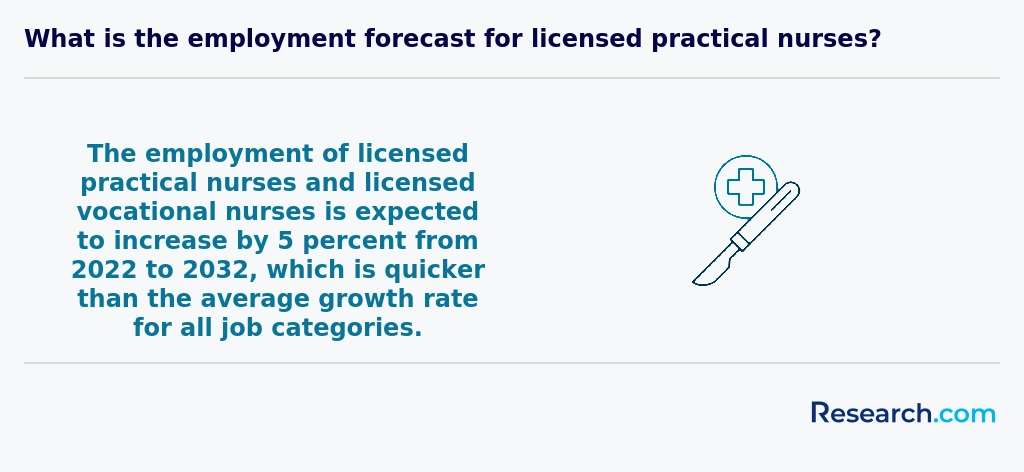
If you're thinking about nursing career opportunities in Kansas City, there's a lot on the table once you graduate. Many grads from popular local schools like the University of Missouri-Kansas City jump right into roles as Registered Nurses, working in busy hospitals or community health centers where every day brings new challenges and rewards. Others might find themselves in long-term care facilities as Licensed Practical Nurses, enjoying that hands-on, close-knit environment.
Some graduates take their nursing degree job prospects further by becoming Advanced Practice Registered Nurses, like Nurse Practitioners, who have greater independence and often higher pay. It's pretty common around Kansas City for nurses to explore specialties or move into education or healthcare administration, shaping the future of care and helping run hospitals efficiently. Plus, with telehealth and health informatics growing, there are fresh, tech-savvy paths opening up locally that many grads get excited about.
Thinking about cost? Many students in Missouri find programs ranging around $6,000 to $12,000, which is manageable especially with scholarships and aid. For a smart start, check out the Cheapest Online Nursing Degree Programs Ranking in Arizona as inspiration to keep your options broad while aiming high.
The nursing job outlook in Kansas City is seriously encouraging right now. Graduates from local programs at community colleges and public universities often share how easy it is to land interviews, thanks to strong connections between schools and nearby hospitals like Saint Luke's and University Health. Many find themselves working in exciting settings ranging from bustling hospital floors to growing home health care roles, which is a nice switch-up from the typical nurse gig.
One big plus for Kansas City nursing grads is earning a median salary around $68,000, pretty solid compared to the national average. This steady pay reflects the ongoing demand fueled by an aging population and expanding healthcare services. Plus, thanks to state efforts in Missouri and Kansas, job seekers enjoy thriving employment opportunities in a market that's growing steadily.
For those thinking about earning their nursing credentials locally, the fastest way to get associate's degree online can be a great option, making it easier and more affordable to jump into this rewarding field. Kansas City nursing employment opportunities continue to expand, making it a promising spot to start your nursing career.
2027 Most Valuable Nursing Degree Programs Ranking in Kansas City
Investing in your education is a significant decision that can shape your future, and the Research.com team understands the importance of making informed choices. To assist prospective nursing students in Kansas City, we have meticulously developed the "2027 Most Valuable Nursing Degree Programs Ranking in Kansas City." Our commitment to quality, credibility, and accuracy is reflected in the thorough research and analysis conducted to create this ranking.
We utilized the following reputable data sources to ensure a comprehensive evaluation of nursing programs:
By exploring this ranking, readers will gain valuable insights into the most worthwhile nursing degree programs available in Kansas City, helping them make informed decisions about their educational paths. For more information about how this ranking was created, please visit our Research.com methodology page.


# 5 position
Research College of Nursing
Bachelor of Science in Nursing

Frequently Asked Questions About nursing
Nursing students in Kansas City can maximize their learning by engaging deeply with both academic coursework and clinical experiences. Many local programs, including those at the University of Missouri-Kansas City, offer hands-on clinical placements in hospitals and community health settings, which are essential for practical skill development. According to the Missouri Center for Nursing, students who participate in diverse clinical rotations improve their critical thinking and patient care abilities.
Networking with healthcare professionals in Kansas City's extensive medical community also enhances learning. Joining student nursing associations or local chapters of national organizations can provide mentorship and career guidance.
Furthermore, staying current with state nursing board requirements and utilizing simulation labs available in many Kansas City institutions help students gain confidence before real-world practice.
The nursing field in Kansas City is expanding into several emerging niches driven by advances in healthcare and patient needs. One key area is telehealth nursing, which has grown rapidly due to increased reliance on remote patient monitoring and virtual care. According to the Kansas City Health Department, telehealth visits in the region increased by over 50% between 2020 and 2023.
Another important niche is geriatric nursing, as Kansas City's aging population fuels demand for specialized elder care. The U.S. Census projects that by 2030, nearly 20% of the local population will be 65 or older, intensifying the need for nurses with skills in chronic disease management and palliative care.
Nurses trained in informatics are also in high demand. These professionals manage healthcare data systems to improve patient outcomes, a critical function as Kansas City hospitals invest in advanced electronic health records and AI tools. The Missouri Center for Nursing highlights informatics as one of the fastest-growing nursing specialties in the state.
Lastly, mental health nursing is gaining visibility, with Kansas City clinics focusing on integrated care addressing behavioral health and substance abuse. This niche requires nurses skilled in counseling and crisis intervention, aligning with nationwide efforts to improve mental health services.
After completing a nursing degree in Kansas City, preparing for the job market involves several key steps to ensure success. First, obtaining licensure through the National Council Licensure Examination (NCLEX-RN) is mandatory to practice as a registered nurse. Kansas reports a growing demand for nurses, with the Missouri Economic Research and Information Center projecting a 12% employment increase for registered nurses by 2030.
Networking within the Kansas City healthcare community is crucial. Joining local nursing associations and attending job fairs can open doors to employers like Saint Luke's Health System or Truman Medical Centers. Additionally, updating your resume to highlight clinical experiences and obtaining certifications in specialties like CPR or wound care improves job prospects.
Consider internships or volunteer work to build experience and connections. Continuing education through online or community college courses helps meet employer preferences for ongoing professional development. Staying informed on evolving healthcare technologies also positions new graduates competitively in Kansas City's healthcare job market.
Employers in Kansas City highly value nursing graduates who possess strong clinical skills combined with effective communication abilities. Proficiency in patient care, medication administration, and use of electronic health records (EHR) are considered essential. According to the Missouri Center for Nursing, teamwork and critical thinking rank among the top skills sought by local healthcare facilities.
In addition to technical expertise, cultural competence and empathy are crucial in this diverse metropolitan area. Nurses who can adapt to fast-paced environments and show leadership potential often have an advantage in the Kansas City job market.
Data from the Kansas City Nurse Workforce report highlights that 70% of employers seek graduates with practical experience gained through clinical rotations or internships. Overall, a well-rounded skill set blending technical knowledge and soft skills is key to success for nursing graduates here.
Finding nursing internships in Kansas City involves a strategic approach that maximizes local healthcare resources. Start by exploring partnerships between nursing schools and hospitals, such as University Health and Saint Luke's Health System, which often offer clinical placements. The Kansas State Board of Nursing provides guidelines and can help identify accredited programs with internship opportunities.
Many nursing programs require clinical hours completed via internships, so contact academic advisors early. Internships in Kansas City typically cover areas like pediatrics, emergency care, and geriatrics, reflecting the city's diverse patient population documented by the Missouri Hospital Association. Networking through local nursing associations can also uncover hidden internship openings.
Obtaining a nursing degree in Kansas City significantly enhances career mobility and advancement prospects within the local healthcare sector. According to the Kansas City Regional Health Care Partnership, registered nurses (RNs) with bachelor's degrees see higher employment opportunities across hospitals and specialty clinics compared to those with only associate degrees.
The Bureau of Labor Statistics reported that advanced nursing roles, such as nurse practitioners and clinical nurse specialists, require at least a Bachelor of Science in Nursing (BSN) and often a master's degree. These positions offer higher salaries and greater job security in the Kansas City metropolitan area.
Additionally, local healthcare employers increasingly prefer candidates with accredited nursing degrees, promoting faster career growth and leadership opportunities.
Studying for a nursing degree in Kansas City offers students strong preparation for interdisciplinary roles through diverse clinical experiences and collaborative learning environments. Local nursing programs emphasize teamwork with healthcare professionals from various disciplines, such as medicine, social work, and pharmacy. This approach reflects the integrated care models prevalent in Kansas City hospitals and clinics.
According to the Missouri State Board of Nursing, many programs require clinical rotations in settings where nurses collaborate directly with other specialists, strengthening communication and problem-solving skills. Additionally, Kansas City's expanding healthcare sector fosters practical exposure to interdisciplinary case management.
Students also benefit from coursework focused on leadership, ethics, and patient-centered care, equipping them to function effectively within varied healthcare teams.
When choosing between a thesis and a non-thesis nursing degree program in Kansas City, consider your career goals and learning preferences. Thesis programs typically focus on research, ideal for students aiming for advanced clinical roles or doctoral studies. They require completing a research project, which can take more time and commitment.
Non-thesis programs emphasize practical skills through additional coursework or clinical hours, making them suitable for those seeking direct patient care positions or faster program completion. According to the Missouri Center for Nursing, about 60% of nursing graduates in Kansas City prefer practice-focused education due to the city's high demand in clinical settings.
Evaluating program formats, workload, and your professional aims can help determine the best fit.
Students based in Kansas City interested in studying nursing abroad have several pathways to consider. Many U.S. nursing programs, including those in and around Kansas City, offer international exchange or study abroad opportunities in partnership with universities in countries such as the United Kingdom, Australia, and Canada.
These programs typically allow students to complete part of their clinical training or coursework overseas while earning credits toward their U.S. nursing degree. According to the Kansas Board of Nursing, such experiences can enhance cultural competence and global healthcare understanding.
Additionally, some students choose to enroll directly in foreign nursing programs recognized by the Commission on Graduates of Foreign Nursing Schools (CGFNS) to ensure U.S. licensure eligibility upon return. However, careful planning is required to meet both U.S. and international licensure standards.
Students pursuing nursing degrees in Kansas City can benefit from various part-time job opportunities that enhance both their education and professional skills. Positions such as Certified Nursing Assistant (CNA) or Patient Care Technician are popular choices, offering hands-on patient care experience that complements classroom learning.
Local hospitals and healthcare facilities like Saint Luke's Health System and Truman Medical Centers commonly hire nursing students for these roles. According to the Missouri Department of Labor, CNAs in Kansas City earn an average hourly wage of $13 to $16, providing a viable income while gaining clinical exposure.
Additionally, roles in pharmacy technician support, medical receptionist jobs, or volunteering in community health clinics offer valuable insights into healthcare operations and patient interaction. These experiences help build essential skills for licensure and nursing careers.
Nursing students in Kansas City have access to several valuable networking opportunities that can enhance their academic and professional growth. Local universities, such as the University of Missouri-Kansas City, often host nursing student associations and events that connect students with experienced faculty and healthcare professionals.
The city's strong healthcare sector, including institutions like Saint Luke's Health System and Kansas City's Veterans Affairs Medical Center, provides clinical placements that foster important professional relationships. According to the Greater Kansas City Chamber of Commerce, these facilities employ thousands of nurses, creating a robust network for student internships and mentorships.
Additionally, professional organizations like the Missouri Nurses Association hold regional meetings and conferences nearby, facilitating networking beyond campus. These opportunities help students stay informed about industry trends and job openings in the Kansas City area.
Alumni networks play a crucial role for nursing degree students in Kansas City by creating strong professional connections and support systems. These networks provide access to job opportunities and internships within the local healthcare sector, which is especially valuable in a city with over 9,000 registered nurses as of 2023, according to the Kansas Board of Nursing.
Through alumni events and mentoring programs, students gain insights into current nursing practices and career pathways. This direct link to experienced professionals enhances practical knowledge that complements classroom learning. Additionally, alumni networks often share information about continuing education and certification opportunities relevant to Missouri's licensure requirements.
Such connections also foster a sense of community, encouraging knowledge exchange that benefits both new graduates and practicing nurses in Kansas City.
Customizing a nursing degree program in Kansas City allows students to align their education with specific career goals. Many institutions offer specializations such as pediatrics, geriatrics, or emergency care, enabling students to focus on areas of interest. Clinical rotations are flexible, giving hands-on experience in local hospitals and healthcare settings tailored to preferred specialties.
Students can often choose between full-time, part-time, or accelerated tracks to balance education with personal or professional commitments. Additionally, programs may include options for pursuing certifications like Nurse Practitioner or Nurse Anesthetist to enhance career prospects.
The Missouri Center for Nursing reports that Kansas City's healthcare employers prioritize advanced skills, making customization vital for employment success.
Nursing students in Kansas City face several common challenges during their education. Many report difficulty balancing rigorous coursework with clinical rotations, which require long hours and strong time management skills. According to the Missouri State Board of Nursing, students often struggle with the pressure to meet the high standards of patient care during hands-on training. Financial concerns are also significant, as tuition fees and living expenses in the region can be costly. Furthermore, adapting to the fast-paced healthcare environment in Kansas City hospitals demands resilience and emotional strength. These challenges reflect broader trends seen across nursing programs nationwide.
With a nursing degree in Kansas City, graduates can pursue various professional certifications to enhance their careers. Common certifications include the Certified Nurse Assistant (CNA), Licensed Practical Nurse (LPN), and Registered Nurse (RN) credentials. Further specialization is available through certifications such as the Certified Critical Care Nurse (CCRN) or the Pediatric Nursing Certification (CPN).
The American Association of Colleges of Nursing notes that earning certifications often leads to higher salaries and better job opportunities. In Kansas City, healthcare employers value certifications that demonstrate expertise in areas like acute care, family health, or geriatrics.
Additionally, pursuing advanced certifications can support career growth into nurse practitioner roles or clinical nurse specialists.
Writing a winning application for a nursing program in Kansas City requires clear focus and preparation. Start by researching accredited nursing schools in the area, such as the University of Missouri-Kansas City and Johnson County Community College, both known for strong nursing programs. Programs typically look for applicants with solid academic records, particularly in science and math courses.
Highlight any healthcare experience, including volunteer work or certifications like CPR. Kansas City hospitals often value practical experience. Additionally, a well-written personal statement explaining your motivation and commitment to nursing can make a difference.
Standardized test scores, such as the TEAS, are commonly required. Aim for scores above the school average-UMKC reported average TEAS scores around 65% in recent years. Finally, secure strong letters of recommendation from educators or healthcare professionals to support your application.
The global perspective on a nursing career emphasizes its essential role in healthcare systems worldwide. In the United States, nursing remains a rapidly growing profession, with the U.S. Bureau of Labor Statistics projecting a 9% growth from 2020 to 2030. Kansas City reflects this trend, offering diverse opportunities in both urban and suburban healthcare settings.
Nurses trained in the U.S. often find their skills in demand internationally, as many countries recognize the rigorous standards of American nursing education. According to the American Association of Colleges of Nursing, more than 60% of registered nurses hold at least a bachelor's degree, enhancing opportunities domestically and abroad.
Globally, nursing careers are valued for their adaptability and the critical role nurses play in patient care, public health, and community education. For students in Kansas City, pursuing a nursing degree means entering a profession respected worldwide, with options for specialization and leadership roles.
Gaining practical experience while studying for a nursing degree in Kansas City is essential to prepare for a successful career. Local nursing programs typically incorporate clinical rotations in their curricula, providing hands-on training in various healthcare settings such as hospitals, clinics, and long-term care facilities. For example, students often complete clinical hours at major institutions like Truman Medical Center and Saint Luke's Health System.
Additionally, Kansas City offers opportunities for internships and volunteer work in community health organizations, which help students develop real-world skills. According to the Kansas State Board of Nursing, practical experience requirements vary by program but usually include at least 500 clinical hours.
Students can also benefit from joining local nursing associations, such as the Missouri Nurses Association, which often sponsors workshops and networking events. These resources contribute to building professional connections and improving clinical proficiency.
Choosing the right concentration within a nursing degree program in Kansas City depends on your career goals and interests. Common nursing specializations include pediatrics, geriatrics, mental health, and critical care. Consider the demand for each area locally; for example, Kansas City's aging population drives a growing need for geriatric nurses, according to the Missouri Department of Health. Additionally, assess the clinical opportunities offered by programs to gain hands-on experience.
Research local healthcare facilities where you may work after graduation to ensure your concentration aligns with their needs. Also, think about certifications required for each specialty and how they fit your long-term plans.
- 2027 Most Valuable Nursing Degree Programs Ranking in Lincoln
- 2027 Most Valuable Nursing Degree Programs Ranking in Omaha
- 2027 Most Valuable Nursing Degree Programs Ranking in Saint Louis
- 2027 Most Valuable Nursing Degree Programs Ranking in Sioux City
- 2027 Most Valuable Nursing Degree Programs Ranking in Peoria
- 2027 Most Valuable Nursing Degree Programs Ranking in Memphis
- 2027 Most Valuable Nursing Degree Programs Ranking in Saint Paul
- 2027 Most Valuable Nursing Degree Programs Ranking in Minneapolis
- 2027 Most Valuable Nursing Degree Programs Ranking in Chicago
- 2027 Most Valuable Nursing Degree Programs Ranking in Milwaukee
See What Experts Have To Say About Studying Nursing
Read our interview with Nursing experts


- Medical University of GdaÅsk https://admission.mug.edu.pl/29318.html
- Types of Nursing Degrees-Which One Is Yours? https://www.allnursingschools.com/how-to-get-into-nursing-school/degree-options/
- University of Kansas School of Nursing https://www.kumc.edu/school-of-nursing.html
- Kansas City Has a Lot to Offer Registered Nursing Professionals | Incredible Health https://www.incrediblehealth.com/blog/kansas-city-has-a-lot-to-offer-registered-nursing-professionals/
- Take a look at the Recent articles https://www.oatext.com/nursing-student-engagement-researching-the-journey-and-its-potential-impact-on-transitions-to-practice.php/faqs.php
- Guide to Making a Career Change to Nursing https://teach.com/online-ed/healthcare-degrees/online-msn-programs/career-change-to-nursing/
- How Do Nurses Navigate Career Advancement? | NursingEducation https://nursingeducation.org/insights/career-advancement/
- Study Nursing Abroad | Boomerang International Educational Services https://boomerangedu.com/study-nursing-abroad/
- BSN Pre-Licensure https://sonhs.umkc.edu/academics/bsn-pre-licensure.html
- Essential Tips for Nursing Students to Advance Their Careers https://almanaltraining.com/essential-tips-for-nursing-students-to-advance-their-careers/


