2027 Most Valuable Nursing Degree Programs Ranking in Saint Paul

Co-Founder and Chief Data Scientist
Choosing the right nursing degree program in Saint Paul can shape your future career and open doors to rewarding opportunities. This article introduces the 2027 Most Valuable Nursing Degree Programs Ranking in Saint Paul, developed by the Research.com team of data scientists. The ranking offers clear insights to help you make an informed decision about which programs truly stand out.
By exploring this guide, you'll discover nursing degrees that balance quality education with real-world value. Taking this step brings you closer to a fulfilling path in healthcare, where your dedication makes a difference every day.
Key benefits of getting nursing degree in Saint Paul
- Nursing degree graduates in Saint Paul can expect strong earning potential, with Registered Nurses and Public Health Nurses earning around $94,480 annually and Operating Room Nurses earning up to $128,490.
- Graduates from local colleges have access to diverse career paths such as Clinical Nurse Educators, Emergency Room Nurses, and Public Health Nurses, offering exciting opportunities to impact community health.
- Online nursing degrees provide flexibility and convenience, allowing students to balance studies with work or family while gaining a respected qualification from well-known institutions in Saint Paul.
- 2027 Most Valuable Nursing Degree Programs Ranking in Saint Paul
- What can I expect from nursing degree in Saint Paul?
- Where can I work with nursing degree in Saint Paul?
What can I expect from nursing degree in Saint Paul?
The average cost of a nursing degree in Saint Paul varies notably depending on the type of program and institution chosen. Graduates from well-known local colleges report tuition fees ranging roughly from $8,000 to $25,000 for associate degrees, while bachelor's programs at universities typically reach higher, sometimes exceeding $40,000 for the entire course. However, many students emphasize the availability of financial aid, scholarships, and state funding that can significantly reduce out-of-pocket expenses, making nursing education more accessible.
One graduate described balancing part-time work with coursework while taking advantage of campus resources for grants, which helped ease financial strain. Another shared that the cost seemed steep initially but regarded it as a valuable investment given the strong job prospects and practical training experiences arranged through partnerships with Saint Paul hospitals and clinics.
It's important to remember that beyond tuition, students should consider additional expenses like books, uniforms, and commuting. Still, the practical, real-world readiness gained from Saint Paul's programs often compensates for these costs with promising career returns.
Where can I work with nursing degree in Saint Paul?
Graduates from nursing programs at institutions like the University of St. Thomas or Bethel University in Saint Paul often find a wealth of employment opportunities across diverse healthcare settings. Many begin their careers in well-known hospitals such as Regions Hospital or the United Hospital, where they gain hands-on experience in fast-paced environments like emergency rooms or critical care units. This exposure frequently sparks a strong sense of fulfillment as they contribute directly to patient recovery.
Others choose specialized outpatient centers, such as cardiac or behavioral health clinics, where they develop deeper expertise and patient relationships. A graduate recently shared how working in a rehabilitation facility allowed for more patient interaction, leading to higher job satisfaction and professional growth.
Community health roles in local nonprofits or public health departments can appeal to those who want to impact broader populations, often addressing challenges unique to Saint Paul's diverse community. Long-term care and assisted living facilities are also common workplaces, especially for nurses passionate about geriatric care.
Lastly, schools, home health agencies, and correctional institutions offer varied paths outside traditional medical environments. Each setting presents unique challenges, but many graduates feel energized by the real-world impact they provide daily in these roles.
Graduates holding nursing degrees from institutions in Saint Paul often find salary prospects that reflect both educational achievements and local demand. Registered Nurses typically earn a mean annual wage around $94,480, according to the latest data, which aligns closely with graduates from well-regarded colleges in the area who share experiences of competitive starting salaries and steady wage growth.
For those pursuing specialized roles, such as Operating Room Nurses, the financial outlook improves significantly, with mean annual wages reaching about $128,490. This highlights the value of advanced training and certifications often available through Saint Paul's nursing programs, motivating students to seek specialties that offer both professional satisfaction and enhanced income.
Several graduates have noted that beyond their base salaries, working in the Saint Paul healthcare system often includes shift differentials and bonuses, especially in demanding environments like emergency rooms or specialized surgical units. These factors contribute to a more rewarding financial picture and reflect the region's strong healthcare sector growth.
While entry-level ADN holders might start lower, between $60,000 and $65,000, investment in further education and experience typically results in salaries nearing or exceeding local mean wages, reinforcing the tangible benefits of continuing nursing education in Saint Paul's academic setting.
- Saint Paul has several accredited nursing programs recognized by ACEN and CCNE, ensuring quality education and eligibility for licensure exams.
- Associate degrees in nursing typically cost between $10,000 and $20,000, while Bachelor of Science in Nursing programs range from $30,000 to $50,000 in tuition.
- New nursing graduates in Saint Paul can expect an average starting salary of about $65,000 per year, with experienced RNs earning over $85,000 annually.
- The job market for nurses is growing, with an expected 12% employment increase over the next decade in the Twin Cities area, including Saint Paul.
- Admission requires a high school diploma or GED, prerequisite courses in biology and chemistry, and passing standardized tests like the TEAS.
- Licensure requires passing the NCLEX-RN exam and ongoing continuing education for license renewal, regulated by Minnesota's Board of Nursing.
Completing a nursing degree in Saint Paul depends largely on the program type and individual circumstances. Many graduates from well-known institutions like the University of St. Thomas share that earning an Associate Degree in Nursing (ADN) typically takes about two to three years. This pathway often suits those eager to enter the workforce quickly, balancing coursework and clinical rotations with enthusiasm despite the intense schedule.
Others pursuing a Bachelor of Science in Nursing (BSN) at colleges such as Concordia University often spend four years in full-time study. Some students highlight the value of the comprehensive curriculum and hands-on clinical experience that makes the longer duration worthwhile. Accelerated BSN programs, popular among those who already hold a bachelor's degree, reduce the timeline to roughly 12 to 18 months but demand significant dedication and stamina.
Master's programs usually require an additional two years post-BSN, with many students appreciating flexible options at institutions like Bethel University. These schedules accommodate working nurses who value the opportunity to advance their careers without pausing professional life, though it may stretch the overall completion time.
Enrolling in top nursing degree programs in Saint Paul, MN, goes beyond rigorous coursework and clinical rotations; robust support services can make all the difference in student success. Most accredited institutions offer dedicated academic advising to help plan your course load, track prerequisites, and ensure you meet NCLEX requirements on schedule. Tutoring centers and peer-led study groups provide targeted assistance in challenging subjects like pharmacology and pathophysiology, while simulation labs offer immersive, hands-on practice under the guidance of experienced instructors. Mental health and wellness resources are equally vital: on-campus counseling services, stress-management workshops, and mindfulness programs help students maintain balance during demanding semesters. Career services teams host resume clinics, mock interviews, and networking events with local healthcare employers, boosting your post-graduation job prospects. Some nursing schools even partner with clinical sites to coordinate practicum placements, ensuring you gain exposure to diverse patient populations and specialties. Financial counseling offices can guide you through FAFSA, scholarship applications, and loan repayment planning so you can focus on learning rather than budgeting. For students seeking flexible clinical prerequisites, exploring lpn classes online can strengthen foundational skills before enrolling in an RN program. Together, these support services create an ecosystem that empowers nursing students to excel academically, maintain well-being, and transition confidently into professional roles.
In Saint Paul, nursing students often weigh the choice between online and on-campus programs by considering how each aligns with their daily lives and learning preferences. For instance, a graduate from a well-known Saint Paul college recalls balancing full-time work with parenting, appreciating the flexibility of online coursework that let them study evenings after their children slept. However, they also emphasize the importance of clinical hours, which required visiting local hospitals to gain hands-on experience-demonstrating that even online programs demand real-world practice.
Conversely, graduates from on-campus programs highlight the energizing atmosphere of face-to-face classes and simulation labs found at Saint Paul's campuses. This setting provides instant feedback from instructors and spontaneous peer study sessions, fostering deeper connections and confidence. While these students enjoy tangible resources like campus health centers, they also acknowledge the more rigid scheduling as a trade-off.
Ultimately, the decision reflects personal circumstances. Saint Paul's institutions provide accredited options that maintain consistent educational quality and clinical requirements, whether through digital platforms or traditional classrooms.
When weighing the cost of a nursing degree against future earnings, it’s essential to calculate the payback period and long-term return on investment (ROI). On average, a BSN in Saint Paul carries a total tuition and fees between $89,556 and $211,392, while ADN programs range from $23,900 to $66,320. Given the average RN salary of $89,010 per year and OR nurse earnings of $124,680, many graduates recoup their ADN costs in under two years and BSN debts within three to five years, depending on specialization. Factoring in state licensure fees and living expenses, the break-even point shifts, but strong job placement rates-84% of BSN graduates employed within six months-enhance financial outcomes. Beyond on-campus programs, cost-conscious students should explore alternative pathways. For those open to out-of-state online study, our Low Cost Online Bachelor's in Nursing Degree Programs Ranking in Pennsylvania highlights accredited, budget-friendly options that often undercut in-state tuition while delivering comparable curriculum and NCLEX preparation. By integrating flexible schedules and reduced overhead, these programs can further shorten ROI timelines, making a nursing degree both attainable and financially sound.
The average nursing degree cost in Saint Paul reflects a balance between accessibility and quality, with the median total cost around $55,156 and the median in-state total cost closer to $44,226. These figures provide a practical baseline for students evaluating their financial commitment. Graduates from community colleges often recall their ADN programs costing significantly less, making this path appealing for those prioritizing affordability while still gaining solid clinical experience.
At institutions like the University of St. Thomas and Metropolitan State University, nursing students typically invest in more comprehensive BSN programs, where tuition and fees are higher but tend to yield broader career opportunities. Despite the increased expense in private or four-year programs, many students appreciate the robust support networks and extensive clinical partnerships these schools offer. This adds an enriching dimension to their studies and future job prospects.
Additional costs for books, uniforms, and clinical placements can add several thousand dollars yearly, so careful budgeting is essential. Thankfully, many local students benefit from financial aid options such as federal grants and Minnesota-specific scholarships, which can ease the burden notably. It is especially helpful to explore workforce development grants tied to the region's healthcare demands.
For students weighing their options, Saint Paul also offers insights through graduates who highlight the value of attending valuable nursing programs in Minnesota. These programs not only aim to keep overall expenses reasonable but also emphasize practical skills, making the investment in a degree more personally rewarding and aligned with career goals.
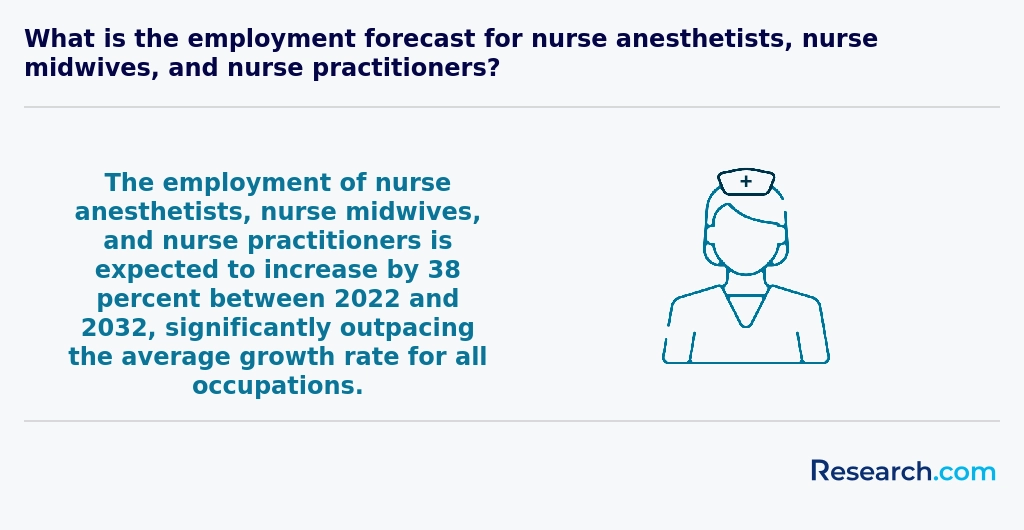
Choosing the right nursing program is a critical decision for prospective students, as it can significantly impact their future career prospects and personal growth. With numerous options available in Saint Paul, MN, it's essential to consider factors such as accreditation, curriculum, clinical experience, and support services when selecting a program. For those interested in pursuing a nursing degree in Minnesota, exploring valuable nursing programs in Minnesota can provide valuable insights into the best programs available, helping students make informed decisions about their education and career paths. By carefully evaluating these factors and considering their individual goals and aspirations, students can set themselves up for success in this rewarding and challenging field.
Students pursuing nursing degrees in Saint Paul often rely on a mix of federal, state, and institutional financial aid to manage costs. Graduates from institutions like Bethel University and Rasmussen University recall starting with the Free Application for Federal Student Aid (FAFSA), unlocking access to Pell Grants, which can provide up to $7,395 annually for eligible undergraduates. This grant relief often brings a palpable sense of hope, easing the pressure of tuition fees that can exceed $10,000 yearly for bachelor's programs.
State-specific aid, such as the Minnesota State Grant Program, also plays a crucial role by assessing financial need within local contexts, benefiting many students at Saint Paul College. Others highlight the importance of specialized scholarships like the Health Profession Education Loan Repayment Program, which repays loans in exchange for service in underserved Minnesota areas-a practical option for those considering long-term community impact.
Institutional scholarships and employer partnerships are common as well, often tied to academic merit or commitments to work post-graduation. Many students share how work-study jobs in healthcare settings not only supplement income but enhance their clinical experience, blending financial support with career growth.
As the healthcare landscape evolves, pursuing advanced education and specialized certifications can significantly elevate your nursing career in Saint Paul, MN. After completing a BSN or MSN, many nurses opt for nationally recognized credentials-such as CCRN for critical care or CNOR for perioperative nursing-to demonstrate expertise and improve job prospects. For those aiming to assume leadership roles or clinical faculty positions, a Doctor of Nursing Practice (DNP) offers the highest level of practice-focused education. Prospective students seeking flexibility often choose a quick dnp online program, allowing them to balance work, family, and study while completing coursework in as little as 12–18 months. In addition to degree pathways, continuing education units (CEUs) are essential for maintaining licensure and staying current with best practices. Local institutions like the University of Minnesota and Hamline University provide workshops and certificate courses in areas such as gerontology, pediatric advanced life support (PALS), and informatics. These targeted programs not only fulfill state requirements but also equip nurses with practical skills to improve patient outcomes. Networking through professional organizations-such as the Minnesota Nurses Association-further enhances learning by connecting you with mentors and cutting-edge research. By strategically combining advanced degrees, specialized certifications, and ongoing professional development, Saint Paul nurses can secure higher salaries, leadership opportunities, and greater job satisfaction. Whether you aim to become a nurse educator, clinical nurse specialist, or healthcare administrator, a commitment to lifelong learning will ensure your skills remain in demand and your career continues to flourish.
To enroll in a nursing degree program in Saint Paul, applicants generally must hold a high school diploma or GED, reflecting the foundational level required before advancing into nursing studies. Graduates from popular local programs often recall how strong grades in biology, chemistry, and math helped ease their transition into demanding coursework at institutions like Normandale Community College or Saint Paul College.
Many nursing programs require completing prerequisite courses such as human anatomy and physiology, microbiology, psychology, basic chemistry, and English composition. These classes build the critical knowledge base essential for success in nursing. Students often share how taking these prerequisites locally or via transfers gave them confidence when entering their chosen program.
Additionally, passing a standardized exam like the TEAS is a common hurdle, designed to assess essential skills across several areas. Candidates also may face interviews or provide letters of recommendation, which help admissions committees gauge motivation and fit. Graduates appreciate these steps, describing how thoughtful evaluation fosters a supportive learning environment unique to Saint Paul.
Health clearances including immunizations and background checks are mandatory for clinical placements, a reality many students accept as part of ensuring patient safety and compliance with Minnesota regulations.

To practice as a Registered Nurse in Minnesota, you must secure state licensure and complete certification steps outlined below:
- Graduate from an ACEN- or CCNE-accredited nursing program to qualify for the NCLEX-RN exam.
- Complete mandatory background checks, drug screening, immunizations, and maintain current CPR certification.
- Apply to the Minnesota Board of Nursing and register for the NCLEX-RN through Pearson VUE.
- Pass the NCLEX-RN exam to earn your Minnesota RN license.
- Renew your license every two years by completing required continuing education and submitting renewal fees.
After obtaining initial licensure, many RNs choose to advance their credentials. Consider pathways like cheap rn to bsn online programs to meet employer preferences for BSN-prepared nurses and unlock higher earning potential.
Nursing degree programs in Saint Paul commonly include a solid foundation in biological sciences like anatomy, physiology, and microbiology, essential for understanding human health. Graduates from well-known local institutions often describe these courses as challenging but rewarding, especially when theory is linked directly to clinical cases encountered in nearby hospitals.
Beyond biology, students study chemistry and nutrition, which provide a broad scientific perspective necessary for pharmacology and patient dietary planning. Psychology and sociology classes emphasize the importance of understanding patient behavior and social factors, a crucial skill frequently highlighted by alumni who recall applying this knowledge during community health rotations in Saint Paul.
Core nursing courses include Fundamentals of Nursing, Pharmacology, Medical-Surgical Nursing, and specialized areas like Pediatric and Mental Health Nursing. Students appreciate how these classes prepare them for diverse healthcare roles, particularly in hands-on clinical practicums at respected Saint Paul healthcare facilities, where supervision by experienced nurses fosters confidence and professional growth.
Nursing degree specializations in Saint Paul reflect a broad spectrum of healthcare needs that students can explore to align with their career goals and personal interests. Graduates from well-known local programs often highlight pediatric nursing, where they work closely with infants and adolescents in hospitals and community clinics. This hands-on experience brings rewarding challenges that deepen their professional growth.
Saint Paul nursing program specialization options also typically include gerontological nursing, which addresses the unique demands of an aging population. Graduates emphasize the emotional fulfillment in supporting elderly patients through chronic illness and rehabilitation, a reflection of Minnesota's demographic trends. Meanwhile, psychiatric nursing appeals to those drawn to mental health, equipping students for roles in local facilities managing psychological disorders and crisis intervention.
Critical care nursing is recognized for its intensity and specialization in life-saving techniques, preparing students for emergency departments in major Saint Paul hospitals. Additionally, students at these institutions often discover opportunities in less conventional fields like oncology or informatics nursing, or even stumble upon options like lpn classes online that complement their specialized studies.
Choosing the best nursing degree program in Saint Paul demands a clear understanding of your professional goals and realistic appraisal of program qualities. Graduates from local colleges often emphasize that beyond degree type-whether ADN, BSN, or advanced-a critical factor is accreditation by bodies like ACEN or CCNE, as it directly impacts eligibility for the NCLEX-RN exam and employment prospects. While it's tempting to select based solely on affordability, exploring affordable nursing schools in Saint Paul also means scrutinizing financial aid options and considering total costs including living expenses.
Flexibility is vital; many students juggling work or family appreciate campuses offering part-time or online classes. One graduate recalls how strong clinical partnerships at Saint Paul institutions enhanced hands-on learning and confidence during hospital rotations. For those aiming higher post-BSN, investigating quick dnp online options available nearby can be a smart move. Always check NCLEX pass rates since Saint Paul schools tend to outperform the national average, reflecting quality education aligned with your career aspirations.

Graduates with a nursing degree in Saint Paul encounter a variety of career paths, each offering unique challenges and rewards. Many ADN and BSN graduates find employment as Registered Nurses in hospitals and clinics throughout the Twin Cities, where they deliver hands-on patient care and develop strong collaborative skills. Experiences from Saint Paul College graduates often highlight the satisfaction of making immediate impacts on patient well-being, especially in long-term care facilities. However, pursuing specialized certifications can open doors to roles in pediatrics, geriatrics, or oncology, demanding ongoing commitment but yielding advanced professional fulfillment.
Some graduates advance to become Advanced Practice Registered Nurses, such as Nurse Practitioners or Nurse Midwives, roles that require further education often pursued at universities like the University of Minnesota. Others explore community-focused positions as Public Health Nurses, addressing preventive care and epidemiology within government agencies. Nursing career opportunities in Saint Paul also include healthcare administration and education, where experienced professionals influence policy and mentor new nurses. For those weighing costs and flexibility, consulting resources like the Low Cost Online Bachelor's in Nursing Degree Programs Ranking in Pennsylvania may help align educational paths with career goals.
The nursing job opportunities in Saint Paul remain strong due to a mix of local healthcare infrastructure and demographic trends. Graduates from well-known nursing programs at institutions like Metropolitan State University or Century College often find rewarding roles in large hospitals such as Regions Hospital or HealthPartners. These employers value recent graduates for their ability to contribute to outpatient care and long-term facilities, reflecting the city's diversified healthcare needs.
Students pursuing nursing degrees face a competitive yet accessible job market. The demand in Saint Paul contrasts with rural shortages nearby, offering graduates a wider range of employment settings. Many find a sense of fulfillment working with an aging population or engaging in public health initiatives, which contributes to more enriching career paths. The Saint Paul nursing degree employment outlook also benefits from regional wage competitiveness, with annual salaries typically above the national average, helping new nurses manage living costs.
Several graduates recommend exploring accelerated undergraduate programs to enter the workforce sooner. This approach is appealing for those eager to start working while addressing pressing healthcare demands.
2027 Most Valuable Nursing Degree Programs Ranking in Saint Paul
Investing in your education is a significant decision that can shape your future, and the Research.com team understands the importance of making informed choices. To assist prospective students in Saint Paul, we have meticulously crafted the "2027 Most Valuable Nursing Degree Programs Ranking in Saint Paul." Our commitment to quality, credibility, and accuracy is reflected in the extensive research and analysis conducted to compile this ranking.
We utilized the following reputable data sources to ensure a comprehensive evaluation of nursing programs:
By exploring this ranking, readers will gain valuable insights into the most valuable nursing degree programs available in Saint Paul, helping them make well-informed decisions about their educational and career paths. For more details on our methodology, please visit our Research.com methodology page.


Frequently Asked Questions About nursing
Nursing degree students in Saint Paul can maximize their learning experience by engaging actively in both classroom and clinical settings. Saint Paul offers access to diverse healthcare facilities such as Regions Hospital and Gillette Children's Specialty Healthcare, providing valuable practical exposure. Participating in internships and simulation labs strengthens clinical skills essential for real-world nursing challenges.
The Minnesota Board of Nursing reports a growing demand for nurses in the area, making local networking events and professional nursing organizations important for career advancement. Additionally, students should focus on evidence-based practices and stay updated with the latest healthcare technologies used in Twin Cities' hospitals.
The nursing field in Saint Paul is expanding beyond traditional roles, with emerging niches offering new opportunities for students. One growing area is geriatric nursing, reflecting Minnesota's aging population; the Minnesota Department of Health projects a 25% increase in residents aged 65 and older by 2030. This creates demand for nurses specialized in elder care and chronic disease management.
Another niche is psychiatric-mental health nursing, driven by increasing awareness of mental health issues and demand for services. According to the Minnesota Nurses Association, there is a significant shortage of mental health professionals in the region.
Additionally, telehealth nursing has surged due to technological advancements and the COVID-19 pandemic, enabling remote patient monitoring and care coordination. These niches represent promising paths for Saint Paul nursing graduates.
After earning a nursing degree in Saint Paul, it is essential to prepare strategically for the local job market. Begin by obtaining licensure through passing the NCLEX-RN exam, which is mandatory to practice as a registered nurse in Minnesota. According to the Minnesota Board of Nursing, maintaining an active license requires continuing education, so plan for lifelong learning.
Networking plays a critical role; connect with healthcare facilities such as Regions Hospital and nearby clinics, which frequently hire new graduates. The Minnesota Department of Employment and Economic Development highlights a projected 12% growth in nursing jobs statewide through 2030, signaling steady demand.
Additionally, consider gaining clinical experience through internships or volunteer work in Saint Paul's hospitals to strengthen your resume and professional skills.
Employers in Saint Paul prioritize several key skills when hiring nursing degree graduates. Chief among these is clinical competence, including strong knowledge of patient care, medication administration, and emergency response techniques. According to the Minnesota Department of Health, proficiency in evidence-based practice is crucial for improving patient outcomes.
Communication skills also rank highly. Nurses must effectively interact with patients, families, and interdisciplinary teams. Local hospitals emphasize cultural sensitivity given Saint Paul's diverse population.
Critical thinking and problem-solving abilities are essential for making quick, informed decisions in fast-paced healthcare settings. Additionally, technological literacy, particularly with electronic health records, is increasingly important.
Employers value adaptability, professionalism, and a commitment to continuous learning to meet evolving healthcare standards.
Finding nursing internships in Saint Paul involves a mix of strategic research and networking within the local healthcare sector. Many nursing programs in the city collaborate with prominent healthcare providers like Regions Hospital and HealthPartners for student placements. These partnerships often list available internships on institutional websites and career centers.
Students should also check resources such as the Minnesota Board of Nursing and the Minnesota Department of Health for internship opportunities that comply with state requirements. Additionally, local job boards and nursing associations, like the Minnesota Nurses Association, regularly post relevant openings.
Early application and contacting clinical coordinators at Saint Paul nursing schools can improve chances of securing valuable internships aligned with academic goals and licensure prerequisites.
Obtaining a nursing degree in Saint Paul significantly enhances career mobility and advancement opportunities within the region's healthcare sector. As the demand for qualified nurses grows, employers in Saint Paul increasingly prefer candidates with formal nursing education, including associate and bachelor's degrees. According to the Minnesota Department of Employment and Economic Development, registered nurses in the Twin Cities metropolitan area, including Saint Paul, enjoy a projected 9% job growth by 2030, which is faster than the national average.
Higher nursing credentials, such as a Bachelor of Science in Nursing (BSN), often lead to better salaries and positions in management or specialized care. Local hospitals and clinics value degrees accredited by organizations like the Commission on Collegiate Nursing Education (CCNE), which improve job prospects and opportunities for promotion.
Studying for a nursing degree in Saint Paul offers a robust foundation for interdisciplinary roles through comprehensive curricula that emphasize collaboration across healthcare fields. Nursing programs in this region include training with professionals in medicine, social work, and public health, reflecting the integrated nature of modern healthcare teams.
Saint Paul programs often incorporate clinical experiences at diverse local hospitals and community health centers, facilitating real-world interaction with multidisciplinary teams. According to the Minnesota Department of Health, Saint Paul's healthcare education emphasizes teamwork skills essential for effective patient care.
Courses frequently cover communication, leadership, and ethical decision-making, preparing nursing graduates to work alongside various healthcare specialists efficiently while addressing complex patient needs.
Choosing between a thesis and a non-thesis nursing degree program in Saint Paul depends on your career goals and learning preferences. Thesis programs emphasize research skills, preparing students for roles in academia, advanced clinical research, or pursuing a PhD. In Minnesota, about 25% of nursing master's students opt for thesis tracks, reflecting a strong interest in research-focused careers.
Non-thesis programs, on the other hand, focus on practical skills and clinical experience. They often require a capstone project or practicum instead of a formal research thesis. These programs are popular among nurses aiming for leadership roles in healthcare settings or advanced practice roles like nurse practitioner.
Local institutions such as the University of Minnesota School of Nursing offer both options, with flexibility depending on professional aspirations and time commitments. Consulting with academic advisors helps align your choice with the demands of Saint Paul's healthcare job market.
Students based in Saint Paul seeking to study nursing abroad have several pathways through partnerships and study abroad programs offered by local institutions. Universities such as the University of Minnesota, which serves many Saint Paul residents, provide exchange programs or clinical placements in countries like Australia and the United Kingdom, where nursing education meets international standards.
Many U.S. nursing programs abide by standards set by the Commission on Collegiate Nursing Education (CCNE), ensuring credits earned abroad transfer smoothly. Saint Paul students can benefit from these global opportunities to gain diverse clinical experience and understand healthcare systems worldwide.
According to the Minnesota Department of Health, demand for internationally experienced nurses is rising, making these options valuable for career advancement.
In Saint Paul, part-time job opportunities that complement nursing degree education are primarily centered around healthcare settings. Many students find positions as certified nursing assistants (CNAs), pharmacy technicians, or medical assistants, which provide hands-on experience valuable for nursing careers. According to the Minnesota Department of Employment and Economic Development, healthcare support jobs in Saint Paul are projected to grow by over 10% through 2028, reflecting strong demand.
Shift flexibility in hospitals like Regions Hospital or clinics associated with HealthPartners allows students to balance work and studies effectively. Additionally, opportunities in elderly care facilities offer practical exposure to patient care. These roles build clinical skills and improve employment prospects post-graduation.
Nursing students in Saint Paul benefit from a variety of networking opportunities that can enhance their career prospects. Local institutions like the University of St. Thomas and Century College provide access to nursing clubs and student organizations, fostering peer connections and professional development.
The Minnesota Nurses Association (MNA) has an active chapter in the area, offering events and workshops specifically for students. Participation in these events helps students connect with experienced nurses and healthcare leaders.
Additionally, Saint Paul's hospitals, such as Regions Hospital, often host clinical placements and networking sessions that enable students to engage with practicing professionals in real-world settings. According to the Bureau of Labor Statistics, Minnesota is expected to see a 9% increase in nursing jobs by 2030, making such connections valuable for entering a growing workforce.
Alumni networks in Saint Paul play a crucial role in supporting nursing degree students. These networks provide valuable connections with experienced nurses who have graduated from local institutions, offering mentorship and career guidance. According to the Minnesota Board of Nursing, strong professional relationships can significantly improve job placement rates for graduates.
Through regular events and online platforms, alumni help current students access internships, clinical placements, and job openings within the Saint Paul healthcare system. Networking opportunities also expose students to a variety of nursing specialties available in the region, enhancing their career development. Data from local colleges show that students engaged with alumni networks report higher confidence entering the workforce.
Customizing your nursing degree program in Saint Paul allows you to align education with your career goals. Many local schools offer flexible options such as electives in specialized fields like pediatrics, geriatrics, or mental health. This helps build skills most relevant to your interests.
Saint Paul institutions often provide clinical placement opportunities in diverse healthcare settings, including hospitals and community clinics, enabling practical experience in your chosen area. Additionally, some programs offer part-time or online courses, supporting working students or career changers.
According to the Minnesota Board of Nursing, tailoring your education may improve licensure success and job readiness in the state's growing healthcare market, which expects a 7% increase in nursing employment through 2030.
Nursing students in Saint Paul frequently face a range of challenges during their education. One common issue is balancing rigorous coursework with clinical rotations, which demand significant time and energy. According to the Minnesota Board of Nursing, clinical requirements are essential but can often conflict with students' work or family commitments.
Financial strain is another concern. Tuition and related expenses for nursing programs in Saint Paul have increased over recent years, making it harder for some students to continue without taking on debt or part-time jobs.
Mental health challenges also arise, as the stress from academic and clinical responsibilities can lead to burnout. Local student support services are crucial but sometimes underutilized.
With a nursing degree, graduates in Saint Paul can pursue various professional certifications that enhance their skills and career prospects. Common certifications include the Certified Nurse Assistant (CNA), Registered Nurse (RN) license, and advanced credentials like Certified Nurse Practitioner (NP) or Clinical Nurse Specialist (CNS). These certifications require passing national exams such as the NCLEX-RN.
Additional specialty certifications in fields such as pediatrics, geriatrics, and critical care are offered by organizations like the American Nurses Credentialing Center (ANCC). These certifications improve job opportunities in Saint Paul's growing healthcare sector.
The Minnesota Board of Nursing provides up-to-date requirements for licensure and certification specific to the state, which are critical to maintain professional standards.
To write a winning application for a nursing program in Saint Paul, start by thoroughly researching local schools like Rasmussen University and Century College, both known for nursing education aligned with Minnesota Board of Nursing standards. Highlight your academic performance, emphasizing science and math courses, as these are crucial for nursing prerequisites. Include relevant volunteer or work experience in healthcare settings to demonstrate commitment and practical skills.
Saint Paul programs often require letters of recommendation and a personal statement. Use the statement to clearly explain your motivation for nursing and how you plan to contribute to community health in Saint Paul, where demand for nurses is expected to grow by 15% by 2030, according to the Minnesota Department of Employment and Economic Development.
The nursing profession is increasingly valued on a global scale due to rising healthcare demands and aging populations. In the United States, including Saint Paul, registered nurses (RNs) are projected to grow 6% from 2021 to 2031, reflecting steady international demand.
Globally, nursing roles differ, but core skills such as patient care, communication, and clinical knowledge remain essential. The U.S. nursing education system, with degrees like the Bachelor of Science in Nursing (BSN), aligns with many international standards, facilitating employment abroad.
Saint Paul benefits from its proximity to renowned healthcare facilities, offering practical training aligned with global nursing competencies. According to the Minnesota Department of Employment and Economic Development, nursing is among the top in-demand professions in the region, emphasizing worldwide career opportunities.
Gaining practical experience while studying for a nursing degree in Saint Paul is crucial for career readiness. Most accredited nursing programs require clinical rotations in local hospitals or healthcare facilities. Students typically complete between 500 and 700 hours of hands-on training, depending on the program level.
Saint Paul benefits from strong partnerships between colleges and health providers like Regions Hospital and the University of Minnesota Medical Center. These partnerships offer students opportunities to work directly with patients under professional supervision.
Additionally, many programs encourage internships or volunteer roles at community clinics, enhancing exposure to diverse patient populations.
Active engagement in simulation labs equipped with modern technology also helps build critical skills before clinical placements.
Choosing the right concentration within a nursing degree program in Saint Paul involves considering your career goals and the local healthcare landscape. Saint Paul hosts multiple healthcare facilities seeking nurses with specialized skills, especially in gerontology, pediatric care, and acute care. According to the Minnesota Department of Employment and Economic Development, healthcare occupations in the metro area are projected to grow 15% from 2022 to 2032, creating diverse opportunities.
Research local hospitals and clinics to see which specialties are in demand. Also, evaluate the curriculum and clinical experiences offered by Saint Paul nursing schools to ensure they align with your interests.
Certification options and advanced practice opportunities vary by concentration, so check requirements carefully. Connecting with local nursing professionals or advisors can provide practical insights relevant to Saint Paul's healthcare market.
- 2027 Most Valuable Nursing Degree Programs Ranking in Minneapolis
- 2027 Most Valuable Nursing Degree Programs Ranking in Sioux City
- 2027 Most Valuable Nursing Degree Programs Ranking in Milwaukee
- 2027 Most Valuable Nursing Degree Programs Ranking in Omaha
- 2027 Most Valuable Nursing Degree Programs Ranking in Lincoln
- 2027 Most Valuable Nursing Degree Programs Ranking in Peoria
- 2027 Most Valuable Nursing Degree Programs Ranking in Chicago
- 2027 Most Valuable Nursing Degree Programs Ranking in Kansas City
- 2027 Most Valuable Nursing Degree Programs Ranking in Saint Louis
- 2027 Most Valuable Nursing Degree Programs Ranking in Indianapolis
See What Experts Have To Say About Studying Nursing
Read our interview with Nursing experts


- Determine Your Career Goals for Nursing https://www.achievetestprep.com/blog/what-are-career-goals-for-nursing
- Nursing - SUM Admission https://admission.sum.edu.pl/nursing/
- Medical University of GdaÅsk https://admission.mug.edu.pl/29318.html
- Interdisciplinary Education and Practice https://www.aacnnursing.org/news-data/position-statements-white-papers/interdisciplinary-education-and-practice
- Nursing https://www.stpaulsschoolofnursing.edu/programs/nursing.html
- How to Choose a Nursing Program: A Comprehensive Guide - Madonna ABSN https://absn.madonna.edu/blog/how-to-choose-a-nursing-program/
- Nursing Internships: Benefits, Opportunities & Tips | Maryville Nursing https://nursing.maryville.edu/blog/nursing-internships-benefits-tips
- Nursing New Grads https://www.providencehealthcare.org/en/careers/explore-careers/nursing/nursing-new-grads
- Know more about thesis vs non- thesis: what is the difference? https://studyfans.com/en/blogs/816
- Nursing Degree You Need to Become an RN https://www.allnursingschools.com/registered-nursing/degrees/