2027 Most Valuable Nursing Degree Programs Ranking in Milwaukee

Co-Founder and Chief Data Scientist
Choosing the right nursing degree program is an important step for your future, especially here in Milwaukee. This article introduces the 2027 Most Valuable Nursing Degree Programs Ranking in Milwaukee, created by the Research.com team of data scientists to guide you toward the best options available.
By exploring this ranking, you'll discover which programs offer great value and opportunities. A nursing degree opens doors to a rewarding career, personal growth, and making a real difference. Dive in and find the program that fits your goals and passion.
Key benefits of getting nursing degree in Milwaukee
- Graduates with a nursing degree in Milwaukee can expect strong salary prospects, with roles such as Registered Nurse, Clinical Nurse Educator, Public Health Nurse, and Emergency Room Nurse earning around $94,480 annually, while more specialized roles like Operating Room Nurse earn about $128,490.
- Nursing degree holders from Milwaukee institutions often find diverse career paths ranging from hospital care to community health, reflecting the city's robust healthcare environment and broad job opportunities.
- Completing a nursing degree online through local universities in Milwaukee offers flexibility and convenience, allowing students to balance work and study while gaining the same valuable skills as traditional programs.
- 2027 Most Valuable Nursing Degree Programs Ranking in Milwaukee
- What can I expect from nursing degree in Milwaukee?
- Where can I work with nursing degree in Milwaukee?
What can I expect from nursing degree in Milwaukee?
If you're diving into a nursing degree in Milwaukee, brace for a financial journey that's as tangible as the hands-on care you'll deliver. Tuition at local favorites like the University of Wisconsin-Milwaukee and Alverno College typically ranges from about $10,000 to $25,000 per year for undergraduate programs. Graduates recall balancing this cost with a mix of scholarships aimed at community-focused care and federal aid like the Nursing Education Loan Repayment Program, which feels like a lifeline when juggling bills.
Picture sitting in a busy Milwaukee café, scrolling through financial aid emails while planning your clinical rotations at Froedtert Hospital. This balancing act of tuition, books, and living expenses can feel intense but also empowering-knowing every dollar invested is a step toward a meaningful career. The blend of cost and support creates a mosaic of opportunity that many Milwaukee nursing students find encouraging rather than daunting.
Where can I work with nursing degree in Milwaukee?
Graduates from nursing programs at Milwaukee's renowned universities find themselves stepping into vibrant roles that pulse at the core of the city's healthcare heartbeat. Imagine walking the buzzing corridors of Froedtert & the Medical College of Wisconsin, where recent grads thrive amidst emergency rooms and specialized oncology units, shaping lives with confident hands. In Aurora St. Luke's Medical Center, nursing grads from local colleges feel the rush of diverse clinical experiences, from surgical floors to intensive care, gaining skills that catapult their careers forward.
Beyond hospital walls, alumni describe fulfilling days spent in outpatient clinics or urgent care centers, mastering niche areas like wound care or dialysis, directly responding to Milwaukee's growing demand fueled by its aging population. Others find joy in long-term care homes, where compassionate nursing breathes comfort into elder rehabilitation and palliative support.
Community-focused nurses often join public health agencies or schools, igniting wellness in neighborhoods or classrooms. For those advancing through master's and doctoral programs in Milwaukee, primary care or specialty clinics beckon, offering elevated roles brimming with diagnostic challenges and rewarding patient connections.
Imagine finishing your nursing degree at a Milwaukee college and stepping into a bustling hospital corridor, paycheck in hand. Graduates here often start with roles like Registered Nurse, where the average salary hovers around $94,480 annually, according to recent data. It's the sweet spot for many who chose Milwaukee's well-regarded nursing programs, offering both stability and plenty of room for growth.
Some peers choose paths like Clinical Nurse Educator or Public Health Nurse - roles sharing the same solid average income near $94,480. This means your hard work doesn't just pay off in passion but in a dependable paycheck.
Then, there's the adrenaline rush job as an Emergency Room Nurse, also averaging $94,480 per year, where sharp thinking and a caring heart get matched by a competitive salary. But push a little further and specialize in Operating Room Nursing - here salaries soar to an impressive $128,490 annually, a true reward for skill and dedication cultivated in Milwaukee's nursing classrooms and clinical rotations.
Graduates from local institutions often reflect on how supportive faculty and hands-on experiences helped them confidently launch into these roles, turning academic dreams into tangible, well-paid careers right in their hometown.
- Nursing programs in Milwaukee include associate degrees, bachelor's degrees, and advanced graduate degrees offered by public universities, private colleges, and technical schools.
- Annual tuition for a BSN at public universities ranges from $9,000 to $15,000 for in-state students, while private colleges often charge over $20,000.
- Associate degree programs typically cost between $6,000 and $12,000 for completion at local technical colleges.
- The average starting salary for registered nurses in Milwaukee is around $58,000, with experienced nurses earning a median salary of about $75,000 annually.
- Nursing employment in Milwaukee is expected to grow by over 10% in the next decade, driven by healthcare demand and an aging population.
- NCLEX-RN pass rates for Milwaukee nursing graduates usually range between 85% and 90%, matching national averages.
Picture yourself stepping into Milwaukee Area Technical College, where an ADN program unfolds like a two-year journey packed with hands-on clinical adventures. Graduates often recall the rush of their first patient interaction, made possible by that solid, focused timeframe. Meanwhile, those choosing the Licensed Practical Nurse route glide through in just 12 to 18 months, capturing the excitement of entering the nursing world faster, ready to take the NCLEX-PN and begin working in vibrant Milwaukee clinics.
At the University of Wisconsin-Milwaukee, BSN students immerse themselves for four rich years, weaving leadership skills with public health insights-often describing a transformational experience rounded off with diverse clinical rotations across the city's hospitals. For the go-getters who already hold an ADN, the RN-to-BSN bridge programs offer a flexible 12 to 24 months path, making it possible to balance nighttime study with daytime shifts in local healthcare facilities.
For some career changers, the accelerated BSN programs compress the journey to 12-18 months, turning prior degrees into fast-tracked nursing futures right here in Milwaukee's pulse. This blend of options creates a mosaic of timelines, tailored to your pace and passion.
Imagine balancing life, work, and studies without leaving your favorite chair-online nursing degrees in Milwaukee make this possible, blending virtual lectures with real-world clinical hours at local hospitals. Graduates from programs linked to the University of Wisconsin-Milwaukee often recall the freedom to study between shifts, turning their living rooms into dynamic classrooms.
Contrast this with the rhythmic buzz of on-campus learning where every lecture hall at Milwaukee Area Technical College feels alive, and lab sessions crackle with energy as peers collaborate hands-on. Students cherish the instant feedback and face-to-face mentoring that spark confidence and deepen understanding.
Both pathways demand grit and heart, but on-campus students enjoy the tangible vibe of simulation labs and quick access to campus resources, while online learners celebrate carving out flexible schedules that respect life's unpredictability.
Whichever path you choose, Milwaukee's nursing programs craft experiences that blend tradition with innovation, ensuring you're grounded in community while training for tomorrow's healthcare challenges.
Investing in a nursing degree is about more than tuition-it’s about long-term earnings and career growth. In Milwaukee, ADN programs average $12,300 per year, while BSN programs cost about $30,884 annually. With a median RN salary of $89,010, ADN graduates can recoup tuition within 2–3 years, and BSN holders often see payback in under 4 years, especially when factoring in clinical stipends and employer tuition reimbursement. Specializations like operating room nursing, with an average salary of $124,680, shorten this payback period to roughly 1–2 years. Key ROI drivers include:
- Tuition vs. Starting Salary: Compare total program cost to entry-level wages to estimate break-even timelines.
- Financial Aid Impact: Scholarships, loans, and work-study reduce net cost and accelerate ROI.
- Career Advancement: BSN and MSN credentials unlock leadership and specialist roles, boosting lifetime earnings. For students seeking even more affordable online options, explore the Inexpensive Online Nursing Degree Programs Ranking in Indiana to benchmark costs and outcomes against Milwaukee’s offerings.
The average cost of a nursing degree in Milwaukee weaves a practical story for students stepping into scrubs. Graduates from local institutions like Milwaukee Area Technical College or the University of Wisconsin-Milwaukee often recall balancing the challenge of tuition while chasing dreams. For in-state students, the median total cost hovers around $35,420, a figure that blends tuition, fees, and essential supplies into the reality of Milwaukee nursing degree tuition and fees.
Picture a passionate nursing student at UWM navigating their courses, aware that private colleges nearby can push the total cost toward or beyond $50,920, especially for out-of-state learners. This difference sparks a rich conversation among Milwaukee's nursing hopefuls about affordability and the value of diverse program choices. It's a nuanced dance between cost and opportunity, highlighted by personal triumphs where graduates celebrate affordable pathways that didn't compromise the quality of their education.
Beyond raw numbers, extra expenses like uniforms, clinical placement, and exams layer into budgeting plans, creating tangible scenarios that every prospective nurse faces. Many weigh these factors against the rewarding career that awaits. Supportively, exploring the valuable nursing programs in Wisconsin provides insight into schools blending cost-efficiency with excellence, helping students craft a path that feels both feasible and inspiring.

To practice as a registered nurse in Milwaukee, you must obtain licensure from the Wisconsin Board of Nursing. Follow these essential steps:
- Graduate from a state-approved nursing program and submit official transcripts.
- Complete and submit an online application with the Board, including the licensure fee.
- Register for and pass the NCLEX-RN exam through Pearson VUE.
- Fulfill a criminal background check and meet health and immunization requirements.
Once you pass the NCLEX-RN, your RN license is valid for two years and requires renewal with continuing education. Many nurses gain clinical experience post-licensure before advancing to doctoral roles, using online dnp programs for flexible study options.
Imagine starting your nursing journey at Milwaukee Area Technical College, where the financial aid landscape unfolds like a map full of hidden treasures. Graduates often recall the relief of filling out the FAFSA, unlocking doors to Pell Grants that whispered promises of debt-free breaths amid clinical chaos.
State love shines through Wisconsin Grants and the Talent Incentive Program, tangible proof that Milwaukee roots matter. Nursing students remember clutching scholarship offers from the Wisconsin Nurses Association like golden tickets, feeling seen and supported by their own community.
Marquette University's scholarships and grants sparkle like lifelines, lightening the hefty price tag of private education. Some students diving into work-study roles at local hospitals share stories of balancing nursing classes with shifts that felt less like chores and more like apprenticeships-a paycheck in one hand, invaluable experience in the other.
Post-graduation, the glowing hope of Public Service Loan Forgiveness emerges, a beacon for those dedicated to Milwaukee's healthcare, rewarding their commitment with the sweet freedom from student loans.
Calculating the true return on investment (ROI) of a nursing degree in Milwaukee means weighing tuition costs against earning potential and career longevity. For ADN graduates, the average total tuition of $45,000 is recouped within roughly two years, given a starting salary near $68,000. BSN holders, who invest an average of $123,000 in tuition and fees, often see a payback period of three to four years thanks to a median annual wage of $89,010. Those pursuing an MSN may spend an additional $60,000 on graduate tuition but can command salaries exceeding $100,000 in advanced practice roles, shrinking the ROI timeline to three years post-graduation. When evaluating long-term value, consider the 10-year ROI: BSN graduates typically earn $890,100 before taxes, against $123,000 in upfront costs, yielding a net gain of $767,100. ADN graduates, earning $680,000 over the same period, net $635,000. Specialized roles-such as operating room nurses-can push that 10-year net gain beyond $1 million. Factoring in loan interest and living expenses, these figures still underscore nursing as one of the highest-value investments in higher education. To further enhance ROI, students aiming for leadership and clinical expertise should explore accelerated pathways. For example, advanced practice nurses benefit from degrees like the fast dnp program, which reduces time to credential by up to one year, translating to earlier access to top-tier salaries and leadership positions. By aligning program choice with career objectives, prospective nurses in Milwaukee can ensure that their educational investment delivers maximum financial and professional returns.
Landing a spot in a nursing program at a Milwaukee college feels like unlocking a gateway to a vibrant healthcare adventure. Graduates often recall the mix of excitement and nerves as they tackled key prerequisites: a high school diploma or equivalent, spiced up with biology and chemistry classes that brought the human body to life before their eyes. At Milwaukee's revered nursing schools, these foundations are non-negotiable - they shape the thinkers and caregivers of tomorrow.
Picture yourself at a bustling campus like one of Milwaukee's technical colleges, entering an exam room to take the TEAS test, heart pounding but ready. It's a rite of passage that many remember with pride, a challenge that blends reading, science, and math skills seamlessly. Past students cheer on new applicants to clear this hurdle with confidence, knowing it means they're one step closer to clinical hallways and life-changing experiences.
Practical requirements like immunization records and background checks pop up too - they ensure safety and trust when learners dive into real patient care in Milwaukee's hospitals. Add in prerequisite courses like anatomy, microbiology, and nutrition, and you have a colorful mosaic of readiness uniquely tailored for the city's nursing aspirants to thrive.
To make an informed decision about which nursing program in Milwaukee is the best fit, it's essential to compare the various options available. Prospective students can start by researching the curriculum, clinical rotation opportunities, and faculty expertise of each program. Another crucial aspect to consider is the cost of attendance, including tuition, fees, and living expenses, as well as the availability of financial aid and scholarships. For instance, students interested in pursuing a nursing degree in Wisconsin may also want to explore valuable nursing programs in Wisconsin to compare the value and career prospects offered by different institutions. By carefully evaluating these factors, students can choose a nursing program that aligns with their academic, professional, and personal goals, ultimately leading to a successful and fulfilling career in nursing.
Imagine stepping into a bustling classroom at a Milwaukee nursing college where human anatomy and physiology come alive through interactive models and heartfelt discussions. Graduates recall the satisfaction of mastering microbiology and chemistry, the building blocks that made complex diseases suddenly clear and manageable. At schools like Marquette University or Milwaukee Area Technical College, nutrition and pharmacology aren't just theories-they're lessons infused with real patient stories, sparking a genuine desire to heal.
Health assessment here is more than a skill; it's a connection. Students learn to perform physical and psychological evaluations, feeling the pulse of Milwaukee's diverse community. Pathophysiology deepens those insights, turning textbook diseases into relatable challenges faced by local families.
Nursing fundamentals and clinical skills courses are where nervous excitement turns into confident care. Clinical placements in Milwaukee hospitals provide a backstage pass to real patient journeys, from wound care to communicating comfort, instilling pride and readiness. Specialized courses embrace the city's diverse health needs, bringing maternal, psychiatric, community, and gerontological nursing into a compassionate local context.
Diving into nursing degree specializations Milwaukee offers is like stepping into a world where passion meets purpose, shaped by thriving local campuses like the University of Wisconsin-Milwaukee. Graduates often describe their journeys through paths such as Registered Nurse (RN) to Bachelor of Science in Nursing (BSN), where they sharpen clinical skills essential for bustling hospital corridors and community clinics. Imagine tutoring an elderly patient with confidence thanks to Adult-Gerontology Nursing courses that anticipate Milwaukee's aging community needs.
Others find their calling in the Family Nurse Practitioner (FNP) track, embracing autonomy while providing holistic care that touches families from toddlers to grandparents. Pediatric Nursing graduates recall moments of joy working with children, an experience fueled by compassionate faculty and real-world clinical rotations here.
For hands-on learners exploring Milwaukee nursing programs with specialization options, Clinical Nurse Specialist (CNS) or Psychiatric-Mental Health Nursing open doors to leadership and mental wellness advocacy that fits the city's evolving healthcare scene. Those seeking inspiration might also explore local opportunities or consider the best rated lpn program in pennsylvania as a supplement to their nursing ambitions here.
Choosing the best nursing degree in Milwaukee means more than just picking a school; it's about painting your future with both bold strokes and fine detail. Imagine a graduate from the University of Wisconsin-Milwaukee, energized by clinical rotations at Aurora Health Care, feeling the rush of real patient care that textbooks alone can't provide. The thrill of hands-on experience in familiar local hospitals makes lessons tangible and memories vivid. Affordability matters, too-affordable nursing schools Milwaukee tuition fees here range widely, making it crucial to balance cost with quality. Another graduate recalls navigating this balance between a private institution's higher tuition and the promise of greater post-graduation opportunities. Accreditation is your safety net-programs endorsed by CCNE or ACEN ensure you're not chasing a mirage.
Consider your career's trajectory: quick workforce entry via an LPN certificate or a broader horizon with a BSN. Several grads have found that a BSN from Marquette University not only feels like an accomplishment but is also the key to leadership roles.
For those imagining a fast track to advanced practice, exploring a fast dnp program could be the next exhilarating step.
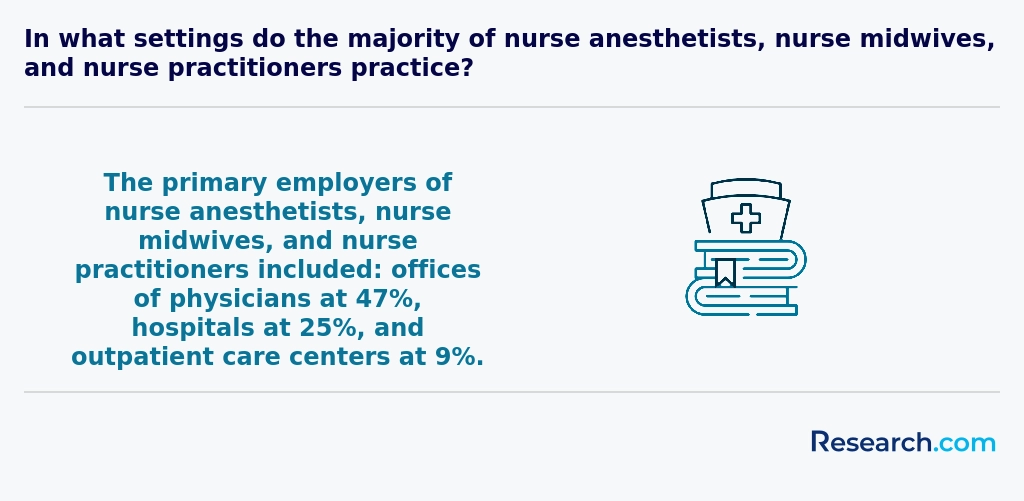
Graduates from Milwaukee's nursing programs often find themselves at a crossroads bursting with possibilities beyond the classic Registered Nurse roles. Imagine starting your journey at one of Milwaukee's well-regarded institutions, where a recent graduate embraced the challenge of becoming a Nurse Practitioner, diving into advanced clinical responsibilities and joining the ranks of those commanding a median salary north of $110,000.
Other grads find their calling in the dynamic nursing career opportunities in Milwaukee, shifting gears toward Clinical Nurse Specialist roles that emphasize niche patient care or stepping into leadership as nursing administrators orchestrating complex hospital operations. The vibrant pulse of the city even inspires some to rally as public health nurses, weaving community outreach and preventive care into the fabric of Milwaukee's neighborhoods.
Milwaukee nursing degree job prospects also stretch to nursing education, where graduates fuel the future by training new nurses right on campus or in hospitals, filling a crucial gap noted by the Wisconsin Center for Nursing. For those balancing cost and ambition, options like the Inexpensive Online Nursing Degree Programs Ranking in Indiana offer flexible pathways forward.
Milwaukee's nursing degree graduates step into a job market humming with opportunity, as healthcare growth unfolds amid aging communities and expanding hospitals. Those finishing nursing programs at popular Wisconsin universities often find themselves drawn into roles at facilities like Froedtert Hospital or Aurora St. Luke's Medical Center, where entry-level RNs benefit from steady offers and a median salary around $65,000. Many graduates recall feeling energized by hands-on clinical rotations, knowing their skills are needed beyond just hospitals, stretching into public health initiatives and outpatient care.
With Milwaukee nursing degree employment opportunities flourishing, specialized fields such as geriatric care and telehealth emerge as exciting paths, letting new nurses merge compassion with cutting-edge technology. The city's lower cost of living enhances this allure, turning paychecks into comfortable lifestyles. Financial aid stories from students in local BSN programs show how accessible education can be, especially when choosing options like the best associate degree in 6 months accredited.
Looking toward nursing job outlook Milwaukee 2027, registered nurses can anticipate growth mirroring national trends. Graduates who blend clinical prowess with strong communication often find themselves thriving in Milwaukee's diverse healthcare landscape, imagining futures that make a real difference in their community.
2027 Most Valuable Nursing Degree Programs Ranking in Milwaukee
Investing in your education is a significant decision that can shape your future, and the Research.com team understands the importance of making informed choices. To assist prospective students in Milwaukee, we have meticulously created the "2027 Most Valuable Nursing Degree Programs Ranking in Milwaukee." Our commitment to quality, credibility, and accuracy is reflected in the thorough research and analysis undertaken to develop this ranking.
We utilized the following reputable data sources to ensure a comprehensive evaluation of nursing programs:
By exploring this ranking, readers will gain valuable insights into the most valuable nursing degree programs available in Milwaukee, empowering them to make well-informed decisions about their educational paths. For more information on our methodology, please visit our Research.com methodology page.


# 9 position
University of Wisconsin-Milwaukee Flex
Bachelor of Science in Nursing


Frequently Asked Questions About nursing
Nursing degree students in Milwaukee can maximize their learning experience by combining academic excellence with hands-on practice. Local institutions like the University of Wisconsin-Milwaukee offer programs that emphasize clinical experience, which is essential for building practical skills. Students should take advantage of partnerships with nearby hospitals such as Froedtert Hospital and Aurora St. Luke's Medical Center, where many clinical placements occur.
Networking with local nursing professionals and joining organizations like the Wisconsin Nurses Association can help students stay updated on industry trends. According to the Wisconsin Department of Workforce Development, the healthcare sector in Milwaukee continues to grow, offering valuable internship and job opportunities. Engaging actively in these opportunities enhances both knowledge and employability.
The nursing field in Milwaukee is evolving, with several emerging niches reflecting broader healthcare trends. One fast-growing area is geriatric nursing, driven by Wisconsin's aging population. According to the Wisconsin Department of Health Services, nursing roles focusing on elderly care are expected to increase by over 15% by 2030.
Another key niche is informatics nursing, which combines healthcare and information technology. Milwaukee hospitals are adopting advanced electronic health records, requiring nurses skilled in data management and cybersecurity.
Additionally, community health nursing has gained importance. Nurses working in public health settings in Milwaukee address challenges like chronic diseases and health disparities, which are significant in urban areas.
To prepare for the job market after completing a nursing degree in Milwaukee, it is essential to focus on licensure and practical experience. Graduates must pass the NCLEX-RN exam to become licensed registered nurses, which is required in Wisconsin. According to the Wisconsin Department of Safety and Professional Services, Milwaukee's healthcare sector is growing, with a projected 16% increase in nursing jobs by 2030.
Gaining clinical experience through internships or externships at local hospitals, such as Aurora St. Luke's Medical Center or Froedtert Hospital, can improve job prospects. Networking with local nursing associations and attending career fairs in Milwaukee can also provide valuable connections.
Employers in Milwaukee seek nursing graduates with strong clinical skills supported by comprehensive training. According to the Wisconsin Department of Health Services, proficiency in patient care, medication administration, and use of electronic health records is essential.
Employers also value excellent communication skills. Nurses must effectively interact with patients, families, and healthcare teams to ensure quality care and patient safety, as highlighted in a recent Milwaukee Health Report.
Critical thinking and problem-solving abilities are crucial, enabling nurses to respond swiftly to changing conditions and emergencies. Milwaukee hospitals emphasize adaptability and sound judgment.
Lastly, cultural competence is increasingly important in Milwaukee's diverse communities, helping nurses provide respectful and personalized care.
Finding nursing internships in Milwaukee requires strategic planning and utilizing local resources. Many nursing programs affiliated with Milwaukee-area colleges, such as the University of Wisconsin-Milwaukee and Milwaukee Area Technical College, provide internship placement support. These institutions commonly partner with healthcare providers including Froedtert Health and Aurora Health Care, offering clinical experience opportunities.
The Wisconsin Department of Workforce Development reports that Milwaukee hosts over 15,000 nursing professionals, making it a strong market for internship placements. Students should also explore internships through hospital websites and local health clinics, as direct applications often yield results.
Networking with faculty and attending healthcare career fairs in Milwaukee can increase chances of securing internships. Additionally, using platforms like Handshake and the Wisconsin Healthcare Careers website can help locate open nursing internships.
Obtaining a nursing degree in Milwaukee significantly enhances career mobility and advancement opportunities. The Milwaukee healthcare market is robust, with a projected 15% growth in registered nurse positions through 2030, according to the U.S. Bureau of Labor Statistics. Nurses with degrees such as a Bachelor of Science in Nursing (BSN) often qualify for higher-paying roles and leadership positions compared to those with only associate degrees.
Nursing degrees also open doors to specialized fields like geriatric care and pediatric nursing, which are in demand in Milwaukee's expanding hospital systems. Employers increasingly prefer degree-holding nurses for promotions and clinical advancement, highlighting education's role in career progression.
Studying for a nursing degree in Milwaukee equips students with skills essential for interdisciplinary roles in healthcare. Local programs often emphasize collaboration with professionals from fields such as social work, pharmacy, and physical therapy. This approach reflects Milwaukee's diverse healthcare landscape and its integrated systems, like those found within Froedtert & the Medical College of Wisconsin.
Students gain practical experience through clinical placements across various medical settings. These placements foster teamwork and communication skills critical for coordinating patient care. According to the Wisconsin Center for Nursing, 78% of Milwaukee nursing graduates report enhanced interdisciplinary readiness after program completion.
Milwaukee's nursing curricula also incorporate courses on healthcare policy and informatics, further preparing graduates to work effectively in team-based environments where technological and administrative expertise matters.
When choosing between a thesis and a non-thesis nursing degree program in Milwaukee, consider your career goals and time commitment. Thesis tracks typically demand original research, which benefits students aiming for roles in academia, research, or advanced clinical practice. Non-thesis options usually focus on coursework and practical skills, ideal for those seeking faster entry into the workforce or leadership positions.
In Milwaukee, institutions like the University of Wisconsin-Milwaukee offer both tracks. According to the Wisconsin Center for Nursing, the region's nurse employment is expected to grow by 10% through 2029, increasing demand for flexible education paths.
Evaluate your interest in research, your schedule, and future plans before deciding.
Students in Milwaukee interested in studying nursing abroad have multiple pathways. Many universities in the area, such as Marquette University and the University of Wisconsin-Milwaukee, offer study abroad programs or partnerships with international nursing schools. These programs often allow students to complete clinical hours or specialized courses overseas.
Additionally, students can explore exchange programs facilitated by US nursing organizations or nonprofit groups focusing on global health. Such opportunities frequently include countries with advanced healthcare systems, giving hands-on experience in diverse settings.
It is important to ensure that any foreign coursework aligns with licensure requirements set by the Wisconsin Board of Nursing. According to the National Council of State Boards of Nursing, international credits must be carefully evaluated to maintain eligibility for the NCLEX-RN exam.
Part-time job opportunities in Milwaukee that complement nursing degree education often include roles such as certified nursing assistant (CNA), medical scribe, or patient care technician. These positions provide hands-on clinical experience, which is crucial for students balancing coursework and work.
Milwaukee's healthcare sector is robust, with institutions like Froedtert Health and Aurora Health Care offering part-time roles that enable students to apply theoretical knowledge in real-world settings. According to the Wisconsin Department of Workforce Development, healthcare support occupations in Milwaukee are projected to grow by 12% through 2028.
Additionally, positions in medical offices or outpatient clinics offer flexible hours and exposure to patient communication and administrative tasks. These roles strengthen nursing students' understanding of healthcare workflows and improve time management skills vital for nursing careers.
Nursing students in Milwaukee benefit from a variety of networking opportunities that support their educational and professional growth. Local universities such as the University of Wisconsin-Milwaukee and Marquette University host nursing student organizations and events that connect students with faculty and healthcare professionals.
Milwaukee is home to several hospitals and health systems, including Froedtert & the Medical College of Wisconsin, which offer clinical placements and networking events. These partnerships allow students to build valuable relationships and gain real-world experience.
The Milwaukee chapter of the Wisconsin Nurses Association actively engages students through workshops and conferences, providing platforms to meet experienced nurses and employers. According to the Wisconsin Department of Workforce Development, nursing employment in Milwaukee is expected to grow steadily, increasing the importance of early professional connections.
Alumni networks offer valuable support to nursing degree students in Milwaukee by connecting them with experienced professionals in the local healthcare community. These networks provide mentorship opportunities that enhance career development and guidance during studies. According to data from the Wisconsin Nurses Association, over 70% of nursing students find job placements through alumni referrals.
In Milwaukee, nursing alumni often facilitate access to internships and job openings at prominent employers such as Froedtert Health and Aurora Health Care. This helps students gain practical experience critical for licensure and employment. Moreover, alumni events encourage professional networking, sharing of industry updates, and continuing education resources.
Participating in these networks can increase a student's chances of successful employment and career advancement within the Milwaukee healthcare sector.
Customizing a nursing degree in Milwaukee allows students to align education with specific career goals. Many local colleges offer specialized tracks such as pediatrics, geriatrics, or mental health nursing, enabling focused skill development. Additionally, students can choose between associate, bachelor's, or accelerated programs depending on their previous experience and desired career progression.
Clinical placements within Milwaukee's diverse healthcare facilities provide real-world experience tailored to students' interests. Options for part-time or online coursework also help balance study with employment. According to the Wisconsin Department of Health Services, nurses with tailored expertise in Milwaukee see higher employment rates and better salary prospects.
Nursing students in Milwaukee face several common challenges during their education. A significant difficulty is managing the demanding workload, which includes both rigorous coursework and clinical practice hours. Many students report stress related to balancing school with work or family responsibilities. According to the Wisconsin Center for Nursing, approximately 40% of nursing students in the state experience financial strain, which can impact academic performance.
Another challenge is securing quality clinical placements. Milwaukee's healthcare facilities are competitive, limiting spots and affecting hands-on learning opportunities. Additionally, students must adapt to evolving healthcare technology and maintain strong communication skills essential for patient care.
With a nursing degree in Milwaukee, graduates can pursue several professional certifications that enhance their career opportunities and expertise. Common certifications include the Registered Nurse (RN) license, essential for entry-level nursing practice across Wisconsin. Beyond that, nurses often seek specialty certifications such as Certified Nurse Practitioner (CNP), Clinical Nurse Specialist (CNS), or Certified Nurse Midwife (CNM), depending on their focus area.
The Wisconsin Board of Nursing oversees licensure, ensuring nurses meet state requirements. Additionally, certifications like Basic Life Support (BLS) and Advanced Cardiovascular Life Support (ACLS) are widely required in Milwaukee healthcare facilities.
According to the Wisconsin Center for Nursing, over 20,000 licensed RNs practice statewide, highlighting strong demand for certified professionals.
Applying for a nursing program in Milwaukee requires careful preparation to stand out. First, maintain a strong GPA, particularly in science and math courses, as this reflects your academic readiness. Milwaukee nursing programs, like those at the University of Wisconsin-Milwaukee and Milwaukee Area Technical College, often require prerequisite courses and competitive GPAs above 3.0.
Next, gain relevant healthcare experience, such as volunteering or working as a CNA, to demonstrate commitment. Include a well-written personal statement explaining your motivation for nursing and connection to Milwaukee's healthcare community.
Letters of recommendation from instructors or healthcare professionals familiar with your skills are critical. Lastly, prepare thoroughly for any entrance exams like the TEAS, which is commonly used to assess applicants' readiness.
The nursing profession offers broad opportunities worldwide, reflecting growing healthcare demands and population changes. Globally, nurses are recognized as essential providers of care, especially in aging societies.
In the US, including Milwaukee, nursing remains a stable and expanding career. The U.S. Bureau of Labor Statistics projects a 9% growth in nursing jobs from 2021 to 2031, faster than average for all occupations.
Milwaukee's nursing programs often align with international standards, allowing graduates to work abroad through licensing agreements. Studies by the Wisconsin Nurses Association emphasize the city's robust healthcare infrastructure, enhancing practical training and employment prospects.
Overall, a nursing career in Milwaukee can open pathways both locally and globally, responding to worldwide health challenges and workforce needs.
Gaining practical experience is essential while studying for a nursing degree in Milwaukee. Many accredited nursing programs in the area include clinical rotations at local hospitals and healthcare facilities such as Froedtert Hospital and the Milwaukee VA Medical Center. These hands-on experiences allow students to work directly with patients under the supervision of licensed nurses.
Additionally, nursing students often participate in simulation labs equipped with advanced medical technology to practice skills in a controlled setting. Community health initiatives and internships provide further opportunities to build real-world expertise.
According to the Wisconsin Center for Nursing, clinical experience is a key component in preparing students for the state's licensure exam and professional practice.
Choosing the right concentration within a nursing degree program in Milwaukee involves understanding your career goals and the local healthcare landscape. Popular concentrations include gerontology, pediatrics, and acute care, reflecting the needs of Wisconsin's aging population and diverse communities. According to the Wisconsin Department of Health Services, the demand for registered nurses in Milwaukee is projected to grow by 12% through 2030.
Research programs to find specializations that offer clinical experiences in area hospitals like Aurora or Froedtert Health. Consider certification requirements and advancement opportunities typical for Milwaukee's job market.
Connecting with local nursing associations can also provide insights on trends and employer preferences.
- 2027 Most Valuable Nursing Degree Programs Ranking in Chicago
- 2027 Most Valuable Nursing Degree Programs Ranking in Peoria
- 2027 Most Valuable Nursing Degree Programs Ranking in Indianapolis
- 2027 Most Valuable Nursing Degree Programs Ranking in Detroit
- 2027 Most Valuable Nursing Degree Programs Ranking in Saint Paul
- 2027 Most Valuable Nursing Degree Programs Ranking in Minneapolis
- 2027 Most Valuable Nursing Degree Programs Ranking in Cincinnati
- 2027 Most Valuable Nursing Degree Programs Ranking in Saint Louis
- 2027 Most Valuable Nursing Degree Programs Ranking in Columbus
- 2027 Most Valuable Nursing Degree Programs Ranking in Louisville
See What Experts Have To Say About Studying Nursing
Read our interview with Nursing experts


- Do I Have to Write a Thesis to Complete a Master’s Degree in Nursing? https://www.bestmasterofscienceinnursing.com/faq/write-thesis-complete-masters-degree-nursing/
- Nursing - SUM Admission https://admission.sum.edu.pl/nursing/
- Client Challenge https://www.springerpflege.de/nursing-graduates-perceived-future-career-pathway-and-career-shi/50653658
- What Are the Best RN Certifications for Your Career? https://credenzahealth.com/career-advice/what-are-the-best-rn-certifications-for-your-career
- From our readers…Strengthening nursing networks https://www.myamericannurse.com/from-our-readersstrengthening-nursing-networks/
- UW-Milwaukee ‘Flex’ program helps nursing students chart career success https://www.luminafoundation.org/focus-magazine/summer-2017/uw-milwaukee-flex-program-helps-nursing-students-chart-career-success/
- Guide to Making a Career Change to Nursing https://teach.com/online-ed/healthcare-degrees/online-msn-programs/career-change-to-nursing/
- Your Questions About Online Nursing School, Answered https://www.allnursingschools.com/how-to-get-into-nursing-school/online-programs/
- What Are the Best Jobs to Work While in Nursing School? https://www.dewv.edu/what-are-the-best-jobs-to-work-while-in-nursing-school/
- THE FIELD OF NURSING - FIRST-DEGREE OF STUDIES https://wnoz.wum.edu.pl/pl/content/field-nursing-first-degree-studies