2027 Best Nursing Degree Programs Ranking in University

Co-Founder and Chief Data Scientist
Choosing the right nursing degree program is a big step toward a rewarding career in healthcare. This article introduces the 2027 Best Nursing Degree Programs Ranking in University, created by the Research.com team of data scientists to guide you in making an informed decision.
By exploring this ranking, you can discover programs that offer quality education, strong support, and excellent career opportunities. Getting a nursing degree opens doors to meaningful work and personal growth, making a real difference in people's lives.
Let's explore the best options for your future in nursing.
Key benefits of getting nursing degree in University
- Graduates with a nursing degree can expect strong earning potential, with positions like Registered Nurse, Clinical Nurse Educator, Public Health Nurse, and Emergency Room Nurse earning a mean annual wage of $94,480, while Operating Room Nurses earn an impressive $128,490 per year.
- Nursing degree holders from well-known universities enjoy diverse career paths in hospitals, community health, education, and emergency care, offering exciting opportunities to make a real difference in patients' lives.
- Online nursing degrees from reputable schools provide flexibility, allowing students to balance studies with work or family while gaining the same valuable education and credentials as traditional programs.
- 2027 Best Nursing Degree Programs Ranking in University
- What can I expect from nursing degree in University?
- Where can I work with nursing degree in University?
What can I expect from nursing degree in University?
Many nursing students at renowned institutions in University find the average cost of completing a Bachelor of Science in Nursing (BSN) hovers around $40,000 to $60,000 for in-state tuition. This figure, however, doesn't capture the full picture. Graduates often recall balancing tuition with expenses for textbooks, uniforms, and clinical supplies, which add unexpected layers to the financial commitment.
Beyond money, nursing students frequently experience the emotional investment-long hours in labs, rigorous coursework, and intense clinical rotations within University-area hospitals. At popular nursing colleges, students describe the exhilaration of their first hands-on patient care moments, affirming that the investment transcends dollars and cents.
With rising healthcare demands, many find scholarships or financial aid critical to managing these costs. Yet, the real value lies in the combination of educational rigor and real-world preparedness universities in University provide, making the financial strain a shared challenge among those passionately pursuing this vital profession.
Where can I work with nursing degree in University?
Graduates from nursing programs at renowned universities in University often find themselves stepping confidently into hospitals, where the fast pace and critical decision-making fuel their passion. Imagine a BSN holder from a leading University college coordinating care on a busy emergency floor, mastering specialties from pediatrics to oncology. This firsthand experience reveals how 60% of degree-holding nurses thrive in hospital environments, blending science with empathy.
Others share stories of embracing outpatient clinics or physician offices, developing close, ongoing patient relationships, managing chronic illnesses, and guiding prevention efforts. These roles harness the deep education from University programs, turning theory into community-centered care.
Long-term care and assisted living facilities also call graduates who find meaningful work supporting elderly patients with daily activities and medication, fostering dignity and trust.
Community health centers offer a broader impact, where nurses trained at University colleges lead public health campaigns, tackling pandemics and chronic diseases with a sense of purpose that transcends routine duties.
Advanced-degree alumni often pursue nurse practitioner or specialist paths, practicing independently with confidence drawn from their rigorous University training.
If you graduate with a nursing degree from a well-known university in University, your earning potential can surprise you. Registered Nurses fresh out of popular local colleges often start with a median wage around $77,600 annually. However, many find their paycheck quickly improving as they gain experience or specialize.
Consider graduates who take on roles like Emergency Room Nurses-they earn mean annual wages of about $94,480, reflecting the urgent skills they bring to hospitals in University's urban centers. Similarly, Clinical Nurse Educators and Public Health Nurses typically see comparable salaries, averaging around $94,480, offering paths beyond bedside care into teaching or community health.
Then there are those who aspire to elite positions; Operating Room Nurses in University-affiliated hospitals can reach mean wages of approximately $128,490. Imagine the pride and validation this brings after years of rigorous education at prominent nursing schools here, making the challenge and sacrifice worthwhile.
- The Bachelor of Science in Nursing (BSN) usually takes four years and requires a high school diploma with courses in biology, chemistry, and anatomy.
- Tuition for a BSN ranges from $10,000 to $30,000 at public universities and can exceed $40,000 at private schools, not including additional costs like textbooks and uniforms.
- Median annual wages for registered nurses are about $77,600 nationally, with starting salaries often between $55,000 and $65,000 depending on location and healthcare setting.
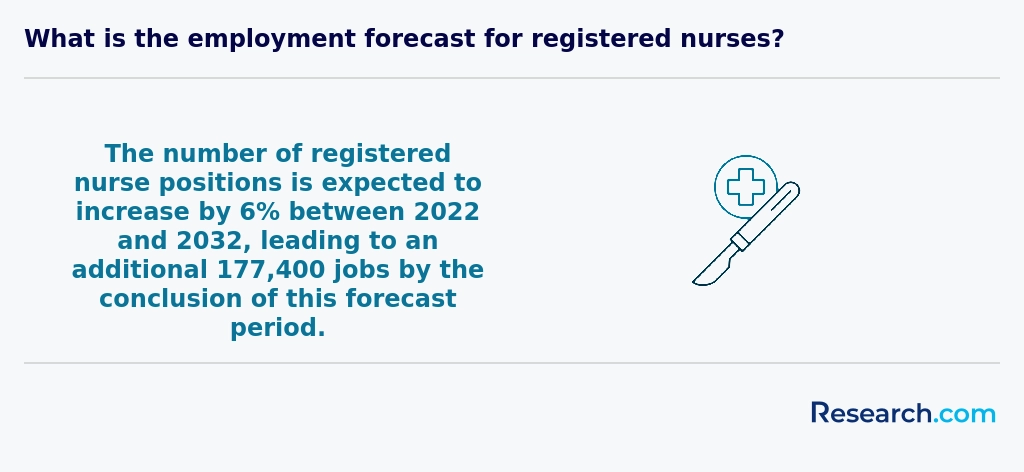
- Employment for registered nurses is projected to grow 6% from 2021 to 2031, driven by aging populations and healthcare service demand.
- Graduates must pass the NCLEX-RN exam to become licensed, and many universities include test preparation in their programs for this requirement.
Completing a nursing degree in University often stretches between different timelines, challenging many students to reflect on their educational journey. For instance, graduates from prominent institutions such as the University of Texas or Ohio State University who pursued an Associate Degree in Nursing usually spend about 2 to 3 years immersed in practical and theoretical learning.
This path, though shorter, brings a deep sense of accomplishment as students quickly transition to taking the NCLEX-RN exam and entering the workforce. Yet, many peers choose the Bachelor of Science in Nursing at universities like the University of Pennsylvania, dedicating 4 years to gain expansive knowledge and access broader career horizons. These students often share the rewarding experience of mastering complex skills, preparing them for diverse healthcare roles.
Some graduates who already hold degrees in other disciplines enroll in accelerated BSN programs at institutions such as Johns Hopkins University, completing their studies in just 12 to 18 months with intense focus. Their journey, though demanding, is often marked by a strong sense of purpose and rapid progression toward impactful nursing careers.
For prospective nursing students in University, MS, considering the financial implications of their education is crucial. Many students seek most affordable nursing schools in Mississippi to balance their academic aspirations with financial reality. Exploring these options can lead to a more manageable debt-to-income ratio after graduation, allowing new nurses to focus on their careers rather than financial burdens. By choosing an affordable nursing program, students can also explore various specializations and career paths without the undue stress of significant financial obligations, setting them up for success in the nursing field.
On-campus nursing degrees at universities like the University of Washington or Ohio State offer immersive experiences where graduates often recall the energy of bustling lecture halls and hands-on labs that brought textbooks to life. These programs provide structured clinical rotations often exceeding 500 hours, enabling students to connect directly with healthcare teams, cultivating confidence through face-to-face mentorship. The immediacy of campus resources-libraries, simulation labs, study groups-creates a vibrant community that many graduates describe as pivotal to their growth.
Conversely, online nursing programs from institutions such as the University of Florida or Arizona State University provide flexibility that resonates deeply with working students or parents juggling multiple responsibilities. Graduates appreciate the ability to pace their learning around real-life demands, using digital platforms to engage with professors and peers virtually. Yet, arranging local clinical hours demands more self-direction and initiative, becoming a distinct rite of passage that sharpens organization and independence.
Choosing between these paths is more than logistics; it's a reflection of personal learning style and life context, amplified by each format's unique blend of challenge and opportunity.
Choosing an accredited nursing program is critical for both educational quality and licensure eligibility. In University, MS, the two key accrediting bodies are the Commission on Collegiate Nursing Education (CCNE) and the Accreditation Commission for Education in Nursing (ACEN). Before applying, confirm that your school holds regional accreditation from agencies recognized by the U.S. Department of Education and specific nursing approval from the Mississippi Board of Nursing. Accredited programs guarantee a curriculum aligned with national standards, ensuring you cover essential topics like pharmacology, pathophysiology, and clinical practicum. Moreover, only graduates from Board-approved programs are eligible to sit for the NCLEX-RN exam-the gateway to becoming a licensed Registered Nurse. High NCLEX pass rates often reflect strong faculty support, robust simulation labs, and comprehensive clinical partnerships with local hospitals. When comparing on-campus and online offerings, verify both formats meet the same accreditation criteria. Online students should look for programs with embedded clinical placement support and virtual simulation platforms that mirror hands-on training. For budget-conscious learners seeking flexible, accredited options, our Inexpensive Online Nursing Degree Programs Ranking in Denton, TX highlights cost-effective pathways that uphold rigorous standards. Ultimately, accreditation not only impacts your ability to become licensed but also influences credit transferability, graduate school admission, and employer recognition. Prioritize accredited and Board-approved nursing programs to safeguard your investment and ensure a smooth transition from student to practicing nurse.
For many nursing students in University, the average cost of a nursing degree is a significant consideration that shapes their educational journey. Data shows the median total cost hovers around $43,500, a figure that captures both in-state and out-of-state expenses, yet with a noticeable difference where in-state students often pay closer to $9,772. Imagine a student at a well-known college in University balancing these tuition fees alongside the demanding clinical hours; the financial commitment is tangible but manageable with careful planning.
Graduates from popular nursing programs in University often recount how the layered expenses-tuition, textbooks, uniforms, and licensing exam fees-felt overwhelming at times. Yet, testimonials reveal a shared sense of accomplishment when these investments turn into rewarding careers. The total expenses for nursing degrees in universities 2027 go beyond tuition alone, incorporating hidden costs that many newcomers underestimate. This challenges the notion that nursing degrees are "cheap" or "readily affordable," prompting students to rethink how they budget and seek financial resources.
In light of rising costs, many aspiring nurses explore financial aid aggressively while pursuing degrees at their preferred institutions. For example, those aiming for advanced roles might consider nurse practitioner degrees wisconsin board certification as part of their career progression, aligning costs with long-term benefits. This encourages deeper reflection on the interplay between tuition fees, personal aspirations, and the evolving demands of the nursing profession within University.
Hands-on clinical training is a cornerstone of nursing education in University, MS, ensuring that graduates transition smoothly from the classroom to the bedside. Leading programs collaborate with top healthcare providers-such as the University of Mississippi Medical Center, Baptist Memorial Hospital, and regional community health clinics-to offer students more than 800 supervised clinical hours across diverse settings. During your clinical rotations, you’ll work in emergency departments, pediatric units, intensive care, and public health outreach, gaining exposure to a broad spectrum of patient populations. Simulation labs equipped with high-fidelity mannequins further enhance your skills, allowing you to practice life-saving procedures, medication administration, and critical thinking scenarios in a risk-free environment. Many students highlight how these simulated experiences bolster their confidence and proficiency before entering real-world clinical sites. Internship placements often culminate in capstone projects, where you’ll lead a healthcare initiative-such as implementing a fall-prevention program in a long-term care facility or spearheading a community wellness fair. These projects not only showcase your leadership and evidence-based practice skills but also strengthen your professional portfolio when applying for jobs or graduate programs. For those planning to advance their careers with a Master of Science in Nursing, it’s worth exploring affordable online pathways. High-quality, cheap online msn programs can help bridge the gap between your BSN and specialized practice roles without sacrificing flexibility or clinical rigor.
Many nursing students at universities in University find financial aid is not just a safety net but a pivotal part of their journey. Federal aid, accessed through the FAFSA, often opens doors to Pell Grants, which can cover thousands of dollars annually-up to $7,395 in the 2023-24 cycle-alleviating immediate worries about tuition. Graduates from schools like the University of Washington share how this grant transformed their ability to focus fully on clinical practice instead of juggling multiple jobs.
Scholarships from organizations such as the American Association of Colleges of Nursing can feel like earned recognition, rewarding academic excellence and dedication to underserved populations. Students at institutions like the University of Minnesota highlight how these scholarships fueled their motivation to lead and innovate.
Loan programs crafted for nursing students, including subsidized federal loans, reduce financial stress by pausing interest during school, a relief for many at large public universities. Moreover, the Nurse Corps Loan Repayment Program offers an inspiring exchange: work in critical shortage areas, and up to 85% of loans may be forgiven-students from the University of Colorado have spoken about this program as a turning point that made their careers financially sustainable.
Work-study positions not only bring income but real-world experience. Many nursing undergraduates at Ohio State University describe these roles as invaluable, blending earnings with hands-on learning in healthcare settings. Finally, state-level grants underscore a local commitment, allowing graduates to give back while lightening their debt.
Obtaining your Registered Nurse (RN) license in Mississippi involves several key steps:
- Graduate from a Mississippi Board of Nursing–approved program and request official transcripts.
- Submit your application, fingerprint cards, and required fees to the Mississippi Board of Nursing.
- Register for and pass the NCLEX-RN exam through Pearson VUE; schedule your test date promptly after Board approval.
- Complete a state and federal background check as part of the application process.
- Receive your RN license electronically or by mail; verify your credentials on the Board’s website.
License renewal is required every two years and includes completion of 12 contact hours of continuing education.
For RNs aiming to advance their careers, consider exploring nurse practitioner programs in texas online for flexible pathways to advanced practice roles.
Enrolling in a nursing degree program at a university demands more than just academic credentials-it requires passion grounded in preparation. Graduates from top nursing schools in University often recall how their backgrounds in biology, chemistry, and math formed the backbone of their success. It's not enough to have a high school diploma or GED; you must show you can handle rigorous science courses with competitive grades, usually maintaining a GPA around 2.5 to 3.0. This academic foundation is essential because nursing is deeply rooted in understanding human biology and chemistry in real-world clinical settings.
Beyond grades, aspiring nursing students frequently share how their healthcare experience-whether volunteering at a hospital or shadowing nurses-shaped their commitment. Universities in University often require these experiences, along with personal essays, not just as admission criteria but as a reflection of your dedication. Imagine writing about your first time assisting in patient care at a local clinic, showing genuine empathy and resilience. Standardized test scores like the SAT or ACT can still enhance your application, although some programs have become more flexible.
Lastly, be ready for background checks and health clearances. These requirements protect both you and patients during clinical rotations. The path isn't simple, but many graduates attest to how these prerequisites prepared them to thrive both academically and emotionally in nursing programs at universities across University.
Embarking on your nursing education journey begins with a clear, organized application process. Follow these steps to maximize your chances of acceptance into a top nursing program in University, MS: 1. Research Programs and Deadlines • Visit each university’s nursing department website to verify application deadlines, specific prerequisites, and required documents. • Note differences between ADN, BSN and accelerated MSN tracks to align with your career goals. 2. Verify Prerequisite Completion • Confirm that you’ve completed required coursework (anatomy & physiology, microbiology, chemistry, psychology) with the minimum GPA. • If necessary, enroll in summer or online bridge courses to meet missing requirements. 3. Register for and Take Entrance Exams • Most programs require the TEAS (Test of Essential Academic Skills). Schedule your exam early to allow time for a retake if needed. • Review TEAS study guides and join study groups to boost your score. 4. Prepare Supporting Documents • Official transcripts from all institutions attended. • Two to three academic or professional letters of recommendation-ideally from instructors, clinical supervisors, or healthcare employers. • A personal statement outlining your passion for nursing, career aspirations, and relevant experiences. 5. Submit the Online Application • Complete the university’s centralized application portal, ensuring all fields are accurate and attachments are uploaded. • Pay attention to supplemental essays or program-specific questionnaires. 6. Schedule Campus Visits or Virtual Interviews • Some programs invite finalists to interview with faculty or nursing directors. Prepare by reviewing common nursing interview questions and reflecting on your clinical experiences. • Attend open houses or virtual tours to evaluate campus resources and student support services. 7. Track Your Application Status • Regularly check your application portal and email for updates, missing items, or interview invitations. • Respond promptly to any requests to demonstrate enthusiasm and professionalism. 8. Review Acceptance Offers and Financial Aid Packages • Compare program curricula, clinical placement opportunities, NCLEX pass rates, and total costs. • Examine scholarship, grant, and loan options detailed in each financial aid offer. 9. Confirm Enrollment • Submit your enrollment deposit by the deadline. • Complete any required health screenings, background checks, and orientation registrations. For aspiring advanced practice nurses seeking accelerated paths, explore our rankings of one year fnp programs online to identify the fastest route to your Family Nurse Practitioner credential.
Nursing degrees in University demand more than memorizing facts-they require diving deep into both science and hands-on practice. Graduates from top nursing programs often recall anatomy and physiology classes where knowing how each muscle and organ functions felt like unlocking the human body's secret language. At universities with strong clinical partnerships, students gain invaluable experience through rotations in hospital wards, where they apply pharmacology lessons directly to patient care, witnessing medications' real effects firsthand.
Courses like pathophysiology challenge students to rethink health as a dynamic battlefield, understanding not just symptoms but underlying cellular changes. In programs at renowned colleges, students vividly describe how learning health assessment techniques transformed their confidence when first evaluating a patient's condition independently.
It isn't just science; ethical dilemmas discussed in health policy classes provoke students to reflect on their future roles as patient advocates. This blend of theory, science, and real-world exposure prepares nursing students to meet the demands of modern healthcare with both skill and empathy, making their educational journey deeply engaging and personally rewarding.

When exploring nursing degree specializations at universities in University, many students find themselves drawn to areas such as Adult-Gerontology Nursing or Pediatric Nursing, each offering a distinct lens on patient care. Graduates from popular colleges in University often share how focusing on Emergency Nursing transformed their ability to think quickly under pressure, preparing them for real-world trauma situations. These personalized journeys highlight the value of diverse options like Psychiatric-Mental Health Nursing or Women's Health Nursing.
Students pursuing the best nursing programs specializations in University 2027 recognize that their choice shapes not only their clinical skills but also their emotional resilience. For instance, specializing as a Family Nurse Practitioner offers a rewarding chance to build lasting patient relationships across lifespans. Reflecting on these experiences invites deeper consideration of how specialization impacts one's role within healthcare.
Universities commonly integrate these tracks within BSN or advanced degrees, cultivating expertise with rigorous coursework and hands-on clinicals. To truly leverage opportunities, students should assess program strengths-faculty experience, available clinical settings, and costs-when selecting the best nursing degree for their aspirations.
Choosing the best nursing degree in University goes beyond picking a highly ranked program. Graduates from popular colleges often reveal that the true difference lies in clinical partnerships-places where you gain hands-on experience. Imagine studying at a university that works closely with renowned hospitals, offering clinical rotations that build your confidence and skill in real healthcare settings. This practical exposure matters more than just glossy brochures.
Another factor graduates emphasize is program accreditation. Without it, your degree might not qualify you to sit for the NCLEX-RN exam, a key step to becoming a registered nurse. In the quest for the best nursing degree programs 2027 USA, look for schools accredited by respected bodies like the CCNE or ACEN to secure your future in nursing.
Cost and flexibility also shape choices; graduates juggling work and study often favor programs offering hybrid or online formats, reflecting the reality of today's learners. This is why many students explore a physical therapy assistant degree alongside nursing-to diversify their career options while managing education expenses.

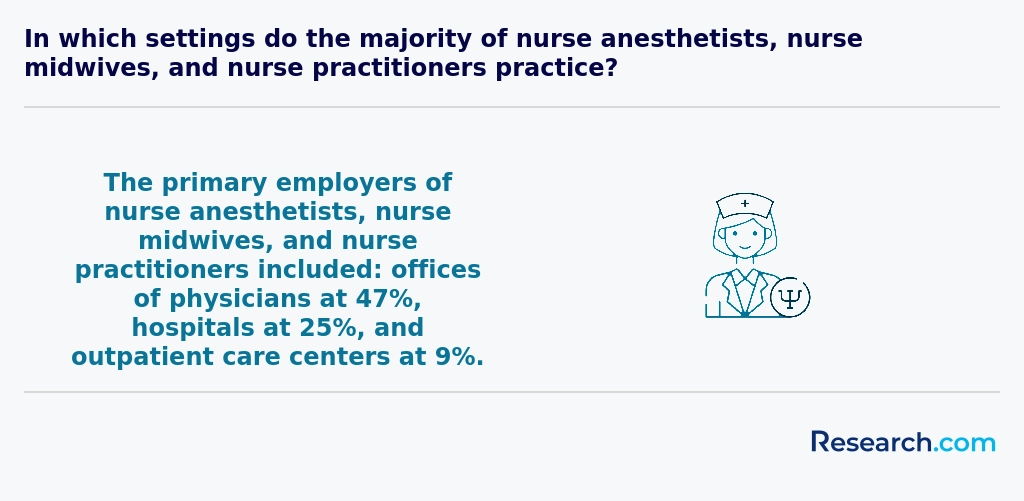
Graduates with a nursing degree from a university quickly discover that the field offers far more than the traditional hospital bedside nurse role. Many find their passion in becoming Registered Nurses (RNs), delivering vital care in diverse settings from urban clinics to rural community centers, often inspired by their clinical rotations at well-known universities or colleges in University. For those eager to expand their responsibilities, progressing to advanced practice roles such as Nurse Practitioners or Nurse Anesthetists is common. These positions demand further education but reward graduates with autonomy and higher wages.
Specialization fascinates many nursing students familiar with university nursing degree job prospects 2027; options range from pediatrics to oncology and mental health, each offering unique challenges and personal fulfillment. Others pursue careers beyond direct care, diving into healthcare administration or public health, motivated by experiences during internships or leadership roles in university nursing programs. Financial barriers often weigh heavily, but financial aid for students can make these paths feel genuinely achievable.
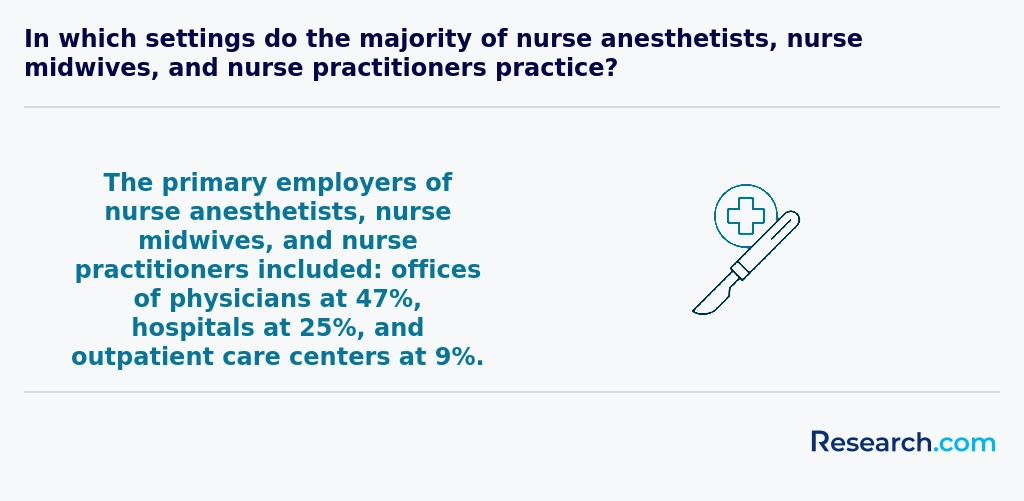
Graduates from nursing programs at universities in University often enter a job market characterized by both opportunity and transformation. The nursing degree job market 2027 continues to expand, fueled by the increasing healthcare demands and aging population. Many graduates from well-regarded colleges in University report quickly securing roles in hospitals or outpatient care centers, where their training in bedside nursing and specialized fields comes to life in real-world impact.
Job seekers with a Bachelor of Science in Nursing often find doors opening to higher-paying and more diverse positions, especially as advanced practice registered nurses grow in demand. Some graduates share that the rigorous clinical experiences offered at top universities help build confidence when facing career challenges. Geographic considerations matter; for example, relocating to urban healthcare hubs can offer richer opportunities and higher salaries.
Understanding this dynamic marketplace is essential for anyone weighing a nursing education at the university level. Those interested in a more administrative healthcare path might explore a full-time healthcare administration degree as a complementary career option. Balancing passion with practical insights is key for navigating the university nursing careers outlook.
2027 Best Nursing Degree Programs Ranking in University
Investing in your education is a significant decision that can shape your future, and the Research.com team is fully aware of the importance of making well-informed choices. To support prospective nursing students, we have carefully developed the "2027 Best Nursing Degree Programs Ranking in University." Our dedication to quality, credibility, and accuracy is demonstrated through rigorous research and thorough analysis underlying this ranking.
We utilized the following reputable data sources to ensure a comprehensive evaluation of nursing degree programs:
By exploring this ranking, readers will gain valuable insights to help identify top nursing programs that align with their academic goals and career aspirations. For more information on how we developed this ranking, please visit our Research.com methodology page.

Frequently Asked Questions About nursing
Nursing degree students in University can maximize their learning by engaging actively in both theoretical and clinical components of their program. According to the American Association of Colleges of Nursing (AACN), blending classroom knowledge with hands-on clinical practice significantly improves skill retention and patient care proficiency.
Students should also utilize university resources like simulation labs, study groups, and tutoring services. Research from the National League for Nursing (NLN) shows that simulation training enhances critical thinking and decision-making in clinical scenarios.
Time management is vital. Balancing coursework, clinical hours, and personal commitments helps reduce stress and improves academic performance, supported by studies from the Journal of Nursing Education.
Finally, connecting with faculty mentors and participating in nursing organizations can open opportunities for networking and career development.
The nursing profession in the United States is rapidly evolving, creating new and specialized career paths for graduates. Emerging niches include geriatric nursing, which addresses the healthcare needs of an aging population-expected to reach 70 million by 2030, according to the U.S. Census Bureau. Another growing area is telehealth nursing, where nurses provide care through digital platforms, a field that expanded significantly during the COVID-19 pandemic. Additionally, psychiatric-mental health nursing is gaining prominence, with the Substance Abuse and Mental Health Services Administration reporting increased demand for mental health services. These specialties often require targeted education and training within nursing degree programs.
After completing a nursing degree in a University, preparing for the job market involves strategic steps to improve employment prospects. First, obtaining licensure by passing the NCLEX-RN exam is essential, as it is required for registered nurses nationwide.
Networking through clinical placements and joining professional organizations like the American Nurses Association can provide valuable connections. Gaining experience via internships or volunteer work during studies is highly recommended, as the Bureau of Labor Statistics projects a 9% employment growth for registered nurses from 2020 to 2030.
Finally, developing strong communication and technical skills enhances employability in diverse healthcare settings.
Employers seek a combination of clinical expertise and interpersonal skills in nursing graduates from University programs. Critical thinking and decision-making are essential, as nurses must assess patient conditions and respond quickly. According to the American Association of Colleges of Nursing (AACN), 90% of employers prioritize strong communication abilities, including teamwork and patient interaction.
Technical proficiency with medical equipment and electronic health records is increasingly important due to technological advances in healthcare. Additionally, cultural competence and empathy are valued to provide inclusive care for diverse populations.
Time management and adaptability also rank highly since nurses often face unpredictable situations. Mastery of these skills improves patient outcomes and supports career success in nursing.
Finding internships related to a nursing degree at a university involves several strategic steps. Most nursing programs in the U.S. are affiliated with local hospitals, clinics, or healthcare centers where students can gain practical experience. It is essential to start by consulting your university's nursing department or career services, as they often maintain partnerships for clinical placements. According to the American Association of Colleges of Nursing (AACN), about 90% of accredited nursing programs require clinical internships as part of the curriculum.
Students should also attend campus career fairs and networking events to connect with healthcare employers. Additionally, applying early and preparing a strong resume highlighting relevant coursework can improve chances of securing internships. Many universities provide dedicated portals where nursing students can find internship listings specifically tailored to their field.
Obtaining a nursing degree in University significantly enhances career mobility and advancement opportunities within the healthcare field. According to the American Association of Colleges of Nursing (AACN), registered nurses (RNs) with a Bachelor of Science in Nursing (BSN) are 20% more likely to be promoted to leadership roles compared to those with an associate degree. Universities offering accredited BSN programs equip students with critical thinking, leadership, and clinical skills required for advanced roles such as nurse managers, clinical nurse specialists, or nurse educators.
Further education through master's or doctoral nursing degrees available at many universities opens pathways to advanced practice roles, including nurse practitioners and nurse anesthetists. The U.S. Bureau of Labor Statistics reports that these advanced roles are expected to grow 40% by 2030, reflecting high demand and favorable job prospects. Therefore, pursuing a nursing degree in University not only provides foundational clinical competence but also fosters long-term professional growth and geographic career flexibility within the U.S. healthcare system.
Studying for a nursing degree in university equips students with skills essential for interdisciplinary roles in healthcare. Coursework often includes collaborative projects with fields such as social work, pharmacy, and medicine to foster teamwork and communication across disciplines. Clinical rotations provide hands-on experience in various healthcare settings, encouraging interaction with diverse healthcare professionals.
According to the American Association of Colleges of Nursing (AACN), over 80% of Bachelor of Science in Nursing (BSN) programs integrate interprofessional education, which has been shown to improve patient outcomes. This training helps nurses understand different perspectives and coordinate care effectively in complex environments.
Choosing between a thesis and a non-thesis nursing degree program in University depends largely on your career goals and learning preferences. Thesis programs emphasize research, requiring students to conduct original studies and write a detailed paper. This path suits those interested in advanced clinical roles, academia, or pursuing a PhD. According to the American Association of Colleges of Nursing (AACN), nearly 40% of master's level nursing graduates prefer thesis options when aiming for research-focused careers.
Non-thesis programs, conversely, concentrate on practical skills and clinical experience. They typically involve additional coursework or a capstone project rather than a formal thesis. Graduates often enter clinical practice or leadership roles immediately after graduation. Consider whether you prefer hands-on learning versus research before deciding.
Students based in University exploring nursing degrees abroad have various pathways to consider within the US higher education system. Many programs offer study abroad options through partnerships with international universities, allowing clinical experience in different healthcare settings. For example, global health rotations in countries like the United Kingdom or Australia are common, providing diverse patient care perspectives.
Additionally, some accredited US nursing schools have dual-degree agreements with foreign institutions, facilitating a smoother credit transfer. According to the American Association of Colleges of Nursing, about 15% of BSN programs include international components. These opportunities broaden cultural competency, an essential skill in today's nursing workforce. Students should check with their academic advisors to explore eligibility and program specifics.
Part-time jobs can significantly enhance nursing degree education by providing valuable practical experience and financial support. Common opportunities include becoming a certified nursing assistant (CNA) or a patient care technician, roles that offer hands-on patient interaction aligned with nursing coursework. According to the U.S. Bureau of Labor Statistics, these positions often serve as stepping stones for nursing students to build clinical skills.
Campus health centers also employ student workers to assist with administrative tasks or health education, giving insight into healthcare operations. Additionally, tutoring peers in anatomy or physiology helps reinforce academic knowledge and communication abilities.
These roles align well with balancing academic demands while preparing for nursing licensure exams like the NCLEX-RN.
Nursing students in university benefit from numerous networking opportunities that support their professional growth. Many universities host student nursing associations, such as the National Student Nurses' Association (NSNA), which connects over 58,000 members nationwide. These groups offer workshops, conferences, and local chapter meetings to foster peer connections and mentorship.
Clinical placements provide another vital network-building chance. Students engage directly with healthcare professionals in hospitals and clinics, often leading to job referrals or recommendations. Additionally, universities frequently invite speakers from prominent nursing organizations like the American Nurses Association (ANA), expanding students' professional contacts.
Online platforms and alumni networks further enhance access to job leads and career advice, making them essential tools during and after the nursing degree. According to the Bureau of Labor Statistics, strong professional connections can improve employment prospects in the growing nursing field.
Alumni networks provide valuable support to nursing degree students in University by connecting them with experienced professionals. These networks offer mentorship opportunities, where graduates share insights about clinical practice and career development, helping students navigate the healthcare field more confidently. According to the American Association of Colleges of Nursing (AACN), schools with active alumni communities often report higher job placement rates for recent graduates. Nurses in these networks can provide guidance on licensing exams like the NCLEX-RN and recommend employers who prioritize new nurses from their alma mater. This professional support plays a crucial role in student success during and after their studies.
Customizing a nursing degree program in University allows students to align their education with specific career goals. Many universities offer various tracks, such as adult-gerontology, pediatrics, or psychiatric-mental health nursing, enabling learners to specialize early. According to the American Association of Colleges of Nursing (AACN), about 70% of nursing programs in the U.S. provide elective courses or clinical rotations tailored to different nursing fields.
Students can also pursue dual degrees or certifications alongside their nursing degree, such as public health or healthcare management, broadening their expertise. Additionally, universities often provide flexible scheduling options, like part-time or online courses, allowing working professionals to customize learning pace and focus.
Engaging in research projects or internships related to intended nursing specialties is another effective way to tailor education toward career aspirations. This hands-on experience is essential in developing practical skills and networking within chosen fields.
Nursing students in University face multiple challenges throughout their education. One of the main difficulties is managing the demanding workload that combines rigorous coursework, clinical practice, and studying for licensing exams like the NCLEX. According to the National Council of State Boards of Nursing, approximately 20% of nursing students fail the NCLEX on their first attempt, underscoring the academic pressure involved.
Additionally, many students experience high levels of stress and anxiety due to long hours in clinical rotations and balancing personal responsibilities. Financial strain is also common, since tuition and costs for uniforms, equipment, and exams add up quickly.
Retention rates can be affected by these issues; a study by the American Association of Colleges of Nursing reports that nearly 10% of nursing students discontinue their program before completion. Support services and time management skills play a key role in overcoming such challenges.
A nursing degree from a university in the United States opens the door to numerous professional certifications that can enhance career prospects. One of the most common certifications is the Registered Nurse (RN) license, required to practice nursing. Beyond this, nurses can pursue specialty certifications through organizations such as the American Nurses Credentialing Center (ANCC).
Popular certifications include Certified Nurse Practitioner (CNP), Certified Nurse Educator (CNE), and Certified Nurse Manager and Leader (CNML). According to the Bureau of Labor Statistics, specialized certifications can lead to higher salaries and greater job stability.
Certifications often require passing exams and completing continuing education, which helps nurses stay current with healthcare advances.
Writing a winning application for a nursing program in University requires careful preparation and clear communication. Start by researching programs thoroughly to understand their prerequisites and mission statements, which helps tailor your application effectively. Highlight your academic achievements, especially in science and health-related courses, since most accredited nursing programs require a minimum GPA around 3.0.
Strong personal statements are crucial. Use this space to demonstrate your passion for nursing, empathy, and commitment to patient care. According to the American Association of Colleges of Nursing (AACN), clear motivation and real-world experience, such as volunteering or internships, significantly boost acceptance chances.
Additionally, letters of recommendation should come from professionals acquainted with your academic abilities and personal qualities. Finally, prepare for standardized tests like the TEAS (Test of Essential Academic Skills) which many universities require. Scoring well can set you apart in competitive admissions.
The nursing profession is increasingly recognized worldwide as a critical component of healthcare systems, and the United States plays a significant role in shaping its global standards. In the US, nursing degrees typically range from Associate Degrees in Nursing (ADN) to Bachelor of Science in Nursing (BSN) and advanced graduate programs. According to the American Association of Colleges of Nursing (AACN), nearly 75% of new registered nurses in 2023 graduated from BSN programs, reflecting a trend towards higher education in nursing.
Global health organizations often look to US nursing education as a benchmark. The emphasis on evidence-based practice and clinical training prepares graduates for diverse healthcare environments internationally. Moreover, US-educated nurses are in demand worldwide, contributing to global health initiatives and responding to nurse shortages in various countries.
For students in University considering a nursing career, understanding these global perspectives highlights the degree's versatility and international relevance. Pursuing a nursing degree in the US equips students to participate in a dynamic, evolving profession with broad opportunities domestically and abroad.
Gaining practical experience while studying for a nursing degree in University is essential to prepare for real-world healthcare settings. Most accredited nursing programs in the US include clinical rotations as a core component. These rotations typically involve supervised hours in hospitals, community clinics, and long-term care facilities.
In addition to clinical placements, many universities encourage students to participate in simulation labs, where they practice procedures using advanced mannequins and technology. The National Council of State Boards of Nursing reports that simulation can effectively replace up to 50% of traditional clinical hours under certain conditions.
Students can also seek externships or volunteer opportunities in medical centers to further build their skills. These practical experiences help develop critical thinking, patient communication, and technical competencies needed for licensure exams and future employment.
Choosing the right concentration within a nursing degree program requires careful consideration of your interests and career goals. Universities in the US offer various specializations such as pediatric, geriatric, psychiatric, or critical care nursing. Research from the American Association of Colleges of Nursing (AACN) shows that concentrations aligned with growing healthcare demands, like gerontology and acute care, often offer higher job placement rates.
Consider the clinical experience opportunities each concentration provides, as hands-on training is crucial for licensure and employment. Also, evaluate how a concentration fits into long-term plans, including potential for advanced degrees or certifications.
Lastly, consult advisors and review labor statistics from the Bureau of Labor Statistics (BLS) which report a 9% growth in registered nurse jobs through 2031, with some specialties growing faster.
- 2027 Best Nursing Degree Programs Ranking in Birmingham
- 2027 Best Nursing Degree Programs Ranking in Hattiesburg
- 2027 Best Nursing Degree Programs Ranking in Mobile
- 2027 Best Nursing Degree Programs Ranking in Saint Louis
- 2027 Best Nursing Degree Programs Ranking in Atlanta
- 2027 Best Nursing Degree Programs Ranking in Louisville
- 2027 Best Nursing Degree Programs Ranking in Macon
- 2027 Best Nursing Degree Programs Ranking in Indianapolis
- 2027 Best Nursing Degree Programs Ranking in Kansas City
- 2027 Best Nursing Degree Programs Ranking in Peoria
See What Experts Have To Say About Studying Nursing
Read our interview with Nursing experts


- Pros And Cons Of Online Nursing In 2025 | Davis & Elkins https://www.dewv.edu/the-pros-and-cons-of-online-nusing-in-2025-is-it-right-for-you/
- Study Nursing Abroad | Boomerang International Educational Services https://boomerangedu.com/study-nursing-abroad/
- 51 Trending Nursing Specialties | All Nursing Schools https://www.allnursingschools.com/specialties/
- The Importance of Clinical Experience for Nursing Students https://bealuniversity.ca/clinical-experience-for-nursing-students/
- The Nurses' Alumni Association https://giving.mainlinehealth.org/get-involved/auxiliaries-and-womens-boards/lankenau-medical-center-womens-board/the-nurses-alumni-association
- How to Choose the Right Nursing School for You | Houston Christian University https://hc.edu/articles/how-to-choose-the-right-nursing-school-for-you/
- How a BSN Prepares You for Graduate Nursing Degrees (MSN, DNP) https://blog.methodistcollege.edu/bsn-prepares-you-graduate-nursing-degrees
- Nursing - SUM Admission https://admission.sum.edu.pl/nursing/
- Know more about thesis vs non- thesis: what is the difference? https://studyfans.com/en/blogs/816
- What Are the Best RN Certifications for Your Career? https://credenzahealth.com/career-advice/what-are-the-best-rn-certifications-for-your-career