
2027 Most Valuable Nursing Degree Programs Ranking in Omaha

Co-Founder and Chief Data Scientist
Choosing the right nursing degree program can feel overwhelming, especially with so many options in Omaha. This article introduces the 2027 Most Valuable Nursing Degree Programs Ranking in Omaha, carefully created by the Research.com team of data scientists to guide you toward the best choices.
By exploring this ranking, you'll discover programs that offer great value, helping you build a rewarding and stable career in nursing. Whether you're starting fresh or considering advancement, this guide supports your goals with trusted, clear information.
Key benefits of getting nursing degree in Omaha
- Nursing degree graduates in Omaha can enjoy competitive salaries, with Registered Nurses earning a mean annual wage of $94,480, while Operating Room Nurses can earn as much as $128,490 per year.
- A nursing degree opens diverse career paths, including clinical nurse educator, public health nurse, and emergency room nurse roles, offering exciting opportunities for growth and impact in Omaha's healthcare community.
- Completing a nursing degree online from a reputable Omaha university offers flexibility and convenience, making it easier for busy students to balance studies with work or family life without compromising quality education.
- 2027 Most Valuable Nursing Degree Programs Ranking in Omaha
- What can I expect from nursing degree in Omaha?
- Where can I work with nursing degree in Omaha?
What can I expect from nursing degree in Omaha?
The average cost of a nursing degree in Omaha can vary significantly depending on the institution and program level. For many students pursuing a Bachelor of Science in Nursing (BSN) at the University of Nebraska Medical Center (UNMC), tuition often ranges between $10,000 and $20,000 per year for in-state students. Graduates often recall balancing the financial investment with the strong reputation of UNMC's College of Nursing and its hands-on clinical experiences, which many describe as invaluable preparation for their careers.
Community colleges offering Associate Degree in Nursing (ADN) programs tend to be more affordable, with total costs generally falling between $7,000 and $12,000. Many graduates appreciate this route for its quicker entry into the workforce and the practical exposure gained through partnerships with local hospitals. They often express a sense of accomplishment, having completed rigorous coursework and clinical rotations within two years.
Graduate programs like Master of Science in Nursing (MSN) at UNMC may cost more annually, but working nurses often find the flexibility and focus on specialties worth the expense. Their experiences highlight a balance of financial commitment and professional growth made possible through part-time and online options supported by Omaha's healthcare community.
Where can I work with nursing degree in Omaha?
Graduates from nursing programs in Omaha often find themselves welcomed into dynamic healthcare environments that truly value their skills. Many start their careers in well-known local hospitals like Nebraska Medicine or CHI Health, where they quickly gain hands-on experience in areas such as emergency care, oncology, or pediatrics. This real-world exposure, often highlighted by alumni from the University of Nebraska Medical Center, builds confidence and deepens clinical knowledge.
Others discover rewarding opportunities in outpatient clinics or public health settings, working with community programs that emphasize preventive care. These roles, often pursued by graduates from Metropolitan Community College, allow nurses to build meaningful patient relationships in less acute but equally impactful ways.
For those passionate about elder care, Omaha's long-term care facilities offer a chance to make a difference managing chronic conditions. Additionally, home health visits enable nurses to connect personally with patients in their own environments, a path praised by many nursing alumni as profoundly fulfilling.
Advanced degree holders can also transition into education or administrative positions, shaping the future of nursing through teaching or leadership roles. Here, graduates find their careers expanding beyond bedside care into broader influence and impact.
Graduates from nursing programs in Omaha start their careers with promising salary prospects that reflect both local and national standards. Many alumni from well-regarded institutions like the University of Nebraska Medical Center report initial roles as registered nurses earning about $94,480 annually, according to recent data. This figure aligns closely with the average annual wage for several specialized nursing roles, including clinical nurse educators and public health nurses.
For those who pursue advanced specialties, earnings can increase significantly. Operating room nurses in Omaha, for example, command a higher mean salary near $128,490 each year, showcasing how further specialization and experience enhance financial rewards. This progression is a common experience among nursing graduates who take advantage of continuing education opportunities available through local colleges.
Many graduates find comfort knowing that Omaha's cost of living complements these salaries, providing a balance that makes building a stable and rewarding nursing career attainable. Stories from local nursing graduates emphasize the meaningful combination of professional satisfaction and economic stability Omaha offers, strengthening their confidence in choosing this path.
- Nursing programs in Omaha include ADN, BSN, and MSN degrees accredited by CCNE or ACEN.
- ADN tuition ranges from $7,000 to $12,000 annually at community colleges; BSN programs cost between $15,000 and $25,000 per year for in-state students.
- Entry-level nurses can expect salaries around $60,000, with experienced nurses earning $85,000 to $100,000 annually.
- The Nebraska Department of Labor forecasts steady job growth for registered nurses due to an aging population.
- Licensing requires passing the NCLEX-RN exam, and many Omaha schools offer NCLEX prep and clinical rotations in local healthcare facilities.
Completing a nursing degree in Omaha usually aligns with the clear paths set by local institutions, offering flexibility depending on your starting point and goals. Many graduates from community colleges find the Associate Degree in Nursing (ADN) a practical choice, finishing in about 2 to 3 years. This route offers a hands-on experience and prepares students well for the NCLEX-RN licensure, opening doors to the nursing field relatively quickly.
For those aiming higher, universities like the University of Nebraska Medical Center provide traditional Bachelor of Science in Nursing (BSN) programs requiring around 4 years. Many graduates reflect on this time as transformational, appreciating the depth of education that supports broader career opportunities and leadership roles.
Experienced students holding prior degrees often choose accelerated BSN programs in Omaha, which can be completed within 12 to 18 months. This intense but rewarding experience resonates with graduates eager to advance their careers swiftly without compromising learning quality.
Those pursuing Master of Science in Nursing (MSN) degrees embrace another 1.5 to 3 years depending on whether they study full or part-time, gaining specialized skills that empower them to excel in leadership and advanced clinical roles.
Across all these paths, students in Omaha often cherish the balance of classroom learning and clinical practice, feeling well-prepared and confident to enter a rewarding nursing career.
Nursing students in Omaha benefit from a comprehensive support network designed to foster academic success and professional growth. From dedicated academic advisors who personalize degree plans to peer-led tutoring centers that reinforce core concepts in anatomy and pharmacology, these resources ensure learners stay on track. Mental health counselors and stress-management workshops are also readily available, helping students balance clinical rotations with coursework. Many programs partner with career services offices that host resume-building sessions, mock interviews, and job fairs tailored to healthcare employers in Omaha, giving graduates a competitive edge in the local market. Clinical mentorship is another cornerstone of student support. Seasoned RNs and faculty members guide learners through hands-on simulations, offer real-world feedback during hospital rotations, and facilitate introductions to Omaha’s leading healthcare facilities. Alumni networks further extend this support, connecting recent graduates with industry veterans for advice on specialization choices or leadership roles. For those comparing regional opportunities or considering expansion beyond Nebraska, resources like the best north carolina lpn programs guide can provide valuable insights into alternative pathways and state-specific licensure requirements. Together, these layered support systems not only enhance student confidence and clinical competence but also contribute to impressive NCLEX pass rates and high employment placement among Omaha’s nursing graduates.
Nursing students in Omaha often find that choosing between online and on-campus programs comes down to how they learn best and their personal situations. Graduates from the University of Nebraska Medical Center appreciate the immersive, face-to-face interaction on campus, especially the hands-on labs and immediate feedback from instructors. These experiences build confidence through working directly with peers and mentors.
Conversely, some graduates from Creighton University's online nursing program highlight the flexibility it offers, making it easier to balance work and family life. Even so, they emphasize that clinical hours still must be completed in-person at Omaha-area hospitals, which provides vital real-world experience despite the virtual coursework.
The cost difference is tangible, with online students often saving on commuting and housing. Yet, both paths require dedication and provide rich opportunities in Omaha's supportive healthcare community, whether through on-campus simulation labs or local clinical placements.
To further support nursing students in their educational journey, it's essential to highlight the most valuable resources available in Omaha, NE. One crucial aspect is accessing information on valuable nursing schools in Nebraska, which can provide insights into the best programs, tuition fees, and career prospects. Additionally, many local organizations offer mentorship programs, clinical rotations, and job placement services specifically designed for nursing students. These resources not only enhance the learning experience but also foster a sense of community among nursing professionals in Omaha. By leveraging these resources, aspiring nurses can make informed decisions about their education and career paths, ultimately contributing to the healthcare sector in meaningful ways.
The average nursing degree cost Omaha residents face typically ranges around $17,885 for in-state students, with total expenses climbing to about $34,144 for out-of-state learners. Graduates from local institutions like Metropolitan Community College and the University of Nebraska Medical Center often reflect on their investment as significant but worthwhile, noting how affordable public community colleges help them start their careers without overwhelming debt.
Many students pursuing a Bachelor of Science in Nursing at UNMC share that although tuition appears higher than at community colleges, the comprehensive clinical experience and advanced resources made the expense feel justified. It's common for nursing students to balance tuition with added costs for books, uniforms, and licensing exams, which can add up, but various scholarships and grants available in Omaha provide crucial support along the way. These real-life factors shape the overall financial landscape beyond mere tuition fees, making thoughtful planning essential.
For those exploring nursing program tuition fees Omaha offers, it's valuable to consider the broader spectrum of expenses coupled with personal stories of determination and success. Many found loans and financial aid indispensable, yet they also appreciated the tangible benefits of hands-on learning in well-established programs. Prospective students are encouraged to review schools carefully and consult resources such as the valuable nursing schools in Nebraska to align their goals and budgets realistically.

Omaha offers an affordable, student-friendly environment that enhances your nursing education beyond the classroom. With a cost of living roughly 6% below the national average, students can find one-bedroom apartments near the University of Nebraska Medical Center for $800–$1,000 per month. Utilities and high-speed internet typically add another $150–$200 monthly. Many programs also partner with local housing services to secure group leases or dormitory-style accommodations, fostering community among nursing cohorts. Getting around is convenient: Metro Area Transit buses cover major corridors, and campus shuttle services connect nursing facilities with downtown hospitals. Bicycle lanes and pedestrian paths encourage active commuting, helping you stay healthy while reducing transportation costs. Off-campus, Omaha boasts a vibrant student life. The Durham Museum and Joslyn Art Museum offer free student admission days, while Lauritzen Gardens provides tranquil outdoor study spots. Student nursing associations host regular workshops in Midtown Crossing and Benson, where coffee shops double as informal study lounges. Weekend events-from farmers’ markets at Aksarben Village to jazz nights along North Downtown-ensure you balance rigorous clinical rotations with social enrichment. For those blending on-campus study with remote flexibility, exploring national online options can help manage expenses. Check out the Affordable Online Nursing Degree Programs Ranking in Florida to compare tuition rates and delivery formats that could complement your Omaha experience.
Many nursing students in Omaha find financial aid essential to make their education manageable. Graduates from institutions like Metro Community College often share how applying for federal aid through FAFSA was their first crucial step. Securing Pell Grants, which can award up to $7,395, significantly eased the burden of tuition fees, especially when balancing work and studies.
Others recall benefiting from federal student loans, such as Direct Subsidized Loans, which offered them flexible repayment plans tailored to their situations. The Nurse Corps Scholarship Program stands out for those committed to serving underserved areas in Nebraska, exchanging financial support for a service commitment-this opportunity brings both relief and a sense of purpose.
- State scholarships from the Nebraska Department of Health and Human Services helped some graduates stay in Nebraska's healthcare system post-graduation.
- Local colleges, including Metro Community College, provided merit-based and need-based scholarships that made a real difference during tough semesters.
Employers and hospitals in Omaha partner with schools, often providing tuition reimbursement or loan forgiveness programs which former students have praised for lessening debt anxiety as they begin their nursing careers.
Accreditation and licensure ensure your credential is recognized and leads to employment. Nebraska requires graduates of ACEN- or CCNE-accredited programs to pass state licensing steps:
- Graduate from an accredited nursing program recognized by the Nebraska Board of Nursing.
- Submit your application, fees and fingerprints to the Board.
- Pass the NCLEX-RN exam (Omaha schools report pass rates around 90%).
- Maintain licensure with continuing education as required.
Many RNs later pursue a BSN for career growth; explore the cheapest rn to bsn program online for a cost-effective option.
To enroll in a nursing degree program in Omaha, you need to start with a high school diploma or GED, as graduates from institutions like Metropolitan Community College and the University of Nebraska Medical Center often recall this foundational step. These programs expect applicants to have completed key courses in biology, chemistry, and math, which prepare you for the complex subjects ahead.
Many students find the TEAS exam challenging yet fair; scoring well on this test demonstrates your readiness for the academic demands of nursing school. Several graduates emphasize how volunteering or working as a nursing assistant provided them with invaluable hands-on experience, making the coursework feel more connected to real patient care.
Additionally, background checks, immunization records, and drug screenings are standard requirements. These safeguards reflect the trust hospitals place in students during clinical rotations. Knowing these prerequisites helps you approach the application process with confidence and clarity, setting you up for success in Omaha's competitive nursing programs.
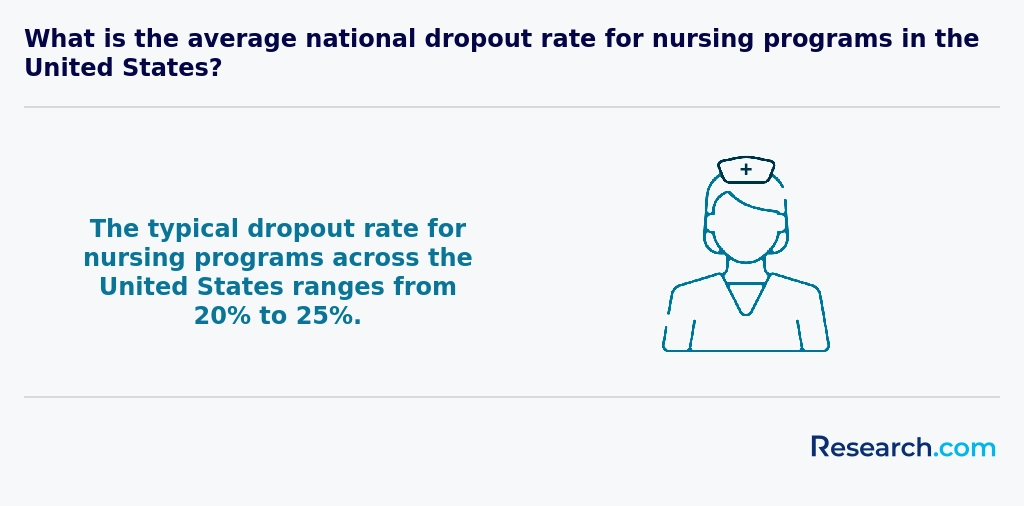
Accreditation assures that nursing programs in Omaha, NE meet rigorous standards of quality and are recognized by employers and licensing boards. Most reputable programs hold accreditation from the Commission on Collegiate Nursing Education (CCNE) or the Accreditation Commission for Education in Nursing (ACEN), ensuring curricula align with national benchmarks for clinical excellence. Additionally, graduates must satisfy requirements set by the Nebraska State Board of Nursing-completing approved coursework, clinical hours, and passing the NCLEX-RN exam-to obtain licensure. Prospective students should verify a program’s status on both the CCNE/ACEN websites and the Nebraska Board’s directory before applying. For those looking to further their credentials rapidly, exploring the quickest dnp program online can provide a streamlined pathway to advanced practice and leadership roles.
In Omaha, nursing degree programs thoughtfully combine rigorous science with hands-on clinical practice, shaping students who feel confident and prepared. Graduates from top local schools often recall how core courses like anatomy, physiology, and microbiology built their essential understanding of the human body, making complex concepts feel tangible when applied in clinical settings.
Students typically engage deeply with pharmaceutical studies, learning not just about medications but their real-world impacts on diverse patient populations across Omaha's hospitals and community clinics. Classes in health assessment and physical examination help students feel empowered performing detailed patient evaluations early in their training, bridging theory and practice seamlessly.
The blend of mental health, pediatric, medical-surgical, and obstetrics nursing courses ensures graduates can adapt to varied professional roles. Leadership and community health modules often inspire students from Omaha's nursing colleges to see themselves as future advocates and agents of change within local healthcare systems.
Nursing degree specializations in Omaha are thoughtfully designed to align with real-world demands and students' personal aspirations. Graduates from popular programs at local colleges often speak of the value they found in focusing on areas like Family Nurse Practitioner (FNP), which prepares them for comprehensive care roles that span all ages. This specialization reflects Omaha's diverse community needs and offers a fulfilling path for those passionate about preventative and continuous care.
Other students have shared rewarding experiences in Psychiatric-Mental Health Nursing, a specialization gaining prominence as mental health awareness grows. Omaha nursing programs with specialization options also include Pediatric Nursing, which prepares graduates to care for children, and Geriatric Nursing, addressing the aging population's unique concerns. These paths provide clarity and purpose by connecting classroom learning with clinical sites like Nebraska Medicine, reinforcing skills in meaningful ways.
For students exploring practical routes, transferring from RN to BSN programs enhances leadership and acute care expertise. Those interested in expanding their horizons might explore related options such as the best north carolina lpn programs for versatile nursing foundations. Choosing a specialization in Omaha offers a well-rounded, career-focused journey tailored to your ambitions.
Choosing the best nursing degree in Omaha means weighing practical factors that matter deeply in your daily life. Graduates from the University of Nebraska Medical Center often highlight how their BSN programs blend rigorous academics with real-world clinical experience-this combination really prepares you for leadership roles in nursing. Meanwhile, those who attended Metropolitan Community College appreciated the affordability and quicker path to becoming registered nurses, which eased their financial concerns while still providing solid training.
Many students find it crucial to select programs with accreditation from bodies like CCNE or ACEN, ensuring the education is recognized and equips them for the NCLEX exam. For those balancing work and family, flexibility in class schedules-offered at some Omaha schools-makes continuing education manageable. Exploring affordable nursing schools Omaha 2027 options means looking closely at tuition costs and financial aid; community colleges here often provide the best value.
Lastly, when considering your path, don't overlook the advantage of strong clinical partnerships with local hospitals, which enhance hands-on learning and job prospects. For advanced degrees, researching the quickest dnp program online may help you progress efficiently toward your goals.
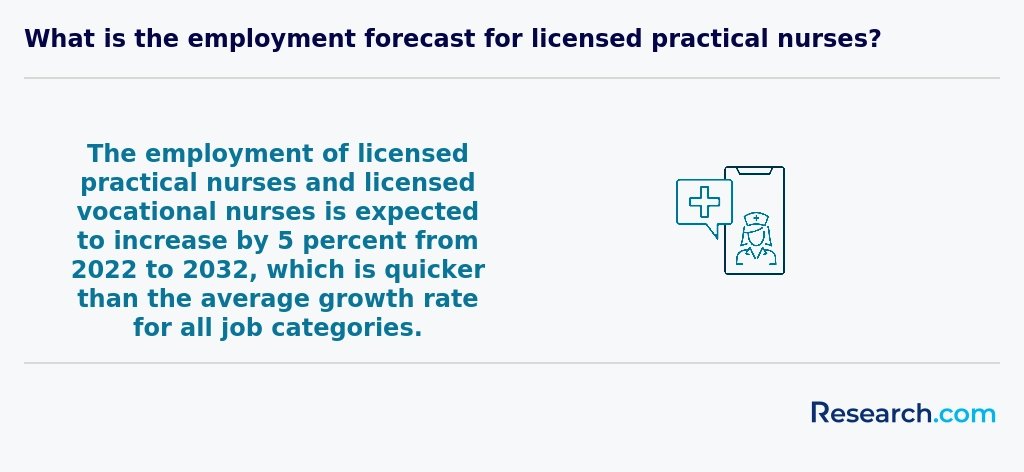
Graduates with a nursing degree in Omaha find a wide spectrum of career paths tailored to diverse interests and strengths. Many start as registered nurses within hospitals or outpatient clinics, gaining invaluable hands-on experience. Some choose to specialize in areas like critical care or pediatric nursing, where the fast-paced environment of Omaha's largest medical centers transforms learning into deeply rewarding patient care. Others pursue public health nursing, addressing community well-being in urban settings, which is especially fulfilling for those drawn to broader social impact. Graduates from popular programs such as the University of Nebraska Medical Center often reflect on how their clinical rotations opened doors to advanced roles like case management or nurse educator, blending leadership with direct care.
For anyone exploring healthcare jobs with nursing degree Omaha, pathways extend beyond bedside care. Many nurses advance towards roles like Nurse Practitioner or Nurse Anesthetist, finding fulfillment in expanded clinical authority. The financial journey varies, yet students appreciate that community colleges offer cost-effective ADN programs while local universities provide robust BSN degrees. Those seeking guidance on cost-effective study options often consult resources like the Affordable Online Nursing Degree Programs Ranking in Florida, finding inspiration in accessible education that aligns with their ambitions.
The nursing job outlook Omaha 2027 is notably positive, fueled by steady growth in healthcare demands and a strong local infrastructure. Graduates from popular institutions like the University of Nebraska Medical Center often share how quickly they secured positions within major hospital systems. These employers highly value the higher education credentials that many nursing students pursue, with a clear preference for BSN degrees over ADN, reflecting national trends. One graduate described feeling confident stepping into a role at CHI Health thanks to the combination of clinical experience and academic preparation.
Omaha nursing degree employment opportunities extend beyond hospitals to long-term care and outpatient clinics, where nurses with specialized skills in geriatric or chronic care find rewarding careers. Many students balance costs by exploring scholarships or employer tuition reimbursement, and some opt for quickest associate degree programs online to begin their careers swiftly. The local job market supports not only entry-level roles but also advancement into nurse practitioner and educator positions, making it an inspiring environment for career growth.
2027 Most Valuable Nursing Degree Programs Ranking in Omaha
Investing in your education is a significant decision that can profoundly impact your career and life, and the Research.com team recognizes the importance of providing reliable guidance. To support prospective students in Omaha, we have carefully developed the "2027 Most Valuable Nursing Degree Programs Ranking in Omaha." Our dedication to quality, credibility, and accuracy is demonstrated through thorough research and data analysis underpinning this ranking.
We utilized the following reputable data sources to ensure a comprehensive evaluation of nursing degree programs:
By examining this ranking, readers will gain valuable insights into the most worthwhile nursing programs in Omaha, empowering them to make well-informed educational choices. For further information about our ranking process, please visit our Research.com methodology page.


Frequently Asked Questions About nursing
Students pursuing nursing degrees in Omaha can maximize their learning experience by actively engaging in both classroom instruction and practical clinical training. Omaha hosts several accredited nursing programs, including those affiliated with institutions like the University of Nebraska Medical Center, which emphasizes hands-on experience. According to the Nebraska Center for Nursing Workforce, clinical practice is crucial for nursing competence and improves job readiness.
Networking with local health care providers and joining professional nursing organizations can further enhance learning and career opportunities. Additionally, students should take advantage of simulation labs and community health initiatives available in Omaha to build real-world skills.
The nursing field in Omaha is expanding into specialized niches that address evolving healthcare needs. One significant area is geriatric nursing, driven by Nebraska's growing senior population. According to the U.S. Census Bureau, by 2030, nearly 20% of Omaha's residents will be over 65, increasing demand for nurses trained in elderly care.
Another emerging niche is telehealth nursing, where professionals provide remote patient monitoring and virtual care, a trend accelerated by the COVID-19 pandemic. Omaha's healthcare providers are investing in telemedicine, creating new roles that combine clinical skills with technology.
Lastly, psychiatric-mental health nursing is gaining focus due to rising awareness of mental health issues, with Omaha's hospitals expanding related services. Prospective students should consider these specialties for future opportunities.
After completing a nursing degree in Omaha, preparing for the job market involves several key steps. First, obtaining licensure is essential; graduates must pass the National Council Licensure Examination (NCLEX-RN) to become registered nurses. According to the Nebraska Board of Nursing, Omaha-area passing rates consistently meet or exceed national averages.
Networking is crucial in Omaha's healthcare community. Prospective nurses are encouraged to attend local job fairs and join professional organizations such as the Nebraska Nurses Association. Employers in the region, including Nebraska Medicine and CHI Health, frequently recruit graduates through these channels.
Gaining clinical experience via internships or residencies can also enhance employment prospects. Additionally, developing specialized skills in areas like gerontology or pediatric nursing aligns with growth sectors in Omaha's healthcare industry.
Employers in Omaha prioritize several key skills when hiring nursing degree graduates. Strong clinical competence is essential, including proficiency in patient assessment, medication administration, and electronic health records. According to the Nebraska Center for Nursing, communication skills rank highly, as nurses must clearly convey information to patients and healthcare teams.
Critical thinking and problem-solving are also emphasized, enabling nurses to make quick, accurate decisions during emergencies. Additionally, cultural sensitivity is important in Omaha's diverse population, ensuring respectful and effective patient care. Time management skills help nurses manage heavy workloads efficiently. These skills collectively increase employability and success in Omaha's healthcare settings.
Finding nursing internships in Omaha involves leveraging local healthcare networks and educational partnerships. Omaha hosts major medical centers like Nebraska Medicine and CHI Health, which frequently offer internships aligned with nursing programs.
Students should begin by consulting their nursing school's career services or academic advisors, who often maintain contacts with local hospitals and clinics. The Nebraska State Board of Nursing also provides resources to verify internship eligibility and ensure placements meet clinical hour requirements.
Additionally, professional organizations such as the Nebraska Nurses Association can connect students with internship opportunities through networking events and job boards. According to the U.S. Bureau of Labor Statistics, Omaha's healthcare sector is growing, increasing internship availability.
A nursing degree significantly enhances career mobility and advancement opportunities in Omaha's healthcare sector. Registered nurses (RNs) with degrees have access to a wider range of positions, including leadership roles in hospitals, clinics, and public health organizations.
According to the Nebraska Center for Nursing, Omaha's nursing workforce demand is expected to grow by over 15% through 2030, driven by an aging population and healthcare expansion. Higher education credentials such as a Bachelor of Science in Nursing (BSN) are often preferred or required for advancement into specialized nursing roles and management.
Additionally, many Omaha healthcare employers support continued education, offering tuition assistance for nurses pursuing advanced degrees like a Master of Science in Nursing (MSN), which further increases earning potential and job stability. This creates a clear pathway for professional growth locally.
Studying for a nursing degree in Omaha equips students with essential skills to excel in interdisciplinary healthcare teams. Local nursing programs emphasize collaboration with professionals from fields such as social work, pharmacy, and medicine. This approach reflects the real-world environment of Nebraska's hospitals and clinics, where integrated care models are increasingly common.
Omaha's nursing education often includes clinical rotations in diverse settings, promoting adaptability and communication skills. According to the Nebraska Center for Nursing, graduates who understand interdisciplinary dynamics improve patient outcomes by 15% on average. This practical exposure prepares students to engage effectively with other healthcare experts, ensuring comprehensive patient care.
When deciding between a thesis and a non-thesis nursing degree program in Omaha, consider your career goals carefully. Thesis programs tend to focus on research, suitable for those aiming for roles in academia or clinical research. Non-thesis programs usually emphasize practical skills and clinical experience, ideal for nurses targeting advanced practice or administration positions.
Thesis programs require completing a substantial research project, often taking longer to finish. Non-thesis paths may offer more flexible schedules, which is beneficial for working professionals. According to the Nebraska Center for Nursing, Omaha reports a 15% annual growth in advanced nursing roles, highlighting the importance of aligning the program with your future plans.
Finally, check if your preferred Omaha institution has accreditation from the Commission on Collegiate Nursing Education (CCNE) or the Accreditation Commission for Education in Nursing (ACEN), ensuring program quality in both thesis and non-thesis options.
Students based in Omaha who wish to study nursing abroad have several pathways within the U.S. higher education framework. Many Nebraska institutions, including the University of Nebraska Medical Center (UNMC), offer study abroad opportunities through partnerships with global nursing programs. These programs allow students to gain international clinical experience while earning credits toward their degrees.
Omaha nursing students can also explore exchange programs facilitated by consortiums like the Global Education Office at the University of Nebraska-Lincoln, which supports placements in countries such as Ireland and Australia.
According to the American Association of Colleges of Nursing, participating in international nursing programs enhances cultural competence, a critical skill in diverse healthcare settings.
Financial aid options, such as federal student loans, may be available for approved study abroad programs, easing the cost burden.
Part-time job opportunities in Omaha that complement nursing degree education often include roles such as certified nursing assistants (CNAs), patient care technicians, and medical scribes. These positions provide practical experience in healthcare settings, aligning well with nursing coursework.
According to the Nebraska Department of Labor, healthcare support roles in Omaha are expected to grow by 15% over the next decade, making part-time work in this sector more accessible for students.
Working in local hospitals like Nebraska Medicine or CHI Health allows nursing students to develop clinical skills while balancing their studies.
Additionally, roles in home health care or rehabilitation centers offer exposure to patient interaction and care management.
Nursing students in Omaha have access to a variety of valuable networking opportunities essential for career growth. Local organizations such as the Nebraska Nurses Association offer student memberships, providing access to conferences, workshops, and mentorship programs. These events allow students to connect with practicing nurses and health care leaders in the Omaha metro area.
Additionally, Omaha is home to several major hospitals including CHI Health and Nebraska Medicine, where students often participate in clinical rotations and internships. These placements frequently lead to professional contacts and potential employment.
Colleges in Omaha also host nursing clubs and simulation labs where collaboration and peer networking take place.
Alumni networks play a crucial role for nursing degree students in Omaha by providing access to professional connections and job opportunities. Many nursing programs in the area, such as those affiliated with the University of Nebraska Medical Center, offer active alumni groups that facilitate mentoring and career guidance. According to the Nebraska Nurses Association, graduates with strong alumni ties have a 20% higher job placement rate within six months of graduation.
These networks also offer continuing education events and workshops, helping students stay updated with evolving nursing practices. Being part of an alumni community allows students to build relationships with experienced nurses working in Omaha hospitals and clinics, enhancing their practical knowledge and employability.
Customizing a nursing degree program in Omaha allows students to align their education with specific career goals. Many local institutions offer flexible degree tracks such as associate, bachelor's, and bridge programs to accommodate different entry points and ambitions.
Students can choose electives or specializations like pediatric nursing, gerontology, or informatics to deepen expertise in focused areas. Omaha's proximity to major medical centers, including Nebraska Medicine, offers clinical experiences that support hands-on learning aligned with intended nursing fields.
Additionally, some programs provide opportunities for online coursework, part-time study, or accelerated formats, enabling working professionals to balance education with employment.
The Nebraska Department of Labor reports strong demand for specialized nurses in Omaha, reinforcing the advantage of tailoring studies to meet regional healthcare needs.
Nursing students in Omaha commonly face challenges related to balancing demanding clinical hours with academic coursework. Clinical placements often require travel to various healthcare facilities, which can be time-consuming and stressful. According to the Nebraska Center for Nursing, the state has a growing need for qualified nurses, leading to competitive admission processes and limited seat availability in local programs.
Students also report financial strain due to tuition costs and the need for supplies and licensing exam fees. Additionally, adapting to fast-paced clinical environments presents emotional challenges for many, as they manage patient care responsibilities alongside studies. Support services at Omaha institutions aim to mitigate these pressures but gaps remain.
Nursing graduates in Omaha have access to various professional certifications that can enhance their careers. Common certifications include the Registered Nurse (RN) license, which is mandatory for practicing nursing in Nebraska. Beyond the RN license, nurses can pursue certifications like Certified Nurse Practitioner (CNP), Critical Care Registered Nurse (CCRN), and Certified Pediatric Nurse (CPN).
These credentials often require passing national exams through organizations such as the American Nurses Credentialing Center (ANCC) or the American Association of Critical-Care Nurses (AACN). Obtaining certifications can increase job prospects and salary potential within Omaha's healthcare industry, which employs over 10,000 nurses, according to the Nebraska Department of Labor (2023).
To write a winning application for a nursing program in Omaha, start by carefully reviewing the specific requirements of your chosen schools, such as the University of Nebraska Medical Center or Metropolitan Community College. Most programs look for strong academic records, including a competitive GPA often above 3.0 in prerequisite courses, especially biology and chemistry. Highlight any healthcare experience, such as volunteering or work as a nursing assistant, to demonstrate commitment and practical knowledge.
Craft a clear, focused personal statement explaining your motivation for nursing and how you plan to contribute to Omaha's healthcare community. Letters of recommendation from professors or healthcare professionals add credibility. Lastly, ensure your application is error-free and submitted by deadlines, typically several months before the start of the semester, to maximize your chances.
The nursing profession is recognized globally as a vital healthcare pillar, with growing demand driven by aging populations and chronic diseases. In the United States, particularly in Omaha, Nebraska, nurses are highly valued, reflecting a broader international trend where nursing offers stable, respected career opportunities.
Globally, nursing roles vary but consistently emphasize patient care, health promotion, and community well-being. The U.S. Bureau of Labor Statistics projects a 9% growth in nursing jobs nationally from 2022 to 2032, which is similar to many developed countries.
Omaha's healthcare facilities, including the Nebraska Medical Center, provide advanced clinical environments, aligning local training with global standards. According to the Nebraska Center for Nursing, Nebraska expects a 15% increase in RNs by 2030, supporting the regional workforce with global relevance.
Gaining practical experience while studying for a nursing degree in Omaha is essential for building clinical skills. Many local nursing programs include clinical rotations, allowing students to work in hospitals and healthcare facilities throughout the metro area. Institutions typically partner with major Omaha health centers such as Nebraska Medical Center and CHI Health, providing real-world patient care environments.
Students can also pursue internships or externships, which often count toward program requirements. According to the Nebraska Center for Nursing, nearly 80% of nursing students in the state complete clinical experiences before graduation. These hands-on opportunities prepare students for licensing exams and future employment in Omaha's growing healthcare sector.
Choosing the right concentration within a nursing degree program in Omaha involves considering your career goals and the local healthcare needs. Omaha's healthcare sector, including major employers like Nebraska Medical Center, emphasizes areas such as gerontology, pediatrics, and critical care.
Look at concentrations that align with these demands to improve job prospects. According to the Nebraska Department of Labor, registered nurse openings in Omaha grew by 12% from 2019 to 2023, with specialties in critical care and family health in high demand.
Evaluate program specifics like clinical hours, faculty expertise, and partnerships with hospitals to ensure practical experience. Additionally, consider licenses and certifications required in Nebraska to match your chosen specialty.
- 2027 Most Valuable Nursing Degree Programs Ranking in Lincoln
- 2027 Most Valuable Nursing Degree Programs Ranking in Sioux City
- 2027 Most Valuable Nursing Degree Programs Ranking in Kansas City
- 2027 Most Valuable Nursing Degree Programs Ranking in Minneapolis
- 2027 Most Valuable Nursing Degree Programs Ranking in Saint Paul
- 2027 Most Valuable Nursing Degree Programs Ranking in Peoria
- 2027 Most Valuable Nursing Degree Programs Ranking in Saint Louis
- 2027 Most Valuable Nursing Degree Programs Ranking in Milwaukee
- 2027 Most Valuable Nursing Degree Programs Ranking in Chicago
- 2027 Most Valuable Nursing Degree Programs Ranking in Denver
See What Experts Have To Say About Studying Nursing
Read our interview with Nursing experts


- Do I Have to Write a Thesis to Complete a Master’s Degree in Nursing? https://www.bestmasterofscienceinnursing.com/faq/write-thesis-complete-masters-degree-nursing/
- Know more about thesis vs non- thesis: what is the difference? https://studyfans.com/en/blogs/816
- How to Choose the Right Nursing Program for Your Career Goals - Maria College https://mariacollege.edu/blog/how-to-choose-the-right-nursing-program-for-your-career-goals
- Nursing Jobs at Methodist Health System https://bestcare.org/jobs/nursing
- Nursing - SUM Admission https://admission.sum.edu.pl/nursing/
- Nursing - WSEI University https://www.wsei.pl/en/admission/bachelors-degree/nursing-bachelor-degree/
- What Are the Best RN Certifications for Your Career? https://credenzahealth.com/career-advice/what-are-the-best-rn-certifications-for-your-career
- Essential Tips for Nursing Students to Advance Their Careers https://almanaltraining.com/essential-tips-for-nursing-students-to-advance-their-careers/
- Nursing Study Abroad Programs | Go Overseas https://www.gooverseas.com/study-abroad/nursing
- Effective clinical learning for nursing students https://www.myamericannurse.com/effective-clinical-learning-for-nursing-students/


