
2027 Most Popular Nursing Degree Programs Ranking in the USA Territories

Co-Founder and Chief Data Scientist
Exploring nursing programs in the USA Territories can be overwhelming, but choosing the right path is key to a rewarding career. This article presents the 2027 most popular nursing degree programs ranking in the USA Territories, carefully created by the Research.com team of data scientists. It's designed to help you make an informed choice about which programs truly stand out.
Reading this ranking will give you clarity and confidence as you consider your future in healthcare. A nursing degree offers meaningful work and the chance to make a real difference in your community.
Key benefits of getting nursing degree in the USA Territories
Graduates with a nursing degree in the USA Territories can expect strong earning potential, with Registered Nurses earning a mean annual wage of $94,480 and Operating Room Nurses making up to $128,490 per year. Career paths are diverse, ranging from Public Health Nurse to Emergency Room Nurse, offering exciting opportunities for growth and specialization influenced by alumni from the University of Puerto Rico. Online nursing degrees, such as those offered by American Public University, provide flexible schedules and allow students to balance work and study, making it easier to achieve your goals without sacrificing personal commitments.
- 2027 Most Popular Nursing Degree Programs Ranking in the USA Territories
- What can I expect from nursing degree in the USA Territories?
- Where can I work with nursing degree in the USA Territories?
What can I expect from nursing degree in the USA Territories?
The average cost of a nursing degree in the USA Territories varies, but public institutions generally offer affordable tuition compared to private colleges. For example, nursing students at the University of Puerto Rico often find tuition rates manageable, allowing them to focus on clinical practice and coursework without overwhelming debt. Graduates frequently share how budgeting for programs like their BSN was pivotal in planning their education and career early on.
In Guam and the U.S. Virgin Islands, students attending schools such as Guam Community College or the University of the Virgin Islands report similar affordability in associate and bachelor's nursing programs. These institutions typically provide scholarships or financial aid tailored to local residents, helping ease costs further. Planning with available financial resources and understanding these local supports can make a significant difference.
Keep in mind, tuition can vary depending on full-time versus part-time enrollment and whether you're attending a public or private institution. Many graduates emphasize the value of investing in accredited programs that prepare them thoroughly for the NCLEX-RN exam, enabling professional mobility within the territories and the mainland U.S.
Where can I work with nursing degree in the USA Territories?
Graduates from nursing programs at well-known institutions like the University of Puerto Rico or Guam Community College find diverse job opportunities locally. Most start their careers in hospitals, outpatient clinics, or long-term care facilities, where they quickly apply their hands-on training in busy, community-centered environments. For example, Puerto Rico's extensive hospital network, with over 40 hospitals, offers multiple entry points to build practical skills alongside experienced nurses.
Many graduates also contribute to government healthcare programs, especially in underserved areas. Nurses in Guam often work in public health departments supporting preventive care and chronic disease management, directly impacting community wellness. In the U.S. Virgin Islands, nurses are vital in emergency preparedness, gaining rewarding experience managing disaster response scenarios.
Because nursing graduates from these territories are eligible for the NCLEX exam, they enjoy flexibility to work anywhere in the U.S. They often choose roles in growing sectors like geriatric nursing or rehabilitation centers. In smaller territories such as American Samoa and the Northern Mariana Islands, graduates proudly serve in primary hospitals and community health centers, making meaningful differences every day.
Graduates with nursing degrees from institutions like the University of Puerto Rico or Guam Community College can expect starting salaries generally below the U.S. national average but still offering meaningful opportunities. Registered Nurses typically earn around $36,000 to $55,000 annually depending on the territory, reflecting economic differences. For example, an RN in Puerto Rico may start around $36,000, while in Guam or the U.S. Virgin Islands, salaries can range closer to $48,000 or higher.
More specialized nursing roles tied to the degree, such as Clinical Nurse Educators or Public Health Nurses, align with U.S. average wages, with mean annual salaries near $94,480. This shows that advancing qualifications and certifications can bridge local wage gaps.
Emergency Room Nurses in these territories also benefit from these averages, earning roughly $94,480 annually, while Operating Room Nurses earn significantly more, with mean salaries reaching about $128,490. These figures demonstrate the financial upside of pursuing specialized nursing paths after graduation.
Graduates often find that combining local experience with advanced degrees helps unlock higher salaries and more rewarding healthcare roles in their communities.
- Nursing degrees in USA Territories like Puerto Rico and Guam are accredited to the same standards as mainland programs, allowing graduates to work nationwide.
- Tuition for Associate Degree in Nursing (ADN) programs ranges from $2,500 to $4,000 annually, while Bachelor of Science in Nursing (BSN) programs cost between $5,000 and $7,000 per year.
- Starting salaries for registered nurses in these territories typically range from $35,000 to $45,000, with experienced nurses earning up to around $50,000 annually.
- Nursing salaries in the territories are generally 10-20% lower than the U.S. national average due to local economic factors.
- The job market is stable but can be competitive in smaller territories, with many healthcare jobs in public sector facilities.
Completing a nursing degree in the USA Territories varies by program but follows a clear timeline. For those pursuing an LPN certification, expect about 12 to 18 months at community colleges or technical schools in places like Puerto Rico or Guam. Graduates find this path rewarding because it quickly opens doors to practical nursing roles after passing the NCLEX-PN exam.
If you're aiming for an Associate Degree in Nursing (ADN), prepare for around two years of study. Many students at colleges in the U.S. Virgin Islands and American Samoa appreciate the mix of classroom learning and clinical experience that thoroughly prepares them for the NCLEX-RN exam and registered nurse positions.
For a Bachelor of Science in Nursing (BSN), a full-time student at schools such as the University of Puerto Rico can expect a four-year commitment. Graduates confidently share how strong university partnerships with local hospitals provide excellent hands-on training, accelerating their readiness for nursing careers.
Working nurses often choose accelerated RN-to-BSN programs, taking 1 to 2 years depending on prior education. This flexibility lets them advance quickly without pausing their careers, a popular approach in the territories where balancing work and study is key.
- 9–12 months before enrollment: research accredited programs; compare admission requirements at leading institutions and the easiest nursing schools to get into
- 6–9 months prior: complete or schedule prerequisite courses (biology, chemistry, anatomy) and any required entrance exams
- 4–6 months prior: gather official transcripts, submit FAFSA and scholarship applications, secure letters of recommendation
- 2–3 months prior: finalize background checks, drug screenings, immunization records, and CPR certification
- 1 month prior: confirm enrollment, attend orientation sessions, arrange clinical housing and transportation
On-campus nursing degrees in the USA Territories, such as those offered at universities in Puerto Rico or Guam, emphasize hands-on learning. Graduates often recall gaining confidence through direct interactions in hospital labs and local clinics, where instructors supervise clinical skills closely. This approach suits students eager for immersive, community-based training, making it easier to build professional networks and access campus resources.
Online nursing programs, by contrast, provide flexible schedules with most coursework done remotely. Graduates juggling work or family responsibilities appreciate completing theory classes on their time while arranging required clinical hours locally. However, finding appropriate clinical placements in less populated areas can be a challenge, requiring proactive planning and communication with local health providers.
In both routes, students must meet accreditation standards to qualify for licensure exams, and many share that choosing based on lifestyle and learning preferences leads to greater success. For example, those at the University of Puerto Rico's nursing program value the structured environment, while students in Guam's online programs highlight flexibility as their key benefit.
The average nursing degree cost USA territories can vary significantly depending on residency status and the institution chosen. For example, nursing students attending public universities in Puerto Rico often pay a median in-state total cost near $7,050, while out-of-state students typically face around $17,450 for the entire program. These figures make nursing education in the territories notably more affordable than many mainland options, where tuition can exceed $15,000 annually.
Graduates from nursing programs in Puerto Rico or Guam frequently mention how the lower tuition combined with practical clinical opportunities in local hospitals contributed to a manageable financial experience. Despite these benefits, it's critical to plan for additional expenses such as uniforms, certification exam fees, and textbooks which can add several thousand dollars over time. Students advise budgeting carefully for these to avoid surprises during the study period.
Living costs are another important factor. For instance, those studying in Guam report slightly higher housing and transportation costs due to regional import prices, while students in the U.S. Virgin Islands find community support helps reduce some daily expenses. Approaching these realities with a clear financial plan aligns well with total cost nursing programs 2027 USA expectations and supports long-term academic success.
Financial aid and scholarships available through local colleges and federal programs significantly ease the budget. Prospective students exploring nursing in the U.S. Territories are encouraged to connect with their institution's financial aid office early. Considering alternatives like attending popular nursing schools known for affordable rates and strong clinical placement options can make training more feasible and enjoyable.
For seniors considering a nursing career shift, some find it helpful to explore top online college courses for seniors that complement local studies, offering flexibility and cost savings while maintaining strong program quality.

RN-to-BSN bridge programs allow licensed nurses with an ADN or diploma to earn a bachelor’s degree without repeating core coursework. In the USA Territories, these programs often offer:
- Flexible online coursework that fits around shift schedules.
- Accelerated timelines, generally 12–18 months for full-time students.
- Credit transfer for prior ADN coursework and clinical experience.
For those seeking no additional clinical hours, consider our guide to rn to bsn no clinicals to identify top programs that focus on theory and leadership.
When pursuing a nursing degree in the USA Territories, start by completing the FAFSA to access federal aid such as Pell Grants, federal student loans, and work-study opportunities. For example, a nursing student at the University of Puerto Rico found that a Pell Grant covering up to $7,395 significantly eased financial pressure during their first year.
Next, explore territory-specific programs. Puerto Rico offers targeted scholarships and tuition assistance through the Higher Education Council, which many students have credited for making their education affordable. Similarly, nursing students at Guam Community College often tap into local grants aimed at boosting healthcare professionals in the region.
Private scholarships focused on service commitments are also valuable. Graduates who joined the National Health Service Corps appreciated debt repayment options in exchange for working in underserved Territorial communities-a practical way to reduce loans.
Finally, don't overlook institutional aid. Many nursing programs on the Islands provide merit-based awards for academic achievement or leadership, so contact your chosen college's financial aid office early to maximize scholarship chances.
After earning your nursing degree in the USA Territories, you must complete a formal licensure process before practicing. Follow these key steps to secure your RN license efficiently:
- Submit official transcripts and application to your territory’s Board of Nursing, including required fees
- Register with Pearson VUE and schedule your NCLEX-RN exam once your eligibility is confirmed
- Complete background checks, drug screenings, and fingerprinting as mandated by local regulations
- Pass the NCLEX-RN to demonstrate safe and competent nursing practice
- Apply for your permanent license through the Board of Nursing, providing proof of exam passage and all supporting documents
Many RNs later advance their qualifications through bridge programs such as rn to bsn no clinicals to expand career opportunities.
To enroll in a nursing degree program in the USA Territories, you need a high school diploma or GED as your first step. Graduates from universities in Puerto Rico and Guam often say this foundational credential is non-negotiable. Next, ensure you've completed key prerequisite courses like biology, chemistry, anatomy, and math. These form the academic backbone, helping ease your transition into challenging nursing classes.
Most territorial nursing schools require passing an entrance exam, such as the TEAS, which tests your basic skills in math, reading, and science. Many students share how preparing for this exam boosted their confidence and clarified what to expect in the program.
A minimum GPA of around 2.5 to 3.0 is typically needed, with some colleges prioritizing science and math grades. Healthcare exposure, such as volunteering in local clinics, is highly recommended-graduates often credit such experience for their smooth adjustment to clinical rotations.
In bilingual regions like Puerto Rico, you might also need to prove English proficiency, for example by submitting TOEFL scores if English isn't your first language. This requirement ensures you can fully engage in coursework delivered primarily in English.
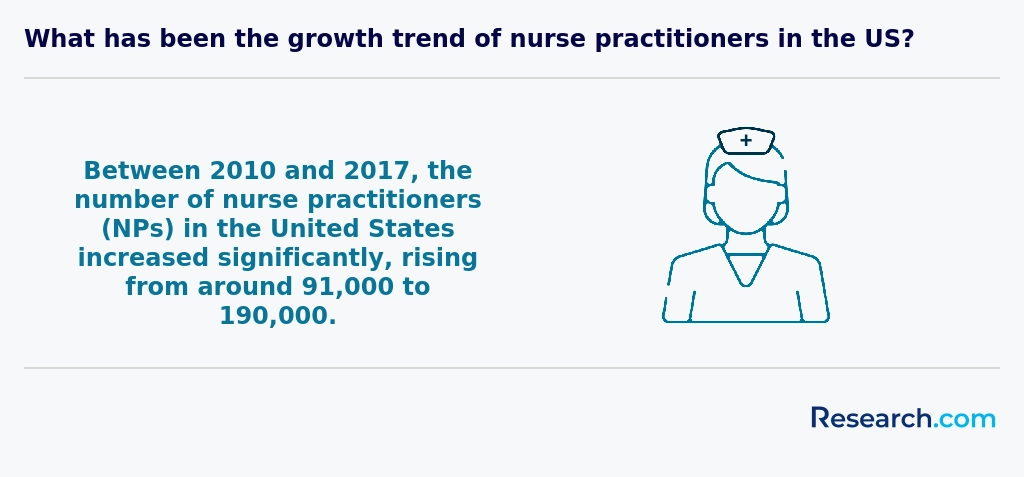
Nursing degree programs in the USA Territories, such as those at the University of Puerto Rico or the University of Guam, mix core science courses with specialized nursing training. Graduates often share how anatomy, physiology, and microbiology laid a solid foundation, helping them understand body functions crucial for patient care.
Alongside these, courses like pharmacology and pathophysiology provide practical insights on managing medications and understanding diseases. Students appreciate learning both adult and pediatric nursing, preparing them to confidently care for patients of all ages in hospitals or community clinics they might encounter locally.
Many graduates highlight mental health nursing and community health courses as especially relevant, given the diverse populations in the Territories. These classes help future nurses meet physical and psychological needs while promoting preventive care in areas like Puerto Rico.
Hands-on clinical rotations often occur in nearby hospitals or public health centers, reinforcing skills learned in class. This real-world practice, common in programs at popular Territory colleges, builds confidence and readiness for real healthcare challenges residents face daily.
Students pursuing nursing degree specializations in USA Territories often focus on practical fields like pediatric nursing, geriatric nursing, and community health nursing, all tailored to local demographic needs. Graduates from popular institutions such as the University of Puerto Rico frequently describe pediatric nursing as rewarding, given the younger populations they serve, which makes this specialization both relevant and fulfilling.
Geriatric nursing is another specialization gaining importance, especially in territories with aging populations. Graduates recall applying their skills in real-world settings, managing chronic diseases and elder care, which greatly benefits the growth regions like Puerto Rico. Community and public health nursing offers graduates an opportunity to actively engage with underserved populations, boosting healthcare access and education in areas where resources are limited.
Other specializations like midwifery, psychiatric/mental health nursing, and emergency nursing are available but depend on the institution. For those serious about advancing their careers, programs that include nurse practitioner tracks expand practical opportunities and salary potential. Students interested in affordable, accessible options may also explore cheap online doctoral programs to complement their specialization in the best nursing programs with specializations USA Territories offers.
Start by confirming the nursing program's accreditation, ideally from CCNE or ACEN, to ensure it meets national standards and allows you to take the NCLEX-RN exam. Graduates from popular nursing schools in Puerto Rico often share that accreditation gave them confidence in their degree's validity and career mobility. Affordability matters too; many students appreciate that nursing degree costs in USA territories are generally lower than on the mainland. For instance, public universities in Puerto Rico offer tuition under $2,000 annually, which helps reduce debt while focusing on hands-on learning.
Next, consider the program length and flexibility. Some students choose Associate Degree in Nursing (ADN) for quicker entry into the workforce, while others aim for Bachelor of Science in Nursing (BSN) to access higher-level roles. Many territories also provide RN-to-BSN bridge options, supporting nurses who want advanced skills without restarting entirely.
Finally, evaluate clinical experience opportunities and faculty support. Nursing students in Guam commend local institutions for strong ties with hospitals, enhancing real-world training. Check NCLEX-RN pass rates and available financial aid. To explore all options thoroughly, review resources like the nationally accredited university listings and local university websites.
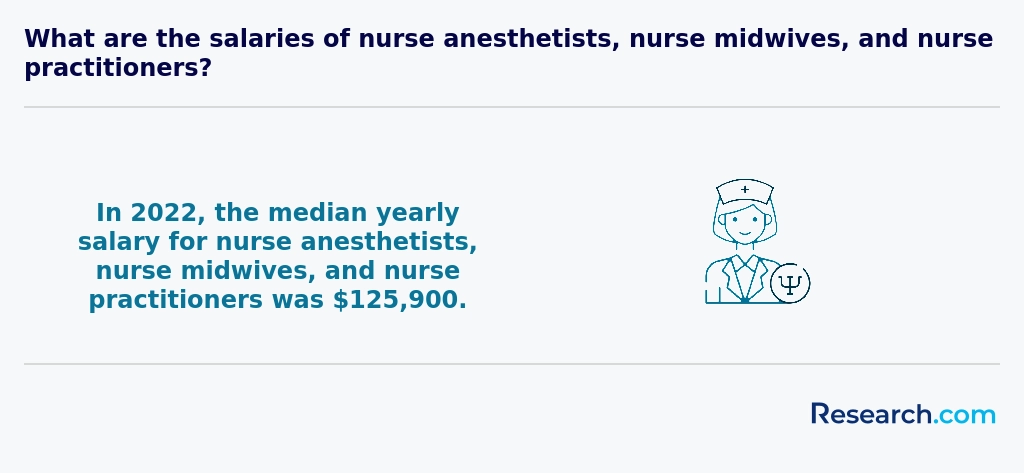
Graduates with a nursing degree in the USA Territories find diverse career paths suited to local healthcare demands. Many begin as registered nurses in hospitals or community clinics across Puerto Rico, Guam, and the U.S. Virgin Islands, gaining hands-on experience that builds confidence and practical skills. Those interested in specific populations often pursue specialties like pediatric, geriatric, or critical care nursing, serving age-specific patients in regional healthcare centers deeply embedded in their communities.
Advanced degrees open doors to roles such as nurse practitioners or nurse educators, key positions in territories where healthcare access is limited. For example, nurse practitioners frequently act as primary care providers in underserved areas, making a direct impact on community health. Nursing graduates from institutions like the University of Puerto Rico often highlight the affordable tuition and strong local job prospects that make these roles attainable.
Exploring nursing career opportunities in USA Territories also includes public health nursing or school nursing, allowing graduates to influence health education and prevention programs. Many students considering these paths research the easiest nursing schools to get into locally to start rapidly in this rewarding field.
Graduates with nursing degrees from the USA Territories face a nursing job market shaped by local healthcare demands and limited but stable job opportunities. For example, nursing students from the University of Puerto Rico often find rewarding roles managing chronic illnesses in an aging population, reflecting the strong need for skilled nurses in this territory. Those who complete Bachelor of Science in Nursing programs at public universities benefit from lower tuition costs and generally enjoy better employment prospects and higher salaries than those with Associate Degrees in Nursing (ADN).
Healthcare employment outlook in USA Territories like Guam and the U.S. Virgin Islands is bolstered by federal funding and military medical facilities, providing graduates with entry-level positions that often include housing allowances. While geographic isolation in places such as American Samoa can pose challenges, nursing graduates frequently secure consistent community health nursing jobs, offering both stability and meaningful impact.
Graduates looking to boost their credentials often pursue specialty certifications or continuing education, which enhances career growth. For those interested in advancing with minimal clinical hours, exploring rn to bsn no clinicals programs can be a practical step to expanding job opportunities across the territories.
2027 Most Popular Nursing Degree Programs Ranking in the USA Territories
Investing in your education is a significant decision that demands careful consideration, and the Research.com team is committed to helping you make well-informed choices. To support students in the USA Territories, we have developed the "2027 Most Popular Nursing Degree Programs Ranking in the USA Territories" with a focus on quality, credibility, and accuracy. Our comprehensive approach involved extensive research and rigorous analysis to provide a dependable guide for prospective nursing students.
We utilized the following reputable data sources to ensure a thorough evaluation of nursing programs:
By consulting this ranking, readers will gain valuable insights to confidently choose nursing programs that best fit their goals. For a detailed explanation of how the ranking was created, please visit our Research.com methodology page.


# 3 position
Pontifical Catholic University of Puerto Rico-Ponce
Bachelor of Science in Nursing


# 17 position
EDP University of Puerto Rico Inc-San Juan
Bachelor of Science in Nursing


Frequently Asked Questions About nursing
Nursing degree students in the USA Territories can enhance their education by actively engaging in clinical practice opportunities. Hands-on experience in facilities across Guam, Puerto Rico, and the U.S. Virgin Islands is essential to understand local healthcare challenges. According to the National Council of State Boards of Nursing, clinical hours are a critical factor in licensing readiness. Students should also seek programs accredited by the Commission on Collegiate Nursing Education to ensure quality education.
Utilizing online resources and virtual simulations can supplement in-person learning, especially where access to specialized instructors is limited. Joining professional nursing organizations available in the territories can provide networking and mentorship avenues, improving chances for career advancement.
Emerging niches within the nursing field reflect the evolving healthcare needs across the USA Territories. One growing area is gerontology nursing, driven by an aging population requiring specialized care. According to the U.S. Census Bureau, the proportion of seniors in territories like Puerto Rico is increasing rapidly, creating demand for nurses skilled in elderly care.
Another niche gaining attention is telehealth nursing. The COVID-19 pandemic accelerated telemedicine adoption, allowing nurses to provide remote patient monitoring and support, particularly valuable in geographically dispersed territories such as Guam and the Northern Mariana Islands.
Additionally, mental health nursing is expanding due to rising awareness and increased funding for behavioral health services. The Substance Abuse and Mental Health Services Administration highlights this as a priority for underserved areas in the territories.
After completing a nursing degree in the USA Territories, preparing for the job market involves several key steps. First, graduates must obtain licensure by passing the National Council Licensure Examination (NCLEX-RN), which is required to practice as a registered nurse in all U.S. jurisdictions, including territories like Puerto Rico and Guam.
Networking is also crucial; joining local nursing associations or attending job fairs can connect new nurses with employers. According to the U.S. Bureau of Labor Statistics, nursing jobs in territories are projected to grow steadily, driven by healthcare needs and an aging population.
Additionally, gaining experience through internships or clinical rotations during the degree program significantly improves job prospects.
Employers in the USA Territories prioritize several key skills when hiring nursing degree graduates. Clinical competence is essential; graduates must demonstrate strong knowledge of patient care and medical procedures, as outlined by the National Council Licensure Examination (NCLEX) standards. Communication skills are vital for collaborating with healthcare teams and interacting with diverse patient populations. Cultural sensitivity is particularly important in the Territories due to their unique demographic makeup. Critical thinking and adaptability are also highly valued, enabling nurses to respond effectively to emergency situations and changing healthcare environments. According to the U.S. Bureau of Labor Statistics, these skills improve job prospects across the Territories' healthcare facilities.
Finding nursing internships in the USA Territories involves exploring opportunities through local hospitals, clinics, and community health centers. Many nursing programs partner with healthcare providers on islands like Puerto Rico, Guam, and the U.S. Virgin Islands to offer clinical rotations and internships. Students should contact their nursing schools' career services for guidance and access to established partnerships.
According to the Puerto Rico Board of Nursing, clinical experience in local facilities is a requirement for licensure, making internships essential. Additionally, online platforms such as Handshake and local health department websites may list internship openings. Networking with nursing faculty can also help secure positions in these often limited but vital placements.
Obtaining a nursing degree in the USA Territories significantly enhances career mobility and advancement opportunities. The degree provides essential licensure eligibility recognized across all territories, such as Puerto Rico, Guam, and the U.S. Virgin Islands, allowing nurses to apply their skills regionally. According to the National Council of State Boards of Nursing, registered nurses with formal degrees tend to experience higher job retention and promotion rates.
Additionally, a nursing degree supports access to advanced roles like nurse practitioner or nurse educator, which are expanding in the territories due to increasing healthcare demands. Data from the U.S. Bureau of Labor Statistics highlights a projected 15% growth in nursing-related jobs in these regions through 2030. This growth creates more avenues for degree holders to move into leadership positions.
Many healthcare employers in the territories also prefer or require degrees for salary advancement and specialized training. Therefore, holding a degree strengthens both employment security and earning potential within the local healthcare system.
Studying for a nursing degree in the USA Territories equips students with skills essential for interdisciplinary healthcare roles. Programs emphasize collaboration among nurses, physicians, social workers, and allied health professionals to improve patient outcomes. In territories like Puerto Rico and Guam, curricula integrate cultural competence and community health, reflecting local population needs and healthcare disparities. According to the U.S. Bureau of Labor Statistics, nursing professionals in these regions often work in diverse teams addressing complex health issues such as chronic disease and infectious outbreaks. This hands-on experience prepares graduates to navigate and lead in multidisciplinary healthcare environments effectively.
When choosing between a thesis and a non-thesis nursing degree program in the USA Territories, understand the key differences first. A thesis program requires conducting original research and writing a detailed scholarly document. This option suits students aiming for advanced clinical roles, research careers, or eventual doctoral studies. Non-thesis programs focus more on practical skills, often including additional coursework or clinical hours instead of a research project.
In the USA Territories, available nursing programs vary, but research shows that approximately 40% of master's nursing students prefer non-thesis pathways for faster completion and clinical focus (National Council of State Boards of Nursing, 2023). Choose based on career goals, time commitment, and your interest in research. Consulting academic advisors familiar with territorial program specifics helps ensure the best fit.
Students based in the USA Territories seeking to study nursing abroad often consider accredited programs within the United States mainland or approved international institutions. Since many territories have limited local options for nursing education, enrolling in mainland U.S. programs offers recognized degrees and eligibility for the NCLEX-RN licensing exam. For example, Puerto Rico boasts several nursing schools, but others like Guam or the U.S. Virgin Islands may require students to enroll elsewhere to access advanced nursing programs.
Federal financial aid, including Pell Grants, is generally available to eligible students studying nursing at accredited institutions in any U.S. jurisdiction, which can support studying abroad within the U.S.
According to the National Council of State Boards of Nursing, students from territories must ensure their program meets the entry requirements for licensure where they intend to practice. Many students choose programs in states with strong nursing job markets for better employment opportunities post-graduation.
Students pursuing nursing degrees in the USA Territories can benefit from various part-time job opportunities that complement their education. Positions such as medical assistants, nursing aides, and pharmacy technicians offer practical experience aligned with nursing coursework. These roles help develop patient care skills and clinical knowledge while accommodating academic schedules.
The U.S. Bureau of Labor Statistics highlights steady demand for healthcare support roles in territories like Puerto Rico and Guam, with growth estimated near 7% through 2030. Working part-time in community health centers or hospitals located within these territories provides exposure to diverse populations and health issues.
Additionally, volunteering as a health educator or emergency response team member can enhance communication skills vital in nursing practice. These jobs often provide flexible hours suitable for students balancing study and work.
Nursing students in the USA Territories have several valuable networking opportunities that enhance their educational experience. Local nursing schools often collaborate with regional hospitals and health centers, providing students access to clinical rotations and mentorship programs. For example, the Guam Community College School of Health, assisting many students annually, facilitates connections with healthcare providers across the island.
Professional organizations such as the Guam Nurses Association and Puerto Rico's Colegio de Enfermeros de Puerto Rico offer members opportunities to attend conferences, workshops, and seminars. These events allow students to meet experienced nurses and healthcare administrators.
Additionally, virtual networks and partnerships with mainland institutions broaden access to resources, research, and career advice. According to the National Council of State Boards of Nursing, participation in such networks can improve licensure success and employment prospects.
Alumni networks play a vital role in supporting nursing degree students in the USA Territories by providing access to professional connections and mentorship. These networks connect current students with graduates who have firsthand experience navigating the region's healthcare system. According to the National Council of State Boards of Nursing, mentorship significantly improves licensing exam pass rates, which benefits students in territories like Puerto Rico and Guam.
Networking through alumni groups often leads to job opportunities and internships in local hospitals and clinics. For nursing students facing unique challenges due to geographic isolation, these connections can be crucial for career development and staying informed about regional healthcare trends.
Customizing a nursing degree program in the USA Territories allows students to align their education with specific career goals. Many institutions offer elective courses and clinical rotations tailored to specialties such as pediatrics, geriatrics, or community health. This flexibility helps students build relevant skills and experiences.
For example, students in Puerto Rico can choose programs accredited by the Accreditation Commission for Education in Nursing (ACEN), ensuring quality and recognition across the U.S. territories. According to the National Council of State Boards of Nursing, over 70% of nursing programs in the territories provide options for practical experience in local healthcare settings.
Additionally, some schools collaborate with hospitals and clinics to support internships that reflect regional health concerns, helping students focus on areas like tropical medicine or bilingual patient care. This approach equips graduates for both local employment and wider U.S. healthcare markets.
Nursing students in the USA Territories face several unique challenges. Limited access to accredited nursing programs is a major issue, as many territories have fewer colleges offering nursing degrees compared to the mainland. This restricts options and increases competition for admission.
Financial barriers also impact many students. The cost of education combined with a lower average household income in territories like Puerto Rico and Guam can make affordability difficult. According to the National Center for Education Statistics, these factors lead to higher dropout rates.
Additionally, geographic isolation affects clinical placement opportunities. Students often travel long distances or face limited hospital partnerships, which are essential for practical training. This complicates meeting licensure exam requirements set by the National Council of State Boards of Nursing (NCSBN).
Language barriers and resource shortages, including faculty and technology, further add to the challenges, limiting student readiness for rigorous programs.
With a nursing degree in the USA Territories, graduates can pursue various professional certifications to enhance their careers. Common options include becoming a Registered Nurse (RN) by passing the NCLEX-RN exam, which is required across all U.S. jurisdictions, including territories.
Advanced certifications include the Certified Nurse Practitioner (CNP), Clinical Nurse Specialist (CNS), and Nurse Anesthetist (CRNA). Each certification requires additional education and clinical experience beyond a basic nursing degree.
The U.S. Bureau of Labor Statistics reported that employment of registered nurses is expected to grow 9% from 2020 to 2030, making these certifications valuable for job security.
Certifying bodies such as the American Nurses Credentialing Center (ANCC) provide recognized credentials valid nationwide, including in territories like Puerto Rico and Guam.
Applying for a nursing program in the USA Territories requires careful preparation. Start by researching accredited institutions recognized by bodies like the Commission on Collegiate Nursing Education (CCNE) or the Accreditation Commission for Education in Nursing (ACEN). Admission committees often look for strong academic records, especially in science and mathematics courses.
Highlight relevant experience such as volunteer work or certifications like CNA. Personal statements should clearly express your motivation for nursing and your commitment to serving local communities.
Most programs require standardized test scores like the TEAS exam, which assesses essential nursing knowledge. Meeting or exceeding these benchmarks improves your chances.
Additionally, letters of recommendation from academic or professional sources can strengthen your application by validating your skills and dedication.
Nursing is a highly respected career worldwide, with growing demand in many countries, including the USA Territories. Globally, nurses are vital to healthcare systems, providing patient care, health education, and support in diverse settings. According to the U.S. Bureau of Labor Statistics, employment of registered nurses is projected to grow 9% from 2020 to 2030, reflecting ongoing healthcare needs.
In the USA Territories such as Puerto Rico and Guam, nursing programs follow U.S. standards, ensuring graduates are qualified to work across the mainland and other regions. This alignment supports international mobility and job opportunities.
Educational pathways like Associate, Bachelor's, and advanced degrees offer flexibility for career progression. The World Health Organization emphasizes nursing as essential to building sustainable healthcare globally, enhancing community health outcomes and economic development.
Students pursuing nursing degrees in the USA Territories can gain practical experience through clinical rotations offered by accredited nursing programs. These rotations typically take place in hospitals, community clinics, and long-term care facilities within the territories, allowing students to apply classroom knowledge to real-world patient care.
Many nursing schools partner with local healthcare institutions to facilitate hands-on training, which is a mandatory component for licensure. According to the National Council of State Boards of Nursing (NCSBN), clinical hours requirements in the territories are similar to those in the mainland U.S., generally ranging from 500 to 800 hours depending on the program level.
Additionally, some programs encourage volunteering or internships in public health departments, providing exposure to diverse healthcare settings. This practical approach helps students develop essential skills, increase cultural competence, and improve their readiness for nursing licensure exams.
Choosing the right concentration within a nursing degree program in the USA Territories depends on your career goals and local healthcare needs. Popular options include pediatric, geriatric, and community health nursing, reflecting the aging population and diverse communities across these regions. According to data from the Bureau of Labor Statistics, healthcare employment in territories like Puerto Rico is expected to grow by 7% through 2030, highlighting demand for specialized nurses.
Research the specific healthcare challenges in your territory, such as chronic disease prevalence or limited access to care, to guide your choice. Additionally, consider program availability; some concentrations may not be offered locally, requiring online study or relocation. Consulting local nursing boards and reviewing NCLEX pass rates can also help evaluate program quality and alignment with your interests.
See What Experts Have To Say About Studying Nursing
Read our interview with Nursing experts

Lisa Grubb
Nursing Expert
Assistant Professor
Johns Hopkins School of Nursing

- THE FIELD OF NURSING - FIRST-DEGREE OF STUDIES https://wnoz.wum.edu.pl/pl/content/field-nursing-first-degree-studies
- Your Questions About Online Nursing School, Answered https://www.allnursingschools.com/how-to-get-into-nursing-school/online-programs/
- US Territories Nursing Program | Interstaff Inc. https://www.interstaffinc.com/navigating-us-territories-program-for-nurses/
- Nurse Salary https://nursinglicensemap.com/resources/nurse-salary/
- Client Challenge https://www.springerpflege.de/nursing-graduates-perceived-future-career-pathway-and-career-shi/50653658
- School of Nursing https://www.uvi.edu/academics/nursing/programs/bach-science/index.html
- Work-life balance | Careers Crossroads | RCN Careers Resources | Royal College of Nursing https://www.rcn.org.uk/Professional-Development/Your-career/Nurse/Career-Crossroads/Career-Ideas-and-Inspiration/work-life-balance
- Nursing Internship and Externship Programs https://jobs.mayoclinic.org/nursinginternexternprograms
- What Are the Best RN Certifications for Your Career? https://credenzahealth.com/career-advice/what-are-the-best-rn-certifications-for-your-career
- How to Choose a Nursing Program: A Comprehensive Guide - Madonna ABSN https://absn.madonna.edu/blog/how-to-choose-a-nursing-program/


