
2027 Most Popular Nursing Degree Programs Ranking in Grand Rapids

Co-Founder and Chief Data Scientist
Choosing the right nursing degree program is an important step toward a rewarding healthcare career. For students in Grand Rapids, finding a program that fits your goals and lifestyle can feel overwhelming.
This article presents the 2027 Most Popular Nursing Degree Programs Ranking in Grand Rapids, created by the Research.com team of data scientists. It offers clear, data-driven insights to help you make an informed choice about nursing schools worth considering.
Reading this guide can empower you to pursue a fulfilling nursing path with confidence and excitement for your future.
Key benefits of getting nursing degree in Grand Rapids
Choosing a nursing degree in Grand Rapids can lead to rewarding jobs with strong salaries: Registered Nurses, Public Health Nurses, and Emergency Room Nurses earn about $94,480 annually, while Operating Room Nurses can earn up to $128,490. Graduates from popular institutions like Grand Rapids Community College enjoy diverse career paths, including clinical education and public health roles, allowing for growth and meaningful impact in healthcare. Online nursing degrees from local universities offer flexibility for busy students, providing the same quality education but with the convenience to balance work and study, accelerating your journey to a fulfilling nursing career.
- 2027 Most Popular Nursing Degree Programs Ranking in Grand Rapids
- What can I expect from nursing degree in Grand Rapids?
- Where can I work with nursing degree in Grand Rapids?
What can I expect from nursing degree in Grand Rapids?
The average cost of pursuing a nursing degree in Grand Rapids typically ranges between $10,000 and $25,000 per year, depending on the institution and program level. Graduates from schools like Grand Valley State University or Cornerstone University often recall balancing tuition with part-time work and financial aid, which made the investment feel manageable despite the initial sticker shock.
Many students appreciate that these programs combine strong academic foundations with clinical experiences at well-regarded local hospitals, turning every dollar spent into hands-on learning opportunities. This connection to real healthcare environments enhances confidence and practical skills, making the cost feel like an investment in a meaningful career rather than just an expense.
Financially, the support systems available-such as scholarships and NCLEX-RN exam preparation-help students stretch their budgets while feeling encouraged and supported throughout their studies. This comprehensive approach frequently leads graduates to feel a sense of pride and readiness as they step into the demanding nursing field in Grand Rapids.
Where can I work with nursing degree in Grand Rapids?
Graduates with a nursing degree from institutions like Grand Rapids Community College often find themselves welcomed into a healthcare system rich with opportunity. Many begin their careers at well-known hospitals such as Mercy Health Saint Mary's or Spectrum Health Butterworth, where they quickly engage in meaningful work caring for diverse patient populations. These environments foster a sense of purpose and fast-paced learning that many alumni reflect on with pride.
Others discover rewarding paths beyond hospitals, stepping into roles at outpatient clinics or community health organizations. For example, working with the Grand Rapids Public Health Department inspires a deep connection to community wellness and disease prevention-an experience graduates describe as profoundly impactful and fulfilling.
For those inclined toward a specialized or administrative career, Grand Rapids offers expanding options in advanced nursing roles or education. Graduates from local nursing programs frequently return as instructors or clinical supervisors, sharing their knowledge and passion. This blend of clinical and leadership opportunities makes the city a nurturing place to grow both professionally and personally.
Graduates with nursing degrees in Grand Rapids can expect a rewarding financial pathway. Registered Nurses, including those who have completed programs at local institutions like Grand Valley State University, typically earn a mean annual wage of about $94,480. This salary reflects the valuable skills they bring to healthcare settings across the region.
Specialized roles can command even higher pay. For example, Operating Room Nurses often achieve mean annual earnings of $128,490, a figure showing the premium placed on advanced clinical skills. Graduates who pursued advanced certifications or specialized training find these roles both fulfilling and lucrative.
Careers such as Clinical Nurse Educators, Public Health Nurses, and Emergency Room Nurses also share the $94,480 average wage. Reflecting on stories from graduates across local colleges, many have found that their nursing degree from a Grand Rapids school opens doors to stable, well-compensated roles in trusted institutions like Spectrum Health and Mercy Health.
These earnings highlight how investing in nursing education here can translate into economic stability and personal satisfaction, as graduates balance meaningful work with competitive compensation.
- Associate Degree in Nursing (ADN) programs cost between $10,000 and $20,000, while Bachelor of Science in Nursing (BSN) programs range from $25,000 to $45,000 in tuition and fees.
- Newly licensed nurses in Grand Rapids earn an average starting salary of about $58,000 per year.
- Registered nurses with five or more years of experience typically make between $70,000 and $80,000 annually.
- The nursing job market in West Michigan is expected to grow by around 15% over the next decade.
- Local healthcare employers like hospitals and clinics actively recruit graduates and offer competitive benefits and career growth opportunities.
Completing a nursing degree in Grand Rapids depends largely on the path you choose, and many students find this clarity empowering as they plan their futures. For instance, an Associate Degree in Nursing (ADN) from local community colleges typically takes around two years of full-time study. Graduates often share how quickly those clinical hours help them feel ready for real-world nursing challenges, making the experience both intense and rewarding.
On the other hand, pursuing a Bachelor of Science in Nursing (BSN) at universities like Grand Valley State University usually means committing to a four-year journey. Many who have walked this path mention the expanded opportunities for leadership and research as strong motivators that make the extra time worthwhile.
Licensed RNs who enroll in RN-to-BSN programs appreciate how the 12 to 18 months needed to finish these degrees balance advancing their careers without a lengthy time away from work. Understanding these realistic timelines, tailored to Grand Rapids, helps students set practical expectations while fueling their passion for nursing.
Nursing students in Grand Rapids, MI benefit from robust support services designed to foster academic achievement and professional growth. From personalized tutoring to comprehensive NCLEX-RN preparation, local institutions ensure you have the guidance needed to excel: • Tutoring and Academic Workshops: Many programs offer free, peer-led tutoring sessions covering anatomy, pharmacology, and pathophysiology. Students praise the early-term study groups that reinforce complex concepts before clinical practicums. • Simulation Labs and Skills Centers: State-of-the-art simulation labs at Grand Valley State University and Ferris State University replicate real-world scenarios, enhancing critical thinking under pressure. Graduates often cite these immersive experiences as pivotal in building confidence for hospital rotations. • Career Services and Networking Events: Dedicated career counselors provide resume reviews, mock interviews, and job placement assistance. Annual nursing career fairs connect students with Spectrum Health, Mercy Health, and other top employers. For graduate students seeking affordable options, see our Low Cost Online Master's in Nursing Degree Programs Ranking in Kansas to compare tuition and program benefits. • Mentorship and Alumni Support: Established mentorship programs pair new students with experienced alumni who offer insights on work-life balance, specialty selection, and professional licensing. Alumni networks also facilitate informational interviews and critical job leads. • Wellness and Counseling Services: Recognizing the rigors of nursing education, campuses provide mental health counseling, stress management workshops, and peer support groups. These resources help maintain well-being and prevent burnout throughout demanding clinical schedules. By leveraging these student-centered resources, nursing candidates in Grand Rapids can build a strong foundation for both licensure success and a thriving healthcare career.
Choosing between online and on-campus nursing degrees in Grand Rapids boils down to how you prefer to learn and organize your life. Graduates from programs at local institutions often share that online courses offer unmatched flexibility, allowing them to juggle family or jobs while studying. They can watch lectures when convenient and engage in coursework from home. Yet, even online students emphasize how vital those in-person clinical hours at places like Spectrum Health are-they say these real-world experiences bring their lessons to life and build confidence.
Conversely, graduates from traditional on-campus programs appreciate the energy of face-to-face classes and hands-on labs at colleges. They describe the immediate support from instructors and peers as a powerful motivator that helped them stay focused. While tuition costs at universities here range similarly for both formats, on-campus learners note additional fees and commuting, whereas online students often save on travel and housing.
Ultimately, nursing students in Grand Rapids find that both paths meet rigorous accreditation standards while catering to different lifestyles and learning styles, making each journey uniquely rewarding.
To make an informed decision about which nursing program to attend, it's essential to consider several factors, including accreditation, program offerings, clinical experience, job placement rates, and financial considerations. Prospective students can explore different nursing schools, such as a popular nursing school, to find the one that best aligns with their career goals and financial situation. By researching and evaluating these factors, students can increase their chances of success in their nursing careers and make a positive impact in the healthcare field.
In Grand Rapids, the average nursing degree cost reflects a balance between quality education and affordability. Graduates from local institutions often share that the median total cost for completing a nursing degree hovers around $33,160, with in-state students benefiting from lower costs near $24,466. These figures help frame realistic expectations for those considering nursing programs here. For example, students pursuing an Associate Degree in Nursing at community colleges experience more manageable tuition rates, which aligns with the average nursing degree cost Grand Rapids residents encounter. This affordability opens pathways for many to step confidently into the nursing profession.
At the four-year level, nursing students at well-known universities often face higher tuition, yet these investments usually translate into rewarding career opportunities and personal growth. Many graduates reflect on how the initial financial commitment felt daunting, but scholarships, financial aid, and employer tuition reimbursement programs soften the burden. It's important to factor in additional expenses, like textbooks, clinical supplies, and licensing fees, which contribute to the overall cost of nursing programs in Grand Rapids.
Beyond just numbers, the shared experience of students from these programs often highlights the supportive community and practical training that prepare them to excel. If you're exploring options, you might also consider other locations and programs, such as Miami nursing colleges, for a broader perspective on nursing education. Ultimately, understanding these costs helps prospective nursing students plan wisely and pursue their aspirations in healthcare with confidence.
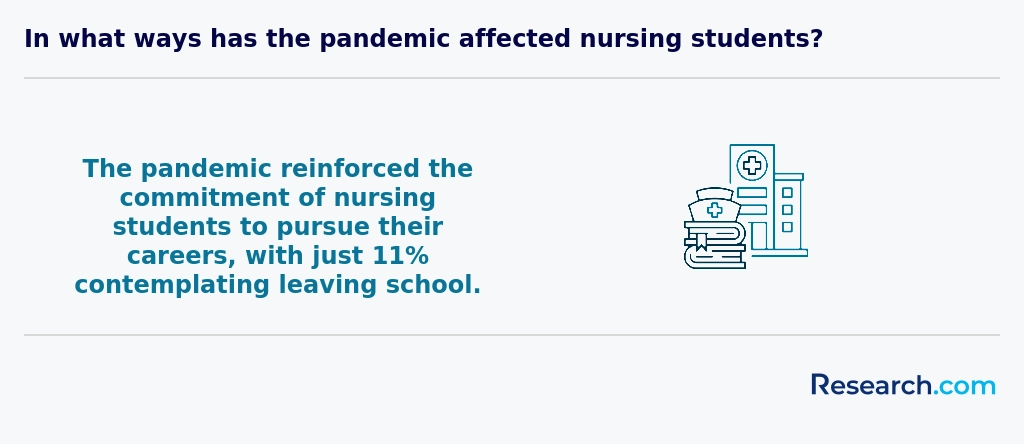
All nursing degree programs in Grand Rapids, MI, must hold proper accreditation and state approval to ensure quality education and eligibility for licensure. The two primary accrediting bodies are the Accreditation Commission for Education in Nursing (ACEN) and the Commission on Collegiate Nursing Education (CCNE). Prospective students should verify that their chosen institution-whether a community college offering an ADN or a university with BSN, MSN, or DNP tracks-is listed on the ACEN or CCNE websites as fully accredited. Once graduation requirements are met, candidates must apply to the Michigan Board of Nursing for eligibility to sit for the NCLEX-RN exam. The application process includes: 1. Submitting official transcripts from an accredited program. 2. Completing a criminal background check and fingerprinting. 3. Providing proof of required immunizations and health screenings. After passing the NCLEX-RN, graduates receive their Michigan Registered Nurse license, valid for two years before renewal. Renewal requires 25 continuing education contact hours approved by the Michigan Board of Nursing, including at least two hours on safe medication administration and two hours on human trafficking awareness. For those looking to expand their qualifications or explore alternative pathways, some students begin with an online lvn program to build foundational skills and meet practical hours before advancing to an RN track. Ensuring each program’s accreditation and alignment with Michigan licensing criteria is essential for a seamless transition from student to practicing nurse.
Nursing students in Grand Rapids often find a dependable lifeline in federal financial aid to manage the significant costs of their education. For many attending popular programs at institutions like Grand Valley State University or Davenport University, completing the FAFSA opens doors to Pell Grants, which can reduce tuition expenses by thousands without the burden of repayment. Graduates frequently reflect on how these grants made their academic journeys more attainable when balancing work and study.
Beyond federal aid, scholarships designed specifically for Michigan nursing students provide another vital resource. Several past students recall receiving support from the Michigan Nurses Foundation, giving them confidence and financial breathing room to focus more fully on clinical practice and coursework.
State programs such as the Michigan Competitive Scholarship further ease the financial strain, rewarding those who maintain strong academic standing. Additionally, many local healthcare employers offer tuition assistance or loan forgiveness, which graduates cherish as they transition from study to service in Grand Rapids' healthcare community.
Loans, particularly Direct Subsidized and Unsubsidized Loans, remain accessible but are often seen as a last resort by those aiming to minimize debt. Nursing graduates often advise early exploration of all aid options to thrive both during and after their education.
Understanding NCLEX-RN pass rates helps you gauge each school’s exam preparation and overall program quality. High pass rates signal effective teaching, strong clinical training and better chances of licensure.
- Grand Valley State University (BSN): 91% first-time pass rate
- Calvin University (BSN): 89% first-time pass rate
- Ferris State University (BSN): 87% first-time pass rate
- Grand Rapids Community College (ADN): 85% first-time pass rate
These figures reflect data from the latest Michigan Board of Nursing report, showcasing programs that consistently prepare students for success. For those aiming to advance into nurse practitioner roles, explore fnp programs florida.
Enrolling in a nursing degree program in Grand Rapids means meeting several key prerequisites that truly prepare you for the journey ahead. Graduates from well-known local institutions often recall how completing foundational courses like anatomy, physiology, and chemistry was vital for grasping the complexities of patient care. These subjects aren't just academic hoops but essential building blocks that help you connect theory with real hospital experiences.
Many students also emphasize the importance of maintaining a solid GPA, typically around 2.5 to 3.0, which reflects your readiness to handle demanding coursework. Some programs invite applicants to take the TEAS exam, a useful tool graduates appreciated for sharpening their test-taking skills early on.
Hands-on experience through volunteering or internships in Grand Rapids healthcare settings, such as local clinics or community hospitals, often boosts confidence and builds empathy-qualities graduates highlight as invaluable. Navigating background checks and immunizations is part of the process, ensuring safety for both students and patients during clinical placements.
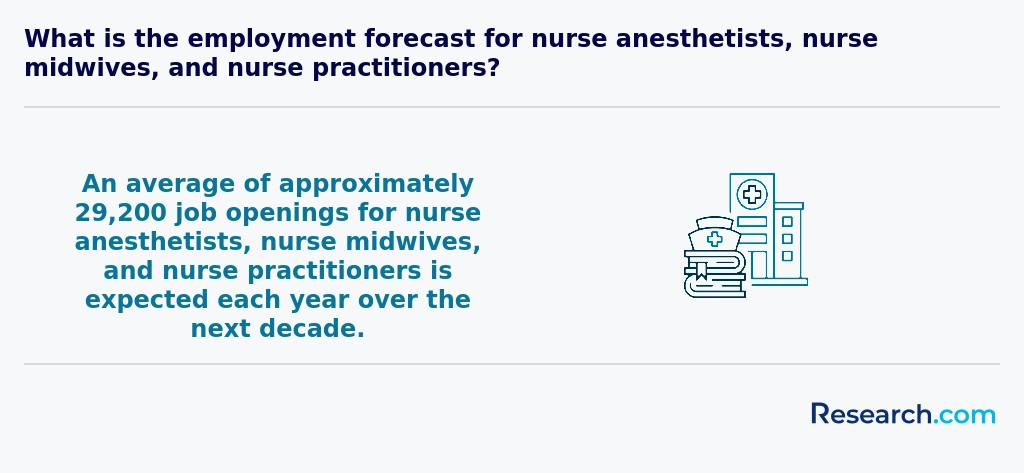
Investing in a nursing degree in Grand Rapids pays off quickly, thanks to strong starting salaries and robust job placement rates. • Average Payback Period: With a Bachelor of Science in Nursing (BSN) costing between $89,556 and $211,392 and median RN salaries at $89,010, most graduates recoup tuition within 2–3 years of full‐time work. • Debt‐to‐Income Ratio: The recommended debt‐to‐income ratio for new graduates is below 20%. Assuming an average BSN debt of $100,000 and an annual RN income of $89,010, monthly loan payments of $900–$1,000 stay within this threshold, leaving room for living expenses and savings. • Comparing ADN vs. BSN ROI: – ADN programs: $23,900–$66,320 total cost, with similar starting salaries; break‐even in as little as 1–2 years. – BSN programs: Higher upfront costs but greater long‐term earning potential, leadership roles, and 20% higher promotion rates. • Long-Term Career Growth: Registered Nurses in Grand Rapids enjoy 9% employment growth through 2030. Advancing to Nurse Practitioner or Clinical Nurse Specialist roles can increase earnings by 30–40%, further accelerating ROI. • Maximizing Value: To minimize tuition and accelerate payback, explore affordable, accessible programs and financial aid packages. For guidance on selecting cost‐effective schools, see what nursing schools are easy to get into.
Nursing programs in Grand Rapids offer a blend of science and practical courses designed to build confidence and competence in students. Graduates often recall how foundational subjects like anatomy, physiology, microbiology, and chemistry gave them a solid understanding of the human body, essential before stepping into clinical roles at local hospitals or community centers. These courses felt challenging yet rewarding, as they connected textbook knowledge to real patient care.
Typical nursing courses include Fundamentals of Nursing, where students learn hands-on patient care and ethical decision-making, and Pharmacology, which opens eyes to the critical responsibilities of medication management. Adult Health and Pediatric Nursing courses prepare students for the wide spectrum of patient needs, from chronic illnesses to children's unique health care. Many students from popular colleges in Grand Rapids describe Mental Health Nursing classes as profoundly impactful, shaping a deeper empathy when working with patients facing psychological challenges.
Classes like Maternal and Newborn Nursing and Community and Public Health Nursing highlight local health priorities in Michigan, reflecting the region's focus on family and population wellness. Leadership and Management courses round out the curriculum, equipping future nurses with the skills to inspire teams and navigate healthcare systems effectively.
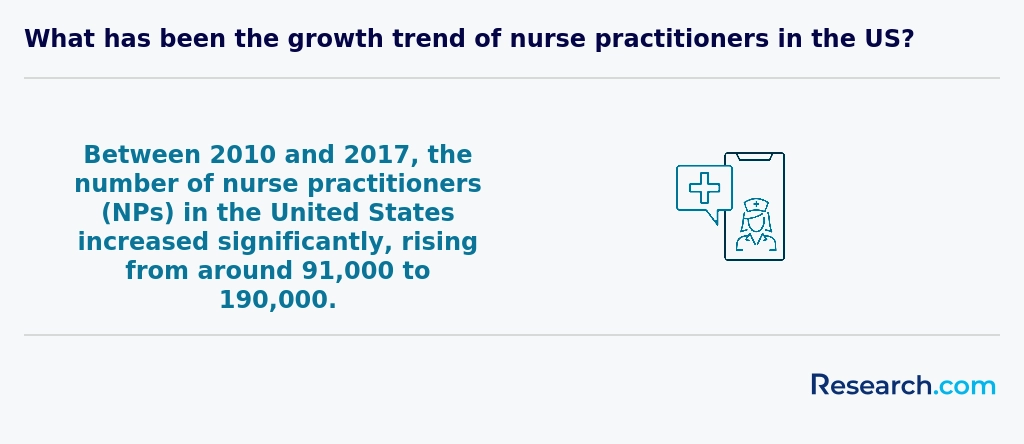
Nursing degree specializations in Grand Rapids offer focused paths that prepare students for meaningful roles across various healthcare settings. Graduates from popular schools like Grand Valley State University often share how specializing in Adult-Gerontology Nursing empowered them to care compassionately for the region's aging population, finding fulfillment in long-term care facilities and community health programs. Others who pursued Pediatric Nursing express a deep sense of purpose working with children in local hospitals and clinics, witnessing firsthand the impact of specialized knowledge on young patients' outcomes.
Grand Rapids nursing program specialties also include areas like Psychiatric-Mental Health Nursing, which equips nurses to support individuals facing mental health challenges-a critical need emphasized by recent healthcare trends. Critical Care and Family Nurse Practitioner tracks prepare students for high-pressure or broad-spectrum roles, reflecting the diverse demands within Michigan's healthcare system. Many students appreciate how these programs at locations like Davenport University blend rigorous training with practical experience, enhancing their nursing experience and expertise.
Choosing the best nursing degree in Grand Rapids often starts with understanding your career goals and learning preferences. Graduates from programs like Grand Rapids Community College share how their ADN offered hands-on experience at local hospitals such as Spectrum Health, fostering confidence in clinical skills. Meanwhile, those from Grand Valley State University highlight the advantage of a BSN in expanding job opportunities and earning potential, reflecting why many students seek the more comprehensive four-year degree. Considering affordable nursing degrees Grand Rapids offers is crucial, as tuition can vary significantly; some find community colleges' pricing ideal, while others invest in universities for long-term benefits.
Another key is to check the program's accreditation and NCLEX pass rates, essential markers of quality that reassure students about their education's value. Flexibility also matters-working students often appreciate part-time or online courses that balance study with life. Exploring support services and internships can make your path smoother. For a broader view, reviewing related lpn program rankings Missouri can offer additional insights when weighing your options.
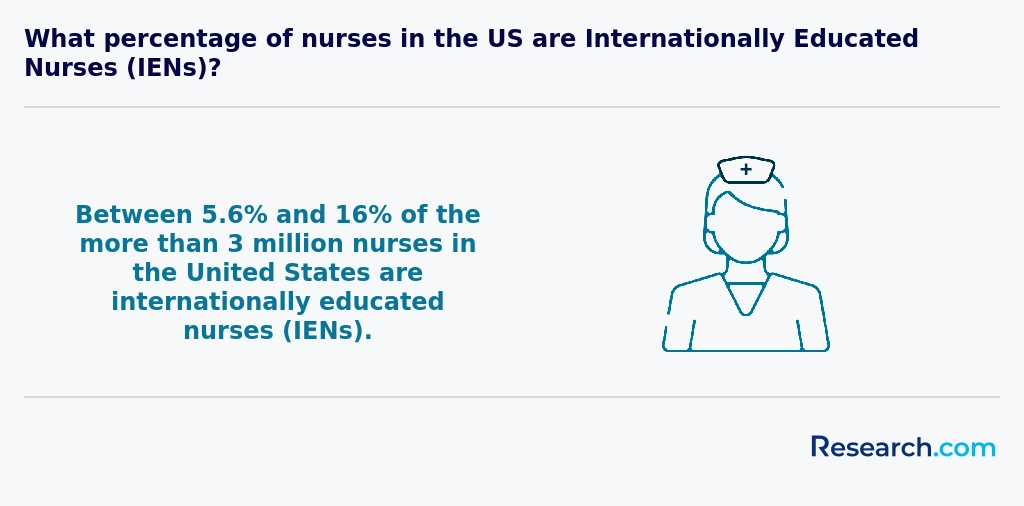
Graduates of nursing programs in Grand Rapids find themselves at the threshold of diverse career paths that extend well beyond bedside care. Many alumni from local institutions, such as Grand Valley State University and Davenport University, have shared how becoming a Registered Nurse opens opportunities in hospitals like Metro Health and Spectrum Health. These experiences reveal that nursing degrees here are gateways to roles in pediatrics, oncology, and critical care, where the evolving healthcare needs of Michigan's communities are met with compassion and expertise.
The best nursing jobs in Grand Rapids also include specialized positions like Nurse Practitioners and Nurse Educators, which require advanced degrees but offer rewarding responsibilities such as diagnosing patients and shaping future nurses. Graduates often reflect on the fulfilling challenge of these roles, especially given the city's support for continued learning and professional growth. For those eager to deepen their expertise while staying local, exploring online msn to dnp programs internships provides valuable hands-on experience alongside rigorous study.
In many ways, the nursing career opportunities Grand Rapids offers blend practical employment with a genuine community impact, making the field both stable and inspiring for newcomers driven by purpose.
The nursing job opportunities in Grand Rapids are encouraging for graduates who earn their degrees locally. Many nursing students from popular community colleges and universities in the area find rewarding employment in well-established healthcare institutions like Spectrum Health and Mercy Health Saint Mary's. These graduates often describe their transition into hospitals, outpatient clinics, and long-term care settings as smoother due to the strong ties these schools have with local providers.
The healthcare employment outlook Grand Rapids offers benefits from steady demand driven by an aging population and expanding healthcare services, which means registered nurses can expect consistent openings. Graduates from nursing programs here typically start with salaries ranging between $65,000 and $75,000, competitive when compared to national levels, and many feel optimistic about opportunities to grow into advanced practice roles such as nurse practitioners.
Those looking to learn more about programs and pathways often find that options at community colleges and universities are affordable and well-supported through financial aid, making nursing degrees accessible. For further insight, exploring this popular nursing school in the region can provide valuable guidance on educational choices.
2027 Most Popular Nursing Degree Programs Ranking in Grand Rapids
Investing in your education is a significant decision that can shape your future, and the Research.com team understands the importance of making informed choices. To assist prospective students in Grand Rapids, we have meticulously crafted the "2027 Most Popular Nursing Degree Programs Ranking in Grand Rapids." Our commitment to quality, credibility, and accuracy is reflected in the extensive research and analysis conducted to compile this ranking.
We utilized the following reputable data sources to ensure a comprehensive evaluation of nursing programs:
By exploring this ranking, readers will gain valuable insights into the most popular nursing programs available in Grand Rapids, helping them make well-informed decisions about their educational paths. For more details on our methodology, please visit our Research.com methodology page.


Frequently Asked Questions About nursing
Nursing students in Grand Rapids can enhance their learning by engaging deeply with local clinical opportunities. The city hosts numerous hospitals and healthcare centers, such as Spectrum Health and Mercy Health, where students gain hands-on experience. According to the Michigan Nursing Workforce Center, clinical practice is critical for developing practical skills and confidence.
Joining student nursing associations and attending workshops offered by local colleges also improves theoretical knowledge and professional networking. Many programs encourage involvement in community health initiatives, which can broaden understanding of patient care in diverse settings.
Finally, utilizing campus resources like tutoring and simulation labs supports effective study habits and skill mastery, vital for success in NCLEX-RN licensing exams.
The nursing field in Grand Rapids is expanding beyond traditional roles into several emerging specialties. One notable niche is geriatric nursing, driven by Michigan's growing elderly population. According to the Michigan Center for Nursing, the demand for nurses skilled in elder care is rising rapidly in the region.
Another growing area is informatics nursing, where professionals blend healthcare and technology to improve patient outcomes. With Grand Rapids hospitals upgrading digital record systems, informatics nurses are increasingly essential.
Additionally, nurse practitioners specializing in mental health are in high demand, responding to broader awareness of mental well-being. The Michigan Nurses Association highlights this as a critical growth area statewide.
After completing a nursing degree in Grand Rapids, preparing for the job market involves several key steps. First, obtaining licensure through the NCLEX-RN exam is essential to practice as a registered nurse. Michigan's Board of Nursing provides licensing details and requirements specific to the state.
Networking with local healthcare providers in Grand Rapids, such as Spectrum Health and Mercy Health, can open doors to employment opportunities. These systems employ a large portion of nursing graduates in the area. According to the Michigan Department of Labor, nursing jobs in Grand Rapids are projected to grow by 16% through 2030.
Additionally, gaining clinical experience during studies and pursuing certifications, like Basic Life Support (BLS), enhances employability. Utilizing career services at nursing schools in Grand Rapids also helps graduates connect with job openings and internships.
Employers in Grand Rapids value nursing graduates who possess strong clinical skills and effective patient communication. According to the Michigan Center for Nursing, local healthcare facilities prioritize abilities such as critical thinking, medication administration, and patient assessment. These skills are essential in supporting quality care in hospitals like Spectrum Health and Mercy Health.
Additionally, teamwork and adaptability are highly regarded, given the rapidly evolving healthcare environment. Familiarity with electronic health records (EHR) systems also increases employability. The Bureau of Labor Statistics expects a 15% growth in registered nursing jobs in Michigan by 2032, emphasizing the need for graduates to be well-prepared with both technical proficiency and interpersonal skills.
Finding internships in Grand Rapids for nursing students involves connecting with local healthcare providers and educational institutions. Hospitals like Spectrum Health and Mercy Health offer clinical placements as part of nursing degree requirements. These internships provide hands-on experience critical to licensure and employment.
The Michigan Center for Nursing supports students by listing internship opportunities and advising on application processes. Networking through nursing schools such as Grand Valley State University also helps students access exclusive partnerships with medical facilities.
Students should begin searching early, prepare a strong resume, and attend local job fairs focused on healthcare careers. According to the Bureau of Labor Statistics, healthcare internships improve job placement chances by up to 30% in Michigan.
Obtaining a nursing degree in Grand Rapids significantly enhances career mobility and advancement opportunities within the local healthcare market. The city hosts numerous hospitals and healthcare facilities that prioritize hiring nurses with formal education, especially those holding an Associate Degree in Nursing (ADN) or Bachelor of Science in Nursing (BSN).
According to the Michigan Center for Nursing, BSN-prepared nurses in the Grand Rapids region have a higher likelihood of promotion into leadership, specialized practice, and advanced clinical roles. Employers increasingly prefer BSN degrees due to evolving healthcare standards and Magnet hospital designations.
Additionally, a nursing degree often leads to improved salary prospects-BSN graduates in the area earn on average 15% more than those with an ADN. This trend aligns with national data from the Bureau of Labor Statistics, reinforcing the degree's value in career progression.
Studying for a nursing degree in Grand Rapids offers strong preparation for interdisciplinary roles through diverse clinical experiences and collaborative learning environments. Local nursing programs emphasize teamwork with healthcare professionals such as physicians, social workers, and therapists to improve patient outcomes. According to the Michigan Nursing Workforce report (2023), Grand Rapids nursing students participate in over 500 hours of clinical rotations across various healthcare settings, enhancing their practical skills and adaptability.
Many programs also include courses on health informatics and communication, crucial for coordinating care in complex systems. These educational strategies ensure graduates are ready to work effectively within multidisciplinary teams in Michigan's evolving healthcare landscape.
When choosing between a thesis and a non-thesis nursing degree program in Grand Rapids, consider your career goals carefully. Thesis programs emphasize research skills and are ideal if you plan to pursue a doctoral degree or work in academic or research settings.
Non-thesis options focus more on practical skills and clinical experience, which suits students aiming for advanced practice roles or immediate entry into the healthcare workforce. According to the Michigan Center for Nursing, Grand Rapids has a growing demand for nurse practitioners, making non-thesis routes appealing for clinical careers.
Additionally, thesis programs may take longer to complete due to research requirements. Investigate program curricula and speak with advisors to align your choice with your future ambitions.
Students in Grand Rapids interested in studying nursing abroad have several pathways through U.S. higher education institutions that offer international study opportunities. Many nursing programs at Michigan colleges, including Grand Rapids Community College and Grand Valley State University, participate in exchange programs or global health experiences. These options allow students to gain clinical practice and cultural exposure in countries partnered with their home institutions.
Additionally, U.S. nursing students often pursue study abroad options in Canada, Europe, or Australia, where nursing education standards align closely with the U.S. system. According to the Michigan Center for Nursing, as of 2023, over 10% of nursing students from the state reported involvement in at least one international learning experience. Such programs usually include coursework focused on global health issues, improving students' competencies for diverse clinical settings.
Students pursuing nursing degrees in Grand Rapids have several part-time job options that complement their education. Working as a Certified Nursing Assistant (CNA) is a popular choice, providing hands-on patient care experience. Local hospitals like Spectrum Health and Mercy Health employ many CNAs, offering practical insight into clinical settings.
Medical scribing and pharmacy technician roles are also relevant, helping students learn medical terminology and healthcare processes. According to the Michigan Bureau of Labor Market Information, healthcare support roles in the Grand Rapids area are expected to grow by 12% through 2028, signaling ample opportunities.
These positions help build essential skills alongside academic studies, enhancing future nursing career prospects.
Nursing students in Grand Rapids benefit from numerous networking opportunities. Local institutions such as Grand Valley State University and Ferris State University host career fairs and nursing conferences, allowing students to connect with healthcare professionals. The Michigan Nurses Association's West Michigan chapter frequently organizes events that encourage student participation.
Hospitals like Spectrum Health and Mercy Health partner with schools for internships and clinical rotations, providing students with direct contact to practicing nurses and administrators. Additionally, the annual West Michigan Healthcare Executive Forum offers unique networking and educational sessions. According to the Grand Rapids Area Chamber of Commerce, these connections significantly enhance job placement prospects for nursing graduates.
Alumni networks provide nursing degree students in Grand Rapids valuable connections that support their career development. Nursing graduates often access mentorship programs, job leads, and professional guidance through these networks. Such connections are crucial in a competitive job market, helping students find positions in top local hospitals like Spectrum Health and Mercy Health.
According to the Michigan Nurses Association, Grand Rapids nursing alumni networks facilitate over 30% of new nursing job placements annually in the area. These networks encourage knowledge-sharing about evolving healthcare regulations and continuing education opportunities, essential in nursing.
By joining alumni groups, students expand their professional circles, gain access to exclusive workshops, and enhance their clinical skills through shared experiences. This support accelerates licensure preparation and improves employment outcomes in the healthcare sector.
Customizing a nursing degree program in Grand Rapids begins with selecting the right type of degree, such as an ADN, BSN, or MSN, based on your career goals. Many local schools offer flexible pathways, including part-time, online, or hybrid courses, allowing students to balance work and study. Elective courses and clinical rotations can often be tailored to specialties like pediatrics, gerontology, or emergency care. Additionally, some programs partner with nearby hospitals, providing valuable hands-on experience aligned with your interests. According to Grand Rapids Community College and Michigan nursing workforce data, these options help students meet the region's growing healthcare demands effectively.
Nursing students in Grand Rapids face several typical challenges that impact their academic progress. One primary difficulty is the intense clinical workload, which requires juggling between classroom learning and hands-on experience in healthcare settings. According to the Michigan Nurses Association, busy hospital environments can lead to limited clinical placement opportunities, increasing competition among students.
Financial strain is another hurdle. With the average tuition for nursing programs in Michigan ranging from $7,000 to $15,000 per year, many students struggle to balance work and study. Additionally, the rigorous curriculum demands strong time-management skills to cope with courses in anatomy, pharmacology, and patient care.
Lastly, maintaining mental wellness is a concern. Stress and burnout rates are reportedly high among nursing students due to constant pressure and emotional challenges inherent in the profession. Local support services in Grand Rapids are available but can be overwhelmed during peak academic periods.
With a nursing degree in Grand Rapids, graduates can pursue a range of professional certifications that enhance career opportunities and specialized skills. Common certifications include Registered Nurse (RN) licensure, which is mandatory to practice nursing in Michigan. Beyond RN licensure, nurses may seek certifications such as Certified Nurse Assistant (CNA), Certified Medical-Surgical Registered Nurse (CMSRN), and specialty credentials like Pediatric Nursing Certification. According to the Michigan Board of Nursing, over 35,000 nurses hold active licenses statewide, reflecting a strong local demand for certified professionals.
Advanced certifications like Nurse Practitioner (NP) or Clinical Nurse Specialist (CNS) require additional education but offer higher earning potential and expanded practice authority.
Applying to nursing programs in Grand Rapids requires careful preparation to stand out. First, maintain a strong GPA, especially in science courses; many programs expect at least a 3.0. Highlight any healthcare experience, such as volunteering or working in clinics, as practical exposure is valued. Personal statements should clearly express your motivation for nursing and connection to serving local communities.
Letters of recommendation from healthcare professionals or instructors enhance your application. Programs in Grand Rapids, such as those at Grand Valley State University, emphasize academic readiness and commitment to patient care. Meeting prerequisite coursework and submitting materials before deadlines is crucial to succeed.
The nursing profession is recognized globally as essential to healthcare systems, with growing demand in many countries, including the United States. In Grand Rapids, nursing degrees offer pathways to careers that are valued worldwide due to the universal need for skilled healthcare providers. According to the U.S. Bureau of Labor Statistics, nursing employment is projected to grow 9% from 2020 to 2030, reflecting strong job security.
Internationally, nurses often engage in cross-cultural healthcare delivery, adapting to diverse patient populations. Programs in Grand Rapids emphasize evidence-based practice and cultural competence, preparing graduates to work effectively in global health environments. Moreover, the city supports continuing education and certification, important for nurses wishing to participate in international nursing organizations or pursue opportunities abroad.
Gaining practical experience while studying for a nursing degree in Grand Rapids is essential for developing clinical skills and improving employability. Many local programs partner with healthcare facilities like Spectrum Health and Mercy Health hospitals to offer supervised clinical placements. These internships allow students to work directly with patients under professional supervision.
In addition, simulation labs at nursing schools provide hands-on training with realistic medical scenarios. Volunteering at community health centers or nursing homes in Grand Rapids can also supplement formal practice opportunities.
According to the Michigan Center for Nursing, approximately 80% of Grand Rapids nursing students complete clinical hours through such partnerships before graduation.
Choosing the right concentration within a nursing degree program in Grand Rapids involves understanding local healthcare demands and your career goals. Grand Rapids has a growing need for specialties like geriatric nursing and psychiatric care, reflecting Michigan's aging population and mental health focus, according to the Michigan Center for Nursing.
Evaluate concentrations offered by local institutions, such as acute care, pediatrics, or community health. Research job placement rates for each concentration in Grand Rapids to gauge employment prospects. The Bureau of Labor Statistics notes registered nurse jobs in Michigan are expected to grow by 9% from 2022 to 2032, with higher demand in specialized areas.
Consider your interests, the type of patients you want to serve, and the work environment you prefer. Practical experience and mentorship opportunities available in Grand Rapids hospitals also play a crucial role in making an informed decision.
- 2027 Most Popular Nursing Degree Programs Ranking in Chicago
- 2027 Most Popular Nursing Degree Programs Ranking in Detroit
- 2027 Most Popular Nursing Degree Programs Ranking in Indianapolis
- 2027 Most Popular Nursing Degree Programs Ranking in Cleveland
- 2027 Most Popular Nursing Degree Programs Ranking in Columbus
- 2027 Most Popular Nursing Degree Programs Ranking in Peoria
- 2027 Most Popular Nursing Degree Programs Ranking in Cincinnati
- 2027 Most Popular Nursing Degree Programs Ranking in Louisville
- 2027 Most Popular Nursing Degree Programs Ranking in Pittsburgh
- 2027 Most Popular Nursing Degree Programs Ranking in Saint Louis
See What Experts Have To Say About Studying Nursing
Read our interview with Nursing experts

Lisa Grubb
Nursing Expert
Assistant Professor
Johns Hopkins School of Nursing

- Study Nursing Abroad | Boomerang International Educational Services https://boomerangedu.com/study-nursing-abroad/
- How to Write https://esign.com/letter-of-intent/school/nursing/
- Working While in Nursing School: 25 Ways to Make Money as a Nursing Student https://credenzahealth.com/career-advice/working-while-in-nursing-school-25-ways-to-make-money-as-a-nursing-student
- Scholarships & Financial Aid https://www.aacnnursing.org/students/scholarships-financial-aid
- How to Choose a Nursing Program | All Nursing Schools https://www.allnursingschools.com/how-to-get-into-nursing-school/choose-the-right-school/
- Essential Tips for Nursing Students to Advance Their Careers https://almanaltraining.com/essential-tips-for-nursing-students-to-advance-their-careers/
- Work-life balance | Careers Crossroads | RCN Careers Resources | Royal College of Nursing https://www.rcn.org.uk/Professional-Development/Your-career/Nurse/Career-Crossroads/Career-Ideas-and-Inspiration/work-life-balance
- Bachelor of Science in Nursing | Cornerstone University https://www.cornerstone.edu/programs/nursing/
- What Nursing Concentration Is Right for Me? | Maryville Nursing https://nursing.maryville.edu/blog/what-nursing-concentration-is-right-for-me
- The Nurses' Alumni Association https://giving.mainlinehealth.org/get-involved/auxiliaries-and-womens-boards/lankenau-medical-center-womens-board/the-nurses-alumni-association


