2027 Most Affordable Nursing Degree Programs Ranking in University

Co-Founder and Chief Data Scientist
Choosing the right nursing degree program can be overwhelming, especially when balancing quality and affordability. This article presents the 2027 Most Affordable Nursing Degree Programs Ranking in University, developed by the Research.com team of data scientists, designed to help prospective students make informed decisions.
By exploring this ranking, you'll discover nursing programs that provide excellent value without compromising on education quality. Pursuing a nursing degree opens doors to rewarding careers in healthcare, offering stability and personal fulfillment. Let this guide support your journey toward a bright, impactful future in nursing.
Key benefits of getting nursing degree in University
- Salary for nursing degree graduates: Graduates can expect competitive salaries, with Registered Nurses, Clinical Nurse Educators, Public Health Nurses, and Emergency Room Nurses earning around $94,480 annually, while Operating Room Nurses have an average salary of $128,490.
- Career paths: A nursing graduate from a well-known university in University may explore diverse roles like patient care, education, or emergency services, offering exciting opportunities for growth and specialization.
- Online degree benefits: Earning a nursing degree online from a reputable university in University provides flexibility to balance work and study, making it easier to advance without pausing your career.
- 2027 Most Affordable Nursing Degree Programs Ranking in University
- What can I expect from nursing degree in University?
- Where can I work with nursing degree in University?
What can I expect from nursing degree in University?
The average cost of obtaining a nursing degree at a university in the United States typically ranges from $40,000 to $80,000 for a Bachelor of Science in Nursing (BSN) program, though figures can vary based on the institution's public or private status. For example, students at well-known public universities in University often pay closer to the lower end due to in-state tuition benefits, while private colleges may approach the higher range.
Graduates frequently describe balancing these costs with financial aid, scholarships, and part-time employment, easing the financial burden and allowing focus on rigorous coursework and clinical rotations. Many reflect positively on this investment, noting strong career prospects and job security given the projected 6% growth in nursing employment by 2031.
The structured clinical hours and simulation labs integral to programs at popular institutions enhance real-world readiness, making the tuition a worthwhile commitment. This blend of hands-on and theoretical learning, coupled with licensure preparation support, often reassures students that their educational expenses translate directly into career advancement.
Where can I work with nursing degree in University?
Graduates from nursing programs at universities in University find themselves welcomed in diverse healthcare environments. Those with a Bachelor of Science in Nursing (BSN) or Associate Degree in Nursing (ADN) commonly gain licensure as registered nurses (RNs), enabling them to work in hospitals, a setting favored by many. For example, graduates from well-known institutions in University often report rewarding experiences working in emergency rooms and intensive care units, where strong demand aligns with the Bureau of Labor Statistics' data projecting 9% job growth for RNs between 2022 and 2032.
Many alumni also pursue roles in outpatient clinics and physician offices, handling routine care and screenings. Around 17% of nurses nationally work in these settings, reflecting a steady choice for university-trained nurses. Additionally, long-term care facilities attract graduates passionate about supporting aging populations, with nearly 500,000 RNs employed in such roles across the country.
Others leverage their degrees to enter public health or community clinics, focusing on prevention and education, aligning with about 7% of nurses in these sectors. Some pursue advanced practice degrees to become nurse practitioners or nurse anesthetists, often leading to higher pay and greater responsibility, echoing positive feedback from University graduates proud of these career paths.
A graduate with a nursing degree from a university can expect competitive earnings in various healthcare roles. According to data from the U.S. Bureau of Labor Statistics, the mean annual wage for a Registered Nurse, Clinical Nurse Educator, Public Health Nurse, and Emergency Room Nurse is approximately $94,480, with an hourly wage near $45.42. These figures reflect typical outcomes for university-trained nurses across the country.
For example, a graduate from a well-regarded nursing program in University might begin their career as a clinical nurse educator or emergency room nurse, earning close to these median wages, which often increase with experience. Those pursuing specialized paths, such as operating room nursing, can expect higher pay, with reported mean annual wages around $128,490 and hourly rates of about $61.78.
Many graduates from prominent colleges in University describe the satisfaction of securing these salaries right after program completion, reinforcing the value of their university education in nursing. Hospital systems increasingly favor BSN-prepared nurses, creating more job opportunities with premium wages and career growth potential.
- Nursing degrees range from 2-year Associate Degree in Nursing (ADN) programs to 4-year Bachelor of Science in Nursing (BSN) programs, with some accelerated BSN options available.
- Annual tuition costs vary widely: public in-state universities charge around $10,000 to $15,000, while private universities charge between $25,000 and $40,000.
- Starting salaries for BSN graduates are typically between $60,000 and $70,000 per year, with median salaries rising to $80,000 to $90,000 after several years of experience.
- Demand for registered nurses is projected to grow by 6% from 2021 to 2031, driven by an aging population and nurse shortages.
- Nursing programs include hands-on clinical training and must meet accreditation standards from bodies like CCNE or ACEN for quality and readiness.
Completing a nursing degree in a university setting typically ranges from two to four years, depending on the program chosen. An Associate Degree in Nursing (ADN), commonly offered at community colleges and some universities, usually requires about two years of full-time study. Graduates from ADN programs can take the NCLEX-RN exam to become licensed registered nurses, making this a faster route for those eager to enter the workforce quickly.
At popular universities known for nursing, such as those in large state systems, the Bachelor of Science in Nursing (BSN) generally takes four years. Graduates often describe the experience as intensive but rewarding, appreciating the broader training in leadership and research. Over 70% of new nursing students enroll in BSN programs, reflecting strong demand from employers for this comprehensive degree.
For students who already hold a bachelor's degree in another field, accelerated BSN programs at universities in University offer an 11-to-18-month fast track. Graduates recall the intensity but value the streamlined path into nursing careers. Graduate degrees add additional years but open specialized opportunities.
When searching for the most affordable nursing program, several factors come into play, including the cost of tuition, availability of financial aid, and the potential return on investment after graduation. Prospective students often find themselves comparing various programs to find the one that best fits their budget and educational goals. For those interested in finding the cheapest nursing school in Mississippi, exploring options like cheapest nursing school in Mississippi can provide valuable insights into affordable nursing education. Additionally, considering the accreditation status, curriculum, and faculty expertise of a program are crucial in ensuring that the education received is of high quality and will lead to better job prospects. By weighing these factors carefully, aspiring nurses can make informed decisions about their education and set themselves up for success in their future careers.
On-campus nursing degrees in University involve traditional, structured schedules with in-person lectures, clinical placements, and access to campus resources such as simulation labs. Graduates from well-known institutions in University often praise the direct interaction with faculty and peers, which fosters strong mentoring relationships and networking opportunities. The hands-on experience gained during clinical rotations at local hospitals is highly valued for building practical skills and confidence.
Conversely, online nursing programs offer flexibility, appealing to students who balance work or family commitments. Many online students studying through reputable University colleges appreciate the ability to learn at their own pace while still completing mandatory in-person clinical hours locally. However, online learners highlight the need for self-discipline, as virtual simulations supplement but do not replace real-world practice.
Cost also varies; University-based on-campus BSN programs may range from $40,000 to $100,000, whereas online programs reduce expenses like commuting but can have added technology fees. Both paths maintain accreditation standards from ACEN or CCNE, ensuring consistent quality in nursing education across formats.
Understanding the true value of an affordable nursing program goes beyond upfront tuition-it’s about long-term career growth and salary potential. By evaluating average costs against projected earnings, prospective students can make data-driven choices that maximize their return on investment. Average Program Costs vs. Starting Salaries
- Associate Degree in Nursing (ADN): With tuition ranging from $23,900 to $66,320 and an average starting salary of $58,000, ADN holders can reach breakeven in approximately 1.2 to 2 years.
- Bachelor of Science in Nursing (BSN): Total program costs between $89,556 and $211,392 contrast with an average first-year salary of $72,000 for BSN grads-resulting in a breakeven period of 1.3 to 2.9 years.
- Master of Science in Nursing (MSN): Investment of $28,060 to $78,820 yields an average salary of $95,000, translating to rapid return within 0.5 to 0.8 years post-graduation. Key Factors Impacting ROI 1. NCLEX-RN Pass Rates: Programs with pass rates above 90% often lead to faster licensure and job placement, reducing time to income generation. 2. Clinical Partnerships: Schools that partner with major healthcare systems provide paid internships or stipends, lowering net program cost. 3. Career Advancement: Specializations such as Nurse Practitioner can double earning potential; for high-growth roles, explore our guide to best nurse practitioner programs in texas to benchmark advanced practice ROI. Maximizing ROI Strategies
- Leverage Financial Aid: Apply for need-based grants and scholarships early to offset tuition.
- Choose Accelerated Tracks: Accelerated BSN programs shorten time to degree, increasing lifetime earnings.
- Network During Clinicals: Strong clinical evaluations often convert internships into full-time positions, securing stable income immediately. By comparing program costs, salary forecasts, and student support offerings, nursing candidates in University, MS, can confidently select the most affordable degree path that also delivers the highest return on investment.
The average cost of obtaining a nursing degree in University is approximately $43,500 in total tuition. For in-state students at public institutions, this figure drops significantly, with median costs around $9,772. These numbers reflect the broader cost landscape for nursing programs within University, where state residency status plays a key role in financial planning. Graduates from popular universities in University often share how controlling expenses through in-state tuition helped make their education feel attainable and rewarding.
When breaking down the average nursing degree cost 2027 usa, students enrolling in accelerated or second-degree programs may see slightly higher tuition due to their condensed and intensive schedules. Nursing students from well-regarded colleges in University describe balancing financial concerns with the drive to complete their degrees efficiently, which highlights the importance of understanding cost breakdown for nursing programs united states when selecting a program.
Students also report budgeting for necessary supplemental expenses such as clinical lab fees, textbooks, licensure exam fees, and health insurance. These out-of-pocket costs add up but are considered manageable when universities provide transparency on total program expenses. Prospective nurses often feel encouraged exploring financial aid options and scholarships during their application process, which alleviates some of the financial challenges.
For those exploring options in Texas, many look into nursing schools dallas academic excellence recognized for delivering strong clinical training alongside reasonable tuition to maximize educational value.

Attending nursing school can strain finances. Implement these practical strategies to manage expenses:
- Enroll in in-district or state schools to benefit from lower tuition.
- Maximize scholarships and grants by applying early to nursing-specific awards.
- Leverage employer tuition reimbursement or work–study programs aligned with clinical rotations.
- Share or buy used textbooks and uniforms through campus groups or online marketplaces.
- Plan for housing and living costs by forming roommate networks or exploring on-campus options.
- Utilize free campus resources-tutoring, counseling, and career services-to cut additional costs.
For a broader comparison of affordable programs, explore nursing schools in texas.
Nursing students in University have access to a range of financial aid options that can significantly reduce the overall costs of their education, which often exceed $10,900 annually at public institutions. Federal Pell Grants, which do not require repayment, can award up to $7,395 per year based on FAFSA results. Graduates from nursing programs at popular colleges often highlight how these grants made a decisive difference in managing tuition and related expenses like textbooks and clinical supplies.
Additionally, many students benefit from federal student loans with favorable interest rates and flexible repayment plans tailored for healthcare careers. Scholarships from organizations like the American Association of Colleges of Nursing further ease financial burdens, as do state and institutional aids specifically aimed at nursing majors in University.
Loan forgiveness programs, such as the Nurse Corps Loan Repayment Program, motivate graduates to work in underserved areas by reducing their debt. Partnerships between universities and local healthcare employers also provide valuable tuition reimbursement options, reflecting a shared investment in training the next generation of nurses.
Nursing students in University, MS benefit from robust support services designed to foster academic success and professional growth. Academic advising offices offer personalized course planning and degree audits, ensuring you stay on track for graduation. Dedicated tutoring centers provide help with challenging subjects like pharmacology and pathophysiology, while state-of-the-art simulation labs allow you to practice critical procedures in realistic scenarios under faculty supervision. Many programs also partner with local hospitals-such as the University of Mississippi Medical Center and Baptist Memorial Hospital-to guarantee high-quality clinical placements that reinforce classroom learning. Beyond academics, students can access mental health counseling and stress-management workshops, which are vital for balancing the demands of nursing school. Career services teams assist with résumé building, interview preparation, and networking events that connect you with healthcare employers across the region. If you’re considering advanced practice roles, be sure to explore the Most Affordable Online Doctorate in Nursing Degree Programs Ranking in the Northeast for pathways to a Doctor of Nursing Practice (DNP). With these resources at your disposal, you’ll have the guidance and tools needed to excel academically and transition smoothly into a rewarding nursing career.
Enrollment in nursing degree programs at universities in the United States demands specific academic and health-related prerequisites to ensure students are well-equipped for the challenges ahead. Typically, applicants must hold a high school diploma or GED emphasizing core sciences like biology, chemistry, anatomy, physiology, and algebra, which are foundational for nursing studies. Graduates from well-known universities in University often recall the advantage of having completed these subjects thoroughly before admission.
Most programs expect a minimum GPA around 2.5 to 3.0, although more competitive institutions may require higher academic standing. Additionally, standardized test scores such as the SAT or ACT can be a factor in many admissions decisions. Nursing students frequently share that prerequisite college-level courses-microbiology, human anatomy, physiology, nutrition, and psychology-are essential stepping stones that directly prepare them for clinical coursework.
- Proof of immunizations and health screenings are mandatory to meet clinical placement requirements.
- Background checks and drug screenings safeguard both students and patients, reflecting the profession's responsibility.
- Experience through volunteering or healthcare work often enhances application strength and student preparedness.
At universities highly regarded for nursing, such as those in University, students express that fulfilling these prerequisites fosters confidence and readiness, making the demanding curriculum and clinical challenges more manageable and rewarding.

Accreditation is the cornerstone of a reputable nursing education, guaranteeing that programs meet rigorous standards set by bodies such as the Commission on Collegiate Nursing Education (CCNE) and the Accreditation Commission for Education in Nursing (ACEN). In University, MS, accredited nursing programs not only satisfy state board requirements but also ensure graduates are eligible to sit for the NCLEX-RN licensure exam. This credibility is critical for both employer recognition and seamless credit transfer should you pursue advanced degrees. NCLEX-RN pass rates serve as a powerful indicator of program effectiveness. For instance, top-ranked BSN programs in University, MS consistently report first-time pass rates above 90%, reflecting robust curriculum design, experienced faculty, and comprehensive test-prep resources. Prospective students should review each school’s annual pass statistics, often published on institutional websites or the Mississippi Board of Nursing portal, to make informed decisions about program quality and licensure support. For those seeking flexible, high-quality pathways to a BSN, consider exploring the easiest accredited rn to bsn programs online, which combine streamlined admission processes with full CCNE or ACEN accreditation-helping you advance your nursing career with confidence and efficiency.
Nursing degree programs at universities typically include a range of core courses that build a strong scientific foundation. Graduates recall how classes in anatomy, physiology, microbiology, and chemistry provided critical insights into the human body, allowing them to understand complex biological processes relevant to patient care.
Students studying nursing in University also engage deeply with practical subjects such as pharmacology, where they learn medication effects and safety, and pathophysiology, which explains disease impacts on the body. These courses are crucial for clinical decision-making and confident patient interaction.
Hands-on courses like medical-surgical nursing and health assessment train students to manage diverse healthcare settings and evaluate patient conditions effectively. Others focus on specialized fields-including mental health, pediatrics, and maternal-newborn care-helping students envision real-world scenarios like supporting anxious parents or assessing child development.
Graduates often describe clinical rotations in well-known University hospitals as transformative, linking classroom learning to patient interactions under expert guidance. Nursing ethics, leadership, and healthcare policy courses further prepare students to navigate the responsibilities and challenges of modern nursing roles.

Nursing degree programs with specializations in University typically offer a range of focused tracks designed to equip students with expertise for diverse healthcare roles. Common options include Adult-Gerontology Nurse Practitioner (AGNP), which prepares graduates to manage chronic illnesses across adult life stages, and Family Nurse Practitioner (FNP), where students learn to provide comprehensive care for individuals and families of all ages. Others, like Neonatal and Pediatric Nursing, concentrate on infant and child healthcare, reflecting the broad scope of nursing practice.
Graduates from popular universities often share how clinical experiences in these specializations bring real-life challenges and rewards, such as supporting premature infants in neonatal units or addressing mental health disorders through Psychiatric-Mental Health Nursing. Universities in University also tend to include Certified Nurse Midwifery and Clinical Nurse Specialist tracks, fostering advanced skills for reproductive health and improving patient outcomes in specialized fields.
Students seeking affordable nursing degree specializations 2027 can find value in public university programs balancing cost and quality. For those considering flexible career paths, certificate programs or a pivot to complementary options like a career in dental hygiene can supplement nursing skills and open new opportunities.
Choosing the best nursing degree in University requires analyzing the type of degree, accreditation, clinical experience, and cost. Graduates from top nursing programs in University often cite the Bachelor of Science in Nursing (BSN) as the most valued credential, aligning with employer preferences and offering better career advancement than an Associate Degree in Nursing (ADN). Programs accredited by the Commission on Collegiate Nursing Education (CCNE) or the Accreditation Commission for Education in Nursing (ACEN) guarantee eligibility for the NCLEX-RN exam and assure academic quality.
Cost considerations are vital, especially when seeking the most affordable nursing degree programs 2027. Public universities in University tend to offer lower tuition than private colleges, with some students balancing expenses through scholarships and financial aid. Clinical hours in partnership with prominent local hospitals provide practical experience that graduates find crucial for building confidence and hands-on skills. Many students benefit from Universities or Colleges known for advanced nursing degrees, which combine flexible delivery formats with robust career support.
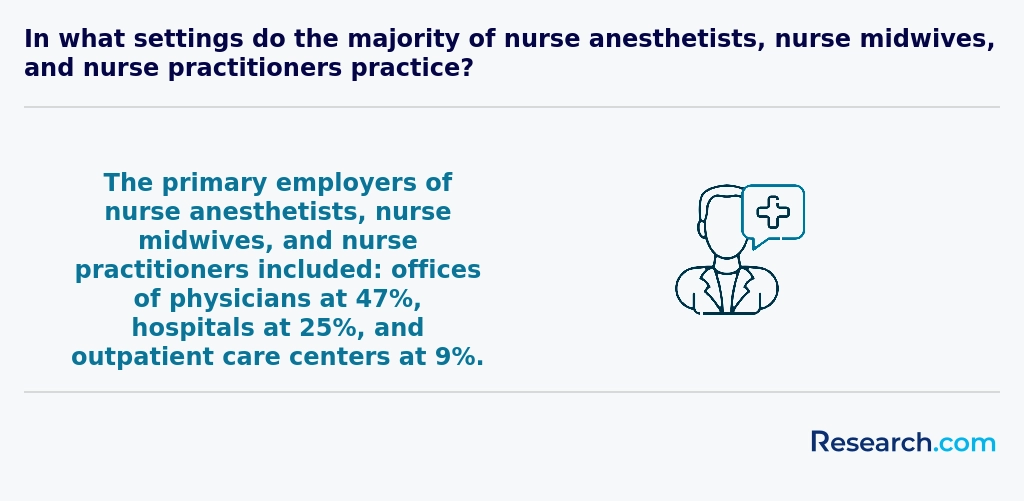
Graduates with a nursing degree from University have access to a broad range of career paths that reflect the evolving needs of healthcare. Many begin their professional journey as staff nurses in hospitals, outpatient clinics, or long-term care facilities, gaining hands-on experience while providing essential patient care. Specialty roles, such as pediatrics, emergency care, or oncology, appeal to those seeking advanced skills and certifications. Graduates from popular colleges in University especially value the chance to pursue advanced practice roles like Nurse Practitioner or Clinical Nurse Specialist, which offer higher responsibility and greater autonomy.
Employment prospects remain strong, supported by a median annual RN wage of $77,600 as of 2023 and a job growth rate exceeding the national average. Those drawn to leadership or education find rewarding opportunities administering healthcare teams or training the next generation of nurses. Students considering cost-effective paths often explore lpn training Delaware to complement their nursing degree. This data-driven perspective validates that affordable nursing degree career options 2027 from University provide meaningful and diverse opportunities.
Throughout their studies, many nursing graduates from University programs report feeling confident and motivated, as their coursework connects directly to real-world healthcare challenges. Whether focused on public health or advanced practice, these graduates appreciate how their degrees open doors to impactful roles, shaping healthier communities while advancing their careers in the nursing field.
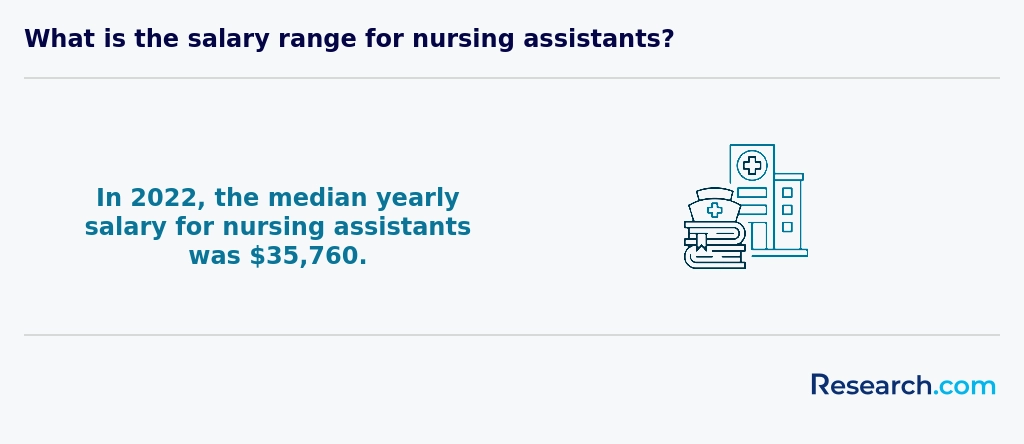
The job market for graduates with a nursing degree in University remains strong, with an expected employment growth of 6% from 2021 to 2031 according to U.S. Bureau of Labor Statistics data. Graduates from popular nursing colleges in University often find rewarding roles in hospitals, outpatient clinics, and community health organizations, reflecting the ongoing shortage of nurses nationwide and particularly in underserved regions. Many graduates share positive experiences, noting how the broad range of clinical and educational opportunities creates confidence and job security.
Those pursuing affordable nursing programs employment prospects benefit from tuition rates averaging around $10,000 annually at public universities, making the investment worthwhile given the median registered nurse wage of $77,600. Nursing students often highlight flexible options such as accelerated and online degrees, which help balance their studies with real-life responsibilities.
Students exploring their options in University should consult resources like the cheapest nursing school in Mississippi to identify programs that align with budget and career goals.
2027 Most Affordable Nursing Degree Programs Ranking in University
Investing in your education is a significant decision that can greatly influence your career and future opportunities. The Research.com team recognizes the importance of making well-informed choices, which is why we have carefully developed the "2027 Most Affordable Nursing Degree Programs Ranking in University." Our dedication to quality, credibility, and accuracy is demonstrated through the thorough research and detailed analysis behind this ranking.
We utilized the following reputable data sources to ensure a comprehensive evaluation of nursing degree programs:
By consulting this ranking, readers will gain valuable insights into affordable and high-quality nursing degree programs, empowering them to make informed decisions about their education and career paths. For more information on our rigorous methodology, please visit our Research.com methodology page.

Frequently Asked Questions About nursing
To maximize their learning experience, nursing degree students in university should actively engage in both theoretical and clinical components of their education. According to the American Association of Colleges of Nursing (AACN), hands-on clinical practice is essential as it allows students to apply classroom knowledge in real healthcare settings. Participating in simulation labs can also improve critical thinking and technical skills.
Furthermore, students benefit from joining nursing organizations and study groups, which foster peer support and professional networking. Utilizing campus resources such as tutoring and academic advising helps maintain strong academic performance. Prioritizing time management is crucial, as nursing programs often demand rigorous study and practice hours.
The nursing field is rapidly evolving, with several emerging niches gaining attention in University programs across the US. One notable area is gerontological nursing, driven by the aging Baby Boomer population requiring specialized care. The Bureau of Labor Statistics projects a 12% growth in registered nurses by 2031, with increased demand in elder care.
Another growing niche is informatics nursing, which combines healthcare with data management and technology to improve patient outcomes. Universities increasingly offer concentrations in this field to meet the need for nurses skilled in electronic health records and telehealth.
Additionally, nurse practitioners focused on mental health are in demand, reflecting a nationwide rise in behavioral health concerns. According to the American Association of Colleges of Nursing, psychiatric-mental health nurse practitioner programs are expanding rapidly to address this gap.
Preparing for the job market after completing a nursing degree in the US involves several strategic steps. First, obtaining licensure by passing the NCLEX-RN exam is mandatory to practice as a registered nurse. According to the National Council of State Boards of Nursing, around 87% of graduates pass this exam on their first try.
Gaining clinical experience through internships or externships during university studies enhances practical skills and employability. Networking with healthcare professionals and attending career fairs can open job opportunities.
Additionally, building a strong resume highlighting clinical rotations, certifications like BLS or ACLS, and soft skills is essential. Continuing education and specialization can also increase job prospects in competitive markets.
Employers seeking nursing degree graduates in University prioritize a mix of clinical and interpersonal skills. Strong critical thinking and clinical judgment are essential, as registered nurses must quickly assess patient conditions and make informed decisions. According to the National Council of State Boards of Nursing (NCSBN), these skills reduce medical errors significantly.
Effective communication is also crucial, with 83% of healthcare employers highlighting teamwork and clear communication as top traits, per a 2023 survey by the American Association of Colleges of Nursing (AACN). Graduates must demonstrate empathy and cultural competence to serve diverse patient populations effectively.
Lastly, proficiency in healthcare technology is increasingly valued, with many hospitals adopting electronic health records and telehealth systems. The Bureau of Labor Statistics confirms that tech fluency enhances job readiness among new nursing graduates.
Finding internships during a nursing degree program is essential for gaining clinical experience and improving job prospects. Many universities in the US have partnerships with local hospitals, clinics, and healthcare facilities specifically for nursing students. According to the American Association of Colleges of Nursing (AACN), nearly 90% of nursing programs offer some form of clinical internship or practicum as a required part of the curriculum.
Students should first consult their university's nursing department or career services office to learn about available placements. Networking with faculty members and attending nursing career fairs can also reveal hidden internship opportunities. Additionally, checking online portals like Handshake or the National Student Nurses' Association website can help students find updated internship listings.
It is important to apply early and prepare a professional resume highlighting relevant coursework and skills. Internships generally last from a few weeks to a semester and provide hands-on patient care experience under supervision. This practical exposure is invaluable for licensing exams like the NCLEX-RN and future employment in healthcare settings.
A nursing degree obtained through a university in the United States significantly enhances career mobility and advancement opportunities. Graduates with a Bachelor of Science in Nursing (BSN) are preferred by 70% of healthcare employers, according to the American Association of Colleges of Nursing (AACN, 2023). This preference translates into better hiring prospects and a broader range of job settings, including hospitals, clinics, and community health organizations.
Additionally, a nursing degree is often a required step for higher roles such as nurse practitioner or nurse manager. Universities offering accredited programs help students meet licensing standards, which are critical for professional growth. Data from the Bureau of Labor Statistics (BLS, 2023) shows advanced nursing roles growing 15% faster than average.
Studying for a nursing degree in University equips students with skills essential for interdisciplinary roles. Nursing programs emphasize collaboration with other healthcare professionals such as doctors, pharmacists, and social workers. This team-based approach is vital as 70% of healthcare tasks involve communication across various disciplines, according to the American Association of Colleges of Nursing (AACN).
Courses in nursing degrees often include training in communication, leadership, and informatics. These enable nurses to coordinate patient care effectively, understand diverse perspectives, and use technology to share information. Clinical rotations introduce students to real-world settings where interdisciplinary teamwork is practiced, further preparing them for integrated care environments.
Choosing between a thesis and a non-thesis nursing degree program at a university depends largely on your career goals and learning preferences. Thesis programs emphasize research skills, requiring students to conduct original studies and write a detailed paper. This path is ideal for those considering advanced education, like a PhD or academic roles.
Non-thesis programs often focus on practical application and clinical training, appealing to students planning to enter the workforce quickly or advance in nursing practice. According to the American Association of Colleges of Nursing, many Master's programs offer both options to accommodate diverse professional objectives.
Cost and time commitments also differ; thesis tracks may take longer and impact tuition expenses due to research requirements. Evaluating program structure, faculty expertise, and potential career outcomes can guide your decision.
Students based in University who wish to study nursing abroad have several options within the US higher education framework. Many universities offer exchange programs or partnerships with foreign nursing schools, allowing students to complete part of their clinical or theoretical training overseas. The American Association of Colleges of Nursing (AACN) reports that approximately 20% of nursing programs have international study opportunities, emphasizing global health perspectives.
These programs often last from a few weeks to a full semester and include destinations like Canada, the UK, and Australia. Additionally, certain universities provide study abroad scholarships specifically for nursing students to help offset costs. Participation can enhance cultural competence and broaden clinical experience, valuable traits for future nurses.
Part-time job opportunities that align with nursing degree education in University provide valuable hands-on experience. Common roles include Certified Nursing Assistant (CNA) positions and patient care assistant jobs in campus health centers or local hospitals.
Working as a CNA allows students to develop clinical skills and understand patient interaction, which are critical for nursing practice. According to the U.S. Bureau of Labor Statistics, CNAs earn a median hourly wage of around $15, making it a practical income source while studying.
Other complementary jobs include medical scribing and laboratory assistant roles, which help build knowledge of medical terminology and lab procedures. Additionally, tutoring fellow nursing students in subjects like anatomy can reinforce understanding and improve communication skills.
Nursing students in University benefit from numerous networking opportunities that enhance their professional growth. Many universities host nursing student organizations, such as the Student Nurses Association, which connect students with peers and experienced nurses. These groups often organize events, workshops, and conferences.
Clinical placements and internships provide direct access to healthcare professionals and potential employers. According to the American Association of Colleges of Nursing (2023), more than 80% of nursing students secure jobs through connections made during clinicals.
Additionally, universities often partner with local hospitals and clinics, facilitating networking events and career fairs exclusively for nursing students. Students can engage with alumni networks, which provide mentorship and career advice, a valuable resource highlighted by the National League for Nursing's 2022 survey.
Alumni networks offer nursing degree students at University valuable connections within the healthcare field. These networks often provide mentoring opportunities, enabling students to gain professional guidance from experienced graduates. According to the American Association of Colleges of Nursing, alumni mentorship can increase students' job placement rates by up to 20%.
Additionally, alumni networks frequently share job openings exclusive to their members. This helps nursing students transition smoothly from education to employment, often in hospitals and clinics linked to their university.
Students can also participate in workshops and continuing education through alumni programs, strengthening skills necessary for licensure and career advancement.
Customizing a nursing degree program in University allows students to align their education with specific career goals. Many schools offer options to choose electives, minors, or specializations such as pediatrics, gerontology, or psychiatric nursing. According to the American Association of Colleges of Nursing (AACN), about 60% of nursing programs provide pathways to earn a Bachelor of Science in Nursing (BSN) with concentrations tailored to in-demand fields.
Students can also pursue dual degrees or certificates alongside their nursing studies to enhance skills in healthcare management or informatics. Clinical placements and internships are often flexible, enabling focused experience in preferred settings like hospitals, community health, or research.
By selecting relevant coursework and practical opportunities, nursing students can better prepare for licensure exams and targeted nursing roles.
Nursing students in University often face significant academic pressure. The curriculum is known for its intensity, requiring mastery of both theoretical knowledge and clinical skills. According to the American Association of Colleges of Nursing (AACN), nearly 50% of nursing students report high stress levels due to demanding coursework and clinical rotations.
Time management is another major challenge. Balancing long study hours, lab work, and unpaid clinical hours with personal responsibilities can be overwhelming. This struggle is compounded by the need to maintain strong grades to qualify for licensure exams.
Financial concerns also affect many students. The average cost of a nursing degree program varies widely but can exceed $40,000, excluding additional expenses such as textbooks and supplies (National Student Clearinghouse Research Center). This financial burden may impact students' ability to focus fully on their studies.
Lastly, emotional resilience is essential. Nursing students often encounter stressful environments in clinical settings that can contribute to burnout. Support systems and mental health resources are critical to help students navigate these challenges successfully.
With a nursing degree from a university, graduates can pursue several professional certifications to advance their careers. One common certification is the Registered Nurse (RN) license, which is essential for practicing nursing in the United States. Beyond this, nurses can earn specialty certifications such as Certified Nurse Practitioner (CNP), Certified Nurse Midwife (CNM), or Clinical Nurse Specialist (CNS).
Additional certifications include the Certified Nurse Educator (CNE) for teaching roles and the Certified Critical Care Nurse (CCRN) for those in intensive care units. According to the American Nurses Credentialing Center (ANCC), over 15 specialty certifications exist, allowing nurses to specialize in areas like pediatrics, oncology, or geriatrics.
These certifications require passing exams and meeting clinical experience criteria. They often lead to higher salaries and better job opportunities.
To write a winning application for a nursing program in a U.S. university, start with a strong personal statement. Highlight your motivation for nursing, relevant experiences, and commitment to patient care. Schools value candidates who demonstrate compassion and resilience.
Include accurate transcripts showing strong performance in science courses, such as biology and chemistry. According to the American Association of Colleges of Nursing (AACN), competitive applicants often have GPAs above 3.0.
Volunteer or work experience in healthcare settings can strengthen your application. Also, obtain academic or professional recommendations that speak to your skills and character.
Lastly, prepare for any required entrance exams like the TEAS, aiming for scores in the 70th percentile or higher.
A nursing career is highly valued worldwide due to the growing demand for healthcare professionals. In the United States, the Bureau of Labor Statistics forecasts a 9% employment growth for registered nurses from 2022 to 2032, reflecting strong domestic demand. Globally, nurses often serve as the frontline of patient care, and many countries emphasize advanced education for nurses to improve healthcare outcomes. According to the World Health Organization, nearly 59% of the global health workforce are nurses and midwives, demonstrating their critical role internationally.
US nursing degrees are respected globally, opening opportunities for work abroad through credential evaluation and licensing exams like the NCLEX.
Gaining practical experience while studying for a nursing degree in the U.S. is essential for career readiness. Most accredited nursing programs require clinical rotations, where students work in real healthcare settings under supervision.
These rotations usually begin in the first or second year and cover various specialties like pediatrics, geriatrics, and emergency care. According to the American Association of Colleges of Nursing (AACN), students complete an average of 500 clinical hours during their bachelor's program.
Additionally, many universities offer simulation labs that use advanced mannequins to mimic patient care scenarios, enhancing learning before clinical placements.
Students can also pursue internships, volunteer opportunities, or part-time roles in healthcare settings to build hands-on skills and professional networks.
Choosing the right concentration within a nursing degree program involves understanding your career goals and interests. Nursing offers various specialties such as pediatric, geriatric, psychiatric, and critical care nursing, each addressing different patient needs. According to the American Association of Colleges of Nursing (AACN), specialized nurses often earn higher salaries and have more job opportunities. It is wise to review the curriculum and clinical opportunities each concentration provides, as hands-on experience is crucial. Exploring job growth projections by the Bureau of Labor Statistics can also guide your choice, with registered nurse specialties expected to grow 6% from 2021 to 2031.
- 2027 Most Affordable Nursing Degree Programs Ranking in Memphis
- 2027 Most Affordable Nursing Degree Programs Ranking in Birmingham
- 2027 Most Affordable Nursing Degree Programs Ranking in Hattiesburg
- 2027 Most Affordable Nursing Degree Programs Ranking in Mobile
- 2027 Most Affordable Nursing Degree Programs Ranking in Saint Louis
- 2027 Most Affordable Nursing Degree Programs Ranking in Atlanta
- 2027 Most Affordable Nursing Degree Programs Ranking in Louisville
- 2027 Most Affordable Nursing Degree Programs Ranking in Macon
- 2027 Most Affordable Nursing Degree Programs Ranking in Indianapolis
- 2027 Most Affordable Nursing Degree Programs Ranking in Kansas City
See What Experts Have To Say About Studying Nursing
Read our interview with Nursing experts

Lisa Grubb
Nursing Expert
Assistant Professor
Johns Hopkins School of Nursing

- Getting RN Experience After Graduation | All Nursing Schools https://www.allnursingschools.com/articles/getting-rn-experience/
- Nursing Internships Abroad: An Introduction - RealStep https://www.real-step.com/en/articles/nursing-internships-abroad/
- Guide to Making a Career Change to Nursing https://teach.com/online-ed/healthcare-degrees/online-msn-programs/career-change-to-nursing/
- Nursing Job Market Trends: The Demand for BSN and ELM Nurses in 2025 https://www.westcliff.edu/resources/wu-news/college-of-nursing/nursing-job-market-trends-bsn-elm-2025/
- Pros And Cons Of Online Nursing In 2025 | Davis & Elkins https://www.dewv.edu/the-pros-and-cons-of-online-nusing-in-2025-is-it-right-for-you/
- Essential Tips for Nursing Students to Advance Their Careers https://almanaltraining.com/essential-tips-for-nursing-students-to-advance-their-careers/
- Nursing Internship and Externship Programs https://jobs.mayoclinic.org/nursinginternexternprograms
- Work-life balance | Careers Crossroads | RCN Careers Resources | Royal College of Nursing https://www.rcn.org.uk/Professional-Development/Your-career/Nurse/Career-Crossroads/Career-Ideas-and-Inspiration/work-life-balance
- What Nursing Concentration Is Right for Me? | Maryville Nursing https://nursing.maryville.edu/blog/what-nursing-concentration-is-right-for-me
- How to Study Nursing Courses in University https://www.learndirect.com/blog/what-is-required-to-do-nursing-courses-in-university