2027 Most Valuable Nursing Degree Programs Ranking in Indiana

Co-Founder and Chief Data Scientist
Exploring nursing degree programs in Indiana? Our article presents the 2027 Most Valuable Nursing Degree Programs Ranking in Indiana, developed by the Research.com team of data scientists. This carefully crafted ranking is designed to guide you toward programs that offer real value and promising career prospects.
Choosing the right nursing degree can shape your future, opening doors to rewarding and meaningful work. Reading this article will help you make an informed decision with confidence and clarity.
Embark on your journey toward a fulfilling nursing career today.
Key benefits of getting nursing degree in Indiana
- Nursing degree graduates in Indiana can earn competitive salaries, with Registered Nurses earning around $94,480 per year and Operating Room Nurses making up to $128,490 annually, offering financial stability and growth.
- Graduates from Indiana University's nursing program have diverse career options, from bedside care to specialized fields like public health or emergency nursing, allowing you to find a path that truly fits your passion.
- Completing a nursing degree online at schools like Purdue University Northwest offers flexibility for busy students, enabling you to balance work and study while still gaining the skills needed to succeed in the healthcare field.
- 2027 Most Valuable Nursing Degree Programs Ranking in Indiana
- What can I expect from nursing degree in Indiana?
- Where can I work with nursing degree in Indiana?
What can I expect from nursing degree in Indiana?
The average cost of a nursing degree in Indiana varies based on the program and institution but generally falls within a manageable range for many students. For example, graduates from popular schools like Indiana University's or Purdue University's nursing programs report total tuition costs for a Bachelor of Science in Nursing (BSN) around $30,000 to $50,000 for in-state students. Associate Degree in Nursing (ADN) programs at community colleges tend to be more affordable, often ranging from $10,000 to $20,000.
Many students find this investment rewarding, balancing part-time jobs or using financial aid and scholarships available through organizations like the Indiana State Nurses Association. One graduate mentioned how practical clinical hours, often 500 to 700, provided confidence and hands-on skills that made the cost feel justified when securing their first job at a local hospital.
Accelerated BSN programs for those with prior degrees may cost more upfront but reduce time spent studying, saving on living expenses. Careful budgeting and researching funding options can ease the journey of pursuing a nursing career in Indiana's supportive educational environment.
Where can I work with nursing degree in Indiana?
Graduates with nursing degrees from Indiana universities such as Purdue University or the University of Indianapolis find a variety of clear employment paths. Many start working in hospitals, joining large systems like Indiana University Health or Ascension St. Vincent. These settings offer roles from emergency rooms to maternity wards, where new nurses quickly build hands-on experience.
Others choose outpatient clinics or urgent care centers, which are growing rapidly due to Indiana's aging population. Here, nurses engage directly with patients, managing chronic conditions or supporting quick medical interventions-roles that recent graduates often find both rewarding and dynamic.
Long-term care facilities, including nursing homes, also hire new graduates ready to make an impact by assisting daily living activities and providing compassionate care. Some graduates from local colleges transition into home health or hospice nursing, valuing the close patient relationships and community connection.
For those with advanced degrees, careers in nursing education or healthcare administration are accessible, especially within universities or public health agencies in Indiana. Graduates often feel proud knowing their skills meet diverse and real community needs statewide.
Graduates holding a nursing degree from institutions like Indiana University or Ball State University typically start with competitive salaries. For example, the average annual wage for registered nurses in Indiana aligns with the national figure at about $94,480, or roughly $45.42 per hour. This solid starting point reflects the demand for well-prepared nurses across hospitals and clinics in cities like Indianapolis and Fort Wayne.
Specializing further can boost earnings. Operating room nurses, a role often attained after gaining experience, earn a mean annual salary near $128,490, which significantly exceeds the average RN wage. Clinical nurse educators, public health nurses, and emergency room nurses also command salaries around $94,480 annually, demonstrating consistent income across several nursing career paths.
Graduates often find that completing their Bachelor of Science in Nursing helps open doors to these roles, with many reporting improved job satisfaction thanks to the practical, real-world training received at Indiana's nursing schools. The financial rewards typically grow with experience and specialization, making these programs a smart investment when planning your nursing career in Indiana.
- Indiana offers ADN, BSN, and MSN nursing programs with in-state BSN tuition costing between $8,000 and $12,000 per year at public universities.
- Private nursing schools in Indiana charge higher tuition, typically ranging from $20,000 to $30,000 annually.
- Entry-level nursing salaries start around $55,000 to $65,000 per year, with experienced RNs earning about $70,000 to $80,000.
- The state has strong job growth for nurses due to population growth and healthcare expansion, with steady increases in nursing job openings expected.
- Nursing students in Indiana must pass the NCLEX-RN exam, with pass rates similar to the national average.
If you're planning to complete a nursing degree in Indiana, expect the timeframe to vary based on the program type you choose. For instance, graduates from Indiana University who entered through an Associate Degree in Nursing (ADN) program typically spent two to three years balancing coursework and clinical hours at community colleges. This path offers a quicker route to sit for the NCLEX-RN, giving you a solid start in the nursing field.
On the other hand, students at Purdue University pursuing a traditional Bachelor of Science in Nursing (BSN) usually dedicate four full years. They often appreciate the deeper leadership and research skills gained, which open more career doors down the line-something alumni frequently highlight as worth the extra time investment.
If you already hold a bachelor's degree, accelerated BSN programs in Indiana offer a more intense, 12 to 18 months schedule. Graduates often describe the fast pace as challenging but rewarding, propelling them quickly into nursing careers.
Keep in mind that if you choose part-time or hybrid options, your program length may stretch beyond these averages, giving you flexibility when balancing work or family commitments.
Graduates must complete state requirements to become a licensed Registered Nurse and start practicing.
- Earn a diploma, ADN or BSN from an ACEN- or CCNE-accredited program.
- Submit application and $120 fee to the Pennsylvania State Board of Nursing.
- Complete a criminal background check and submit fingerprints.
- Register for the NCLEX-RN, schedule the exam, then pass (75–145 questions; results in 2–4 weeks).
- Receive your PA RN license (processing typically takes 4–6 weeks) and renew biennially with 30 continuing education hours.
To build on your RN license, consider RN-to-BSN pathways like rn to bsn no clinicals for greater career flexibility.
Choosing between online and on-campus nursing degrees in Indiana hinges on how you want to learn and manage your time. Graduates from Indiana University or Purdue University note that online programs offer the freedom to study on your own schedule, ideal if you juggle work or family. You'll watch lectures and complete exams online, but still need to complete clinical hours in-person at local hospitals following Indiana State Board of Nursing rules.
On-campus programs create a more traditional routine, with face-to-face classes at schools like Ball State University. Many students appreciate the immediate feedback and teamwork in labs and simulation centers, which builds confidence before clinicals. The campus environment also offers quick access to advisors and support services, making the experience feel more connected.
Cost-wise, online study can save money on commuting and housing, though technology fees may apply. Both options require dedication to hands-on practice, essential in Indiana's nursing licensure process. Deciding depends on your lifestyle, access to local clinics, and preferred learning style.
One of the most critical indicators of a nursing program’s quality is its NCLEX-RN pass rate, which directly reflects how well students are prepared for licensure. In Indiana, PA, top programs like Indiana University of Pennsylvania boast a first-time NCLEX pass rate of 95%, significantly higher than the national average of 88%. Community college ADN programs in the region also perform strongly, with pass rates hovering around 90%, demonstrating that both four-year and two-year pathways equip graduates with the competencies needed to succeed on their licensing exams. Beyond exam performance, Pennsylvania nursing graduates must fulfill state Board of Nursing requirements, including background checks, health screenings, and submission of official transcripts. Recent data shows that over 92% of Indiana, PA graduates receive licensure within three months of passing the NCLEX, underscoring the efficiency of local institutions in guiding students through the regulatory process. Continuing education and periodic license renewal ensure that nurses remain up-to-date with evolving clinical standards, further enhancing patient safety and professional credibility. For students seeking cost-effective online options that still deliver strong licensure outcomes, it’s worth comparing programs outside the state. For example, our Cheapest Online Nursing Degree Programs Ranking in Ohio highlights accredited online pathways with solid NCLEX pass rates and streamlined licensure support. Whether you choose on-campus or online study, assessing NCLEX performance and licensure success rates will help you select a nursing program that maximizes your return on investment and sets you on a clear path to a rewarding career.
The average cost of nursing degree in Indiana varies depending on the type of institution and residency status. For in-state students attending public universities or community colleges, the median in-state total cost is around $11,380. Many nursing students at popular schools like Indiana University-Purdue University Indianapolis or Ivy Tech Community College find this cost manageable, especially when balancing part-time jobs or family commitments. These graduates often appreciate the affordability combined with quality education.
Out-of-state students or those attending private institutions face higher costs. The median total cost for all nursing students, including out-of-state and private college attendees, reaches approximately $30,229. This investment often reflects the broader resources and specialized training available, which past graduates recall as instrumental in their career readiness. For those concerned about finances, exploring financial aid and scholarships is a smart step, as many private nursing programs in Indiana offer targeted assistance.
Practical budgeting should also include extra expenses related to nursing studies, such as books, uniforms, and licensing exams, which can add up to several thousand dollars over the course. Real-life nursing students advise planning for these costs early to avoid surprises during clinical training.
If you're comparing program options or looking for specialized training pathways, you might consider reviewing Utah NP programs accreditation for additional accreditation insights that could influence transfer or advancement decisions.
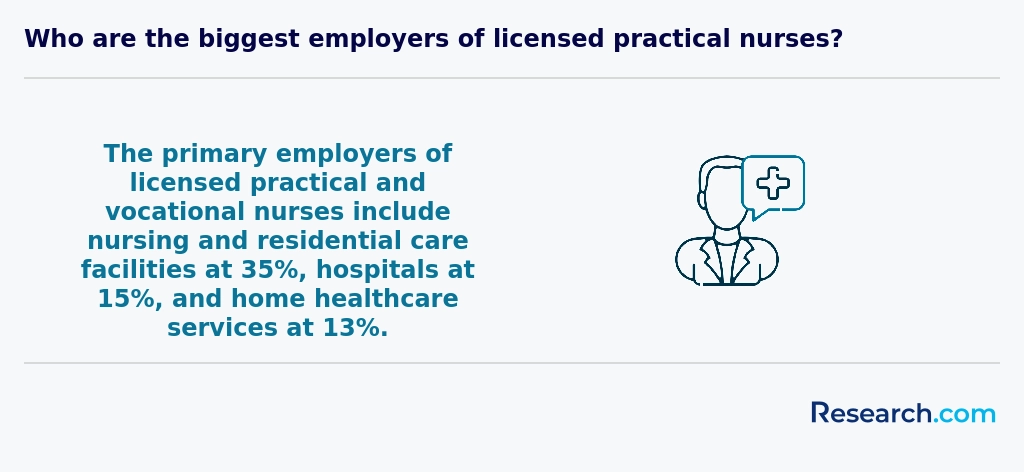
For students interested in exploring alternative paths or seeking more information on nursing programs beyond Indiana, PA, there are numerous resources available. One valuable option is to explore valuable nursing programs in Pennsylvania, which can provide insights into the diverse range of nursing education available across the state. This can include looking into online nursing programs, accelerated nursing degrees, or specialized nursing fields such as pediatric nursing or nursing informatics. By considering these alternatives, prospective nursing students can make more informed decisions about their educational and career paths, ultimately leading to a more fulfilling and successful nursing career.
When pursuing a nursing degree in Indiana, financial aid is essential to manage costs, which can range from $10,000 to $25,000 annually. Start by applying for federal aid like Pell Grants and Federal Direct Loans, which offer relief without the stress of high interest rates. Many nursing students at Indiana University and Purdue University have found these options invaluable for easing tuition burdens.
Next, explore state-level scholarships such as the Indiana Health Profession Scholarship Program, which supports students willing to work in underserved areas after graduation. This practical route not only reduces tuition but also ensures meaningful work experience in critical-need hospitals. Graduates from Indiana's programs often highlight how this aid made their advanced degrees achievable.
Don't overlook institutional scholarships from schools like the Indiana University School of Nursing, where merit or need-based grants can significantly lower expenses. Plus, employers in Indiana often provide tuition reimbursement or loan forgiveness, especially for those advancing their nursing careers.
Finally, seek private scholarships, including those from the Indiana Nurses Foundation, to cover remaining costs. Many successful students credit combining these aids as their key to graduating without overwhelming debt.
On average, students investing in an Associate Degree in Nursing (ADN) in Indiana, PA spend between $23,900 and $66,320 in tuition and fees, while Bachelor of Science in Nursing (BSN) candidates incur costs ranging from $89,556 to $211,392. With entry‐level Registered Nurses earning a median salary of $89,010 annually, ADN graduates can recoup their educational investment in as little as one to two years, whereas BSN holders typically reach their break‐even point within three to five years, depending on living expenses and financial aid. Breaking down the numbers further, assuming an ADN graduate borrows $40,000 at a 5% interest rate and secures a starting salary of $75,000, estimated monthly loan payments of $425 translate to a payback period of approximately eight years. BSN graduates, borrowing $120,000 and starting at $85,000, face monthly payments around $1,275, resulting in a similar eight‐to‐ten‐year timeline-but benefit from higher promotion rates, specialty bonuses, and leadership stipends that accelerate long‐term earnings. For those aiming to expand their scope of practice and boost lifetime earnings, pursuing a Master of Science in Nursing (MSN) or Nurse Practitioner (NP) credential can be transformative. Many graduates transition directly into programs recognized among the easiest np programs to get into online, enabling them to qualify for advanced practice roles that command median salaries above $120,000. Factoring in these advanced credentials, nursing professionals in Indiana, PA often see a 25–40% increase in annual income, greatly enhancing their overall return on investment.
To enroll in a nursing degree program in Indiana, you must start with a high school diploma or GED. This baseline is essential whether you're aiming for an ADN or BSN program. For example, graduates from schools like Indiana University-Purdue University Indianapolis (IUPUI) often mention how completing key courses like biology with lab, chemistry, math, and English prepared them well for the program's demands.
Alongside coursework, maintaining a solid GPA-usually around 2.5 or higher-is important. More competitive programs might expect B grades or better in prerequisite classes. Many students at Ivy Tech Community College found that meeting these academic thresholds boosted their confidence and readiness for nursing challenges.
Most Indiana nursing programs also require passing the TEAS exam, which covers reading, math, science, and English skills. Passing this test reassures schools of your preparedness and helps you feel more secure about your knowledge before clinicals.
Some students gain an edge by earning a CNA license beforehand. This practical experience, often valued by universities like Ball State, builds hands-on skills and strengthens applications. Don't forget, background checks and immunizations are mandatory to protect both you and your future patients during clinical rotations.

Accreditation is a critical indicator of program quality and is often required for licensure in Indiana, PA. Prospective students should verify that their chosen nursing program holds accreditation from recognized agencies such as the Commission on Collegiate Nursing Education (CCNE) or the Accreditation Commission for Education in Nursing (ACEN). These accrediting bodies ensure that curricula meet rigorous industry standards, preparing graduates for safe and effective patient care. Equally important are NCLEX-RN pass rates, which reflect how well a program prepares students for the licensing exam. In Indiana, PA, top-tier nursing schools report first-time NCLEX-RN pass rates exceeding 88%, aligning closely with national averages. High pass rates not only demonstrate the strength of didactic instruction and clinical training but also significantly boost employer confidence during recruitment. Students seeking accelerated pathways can explore options like online accelerated bsn nursing programs, which combine streamlined coursework with robust licensure preparation. These programs often feature dedicated NCLEX prep workshops, simulated patient labs, and faculty-led review sessions that have proven instrumental in elevating pass rates above 90% in recent cohorts. Before enrolling, applicants should:
- Confirm regional and national accreditation status.
- Review published NCLEX pass rates for multiple graduating classes.
- Investigate additional support services, such as tutoring or exam coaching. By prioritizing accredited programs with strong NCLEX outcomes, students in Indiana, PA can maximize their chances of licensure success and launch a fulfilling nursing career with confidence.
In Indiana, nursing degree programs start with fundamental sciences like human anatomy, physiology, microbiology, and chemistry. These courses build a clear picture of how the body works, which is crucial before diving into nursing practice. Graduates from schools such as Indiana University-Purdue University Indianapolis often describe how these basics made later clinical work more understandable and less overwhelming.
Following that, you'll encounter specialized nursing courses including fundamentals of nursing practice, pharmacology, pathophysiology, and health assessment techniques. These prepare you for hands-on patient care, such as identifying symptoms or safely administering medications. Many students find that practicing these skills during clinical rotations at local hospitals brings a rewarding sense of readiness and confidence.
Expect courses covering adult, pediatric, maternal, and mental health nursing, along with community and public health nursing to broaden your experience. Ethical communication and leadership classes help sharpen skills crucial for effective teamwork in fast-paced Indiana healthcare settings. This practical blend ensures you graduate ready to make a real difference.

Nursing degree specializations in Indiana cover practical areas tailored to the state's healthcare needs. Graduates from Indiana University and Purdue University often highlight Adult-Gerontology, which prepares nurses to manage chronic conditions common among Indiana's aging population. Pediatric Nursing is another popular option, focusing on care for children in both urban and rural settings, reflecting Indiana's diverse communities.
Many students find the Family Nurse Practitioner (FNP) specialization particularly rewarding. It equips nurses to provide care across all ages, addressing physician shortages in many Indiana counties. Similarly, Psychiatric-Mental Health Nursing responds to the growing demand for behavioral health services statewide, a crucial and fulfilling path according to alumni feedback.
Hands-on clinical experience is a highlight at Indiana nursing programs with specialization options, where emergency and critical care skills are sharpened through partnerships with local hospitals. Neonatal Nursing is also emphasized, especially in hospitals with strong maternity services. For those seeking complementary skills, consider exploring the online sonography curriculum to broaden your expertise.
Start by identifying which nursing degree aligns with your goals-whether it's an LPN certificate, ADN, or BSN. Graduates from Indiana University often highlight the benefit of a BSN's comprehensive curriculum, which opens doors to advanced roles. Cost is another critical factor; public community colleges typically offer more affordable nursing schools in Indiana, with ADN programs costing between $5,000 and $8,000 per year, compared to BSN programs at state universities that may run $10,000 to $15,000 annually.
Check the program's accreditation-CCNE accreditation at schools like Purdue University ensures your education meets high standards and that you can sit for the NCLEX-RN exam. Graduates recall feeling confident walking into the licensing exam thanks to strong program support. Also, review NCLEX pass rates and job placement data posted by Indiana's Board of Nursing, which reflect how well schools prepare students.
Consider location and format; if you need flexibility, online BSN options growing in Indiana could fit your schedule while allowing you to stay near family. Nursing students appreciate programs with strong clinical partnerships in local hospitals, crucial for gaining hands-on experience that builds confidence. For a wider perspective, some students compare options and reviews by visiting resources like nursing universities houston student reviews to observe how real feedback shapes decisions about the best nursing degree programs Indiana offers.
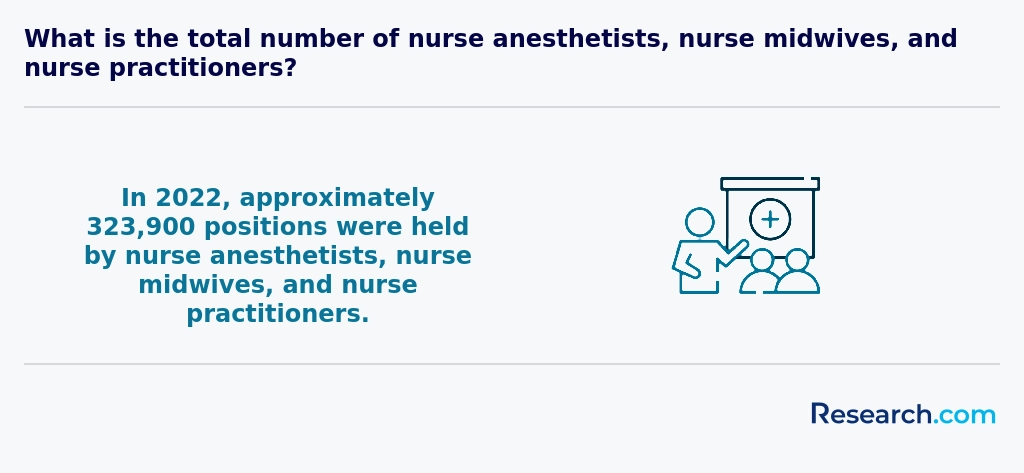
Graduates with a nursing degree in Indiana find diverse career paths suited to different interests and goals. Starting as Licensed Practical Nurses (LPNs) or Registered Nurses (RNs) is typical, with many entering hospital or clinic roles that offer hands-on experience and steady salaries. Popular nursing programs at Indiana universities provide practical training that helps graduates quickly adapt to patient care settings, making job prospects promising for those focused on entry-level roles.
For greater responsibility and specialized work, many graduates pursue a Bachelor of Science in Nursing (BSN), which opens doors to advanced clinical roles and management positions. This pathway aligns well with Indiana's healthcare landscape, where employers increasingly seek BSN-qualified nurses. Students from major state colleges share how completing BSN programs enhanced their critical thinking and leadership, directly boosting job opportunities in urban centers.
Exploring advanced career options, such as Nurse Practitioner or Nurse Anesthetist, requires further education but offers autonomy and prescriptive authority regulated by Indiana's Board of Nursing. Other graduates branch into roles like public health nursing or health informatics, connecting technology to patient care. Prospective students interested in detailed guidance and mentorship may also benefit from resources like nursing schools dallas faculty mentorship, enriching their professional development. Overall, nursing career opportunities in Indiana grow steadily with experience and education.
Understanding Indiana nursing degree job prospects helps students make informed choices about their educational and career trajectories, especially given the state's supportive healthcare environment and expanding population.

The nursing job outlook in Indiana is encouraging for recent graduates ready to enter the workforce. Nursing programs at universities like Indiana University and Purdue have produced graduates who quickly find employment in hospitals and clinics throughout Indianapolis and smaller communities. These nurses often mention how the strong demand in both urban and rural settings allowed them to choose from multiple job offers, highlighting ongoing shortages of qualified professionals.
Indiana nursing degree employment opportunities extend beyond traditional hospitals to outpatient care and home health services, reflecting the evolving healthcare landscape. Graduates appreciate how local schools prepare them with practical skills aligned with these settings, making the transition smoother and more rewarding. Competitive starting salaries, often around $60,000, provide added financial motivation.
Those weighing nursing programs should also factor in tuition costs. Indiana's public universities offer affordable education suited for students seeking value without sacrificing quality. For more insight into regional options, prospective students might explore valuable nursing programs in Pennsylvania to compare pathways elsewhere.
2027 Most Valuable Nursing Degree Programs Ranking in Indiana
Investing in your education is a significant decision that can greatly impact your future, and the Research.com team recognizes the importance of making informed and confident choices. To support prospective students seeking nursing degrees in Indiana, we have carefully developed the "2027 Most Valuable Nursing Degree Programs Ranking in Indiana." Our dedication to quality, credibility, and accuracy is demonstrated through thorough research and analysis.
We utilized the following reputable data sources to ensure a comprehensive evaluation of nursing degree programs:
By consulting this ranking, readers will obtain valuable insights into the most valuable nursing degree programs in Indiana, helping them make well-informed decisions about their educational investments. For more information on how this ranking was created, please visit our Research.com methodology page.

Frequently Asked Questions About nursing
Nursing degree students in Indiana can enhance their learning by engaging in diverse clinical experiences offered across the state. Indiana boasts numerous hospitals and healthcare facilities that provide practical training, which is essential for skill development. According to the Indiana Center for Nursing, hands-on clinical hours contribute significantly to licensure exam success, with over 90% of nursing graduates passing the NCLEX-RN on their first attempt.
Students should also take advantage of simulation labs available at many Indiana nursing schools, allowing safe practice of critical procedures. Joining local nursing organizations such as the Indiana State Nurses Association offers networking and continuing education opportunities, vital for professional growth.
The nursing field in Indiana is experiencing growth in several emerging specialties. One of the fastest-growing niches is geriatric nursing, driven by Indiana's aging population. According to the Indiana State Department of Health, the number of residents aged 65 and older is expected to increase significantly over the next decade, creating high demand for nurses with expertise in elderly care.
Another rising area is informatics nursing, focusing on integrating patient care with advanced technology. Indiana hospitals and clinics are increasingly adopting digital health records and telehealth services, fueling this niche's expansion.
Additionally, psychiatric-mental health nursing is gaining attention, reflecting a nationwide rise in mental health awareness. The Indiana Behavioral Health Commission highlights a shortage of qualified nurses in this specialty, emphasizing its importance for students to consider.
After completing a nursing degree in Indiana, preparing for the job market involves several key steps. First, graduates must pass the NCLEX-RN exam to obtain licensure, which is mandatory to practice as a registered nurse in the state. Indiana's Board of Nursing provides up-to-date resources and application instructions for this process.
Networking is important. Joining professional organizations like the Indiana State Nurses Association can connect graduates with job openings and continuing education. Clinical experience gained during school also strengthens resumes, as Indiana hospitals often seek candidates with practical skills.
Finally, research from the Indiana Department of Workforce Development shows strong demand for nurses, especially in rural areas, highlighting regional opportunities new graduates should consider.
Employers in Indiana highly value nursing graduates who demonstrate strong clinical skills and effective patient communication. According to the Indiana Center for Nursing, technological proficiency is increasingly important as healthcare relies more on electronic health records and advanced medical devices.
Critical thinking and problem-solving abilities are essential for managing complex patient care situations. Indiana hospitals report that teamwork and adaptability improve patient outcomes and are prioritized in hiring.
Additionally, cultural competence is crucial in Indiana's diverse population to provide equitable care. Time management and ethical decision-making also rank among the top skills sought by healthcare employers across the state.
Finding internships relevant to a nursing degree in Indiana requires strategic research and networking. Nursing students should start by contacting their school's career services, as many Indiana nursing programs have partnerships with local hospitals and clinics offering clinical placements. The Indiana State Department of Health lists healthcare facilities statewide, which can be a resource for identifying potential internship sites.
Additionally, organizations like the Indiana Nurses Association provide networking opportunities and might share internship openings. According to the Bureau of Labor Statistics, Indiana employs over 40,000 registered nurses, meaning numerous hospitals and long-term care facilities often seek nursing interns. Exploring websites of major Indiana health systems such as IU Health or Ascension St. Vincent can yield specific internship info.
In Indiana, obtaining a nursing degree significantly enhances career mobility and advancement opportunities. Registered nurses with a Bachelor of Science in Nursing (BSN) are increasingly preferred by employers, as the Indiana Center for Nursing reports that BSN-prepared nurses have a wider range of job options and higher earning potential. According to the U.S. Bureau of Labor Statistics, Indiana expects a 12% growth in nursing jobs by 2031, reflecting strong demand. Higher degrees such as a Master of Science in Nursing (MSN) or Doctor of Nursing Practice (DNP) expand access to leadership, specialized clinical roles, and teaching positions within the state's healthcare system.
The Indiana State Board of Nursing supports advanced education for nurses, encouraging degree progression as a pathway to improved professional status. Nurses with degrees benefit from greater geographic flexibility, including opportunities in urban and rural areas across Indiana, where healthcare needs are evolving. Overall, degree attainment in nursing in Indiana directly correlates with enhanced career prospects and professional development.
Studying for a nursing degree in Indiana equips students with skills vital for interdisciplinary healthcare roles. Programs integrate training in communication, teamwork, and leadership to enhance collaboration among nurses, physicians, social workers, and therapists. Indiana's nursing curricula often include simulation labs and clinical rotations in diverse settings, offering real-world experience with interdisciplinary teams.
The Indiana Center for Nursing reports that nearly 60% of nursing graduates engage in collaborative healthcare roles within their first year. This reflects the state's emphasis on preparing nurses to navigate complex patient care systems effectively. Students also learn evidence-based practices and patient-centered care approaches, essential for cooperation across disciplines.
When choosing between a thesis and a non-thesis nursing degree program in Indiana, it is important to consider your career goals. Thesis programs typically focus on research and prepare students for doctoral studies or academic roles. They require completion of an original research project, which can be demanding but rewarding.
Non-thesis programs emphasize clinical skills and practical knowledge, suitable for those aiming to advance directly into nursing practice or administration. According to the Indiana Commission for Higher Education, nearly 60% of nursing graduates pursue non-thesis options for quicker entry into the workforce.
Consider also the time commitment: thesis programs may take longer due to research requirements, while non-thesis pathways often offer more flexible, accelerated schedules.
Students based in Indiana who wish to study nursing abroad have several pathways to consider. Many universities in Indiana partner with international institutions to offer exchange programs or study abroad opportunities specifically for nursing students. These programs provide valuable global clinical experiences while ensuring coursework aligns with US nursing standards.
Indiana nursing programs are accredited by the Commission on Collegiate Nursing Education (CCNE) or the Accreditation Commission for Education in Nursing (ACEN), which helps when transferring credits from overseas institutions. The Indiana State Board of Nursing requires all candidates to graduate from a Board-approved program to be eligible for licensure.
Some popular destinations for Indiana students include Canada, the United Kingdom, and Australia, known for their strong nursing education systems. Students should verify that foreign programs meet US clinical hour requirements, as Indiana mandates at least 500 supervised clinical hours for licensure.
Part-time job opportunities in Indiana can effectively complement nursing degree education by providing practical experience alongside academic learning. Many nursing students find roles as certified nursing assistants (CNAs), which allow them to develop hands-on patient care skills in hospitals and long-term care facilities. According to the Indiana Department of Labor, the median hourly wage for CNAs in Indiana is approximately $13.50, making it a viable option for students.
Additionally, roles such as medical scribes or patient care technicians offer exposure to clinical environments without requiring full licensure. These positions help students understand healthcare workflows and improve communication skills, essential for nursing careers. Campus health centers and outpatient clinics in Indiana also employ students part-time, integrating learning with real-world experience.
Nursing students in Indiana have access to various networking opportunities that can enhance their education and career prospects. Many nursing schools in the state partner with local hospitals, clinics, and healthcare organizations for clinical placements, providing students with chances to connect with practicing professionals.
Indiana also hosts chapters of national nursing organizations like the Indiana Nursing Association (INA) and the National Student Nurses' Association (NSNA). These groups offer conferences, workshops, and mentorship programs to help students build professional relationships.
The Indiana Department of Health supports initiatives that encourage collaboration between nursing students and experienced nurses, which is vital given the state's expected 15% growth in nursing jobs by 2030, according to the Bureau of Labor Statistics. Such connections help students stay informed about industry trends and job openings.
Alumni networks play a crucial role in supporting nursing degree students in Indiana. They provide valuable connections within the state's healthcare community, helping students find clinical placements and job opportunities after graduation. According to the Indiana Board of Nursing, practical experience and professional relationships significantly impact early career success for nurses in the state.
These networks also offer mentorship programs, where experienced Indiana nurses guide current students through academic challenges and career planning. Access to alumni events and continuing education workshops fosters ongoing learning and professional growth.
In a state with a growing demand for nurses-as the Indiana Department of Workforce Development projects a 15% increase by 2030-such support can be vital in navigating job markets effectively.
Indiana offers several flexible nursing degree programs that allow students to tailor their education to specific career goals. Many schools provide various tracks such as RN-to-BSN, accelerated BSN, and MSN programs focusing on specialties like nurse practitioner or nurse educator roles. Elective courses and clinical placements can be selected based on interest areas, helping students gain relevant experience.
The Indiana State Board of Nursing reports increasing demand for advanced practice nurses, reflecting the value of specialized study. Additionally, partnerships with local healthcare facilities often provide customized clinical experiences, which enhance employability in Indiana's healthcare market.
Students should review curriculum options and consult academic advisors to align course choices with long-term career objectives.
Nursing students in Indiana commonly face several challenges during their education. One major difficulty is managing the demanding clinical hours required by Indiana's nursing programs. According to the Indiana Center for Nursing, students often struggle to balance clinical placements with coursework and personal responsibilities.
Another challenge is the competitive nature of nursing program admissions in the state. Many programs have limited spots due to high demand and faculty shortages, making entry especially difficult.
Additionally, students may encounter financial stress. The average annual tuition for Indiana nursing degrees can exceed $10,000, not including fees and supplies, posing a barrier for some.
Lastly, adapting to rigorous coursework that includes anatomy, pharmacology, and patient care theories requires strong study habits and resilience to avoid burnout.
With a nursing degree in Indiana, graduates can pursue various professional certifications to advance their careers. Common certifications include the Certified Registered Nurse Anesthetist (CRNA) and the Certified Nurse Midwife (CNM), both requiring graduate education and national certification. Many Registered Nurses (RNs) choose to obtain specialty credentials such as the Certified Pediatric Nurse (CPN) or the Medical-Surgical Nursing Certification (CMSRN).
Indiana nurses benefit from state-specific certifications, including the Indiana Board of Nursing's Advanced Practice Registered Nurse (APRN) credentials. According to the Indiana Professional Licensing Agency, over 27,000 RNs were licensed in 2023, reflecting the importance of specialized certifications for competitive job placement.
Writing a winning application for a nursing program in Indiana requires clear focus and preparation. Start by thoroughly researching the specific program's prerequisites, as many Indiana nursing schools emphasize strong GPA and science coursework. For example, Indiana University's nursing programs often require a minimum GPA of 3.0 and completion of courses like anatomy and physiology.
Highlight any healthcare experience, such as volunteering or CNA work, which improves your application profile significantly. According to the Indiana Board of Nursing, applicants with clinical experience tend to have better admission outcomes.
Prepare a compelling personal statement that explains your motivation for nursing, emphasizing qualities like empathy and resilience. Be sure to proofread carefully and consider asking a mentor to review your essay.
Finally, gather strong letters of recommendation from instructors or healthcare professionals familiar with your skills and work ethic. These steps will align your application with competitive Indiana nursing programs' expectations.
The nursing profession is highly valued worldwide for its crucial role in healthcare delivery. Globally, demand for nurses continues to rise, and this trend is echoed in the United States, including Indiana. According to the Indiana Center for Nursing, the state expects a 18% growth in registered nurse jobs from 2020 to 2030, reflecting strong opportunities for new graduates.
Internationally, nursing careers offer diverse experiences and pathways, including advanced practice, research, and education. The U.S. system encourages evidence-based practice, and Indiana nursing programs emphasize clinical skills and cultural competence to prepare students for global challenges.
The World Health Organization highlights nursing as essential to achieving health goals worldwide, increasing the profession's prestige and career potential across borders. Students in Indiana can expect their degrees to provide a solid foundation for both national and global healthcare roles.
Gaining practical experience is essential when pursuing a nursing degree in Indiana. Most accredited nursing programs require clinical hours, which students complete at hospitals, clinics, or community health centers. These placements allow students to apply classroom knowledge in real-world healthcare settings under supervision.
Indiana supports partnerships between nursing schools and healthcare providers, facilitating diverse clinical experiences. For example, the Indiana Center for Nursing reports that many programs include over 600 clinical hours before graduation. Additionally, some schools offer simulation labs using advanced technology to prepare students.
Students may also participate in internships or externships, providing valuable hands-on learning and networking opportunities. Volunteering in healthcare facilities can further enhance practical skills and increase job readiness upon graduation.
Choosing the right concentration within a nursing degree program in Indiana depends on your career goals and interests. Common specializations include family nursing, pediatric nursing, and geriatric care, reflecting Indiana's diverse patient population. According to the Indiana State Board of Nursing, family nurse practitioners are in high demand due to a growing need for primary care providers.
It's important to research the job outlook and salary data for each concentration. For example, advanced practice nurses in Indiana earn an average annual wage of approximately $95,000, with variations depending on specialty.
Also consider program accreditations and available clinical placements, which can impact your preparation and licensing success.
- 2027 Most Valuable Nursing Degree Programs Ranking in Baltimore
- 2027 Most Valuable Nursing Degree Programs Ranking in Washington
- 2027 Most Valuable Nursing Degree Programs Ranking in Rochester
- 2027 Most Valuable Nursing Degree Programs Ranking in Columbus
- 2027 Most Valuable Nursing Degree Programs Ranking in Detroit
- 2027 Most Valuable Nursing Degree Programs Ranking in New York
- 2027 Most Valuable Nursing Degree Programs Ranking in Brooklyn
- 2027 Most Valuable Nursing Degree Programs Ranking in Bronx
- 2027 Most Valuable Nursing Degree Programs Ranking in Cincinnati
- 2027 Most Valuable Nursing Degree Programs Ranking in Virginia Beach
See What Experts Have To Say About Studying Nursing
Read our interview with Nursing experts


- Career Advancement Pathways for Nurses : Expert RN shares 10+ Professional growth opportunities - MuminMed https://blog.muminmed.com/career-advancement-pathways-for-nurses/
- Indiana • Edition 57 • How To Positively Influence The Future Of Nursing https://epubs.thinknurse.com/article/How+To+Positively+Influence+The+Future+Of+Nursing/3338935/575749/article.html
- Nursing Career Paths https://reidhealth.org/Career-Opportunities/Nursing-Careers/Nursing-Career-Paths
- How to Switch to Nursing as a Second Career | All Nursing Schools https://www.allnursingschools.com/articles/second-career-nursing/
- Mastering Indiana Nursing Prerequisites https://www.prereqcourses.com/complete-guide-indiana-nursing-prerequisites/
- Online versus Face-to-Face Nursing Degrees: A Study of Recruiters’ Perceptions - OJDLA https://ojdla.com/articles/online-versus-face-to-face-nursing-degrees-a-study-of-recruiters-perceptions
- Nursing Jobs In Indiana https://ionl.nursingnetwork.com/nursing-jobs
- Want to Further Your Nursing Career? Indiana University can help! https://inaohn.nursingnetwork.com/nursing-news/154641-want-to-further-your-nursing-career-indiana-university-can-help-
- Types of Nursing Careers & Specialties https://nursinglicensemap.com/nursing-specialties/
- Work-life balance | Careers Crossroads | RCN Careers Resources | Royal College of Nursing https://www.rcn.org.uk/Professional-Development/Your-career/Nurse/Career-Crossroads/Career-Ideas-and-Inspiration/work-life-balance