2027 Most Affordable Nursing Degree Programs Ranking in Birmingham

Co-Founder and Chief Data Scientist
Choosing the right nursing degree program in Birmingham can feel overwhelming. To help you make a smart decision, this article features the 2027 Most Affordable Nursing Degree Programs Ranking in Birmingham, created by the Research.com team of data scientists.
Discover affordable, quality options tailored to your needs and budget. Earning a nursing degree opens doors to a rewarding career filled with opportunities to make a real difference. Reading this guide will give you confidence and clarity on the programs that truly stand out. Start your journey toward a meaningful future today.
Key benefits of getting nursing degree in Birmingham
- Salary for nursing degree graduates: Graduates can expect competitive salaries with roles such as Registered Nurse and Public Health Nurse earning around $94,480 annually, while specialized positions like Operating Room Nurse offer higher pay, up to $128,490 per year.
- Career paths: Nursing degree holders from universities in Birmingham often explore diverse roles, from clinical nursing to nurse education or emergency care, allowing exciting opportunities to match personal interests and strengths.
- Online degree benefits: Completing a nursing degree online from a Birmingham institution offers flexibility and convenience, helping students balance studies with personal commitments without sacrificing quality education.
- 2027 Most Affordable Nursing Degree Programs Ranking in Birmingham
- What can I expect from nursing degree in Birmingham?
- Where can I work with nursing degree in Birmingham?
What can I expect from nursing degree in Birmingham?
The average cost of pursuing a nursing degree in Birmingham varies depending on the type of program and institution but generally falls within accessible ranges for many students. Graduates from the University of Alabama at Birmingham (UAB), a leading institution for nursing, report that tuition for the Bachelor of Science in Nursing (BSN) program totals approximately $30,000 to $40,000 for in-state students across four years. This figure includes fees but excludes living expenses and clinical supplies.
Associate Degree in Nursing (ADN) programs, typically offered at local community colleges, have lower tuition costs, often around $10,000 to $15,000 for the full two-year curriculum, making them a budget-friendly pathway into nursing with quicker entry into the workforce.
Students frequently describe a strong return on investment, pointing to UAB's extensive clinical training and the city's high demand for registered nurses, which helps graduates secure positions quickly. Practical experience gained at hospitals and clinics in Birmingham's medical district enhances confidence and job readiness, reinforcing the value of the program cost.
Where can I work with nursing degree in Birmingham?
Graduates with a nursing degree from Birmingham institutions like the University of Alabama at Birmingham (UAB) often find immediate employment in hospital settings, where they engage in specialties such as critical care, emergency nursing, and surgical nursing. Many express satisfaction working at UAB Medical Center, appreciating the dynamic environment and diverse patient cases that help sharpen their clinical skills.
Beyond hospitals, nursing graduates frequently join outpatient clinics or physician offices, managing routine care and chronic conditions. These roles provide a balanced pace that many find rewarding while serving Birmingham's expanding community health needs.
Long-term care facilities and nursing homes also offer strong career paths. Graduates report fulfillment in caring for elderly patients with complex health challenges, a sector expected to grow by more than 15% in Alabama through 2030.
Additionally, public health programs and home healthcare positions provide opportunities to impact community wellness directly. Nurses enjoy the autonomy of home healthcare roles, delivering personalized care to patients, reflecting a growing trend among Birmingham's healthcare providers.
Graduates from nursing programs in Birmingham, such as those at the University of Alabama at Birmingham, can anticipate competitive earnings in local healthcare roles. According to the latest data, registered nurses in Birmingham generally earn a mean annual wage of around $94,480, aligning with the national averages for similar roles.
For those who specialize, such as clinical nurse educators or public health nurses, salaries typically match this figure, reflecting the demand for skilled nursing professionals. Emergency room nurses also share this mean wage, enabling graduates to consider diverse career paths without a significant pay disparity.
Operating room nurses represent a higher earning bracket, with an average annual income near $128,490. This opportunity appeals to graduates seeking advanced roles after completing initial nursing degrees locally.
Many Birmingham graduates highlight the satisfaction of combining meaningful patient care with solid financial returns, often noting how institutions like Birmingham-Southern College support career growth. The proximity to major hospitals provides valuable clinical experiences that contribute to securing these robust salaries.
Choosing nursing in Birmingham thus not only offers hands-on education but also pathways to well-compensated positions across several specialized nursing careers.
- Nursing degrees in Birmingham include associate's (ADN) and bachelor's (BSN) programs, with BSN preferred by many employers.
- Tuition for a BSN program at public schools ranges from $25,000 to $45,000, excluding additional costs like textbooks and licensing fees.
- Entry-level registered nurses with a BSN earn between $60,000 and $70,000 annually, with experienced nurses making $80,000 or more.
- Nursing jobs in Birmingham are expected to grow by about 10% over the next decade, faster than the national average.
- Accreditation by CCNE or ACEN is crucial to ensure quality education and eligibility for the NCLEX-RN exam.
Completing a nursing degree in Birmingham varies by program, with the Associate Degree in Nursing (ADN) being the quickest route, typically taking about two years. Many students at Jefferson State Community College find this timeline manageable, allowing them to enter the workforce and begin their careers swiftly.
A Bachelor of Science in Nursing (BSN) usually requires four years at universities like the University of Alabama at Birmingham. Graduates often appreciate the comprehensive education they receive, including leadership and research skills, which broadens their career opportunities.
For those with prior credentials, accelerated BSN programs lasting 12 to 18 months offer an intensive, rewarding challenge, enabling faster advancement.
Graduate degrees such as the Master of Science in Nursing (MSN) demand about two additional years beyond the BSN, often balancing part-time study with clinical practice.
Students share that these timelines, while demanding, provide clear milestones and build confidence as they progress in trusted Birmingham institutions.
Licensed Practical Nurse (LPN) programs offer an accelerated entry point into healthcare, combining foundational nursing principles with hands-on clinical training. In Birmingham, AL, these programs can be completed in as little as nine months, providing a cost-effective alternative for students eager to begin their careers quickly. For those seeking flexible scheduling and blended learning, many explore 9 months lpn programs, which allow theoretical coursework online alongside in-person clinical rotations at local facilities. Curriculum Highlights: • Nursing Fundamentals: Mastering vital signs, patient hygiene, and basic care techniques • Pharmacology Essentials: Safe medication administration, dosage calculations, and drug interaction awareness • Clinical Practicum: Supervised hands-on experience in hospitals, long-term care centers, and outpatient clinics • Communication & Ethics: Patient education, interdisciplinary teamwork, and adherence to professional standards Admission Requirements: • High school diploma or GED with a minimum 2.5 GPA • Prerequisite coursework in biology and chemistry • TEAS exam scores, criminal background check, and immunization records Career Outlook: • Average annual salary of $50,000–$55,000 in Birmingham, with shift differentials and overtime pay • Employment settings include hospitals, rehabilitation centers, home health agencies, and physician offices • Clear advancement pathway through LPN-to-RN bridge programs, enabling further specialization and higher earning potential Choosing an LPN pathway not only accelerates entry into the nursing workforce but also builds critical competencies and paves the way for seamless progression toward ADN or BSN credentials.
In Birmingham, on-campus nursing programs, such as those at the University of Alabama at Birmingham, require students to attend classes regularly and engage in hands-on practice at labs and clinical simulation centers. Graduates often highlight the value of direct interaction with faculty and peers, creating a supportive learning community. These programs typically involve scheduled clinical rotations in nearby hospitals, ensuring students gain practical experience in real healthcare settings.
Conversely, online nursing degrees offer significant flexibility, ideal for students balancing work or family. Coursework is completed digitally, but local clinical placements remain a requirement. Many Birmingham students appreciate this hybrid approach for its convenience, though arranging clinical hours independently can be challenging at times. According to the National League for Nursing, both formats align with rigorous standards, preparing students equally for licensure.
Cost-wise, on-campus programs average $8,500 annually at public institutions, whereas online options often save 15-20% by reducing facility fees. This financial difference, along with scheduling needs, strongly influences student decisions in Birmingham's competitive nursing education market.
To make the most of their nursing education, students in Birmingham, AL, should consider creating a comprehensive financial plan that includes budgeting for tuition, fees, and living expenses. Understanding the average cost of a nursing degree in Birmingham, which can range from $20,000 to over $60,000, is crucial for prospective students as they plan their educational journey. For those interested in affordable options, exploring affordable nursing schools in alabama can provide valuable insights and help students make informed decisions about their education and financial future. By carefully evaluating the costs associated with different nursing programs and creating a realistic budget, students can alleviate financial stress and focus on developing the foundational skills necessary for a successful nursing career. Effective financial planning also involves taking advantage of available financial aid options, such as scholarships, grants, and loans, to help fund their education.
The average cost of obtaining a nursing degree in Birmingham reflects a balance between public, community college, and private institution rates. Median total tuition sits at approximately $38,602, with in-state students benefiting from significantly lower costs near $9,098. Graduates from the University of Alabama at Birmingham commonly recall manageable expenses when attending as in-state students, which helps reduce the financial burden while still accessing quality nursing education. This aligns well with affordable nursing programs Birmingham tuition fees, especially when factoring in additional fees for clinicals and supplies that typically add between $1,000 and $2,000 annually.
Community colleges such as Jefferson State Community College attract many students aiming for an Associate Degree in Nursing (ADN) due to their lower tuition range of $4,000 to $6,000 per year. Students often appreciate the cost-effectiveness, which enables them to start nursing careers without excessive debt. Nonetheless, personal costs for textbooks, uniforms, and health clearances can increase overall expenses slightly over the duration of study.
Private nursing schools in Birmingham, while more costly-charging between $20,000 and $40,000 annually-offer extensive scholarships and financial aid options. Many students cite gratitude for these resources, which alleviate some financial stress and make private education more accessible. For those exploring their options in this city, local evaluations of the affordable nursing schools in alabama provide valuable guidance to find programs fitting varying budgets and career goals.
Navigating the admissions process for nursing degree programs in Birmingham, AL, requires attention to key deadlines, documentation, and tailored application strategies. To secure your spot, begin by confirming each institution’s application window-most ADN and BSN programs open applications in late summer (July–August) with deadlines ranging from October to December. MSN and accelerated BSN tracks often have separate cycles, typically closing between January and March for fall enrollment. First, verify your eligibility by reviewing prerequisite coursework (biology, chemistry, anatomy) and standardized test requirements (TEAS or ACT scores). Ensure that your official transcripts, test scores, and proof of immunizations are submitted at least two weeks before each deadline to avoid processing delays. Many programs also require a personal statement or essay outlining your nursing goals and experiences; use this opportunity to highlight any healthcare-related volunteer work or shadowing hours. Next, prepare for any supplemental requirements such as background checks, health screenings, and CPR certification. Institutions like the University of Alabama at Birmingham and Samford University often schedule on-campus interviews or virtual information sessions between November and February-these sessions provide a chance to ask about clinical placements, simulation labs, and faculty mentorship. Be proactive: attend open house events and connect with admissions advisors to clarify any questions. Finally, if you’re exploring flexible pathways, consider pairing your application effort with research into an online nursing degree for non nurses. This can give you a head start on foundational courses and demonstrate your commitment to nursing education. By mapping out deadlines, organizing documents, and leveraging campus resources, you’ll streamline your application process and increase your chances of acceptance into a top nursing program in Birmingham for 2024.
Students pursuing nursing degrees in Birmingham benefit from diverse financial aid options to manage the high costs of education, which range from around $7,000 annually at public colleges to over $30,000 at private institutions. Many turn to federal aid through FAFSA, securing Pell Grants that can provide up to $7,395 per year and low-interest student loans with flexible repayment plans. These resources have helped numerous graduates from universities like the University of Alabama at Birmingham (UAB) reduce financial stress while focusing on their studies.
In addition to federal programs, state-level grants such as the Alabama Student Grant Program and Alabama Student Assistance Program offer targeted support for low-income students attending public institutions. Nursing students at Birmingham's colleges often attest to the relief brought by these need-based funds applied directly to tuition and fees.
Scholarships from nursing schools, including those at UAB sponsored by alumni and health organizations, reward academic performance and community dedication. Local healthcare employers also provide tuition reimbursement, fostering encouragement among working students aiming to advance their careers without overwhelming debt.
Specialized aid like the Nurse Corps Scholarship incentivizes graduates committed to serving in underserved areas, offering full tuition coverage in exchange for critical post-graduate work-a pathway many find rewarding both professionally and personally.
Reducing your overall investment starts with careful planning. To make nursing school in Birmingham more affordable:
- Research and apply early for federal, state, and school-specific scholarships.
- Enroll in in-district ADN courses at community colleges for lower tuition rates.
- Seek employer tuition reimbursement or state loan forgiveness for working nurses.
- Use open-access learning materials and join library programs to save on textbooks.
For advanced practice savings, compare and lock in rates with the cheapest fnp programs online before you begin.
To enroll in a nursing degree program in Birmingham, students must hold a high school diploma or GED and demonstrate proficiency in foundational subjects like biology, chemistry, and mathematics. Graduates from popular Birmingham colleges often recall how their solid grounding in these areas made advanced coursework more manageable and boosted their confidence early on.
Many programs require completion of college-level prerequisites such as anatomy, physiology, microbiology, and statistics. These courses prepare students for the rigors of nursing education, equipping them with essential scientific knowledge. For example, students at well-known Birmingham institutions appreciate how these classes laid a practical foundation for clinical skills.
Standardized test scores, though less universally mandated now, may still be requested by some nursing schools. Graduates suggest verifying specific requirements of chosen universities early, as this can reduce application stress.
Healthcare experience-whether as a CNA or volunteer-is often preferred, adding real-world insight and enhancing applications. Passing background checks and meeting immunization standards further protect patient safety, a critical concern consistently emphasized by Birmingham nursing programs.
Financial preparation is vital, with annual tuition at public institutions ranging from $6,000 to $12,000 plus expenses like books and licensing fees, a reality experienced by many Birmingham nursing students navigating their education journey.
Preparing a competitive application requires careful planning and attention to detail. Follow these steps to enhance your chances of acceptance: 1. Confirm Deadlines and Application Windows - Most schools in Birmingham offer fall and spring admissions. - Typical deadlines: March 1 (fall start) and October 1 (spring start). - Visit each program’s website for exact dates. 2. Gather Required Documents - Official transcripts from high school and any colleges attended. - TEAS or ACT scores (verify minimum required by each school). - Proof of immunizations and CPR certification. 3. Write a Compelling Personal Statement - Highlight your passion for patient care and any healthcare experience. - Describe volunteer work, internships, or mentorships. - Explain why Birmingham’s healthcare environment and your chosen school align with your goals. 4. Secure Strong Letters of Recommendation - Ask faculty, clinical supervisors, or healthcare professionals who know your work ethic. - Provide recommenders with your resume and a summary of your accomplishments. 5. Prepare for Potential Interviews - Research common nursing school interview questions, such as: “Describe a time you handled a stressful clinical situation.” - Practice concise, reflective responses showcasing critical thinking and empathy. 6. Explore Advanced Degree Options - If you plan to pursue a master’s, consider Inexpensive Online Master’s in Nursing Degree Programs for budget-friendly routes to specialization. 7. Follow Up and Track Your Application - Confirm receipt of all materials via the school’s admissions portal. - Reach out to admissions counselors with any questions or updates. By adhering to this guide, you’ll submit a well-organized application that reflects both your qualifications and your commitment to nursing excellence in Birmingham.
Nursing degree programs in Birmingham offer a blend of foundational and specialized courses that equip students with essential skills. Graduates from local universities often recall mastering Anatomy and Physiology early on, which provided a clear understanding of the human body crucial for daily nursing tasks. This theoretical knowledge is complemented by Microbiology and Pharmacology courses, preparing students to handle infections and medication safely in clinical settings.
Students also appreciate Health Assessment training, which sharpens their ability to conduct thorough physical exams-an experience often described as empowering during clinical placements at Birmingham hospitals. Pathophysiology and Nursing Fundamentals further build competence, enabling students to respond confidently to patient needs.
Specialized courses like Pediatric Nursing and Mental Health Nursing allow students to tailor their skills to specific patient groups, fostering a deeper connection with communities. Leadership and Management classes prepare them for future roles coordinating care teams, a common aspiration among Birmingham nursing graduates who value both hands-on learning and strategic healthcare insights.
Nursing degrees in Birmingham typically offer a diverse range of specializations to align with the city's healthcare demands. Common fields include pediatric nursing, focusing on care for infants and children-ideal for graduates passionate about working with young patients. Geriatric nursing is also prominent, reflecting Birmingham's aging population and the need for expertise in chronic illness management and elder care. Medical-surgical nursing provides broad clinical exposure, serving as a solid foundation for many students at local institutions like the University of Alabama at Birmingham. Other specializations include psychiatric nursing for mental health, obstetric nursing centered on childbirth, and critical care nursing for intensive care settings.
Graduates from Birmingham's top nursing programs report increased job satisfaction when they pursue these focused tracks, emphasizing how specialization enhances career opportunities. Many students access these options even within accelerated or online formats, which facilitate flexibility. Those exploring accelerated paths might consider programs like the online nursing degree for non nurses. Nursing degree specializations in Birmingham are thus designed to prepare students thoroughly while responding to the specific local healthcare context.
Best nursing programs with specializations Birmingham emphasize practical experience alongside theoretical instruction, helping students transition smoothly into specialized roles across hospital units, clinics, and community care settings.
The key to choosing the best nursing degree in Birmingham lies in evaluating the type of degree, cost, accreditation, clinical experience, and outcomes. Graduates from Jefferson State Community College's ADN program often emphasize its affordability and solid preparation for the NCLEX-RN exam. Meanwhile, the University of Alabama at Birmingham (UAB) offers a BSN program with advanced clinical training opportunities linked to local hospitals, an advantage for students seeking robust hands-on experience and higher employment prospects. Tuition typically ranges from about $4,200 per year for two-year programs to around $10,740 annually for four-year in-state degrees, reflecting the investment required for the best nursing schools in Birmingham Alabama. Accreditation by ACEN or CCNE remains essential, ensuring degrees meet licensure standards. Graduates report confidence entering the workforce due to UAB's NCLEX pass rates surpassing national averages. For those seeking quicker entry, exploring 9 months lpn programs can be a practical route within affordable nursing degree programs Birmingham.
Graduates with a nursing degree in Birmingham can pursue diverse nursing career opportunities in Birmingham across clinical and non-clinical settings. Many begin as staff nurses at major facilities like the University of Alabama at Birmingham (UAB) Hospital, gaining valuable hands-on experience in patient care, medication administration, and monitoring. These roles offer competitive salaries, reflecting Birmingham's growing healthcare demand.
Others specialize in fields such as pediatrics, oncology, or critical care, which require additional certifications but often provide higher compensation and focused expertise. For instance, certified critical care nurses at UAB earn salaries above the regional average. Advanced practice positions are attainable through graduate degrees, including nurse practitioners and nurse anesthetists, with nurse practitioners in Alabama earning over $100,000 annually.
Beyond direct care, healthcare jobs with nursing degree Birmingham include administration, education, and research roles that shape policy and train future nurses. Graduates appreciate local affordability and strong job prospects, especially when considering options like Inexpensive Online Master's in Nursing Degree Programs to advance their careers.
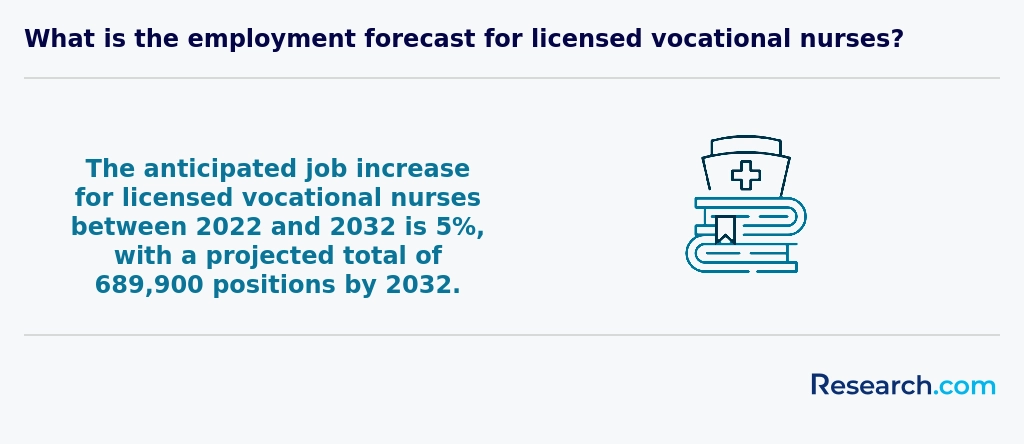
The nursing job opportunities in Birmingham are robust, with local healthcare providers such as UAB Hospital and Children's of Alabama consistently hiring graduates from nursing programs. Registered Nurse (RN) and Licensed Practical Nurse (LPN) positions are widely available, supported by steady employment growth projected at 12% through 2030. Nurses graduating from Birmingham's colleges often find themselves quickly employed, benefiting from the city's expanding healthcare infrastructure and strong demand for skilled professionals.
Birmingham nursing degree employment outlook is encouraging partly because wages remain competitive at about $65,000 annually, balanced by the lower cost of living in the region. Many graduates express satisfaction with the ability to build a career close to home without sacrificing income potential. In addition, Alabama public institutions offer BSN programs with tuition costs ranging from $7,000 to $10,000 per year, a key factor for students seeking affordable education.
For those balancing work and study, programs at popular Birmingham colleges include accelerated options, making it easier for professionals to advance. Exploring accelerated degree college options for working adults can provide a practical pathway to entering the nursing workforce sooner and meeting local healthcare demand.
2027 Most Affordable Nursing Degree Programs Ranking in Birmingham
Investing in your education is a significant decision that can shape your future, and the Research.com team understands the importance of making informed choices. To assist prospective students in Birmingham, we have carefully developed the "2027 Most Affordable Nursing Degree Programs Ranking in Birmingham." Our dedication to quality, credibility, and accuracy is demonstrated through thorough research and analysis behind this ranking.
We utilized the following reputable data sources to ensure a comprehensive evaluation of nursing degree programs:
By exploring this ranking, readers will gain valuable insights into affordable and high-quality nursing programs in Birmingham, empowering them to make well-informed decisions about their educational journeys. For more information on how this ranking was created, please visit our Research.com methodology page.


Frequently Asked Questions About nursing
Nursing degree students in Birmingham can maximize their learning by engaging deeply with clinical placements offered by local hospitals such as the UAB Hospital and Children's of Alabama. Hands-on experience is essential for building practical skills and confidence. According to the Alabama Board of Nursing, students who participate in diverse clinical rotations tend to have higher exam pass rates.
Additionally, taking advantage of tutoring services and study groups at institutions like Jefferson State Community College helps reinforce theoretical knowledge. Time management and consistent study habits are crucial, given the intensive coursework and clinical hours required.
Students should also seek opportunities to participate in nursing research projects and professional organizations, which enhance learning and networking prospects.
The nursing field in Birmingham is rapidly evolving, with several emerging niches gaining attention among students and healthcare providers. One growing area is gerontological nursing, driven by an aging population in Alabama, which requires specialized care for older adults. According to the Alabama Department of Public Health, nurses trained in elder care are increasingly in demand.
Another promising niche is telehealth nursing, which has expanded due to advances in technology and the COVID-19 pandemic. Nurses who manage virtual patient care, monitor chronic conditions remotely, and provide health education online are highly sought after in Birmingham's healthcare system.
Additionally, psychiatric-mental health nursing is rising as mental health awareness grows nationwide. The U.S. Bureau of Labor Statistics projects this specialty to grow faster than average, reflecting Birmingham's increased investment in behavioral health services.
Preparing for the job market after completing a nursing degree in Birmingham involves several strategic steps. First, graduates should obtain licensure by passing the NCLEX-RN exam, a requirement to practice as a registered nurse in the US. In Alabama, where Birmingham is located, the Alabama Board of Nursing oversees this process. According to the Alabama Center for Nursing, the state's nurse workforce demand is projected to grow by 15% through 2030, making timely certification essential.
Networking is also critical; joining local chapters of professional organizations such as the Alabama Nurses Association can connect new nurses to job opportunities. Additionally, gaining experience through internships or clinical placements during the degree program improves employability. Employers in Birmingham highly value practical skills alongside academic credentials.
Finally, continuous education and specialization in high-demand areas like geriatric or pediatric nursing can increase job prospects and salary potential in the competitive healthcare market.
Employers in Birmingham highly value nursing degree graduates who demonstrate strong clinical skills combined with effective communication. According to the Alabama Board of Nursing, proficiency in patient care, critical thinking, and adaptability ranks among the top qualities desired.
Interpersonal skills are crucial, as nurses often work closely with patients from diverse backgrounds. Birmingham's healthcare institutions emphasize teamwork, cultural competence, and empathy to improve patient outcomes.
Additionally, familiarity with electronic health records (EHR) and the ability to manage healthcare technology are increasingly important, reflecting national trends reported by the U.S. Bureau of Labor Statistics.
Graduates who show leadership potential and dedication to continuous learning tend to stand out in Birmingham's competitive nursing job market.
Finding internships in Birmingham relevant to a nursing degree involves several strategic steps. Start by exploring partnerships between local healthcare providers and universities offering nursing programs. For example, the University of Alabama at Birmingham (UAB) School of Nursing regularly collaborates with hospitals like UAB Hospital and Children's of Alabama to provide clinical placements.
Utilize your academic advisors and career services, as they often have updated listings of internships and clinical opportunities tailored for nursing students.
Additionally, networking at healthcare job fairs and connecting with professional organizations such as the Alabama Nurses Association can open internship doors. According to the Bureau of Labor Statistics, hands-on clinical experience is essential for licensure and employment readiness in nursing.
Obtaining a nursing degree significantly enhances career mobility and advancement opportunities in Birmingham. According to the Alabama Board of Nursing, registered nurses (RNs) with formal degrees have better access to specialized roles, including nurse practitioner and management positions. The Bureau of Labor Statistics reports that metropolitan Birmingham has seen a 7% increase in nursing job openings over the past five years, underscoring demand for qualified professionals.
Degree holders often qualify for higher wages, with the Alabama Department of Labor noting a median RN salary of $60,000 annually in Birmingham, compared to lower averages for certificate-only nurses. Advanced degrees also open doors to leadership, education, and clinical specialties, essential for long-term career growth.
Employers in Birmingham's hospitals and healthcare institutions highly value accredited nursing degrees, which can accelerate promotions and transfers. The practical skills and theoretical knowledge gained in degree programs provide graduates with a competitive edge in this evolving healthcare market.
Studying for a nursing degree in Birmingham offers strong preparation for interdisciplinary roles by emphasizing collaboration with various healthcare professionals. Nursing programs commonly incorporate training alongside medical, social work, and pharmacy students, fostering teamwork skills vital in modern healthcare.
Courses often focus on communication, critical thinking, and patient-centered care within diverse clinical settings. According to the Alabama Board of Nursing, Birmingham-based programs maintain high NCLEX-RN pass rates, reflecting quality education that supports versatile nursing roles.
Clinical placements in Birmingham's hospitals and community health centers expose students to practical interdisciplinary environments, enhancing adaptability and holistic care delivery.
Choosing between a thesis and a non-thesis nursing degree program in Birmingham depends largely on your career goals and learning style. Thesis programs focus more on research and require students to complete an original study, which is ideal if you plan to pursue a PhD or roles in nursing education and research.
Non-thesis programs tend to emphasize practical skills and clinical practice, providing a faster path to graduation. These are suited for those who want to work directly in healthcare settings, such as hospitals or community clinics, without a research focus.
According to the Alabama Board of Nursing, Birmingham has multiple accredited schools offering both options. Prospective students should also consider the increased workload and time commitment a thesis demands, which might extend the program by several months.
Reviewing each school's curriculum and speaking with academic advisors will help clarify which format aligns best with your career ambitions and lifestyle.
Students based in Birmingham who want to study nursing abroad have several options within the US higher education system. Many American universities offer study abroad programs or exchange partnerships with international nursing schools. These programs provide hands-on clinical experience in diverse healthcare settings, enhancing cultural competence and global nursing perspectives.
Popular destinations include Canada, Australia, and the UK, where nursing curricula align closely with US standards. Students typically spend a semester or summer term overseas while earning credits toward their degree. According to the American Association of Colleges of Nursing, about 14% of nursing students participate in study abroad experiences, which can broaden career opportunities.
Advisors at Birmingham nursing schools, such as those affiliated with the University of Alabama at Birmingham, often support students in finding suitable international placements that meet accreditation requirements.
Part-time job opportunities in Birmingham that complement nursing degree education include roles such as certified nursing assistant (CNA), medical scribe, and patient care technician. These positions offer practical experience in clinical settings, enhancing students' understanding of patient care and medical procedures. According to the U.S. Bureau of Labor Statistics, Birmingham's healthcare support sector is growing 8% faster than the national average, creating ample part-time openings for nursing students.
Additionally, some students work in local hospitals like UAB Hospital or community clinics, which provide flexible schedules to accommodate class hours. Volunteering in public health programs is another valuable option that builds skills relevant to nursing careers.
Nursing students in Birmingham have access to diverse networking opportunities that support their academic and professional development. The University of Alabama at Birmingham (UAB) offers active student organizations such as the Student Nurses Association, which connects students with peers and practicing nurses through workshops and conferences.
Local healthcare facilities, including UAB Hospital, frequently host events and externships that allow students to build relationships with clinical professionals and potential employers.
Additionally, Birmingham's nursing students benefit from partnerships between academic institutions and regional health systems, creating numerous chances for internships and mentorships.
According to UAB's School of Nursing, over 75% of their graduates secure employment within six months, reflecting the strength of these networks in the local healthcare market.
Alumni networks play a significant role in supporting nursing degree students in Birmingham. These networks connect students with graduates who have firsthand experience in the local healthcare system, allowing for valuable mentorship and career advice. According to the Alabama Board of Nursing, networking improves job placement rates by up to 30% for new nurses in the region.
Many alumni groups organize events, workshops, and clinical shadowing opportunities, which help students build professional relationships early. With Birmingham's strong healthcare presence, including institutions like UAB Hospital, alumni connections can open doors to internships and employment.
Overall, these networks offer essential guidance and foster a sense of community, helping students transition smoothly from education to practice.
Customizing your nursing degree program in Birmingham involves selecting specializations and clinical experiences that align with your career goals. Many universities in the area offer options such as pediatric nursing, psychiatric nursing, or community health, allowing you to focus on a niche after foundational courses.
You can also tailor your schedule by choosing between part-time, full-time, or accelerated programs, which helps balance education with work or family commitments. Additionally, Birmingham's clinical placements provide hands-on experience in diverse healthcare settings, from hospitals to outpatient clinics.
The Alabama Board of Nursing reports that Birmingham nursing schools graduate a significant percentage of the state's RN workforce each year, making program customization important for meeting local healthcare needs and job demands.
Nursing students in Birmingham face several notable challenges as they pursue their degrees. One common difficulty is balancing demanding clinical hours with coursework, which requires strong time management skills. According to the Alabama Board of Nursing, students often report stress related to rigorous practical training alongside academic responsibilities.
Financial strain is another major concern. Many students rely on loans or part-time jobs to fund their education, adding to their overall workload. The cost of nursing programs in Birmingham can vary, but expenses for textbooks, uniforms, and licensing exams contribute to the financial pressure.
Additionally, students may encounter challenges adapting to evolving healthcare technologies and patient care standards, which require continuous learning and adaptability throughout their studies.
With a nursing degree, graduates in Birmingham can pursue numerous professional certifications to enhance their skills and career prospects. Popular certifications include the Certified Registered Nurse Anesthetist (CRNA), Certified Nurse Midwife (CNM), and the Family Nurse Practitioner (FNP). These specialized credentials allow nurses to work in advanced clinical roles.
In Alabama, including Birmingham, the Alabama Board of Nursing oversees certification standards. According to the U.S. Bureau of Labor Statistics, nurses holding certifications can earn up to 15% higher salaries on average. Additionally, certifications such as the CCRN (Critical Care Registered Nurse) and CPN (Certified Pediatric Nurse) are common among hospital nurses seeking specialization.
Certifications typically require passing a national exam and may demand clinical experience. Institutions in Birmingham offer preparatory courses to help nurses meet state requirements and certification exams.
Writing a winning application for a nursing program in Birmingham requires careful preparation and clarity. Start by thoroughly researching the program's prerequisites, as many Birmingham schools require prerequisite courses in biology and chemistry.
Highlight any healthcare experience, volunteer work, or certifications such as CPR, as this strengthens your candidacy. According to the Alabama Board of Nursing 2023 report, applicants with clinical experience have a 20% higher acceptance rate in Birmingham-based programs.
Craft a clear personal statement explaining your motivation to pursue nursing, focusing on your commitment to patient care. Ensure all documents, including transcripts and letters of recommendation, are submitted before the deadline.
Nursing is recognized globally as a vital profession, with demand rising due to aging populations and expanding healthcare needs. In the US, nursing careers offer diverse opportunities, including specialties, leadership, and research roles. Graduates with nursing degrees from Birmingham institutions can expect solid preparation aligned with national standards.
According to the Bureau of Labor Statistics, registered nurse employment is projected to grow 9% from 2022 to 2032, faster than average. This trend reflects a widespread recognition of nurses' crucial role in patient care worldwide.
Birmingham's nursing programs also emphasize cultural competence and global health perspectives, preparing students to work effectively in multicultural environments. These factors highlight nursing as a globally respected and adaptable career choice.
Gaining practical experience while studying for a nursing degree in Birmingham is essential for developing hands-on skills required in the healthcare field. Most accredited nursing programs in the area include clinical placements in local hospitals, such as UAB Hospital and Ascension St. Vincent's, where students can work under supervision with real patients.
Additionally, students often participate in simulation labs that use advanced technology to mimic medical scenarios, enhancing their critical thinking and technical abilities. According to the Alabama Board of Nursing, clinical hours typically range from 500 to 800 throughout the program.
Many programs encourage volunteering or internships in community health settings, which also count toward required practice hours. These experiences help students build confidence and professional networks while meeting licensing requirements.
Choosing the right concentration within a nursing degree program in Birmingham involves understanding your career goals alongside local healthcare demands. Birmingham offers various nursing concentrations such as pediatric, geriatric, and psychiatric nursing, reflecting diverse patient needs in the region. According to the Alabama Board of Nursing, specialties in geriatric and family health are in high demand due to the area's aging population.
Prospective students should consider program accreditation, clinical training opportunities, and faculty expertise. Birmingham's hospitals often partner with local universities, providing hands-on experience essential for licensure. Researching employment trends and salary data in Alabama can help you identify concentrations with promising job growth and financial stability.
Reflect on your personal interests and strengths within nursing. Talking to current students and professionals in Birmingham can provide valuable insights to guide your decision.
- 2027 Most Affordable Nursing Degree Programs Ranking in Atlanta
- 2027 Most Affordable Nursing Degree Programs Ranking in Macon
- 2027 Most Affordable Nursing Degree Programs Ranking in Mobile
- 2027 Most Affordable Nursing Degree Programs Ranking in Hattiesburg
- 2027 Most Affordable Nursing Degree Programs Ranking in Memphis
- 2027 Most Affordable Nursing Degree Programs Ranking in Louisville
- 2027 Most Affordable Nursing Degree Programs Ranking in Jacksonville
- 2027 Most Affordable Nursing Degree Programs Ranking in Saint Louis
- 2027 Most Affordable Nursing Degree Programs Ranking in Indianapolis
- 2027 Most Affordable Nursing Degree Programs Ranking in Tampa
See What Experts Have To Say About Studying Nursing
Read our interview with Nursing experts

Lisa Grubb
Nursing Expert
Assistant Professor
Johns Hopkins School of Nursing

- How Long to Become a Nurse UK - Training Timeline https://www.learndirect.com/blog/how-long-does-it-take-to-become-a-nurse-in-the-uk
- Medical University of GdaÅsk https://admission.mug.edu.pl/29318.html
- Do I Have to Write a Thesis to Complete a Master’s Degree in Nursing? https://www.bestmasterofscienceinnursing.com/faq/write-thesis-complete-masters-degree-nursing/
- How a BSN Prepares You for Graduate Nursing Degrees (MSN, DNP) https://blog.methodistcollege.edu/bsn-prepares-you-graduate-nursing-degrees
- Top Nursing Skills U.S. Employers Want to See on Your Resume | O'Grady Peyton https://www.ogradypeyton.com/blog/job-seeker-resources/top-nursing-skills-u.s.-employers-want-to-see-on-your-resume
- Getting RN Experience After Graduation | All Nursing Schools https://www.allnursingschools.com/articles/getting-rn-experience/
- What Nursing Concentration Is Right for Me? | Maryville Nursing https://nursing.maryville.edu/blog/what-nursing-concentration-is-right-for-me
- Study Nursing in UK for Free: Scholarships & Funding Options - GCRD https://gcrdhub.com/study-nursing-in-uk-for-free-scholarships-funding-options/
- How to Choose the Right Nursing School for Your Career Goals | Archer Review https://www.archerreview.com/blog/how-to-choose-the-right-nursing-school-for-your-career-goals
- Funding and Financial Support for Nursing Courses | Academy Online Learning https://academyonlinelearning.com/funding-and-financial-support-nursing-courses