2027 Most Affordable Online Master's in Nursing Degree Programs Ranking in Kansas

Co-Founder and Chief Data Scientist
For aspiring nurses in Kansas, finding an affordable and quality online master's program can be challenging. This article presents the 2027 Most Affordable Online Master's in Nursing Degree Programs Ranking in Kansas, thoughtfully created by the Research.com team of data scientists.
Our goal is to help you make an informed choice about which nursing degree programs truly stand out. Earning a nursing master's degree opens doors to exciting career growth and greater impact in healthcare. We're here to guide you toward opportunities that fit your needs and budget.
Key benefits of getting online nursing degree in Kansas
- Nursing degree graduates in Kansas can expect competitive salaries, such as Nurse Practitioners earning a mean annual wage of $128,490 and Clinical Nurse Specialists around $94,480, reflecting strong financial rewards in the field.
- Graduates from popular Kansas universities like the University of Kansas often pursue diverse careers including Nurse Practitioner, Nurse Educator, and Nurse Administrator, offering many exciting paths to make a difference in healthcare.
- Online nursing degrees from institutions like Fort Hays State University provide flexibility and convenience, allowing students to balance studies with work or family while still earning a respected credential.
- 2027 Most Affordable Online Master's in Nursing Degree Programs Ranking in Kansas
- What can I expect from online nursing degree in Kansas?
- Where can I work with online nursing degree in Kansas?
What can I expect from online nursing degree in Kansas?
The average cost of an online nursing degree in Kansas can be quite manageable, especially when compared to out-of-state options. Graduates from universities like Wichita State or the University of Kansas often share how in-state tuition rates made their journey financially feasible while balancing work and family. For example, one graduate fondly recalls being able to afford tuition without overwhelming debt because the public institutions in Kansas tend to offer competitive rates for online learners.
Many nursing students find that these programs, though affordable, do not sacrifice quality. They appreciate the blend of asynchronous coursework with a few scheduled virtual lectures, which allows them to study at their own pace while still engaging deeply with professors and peers. This affordability, coupled with accessible financial aid and scholarships tailored for nurses advancing their education, makes Kansas a welcoming place to pursue your degree without feeling burdened by cost.
Where can I work with online nursing degree in Kansas?
With an online nursing degree in Kansas, graduates quickly discover a wide range of fulfilling career paths right within their communities. Many find themselves working in major hospital systems like the University of Kansas Health System or Stormont Vail Health, where each shift brings new challenges and the chance to save lives in fast-paced environments. These experiences are not just about clinical skills but also about forming deep connections with patients and colleagues.
Others choose to contribute in nursing homes or long-term care facilities, particularly as Kansas' elderly population grows. Graduates from popular programs such as those at Wichita State University often share how rewarding it feels to support and manage chronic conditions, making a tangible difference in patients' daily lives.
Some nursing alumni embrace public health roles through local health departments or community centers, engaging in preventive care and education. Meanwhile, home health nursing offers the flexibility to build meaningful one-on-one relationships with patients recovering at home, a path praised frequently by graduates from Fort Hays State University.
Each of these opportunities requires licensure through the Kansas Board of Nursing, and succeeding in that step unlocks a rewarding career full of growth and purpose in a state eager to welcome skilled nurses.
Graduates from online nursing programs in Kansas often find rewarding financial opportunities that reflect their dedication and education. For example, a nurse practitioner with an advanced online degree can expect to earn around $128,490 annually, a figure that truly rewards the commitment to mastering complex patient care. Clinical nurse specialists, nurse administrators, and nurse educators, roles embraced by many alumni of popular institutions like the University of Kansas or Wichita State University, typically earn about $94,480 a year.
Imagine starting your career as a critical care nurse, where your specialized skills could bring in a salary close to $128,490 annually. Graduates have shared how online degrees from Kansas colleges gave them the flexibility to work while studying, ultimately boosting their incomes and career options substantially.
Keep in mind, these numbers are more than just income; they symbolize growth, stability, and the ability to make a meaningful impact in communities across both metropolitan areas like Overland Park and rural Kansas. With the right credentials, your earning potential will reflect the value you bring to healthcare.
- Kansas residents can enroll in accredited online nursing programs that meet state and national standards for NCLEX-RN eligibility.
- Bachelor's nursing degrees typically cost between $20,000 and $40,000, while master's programs range from $25,000 to $50,000.
- New nursing graduates in Kansas earn an average of about $60,000 annually, with experienced nurses making median wages over $75,000 per year.
- Clinical practice hours must be completed in person through local placements arranged by the programs.
- The Kansas nursing board regulates education and practice, so programs must comply with their requirements to ensure licensure eligibility.
- Job demand for registered nurses in Kansas is growing steadily due to an aging population and expanded healthcare services.
Completing an online nursing degree in Kansas can vary widely, but many students find clear pathways tailored to their goals and life pace. For example, at popular schools like Wichita State University or the University of Kansas, an Associate Degree in Nursing (ADN) generally takes about two years of full-time study and blends online classes with essential hands-on clinical work. Many graduates cherish this fast-track option as it launches them quickly into rewarding nursing careers.
Bachelor of Science in Nursing (BSN) degrees often span around four years, but licensed nurses can accelerate this journey through RN-to-BSN tracks, typically completed in 12 to 24 months. Graduates from these programs share how balancing work and study online gave them a real sense of accomplishment without feeling overwhelmed.
For those aiming for a Master of Science in Nursing (MSN), two years of full-time study is common. Yet, with part-time online options frequently offered at institutions like Kansas State University, students extend their timelines to fit busy schedules while gaining advanced skills.
Ultimately, your pace depends on full-time or part-time enrollment, transfer credits, clinical requirements, and the specialization you choose. Many Kansas nursing students find joy in this flexibility, inspiring them to progress confidently through each milestone.
Aspiring healthcare professionals without a nursing background can accelerate their path to advanced practice by enrolling in a direct-entry Master of Science in Nursing (MSN) program. Direct-entry MSN tracks enable individuals holding bachelor’s degrees in related or unrelated fields to earn an MSN in as few as two to three years, depending on program structure and part-time options. These programs typically begin with foundational nursing coursework-covering topics such as anatomy, physiology, and health assessment-before transitioning into graduate-level practice and leadership modules. Key Features and Benefits:
- Accelerated Curriculum: Many programs offer an accelerated track for qualified applicants, reducing total program length while maintaining rigorous clinical requirements.
- Comprehensive Clinical Placements: Students complete supervised clinical hours in diverse settings-hospitals, community clinics, and long-term care facilities-ensuring readiness for advanced practice roles.
- Seamless Transition to Advanced Roles: Graduates are eligible to sit for the NCLEX-RN licensure exam and, upon passing, immediately assume advanced practice responsibilities in areas like family nurse practitioner or clinical nurse specialist. Program Costs and Financial Aid Considerations: Tuition for direct-entry MSN programs in Kansas can range from $25,000 to $45,000, with variations based on public or private institution status. Prospective students should research institutional scholarships, federal grants, and employer tuition-reimbursement programs. Many universities partner with healthcare organizations to offer loan forgiveness or service-commitment incentives upon graduation. Choosing the Right Direct-Entry MSN: When comparing programs, evaluate accreditation by the Commission on Collegiate Nursing Education (CCNE) or ACEN, clinical placement support, cohort size, and online versus hybrid course delivery. For those seeking flexible options outside of Kansas, consider exploring online msn direct entry pathways that accommodate working professionals and accelerate progression into nursing leadership and advanced practice roles.
The key difference between online and on-campus nursing degrees in Kansas lies in how you experience learning and day-to-day interaction. Graduates from schools like the University of Kansas share how on-campus programs immerse you in hands-on clinical labs and face-to-face mentoring, creating instant connections with faculty and classmates. This traditional environment can build confidence through real-time feedback and community support.
Conversely, those who pursued online nursing degrees from institutions such as Wichita State University often highlight the flexibility to balance work and family commitments. Online learning allows you to access lectures and assignments on your own schedule, making it ideal for busy adults. Yet, the critical clinical practice must still happen in person at local health facilities, giving you the needed real-world skills while fitting into your lifestyle.
Both paths offer strong accreditation through the Kansas Board of Nursing. Reflect on your personal rhythm-whether you thrive on campus energy or appreciate the autonomy of digital courses-and consider the practical side of travel and tuition. Many find joy in crafting their unique journey toward becoming a registered nurse right here in Kansas.
Every online nursing master’s program in Kansas should hold both regional and nursing‐specific accreditation to guarantee quality and licensure eligibility. Without proper accreditation, graduates may face barriers sitting for the NCLEX, obtaining state licensure or pursuing advanced roles.
Key accreditation and licensing considerations:
- Regional accreditation (e.g., Higher Learning Commission) validates overall academic standards.
- Nursing‐specific accreditation from CCNE or ACEN ensures curriculum meets industry benchmarks.
- Approval by the Kansas State Board of Nursing is mandatory for in‐state practice and clinical placement.
Verifying accreditation protects your investment, opens doors to federal financial aid, and lays the foundation for advanced paths-whether you aim to sit for specialty certifications or transition into a dnp online.
The average cost of an online nursing degree in Kansas typically centers around $12,243, making it an achievable investment for many aspiring nurses. Graduates from respected institutions like Wichita State University and Fort Hays State University often share how affordable tuition helped them balance work, family, and study. These public universities offer tuition rates that generally fall between $250 and $400 per credit hour for in-state students, which helps keep the overall expense manageable when pursuing degrees online.
Many students find that the combination of reasonable tuition and flexible online formats makes Kansas a supportive environment to advance their nursing careers. Unlike some states, Kansas schools sometimes offer in-state tuition rates to online students regardless of residency, which can significantly reduce costs if you're exploring affordable online master's nursing programs Kansas-wide. This flexibility has been a relief for graduates juggling busy schedules who want to continue their education without extraordinary financial burdens.
Keep in mind, additional costs such as textbooks, technology fees, and clinical placement expenses may add to your total outlay, but planning ahead and leveraging financial aid can ease these pressures. For those considering where to begin their nursing journey, explore the accurate tuition details from the cheapest nursing schools in kansas and envision yourself thriving in a program designed to empower students with practical skills and rewarding career prospects.
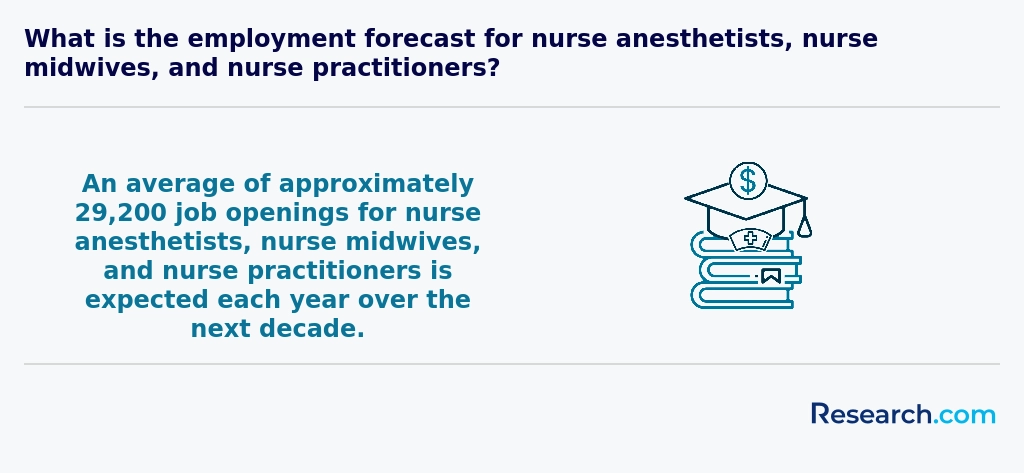
A clear understanding of return on investment (ROI) helps you weigh the total cost of an online MSN against projected salary gains. By comparing expenses-tuition, fees, textbooks, clinical travel-and post‐degree earnings, you can estimate how quickly your degree “pays for itself.” • Calculating Total Cost – Tuition and fees: Add all per‐credit charges and mandatory program fees. – Supplies and travel: Factor in textbooks, uniforms, clinical placement travel, and technology needs. • Estimating Salary Uplift – Registered Nurse (RN) to MSN‐prepared roles: Graduates often see salary increases from mid‐$60K to $80K+. – Nurse Practitioner (NP) roles: Entry salaries commonly start above $90K, with specialists earning $100K–$120K. • Determining Payback Period – Formula: Total Cost ÷ Annual Salary Increase = Payback Years – Example: A $25,000 investment with a $25,000 annual salary boost yields a 1-year payback. • Scenario Analysis – RN-to-NP Track: If program cost is $30,000 and NP salary premium over RN is $35,000, payback <1 year. – Leadership Pathway: An $18,000 cost for a nurse leadership MSN with a $15,000 pay bump equates to a 1.2-year payback. • Strategies to Enhance ROI – Financial Aid & Scholarships: Apply early for grants and loan forgiveness programs. – Accelerated or Bridge Options: Shorter program duration reduces overall fees. – Specialize Strategically: High‐demand niches (e.g., acute care NP) command top salaries. For aspiring advanced practice nurses seeking to maximize ROI without overspending, exploring an affordable np program online can be a game-changer-and often leads to one of the shortest payback periods in nursing education.
Many students at well-known Kansas schools like Wichita State University and the University of Kansas find federal aid to be a crucial support as they pursue their online nursing degrees. Pell Grants, for instance, offer up to $7,395 without the burden of repayment, a relief that one graduate described as "a breath of fresh air" during tight financial times. Federal Direct Loans, with their manageable interest rates and flexible repayment plans, also make continuing education possible without overwhelming debt.
State-specific programs like the Kansas Nursing Service Scholarship stand out, offering up to $7,500 annually for nursing students who commit to serving underserved Kansas communities. Graduates from popular programs often share how this scholarship motivated them to give back while easing financial stress.
Institutional aid through merit scholarships or work-study at schools such as Pittsburg State University offers practical help, combined with possible loan forgiveness through federal Public Service Loan Forgiveness or Kansas Health Service Corps programs. Many nursing students balancing work and studies also benefit from employer tuition reimbursements, enabling them to advance without sacrificing income.
One of the most critical indicators of program quality for online nursing students in Kansas is the NCLEX-RN first-time pass rate, reflecting how well an institution prepares graduates for licensure and entry into professional practice. Graduates of leading online nursing programs in Kansas consistently report first-time NCLEX-RN pass rates above 90%. For example, the University of Kansas School of Nursing boasts a 95% first-time pass rate, while Washburn University graduates achieve rates around 92%. These figures not only demonstrate rigorous academic standards but also highlight the effectiveness of integrated licensure preparation throughout the curriculum. To support NCLEX success, many programs embed NCLEX review modules, virtual simulation labs, and dedicated exam prep workshops into their coursework. Students typically have access to question banks mirroring the official exam format, live review sessions led by faculty, and peer study groups facilitated through online discussion boards. By familiarizing students with the Latest Test Plan and item-writing styles, these resources foster critical thinking and confidence needed to tackle the exam. State licensure requirements also play a pivotal role. After passing the NCLEX-RN, graduates must apply for licensure through the Kansas State Board of Nursing, which entails a background check, transcript verification, and proof of clinical hours-often around 675 for master’s-prepared nurses. Programs that streamline this process by offering dedicated licensure advisors help minimize administrative delays, allowing graduates to transition smoothly into their first nursing roles. For comparative insights into how licensure outcomes shape program rankings elsewhere, consider exploring the Affordable Online Nursing Degree Programs Ranking in California, which highlights NCLEX performance and licensure support services across top California institutions.
To enroll in an online nursing degree program in Kansas, you'll need to meet several key prerequisites that prepare you for success both academically and clinically. Many students at well-known schools like the University of Kansas or Wichita State University share how starting with a strong foundation made their journey smoother.
For entry-level programs such as RN-to-BSN, having a high school diploma or equivalent alongside prerequisite courses in anatomy, physiology, and microbiology is essential. Graduate programs, like an MSN, usually require a bachelor's degree in nursing and a valid Kansas nursing license, reflecting the state's commitment to clinical excellence.
Clinical experience matters too. Many graduates found that having one to two years of hands-on nursing practice truly helped them connect theory with real-world care. Maintaining a GPA around 3.0 shows you're ready for rigorous coursework, just as instructors at Kansas' top colleges expect. Preparing official transcripts and sometimes standardized test scores, like the TEAS, also paves your way.
Embracing these prerequisites ensures you join a community ready to thrive in Kansas' unique healthcare landscape.
Pursuing a career in nursing in Kansas can be a highly rewarding experience, with numerous opportunities for education, career advancement, and personal growth. To embark on this journey, it's essential to identify the most affordable and reputable online nursing programs in the state. For instance, students looking for cheapest nursing schools in kansas can find valuable resources and rankings to inform their decision. The flexibility of online learning, coupled with the diverse range of specializations available, allows nursing professionals to tailor their education and career paths according to their interests and the evolving needs of the healthcare system. From registered nursing to advanced practice roles like nurse practitioners, the opportunities for specialization and leadership are vast, contributing to a dynamic and fulfilling career landscape for nursing graduates in Kansas.
When pursuing an online nursing degree in Kansas, you'll dive into courses that build a strong foundation for your career. Graduates from well-known schools like the University of Kansas highlight how core classes such as Human Anatomy and Physiology and Microbiology brought the complexities of the human body to life, making their future hands-on work more meaningful.
Pharmacology and Pathophysiology prepare you to understand medications and the impact of diseases, essential knowledge when caring for patients in any setting. Nursing Ethics and Law courses instill confidence by clarifying the professional responsibilities you'll hold as a nurse in Kansas's healthcare system.
Practical classes like Health Assessment and Community and Public Health Nursing connect classroom learning with real patients, often reflecting the diverse populations in Kansas. Those pursuing advanced practice at schools like Wichita State find Evidence-Based Practice and Advanced Clinical Practice invaluable for making critical, research-backed decisions in fast-paced environments.
When exploring online nursing specializations Kansas offers, you'll find diverse paths tailored to meet the state's healthcare demands. Graduates from well-known institutions in Kansas often highlight how specializing as a Family Nurse Practitioner allows them to serve communities across all ages, especially in rural areas where primary care is crucial. Others choose Adult-Gerontology Acute Care to support critically ill adults, reflecting the growing needs of Kansas's aging population.
Many nursing degree focus areas Kansas online include Psychiatric-Mental Health Nurse Practitioner programs, which prepare nurses to address mental health challenges-a field gaining urgency and respect. Those inspired to lead often take Healthcare Leadership and Management tracks, learning to influence healthcare policies and operations effectively. Nursing Education is another rewarding choice, enabling graduates to teach future nurses and shape the profession.
For those seeking to start or switch careers efficiently, I recommend exploring programs featuring online msn direct entry. This option opens doors swiftly while offering strong specialization options aligned with Kansas's healthcare landscape.
Choosing the best online nursing degree in Kansas means focusing on accreditation and program flexibility. Graduates from well-known schools like the University of Kansas or Wichita State often share how accreditation by agencies like CCNE made their degrees widely respected by employers across the state. Look for programs that offer asynchronous classes or local clinical placements, so you can balance work, family, and study without feeling overwhelmed.
Cost is another vital factor. Many students find that public universities in Kansas provide some of the most affordable online nursing programs Kansas, with in-state tuition often well below national averages. Keep in mind additional expenses like textbooks and tech fees. One common path that helped several graduates was enrolling in affordable np program online options tailored for working adults.
Also, consider programs with strong NCLEX pass rates and excellent employment outcomes. Graduates frequently mention how connections with local hospitals and experienced faculty boosted their confidence entering the workforce. Finding a program that offers specialization tracks aligned with your dream career-whether nurse practitioner or healthcare administration-can transform your passion into real achievement.

Graduates with an online nursing degree in Kansas enjoy diverse online nursing career opportunities in Kansas that can fit various passions and ambitions. Many begin as Registered Nurses (RNs), gaining hands-on experience in vibrant hospital settings like those affiliated with the University of Kansas Medical Center. Some graduates choose to become Licensed Practical Nurses (LPNs), providing essential care while building a strong foundation. Those aiming higher pursue advanced degrees to become Nurse Practitioners or Clinical Nurse Specialists, taking on roles that allow them to diagnose, treat, and lead in specialized areas. I've seen graduates from Wichita State University move confidently into nurse educator roles, fueling their love for teaching and nurturing the next generation. Others embrace leadership paths as nurse administrators, steering healthcare teams and improving patient care delivery across Kansas.
With programs offered at respected institutions statewide, it's inspiring to witness how these career paths align with Kansas nursing degree job outlook trends. For those wanting to explore cost-efficient options without sacrificing quality, the Affordable Online Nursing Degree Programs Ranking in California can be a helpful resource to consider comparative choices outside the state as well.
The job market for holders of online nursing degrees in Kansas is notably strong, fueled by a growing need for skilled nurses across both urban centers and rural communities. Graduates from programs offered by respected institutions, such as those affiliated with the University of Kansas or Wichita State University, often find rewarding roles quickly, especially in specialties like gerontology and pediatrics. Many report that their online education prepared them exceptionally well for real-world challenges, enabling flexible work schedules while still meeting employer demands.
Employment growth for registered nurses in Kansas is projected at 12% through 2032, faster than average, highlighting a vibrant landscape filled with opportunities. The median annual wage for RNs hovers around $66,000, but those with advanced online degrees often reach salaries between $85,000 and $100,000, transitioning into advanced positions such as nurse practitioners or clinical nurse specialists. Those pursuing online nursing jobs in Kansas will benefit by focusing on expanding areas like home health care and preventive care.
Many graduates also value the affordability of online nursing master's programs in Kansas, where tuition ranges from $12,000 to $25,000 annually. With employers frequently offering tuition reimbursement and loan forgiveness, advancing your education becomes even more accessible. For those curious about other high-earning opportunities after graduation, exploring trade school high paying jobs can provide additional insights into lucrative career paths.
2027 Most Affordable Online Master's in Nursing Degree Programs Ranking in Kansas
Investing in your education is a significant decision that can shape your future, and the Research.com team understands the importance of making informed choices. To assist prospective students in Kansas, we have meticulously crafted the "2027 Most Affordable Online Master's in Nursing Degree Programs Ranking in Kansas." Our commitment to quality, credibility, and accuracy is reflected in the extensive research and analysis conducted to compile this ranking.
We utilized the following reputable data sources to ensure a comprehensive evaluation of nursing programs:
By exploring this ranking, readers will gain valuable insights into the most affordable and reputable online nursing master's programs in Kansas, helping them make well-informed decisions about their educational investments. For more details on our methodology, please visit our Research.com methodology page.


Frequently Asked Questions About nursing
Students pursuing online nursing degrees in Kansas can enhance their learning by actively engaging with course materials and participating in virtual discussions. Utilizing resources provided by Kansas Board of Nursing ensures alignment with state licensing requirements. Scheduling regular study times helps maintain consistency, while seeking out local clinical placements allows practical experience in nearby healthcare facilities.
Connecting with peers and instructors through online forums fosters collaborative learning, which is crucial for nursing competencies. The Kansas Center for Nursing highlights that collaboration improves critical thinking and patient care skills. Additionally, leveraging libraries and nursing databases available through accredited Kansas institutions can deepen understanding.
The nursing field in Kansas, like the rest of the U.S., is experiencing growth in specialized areas due to evolving healthcare needs. Emerging niches include telehealth nursing, which has expanded rapidly as remote care becomes more common. Nurses in this area use technology to monitor patients and provide care from a distance, meeting increased demand in rural Kansas communities.
Another growing niche is gerontological nursing, focusing on elderly patients. With Kansas's aging population rising-projected to increase by 23% by 2030 according to the Kansas Department for Aging and Disability Services-this specialization is vital. Additionally, informatics nursing, which merges nursing and technology, is expanding as healthcare systems prioritize digital records and data security.
These areas offer promising career paths for those pursuing online nursing degrees in Kansas, aligned with current healthcare trends and workforce needs.
After completing an online nursing degree in Kansas, preparing for the job market involves several key steps. First, ensure you pass the NCLEX-RN exam, which is mandatory for licensure as a registered nurse in Kansas. The Kansas State Board of Nursing oversees this process and provides resources to help candidates prepare.
Networking with local healthcare facilities can improve job prospects. Kansas nursing employment is expected to grow 15% from 2020 to 2030, according to the U.S. Bureau of Labor Statistics, making this an opportune time to enter the field. Consider joining professional organizations like the Kansas State Nurses Association to access job listings and career development tools.
Additional certifications or specializations can enhance your resume and salary potential. Many Kansas hospitals value experience in areas like geriatrics or critical care. Volunteering or interning locally offers practical experience and builds connections.
Employers in Kansas highly value nursing graduates who demonstrate strong clinical skills and the ability to provide compassionate patient care. According to the Kansas Board of Nursing, proficiency in critical thinking and patient assessment is crucial for meeting the state's healthcare demands.
Effective communication is another top skill, as nurses must collaborate with diverse healthcare teams and educate patients. Additionally, familiarity with electronic health records (EHR) systems is increasingly important due to the growing use of digital technology in Kansas hospitals.
Adaptability and continuing education are also emphasized, ensuring nurses stay current with evolving practices and regulations in Kansas healthcare settings.
Finding nursing internships in Kansas involves a combination of research, networking, and using available resources specific to the state. Start by contacting the clinical placement office of your online nursing degree program, as many schools have partnerships with local healthcare facilities.
The Kansas Action Coalition and the Kansas State Board of Nursing offer resources and guidance for clinical experiences within Kansas. Hospitals like Stormont Vail Health and Wesley Medical Center are among the prominent healthcare employers that regularly accept nursing interns.
Utilize online platforms such as the Kansas Hospital Association's job board for internship postings. Also, joining professional groups like the Kansas Nurses Association can provide valuable networking opportunities and monthly educational events where internship openings are sometimes announced.
Online nursing degrees in Kansas significantly enhance career mobility and advancement by offering flexible education options without sacrificing quality. Registered nurses with an online Bachelor of Science in Nursing (BSN) or Master of Science in Nursing (MSN) are better positioned for higher-paying roles and specialized positions.
Kansas has a growing healthcare sector, with the Kansas Department of Labor projecting a 12% increase in nursing jobs from 2020 to 2030. Online degrees allow working nurses to upskill while maintaining employment, which supports career progression.
The Kansas Board of Nursing recognizes accredited online programs, ensuring graduates meet licensure requirements statewide. This accreditation boosts employers' confidence, facilitating promotions and transitions into leadership or advanced practice roles.
Studying for a nursing degree in Kansas equips students with skills essential for interdisciplinary roles in healthcare. Programs often emphasize collaboration among healthcare professionals, including physicians, pharmacists, and social workers, reflecting real-world team environments. According to the Kansas State Board of Nursing, curricula include coursework in communication, leadership, and health informatics, preparing students to coordinate patient care effectively.
Kansas online nursing degrees blend clinical knowledge with practical training on teamwork and patient-centered approaches. This prepares graduates to contribute meaningfully in diverse settings such as hospitals, community clinics, and long-term care facilities. The state's focus on integrated care supports graduates ready to engage in interdisciplinary healthcare teams.
Choosing between a thesis and a non-thesis nursing degree program in Kansas depends on your career goals and learning preferences. Thesis programs typically focus on research, requiring students to conduct original studies, which can be beneficial if you aim to pursue a PhD or work in academic or research settings.
Non-thesis programs often emphasize practical skills and clinical practice, appealing to professionals planning to advance directly in clinical or administrative roles. According to the Kansas Board of Regents, many online nursing programs accommodate both options, allowing flexibility based on student needs.
Consider workload and time commitment; thesis tracks usually take longer due to research demands. Review specific program curricula carefully and consult advisors to align your choice with your professional plans.
Students based in Kansas seeking to study nursing abroad have several pathways to consider, though online nursing programs primarily connect them with U.S.-based institutions. Kansas residents may enroll in internationally focused online nursing degrees that offer practicum partnerships or clinical placements abroad, subject to state and country regulations. However, licensure requirements often require hands-on training to occur within Kansas or approved U.S. clinical sites to maintain eligibility for the Kansas State Board of Nursing.
Exchange programs and dual-degree options are limited for fully online formats. According to the Kansas Board of Regents, students should verify that any clinical experiences abroad comply with Kansas nursing licensure standards to avoid licensing delays.
Part-time job opportunities that complement nursing degree education in Kansas often include roles such as certified nursing assistants (CNAs), home health aides, and medical assistants. These positions provide valuable hands-on experience with patient care, which strengthens the practical skills taught in online nursing programs.
According to the Kansas Department of Labor, the demand for CNAs and medical assistants is expected to grow by over 15% through 2030, reflecting a robust healthcare sector. Many students find flexible hours in these roles, making it easier to balance work with academic commitments.
Additionally, some healthcare facilities in Kansas offer internship or part-time externship positions specifically designed to support nursing students by providing supervised clinical experiences. These opportunities can enhance a student's resume and prepare them for Registered Nurse licensure exams.
Online nursing students in Kansas have several networking opportunities despite the remote format. Many state universities offering online nursing programs provide virtual forums, discussion boards, and group projects that encourage student interaction. Additionally, professional organizations such as the Kansas State Nurses Association (KSNA) offer student memberships, enabling access to events, mentoring, and local chapters for networking.
Clinical placements required in Kansas nursing programs also help students build connections with healthcare professionals in local hospitals and clinics. According to the Kansas Board of Nursing, these in-person experiences are crucial for professional networking and job placement after graduation.
Moreover, virtual conferences and webinars hosted by regional nursing groups allow students to engage with industry leaders and peers without geographic constraints.
Alumni networks play a crucial role for online nursing degree students in Kansas, offering valuable connections that extend beyond graduation. These networks enable students to access mentorship opportunities from experienced nurses who understand the local healthcare landscape.
Engaging with alumni can also provide insights into job openings and career advancement within Kansas, which has a growing demand for registered nurses, projected to increase by 15% through 2030 according to the Kansas Department of Labor. This support is especially important for online students who may have limited campus interactions.
Participation in alumni events and online forums helps students build professional relationships, essential for referrals and collaboration in a competitive field.
Customizing an online nursing degree program in Kansas allows students to align their education with specific career goals. Many universities offer electives or specializations such as family nurse practitioner, nurse educator, or health informatics. Kansas students can select clinical placements in local healthcare settings, tailoring hands-on experience to their desired nursing field. Programs accredited by bodies like CCNE ensure curriculum relevance and quality. Additionally, students may choose part-time or accelerated pacing to match professional obligations. According to the Kansas Board of Nursing, tailored education is key for career advancement in the state's growing healthcare sector, projected to add over 5,000 nursing jobs by 2030.
Online nursing students in Kansas face several notable challenges during their studies. One primary difficulty is securing clinical placements within the state. Kansas has a limited number of approved healthcare facilities for student training, which can delay hands-on experience essential for licensure. According to the Kansas State Board of Nursing, clinical site availability remains a significant bottleneck for nursing programs.
Additionally, balancing work, family, and study commitments poses a challenge for many students, as nursing programs demand rigorous coursework alongside clinical hours. Internet connectivity in rural areas of Kansas can also impact access to virtual learning platforms, affecting student engagement and performance.
Finally, some students report limited direct interaction with faculty, which can hinder mentoring opportunities and professional growth.
With an online nursing degree in Kansas, you can pursue various professional certifications that enhance your career prospects. Common certifications include the Registered Nurse (RN) license, required to practice nursing in Kansas, awarded by the Kansas State Board of Nursing.
Advanced degrees often lead to certifications like the Certified Nurse Practitioner (CNP) or Clinical Nurse Specialist (CNS), allowing for specialized practice in areas such as family health or pediatrics.
Other popular certifications available nationwide include the Certified Nurse Educator (CNE) and the American Nurses Credentialing Center (ANCC) certifications, which are recognized by Kansas employers and improve job market competitiveness.
The Bureau of Labor Statistics notes that Kansas has a steady demand for certified nurses, supporting career growth. Professional certification requirements vary, so verifying eligibility with the Kansas State Board of Nursing is crucial before applying.
To write a winning application for an online nursing program in Kansas, start by thoroughly researching the specific program's requirements. Highlight your academic achievements, including a strong GPA and relevant coursework in biology and health sciences, as these are often key factors for admission.
Emphasize your clinical experience or any healthcare-related work, which Kansas nursing schools highly value. According to the Kansas Board of Nursing, applicants with hands-on experience tend to have better acceptance rates.
Write a clear personal statement explaining your motivation for nursing and how the program fits your career goals. Use professional, error-free language and demonstrate knowledge of current healthcare challenges in Kansas, such as rural nursing shortages reported by the Kansas Health Institute.
Finally, secure strong letters of recommendation from academic or professional sources who can attest to your skills and dedication.
Nursing is a globally respected profession, offering diverse career paths and opportunities for mobility. In the United States, including Kansas, nurses play a critical role in healthcare, with an expected job growth of 6% from 2021 to 2031 according to the U.S. Bureau of Labor Statistics. Globally, the World Health Organization highlights nursing as essential to achieving health goals worldwide.
Many nurses in Kansas pursue online degrees to meet local demand and prepare for international standards of care. This flexibility supports workforce shortages and advanced education. Kenya's Global Health Workforce Alliance notes that well-educated nurses are vital for improving patient outcomes and adapting to evolving healthcare environments worldwide.
Gaining practical experience while studying for an online nursing degree in Kansas typically involves clinical placements arranged by your school. Although online coursework is completed remotely, Kansas nursing programs require students to complete supervised clinical hours in healthcare facilities. These may include hospitals, clinics, or community health centers near your home. The Kansas State Board of Nursing mandates that clinical hours meet specific competencies to ensure readiness for licensure.
Many programs partner with local healthcare providers to facilitate these hands-on experiences. Additionally, some students pursue internships or volunteer opportunities in medical settings to enhance their skills. According to the Kansas Board of Regents, most accredited programs require at least 500 hours of clinical practice.
Choosing the right concentration within an online nursing degree program in Kansas depends on your career goals and the healthcare demands in the state. Kansas has a strong need for advanced practice nurses, particularly in family health and psychiatric care, according to the Kansas Center for Nursing Workforce.
Consider concentrations such as Family Nurse Practitioner (FNP), Psychiatric Mental Health Nurse Practitioner (PMHNP), or Nurse Educator, which reflect local job market needs. FNP roles are among the fastest growing nationwide, including Kansas, with a projected job growth of 45% through 2030 (Bureau of Labor Statistics).
Additionally, assess the program's clinical placement support in Kansas healthcare systems, since local practicum experience boosts employment prospects. Also, verify state board approval and alignment with Kansas nursing licensure requirements to ensure your specialization is recognized.
- 2027 Most Affordable Online Master's in Nursing Degree Programs Ranking in Missouri
- 2027 Most Affordable Online Master's in Nursing Degree Programs Ranking in Colorado
- 2027 Most Affordable Online Master's in Nursing Degree Programs Ranking in Iowa
- 2027 Most Affordable Online Master's in Nursing Degree Programs Ranking in Arkansas
- 2027 Most Affordable Online Master's in Nursing Degree Programs Ranking in Texas
- 2027 Most Affordable Online Master's in Nursing Degree Programs Ranking in Minnesota
- 2027 Most Affordable Online Master's in Nursing Degree Programs Ranking in Illinois
- 2027 Most Affordable Online Master's in Nursing Degree Programs Ranking in Wisconsin
- 2027 Most Affordable Online Master's in Nursing Degree Programs Ranking in Mississippi
- 2027 Most Affordable Online Master's in Nursing Degree Programs Ranking in Tennessee
See What Experts Have To Say About Studying Nursing
Read our interview with Nursing experts


- Nursing Internship and Externship Programs https://jobs.mayoclinic.org/nursinginternexternprograms
- Community College Nursing Partnership https://www.kumc.edu/school-of-nursing/academics/bachelor-of-science-in-nursing/community-college-nursing-partnership.html
- Online Nursing Schools in KS: Browsing Top Programs https://www.edumed.org/online-schools/nursing-rn-programs/kansas/
- Affordability https://sonhs.umkc.edu/admissions/affordability.html
- Exploring Diverse Nursing Career Horizons - N2S Healthcare Blog https://n2shealthcare.com/blog/exploring-diverse-nursing-career-horizons-n2s-healthcare-blog
- Career Advancement Pathways for Nurses : Expert RN shares 10+ Professional growth opportunities - MuminMed https://blog.muminmed.com/career-advancement-pathways-for-nurses/
- How Do Nurses Prepare to Work in a Multidisciplinary Team? | NursingEducation https://nursingeducation.org/insights/multidisciplinary-team/
- Can I Get a Nursing Degree Online? | University of Phoenix https://www.phoenix.edu/articles/nursing/can-i-get-a-nursing-degree-online.html
- What Nursing Concentration Is Right for Me? | Maryville Nursing https://nursing.maryville.edu/blog/what-nursing-concentration-is-right-for-me
- From our readers…Strengthening nursing networks https://www.myamericannurse.com/from-our-readersstrengthening-nursing-networks/