2027 Most Affordable Online Master's in Nursing Degree Programs Ranking in Minnesota

Co-Founder and Chief Data Scientist
Looking to advance your nursing career without leaving Minnesota? This article introduces the 2027 Most Affordable Online Master's in Nursing Degree Programs Ranking in Minnesota, thoughtfully created by the Research.com team of data scientists. It's designed to help you identify programs that offer value and quality, making your decision easier.
Choosing the right nursing degree can open doors to new opportunities and growth. By exploring these affordable options, you can take confident steps toward achieving your professional goals and making a positive impact in healthcare.
Key benefits of getting online nursing degree in Minnesota
- Nursing degree graduates in Minnesota can earn strong salaries, with Nurse Practitioners and Critical Care Nurses making around $128,490 annually, while roles like Clinical Nurse Specialists, Nurse Administrators, and Nurse Educators earn about $94,480 yearly.
- Graduates from the University of Minnesota's nursing program often find diverse career paths in advanced practice, education, or management, offering flexibility and growth in healthcare settings.
- Obtaining an online nursing degree from schools like Augsburg University allows students to balance work and study efficiently, gaining the same respected credentials while enjoying greater scheduling freedom.
- 2027 Most Affordable Online Master's in Nursing Degree Programs Ranking in Minnesota
- What can I expect from online nursing degree in Minnesota?
- Where can I work with online nursing degree in Minnesota?
What can I expect from online nursing degree in Minnesota?
The average cost of an online nursing degree in Minnesota generally ranges between $12,000 and $30,000, varying by institution and program level. Graduates from well-known universities such as the University of Minnesota and Minnesota State University often mention that tuition can be more affordable compared to traditional on-campus fees, especially when accounting for savings on commuting and housing.
Many students find the investment manageable due to available financial aid, scholarships for in-state residents, and flexible payment plans. For example, some nursing graduates recall using scholarships that significantly reduced their costs, enabling them to focus on demanding coursework in areas like pharmacology and healthcare leadership.
Tuition covers both online coursework and coordinated clinical practice, which students complete locally in Minnesota healthcare settings. This structure ensures students gain valuable hands-on experience without relocating, a feature many appreciate for maintaining family and work commitments.
Overall, the combination of reasonable tuition and strong local support makes pursuing an online nursing degree in Minnesota a practical and rewarding choice for nursing professionals aiming to advance their careers.
Where can I work with online nursing degree in Minnesota?
Graduates holding online nursing degrees in Minnesota commonly find employment across diverse healthcare environments. Licensing by the Minnesota Board of Nursing confirms their eligibility to serve as registered nurses or advance into roles such as nurse practitioners. For example, graduates from the University of Minnesota report gaining positions in major hospitals throughout Minneapolis and St. Paul, where nearly 70% of the state's 56,000 registered nurses are employed as of 2023.
Many graduates enter outpatient care centers or clinics, providing primary and specialized care services. The demand for nursing roles in long-term care facilities and home health services is increasing, driven by Minnesota's aging population and a projected 12% growth in these jobs through 2032.
Advanced degree holders often pursue positions as nurse practitioners with full practice authority, enabling independent diagnosis and treatment in underserved rural areas. Others contribute as nurse educators at universities and training programs, addressing critical faculty shortages in the state. This diversity of career paths reflects a dynamic and fulfilling nursing landscape shaped by Minnesota's healthcare needs and educational institutions.
Graduates with an online nursing degree in Minnesota can expect solid earnings reflective of specialized roles and growing demand. For instance, nurse practitioners-common positions for those holding a Bachelor or Master's degree-earn a mean annual wage of about $128,490, according to the latest BLS data. This aligns with many graduates from well-regarded programs at institutions like the University of Minnesota or Mayo Clinic College of Medicine, who report entering the workforce with strong salaries.
Clinical nurse specialists, nurse administrators, and nurse educators each see mean annual wages near $94,480. These roles offer steady income and career growth opportunities, making degrees from schools such as Augsburg University or St. Catherine University especially valuable.
Critical care nurses also command competitive pay, earning similarly to nurse practitioners around $128,490 yearly. Many graduates from Minnesota's nursing schools find their specialized training directly contributes to higher salary prospects in hospitals or healthcare systems within the Twin Cities metropolitan region.
- Online nursing degrees in Minnesota cover essential coursework and clinical experiences needed for licensing.
- Tuition ranges from $8,000 to $15,000 for associate degrees and $20,000 to $40,000 for bachelor's programs.
- Master's degree programs often start around $25,000 and can exceed $50,000 depending on the school.
- Starting salaries for new nurses average $60,000 per year, with RNs earning around $75,000 and APRNs making $95,000 to $120,000 annually.
- The nursing job market in Minnesota is growing steadily, with demand driven by an aging population and healthcare expansion.
- Graduates must pass the NCLEX-RN exam and complete required clinical placements to earn licensure in Minnesota.
Completing an online nursing degree in Minnesota typically varies by program type and prior education, with durations tailored to different student needs. For instance, students enrolled at institutions like the University of Minnesota or Minnesota State University, Mankato, often find that a Bachelor of Science in Nursing (BSN) takes about two to four years online. Graduates from accelerated BSN tracks, common among those holding a prior non-nursing bachelor's degree, report finishing in just 12 to 24 months, balancing coursework with full-time jobs.
Registered nurses advancing their education through RN-to-BSN online programs, such as those offered by St. Catherine University, usually complete their degrees between 12 and 18 months. This flexibility allows many working nurses in Minnesota's healthcare sector to maintain employment while earning their credentials at their own pace.
Graduate-level programs like the Master of Science in Nursing (MSN) often range from 18 months to three years, depending on specialization and clinical hour requirements. Students pursuing nurse practitioner roles, for example, note the rewarding yet time-intensive nature of these programs, often managing clinical placements alongside coursework.
Online nursing degrees in Minnesota offer students flexible access to coursework through digital platforms, which many graduates appreciate when balancing jobs or family care. For example, students from the University of Minnesota's online nursing programs often highlight how eliminating daily commutes allows them to dedicate more time efficiently to their studies. This format suits those living in rural areas where access to nursing schools is limited.
Conversely, traditional on-campus programs at institutions like Mayo Clinic School of Health Sciences provide structured schedules and direct interaction with faculty and peers. Graduates frequently mention the benefit of hands-on learning in on-site labs and easier collaboration through study groups.
Both formats require clinical hours approved by the Minnesota Board of Nursing; however, online students usually arrange local clinical placements. Financially, tuition ranges from $8,000 to $20,000 annually depending on the school, with online programs sometimes offering slight savings on transportation and fees. Ultimately, the choice depends on one's learning style and logistical needs.
The average cost of an online nursing degree in Minnesota for in-state students is approximately $17,200, significantly lower than the median out-of-state cost of around $34,400. Many graduates from institutions like the University of Minnesota and Metropolitan State University report feeling satisfied with the affordability combined with the quality education they received. These programs offer flexibility and support that align well with the lifestyle of working adults pursuing nursing degrees online.
Students enrolled in online nursing programs often note positive outcomes balancing studies with personal commitments, appreciating that the tuition remains competitive compared to nationwide averages. The cost reflects full program fees without typical add-ons such as textbooks or clinical placement expenses, which may add to the final amount but are often offset by financial aid options. This shows how affordable online nursing programs Minnesota tuition can be for residents who meet in-state criteria.
For those exploring degree options, the costs present a compelling value proposition when compared with the quality and reputation of Minnesota's nursing schools. Prospective students may also want to consider exploring broader educational pathways by looking at college courses for seniors online to supplement their nursing education or prepare for career advancement.
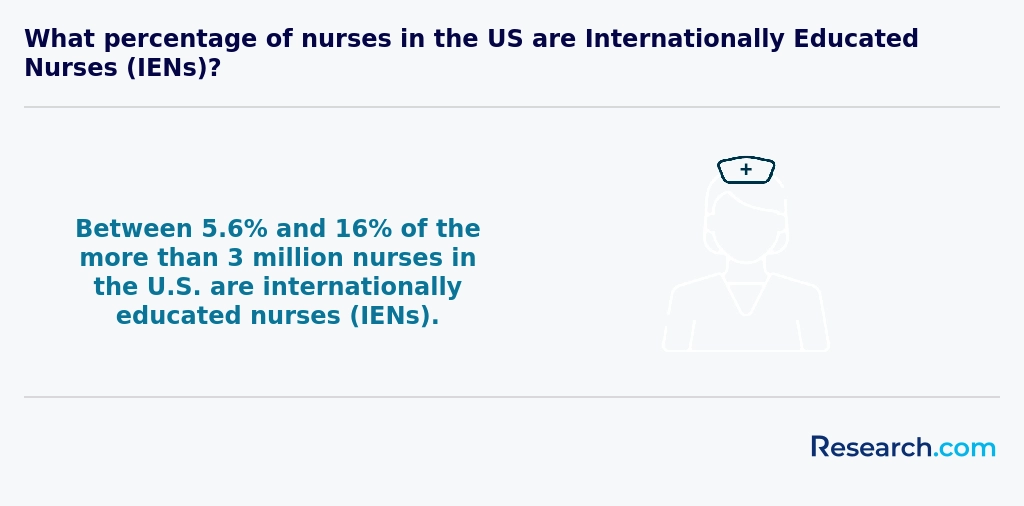
Students pursuing online nursing degrees in Minnesota can access diverse financial aid, including federal, state, and institutional resources. Graduates from universities like the University of Minnesota and Augsburg University often report combining federal Direct Loans and Graduate PLUS Loans, which offer competitive rates and flexible repayment, to manage tuition costs that typically range from $20,000 to $50,000 for the full program.
At the state level, programs such as the Minnesota State Grant provide need-based aid to residents, while the Minnesota Future Nurses Scholars Program offers scholarships for those committed to working in-state post-graduation. Many nursing students benefit from institutional scholarships, which are awarded based on merit or financial need, making schools like Winona State University more accessible.
Additionally, some current nurses leverage employer tuition reimbursement programs, easing financial pressure while advancing their careers. Professional organizations also offer supplemental scholarships, enhancing affordability for students navigating online nursing pathways in Minnesota's competitive healthcare education environment.
Enrolling in an online nursing degree program in Minnesota demands several key prerequisites that ensure readiness for graduate-level nursing education. Graduates from popular Minnesota institutions often underscore the importance of holding a valid Minnesota RN license or a recognized compact license. This foundational credential confirms clinical experience, which many programs require to be at least one to two years.
A Bachelor of Science in Nursing (BSN) is commonly expected, but bridge programs for Associate Degree in Nursing (ADN) holders provide a valuable pathway to master's degrees, reflecting the flexibility of schools like the University of Minnesota's online options. Maintaining a cumulative GPA around 3.0 is typical, demonstrating academic capability to handle rigorous coursework.
Courses in statistics, anatomy, and microbiology are often prerequisites or must be completed before enrollment, which graduates find critical for advanced practice. Official transcripts and occasionally GRE scores finalize the application package, emphasizing thorough verification. These requirements collectively prepare students to succeed and feel confident amid the challenges of advanced nursing studies.
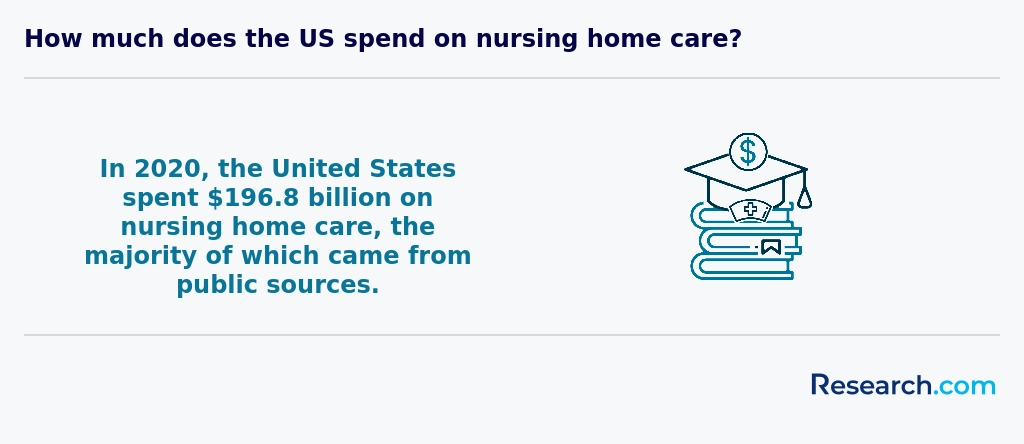
Online nursing degree programs in Minnesota commonly include foundational courses such as Human Anatomy and Physiology, Microbiology, Pharmacology, and Pathophysiology. These courses equip students with essential knowledge about the human body, microorganisms, drug administration, and disease mechanisms, vital for various healthcare roles. Graduates from prominent Minnesota institutions appreciate how these basics build confidence for hands-on clinical skills practiced in local healthcare facilities.
Many programs also integrate advanced topics like Health Assessment, Nursing Research and Evidence-Based Practice, Healthcare Policy, and Community and Public Health Nursing. These courses enable students to develop critical thinking and leadership abilities, preparing them for dynamic care environments. For example, learners from universities known for strong nursing curricula report feeling well-prepared to navigate ethical challenges and advocate for population health.
Students aiming for leadership or advanced practice roles take specialized courses including Advanced Pathophysiology, Healthcare Informatics, and Nursing Leadership. These prepare them to manage healthcare teams and systems effectively, enhancing their career prospects in Minnesota's competitive nursing market, where median wages approached $78,000 as of 2023.
Online nursing specializations in Minnesota include several targeted tracks designed to meet workforce demands. The Family Nurse Practitioner (FNP) specialization is highly sought after, training nurses to manage comprehensive care across all age groups. Graduates from popular Minnesota nursing colleges often share how the FNP curriculum prepared them to confidently serve varied patient populations in both rural and urban clinics. The Adult-Gerontology Acute Care Nurse Practitioner (AG-ACNP) track addresses complex health issues in older adults, a key focus due to Minnesota's aging demographic where nearly 16% of residents are 65 or older.
Psychiatric-Mental Health Nursing is another critical specialization, enabling practitioners to deliver psychiatric assessment, therapy, and medication management. This specialization appeals to many students at Minnesota schools who appreciate the growing mental health awareness statewide. Other specialized paths available include Neonatal Nurse Practitioner (NNP), Clinical Nurse Specialist (CNS), Public Health Nursing, and Nursing Education, broadening career opportunities for online learners focused on Minnesota-specific healthcare needs.
Students researching online nursing degree options in Minnesota often consult data-driven guides such as the best open admission colleges to find programs that balance flexibility with strong specialization offerings.
Choosing the best online nursing programs Minnesota requires evaluating accreditation, program offerings, and outcomes. Graduates from institutions like the University of Minnesota often praise the seamless integration of online coursework with local clinical placements essential for Minnesota Board of Nursing compliance. This hands-on experience is critical because, despite the online format, practical skills cannot be overlooked.
Cost also plays a central role. Affordable Minnesota online nursing degrees typically range from $10,000 to $40,000, with public universities providing more budget-friendly options. Many students attest that financial aid and employer tuition reimbursement make these programs accessible and reduce stress, allowing them to focus on their studies.
Finally, considering flexibility and results is key. Nursing students benefit from programs with flexible schedules and strong faculty support, which help accommodate work-life balance. Researching NCLEX pass rates and graduation outcomes offers reliable insight. For those exploring cost-effective pathways, reviewing options like the easiest associate's degree programs can highlight initial entry points into nursing.
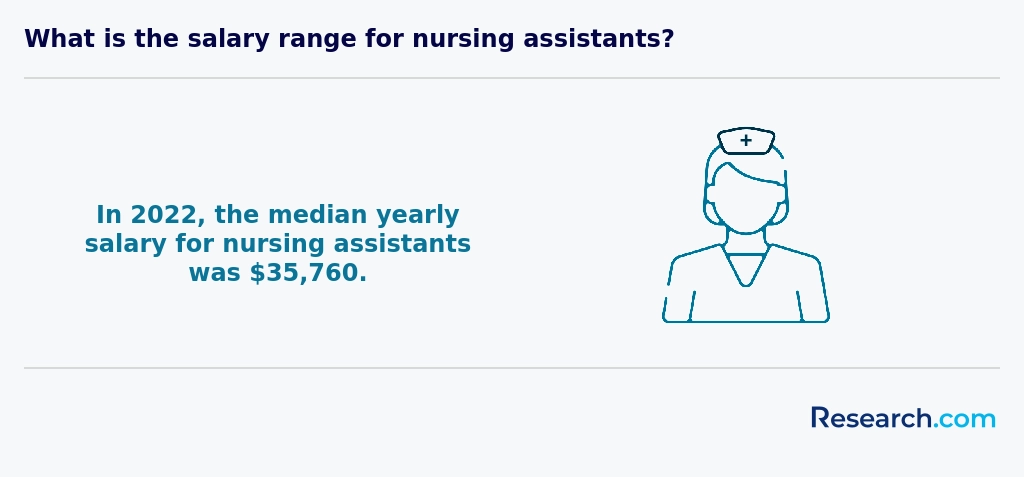
Graduates of online nursing degree programs in Minnesota find diverse career paths across clinical and administrative roles. Many start as Registered Nurses (RNs), delivering vital patient care in hospitals and clinics statewide, including those affiliated with the University of Minnesota and Metropolitan State University. These graduates report satisfaction working in settings where median wages hover around $75,000, reflecting strong job prospects and financial stability.
Specialization is common, with nurses pursuing advanced certifications as Family Nurse Practitioners, Certified Nurse Midwives, or Clinical Nurse Specialists, enabling them to serve in focused areas such as primary care, obstetrics, or oncology. Online nursing career opportunities in Minnesota also extend beyond bedside care; graduates often take leadership roles like nurse managers or directors, combining clinical expertise with managerial responsibilities.
Nurse educators play a pivotal role at Minnesota's academic institutions, mentoring new cohorts amid statewide nursing shortages. Additionally, the expanding telehealth sector offers flexible positions in remote patient monitoring, a field attracting alumni eager for innovative healthcare delivery. Prospective students weighing different programs may consider reviewing the easiest bachelor degree options to align their goals with career realities.
The job market for online nursing degree graduates in Minnesota remains strong, supported by a steady growth rate of approximately 12% from 2020 to 2030, according to state employment projections. Graduates from institutions such as the University of Minnesota and Minnesota State University report smooth transitions into roles at major healthcare providers like Mayo Clinic and Allina Health. These employers actively seek candidates with accredited online degrees, especially for specialized positions including Nurse Practitioners or Nurse Educators.
Practical clinical training combined with flexible online coursework equips students to meet Minnesota's stringent licensure requirements-helping graduates feel confident and prepared. The Minnesota nursing degree job outlook is particularly positive in settings ranging from large hospitals to public health agencies, offering multiple avenues for employment based on personal and geographic preferences.
Affordability plays a key role; many online programs offer tuition between $10,000 and $25,000 for graduate degrees, reducing financial strain and enhancing career options. Prospective students often explore options among the easiest masters degrees to balance cost and flexibility while maintaining high educational standards.
2027 Most Affordable Online Master's in Nursing Degree Programs Ranking in Minnesota
Investing in your education is a significant decision that can shape your future, and the Research.com team understands the importance of making informed choices. To assist prospective students seeking nursing master's degrees in Minnesota, we have meticulously crafted the "2027 Most Affordable Online Master's in Nursing Degree Programs Ranking in Minnesota." Our commitment to quality, credibility, and accuracy is reflected in the extensive research and analysis conducted to compile this ranking.
We utilized the following reputable data sources to ensure a comprehensive evaluation of nursing programs:
By exploring this ranking, readers will gain valuable insights into affordable and high-quality online nursing master's programs in Minnesota, helping them make informed and confident decisions about their educational investments. For more details on our methodology, please visit our Research.com methodology page.
# 2 position
Walden University
Master of Nursing

# 3 position
Bethel University, Minnesota
Master of Nurse-Midwifery
Frequently Asked Questions About nursing
Online nursing degree students in Minnesota can maximize their learning by actively engaging with both virtual coursework and local clinical opportunities. Participating in clinical rotations approved by the Minnesota Board of Nursing is essential for hands-on experience, bridging theory and practice. Utilizing resources like the Minnesota Nurses Association, students can access webinars and professional development tailored to state-specific healthcare needs.
Time management is critical; setting a consistent study schedule helps balance work, personal life, and education. Many Minnesota programs offer tailored support through academic advisors and tech help to navigate online platforms effectively. According to the Minnesota Center for Nursing, the demand for advanced nursing skills is rising, making practical experience and networking vital.
Emerging niches in nursing reflect evolving healthcare needs and technology. In Minnesota, there is a growing demand for nurses specializing in telehealth, a field expanded by remote care technologies and accelerated by the COVID-19 pandemic. The Minnesota Board of Nursing reports a steady rise in telehealth services, highlighting opportunities for online-trained nurses.
Geriatric nursing is another critical niche, considering Minnesota's increasing elderly population. Nurses with expertise in elder care and chronic disease management are essential to support this demographic shift.
Additionally, informatics nursing is gaining traction. This specialty focuses on integrating data and technology to improve patient outcomes, crucial in Minnesota's expanding health tech sector.
These niches offer promising career paths for online nursing graduates aiming to meet regional healthcare demands.
After completing an online nursing degree in Minnesota, effective preparation for the job market is essential. Start by obtaining Minnesota's nursing licensure by passing the NCLEX-RN exam, a mandatory step to practice professionally in the state. According to the Minnesota Board of Nursing, licensure ensures candidates meet safety and competency standards.
Networking is crucial. Engage with local healthcare organizations and attend statewide nursing events or virtual job fairs to connect with employers. The Minnesota Department of Employment and Economic Development reports that registered nurses in the state held about 51,700 jobs in 2022, with growth expected.
Consider gaining relevant clinical experience through internships or residencies, which many hospitals in Minnesota offer to new graduates. Finally, keep your resume updated and tailor your applications to highlight skills in demand, such as care coordination or telehealth, increasingly important in Minnesota's evolving healthcare environment.
Employers in Minnesota seek nursing graduates who demonstrate strong clinical skills and critical thinking abilities. According to the Minnesota Department of Employment and Economic Development, nurses must be proficient in patient care, medication administration, and electronic health records management.
Communication skills are highly valued, as effective collaboration with patients and healthcare teams improves outcomes. Adaptability is also crucial due to the rapidly changing healthcare environment. Knowledge of state-specific health policies and cultural competence, given Minnesota's diverse population, are increasingly important.
Additionally, leadership skills are favored for advancing into supervisory roles. The Minnesota Board of Nursing highlights that graduates should be prepared for lifelong learning to meet evolving healthcare demands.
Finding nursing internships in Minnesota as part of an online nursing degree requires strategic research and networking. Many Minnesota hospitals and healthcare facilities offer clinical placements to students from accredited nursing programs. The Minnesota Board of Nursing emphasizes clinical experience as essential for licensure, so securing an internship aligned with your program is critical.
The Minnesota Hospital Association and Minnesota Nurses Association provide resources and listings for clinical opportunities. Large health systems like Mayo Clinic and Fairview Health Services frequently host nursing interns and students, often partnering with local universities.
Online students should proactively contact their school's career services or clinical coordinators, who can guide placement based on program requirements and regional connections.
Additionally, leveraging MinnesotaWorks.net, the state's official job portal, can help locate healthcare internships, including nursing roles.
Obtaining an online nursing degree in Minnesota enhances career mobility by providing flexible access to education without geographic constraints. This flexibility allows current nurses to advance their education while maintaining employment, meeting the growing demand for advanced practice nurses statewide.
According to the Minnesota Department of Employment and Economic Development, registered nurse positions are projected to grow by 8% from 2020 to 2030, supporting increased opportunities for those with higher qualifications.
Online degrees often offer specialized tracks, enabling nurses to pursue roles in administration, education, or advanced clinical practice, facilitating upward career movement within Minnesota's healthcare system.
Employers increasingly value accredited online nursing programs, recognizing their role in developing a skilled and adaptable workforce.
Studying for a nursing degree in Minnesota equips students for interdisciplinary roles by emphasizing collaboration across healthcare fields. Programs often incorporate training in communication, leadership, and teamwork, essential skills for working alongside physicians, pharmacists, social workers, and other professionals.
Minnesota's robust healthcare system, ranked among the best in the U.S. by the U.S. News & World Report, provides students with practical exposure through clinical partnerships. This hands-on experience fosters understanding of diverse roles within patient care teams.
Additionally, many online nursing programs in Minnesota integrate evidence-based practices and case studies addressing complex health issues, preparing graduates for multifaceted healthcare environments.
When choosing between a thesis and a non-thesis nursing degree program in Minnesota, consider your career goals first. A thesis program often suits those interested in research or pursuing a PhD, as it involves conducting original research and writing a formal paper. Non-thesis programs focus more on clinical practice and coursework, ideal for nurses seeking advanced practice roles or leadership positions.
In Minnesota, about 14% of nursing master's students choose thesis options, reflecting the state's strong emphasis on clinical training. The Minnesota Board of Nursing also highlights that advanced practice roles, which dominate the job market here, typically do not require a thesis.
Cost and time commitment also differ: thesis programs may take longer due to research demands. Reviewing program specifics and speaking with advisors can clarify which option suits your professional ambitions best.
Students based in Minnesota seeking to study nursing abroad through online programs have limited direct options because nursing licensure in the U.S. requires local accreditation and clinical practice within American standards.
Most international nursing programs do not align with Minnesota Board of Nursing requirements, which mandate clinical hours completed in approved U.S. settings.
However, some Minnesota students enroll in hybrid programs that partner with foreign universities while offering clinical placements locally. According to the Minnesota Board of Nursing, international education must meet strict equivalency standards for U.S. licensure.
Additionally, students may consider online degrees from U.S. institutions with robust global health components or study-abroad opportunities embedded within accredited programs.
In Minnesota, part-time job opportunities that complement nursing degree education often include roles such as certified nursing assistant (CNA), medical scribe, or home health aide. These positions provide hands-on experience with patient care, which is crucial for nursing students. According to the Minnesota Department of Employment and Economic Development (DEED), CNAs earn an average hourly wage of around $16, offering flexible schedules that accommodate online coursework.
Medical scribing roles allow nursing students to observe clinical documentation processes, enhancing their understanding of healthcare workflows. Home health aide positions offer direct patient interaction and experience with chronic illness management, vital in nursing practice.
These jobs not only support financial needs but also enrich practical knowledge, essential for success in nursing programs and future careers in Minnesota's healthcare system.
Online nursing students in Minnesota have several opportunities to build professional networks despite the remote nature of their programs. Many universities incorporate virtual meetups, discussion boards, and group projects, fostering peer connections. Additionally, students often gain access to Minnesota nursing associations such as the Minnesota Nurses Association (MNA), which hosts events and workshops.
Clinical placements in local healthcare facilities also encourage networking with practicing nurses and supervisors, enriching students' professional circles. According to the Minnesota Board of Nursing, these connections can be critical in a state expecting a 15% growth in nursing jobs by 2030. Such proactive engagement aids career development and job placement.
Alumni networks provide valuable support for online nursing degree students in Minnesota by fostering professional connections and mentorship opportunities. These networks help graduates access job leads in a competitive healthcare market, especially important as Minnesota employs over 70,000 registered nurses, according to the Minnesota Department of Employment and Economic Development.
By staying connected, students can gain insights on workplace trends and continuing education paths. Alumni often share advice on licensure requirements or specialty certifications relevant in Minnesota's healthcare system, which strengthens career development.
Moreover, many alumni networks organize virtual events, ensuring online students engage with peers despite geographical distances, enhancing their professional growth.
Customizing an online nursing degree in Minnesota allows students to align their education with specific career goals. Many programs offer elective courses in specialties like family practice, psychiatric-mental health, or nurse leadership. This flexibility helps tailor your skill set for preferred roles or settings. Clinical placements are often arranged locally, letting you gain hands-on experience relevant to Minnesota's healthcare landscape.
Students can also choose part-time or accelerated schedules to fit work and life commitments. According to the Minnesota Board of Nursing, over 40% of registered nurses hold at least a bachelor's degree, making advanced certifications an important step.
Check individual schools for areas of concentration, online resources, and support services to maximize your learning outcomes.
Online nursing students in Minnesota often face several key challenges related to balancing coursework with personal and professional responsibilities. Many students are working nurses who must juggle clinical hours, study, and family commitments simultaneously.
Another difficulty is accessing quality clinical placements within Minnesota, where competition can be high due to limited availability. According to the Minnesota Board of Nursing, securing adequate supervised experience is crucial but sometimes challenging for online students.
Additionally, while online programs offer flexibility, some students report feeling isolated without regular in-person interaction. This can impact motivation and peer support, both important for success in rigorous nursing curricula.
With an online nursing degree in Minnesota, graduates can pursue a variety of professional certifications to advance their careers. Common certifications include the Certified Registered Nurse Anesthetist (CRNA), Nurse Practitioner (NP), and Clinical Nurse Specialist (CNS) credentials. These require completing graduate-level education and passing national certification exams.
The Minnesota Board of Nursing also recognizes certifications such as Certified Nurse Midwife (CNM) and Certified Nurse Educator (CNE). These certifications enhance employment opportunities and reflect expertise in specialized nursing fields.
According to the Minnesota Department of Employment and Economic Development, demand for advanced practice nurses is expected to grow by 16% through 2030, making certification a valuable asset in the state's healthcare job market.
Writing a winning application for an online nursing program in Minnesota starts with understanding the program's specific requirements. Most programs ask for a strong academic record, particularly in science and healthcare-related courses. Highlight any relevant clinical experience or certifications, such as Certified Nursing Assistant (CNA) credentials, which are common stepping stones in Minnesota's nursing pathway.
Personal statements should clearly express your motivation to pursue nursing and reflect knowledge of Minnesota's healthcare challenges. Mention your commitment to serving diverse communities, as this aligns with state workforce needs reported by the Minnesota Board of Nursing.
Letters of recommendation from nursing professionals or educators can significantly strengthen your application. Finally, pay close attention to deadlines and submit all materials, including transcripts and test scores, well in advance.
Nursing is a respected profession worldwide, offering diverse career paths and stability. In Minnesota, the demand for nurses is growing, reflecting a nationwide trend driven by an aging population and expanding healthcare needs. Globally, nurses play essential roles in patient care, health education, and policy advocacy.
The US Bureau of Labor Statistics projects a 9% job growth for registered nurses from 2022 to 2032, highlighting strong career prospects. Minnesota reports an above-average employment rate in nursing, with over 75,000 licensed registered nurses working across various settings, according to the Minnesota Department of Health.
Internationally, nursing standards and education vary, but US-trained nurses, including those with online degrees, are well-regarded for their clinical skills and adaptability. This global recognition can open opportunities beyond state or national borders.
Students pursuing an online nursing degree in Minnesota can gain practical experience through clinical placements, which are essential components of nursing programs. Most accredited online programs partner with healthcare facilities across the state to arrange these hands-on experiences near the student's location. Clinical hours allow students to apply theory in real-world settings, working under supervision in hospitals, clinics, or long-term care facilities.
The Minnesota Board of Nursing requires a specified number of clinical practice hours for licensure, often integrated into online curricula. Additionally, students can explore internships or volunteer opportunities in local healthcare organizations to enhance their skills and professional networks. According to the Minnesota Department of Health, such practical experiences improve readiness for nursing roles in the state's growing healthcare sector.
Choosing the right concentration within an online nursing degree program in Minnesota starts with evaluating your career goals and interests. Minnesota's healthcare workforce needs vary, with high demand for family nurse practitioners, nurse educators, and psychiatric mental health nurses, according to the Minnesota Department of Employment and Economic Development.
Consider the work settings you prefer-clinics, hospitals, or community health-since some concentrations prepare you specifically for these environments. Accreditation is crucial; programs approved by the Minnesota Board of Nursing adhere to state standards, ensuring your degree is recognized for licensure.
Finally, review course flexibility and clinical placement support, especially important in online programs combining virtual and hands-on learning.
- 2027 Most Affordable Online Master's in Nursing Degree Programs Ranking in Wisconsin
- 2027 Most Affordable Online Master's in Nursing Degree Programs Ranking in Iowa
- 2027 Most Affordable Online Master's in Nursing Degree Programs Ranking in Illinois
- 2027 Most Affordable Online Master's in Nursing Degree Programs Ranking in Missouri
- 2027 Most Affordable Online Master's in Nursing Degree Programs Ranking in Michigan
- 2027 Most Affordable Online Master's in Nursing Degree Programs Ranking in Kansas
- 2027 Most Affordable Online Master's in Nursing Degree Programs Ranking in Indiana
- 2027 Most Affordable Online Master's in Nursing Degree Programs Ranking in Ohio
- 2027 Most Affordable Online Master's in Nursing Degree Programs Ranking in Colorado
- 2027 Most Affordable Online Master's in Nursing Degree Programs Ranking in Kentucky
See What Experts Have To Say About Studying Nursing
Read our interview with Nursing experts

Lisa Grubb
Nursing Expert
Assistant Professor
Johns Hopkins School of Nursing

- Nursing https://minnesotanorth.edu/programs/nursing/
- Best Minnesota Nursing Schools and Programs https://nursingeducation.org/state/minnesota/
- Nursing https://www.century.edu/programs/nursing/
- News https://www.mncnee.org/about/news/
- Online Nursing Programs in Minnesota: Find a School https://www.edumed.org/online-schools/nursing-rn-programs/minnesota/
- Building a Statewide Nursing Program https://cliniciannexus.com/resources/building-a-statewide-nursing-program
- Exemplary Clinical Experiences in Nursing Homes https://mngwep.nexusipe.org/toolkits/nursing-homes
- 165 Most Affordable Nursing Programs in Minnesota (2026) https://mynursingschools.com/affordable-nursing-programs/minnesota
- Nursing https://www.mnwest.edu/academics/all-programs/nursing.php
- Top Associate Degree in Nursing Program in Minnesota https://www.normandale.edu/academics/degrees-certificates/nursing/index.html