
2027 Most Popular Nursing Degree Programs Ranking in Amherst

Co-Founder and Chief Data Scientist
Choosing the right nursing degree program in Amherst can feel overwhelming. To help, this article presents the 2027 Most Popular Nursing Degree Programs Ranking in Amherst, developed by the Research.com team of data scientists. It offers clear, data-driven insights so you can confidently explore your educational options.
Whether you're starting your nursing journey or advancing your career, understanding which programs stand out makes a real difference. A nursing degree opens doors to meaningful work and personal growth.
Read on to discover which programs align with your goals and aspirations.
Key benefits of getting nursing degree in Amherst
- Salary for nursing degree graduates: Graduates in Amherst can expect competitive salaries, such as $94,480 annually for Registered Nurses and up to $128,490 for Operating Room Nurses, reflecting strong demand and rewarding pay.
- Career paths: Nursing degree graduates from local Amherst colleges often pursue diverse roles, including Public Health Nurse, Emergency Room Nurse, or Clinical Nurse Educator, offering exciting and meaningful opportunities in healthcare.
- Online degree benefits: Earning a nursing degree online in Amherst provides flexible scheduling and the chance to balance work and study, as shown by successful online graduates from popular universities.
- 2027 Most Popular Nursing Degree Programs Ranking in Amherst
- What can I expect from nursing degree in Amherst?
- Where can I work with nursing degree in Amherst?
What can I expect from nursing degree in Amherst?
The average cost of pursuing a nursing degree in Amherst often reflects a balance between quality education and reasonable expenses. Graduates from well-known institutions like the University of Massachusetts Amherst report tuition ranging from approximately $15,000 to $25,000 per year for in-state students, with out-of-state tuition tending to be higher. This investment covers access to comprehensive nursing curricula, clinical rotations at local facilities such as Cooley Dickinson Hospital, and hands-on experiences that are vital in building confidence and competence.
Many students appreciate the value of affordable academic support services and the opportunity to engage deeply with community health topics relevant to the region. Graduates often recall how these elements made their challenging yet rewarding journey feel well worth the financial commitment. Such practical learning environments and support systems, designed specifically with Massachusetts licensure in mind, help ease concerns about costs while enhancing future career prospects in nursing.
Where can I work with nursing degree in Amherst?
Graduates with nursing degrees from institutions like the University of Massachusetts Amherst often find themselves welcomed in a range of healthcare environments throughout the city. Many start their careers at Cooley Dickinson Health Care, where the demand for skilled nurses in emergency rooms, surgical units, and specialty departments offers a rewarding challenge. These early professional experiences not only build clinical skills but also deepen a nurse's connection to the local community.
Others discover fulfilling roles in outpatient clinics and community health centers, engaging directly in public health initiatives and patient advocacy. It's common for new nurses to share how rewarding it feels to make tangible differences in patients' daily lives through education and preventive care.
Long-term care facilities and rehabilitation centers also provide meaningful career paths, allowing graduates to form lasting relationships with patients as they support recovery and quality of life. Amherst's aging population ensures a steady need here, offering both job security and emotional fulfillment.
Some graduates take their skills into academia or healthcare administration, often through opportunities at local universities. These paths blend clinical knowledge with leadership or research, reflecting the diverse possibilities that a nursing degree in Amherst can unlock.
Graduates from nursing programs in Amherst, such as those from nearby colleges known for strong health sciences, often find encouraging salary prospects that reflect both their dedication and the region's healthcare demands. For example, a registered nurse starting locally can expect a mean annual wage around $94,480, consistent with data for Springfield and the surrounding Pioneer Valley. This figure aligns with clinical roles like public health nurse and clinical nurse educator, which share similar earnings and demonstrate the diversity of career paths available.
Some graduates who pursue specialized fields experience even greater financial rewards. Operating room nurses in the area, for instance, report mean annual salaries near $128,490, highlighting how advanced skills and certifications translate directly into higher pay. These figures echo stories from Amherst graduates who transitioned from entry-level hospital positions into operating rooms, enjoying both professional growth and enhanced compensation.
Beyond base salaries, many local health systems offer benefits like tuition reimbursement and shift differentials, further supporting nurses' financial and educational advancement. The blend of competitive wages and practical incentives makes Amherst an attractive place for nursing graduates planning their careers with both confidence and enthusiasm.
- Nursing education options in Amherst include ADN programs at community colleges and BSN programs at universities like UMass Amherst and Amherst College.
- ADN programs typically cost between $7,500 and $10,000 per year for in-district students, while BSN programs range from $30,000 to $40,000 annually in tuition.
- The demand for registered nurses in Amherst is expected to grow by about 15% over the next decade, reflecting strong job prospects.
- Starting salaries for new nursing graduates in Amherst range from $65,000 to $70,000 per year, with mid-career salaries between $85,000 and $95,000.
- Nursing graduates must pass the NCLEX-RN exam for licensure, with many local programs including clinical rotations at area healthcare facilities.
Completing a nursing degree in Amherst varies widely based on your chosen path, reflecting both your career ambitions and life circumstances. Many graduates from local community colleges find that their Associate Degree in Nursing (ADN) wraps up in about two years, allowing them to quickly step into registered nurse roles. This fast-track is perfect for those eager to start working without delay.
Others who attend universities in or near Amherst often pursue the Bachelor of Science in Nursing (BSN), which typically takes four years. Graduates describe this experience as rewarding, with a blend of classroom theory and hands-on clinical practice that prepares them well for leadership roles. The comprehensive curriculum at these institutions is a key factor in their confidence once they enter the workforce.
For those who already hold a bachelor's degree in another field, accelerated BSN programs offered by some Amherst schools can be completed in just 12 to 18 months. This intensive option is challenging but exciting, especially for career changers passionate about nursing.
Advanced degrees demand more time, often two to four years beyond the BSN, which some part-time students balance alongside work, extending their journey but enriching their expertise. Graduates often note that patience and persistence are essential in this phase.
Accreditation and demonstrable program outcomes are critical indicators of quality for any nursing degree in Amherst, MA. All top programs should be accredited by the Commission on Collegiate Nursing Education (CCNE) or the Accreditation Commission for Education in Nursing (ACEN), ensuring rigorous curriculum standards and clinical requirements. Prospective students should verify each school’s accreditation status and review published retention and graduation rates, which often exceed 85% for accredited ADN and BSN tracks in Amherst. NCLEX-RN pass rates offer a transparent measure of a program’s effectiveness. In Amherst, the University of Massachusetts Amherst reports an NCLEX pass rate of approximately 92% on first attempts, while local community colleges average around 90%. High pass rates correlate with strong faculty engagement, simulation lab resources, and robust support services such as tutoring and exam preparation workshops. Program outcomes extend beyond licensure exams. Alumni employment rates within six months of graduation in Amherst exceed 95%, reflecting strong partnerships with local hospitals and clinics. Employers frequently praise graduates’ clinical competence and patient-centered communication skills. When comparing program delivery models, consider hybrid options that combine online coursework with in-person labs; many students also explore hybrid lvn programs texas as benchmarks for flexible, outcomes-driven training.
Choosing between online and on-campus nursing degrees in Amherst often comes down to learning style and daily life rhythms. Graduates from local colleges recall how on-campus programs immersed them in hands-on experiences-spending afternoons in simulation labs or discussing cases face-to-face with professors, which built confidence and practical skills. The structured campus schedule fostered a strong sense of community and immediate support when challenges arose.
Conversely, nursing students who pursued online degrees appreciated the flexibility to balance work and family, completing lectures whenever their schedule allowed. Yet, they emphasize the courage and discipline needed to stay motivated without daily in-person interaction. Still, Amherst online students shared how clinical hours at local health centers connected theory with practice and anchored their learning in real-world settings.
Both paths yield respected credentials, but the difference lies in how connected or independent a student wants to feel during their journey through Amherst's nursing education landscape.
When selecting a nursing program in Amherst, MA, it's essential to consider several factors that can impact your educational experience and future career prospects. One of the critical aspects to look into is the program's reputation and accreditation, ensuring that it meets the standards set by recognized bodies in the field. Prospective students should also explore the curriculum, clinical opportunities, and faculty expertise to gauge the program's alignment with their goals and interests. Furthermore, considering the location and accessibility of the program can influence the quality of clinical training and job opportunities post-graduation. For those interested in pursuing higher education, researching the program's success in placing graduates in advanced degree programs, such as those listed among the most popular nursing schools, can provide valuable insights into potential career pathways. By weighing these factors, aspiring nurses can make informed decisions that set them up for success in their chosen specialty and contribute to the dynamic healthcare landscape in Amherst, MA.
The average cost of a nursing degree in Amherst varies significantly depending on residency status and institution type, with the median total cost standing at around $58,359. In-state students attending the University of Massachusetts Amherst benefit from a much lower median total cost of about $17,772, which makes pursuing nursing more financially accessible locally. Graduates from this university often reflect positively on how manageable their expenses felt due to these rates, describing a sense of relief that allowed them to focus more on their studies and clinical experience rather than financial stress.
Out-of-state students and those attending private colleges face considerably higher costs, often aligning with the national average. Nursing students in this position frequently emphasize the importance of planning and seeking financial aid early, as well as exhaustively researching scholarships, which can make a big difference in offsetting tuition and related fees. The total nursing degree costs typically encompass additional expenses such as textbooks, uniforms, and clinical placement fees, which some students find surprisingly significant when budgeting for their education.
Students weighing the average cost of nursing degree in Amherst often share practical advice about balancing quality education with affordability. Reflecting on their journeys, they underscore how choosing between public and private institutions, and factoring in residency status, profoundly impacts overall investment. It is helpful to engage with local nursing associations and university resources to access scholarships designed specifically for nursing students.
For those interested in furthering practical skills during their studies, exploring programs with strong nurse practitioner degrees delaware clinical experience opportunities can enrich education while potentially influencing long-term career costs and benefits.

Understanding NCLEX pass rates is crucial for evaluating the quality of nursing programs in Amherst, MA. On average, Massachusetts nursing graduates achieve an NCLEX-RN first-time pass rate of approximately 89%, compared to the national average of 84%. Local programs like the University of Massachusetts Amherst consistently report pass rates above 90%, reflecting strong curricula and robust exam preparation resources. Schools often offer dedicated NCLEX review courses, facilitated by experienced faculty, as well as peer-led study groups that improve student confidence and knowledge retention. To maximize licensure success, prospective students should look for programs that integrate NCLEX-style questions into clinical coursework and offer simulation labs that mimic exam scenarios. Regular benchmarking assessments, personalized tutoring sessions, and access to online question banks are indicators of a program’s commitment to student success. Additionally, institutions with high pass rates often partner with local healthcare facilities to provide targeted clinical experiences, reinforcing key concepts tested on the NCLEX. While evaluating program outcomes, consider both affordability and licensure performance. For comparative insights into cost-effective options that maintain strong academic standards, explore our Most Affordable Nursing Degree Programs Ranking in Washington. By combining data on NCLEX pass rates with tuition and fee information, you can make an informed choice that balances academic excellence, exam readiness, and financial investment.
Many nursing students at the University of Massachusetts Amherst find federal aid indispensable for managing tuition, which though lower for residents, can still mount with fees and supplies. Completing the FAFSA unlocks access to federal grants like the Pell Grant, offering up to $7,395 annually-funds that often bring real relief to undergraduates balancing work and study.
Some graduates recall relying on federal student loans such as Direct Subsidized Loans, appreciating their low-interest rates and flexible repayment options, which ease stress during demanding clinical rotations. Others pursuing academic careers benefited from the Nursing Faculty Loan Program, which forgives loans for those who become nurse educators, a path uniquely supportive of Amherst's growing nursing community.
- Public Service Loan Forgiveness is another critical resource, enabling nurses serving in local public or nonprofit healthcare facilities to see debt canceled after consistent payments, inspiring a sense of hope for lasting impact without financial burden.
- Local scholarships from groups like the Massachusetts Nurses Association further brighten possibilities by awarding funds tailored for Amherst's nursing students.
- Institutional grants and work-study opportunities on campuses add practical financial support, often easing the day-to-day challenges many students face.
For those juggling employment in healthcare, employer tuition assistance frequently complements these avenues, making nursing education in Amherst not only attainable but deeply rewarding. The evolving landscape of Massachusetts state scholarships continues to open new doors, encouraging students to explore all available options actively.
When applying to nursing programs in Amherst, MA, understanding each step of the process and realistic acceptance rates can give you a competitive edge. Most institutions-such as the University of Massachusetts Amherst and local community colleges-offer two application cycles (fall and spring), with deadlines typically in January for fall admission and August for spring. Here’s what to expect: • Application Requirements: – Official transcripts demonstrating a minimum cumulative GPA of 2.5 (though competitive applicants often exceed 3.0). – TEAS (Test of Essential Academic Skills) scores, with a recommended score of 70% or higher. – Personal statement outlining your passion for nursing and any relevant healthcare experience. – Two to three letters of recommendation from academic instructors or healthcare supervisors. – Resume or CV highlighting volunteer work, CNA certification, or shadowing hours. • Interviews and Supplemental Materials: Some programs require an admissions interview-either virtual or in-person-to assess communication skills and cultural fit. Applicants should prepare by reviewing common nursing scenarios and articulating how they handle stress and teamwork. • Average Acceptance Rates: In Amherst, BSN programs maintain acceptance rates between 50% and 70%, depending on cohort size and applicant volume. ADN programs at community colleges can be slightly more competitive, with rates around 45%–60%. Demonstrating strong academic performance, relevant work experience, and thoughtful essays can increase your chances. • Tips for Strengthening Your Application: – Start prerequisites early and aim for A’s in science and math courses. – Volunteer or work as a nursing assistant in local clinics to build clinical insight. – Attend program information sessions or campus tours to network with faculty and current students. – Apply to a mix of programs-including those listed among the most sought-after and more accessible nursing schools easy to get into-to maximize your admission opportunities. By planning ahead, meeting all requirements, and showcasing genuine passion for patient care, you’ll navigate the application process smoothly and improve your odds of joining a top-ranked nursing cohort in Amherst.
When preparing to enroll in a nursing degree program in Amherst, students quickly realize that meeting academic prerequisites is more than a checklist-it's a foundation for success. Graduates from Amherst's prominent colleges often recall how completing courses like anatomy, physiology, and microbiology before applying not only strengthened their applications but also built essential confidence for demanding clinical experiences.
Many nursing schools in Amherst also require standardized exams such as the TEAS or HESI, which test skills beyond simple memorization. Reflecting on their journeys, past students describe these tests as valuable tools that highlighted areas needing improvement early on, enabling them to enter programs with clarity and focus.
Beyond academics, Amherst nursing programs encourage hands-on experience through volunteering or certifications like CPR. Alumni often share how these real-world encounters nurtured compassion and resilience, qualities vital in nursing careers.
Importantly, strong personal statements and interview skills frequently tip the scale. Those who recall crafting honest essays and preparing for interviews emphasize how these steps helped them express their passion and commitment, making the entire admission process feel more like sharing their story than merely meeting criteria.
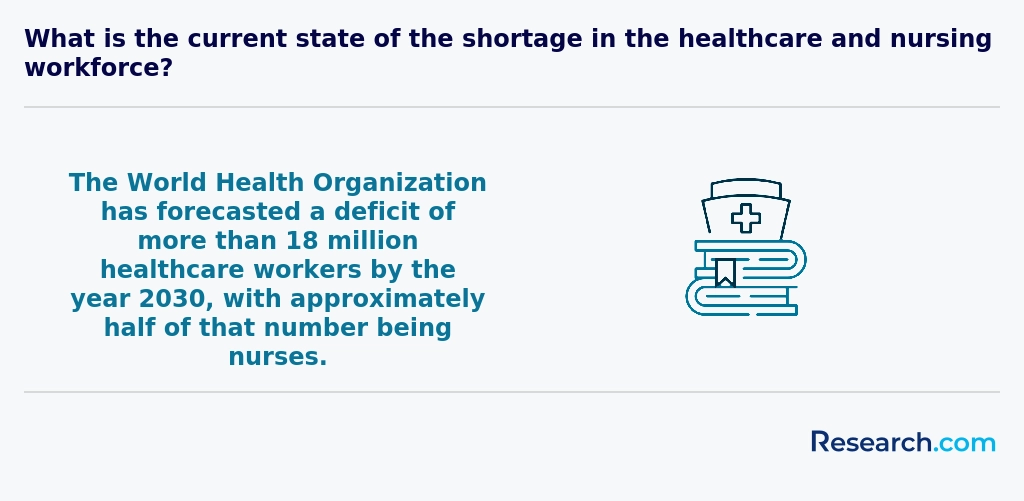
Local nursing programs in Amherst deliver strong licensure outcomes, helping graduates transition smoothly into the workforce.
- University of Massachusetts Amherst: 94% first-time NCLEX-RN pass rate (2023)
- Amherst Community College: 91% first-time NCLEX-RN pass rate (2023)
- National average NCLEX-RN pass rate: ~85%
To maximize your licensure success:
- Enroll early in NCLEX prep workshops and simulation labs
- Join peer study groups and schedule regular practice exams
- Leverage faculty office hours for targeted review on weak areas
- Build confidence with timed question banks and clinical scenario drills
Many graduates pursue advanced roles after licensure, such as nurse practitioner paths like fnp programs florida.
Nursing degrees in Amherst typically include a rich mixture of courses that foster both knowledge and compassion. Graduates from local universities often speak warmly of foundational classes like anatomy and physiology, which brought the human body to life in vivid detail-essential for making confident patient assessments. Imagine sitting in a lecture hall at one of Amherst's schools, learning how every muscle, bone, and organ functions intricately together; it's an eye-opening experience that builds true respect for the body's complexity.
Courses such as microbiology and pharmacology deepen this understanding, teaching students about bacteria, viruses, and medications with real-world implications. Many graduates recall the rewarding moments during pharmacology when they first grasped how medications can save lives or ease suffering, reinforcing their commitment to safe nursing practice.
Social sciences like psychology and sociology also play a key role. Amherst nursing students often appreciate how these classes help them connect emotionally and socially with patients, preparing them to navigate diverse healthcare settings with empathy. Nursing-specific courses-such as health assessment-equip students with vital skills to evaluate patients' health firsthand, bridging theory and practice seamlessly.

Nursing degree specializations in Amherst offer rich opportunities to shape your career according to your passions and the community's needs. Graduates from the University of Massachusetts Amherst often reflect on how focusing on Family Nurse Practitioner roles allowed them to deliver primary care across all ages, an experience deeply rewarding as they directly impacted families' well-being. Similarly, those who pursued Psychiatric-Mental Health Nursing found fulfillment in supporting patients through mental health challenges, building compassionate connections that transform lives.
Amherst nursing programs with specialization options also embrace areas like Pediatric Nursing, preparing graduates to work closely with children and adolescents in local hospitals, and Geriatric Nursing, which addresses the nuanced needs of an aging population. Community and Public Health Nursing stands out as a pathway where graduates actively influence health outcomes through education and advocacy, a choice many find empowering especially given current public health demands.
For students exploring future career stability and growth, specialized tracks often translate into higher demand and salaries. It's worth investigating nursing vacancies in Maryland through nursing vacancies in Maryland as a benchmark for job opportunities beyond Amherst, underscoring the value of these focused studies.
Choosing the best nursing degree programs in Amherst means looking beyond the basics and considering what truly fits your goals and circumstances. Graduates from local colleges, like the University of Massachusetts Amherst, often speak of the value found in programs that blend strong clinical experience with academic rigor, preparing them effectively for demanding healthcare roles. These programs, especially those leading to a BSN, open doors with employers who prioritize higher education.
Cost is a key factor to reflect on as well. Many students seeking affordable nursing schools Amherst 2027 discover that balancing tuition with available financial aid and scholarships makes a significant difference. Practical advice from alumni emphasizes checking program accreditation carefully, as it impacts licensure eligibility and confidence during the NCLEX exam.
Some graduates recommend exploring opportunities that local healthcare providers offer, such as internships or tuition reimbursement, which can ease the financial strain and enrich the learning journey. For those comparing degree paths, it's also wise to review related areas like online kinesiology degree requirements to understand complementary options that expand career possibilities.

Graduates from nursing programs in Amherst find a wide array of nursing career opportunities in Amherst, each offering distinct experiences that shape their professional lives. Many begin as Registered Nurses (RNs) in local hospitals such as Cooley Dickinson Hospital, where the hands-on environment fosters confidence through direct patient care and teamwork with doctors. Others pursue roles as Licensed Practical Nurses (LPNs), often working in community clinics or nursing homes, appreciating the deep sense of connection with patients requiring basic care. Those who choose to further their education thrive as Advanced Practice Registered Nurses (APRNs), stepping into nurse practitioner or clinical specialist roles that demand advanced skills and offer rewarding responsibilities.
Amherst nursing degree job prospects also extend to public health, where nurses engage in preventive care programs across the community, drawing on their training from institutions like the University of Massachusetts Amherst. Some graduates find fulfillment transitioning into healthcare administration, leading teams and shaping policies. For students exploring flexible options, online nursing degrees oregon internships provide valuable hands-on experience alongside their studies, broadening their career pathways.
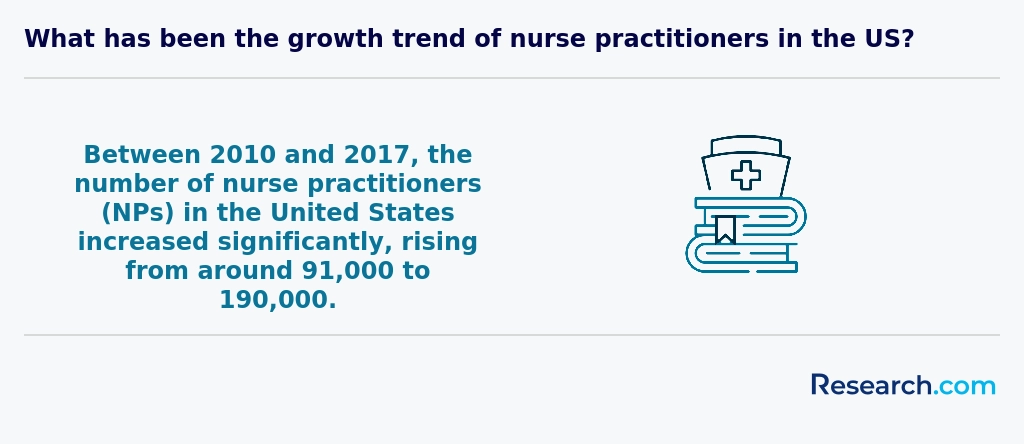
The nursing job opportunities in Amherst remain robust, reflecting broader state and national trends. Graduates from local institutions such as the University of Massachusetts Amherst or Amherst College often find steady demand in nearby healthcare settings like Cooley Dickinson Hospital. Many report feeling confident entering the workforce, thanks to the region's diverse nursing roles spanning hospitals, outpatient centers, and eldercare facilities. These environments offer entry-level positions while also encouraging growth into specialties such as pediatrics or oncology with experience.
Amherst nursing degree employment outlook benefits from a supportive community and proximity to established healthcare facilities, which eases transitions for new nurses. The median wages here exceed national averages, providing motivation beyond job availability. Students often reflect on how affordable local programs helped them avoid high commuting costs while accessing quality education. For those exploring options, programs in Amherst also compare favorably with online courses, including detailed online kinesiology program reviews that some consider when broadening their healthcare expertise.
2027 Most Popular Nursing Degree Programs Ranking in Amherst
Investing in your education is a significant decision that can shape your future, and the Research.com team understands the importance of making informed choices. To assist prospective students in Amherst, we have meticulously crafted the "2027 Most Popular Nursing Degree Programs Ranking in Amherst." Our commitment to quality, credibility, and accuracy is reflected in the extensive research and analysis conducted to compile this ranking.
We utilized the following reputable data sources to ensure a comprehensive evaluation of nursing programs:
By exploring this ranking, readers will gain valuable insights into the best nursing degree programs available in Amherst, empowering them to make well-informed decisions about their educational and professional paths. For more information on how this ranking was created, please visit our Research.com methodology page.

Frequently Asked Questions About nursing
Nursing degree students in Amherst can maximize their learning experience by actively engaging in both academic and clinical opportunities. Amherst's proximity to several leading healthcare facilities, such as Baystate Medical Center, provides valuable hands-on clinical training essential for developing practical skills. Participating in internships and volunteer work in these settings enhances real-world experience and professional networking.
Additionally, students should take advantage of the collaborative learning environment offered by local institutions like UMass Amherst. Utilizing campus resources such as simulation labs and nursing tutors supports mastering complex nursing concepts. According to the Massachusetts Department of Higher Education, students involved in clinical practice coupled with academic support exhibit higher licensure exam pass rates.
The nursing field is rapidly evolving, with several emerging niches gaining attention in Amherst and across the United States. One key growth area is geriatric nursing, driven by the aging population. According to the U.S. Census Bureau, the number of residents aged 65 and older in the Amherst area is expected to increase by 20% over the next decade, which raises demand for specialized elder care. Another rising specialty is informatics nursing, where nurses focus on managing healthcare data and technology to improve patient outcomes.
Additionally, community health nursing is expanding in Amherst due to increased public health initiatives aimed at underserved populations. Psychiatric-mental health nursing also shows strong growth as awareness of mental health increases nationwide. These niches offer diverse career opportunities for nursing students seeking to address modern healthcare challenges.
Preparing for the job market after completing a nursing degree in Amherst requires strategic planning and practical steps. Graduates should prioritize obtaining licensure by passing the NCLEX-RN exam, which is mandatory for registered nurses nationwide. Amherst's proximity to healthcare facilities like Cooley Dickinson Hospital offers valuable clinical experience and networking opportunities. Engaging in internships or volunteer work during studies can enhance employability.
Building a strong resume with certifications such as Basic Life Support (BLS) and Advanced Cardiovascular Life Support (ACLS) adds value. Additionally, joining professional organizations like the Massachusetts Nurses Association may provide job leads and continuing education.
Employers in Amherst seek nursing graduates who demonstrate strong clinical competencies and critical thinking skills. According to data from the Massachusetts Department of Higher Education, effective communication and patient-centered care rank among the most valued abilities.
Nursing employers also prioritize proficiency in technology, particularly electronic health records, as many healthcare facilities in Amherst integrate advanced digital systems. Adaptability to fast-paced environments and teamwork are essential, reflecting local hospital demands.
Additionally, cultural competence is increasingly important due to Amherst's diverse patient population. Graduates with practical experience via clinical rotations in the Pioneer Valley area tend to stand out to employers.
Finding internships in Amherst related to nursing degrees involves several practical steps. First, many local healthcare facilities such as Baystate Medical Center and Cooley Dickinson Hospital offer clinical internship programs specifically for nursing students. Contacting their human resources or nursing education departments can provide valuable internship opportunities.
Students should also consult their college's career services office. Institutions like the University of Massachusetts Amherst often maintain partnerships with local hospitals and clinics to place nursing students in internships.
Additionally, online platforms like Handshake and Nurse.com list internship openings tailored to nursing students in Amherst and surrounding areas. Networking through nursing associations such as the Massachusetts Nurses Association can further expand internship access.
A nursing degree in Amherst significantly enhances career mobility and advancement opportunities. According to the Massachusetts Department of Higher Education, graduates with nursing qualifications are well-positioned for a range of roles in hospitals, clinics, and community health settings throughout the region. The demand for registered nurses in Amherst is projected to grow by 14% between 2020 and 2030, reflecting robust job prospects.
Higher nursing degrees such as a Bachelor of Science in Nursing (BSN) or Master of Science in Nursing (MSN) can open doors to leadership, specialized clinical roles, and teaching positions. Employers in Amherst increasingly prefer or require BSN-prepared nurses for advancement. Additionally, certification and advanced training enhance prospects in this competitive market.
Overall, obtaining a nursing degree in Amherst aligns with both local employer demand and state healthcare trends, supporting sustainable career growth and mobility.
Studying for a nursing degree in Amherst equips students with skills essential for interdisciplinary roles in healthcare. Programs integrate clinical training with collaboration across fields such as medicine, social work, and public health. This approach reflects growing healthcare trends emphasizing team-based care to improve patient outcomes.
Local institutions emphasize experiential learning, often partnering with Amherst-area hospitals and community centers. According to data from the Massachusetts Department of Higher Education, over 70% of nursing graduates in Amherst participate in interdisciplinary clinical experiences before graduation.
Such exposure fosters communication skills and adaptability, preparing nurses to work effectively alongside diverse professionals in complex care environments.
Choosing between a thesis and a non-thesis nursing degree program in Amherst depends on your career goals and learning preferences. Thesis programs usually appeal to students interested in research or academic careers, as they require conducting original research and writing a detailed thesis. These programs often prepare graduates for doctoral studies or roles in nursing education.
Non-thesis programs focus more on practical experience and coursework, ideal for those aiming to work directly in healthcare settings or management positions. Amherst area nursing schools, including UMass Amherst, offer both options tailored to clinical practice or advanced education.
Consider also program length, since thesis tracks may take longer due to research demands. Consult specific Amherst school advisors to align your choice with job market trends in Massachusetts' healthcare sector.
Students based in Amherst who wish to study nursing abroad have several options within the US higher education system that emphasize international experience. Amherst itself, while primarily known for strong liberal arts programs, is closely connected to nearby institutions like the University of Massachusetts Amherst, which offers exchange programs with nursing schools overseas. These partnerships allow students to earn credits internationally while completing their degrees.
Many US nursing programs now incorporate global health tracks or study-abroad semesters, providing exposure to diverse healthcare settings. According to the American Association of Colleges of Nursing (2023), nearly 15% of nursing students in Massachusetts participated in international training opportunities, enhancing their cultural competence and clinical skills.
Students should also explore credits transfer options and consult advisors at their home institution to find accredited global programs that align with their degree requirements.
Students pursuing nursing degrees in Amherst can find several part-time job opportunities that complement their education. Local hospitals such as Cooley Dickinson Health Care frequently offer positions like patient care assistant or CNA roles, which provide hands-on clinical experience. According to the Massachusetts Department of Public Health, gaining such experience while studying improves practical skills and job readiness.
Additionally, research facilities affiliated with the University of Massachusetts Amherst sometimes seek part-time research assistants for healthcare-related studies. This can deepen understanding of nursing theories and evidence-based practices.
Pharmacies and assisted living centers in the Amherst area also occasionally hire part-time workers, allowing nursing students to develop communication and caregiving skills relevant to their future careers.
Nursing students in Amherst benefit from strong networking opportunities through local colleges such as the University of Massachusetts Amherst. The university's nursing programs offer access to professional organizations like the UMass Nursing Student Association, which hosts events and workshops that connect students with experienced nurses and healthcare leaders.
Students also engage in clinical placements at nearby hospitals such as Cooley Dickinson Hospital, providing valuable real-world experience and professional contacts. Regional nursing conferences and seminars, often held in the Pioneer Valley, further help students build networks within Massachusetts' healthcare community.
According to the Massachusetts Board of Registration in Nursing, collaborative regional programs encourage information sharing, supporting student career growth and employment prospects.
Alumni networks play a significant role in supporting nursing degree students in Amherst by providing valuable career resources and professional connections. Graduates often share job openings and offer mentorship, helping current students navigate the competitive healthcare job market. According to the National Student Clearinghouse Research Center, strong alumni networks can increase employment rates for nursing graduates by up to 20% within six months of graduation.
In Amherst, these networks facilitate access to local hospitals and clinics, where many alumni are employed. This local connection enhances internship and clinical placement opportunities essential for nursing education. Additionally, alumni events foster community, allowing students to build relationships with experienced nurses who understand the specific challenges of nursing in the region.
Customizing a nursing degree program in Amherst allows students to align their education with specific career goals. Many local institutions offer flexible curricula where you can choose electives like pediatric care, gerontology, or community health nursing. This flexibility supports developing specialized skills valued in the job market.
Clinical practicum opportunities in Amherst hospitals and healthcare facilities enable hands-on experience in chosen fields. According to the Massachusetts Board of Registration in Nursing, practical hours tailored by specialty improve job readiness by 30% on average.
Additionally, some programs offer accelerated tracks or part-time options for working professionals, enhancing accessibility and allowing students to progress at their own pace.
Nursing students in Amherst face several common challenges throughout their education. Rigorous coursework combined with demanding clinical hours often create significant time management pressures. According to data from the Massachusetts Board of Registration in Nursing, local students report balancing studies with part-time work as a key stressor.
Additionally, the clinical placements in Amherst-area hospitals and clinics can involve high expectations and fast-paced environments, which may overwhelm students new to hands-on patient care. Many students also encounter financial difficulties, given the overall costs of nursing programs and living expenses in the region.
Emotional stress is another factor, as students regularly confront complex patient situations that require resilience and strong coping skills. Support services at Amherst institutions aim to address these issues but demand remains high.
A nursing degree in Amherst opens doors to several valuable professional certifications. Graduates can pursue credentials such as the Registered Nurse (RN) license by passing the NCLEX-RN exam, essential for clinical practice. Advanced certifications include the Certified Nurse Practitioner (CNP) for those advancing to graduate-level education.
Specialty certifications like the Certified Medical-Surgical Registered Nurse (CMSRN) or the Certified Pediatric Nurse (CPN) are also available for nurses seeking to focus on particular patient populations. According to the Massachusetts Board of Registration in Nursing, over 70% of nursing graduates in Amherst obtain at least one certification within five years, improving career prospects and salary potential.
These certifications ensure nurses meet high standards of patient care and expand their roles in various healthcare settings.
To write a winning application for a nursing program in Amherst, start by carefully reviewing each school's requirements, as they often include prerequisites like biology and chemistry coursework. Amherst's nursing programs, such as those at the University of Massachusetts Amherst, emphasize a strong academic record with a minimum GPA around 3.0 or higher. Include clear, concise personal statements highlighting your passion for nursing, relevant experience such as volunteering or healthcare work, and your career goals. Letters of recommendation from instructors or healthcare professionals significantly strengthen applications. Additionally, demonstrating knowledge of local healthcare challenges can show your commitment to the Amherst community. Meeting deadlines and following all instructions precisely is essential.
The nursing profession is recognized worldwide for its vital role in healthcare systems. In the US, including Amherst, nursing careers offer diverse opportunities, reflecting global trends in aging populations and increased demand for healthcare services. According to the Bureau of Labor Statistics, registered nursing jobs are projected to grow 9% from 2020 to 2030, signaling strong job security.
Internationally, many countries emphasize advanced education and specialization within nursing. In Amherst, local institutions align with these trends by providing Bachelor of Science in Nursing (BSN) programs that meet national standards.
Global health challenges, such as pandemics, highlight the need for well-educated nurses capable of adapting to varied healthcare settings. This makes investing in a nursing degree in Amherst a strategically sound choice for students seeking a global perspective within the US system.
To gain practical experience while studying for a nursing degree in Amherst, students typically engage in clinical rotations organized by their academic programs. These rotations take place in various healthcare settings such as hospitals, clinics, and nursing homes around the Amherst area. For example, the UMass Memorial HealthAlliance-Clinton Hospital and Baystate Health provide local clinical sites where students can apply classroom knowledge in real-world environments.
Additionally, many nursing programs encourage participation in internships or volunteer opportunities at community health centers. In 2023, over 80% of nursing students in Massachusetts completed at least one clinical placement before graduation, according to the Massachusetts Department of Higher Education. This hands-on training is essential for developing skills required to pass the NCLEX-RN licensure exam and to succeed professionally.
Choosing the right concentration within a nursing degree program in Amherst requires understanding both your career goals and local healthcare demands. Amherst offers several options such as family nurse practitioner, pediatric nursing, and geriatric care. According to the Massachusetts Department of Higher Education, concentrations in geriatric nursing are growing due to the region's aging population.
Review program curricula carefully to ensure they align with your interests and certification requirements. Clinical placements in Amherst-area hospitals provide valuable hands-on experience, often influencing your preferred specialty.
Moreover, consider future job availability; the Massachusetts Executive Office of Labor and Workforce Development projects steady growth in nurse practitioner roles through 2030. Engaging with local nursing professionals and academic advisors can also clarify which concentration fits your skills and ambitions best.
- 2027 Most Popular Nursing Degree Programs Ranking in Boston
- 2027 Most Popular Nursing Degree Programs Ranking in Bronx
- 2027 Most Popular Nursing Degree Programs Ranking in New York
- 2027 Most Popular Nursing Degree Programs Ranking in Brooklyn
- 2027 Most Popular Nursing Degree Programs Ranking in Philadelphia
- 2027 Most Popular Nursing Degree Programs Ranking in Rochester
- 2027 Most Popular Nursing Degree Programs Ranking in Baltimore
- 2027 Most Popular Nursing Degree Programs Ranking in Washington
- 2027 Most Popular Nursing Degree Programs Ranking in Pittsburgh
- 2027 Most Popular Nursing Degree Programs Ranking in Cleveland
See What Experts Have To Say About Studying Nursing
Read our interview with Nursing experts


- Amy Perrier College of Nursing Scholarship https://umass.academicworks.com/opportunities/24876
- | NRR | Dove Medical Press https://www.dovepress.com/internship-challenges-encountered-by-nursing-students-a-qualitative-st-peer-reviewed-fulltext-article-NRR
- Nursing Study Abroad Programs | Go Overseas https://www.gooverseas.com/study-abroad/nursing
- How Do Nurses Navigate Career Advancement? | NursingEducation https://nursingeducation.org/insights/career-advancement/
- THE FIELD OF NURSING - FIRST-DEGREE OF STUDIES https://wnoz.wum.edu.pl/pl/content/field-nursing-first-degree-studies
- Nursing - SUM Admission https://admission.sum.edu.pl/nursing/
- Interdisciplinary Education and Practice https://www.aacnnursing.org/news-data/position-statements-white-papers/interdisciplinary-education-and-practice
- How to Choose the Right Nursing School for Your Career Goals | Archer Review https://www.archerreview.com/blog/how-to-choose-the-right-nursing-school-for-your-career-goals
- From our readers…Strengthening nursing networks https://www.myamericannurse.com/from-our-readersstrengthening-nursing-networks/
- Your Questions About Online Nursing School, Answered https://www.allnursingschools.com/how-to-get-into-nursing-school/online-programs/


