
2027 Most Popular Nursing Degree Programs Ranking in Brooklyn

Co-Founder and Chief Data Scientist
Choosing the right nursing degree program can shape your future in healthcare. This article presents the 2027 Most Popular Nursing Degree Programs Ranking in Brooklyn, created by the Research.com team of data scientists. Their goal is to help you make an informed decision by highlighting top programs worth considering.
Whether you're starting your nursing journey or advancing your career, exploring these programs can open doors to fulfilling opportunities. Discover options tailored to your goals and take a confident step toward a rewarding nursing career.
Key benefits of getting nursing degree in Brooklyn
- Graduates with a nursing degree in Brooklyn can earn competitive salaries; for example, Registered Nurses and Public Health Nurses have a mean annual wage of $94,480, while Operating Room Nurses can earn up to $128,490.
- The degree opens a variety of rewarding career paths, including roles as Emergency Room Nurses or Clinical Nurse Educators, allowing graduates to find fulfilling work in diverse healthcare settings.
- Online nursing degrees offer flexibility and convenience for busy students in Brooklyn, enabling them to balance studies with personal commitments while still gaining essential skills and accreditation.
- 2027 Most Popular Nursing Degree Programs Ranking in Brooklyn
- What can I expect from nursing degree in Brooklyn?
- Where can I work with nursing degree in Brooklyn?
What can I expect from nursing degree in Brooklyn?
For students pursuing nursing degrees in Brooklyn, the average cost can vary depending on the program and institution, but expect to invest between $10,000 and $40,000 per year. For example, graduates from well-known Brooklyn colleges often reflect on balancing tuition expenses with scholarships and part-time work, easing the financial pressure. ADN programs tend to be more affordable and shorter, usually costing less than a four-year BSN program at larger universities.
Many nursing students describe managing their budgets carefully while appreciating the value of hands-on clinical rotations offered by Brooklyn's diverse healthcare settings. These experiences, often hosted by local hospitals and community clinics, provide not only essential skill-building but also opportunities to network, which many graduates credit for landing their first jobs.
Despite the financial commitment, students share a positive outlook, feeling proud and motivated by the knowledge that their education prepares them for a rewarding career in a borough with a strong demand for nurses. This sense of purpose often outweighs concerns about costs.
Where can I work with nursing degree in Brooklyn?
Graduates with a nursing degree from well-known Brooklyn institutions like Long Island University or New York City College of Technology often find themselves welcomed into a vibrant healthcare job market. A common path is joining hospitals such as Brooklyn Hospital Center or Maimonides Medical Center, where nurses thrive by supporting emergency rooms, pediatrics, or surgical units. Many alumni describe a deep sense of fulfillment working in these demanding yet rewarding environments.
Others have shared how outpatient clinics and urgent care centers provide a dynamic atmosphere to engage in patient education and preventive care. Brooklyn's rich cultural diversity makes this a meaningful experience, as nurses tailor their care to community needs, enhancing personal growth and professional confidence.
Long-term care and assisted living facilities are popular choices among graduates seeking to specialize in geriatric care. The emotional rewards of helping elders maintain dignity resonate powerfully with many, reinforcing their passion for nursing.
Public health roles with organizations like the NYC Department of Health inspire nurses to impact broader community wellness, blending collaboration with continuous learning in a real-world context.
Graduates from nursing programs in Brooklyn, such as those attending local institutions like Long Island University Brooklyn or St. Francis College, often find themselves stepping into rewarding roles with competitive pay. Registered Nurses in Brooklyn typically earn a mean annual wage around $94,480, reflecting the city's high cost of living and healthcare demands. Many graduates recall starting their careers close to this figure, which offers financial stability early on.
Aspiring nurses often explore diverse paths after graduation. For example, those moving into positions as Clinical Nurse Educators or Public Health Nurses will see similar earnings, with mean wages also near $94,480 annually. This salary consistency reassures many nursing students that their degree opens doors to multiple career options with solid incomes.
Excitingly, some graduates who specialize further, such as Operating Room Nurses, report mean annual wages soaring to approximately $128,490. The difference reflects the advanced skills and responsibilities in these roles. Brooklyn nursing graduates often share stories of this growth, finding pride and motivation as their expertise deepens in fast-paced, critical care environments.
Overall, nursing graduates in Brooklyn can expect to earn well, with clear opportunities for increasing income as they gain experience and certifications. This blend of financial reward and meaningful work fuels the enthusiasm of many entering Brooklyn's nursing field.
- Nursing degree tuition in Brooklyn ranges from $5,000 to $7,000 annually at community colleges and $15,000 to over $30,000 at four-year colleges.
- Starting salaries for new nursing graduates average around $65,000 per year in Brooklyn.
- After 5 to 10 years of experience, nurses in Brooklyn can expect median salaries above $85,000 annually.
- The job market for nurses in Brooklyn is growing, with higher-than-average employment growth expected through 2030.
- Nursing graduates must pass the NCLEX-RN exam to obtain licensure and practice in Brooklyn.
In Brooklyn, completing a nursing degree varies mainly by program type, each offering a distinct timeline to fit your ambitions. Graduates from local community colleges often share how their two-year Associate Degree in Nursing provided a swift, focused pathway to start working quickly and prepare for the NCLEX-RN with confidence.
Meanwhile, students at well-regarded Brooklyn colleges pursuing a Bachelor of Science in Nursing embrace a fuller four-year journey, appreciating the blend of clinical skills and leadership training that prepares them for diverse healthcare roles. Those balancing work alongside studies often find RN-to-BSN bridge programs, available at several institutions, ideal-they typically take one to two years and offer valuable flexibility.
For those aiming higher, pursuing an MSN after the BSN adds about two more years, unlocking opportunities in specialized nursing fields. Many Brooklyn nursing students value evening or weekend classes that help them manage personal commitments, making their educational experience both achievable and rewarding.
Brooklyn’s top nursing degree programs go beyond classroom instruction by offering comprehensive support services designed to help students thrive academically, clinically, and personally. From the moment you enroll, you’ll have access to:
- Academic Advising & Tutoring: Dedicated nursing advisors guide you through course selection, NCLEX-RN preparation workshops, and peer-led study sessions.
- Simulation & Skills Labs: High-fidelity simulation centers mimic real-world scenarios-complete with state-of-the-art mannequins and virtual reality modules-to build clinical confidence before you hit the hospital floor.
- Career Services & Networking: On-campus job fairs, resume clinics, and interview simulations connect you with top employers while alumni mentors offer one-on-one insights into specialty tracks, licensure, and certification pathways.
- Mental Health & Wellness: Counseling centers, mindfulness workshops, and stress-management programs ensure you maintain resilience during demanding clinical rotations. Furthermore, students looking to advance into specialized roles can explore additional pathways, such as the ranking of affordable online psychiatric nurse practitioner programs, which highlights cost-effective options for pursuing advanced practice in mental health. Library databases, 24/7 online learning platforms, and community partnerships with Brooklyn hospitals and clinics round out a support ecosystem that empowers nursing students at every stage-from prerequisites to graduation and beyond.
Graduates from nursing programs in Brooklyn often reflect on how their choice between online and on-campus study shaped their journey. Those attending on-campus at institutions like Long Island University or Brooklyn College describe the invaluable experience of direct interaction with instructors and peers, plus hands-on practice in nearby hospitals. This face-to-face environment fosters a strong connection, building confidence through real-time feedback during clinical rotations within diverse Brooklyn communities.
In contrast, graduates from online programs appreciate the flexibility to balance work and family responsibilities while still meeting New York State's rigorous licensing requirements. They often share how virtual simulations and local clinical placements kept them engaged, though they had to develop greater self-discipline managing their time. For these students, the ability to gain practical experience near their own neighborhoods across Brooklyn has been a key advantage.
Ultimately, the difference lies in the style of learning and daily experience-on-campus offers immersive, social engagement, while online demands autonomy but provides adaptability, both leading toward the same professional goal.
To make an informed decision about nursing programs, prospective students should research and compare different institutions. Understanding the nuances of each program, including curriculum, clinical rotations, and faculty expertise, is crucial. For instance, some programs may offer specialized tracks in areas like pediatrics or gerontology, while others may have stronger partnerships with local hospitals. By exploring these factors, students can find the best fit for their career aspirations and learning style. When evaluating options, it's also beneficial to look into popular nursing schools in the area, as they often have established reputations and networks that can enhance a student's educational and professional experience. Ultimately, selecting the right nursing program in Brooklyn, NY, can significantly impact one's future in the healthcare field, making informed research and consideration essential steps in the decision-making process.
The average nursing degree cost in Brooklyn often reflects a balance between quality education and financial investment. Recent data show the median in-state total cost for obtaining a nursing degree is around $28,775, while the median out-of-state total cost is approximately $47,550. These figures include tuition, fees, and some program-related expenses but do not fully capture living costs or additional requirements like uniforms and licensing exams.
Graduates from well-known local nursing programs frequently share how managing costs influenced their educational journey positively. For instance, many students at public institutions within Brooklyn's City University of New York system find the tuition affordability encouraging, with annual costs around $7,000 to $10,000. These schools often add clinical fees in the range of $1,500 to $3,000, but the overall financial burden feels more manageable compared to private alternatives.
Private nursing colleges tend to demand a higher financial commitment, with total program costs ranging up to $60,000. However, students there often emphasize the value they receive through smaller class sizes and extensive resources, which contribute toward a supportive learning environment and successful outcomes. Those seeking detailed comparisons and options might explore the list of popular nursing schools available in Brooklyn by visiting popular nursing schools.
Choosing a nursing program requires careful consideration of the Brooklyn nursing program tuition fees alongside financial aid opportunities. Many find that scholarships, grants, and loans significantly ease the journey, allowing them to focus on gaining the skills and confidence necessary for a rewarding nursing career.
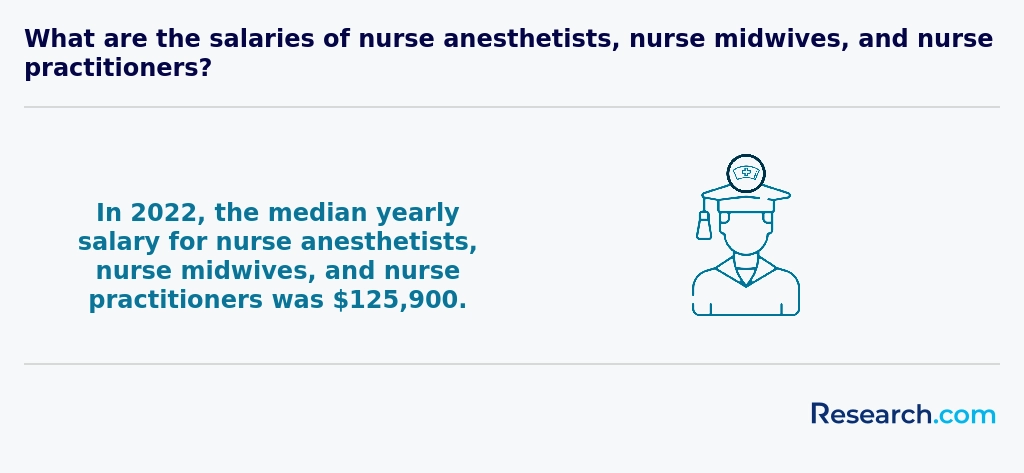
To begin practicing as a nurse in Brooklyn, NY, graduates must obtain licensure from the New York State Board of Nursing by passing the NCLEX-RN exam. Eligibility requires graduation from an accredited nursing program, a successful background check, and completion of state-mandated health screenings. The NCLEX-RN assesses critical thinking and clinical judgment across disciplines such as medical-surgical nursing, pediatrics, and mental health. Programs boasting high pass rates often indicate robust preparation-Brooklyn College, for example, reports first-time NCLEX pass rates above the national average. Once licensed, RNs in New York must renew every three years, completing at least 30 contact hours of continuing education. Popular certifications that enhance both skills and marketability include Basic Life Support (BLS), Advanced Cardiovascular Life Support (ACLS), and Pediatric Advanced Life Support (PALS). Specialty credentials-such as Certified Oncology Nurse (OCN) or Certified Critical Care Nurse (CCRN)-often require a combination of clinical hours, exam passage, and renewal through ongoing education. For nurses pursuing advanced practice roles, obtaining a Doctor of Nursing Practice (DNP) or PhD often necessitates additional certification examinations and state prescriptive authority approvals. Graduates aiming to explore these doctoral pathways can compare the Most Affordable Online Doctorate in Nursing Degree Programs to plan their next career milestone. Proper licensure and certification not only validate expertise but also unlock higher earning potential and leadership opportunities within Brooklyn’s dynamic healthcare ecosystem.
Many nursing students in Brooklyn find federal financial aid essential in managing costs. Graduates from institutions like Long Island University and SUNY Downstate often emphasize the importance of completing the FAFSA early to access Pell Grants, which can sharply reduce tuition without the worry of repayment. These grants offer peace of mind and allow students to focus more on their studies than their bills.
State support through New York's Tuition Assistance Program (TAP) complements federal aid, awarding up to $5,165 yearly for eligible full-time students. Nursing students attending local colleges frequently rely on this to ease the financial strain of balancing work and school.
Scholarships from nursing associations, especially those prioritizing underserved communities in Brooklyn, provide another valuable resource. Many graduates recall scholarships that honored both academic commitment and community service, fueling their confidence and determination.
For working students, hospital tuition assistance programs in Brooklyn make nursing degrees more attainable by offering tuition coverage in exchange for post-graduation service. This practical support fosters a sense of reciprocal commitment and professional growth.
Brooklyn’s top nursing programs distinguish themselves through robust clinical training facilities and strategic healthcare partnerships that prepare students for real-world patient care. Many institutions have established affiliations with leading hospitals such as Kings County Hospital Center, Maimonides Medical Center, and NewYork–Presbyterian Brooklyn Methodist Hospital, ensuring students gain hands-on experience in diverse settings-from high-acuity emergency departments to specialized oncology and pediatric units. On-campus simulation labs equipped with high-fidelity mannequins, virtual reality modules, and advanced telehealth technology allow learners to refine critical skills in a safe environment before entering clinical rotations. State-of-the-art simulation centers often mirror hospital workflows, offering scenarios in surgical suites, maternal-child care, and critical care, guided by certified nurse educators who provide immediate feedback. These facilities not only bolster students’ clinical judgment and technical proficiency but also enhance teamwork and communication skills essential for interprofessional collaboration. In addition, campus-based health innovation hubs foster research and innovation, enabling nursing students to participate in quality improvement projects and pilot new patient-monitoring systems alongside faculty and healthcare industry partners. To support seamless educational advancement, several Brooklyn programs also feature accelerated bridge pathways. For example, aspiring LPNs can quickly elevate their careers through the best online lpn to rn bridge programs in just 6 months, which blend rigorous clinical practice with flexible online coursework. Complemented by dedicated career services, mentorship initiatives, and active student nursing associations, these comprehensive resources ensure graduates enter the workforce confident, competent, and connected.
To enroll in a nursing degree program in Brooklyn, foundational academic preparation is essential. Graduates from respected Brooklyn institutions often recall how a solid high school diploma or GED paved their way into competitive programs like those at Long Island University or Brooklyn College.
Applicants typically need a GPA between 2.5 and 3.0, especially in science and math courses such as biology, chemistry, and algebra-courses that become stepping stones in hands-on labs and clinical settings. Many students share how completing prerequisite courses like human anatomy, microbiology, and statistics ahead of time eased their transition into rigorous nursing studies.
Additionally, securing a passing TEAS score is commonly a non-negotiable hurdle. Students often find that preparing for this test builds confidence in fundamental skills critical for nursing success. Volunteering or gaining clinical experience, even informally, offers an emotional boost and practical insight that deeply resonates in Brooklyn's diverse healthcare environments.
Letters of recommendation and personal statements are more than paperwork; graduates describe them as moments to reflect and express their true passion for nursing, helping to reveal their commitment beyond grades and tests.
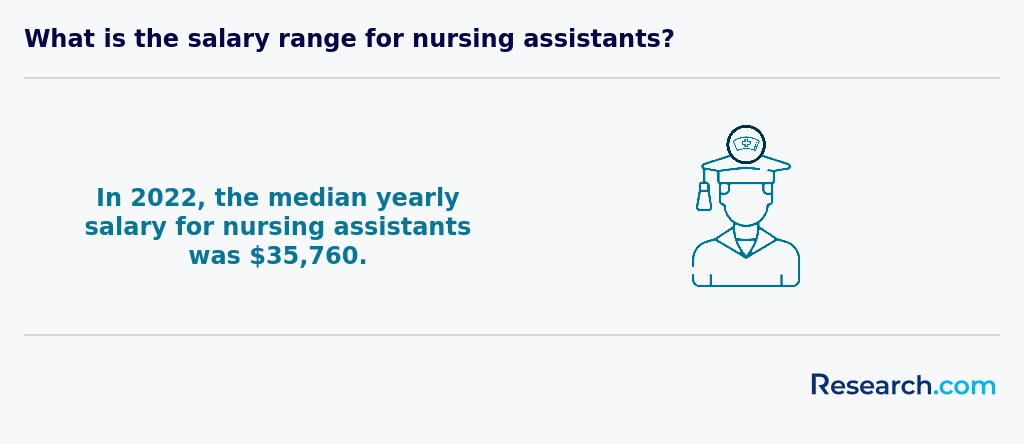
All Brooklyn nursing programs should hold ACEN or CCNE accreditation to ensure eligibility for NCLEX-RN licensure and meet New York State education standards. Consistent NCLEX pass rates reflect program quality, strong clinical partnerships, and comprehensive exam preparation.
- Accredited by the Accreditation Commission for Education in Nursing (ACEN) or the Commission on Collegiate Nursing Education (CCNE)
- Typical NCLEX-RN first-time pass rates range from 85% to 95% among top Brooklyn schools
- Annual outcome reports filed with the New York State Education Department ensure ongoing compliance
Verifying accreditation status and historic NCLEX outcomes helps you gauge program rigor and graduate success. After licensure, many graduates advance their practice through bsn to dnp programs.
Students pursuing nursing degrees in Brooklyn find themselves immersed in courses that deeply connect theory with real-world healthcare. Graduates from prominent local colleges often recall their foundational studies in anatomy and physiology, where understanding the human body became more than memorization-it was the start of seeing patients as whole people.
Microbiology and chemistry classes lay the scientific groundwork, essential for grasping how illnesses develop and respond to treatments. Pharmacology then builds on this, teaching how medications work and are safely administered, a skill many graduates describe as empowering when they first encounter it in clinical rotations at Brooklyn hospitals.
Nutrition and health assessment courses bring students closer to everyday patient care, refining their ability to evaluate and support recovery. Many emphasize how these lessons, combined with hands-on practice at local community health centers, transformed their confidence and empathy in treating diverse populations.
Ethics and communication modules foster a compassionate mindset, preparing students to navigate complex patient interactions with integrity. Training in mental health and pediatric nursing further broadens their capabilities, ensuring readiness to serve Brooklyn's varied communities with competence and heart.
Nursing degree specializations in Brooklyn offer a rich variety that reflects the city's diverse healthcare landscape. Graduates from popular colleges often highlight pathways like Registered Nurse (RN) to Bachelor of Science in Nursing (BSN), which opens doors to leadership and advanced clinical roles. Many speak warmly of specializing in Adult-Gerontology, driven by Brooklyn's growing older adult population, or Pediatric Nursing, which resonates with those passionate about caring for children in community-focused hospitals.
For students pursuing Brooklyn nursing program career options, fields such as Psychiatric-Mental Health Nursing provide rewarding work addressing urgent community needs, while the Family Nurse Practitioner (FNP) track is prized for its broad scope and excellent job prospects. Other graduates have found meaningful careers by exploring emerging areas like Oncology or Emergency and Critical Care Nursing at well-regarded local institutions.
Those interested specifically in mental health may benefit from the ranking of affordable online psychiatric nurse practitioner programs, which complements Brooklyn's healthcare ecosystem. Choosing the right specialization involves reflecting on one's passions and understanding local workforce demands, ensuring a fulfilling nursing career in Brooklyn's vibrant medical community.
Choosing the best nursing degree in Brooklyn means weighing several aspects deeply rooted in local realities. Graduates from popular schools like Kingsborough Community College often emphasize how accreditation affected their licensing journey and opened doors to financial aid, making an affordable nursing schools Brooklyn NY an achievable goal. These students shared the relief of finding programs with flexible scheduling, accommodating their busy lives alongside clinical rotations at nearby hospitals-practical experiences that truly brought classroom concepts to life.
Reflecting on their paths, many found that comparing NCLEX-RN pass rates was a meaningful measure of a program's quality, guiding their choice toward programs known for strong academic support. Understanding program length and specializations helped shape their career direction, whether aiming for pediatrics or gerontology. For those considering quick advancement options, exploring the best online lpn to rn bridge programs in just 6 months became a practical solution that fit their pace and ambitions.

Graduates with a nursing degree in Brooklyn find a variety of rewarding career paths that reflect the borough's dynamic healthcare landscape. Many begin as Registered Nurses (RN), where they gain hands-on experience in bustling hospitals like NYU Langone Hospital-Brooklyn, offering care that feels deeply impactful within diverse communities. Nursing degree job prospects Brooklyn extends beyond bedside care to specialties such as pediatric nursing, addressing children's health, or geriatric nursing, which meets the needs of an aging population, allowing graduates to form meaningful connections across generations.
Some pursue advanced roles like Nurse Practitioner or Clinical Nurse Specialist after further study, embracing greater responsibility and autonomy-these paths empower graduates to lead important clinical decisions, often in Brooklyn's fast-paced emergency departments. Others find fulfillment in non-clinical careers including healthcare administration or nursing education, contributing to system-wide improvements and training the next wave of nurses. Prospective students might explore options such as the Most Affordable Online Doctorate in Nursing Degree Programs to deepen their expertise and career flexibility, while staying rooted in Brooklyn's unique healthcare challenges and opportunities.
The nursing employment opportunities in Brooklyn are promising, reflecting the city's growing healthcare needs and diverse population. Graduates from popular local institutions often find rewarding roles in bustling hospitals like NewYork-Presbyterian Brooklyn Methodist Hospital or community clinics where their skills are in high demand. Those who started their careers with a nursing degree feel the satisfaction of making a real difference, especially in culturally complex environments where empathy and competence are essential.
Brooklyn registered nurse job outlook is shaped by steady growth fueled by an aging population and advances in medical care. Early-career nurses sharing their experiences highlight starting salaries between $60,000 and $70,000, with opportunities to rise significantly through certifications and further education. Students from Brooklyn's colleges understand that investing in their education pays off, even considering costs and licensing requirements. Many explore options such as the 6 month certificate programs high paying jobs to boost their qualifications and job prospects quickly.
2027 Most Popular Nursing Degree Programs Ranking in Brooklyn
Investing in your education is a significant decision that can shape your future, and the Research.com team understands the importance of making informed choices. To assist prospective students in Brooklyn, we have meticulously crafted the "2027 Most Popular Nursing Degree Programs Ranking in Brooklyn." Our commitment to quality, credibility, and accuracy is reflected in the extensive research and analysis conducted to compile this ranking.
We utilized the following reputable data sources to ensure a comprehensive evaluation of nursing programs:
By exploring this ranking, readers will gain valuable insights into the most popular nursing degree programs available in Brooklyn, helping them make informed and confident decisions about their educational paths. For more details on our methodology, please visit our Research.com methodology page.


Frequently Asked Questions About nursing
Nursing degree students in Brooklyn can maximize their learning experience by engaging actively in both academic and practical opportunities. Brooklyn hosts several accredited nursing schools offering clinical placements in diverse healthcare settings, including major hospitals like Maimonides Medical Center.
Students should seek out clinical rotations early to gain hands-on experience, as practical skills are critical in nursing education. According to the New York State Education Department, nursing programs with robust clinical partnerships tend to have higher NCLEX pass rates, reaching up to 87% in some Brooklyn institutions.
Additionally, joining student nursing associations provides networking and professional development opportunities. Utilizing campus resources such as tutoring and simulation labs enhances theoretical understanding and skill mastery. Time management and consistent study habits are equally important to balance coursework and clinical responsibilities effectively.
The nursing field is rapidly evolving, with new specialties emerging to meet changing healthcare needs. In Brooklyn, areas such as geriatric nursing are gaining prominence due to the borough's growing elderly population. According to the New York State Department of Health, the number of adults aged 65 and older in Brooklyn is expected to increase by 15% over the next decade.
Another emerging niche is psychiatric-mental health nursing, driven by rising awareness of mental health issues. Telehealth nursing is also expanding, providing remote care options essential in urban areas like Brooklyn.
Other promising fields include oncology nursing and informatics nursing, which integrates technology to improve patient care and data management.
After completing a nursing degree in Brooklyn, preparing for the job market involves several important steps. First, graduates must pass the NCLEX-RN exam, which is required for licensure as a registered nurse in New York State. According to the New York State Education Department, recent Brooklyn nursing graduates have a pass rate near the state average of 84%. This licensing is essential to practice legally and pursue employment.
Networking is also vital. Connecting with local hospitals like NYU Langone Brooklyn or Maimonides Medical Center can provide valuable job leads and clinical opportunities. Attending career fairs and joining professional nursing associations in Brooklyn enhance employment prospects.
Lastly, gaining certifications in high-demand specialties such as gerontology or pediatrics can increase job competitiveness. Keeping up with continuing education and leveraging hospital partnerships during studies improve market readiness significantly.
Employers in Brooklyn highly value nursing graduates who demonstrate strong clinical skills combined with effective communication. According to the New York State Department of Labor, proficiency in patient assessment and care planning ranks among the top required abilities. Additionally, critical thinking and adaptability are essential due to the fast-paced healthcare environment in Brooklyn's diverse communities.
Data from the Bureau of Labor Statistics indicates that teamwork and cultural competence are crucial, reflecting Brooklyn's multicultural population. Nurses must collaborate with interdisciplinary teams and respect varied patient backgrounds. Technical skills, such as electronic health record management, are increasingly important as digital tools become standard in local hospitals.
Finding nursing internships in Brooklyn involves exploring opportunities through local hospitals, clinics, and healthcare institutions. Many nursing programs in Brooklyn collaborate with nearby facilities such as Maimonides Medical Center and Brooklyn Hospital Center, providing direct pathways for students to apply for internships.
Students should also consult their academic advisors and career services offices, which often maintain updated listings of internship openings tailored to nursing students. Networking events and professional organizations like the New York State Nurses Association offer additional channels to connect with potential internships.
According to the New York State Department of Labor, healthcare employment in Brooklyn is growing, increasing the demand for nursing interns and new graduates. Students can leverage online portals such as the New York State Education Department's nursing resources for further guidance.
A nursing degree in Brooklyn significantly enhances career mobility and advancement opportunities within the local healthcare sector. The borough's growing population and demand for healthcare services create a steady need for qualified nurses. According to the New York State Department of Labor, registered nurses in Brooklyn can expect employment growth rates of around 15% through 2030, above the national average.
Holding a nursing degree not only qualifies individuals for entry-level nursing roles but also opens pathways to specialized positions such as nurse practitioner, clinical nurse specialist, or nurse manager. Advanced degrees often lead to higher salaries and leadership roles in hospitals and community health organizations.
Moreover, Brooklyn's diverse healthcare facilities, including major hospitals and outpatient centers, provide varied career advancement prospects. Continuing education and certification opportunities offered by local institutions further support career growth and mobility for nursing graduates in the area.
Studying for a nursing degree in Brooklyn offers students a solid foundation for interdisciplinary roles by emphasizing collaboration across healthcare fields. Programs in the area integrate clinical experiences where nursing students work alongside medical, social work, and public health professionals. This approach mirrors real-world settings, preparing graduates to function effectively in teams. The New York State Education Department and Brooklyn healthcare providers highlight that nearly 70% of nursing graduates engage in interdisciplinary projects during their studies. Such exposure develops skills in communication, problem-solving, and patient-centered care, essential for roles that require coordination across diverse health services.
The curriculum often includes courses on healthcare systems, ethics, and community health, ensuring students understand the broader context of patient care. This education equips future nurses to bridge gaps between various specialists and support holistic treatment plans, which is especially important in Brooklyn's diverse and complex urban population.
When choosing between a thesis and a non-thesis nursing degree program in Brooklyn, students should consider their career goals and learning preferences. Thesis programs typically require original research and are suited for those aiming for academic, research, or advanced clinical roles. Non-thesis options focus more on practical skills and coursework, often preferred by students seeking immediate entry into nursing practice.
In Brooklyn, many nursing programs align with New York State's regulations, which emphasize both clinical competence and evidence-based practice. According to the New York State Education Department, 65% of local nursing graduates pursue direct patient care roles, where non-thesis programs may provide more relevant experience.
Students should also evaluate program length and workload. Thesis tracks often extend study time due to research demands. Many Brooklyn institutions offer flexible scheduling to accommodate working professionals, regardless of track.
Students based in Brooklyn interested in studying nursing abroad have several pathways through U.S. higher education institutions with established international partnerships. Many Brooklyn colleges offering nursing degrees, such as Long Island University Brooklyn, connect students to exchange or clinical placement programs abroad.
Options frequently include short-term clinical rotations in countries like the United Kingdom, Ireland, or Canada, allowing students to gain global healthcare exposure while earning credits toward their U.S. nursing degree.
Programs accredited by the Commission on Collegiate Nursing Education (CCNE) or the Accreditation Commission for Education in Nursing (ACEN) typically ensure that international study components align with U.S. licensure requirements. This is vital for Brooklyn students planning to return and work in the city, where registered nurses earn a median salary of approximately $90,000 annually, according to the U.S. Bureau of Labor Statistics.
While complete nursing degrees abroad are less common due to state-specific licensing exams, U.S. institutions facilitate study abroad as part of traditional degree programs, enabling Brooklyn students to gain valuable intercultural skills and broaden clinical experience.
Part-time job opportunities in Brooklyn that complement nursing degree education are abundant, offering practical experience alongside academic learning. Many nursing students find roles as Certified Nursing Assistants (CNAs) or Patient Care Technicians in local hospitals and nursing homes, which provide hands-on patient care experience crucial for their studies.
Pharmacies and outpatient clinics also offer positions as pharmacy technicians or medical assistants, allowing students to understand medication management and clinical procedures better. According to the New York State Department of Labor, healthcare support roles in Brooklyn grew by 8% between 2020 and 2023, indicating high availability.
Additionally, tutoring or working as lab assistants in nursing programs supports both learning and teaching skills. These jobs align with school schedules and often accommodate clinical rotations, making them ideal for nursing students balancing work and study.
Nursing students in Brooklyn have access to numerous networking opportunities that support their academic and professional growth. Local nursing schools often host career fairs and information sessions, connecting students with healthcare employers from the area. Additionally, Brooklyn is home to several hospitals and medical centers, such as NYU Langone Hospital-Brooklyn and Maimonides Medical Center, offering clinical placements and professional mentoring.
Students can also join nursing organizations like the New York State Nurses Association (NYSNA), which holds regional events and workshops. Participation in these groups enables students to build relationships with practicing nurses and healthcare administrators, enhancing their career prospects.
Alumni networks play a significant role in supporting nursing degree students in Brooklyn by providing valuable connections and resources. These networks often offer mentorship programs where experienced graduates guide current students through academic challenges and career planning.
In Brooklyn, alumni associations frequently organize job fairs and networking events tailored to the local healthcare industry, increasing students' chances of securing internships and employment after graduation.
According to the National Student Nurses' Association, graduates connected to active alumni groups report 20% higher employment rates within six months of finishing their programs. This trend is especially relevant in Brooklyn's competitive nursing job market.
Moreover, networking with alumni helps students stay informed about continuing education opportunities and emerging healthcare trends specific to New York City.
Customizing a nursing degree program in Brooklyn allows students to align their education with specific career ambitions. Many local institutions offer elective courses and clinical rotations tailored to specialties such as pediatrics, geriatrics, or critical care. This flexibility is crucial for addressing the diverse healthcare needs in Brooklyn, where the demand for specialized nurses is growing.
Additionally, some programs provide opportunities for part-time study or accelerated tracks, helping students balance work and education. According to the New York State Education Department, Brooklyn's nursing programs emphasize practical experience through partnerships with area hospitals, enhancing career readiness.
Students can also pursue certifications in advanced practice or leadership, further customizing their pathway.
Nursing students in Brooklyn often face several challenges during their education. One major issue is balancing rigorous coursework with clinical practice hours, which can exceed 700 hours in some programs. This combination demands strong time management skills. Additionally, many students juggle part-time jobs or family responsibilities, adding stress to their studies.
Financial concerns are also common. Tuition and living costs in Brooklyn are relatively high, and although federal aid is available, students may struggle to cover all expenses.
Lastly, the competitive nature of local nursing programs requires consistent academic performance to progress and graduate on time.
With a nursing degree in Brooklyn, graduates can pursue various professional certifications to enhance their career prospects. Common certifications include the Certified Nurse Practitioner (CNP), Certified Registered Nurse Anesthetist (CRNA), and Certified Nurse Midwife (CNM). Additionally, nurses can obtain specialty certifications such as Critical Care Registered Nurse (CCRN) or Certified Pediatric Nurse (CPN). These certifications are recognized nationwide and often require passing exams administered by organizations like the American Nurses Credentialing Center (ANCC).
In Brooklyn, completing certifications can improve job opportunities due to the competitive healthcare environment. The New York State Education Department also regulates these credentials, ensuring standards are maintained locally.
According to the New York State Department of Labor, employment for registered nurses is projected to grow by 12% through 2030, emphasizing the value of these credentials. Pursuing certification demonstrates expertise and commitment, essential in Brooklyn's diverse medical facilities.
To write a winning application for a nursing program in Brooklyn, start by thoroughly researching the specific programs you wish to apply to, noting their prerequisites and deadlines. Brooklyn colleges often require a strong academic record, especially in science courses such as biology and chemistry. Highlight any healthcare-related experience, whether through volunteering or employment, to demonstrate commitment.
Submit a clear, concise personal statement explaining your motivation for nursing and your future goals. According to the New York State Education Department, programs also value leadership and communication skills, so include examples showcasing these.
Request recommendation letters from trusted professionals familiar with your academic or clinical abilities. Finally, carefully proofread your entire application to ensure it is error-free and complete, as Brooklyn programs receive many competitive applications annually.
The nursing profession holds a significant global reputation as a vital healthcare career. In the United States, including Brooklyn, nurses are in high demand due to an aging population and expanding healthcare needs. According to the U.S. Bureau of Labor Statistics, employment for registered nurses is projected to grow 6% from 2021 to 2031, faster than the average for all occupations.
Globally, nursing standards often align with U.S. educational frameworks, emphasizing associate and bachelor's degrees. Brooklyn offers diverse nursing programs that meet accredited criteria, preparing students for qualifications recognized worldwide.
International health organizations, such as the World Health Organization, promote nursing as a crucial part of healthcare systems. Nurses' roles are expanding, and cultural competence has become a key skill taught in Brooklyn nursing schools to meet global care demands.
Gaining practical experience while studying for a nursing degree in Brooklyn is crucial for career readiness. Most accredited nursing programs in the area include clinical rotations in local hospitals, such as NewYork-Presbyterian Brooklyn Methodist Hospital and Maimonides Medical Center. These rotations provide students with hands-on experience under supervision.
Additionally, many programs encourage internships or externships at healthcare facilities, allowing students to apply classroom knowledge in real-world settings. According to the New York State Education Department, clinical hours typically range from 500 to 700 depending on the degree type. Volunteer opportunities in community health centers also help build experience while serving diverse populations.
The integration of simulation labs further complements practical learning, offering safe environments to practice nursing skills before direct patient care. This combination of clinical practice, internships, and simulations ensures Brooklyn nursing students graduate well-prepared for licensing exams and employment.
Choosing the right concentration within a nursing degree program in Brooklyn begins with understanding your career goals and interests. Specializations such as pediatric, geriatric, or psychiatric nursing offer diverse pathways with unique responsibilities. According to the New York State Education Department, many Brooklyn programs provide opportunities to earn certificates or advanced degrees in areas like nursing administration or public health.
Research local healthcare needs; for example, Brooklyn has a growing elderly population influencing demand for geriatric nurses. Clinical rotation availability in hospitals like NYU Langone or Kings County Hospital can also affect your hands-on learning experience.
Consider the state licensure and certification requirements relevant to each concentration to ensure eligibility after graduation.
- 2027 Most Popular Nursing Degree Programs Ranking in New York
- 2027 Most Popular Nursing Degree Programs Ranking in Bronx
- 2027 Most Popular Nursing Degree Programs Ranking in Philadelphia
- 2027 Most Popular Nursing Degree Programs Ranking in Baltimore
- 2027 Most Popular Nursing Degree Programs Ranking in Boston
- 2027 Most Popular Nursing Degree Programs Ranking in Washington
- 2027 Most Popular Nursing Degree Programs Ranking in Rochester
- 2027 Most Popular Nursing Degree Programs Ranking in Pittsburgh
- 2027 Most Popular Nursing Degree Programs Ranking in Cleveland
- 2027 Most Popular Nursing Degree Programs Ranking in Columbus
See What Experts Have To Say About Studying Nursing
Read our interview with Nursing experts

Lisa Grubb
Nursing Expert
Assistant Professor
Johns Hopkins School of Nursing

- Nurse Salary https://nursinglicensemap.com/resources/nurse-salary/
- How a BSN Prepares You for Graduate Nursing Degrees (MSN, DNP) https://blog.methodistcollege.edu/bsn-prepares-you-graduate-nursing-degrees
- Guide to Making a Career Change to Nursing https://teach.com/online-ed/healthcare-degrees/online-msn-programs/career-change-to-nursing/
- How Do Nurses Navigate Career Advancement? | NursingEducation https://nursingeducation.org/insights/career-advancement/
- Careers https://www.tbh.org/careers
- Nursing - SUM Admission https://admission.sum.edu.pl/nursing/
- 7 Nursing School Tips for Studying https://www.denvercollegeofnursing.edu/blog/nursing/7-Nursing-School-Tips-for-Studying.html
- THE FIELD OF NURSING - FIRST-DEGREE OF STUDIES https://wnoz.wum.edu.pl/pl/content/field-nursing-first-degree-studies
- Essential Tips for Nursing Students to Advance Their Careers https://almanaltraining.com/essential-tips-for-nursing-students-to-advance-their-careers/
- BS Nursing https://liu.edu/brooklyn/academics/Harriet-Rothkopf-Heilbrunn-School-of-Nursing/Academic-Programs/BS-Nursing





