
2027 Most Affordable Online Bachelor's in Nursing Degree Programs Ranking in Minnesota

Co-Founder and Chief Data Scientist
Thinking about advancing your nursing career without breaking the bank? This article introduces the 2027 Most Affordable Online Bachelor's in Nursing Degree Programs Ranking in Minnesota, crafted by the Research.com team of data scientists.
Our carefully designed ranking helps Minnesota students find affordable, quality online nursing programs that fit their lifestyle and budget. Earning a nursing degree opens doors to meaningful work, job security, and growth in healthcare.
Explore your options with confidence and take a positive step toward a rewarding future in nursing.
Key benefits of getting online nursing degree in Minnesota
- Graduates with a nursing degree in Minnesota can expect strong earning potential, with jobs like Registered Nurse, Clinical Nurse Educator, and Public Health Nurse averaging about $94,480 annually, while Operating Room Nurses can earn up to $128,490.
- Career paths for nursing graduates include diverse roles such as Emergency Room Nurse, Public Health Nurse, and Educator, offering exciting opportunities to make a real difference in healthcare settings across Minnesota.
- Online nursing degrees from universities like the University of Minnesota provide flexibility and convenience, allowing students to balance work and study while gaining quality education comparable to traditional programs.
- 2027 Most Affordable Online Bachelor's in Nursing Degree Programs Ranking in Minnesota
- What can I expect from online nursing degree in Minnesota?
- Where can I work with online nursing degree in Minnesota?
What can I expect from online nursing degree in Minnesota?
The average cost of an online nursing degree in Minnesota varies but tends to be more affordable at public institutions, especially for in-state students. Graduates from popular schools like the University of Minnesota report tuition rates that are competitive compared to national averages, often ranging from $15,000 to $30,000 for the full program. This cost includes online coursework but typically excludes additional fees for clinical placements required by the Minnesota Board of Nursing. Some students highlight that balancing work and study helps manage expenses without sacrificing quality, as many programs offer asynchronous classes tailored for adult learners.
Financial aid options, such as federal loans and scholarships, provide essential support, though students often face uncertainty navigating these resources. One graduate recalls the relief of securing a scholarship that eased their financial burden, allowing greater focus on mastering nursing fundamentals. However, costs can escalate for those attending private colleges or out-of-state schools. Careful attention to program accreditation and state licensing requirements is crucial since completing required supervised clinical hours locally might involve additional time and travel expenses.
Where can I work with online nursing degree in Minnesota?
Graduates with an online nursing degree in Minnesota frequently find diverse opportunities across hospitals, clinics, and community health organizations. Many who studied at institutions like the University of Minnesota or Minnesota State University have shared how they transitioned seamlessly into roles at major centers such as the Mayo Clinic or Hennepin Healthcare. These graduates often appreciate the ability to work bedside nursing or specialized positions, benefiting from the state's strong healthcare infrastructure.
Others have leveraged their degrees to enter outpatient and ambulatory care settings, where patient interaction and preventive services are emphasized. It's common for BSN holders from online programs to take on roles as nurse coordinators or primary care nurses, supporting more personalized care delivery.
Additionally, some graduates pursue careers in long-term care or assisted living facilities, drawn by the meaningful impact they can have on aging populations. For those interested in broader community health, experiences from public health departments or nonprofit organizations encourage a sense of purpose by addressing rural health disparities.
Lastly, the flexibility of an online degree has enabled nurses to explore telehealth and case management roles, embracing remote work while still providing essential healthcare services within Minnesota's evolving system.
Graduates from online nursing programs in Minnesota frequently report starting salaries that align with state and national data. For example, many Registered Nurses (RNs) who earned their degrees through institutions like the University of Minnesota or Saint Catherine University often begin their careers earning an average annual wage close to $94,480, according to the latest Bureau of Labor Statistics data. This figure is notably competitive within the Midwest.
Some graduates who specialize by becoming Emergency Room or Clinical Nurse Educators also see similar mean wages around $94,480 annually, which offers stability early in their careers. However, those advancing into Operating Room Nurse roles can anticipate significantly higher earnings, with mean wages exceeding $128,000 per year, reflecting the advanced skills and responsibilities associated with these positions.
It's important to consider that actual salaries can vary across Minnesota's diverse healthcare settings. Graduates working in Minneapolis or the Twin Cities may experience higher pay due to urban demand and cost of living, while those in rural areas might earn less but enjoy other benefits such as closer community ties and smaller patient loads. Voices from recent graduates echo that tuition reimbursement programs and flexible online courses enable smooth transitions into these rewarding roles, emphasizing both financial and personal growth opportunities.
- Minnesota offers accredited online nursing programs, including BSN degrees with flexible schedules and local clinical placements.
- Tuition for online nursing degrees ranges from $12,000 to $30,000, with public universities generally more affordable for in-state students.
- Entry-level registered nurses in Minnesota earn about $68,000 annually, with experienced nurses making $85,000 to $90,000.
- The state projects steady growth in nursing jobs due to an aging population and healthcare demands in both rural and urban areas.
- Graduates must pass the NCLEX-RN and get licensed by the Minnesota Board of Nursing; online program accreditation is required for licensure eligibility.
Completing an online nursing degree in Minnesota generally takes between 2 to 4 years for a Bachelor of Science in Nursing (BSN), depending on your background and program choice. Graduates from popular institutions like the University of Minnesota and Augsburg University often share how accelerated or RN-to-BSN options helped them finish in as little as 12 to 24 months when they had prior credits or nursing experience. This flexibility can feel empowering for students balancing work or family.
However, it's important to remember that clinical hours must be done in person, typically 500 to 700 hours, which adds to the timeline. Many students describe the clinical practicum as both challenging and rewarding-allowing them to apply theory to real patients, which deepens their confidence before graduating.
Part-time enrollment is another consideration. Some students at St. Catherine University appreciate that longer program lengths give them the chance to pursue nursing without sacrificing their current responsibilities. This slower pace may extend total completion time but allows for a less stressful experience.
In Minnesota, the choice between an online and on-campus nursing degree often revolves around the learning environment and daily experience. Graduates from the University of Minnesota Twin Cities describe on-campus programs as immersive, with face-to-face labs and easy access to simulation centers that build hands-on skills quickly. This interaction fosters strong peer connections, which many find energizing and motivating. Meanwhile, graduates from Minnesota State University, Mankato who pursued online nursing degrees highlight the flexibility to balance work and family alongside coursework, appreciating that they can study on their own schedules without commuting stress.
Both paths require completing clinical hours in local healthcare settings, ensuring practical training remains consistent. However, online students usually arrange these placements independently, which can demand more initiative but also offers choice in location. Tuition-wise, public Minnesota schools often price online options competitively, sometimes easing financial pressures by eliminating housing and transportation costs, though technology fees and reliable internet are additional considerations. These differences matter uniquely depending on your personal life and learning preferences.
The average cost of an online nursing degree in Minnesota typically reflects a median total tuition around $27,630 for in-state students, although this number can vary depending on the institution and program format. Public universities like the University of Minnesota or Minnesota State University offer online BSN programs that usually fall on the more affordable side of this spectrum, appealing to many due to lower tuition costs paired with reputable degrees. Graduates from these programs often express satisfaction with balancing work and study, appreciating how the online model reduces expenses related to commuting and housing.
However, students considering private colleges or specialized nursing programs should expect higher costs, sometimes substantially above the state median. Despite this, online nursing degree candidates report that the flexibility of online courses often outweighs the price difference, especially when combined with scholarships or employer tuition assistance. For those seeking affordable online nursing programs Minnesota offers, factoring in financial aid and local clinical placement fees is essential for an accurate budget.
Many nursing students highlight the relief of avoiding traditional campus fees while still fulfilling clinical requirements in their communities. These real-life arrangements help manage expenses and maintain income through employment. For prospective learners exploring these options, looking into the fastest bachelor's degree online opportunities can also offer insights on efficient pathways to completion without unnecessary delays.

Financial aid options for online nursing students in Minnesota extend beyond typical federal aid, though these remain foundational. Graduates from institutions like the University of Minnesota and Augsburg University highlight federal Pell Grants and subsidized loans as vital early supports that eased their financial pressures during online coursework.
State-specific grants administered by the Minnesota Office of Higher Education are particularly beneficial, targeting residents with need-based awards that directly offset tuition costs at participating colleges. One graduate recalled how the Minnesota State Grant Program made advanced study attainable after initial hesitation over rising expenses.
Scholarships from organizations like the Minnesota Nurses Foundation resonate deeply with students committed to serving underserved communities, blending financial relief with a pathway to meaningful work. Work-study roles, often integrated with clinical experience, provide both income and practical skills, creating a balanced approach to funding education.
- Employer tuition assistance programs offered by healthcare employers around Minnesota help those already working in health fields to grow professionally without incurring overwhelming debt.
- Loan forgiveness initiatives, such as those from HRSA, reward graduates who stay in high-need areas, fostering a sense of community impact while alleviating financial burdens.
Enrolling in an online nursing degree in Minnesota requires a high school diploma or GED as a baseline, but many successful graduates from institutions like the University of Minnesota and Minnesota State College Southeast emphasize the importance of solid science coursework. They often reflect on how completing biology and chemistry courses ahead of time made the transition smoother and boosted their confidence in grasping complex nursing concepts.
For those pursuing RN-to-BSN pathways, holding an active Minnesota RN license is non-negotiable. Graduates note that having clinical experience confirmed through this license provided a sense of readiness when tackling upper-level nursing coursework online. The prerequisite college classes-anatomy, physiology, microbiology-often spark enthusiasm as students realize these foundational subjects tie directly into patient care scenarios they observe during clinical hours.
Practical challenges like securing local clinical placements also arise, especially for online learners living in rural areas. Nursing students shared relief when their programs helped coordinate nearby clinical sites, underlining how essential in-person practice remains despite the flexibility of online classes. Maintaining a GPA around 2.5 to 3.0 further motivates applicants, reinforcing commitment to academic rigor without unnecessary stress.
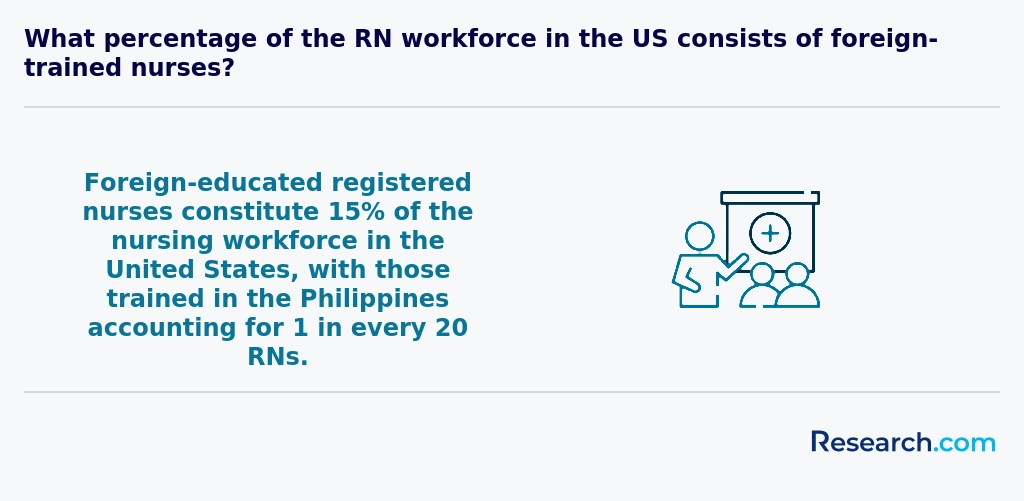
Online nursing degree programs in Minnesota typically include core courses such as Human Anatomy and Physiology, Microbiology, Pharmacology, and Nursing Fundamentals. Graduates from well-known institutions like the University of Minnesota often mention how these classes offered them a solid foundation by combining clear theory with applicable skills, making complex subjects more approachable despite the online format.
Beyond basics, specialized courses are emphasized, reflecting Minnesota's diverse healthcare needs. For example, courses in Adult Health Nursing and Maternal and Child Health Nursing prepare students for real-world challenges, from managing chronic illnesses to supporting families during childbirth. Students from colleges like St. Catherine University have shared that these subjects brought a sense of purpose and readiness when they encountered similar cases during their clinical placements.
Moreover, the inclusion of Mental Health Nursing and Community and Public Health Nursing rounds out the curriculum, strengthening empathy and adaptability. Some graduates highlight how studying nursing ethics and professional development online helped them understand the legal and moral responsibilities they would face in Minnesota's varied care environments.
Online nursing degrees in Minnesota typically offer a range of specializations designed to align with both student interests and local healthcare demands. Popular tracks include community and public health nursing, which prepares graduates to serve rural populations, reflecting the state's demographic needs. Another commonly pursued focus is mental health nursing, valued for addressing Minnesota's strong commitment to psychiatric care. Some graduates of prominent Minnesota programs express satisfaction in pediatric nursing, appreciating its role in supporting maternal and child health services statewide.
Gerontological nursing also emerges as a critical specialization, given the aging population in Minnesota and the increasing need for expertise in chronic illness and elder care. Meanwhile, leadership and administration tracks prepare students for management roles, integrating policy and organizational skills essential in complex healthcare settings. Students at well-known universities in Minnesota often highlight the practical benefits of these diverse options on their career flexibility.
In exploring the best nursing degree focus areas Minnesota offers, it's worth noting that these programs often balance theoretical knowledge with real-world scenarios. For those interested in expanding their qualifications without relocating, Minnesota's online nursing specializations provide accessible paths. Additionally, some pursue online certificate programs that pay well to complement their degrees and enhance job prospects.
Choosing the best online nursing degree in Minnesota involves weighing multiple factors carefully. Accreditation by the CCNE or ACEN is non-negotiable because the Minnesota Board of Nursing mandates it for NCLEX-RN eligibility. Graduates from well-established programs at universities like the University of Minnesota often praise the strong curriculum and comprehensive clinical placements that local healthcare facilities support, which make the learning experience feel both rigorous and rewarding.
Cost is another major consideration. Public institutions typically offer a more affordable online nursing degree Minnesota students find appealing, especially when combined with financial aid. However, some graduates from private colleges appreciate the personalized faculty attention and specialized resources that justify the higher tuition. Balancing price with quality demands critical evaluation of graduation and NCLEX pass rates to ensure students aren't sacrificing outcomes for affordability.
Lastly, consider flexibility and future opportunities. Many students working full-time have found asynchronous classes invaluable to fitting study into busy lives. Also, programs that guide learners toward advanced certifications or graduate-level nursing education remain attractive in Minnesota's evolving healthcare market. For a comprehensive comparison, consulting resources such as best online degree programs for seniors helps identify quality options tailored to your needs.
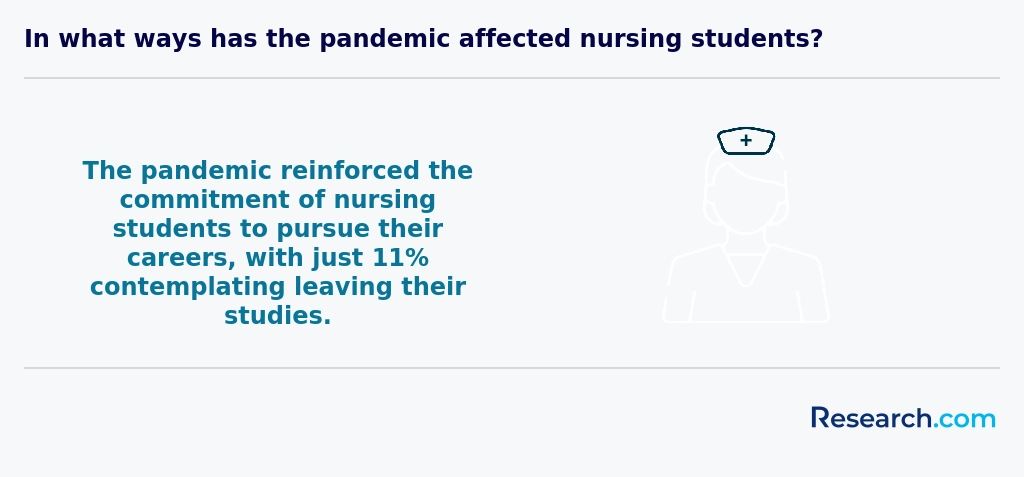
Graduates of online nursing degree programs in Minnesota often find diverse career paths aligned with the state's growing healthcare demands. Many become Registered Nurses (RNs), delivering essential patient care in settings like hospitals and clinics. For example, graduates from popular Minnesota institutions report gaining confidence entering roles that offer average salaries near $75,000, reflecting a positive job outlook for those focused on an online nursing career opportunities Minnesota.
Others choose specialized roles such as public health nursing, targeting community wellness initiatives, or case management nursing, where coordinating patient care reduces hospital readmissions. School nursing also remains a stable option, especially for those who value direct engagement with younger populations. Leadership positions are increasingly accessible, with online BSN learners from Minnesota colleges describing how their programs emphasize administrative skills needed for supervisory roles.
Students considering further study often weigh the benefits of pursuing advanced degrees. Affordable tuition options combined with available financial aid make Minnesota an appealing place to start, though exploring options at the best open admission colleges nationally can broaden perspectives. The nursing degree job outlook Minnesota supports personal advancement while embracing community impact, but students should critically assess how their chosen path aligns with long-term goals.
The job market for graduates holding an online nursing degree in Minnesota shows promising growth, supported by a 12% projected increase in registered nurse employment from 2020 to 2030. Many graduates from well-regarded institutions like the University of Minnesota or Bethel University report finding roles in hospitals or outpatient centers relatively quickly, reflecting the steady demand across the state. These nursing career opportunities Minnesota offer variety, from urban medical centers to rural health facilities, which expands options for graduates.
Wages also present an encouraging factor, with the median RN salary in Minnesota estimated at $77,340 annually-slightly above the national average. Graduates often share how this compensation supports financial stability, especially when balanced against the regionally affordable tuition rates for in-state students pursuing online degrees. This makes the investment in education worthwhile.
Students appreciate how flexible online formats ease balancing work, school, and life, an advantage particularly noted by those at institutions like Minnesota State University. However, prospective candidates should also consider competition in larger metro areas. For those interested in exploring less demanding programs that might complement or precede nursing study, a look at easiest associate's degree programs could offer helpful alternatives.
2027 Most Affordable Online Bachelor's in Nursing Degree Programs Ranking in Minnesota
Investing in your education is a significant decision that can shape your future, and the Research.com team understands the importance of making informed choices. To assist prospective students in Minnesota, we have meticulously developed the "2027 Most Affordable Online Bachelor's in Nursing Degree Programs Ranking." Our dedication to quality, credibility, and accuracy is evident in the thorough research and analysis behind this ranking.
We utilized the following reputable data sources to ensure a comprehensive evaluation of nursing programs:
By exploring this ranking, readers will gain valuable insights into the most affordable online nursing degree programs in Minnesota, empowering them to make well-informed decisions about their educational investments. For more information about how the ranking was created, please visit our Research.com methodology page.
# 1 position
Bethel University, Minnesota
Nursing RN to BS
# 3 position
Walden University
Bachelor of Nursing

Frequently Asked Questions About nursing
Online nursing degree students in Minnesota can maximize their learning experience by actively engaging in virtual simulations and interactive coursework. Programs accredited by the Commission on Collegiate Nursing Education (CCNE) ensure rigorous academic standards and access to quality resources.
Leveraging Minnesota's robust clinical placement networks is essential. The state's healthcare facilities provide diverse clinical settings, helping students apply theoretical knowledge in real-world environments.
Students should also take advantage of online study groups and tutoring services to enhance comprehension. According to the Minnesota Board of Nursing, participation in hands-on clinical training combined with strong academic support correlates with higher pass rates on the NCLEX-RN exam.
The nursing field in Minnesota is expanding into several emerging niches, responding to healthcare's evolving needs. One notable area is geriatric nursing, driven by Minnesota's growing elderly population; the state's Department of Health projects a 30% increase in residents over 65 by 2030. Nurses specializing in elder care are crucial for managing chronic diseases and improving quality of life.
Another niche gaining traction is telehealth nursing. With remote care becoming essential, nurses skilled in virtual patient monitoring and communication are increasingly in demand, especially in rural Minnesota.
Additionally, psychiatric-mental health nursing is expanding, reflecting rising awareness of mental health issues. Minnesota's workforce reports show a steady increase in job openings for these specialists.
After completing an online nursing degree in Minnesota, preparing for the job market involves several key steps. First, graduates must obtain licensure through the Minnesota Board of Nursing by passing the NCLEX-RN exam. This is essential for all registered nurses in the state.
It is also important to gain practical experience through internships, clinical rotations, or volunteer work. Minnesota hospitals and clinics often value hands-on experience alongside academic credentials. Networking through local organizations such as the Minnesota Nurses Association can provide job leads and professional development.
Additionally, staying informed on Minnesota's healthcare trends helps job seekers target growing areas like elder care and outpatient services. According to the Minnesota Department of Employment and Economic Development, nursing jobs in the state are projected to grow 10.7% through 2030, reflecting strong demand.
Employers in Minnesota highly value nursing graduates who demonstrate strong clinical skills. These include patient assessment, administering medications, and electronic health record management, essential in today's healthcare settings. According to the Minnesota Board of Nursing, proficiency in these areas is critical for safe patient care.
Communication is another top skill. Nurses must effectively interact with patients, families, and interdisciplinary teams. The Minnesota Department of Employment and Economic Development highlights that collaborative skills improve patient outcomes and workplace efficiency.
Critical thinking and problem-solving abilities are especially important in this fast-paced field. Nurses in Minnesota often face complex cases requiring quick, sound decisions. Employers look for graduates who can analyze situations and respond appropriately.
Finally, adaptability and a commitment to lifelong learning remain essential as healthcare technology and protocols evolve rapidly.
Finding nursing internships in Minnesota involves connecting with local healthcare providers and educational institutions. Many nursing programs, including online options, require clinical placements as part of the curriculum. Students should start by contacting their university's career services or nursing department to access affiliated hospitals and clinics that offer internships.
Additionally, the Minnesota Nurses Association provides resources and networking opportunities which can help identify internship openings. According to the Minnesota Department of Health, over 140 hospital-based facilities and numerous community clinics participate in clinical training annually. Prioritizing sites with diverse patient populations can enhance practical skills.
It is also beneficial to explore partnerships with major health systems in Minnesota, such as Mayo Clinic and Allina Health, known for supporting nursing education through internship programs.
Completing an online nursing degree in Minnesota can significantly enhance career mobility by allowing nurses to meet state licensing requirements and expand their qualifications. The Minnesota Board of Nursing recognizes accredited online programs, enabling graduates to pursue roles across hospitals, clinics, and community health settings.
With over 83,000 registered nurses in Minnesota as of 2023 (Minnesota Department of Employment and Economic Development), advanced education often leads to higher salaries and leadership positions. For example, nurses with a Bachelor of Science in Nursing (BSN) degree earn a median wage approximately 15% higher than those with an associate degree (Bureau of Labor Statistics).
Online programs offer flexibility for working professionals, facilitating timely career progression without interrupting employment. This flexibility supports seamless transitions into specialized nursing roles or management, which are increasingly in demand within Minnesota's growing healthcare sector.
Studying for a nursing degree in Minnesota prepares students for interdisciplinary roles by emphasizing collaboration across healthcare fields. Programs often integrate coursework in communication, leadership, and team-based care. This training aligns with Minnesota's strong healthcare environment, where professionals regularly work with physicians, social workers, and therapists.
According to the Minnesota Board of Nursing, many online nursing programs include clinical experiences in diverse settings that foster multidisciplinary cooperation. The state's focus on population health also encourages nurses to engage with community resources and public health experts.
Such comprehensive education ensures graduates are well-equipped to contribute effectively in varied healthcare teams, a skill increasingly vital in modern nursing practice.
Choosing between a thesis and a non-thesis nursing degree program in Minnesota depends largely on your career goals and learning preferences. Thesis programs typically focus on research skills and are ideal if you plan to pursue advanced degrees or roles in nursing education and research. Non-thesis programs emphasize practical knowledge and clinical skills, which suit those aiming to enter or advance in nursing practice quickly.
Data from the Minnesota Board of Nursing shows a steady increase in demand for nurses with advanced clinical training, highlighting the value of hands-on experience. Consider your availability, as thesis programs often require more time commitment due to research work.
Research the curriculum and faculty expertise of each program you consider to ensure they align with your personal and professional objectives.
Students based in Minnesota interested in studying nursing abroad have several options, primarily through exchange programs or partnerships between local universities and foreign institutions. While most Minnesota nursing programs emphasize clinical hours local to the state due to licensing requirements, some schools offer study abroad opportunities for theoretical coursework.
Licensing in Minnesota requires graduation from a program approved by the Minnesota Board of Nursing, which means international study must align with U.S. accreditation standards to ensure eligibility for the NCLEX-RN exam.
Moreover, online nursing degrees from Minnesota institutions occasionally integrate international clinical experiences, but these are limited and highly regulated.
Overall, direct nursing study abroad options are rare for Minnesota students unless coordinated through affiliated U.S. programs.
In Minnesota, part-time jobs that complement nursing degree education often involve healthcare settings where students can gain practical experience. Common roles include Certified Nursing Assistant (CNA), patient care technician, and medical scribe. According to the Minnesota Department of Employment and Economic Development, CNAs earn an average wage of $15-$18 per hour, offering both income and hands-on clinical exposure.
Working in hospitals or clinics provides students with insight into patient care, teamwork, and healthcare protocols while balancing academic commitments. Additionally, home health aide positions are prevalent in Minnesota, letting nursing students assist elderly or disabled clients in community settings.
Such part-time roles strengthen resumes and can improve licensure success by combining coursework with real-world practice.
Online nursing students in Minnesota have access to various networking opportunities despite studying remotely. Many universities offer virtual events, including career fairs and guest lectures, connecting students with healthcare professionals statewide. Professional organizations such as the Minnesota Nurses Association provide online forums and local chapter meetings where students can engage with practicing nurses and mentors. Additionally, clinical placements required for degree completion often take place in Minnesota healthcare facilities, allowing students to build direct relationships and gain regional experience. These connections are crucial in Minnesota's growing healthcare sector, which the Minnesota Department of Employment and Economic Development reports will add over 6,000 nursing jobs by 2030.
Alumni networks provide crucial support for online nursing degree students in Minnesota by connecting them with experienced graduates who understand the local healthcare environment. These networks often offer mentorship opportunities, helping students navigate licensure exams like the NCLEX-RN and meet Minnesota Board of Nursing requirements.
Networking through alumni allows students to discover job openings and internships, which is vital given Minnesota's growing demand for nurses. According to the Minnesota Department of Employment and Economic Development, nursing positions are expected to grow by 9% through 2030.
Additionally, alumni connections encourage professional development and continuing education, fostering a strong community that benefits both new and seasoned nurses across the state.
Customizing an online nursing degree program in Minnesota allows students to align coursework with their professional goals. Many schools offer specialization options such as gerontology, pediatrics, or community health, enabling students to focus on areas with growing demand in the state. According to the Minnesota Department of Employment and Economic Development, registered nursing roles are expected to grow by 10.3% through 2030, particularly in rural and elderly care sectors.
Students can often select electives, clinical practicum sites, and flexible schedules to balance work and study. Accreditation by bodies like CCNE ensures that programs meet quality standards and prepare graduates for Minnesota's licensure requirements.
Online nursing students in Minnesota often face unique challenges that can impact their academic success. A key difficulty is balancing clinical requirements with remote coursework. Minnesota's Board of Nursing mandates hands-on clinical hours, which can limit flexibility for fully online study options.
Additionally, students might encounter limited access to in-person faculty support and peer networking, which are vital for mastering nursing skills and building professional connections. Reliable internet access is another concern, especially in rural areas where broadband coverage is uneven, potentially disrupting coursework.
Financial strain is also common. While the state offers scholarships for healthcare professions, tuition and associated costs remain a barrier for some prospective students. Finally, maintaining motivation without a traditional classroom environment requires strong self-discipline.
With an online nursing degree in Minnesota, graduates can pursue several professional certifications to advance their careers. The most common certification is the Registered Nurse (RN) license, which requires passing the NCLEX-RN exam after graduation. Minnesota's Board of Nursing provides licensure and regulates standards statewide.
Beyond RN licensure, nurses may seek specialty certifications such as the Certified Nurse Educator (CNE) or certifications in areas like pediatrics, geriatrics, and critical care. These are offered by organizations like the American Nurses Credentialing Center (ANCC).
Certified nurses often experience better job prospects and higher salaries. According to the Minnesota Department of Employment and Economic Development, specialty certifications can increase earning potential by 10-20% on average.
Writing a winning application for an online nursing program in Minnesota begins with demonstrating your commitment to healthcare. Highlight relevant experience, such as CNA work or volunteering at clinics, which strengthens your practical skills foundation. Minnesota nursing programs often require a minimum GPA around 3.0; ensure your transcripts reflect strong academic performance, especially in science courses.
Personal statements should clearly explain your motivation and understanding of nursing challenges. Use specific examples to show empathy and problem-solving abilities. According to the Minnesota Board of Nursing, applicants with clear goals and leadership qualities stand out.
Many programs ask for letters of recommendation; choose references familiar with your clinical or academic work. Double-check application deadlines and submit all materials early to avoid technical issues often reported by applicants.
Nursing is recognized worldwide as a vital and respected profession, with demand growing due to aging populations and global health challenges. In the United States, including Minnesota, nursing offers diverse career paths and a strong job outlook. According to the Minnesota Board of Nursing, over 90,000 licensed nurses serve the state, providing care in urban and rural areas alike.
Globally, nursing roles vary but share common goals: patient care, health promotion, and disease prevention. Advanced degrees can open doors to leadership, research, and specialized care roles, important for global health collaboration.
For Minnesota students pursuing online nursing degrees, understanding these broader trends highlights the profession's stability and international respect.
Gaining practical experience while studying for an online nursing degree in Minnesota is essential to meet state licensure requirements. Most programs require students to complete clinical hours at approved healthcare facilities. These hands-on experiences are often coordinated through partnerships between the university and local hospitals, clinics, or long-term care facilities.
Students typically arrange clinical placements within Minnesota, allowing them to apply skills learned online in real-world environments. According to the Minnesota Board of Nursing, a minimum of 500 supervised clinical hours is usually necessary for nursing licensure.
Additionally, some programs offer simulation labs and virtual clinical experiences to complement in-person training, enhancing readiness for professional nursing roles.
Choosing the right concentration within an online nursing degree program in Minnesota requires evaluating your career goals and the state's healthcare needs. Minnesota's Department of Employment and Economic Development projects a 15% growth in registered nurse jobs by 2030, especially in gerontology and community health.
Consider your interests in specialties such as pediatrics, mental health, or public health nursing. Programs may offer tracks tailored to these areas. Research labor market data from sources like the Bureau of Labor Statistics to understand demand and salaries in Minnesota.
Additionally, verify program accreditation and alignment with Minnesota Board of Nursing requirements to ensure licensure eligibility after graduation.
- 2027 Most Affordable Online Bachelor's in Nursing Degree Programs Ranking in Wisconsin
- 2027 Most Affordable Online Bachelor's in Nursing Degree Programs Ranking in Iowa
- 2027 Most Affordable Online Bachelor's in Nursing Degree Programs Ranking in North Dakota
- 2027 Most Affordable Online Bachelor's in Nursing Degree Programs Ranking in Illinois
- 2027 Most Affordable Online Bachelor's in Nursing Degree Programs Ranking in Missouri
- 2027 Most Affordable Online Bachelor's in Nursing Degree Programs Ranking in Michigan
- 2027 Most Affordable Online Bachelor's in Nursing Degree Programs Ranking in Kansas
- 2027 Most Affordable Online Bachelor's in Nursing Degree Programs Ranking in Indiana
- 2027 Most Affordable Online Bachelor's in Nursing Degree Programs Ranking in Ohio
- 2027 Most Affordable Online Bachelor's in Nursing Degree Programs Ranking in Colorado
See What Experts Have To Say About Studying Nursing
Read our interview with Nursing experts

Lisa Grubb
Nursing Expert
Assistant Professor
Johns Hopkins School of Nursing

- Nursing Internship and Externship Programs https://jobs.mayoclinic.org/nursinginternexternprograms
- Best Online Nursing Programs in Minnesota https://www.onlineu.com/degrees/nursing/minnesota
- Scholarships & Financial Aid https://www.aacnnursing.org/students/scholarships-financial-aid
- Nursing - Minnesota North College https://minnesotanorth.edu/programs/nursing/
- Northwest Tech’s Online Nursing Programs Recognized Among Nation’s Best https://www.ntcmn.edu/news/2021/02/09/ntc-online-nursing-program/
- 10 Nursing Fields That Are Growing in Demand https://promedcert.com/blog/10-nursing-fields-that-are-growing-in-demand
- How a BSN Prepares You for Graduate Nursing Degrees (MSN, DNP) https://blog.methodistcollege.edu/bsn-prepares-you-graduate-nursing-degrees
- Exploring Diverse Nursing Career Horizons - N2S Healthcare Blog https://n2shealthcare.com/blog/exploring-diverse-nursing-career-horizons-n2s-healthcare-blog
- 3 Ways to Get Your Nursing Degree Paid for in Minnesota - Caring Careers Start Here https://www.caringcareersstarthere.com/blog/career-guidance/3-ways-to-get-your-nursing-degree-paid-for-in-minnesota/
- Guide to Making a Career Change to Nursing https://teach.com/online-ed/healthcare-degrees/online-msn-programs/career-change-to-nursing/


