2027 Most Valuable Nursing Degree Programs Ranking in Milton

Co-Founder and Chief Data Scientist
Choosing the right nursing degree program in Milton can feel overwhelming with so many options available. To help you make an informed decision, this article features the 2027 Most Valuable Nursing Degree Programs Ranking in Milton, created by the Research.com team of data scientists.
By exploring this ranking, you'll discover which programs offer the best value for your time and investment. Pursuing a nursing degree is a rewarding step toward a stable and fulfilling career. This guide aims to support you on that exciting journey.
Key benefits of getting nursing degree in Milton
- Nursing degree graduates in Milton can expect competitive salaries, with Registered Nurses and Public Health Nurses earning around $94,480 annually, while Operating Room Nurses earn up to $128,490, offering financial stability and rewarding pay.
- Graduates from popular Milton colleges often find diverse career paths, including roles in emergency rooms, clinical education, and public health, giving plenty of exciting opportunities to grow professionally.
- Completing a nursing degree online in Milton allows flexible scheduling and can be just as respected as traditional programs, making it easier to balance work, life, and study while advancing your career.
- 2027 Most Valuable Nursing Degree Programs Ranking in Milton
- What can I expect from nursing degree in Milton?
- Where can I work with nursing degree in Milton?
What can I expect from nursing degree in Milton?
The average cost of earning a nursing degree in Milton varies, but students typically invest anywhere from $10,000 to $30,000 per year depending on whether they attend public or private institutions. Graduates from well-known local colleges recall balancing rigorous coursework with part-time jobs, feeling the weight of tuition yet driven by the purpose of becoming skilled nurses in their communities. These costs often cover comprehensive programs combining essential sciences like anatomy and pharmacology with real-world clinical placements.
For many, the financial challenge is met with a sense of accomplishment as they navigate financial aid options and scholarships tailored for nursing students in Milton. One graduate shared how the collaboration between her university and local hospitals not only enhanced her learning but also eased living expenses through stipends during clinical rotations. This hands-on training, coupled with personal perseverance, makes the price of the degree feel less like a burden and more like a meaningful investment in a fulfilling career.
Where can I work with nursing degree in Milton?
Graduates from nursing programs in Milton often find themselves stepping confidently into roles at nearby hospitals like Milton Hospital or larger Boston-area medical centers. Many report the rewarding challenge of supporting patients in fast-paced, high-stakes environments, where their education from local institutions such as MassBay Community College truly comes alive.
Others discover a meaningful career path in long-term care facilities, driven by a desire to impact elder care positively. These graduates reflect on moments of deep connection formed while helping aging patients maintain dignity and comfort-a clear reminder that nursing extends far beyond acute hospital settings.
Community health clinics and outpatient centers also attract Milton-trained nurses who are passionate about preventive care and managing chronic illnesses. Working closely with underserved populations, these nurses often share how their local education prepared them to address unique community health challenges firsthand.
Graduates pursuing nursing education or administration appreciate Milton's collaborative healthcare network, where they can serve as clinical instructors or leaders influencing future nurses. Meanwhile, the growing home healthcare sector enables some to provide compassionate, personalized patient care in familiar neighborhood settings, strengthening their ties to the community.
Graduates from nursing programs in Milton, such as those at nearby Georgia State University or Mercer University's nursing school, often find themselves entering a career with promising salaries. Registered Nurses (RNs) typically start with mean annual wages around $94,480, a figure that may surprise those expecting more modest entry-level pay. Many graduates describe the realization of earning a competitive wage shortly after licensure as both motivating and reassuring.
Specialized roles like Operating Room Nurses can see even greater rewards, with mean annual salaries around $128,490. Imagine working in a high-stakes environment where your skill directly impacts patient outcomes, and the compensation reflects that responsibility. This can feel like more than a job; it's a valued profession that recognizes your expertise.
Graduates often recall balancing intense clinical rotations at local hospitals in Metro Atlanta, appreciating how the region's higher cost of living is met with meaningful financial compensation. Even coordinating shifts for evenings or nights can boost earnings by 10% or more, giving new nurses flexible options to improve their income while gaining experience.
- Nursing degrees in Milton include Associate of Science in Nursing (ASN) and Bachelor of Science in Nursing (BSN), with BSN programs favoring wider career options.
- The total cost for a BSN program in Milton ranges from $25,000 to $45,000, covering tuition and related fees.
- Registered nurse jobs in Milton are expected to grow by about 15% in the next decade, faster than the average for all jobs.
- Starting salaries for new nursing graduates in Milton are typically between $58,000 and $65,000 annually.
- Experienced registered nurses in Milton can earn between $75,000 and $90,000 depending on specialization and employer.
- Nursing programs in Milton offer clinical placements through local hospitals, providing valuable hands-on experience.
Completing a nursing degree in Milton is often seen as a strict timeline, but the reality experienced by many students at local institutions tells a richer story. Graduates from community colleges find themselves immersed in a hands-on environment that typically takes about two years, allowing them to quickly transition into nursing roles and face real-world challenges with confidence.
Meanwhile, those enrolled in Milton's universities pursuing a Bachelor of Science in Nursing often embrace a more in-depth journey lasting close to four years. These students describe their experience as transformative-combining clinical practice with leadership and research skills that deepen their sense of purpose and preparedness.
Accelerated programs add an inspiring twist, where individuals with prior degrees compress this learning into intense 12 to 18 months. This path often sparks excitement and renewed motivation, proving that the timeline in Milton is flexible and tailored to personal ambition.
For advanced nursing roles, some students opt to extend their studies with Master's or Doctoral programs, reflecting a commitment to expertise that can take up to four years. Such dedication is fueled by the tangible rewards seen in hospitals and communities within Milton, where patient impact becomes a daily validation.
Graduates must pass the NCLEX-RN exam and meet Massachusetts Board of Registration standards to become licensed RNs.
- NCLEX-RN exam overview: A computer adaptive test covering clinical judgment, patient safety and nursing fundamentals.
- Massachusetts licensure process: Submit application and official transcripts to the Board; typical approval and scheduling take 4–6 weeks.
- Local NCLEX outcomes: Curry College achieves a 94% first-time pass rate, Fontbonne University 90%, signaling strong program alignment with exam content.
- Renewal and CE requirements: RN licenses renew every two years; 15 contact hours of approved continuing education are mandatory.
- National benchmarking: For comparatives on NCLEX outcomes, review accredited nursing schools in california.
Choosing between online and on-campus nursing degrees in Milton often comes down to how you envision your daily life during studies. Graduates from popular Milton colleges share how online programs granted them unmatched flexibility-balancing shifts at local clinics or family obligations while accessing lectures whenever it suited their schedule. This adaptability feels empowering, especially when life's unpredictability hits.
Conversely, alumni of traditional on-campus nursing programs highlight the immersive energy of face-to-face time with instructors and peers. At well-known universities in Milton, students recall hands-on labs and lively classroom debates that fostered confidence and immediate support, helping them build a strong professional network early on. The rhythm of daily campus life also provided a clear boundary between study and personal time, which many found motivating.
Both pathways converge on a crucial point-completing clinical hours in person at approved Milton healthcare facilities. This shared experience roots every student in real-world challenges, but how you arrive there-through flexible online study or campus immersion-shapes not just your education, but your connection to the nursing community and your own learning style.
Accreditation and NCLEX success rates are critical indicators of a nursing program’s quality and credibility in Milton, MA. All reputable nursing degrees in Milton should hold accreditation from agencies such as the Commission on Collegiate Nursing Education (CCNE) or the Accreditation Commission for Education in Nursing (ACEN). These accreditations ensure that curricula meet rigorous national standards, preparing graduates to pass the National Council Licensure Examination (NCLEX-RN) on their first attempt. In Massachusetts, the Board of Registration in Nursing reports average NCLEX pass rates of approximately 88% for BSN graduates, with top programs like those at Curry College and Boston College consistently exceeding 92%. When researching nursing schools, look for published NCLEX pass rates and accreditation status on program websites. Programs that maintain pass rates above the state average demonstrate strong academic support, clinical partnerships, and faculty expertise. Additionally, consider how online and hybrid formats align with accreditation requirements; programs that adapt hands-on simulation labs and virtual clinical experiences can achieve outcomes comparable to traditional campus routes. While evaluating a program’s cost and quality, prospective students often compare programs across states, such as those highlighted in our Cheapest Online Bachelor's in Nursing Degree Programs Ranking in Florida, to benchmark tuition and accreditation standards nationwide. To further ensure successful licensure, verify that your chosen program provides NCLEX prep resources, including review workshops, practice exams, and dedicated faculty mentorship. High-performing programs in Milton offer integrated review courses in the final semester, leading to pass rates that routinely reach 95% or higher. By prioritizing accredited programs with demonstrated licensure success, you can confidently embark on your nursing career, knowing you meet both state requirements and employer expectations.
The average cost of a nursing degree in Milton typically centers around $47,970 for in-state students, with total expenses often reaching $59,470 for out-of-state attendees. Graduates from popular nursing programs at local colleges recount the mix of excitement and financial stress as they navigated tuition bills alongside expenses for uniforms, clinical supplies, and licensing fees. One graduate shared how budgeting carefully allowed them to focus on clinical practice without being overwhelmed by costs, highlighting the importance of understanding the full financial picture beyond just tuition fees. This perspective shifts how one views the average nursing degree cost Milton students face-it's not just a price tag but a commitment intertwined with real-life challenges and rewards.
Many nursing students in Milton choose institutions known for balancing quality education with manageable costs. For example, community colleges offer ADN programs close to home and budget, while larger universities provide BSN pathways with slightly higher fees yet greater resources. Some graduates speak to the advantage of exploring financial aid options, scholarships, and flexible programs, which can influence the total cost nursing program Milton 2027 hopefuls should anticipate. These personal journeys underscore that the financial investment, while significant, is also an investment in a future career filled with demand and opportunity.
With rising tuition costs nationwide, prospective students might find value in researching alternatives like the best MSN programs colorado online. These online options often offer competitive pricing and convenience, appealing to those seeking to offset traditional cost barriers. As nursing remains a high-demand field, understanding the total cost and exploring adaptable pathways in Milton is vital to aligning education with personal and financial goals.

A critical measure of a nursing program’s value is its NCLEX-RN pass rate and overall graduation outcomes. In Milton, MA, leading programs consistently exceed the national average pass rate of 88%, reflecting strong curriculum design, seasoned faculty, and robust clinical preparation. For instance, Curry College reported a 95% NCLEX-RN first-time pass rate in 2023, while Fontbonne University achieved 92%. These high success rates not only demonstrate academic rigor but also translate into faster job placement and reduced time to licensure. Graduation rates further underscore program effectiveness. Top-ranked schools in Milton boast four-year BSN completion rates above 85%, compared to a national average of 70%. Strong student support services-such as simulation labs, peer tutoring, and dedicated NCLEX review workshops-play a pivotal role in these outcomes. Prospective students should review each program’s published pass and graduation rates, which are often available through state boards of nursing or institutional fact sheets. To maintain these high standards, many programs partner with clinical sites that offer diverse patient care experiences, ensuring graduates are well-prepared for the licensure exam and real-world practice. Moreover, Ross University and other institutions often conduct annual performance analyses, adjusting teaching strategies based on NCLEX item subcategory data. For those aiming to advance quickly into specialized nursing roles, you may also explore the best accelerated nurse practitioner online programs, which similarly report strong licensure success and streamlined pathways to advanced practice. By prioritizing NCLEX pass rates and graduation outcomes, students in Milton, MA can confidently select a nursing program that optimizes both educational investment and career readiness.
Nursing students in Milton often discover that federal financial aid can be a game-changer. Graduates from prominent institutions like Milton Community College recall how Pell Grants, offering up to $7,395 annually, made their education feel within reach rather than a distant dream. The critical step, they say, is completing the FAFSA early to unlock these grants and the Federal Supplemental Educational Opportunity Grant, which can add another $4,000 for those with exceptional need.
Scholarships, both national and local, stir hope as well. Students at Milton University shared how scholarships from the American Association of Colleges of Nursing or local hospitals not only eased tuition stress but also created a sense of belonging to a larger community invested in their success.
Beyond aid, work-study programs at these schools provide hands-on healthcare jobs, blending income with experience. Graduates emphasize how such roles foster confidence and financial independence simultaneously. Employer tuition assistance, common in Milton's healthcare sector, opens pathways for working nurses to expand their qualifications without financial strain.
When selecting a nursing program in Milton, MA, accreditation is non-negotiable. Ensure your school is accredited by the Commission on Collegiate Nursing Education (CCNE) or the Accreditation Commission for Education in Nursing (ACEN), as this directly impacts eligibility for the NCLEX-RN licensure exam. Accredited programs adhere to rigorous standards in curriculum, faculty qualifications, and clinical partnerships-key factors in preparing competent, confident nurses. NCLEX-RN pass rates offer transparent insight into a program’s effectiveness. For 2023, Curry College reported a first-time pass rate of 92%, Milton Academy achieved 89%, and Fontbonne University maintained an 87% pass rate. These figures exceed the Massachusetts state average of 85%, demonstrating that Milton’s top programs equip students with the critical thinking and clinical skills needed to succeed on exam day. Beyond the NCLEX-RN, graduates often advance into master’s-level roles. For those aiming to transition quickly to graduate study, consider exploring the easiest direct-entry MSN programs online, which streamline the path to advanced practice and can further bolster licensure success and career mobility. Finally, licensure in Massachusetts requires a criminal background check, proof of immunizations, and official NCLEX-RN results. By choosing an accredited program with strong pass rates and robust student support, you’ll be well-positioned to obtain your nursing license and launch a rewarding healthcare career.
To enroll in a nursing degree program in Milton, you must first secure a high school diploma or GED, a fundamental step that graduates often recall as the moment their nursing journey truly began. At institutions like Milton Community College or the Milton School of Nursing, students share how strong backgrounds in biology, chemistry, and math made challenging coursework feel more like an exciting puzzle than a burden.
Standardized exams such as the TEAS test are another gatekeeper, ensuring applicants can handle the academic demands ahead. Graduates describe these exams not as obstacles but as affirmations of their readiness, boosting their confidence before starting rigorous studies.
Submission of application materials-transcripts, recommendation letters, and personal essays-adds a personal dimension, reflecting real passion and commitment. Some schools supplement this with interviews and health screenings, mirroring the clinical realities they'll soon face.
For those eyeing Milton's accelerated or online programs, prior credits or degrees transform past achievements into new opportunities, proving that nursing education here respects your unique academic path.
When considering a nursing program, it's essential to evaluate the value it offers, taking into account factors such as program quality, tuition costs, and potential career outcomes. Prospective students in Milton, MA, can benefit from researching institutions that provide a well-rounded nursing education, preparing them for the demands of the healthcare field. For instance, learning about the curriculum, clinical opportunities, and faculty expertise at a valuable nursing school in Massachusetts can help students make informed decisions about their education, ultimately leading to a fulfilling and successful nursing career.
Nursing degrees in Milton demand mastering a spectrum of courses that go beyond textbooks and lectures. Graduates from popular local institutions often reflect on their first encounters with anatomy and physiology, where understanding the human body's intricate design felt like unlocking a living puzzle. This foundational knowledge then expands through microbiology and pathophysiology, which reveal the unseen battles within the body-transforming abstract concepts into tangible patient realities.
Specialized courses shape the heart of the nursing journey. Students at Milton's well-regarded colleges recount how pharmacology taught them the gravity of every dosage, fostering a sense of responsibility that resonates deeply during clinical placements. Health assessment classes turn theory into action, equipping students to confidently perform exams and interpret patient histories-a skill often praised by those who advanced into challenging hospital rotations.
Courses in medical-surgical, mental health, and pediatric nursing further immerse learners in diverse care environments. These classes create empathetic professionals ready to handle real-world complexities, capturing the essence of nursing in Milton's vibrant healthcare community.
When exploring nursing degree specializations in Milton, students quickly discover diverse pathways that challenge the notion of a one-size-fits-all nursing education. Graduates from popular local universities often share how choosing a specialization transformed their clinical confidence-from pediatrics to critical care-heightening their connection to patients and sharpening unique skills. For example, the Registered Nurse (RN) to Bachelor of Science in Nursing (BSN) programs available in Milton frequently offer options to focus on geriatrics or mental health nursing, which many graduates highlight as pivotal in shaping their careers in community healthcare settings.
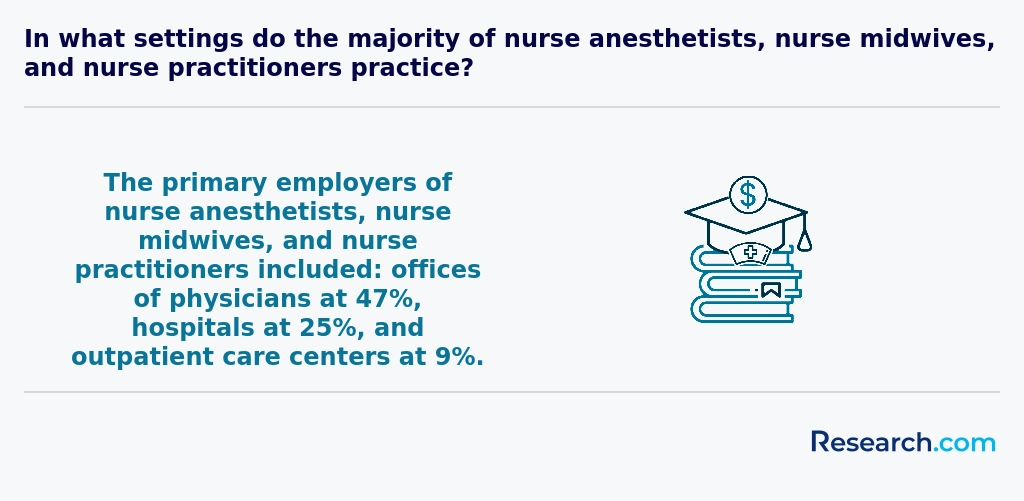
Milton nursing programs with specialization options further extend into advanced roles such as Nurse Practitioners and Certified Nurse Midwives, equipping students with expertise tailored to evolving healthcare demands. Personal accounts often describe the rewarding challenge of balancing rigorous coursework while gaining hands-on experience in local hospitals, leading to a strong sense of purpose.
Those considering alternatives might explore alternative career paths in healthcare that complement specialized nursing roles, reflecting the broad spectrum of opportunities within this dynamic field.
Choosing the best nursing degree in Milton goes beyond just selecting a program; it requires reflecting on how each option aligns with your unique ambitions and daily life. Graduates from popular colleges in Milton often share how pursuing a BSN opened doors to leadership roles in local hospitals, emphasizing the value of programs with strong clinical placement ties to the community. But affordability plays a real role-nursing students balancing work and study highlight the importance of seeking affordable nursing schools Milton 2027 that offer scholarships and flexible schedules without sacrificing quality.
Accreditation and pass rates tell part of the story, yet personal experiences speak louder: small class sizes and faculty mentorship create confidence that shines through NCLEX success. Think practically-can you manage evening courses or online options? One graduate reflected on finding balance with a part-time program, which made all the difference. Finally, do not overlook exploring a public health major as a complementary path that broadens perspective in nursing and community care.
Nursing degree graduates in Milton navigate a spectrum of career paths far beyond the typical hospital floor. Many find themselves drawn to the intricate needs of geriatric nursing, a critical area given Milton's growing senior demographic. Graduates from popular local colleges describe the rewarding challenge of providing compassionate care to elderly patients, transforming routine duties into meaningful life moments. Exploring pediatric nursing, others recall the joy and emotional engagement involved in working with children at community clinics, a path that deepens their connection to the community's future.
Milton nursing degree job prospects extend into high-pressure environments like emergency nursing, where quick thinking saves lives. Graduates often remark on the intense learning curve and adrenaline that fuels their passion for acute care. Public health nursing offers yet another dimension, empowering nurses to impact broad community health initiatives. The city's educational institutions foster this versatility, with partnerships encouraging hands-on experience.
For those considering alternative or expedited routes, Milton also supports exploration of LPN programs in Connecticut, complementing the varied nursing career opportunities in Milton and enabling tailored professional development.

Graduates holding a nursing degree in Milton face a job market shaped by both unique regional demands and broader healthcare trends. The nursing job market outlook Milton reveals a vibrant landscape where hospitals, outpatient centers, and military healthcare facilities consistently seek skilled professionals. Many nursing students from popular local colleges recount their ease in securing positions, often citing the community's growing need for expertise in managing chronic conditions like diabetes and heart disease. This demand provides new grads with not only opportunity but also purpose, as they contribute to vital care in their communities.
Employment opportunities for nursing graduates Milton extend beyond typical bedside nursing roles. Advanced practice fields and military healthcare positions near Naval Air Station Whiting Field offer distinctive career paths. Notably, salaries start modestly but tend to increase with experience and certification. Those who invest in a nursing degree appreciate the stability and growth potential, as echoed by alumni. Some even consider pursuing credentials at a valuable nursing school in Massachusetts to expand options.
2027 Most Valuable Nursing Degree Programs Ranking in Milton
Investing in your education is a significant decision that can shape your future, and the Research.com team understands the importance of making informed choices. To assist prospective students in Milton, we have meticulously crafted the "2027 Most Valuable Nursing Degree Programs Ranking in Milton." Our commitment to quality, credibility, and accuracy is reflected in the extensive research and analysis conducted to compile this ranking.
We utilized the following reputable data sources to ensure a comprehensive evaluation of nursing programs:
By exploring this ranking, readers will gain valuable insights into the most valuable nursing degree programs available in Milton, empowering them to make well-informed decisions about their educational and professional futures. For more details on our methodology, please visit our Research.com methodology page.


Frequently Asked Questions About nursing
Nursing students in Milton can enhance their learning by engaging deeply with clinical practice opportunities offered through local hospitals. Practical experience is crucial, as the U.S. Bureau of Labor Statistics notes clinical hours improve job readiness by providing hands-on skills. Participating in study groups and collaborating with peers also strengthens understanding of complex nursing concepts.
Milton's nursing programs often include simulation labs, which replicate real-world scenarios and improve critical thinking. Students should take advantage of these resources to build confidence before patient care.
Additionally, staying current with evolving healthcare practices via professional workshops or nursing associations in Massachusetts supports continuous learning and networking.
The nursing field in Milton is expanding beyond traditional roles, driven by growing healthcare needs and technological advances. Emerging niches include gerontological nursing, focusing on the elderly population, which is increasing locally due to demographic shifts. According to the U.S. Bureau of Labor Statistics, gerontological nursing roles are expected to grow faster than average through 2030.
Another fast-growing area is telehealth nursing. This specialty uses digital tools to provide remote patient care, which gained momentum during the COVID-19 pandemic. Milton's healthcare institutions are rapidly adopting telehealth, creating demand for skilled nurses in this field.
Additionally, informatics nursing integrates data management and patient care, supporting healthcare systems to optimize patient outcomes. The adoption of electronic health records in Milton hospitals highlights this niche's importance.
After completing a nursing degree in Milton, preparing for the job market involves combining credentialing, practical experience, and networking. Graduates must pass the NCLEX-RN exam, required for licensure as registered nurses in the U.S. According to the National Council of State Boards of Nursing, passing rates remain a key factor for employers.
Gaining clinical experience through internships or local healthcare facilities in Milton can improve employment prospects. The Boston-Cambridge-Nashua metropolitan area, which includes Milton, is projected to see a 15% growth in nursing jobs through 2030 (U.S. Bureau of Labor Statistics).
Networking with professional organizations such as the Massachusetts Nurses Association helps graduates access job openings and mentorships.
Employers in Milton highly prioritize strong clinical skills in nursing graduates, including patient assessment, medication administration, and infection control. According to the Minnesota Board of Nursing, proficiency in these areas is essential for safety and quality care.
Besides technical abilities, communication skills are critical. Nurses must effectively interact with patients, families, and healthcare teams, ensuring clear information exchange.
Critical thinking and problem-solving capabilities are also frequently emphasized. In fast-paced Milton healthcare settings, nurses face unpredictable situations requiring quick, sound decisions.
Additionally, adaptability and teamwork remain valuable. Milton hospitals report that collaborative skills lead to better patient outcomes, shown in a 2023 study by Fairview Health Services.
Finding nursing internships in Milton involves several practical steps that align with the U.S. higher education system. First, students should consult their college's career services office, which often partners with local hospitals and clinics to offer internship placements. In Milton, healthcare institutions like Milford Regional Medical Center and other community-based health facilities are common hosts for nursing students. According to recent data from the Massachusetts Department of Higher Education, around 60% of nursing students in the region secure internships through such institutional collaborations.
Additionally, nursing students can explore internship opportunities via state nursing boards and professional organizations like the Massachusetts Nurses Association. These groups sometimes list available internships and clinical placement options. Online platforms specific to healthcare internships may also be helpful but prioritize local listings.
Finally, networking with faculty and attending local healthcare job fairs can increase chances to find quality internships in Milton. Early application is key, as positions are competitive given the city's growing healthcare sector.
Obtaining a nursing degree in Milton significantly enhances career mobility and advancement opportunities within the local healthcare sector. According to the U.S. Bureau of Labor Statistics (BLS), registered nurses in the Milton area benefit from a growing demand, with employment projected to increase by 12% through 2030. This growth creates pathways to specialized roles and leadership positions.
Higher academic credentials like a Bachelor of Science in Nursing (BSN) or advanced degrees such as a Master's or Doctorate in Nursing often lead to higher salaries and more responsibility. Employers in Milton frequently prefer candidates with these qualifications for supervisory or clinical specialist roles.
Additionally, obtaining a nursing degree enables access to various certifications and continuing education programs offered by local institutions, which further support professional development and upward mobility.
Studying for a nursing degree in Milton equips students with essential skills to work effectively across healthcare disciplines. Programs utilize a curriculum that integrates interdisciplinary teamwork, emphasizing collaboration with professionals such as physicians, social workers, and therapists.
Clinical rotations in Milton's diverse healthcare facilities provide hands-on experience in real-world settings, enhancing communication and problem-solving skills within multidisciplinary teams. According to the Massachusetts Board of Registration in Nursing, local programs prioritize interprofessional education to meet evolving healthcare demands.
This holistic approach ensures graduates are prepared for complex patient care scenarios, improving outcomes through coordinated efforts. Students also learn technology use common in hospital systems, which promotes efficient information sharing among various specialists.
When choosing between a thesis and a non-thesis nursing degree program in Milton, students should evaluate their career goals and learning preferences. Thesis programs typically focus on research skills, requiring students to complete an original study, which is ideal for those planning to pursue advanced degrees or roles in nursing research. Non-thesis programs emphasize practical knowledge and clinical skills, often including additional coursework or practicum experiences, better suited for students aiming to enter clinical practice quickly.
According to the American Association of Colleges of Nursing, about 40% of nursing graduate students pursue thesis options for academic careers. In Milton, local universities offer both paths, with thesis options often extending program length by several months due to research requirements.
Students based in Milton seeking nursing degrees abroad have several pathways within the US higher education framework. While Milton itself hosts reputable local programs, many students explore international study through partnerships between US institutions and foreign universities. These options often include exchange programs or dual-degree arrangements, which provide global clinical experience without the complications of full foreign enrollment.
Another increasing trend involves enrolling in US-accredited online programs offered by foreign universities, allowing students to gain international nursing perspectives remotely. According to the National Council of State Boards of Nursing, over 80% of US nursing students consider study abroad options valuable for career development. However, students should verify accreditation and licensure compatibility before committing.
Students pursuing nursing degrees in Milton can find several part-time job opportunities that complement their education and build relevant experience. Common roles include Certified Nursing Assistant (CNA) positions in local healthcare facilities, which offer hands-on patient care exposure while attending classes. According to the Bureau of Labor Statistics, CNAs in Massachusetts earn a median hourly wage of around $16, making it a practical choice for supplementing income.
Other options include medical scribing or assisting in outpatient clinics, where students can improve their understanding of clinical documentation and patient communication. Volunteering at hospitals such as Milton Hospital can also provide valuable experience and networking opportunities without interfering with study schedules.
These jobs help nursing students balance work with academics, while developing skills crucial to nursing careers.
Nursing students in Milton have access to several valuable networking opportunities that can enhance their educational and professional development. Local colleges offering nursing programs frequently host career fairs and informational sessions, where students meet healthcare employers and experienced professionals.
Additionally, Milton's proximity to major hospitals and healthcare facilities allows students to participate in clinical rotations and internships, fostering direct connections with practicing nurses and medical staff. Professional associations, such as the Massachusetts Nurses Association, often hold regional events and workshops near Milton, providing networking platforms for students.
Online forums and local study groups also offer informal networks where students exchange advice and share resources. According to the Massachusetts Department of Higher Education, over 70% of nursing students in the region cite these opportunities as critical for job placement after graduation.
Alumni networks provide valuable support to nursing degree students in Milton by connecting them with experienced professionals who have completed similar programs. These networks often offer mentorship opportunities, career advice, and guidance on local job markets. According to the National Student Nurses' Association, strong alumni engagement can increase job placement rates by up to 20%.
In Milton, nursing alumni networks also facilitate access to clinical internships and workshops, which are crucial for hands-on training. Many graduates contribute by sharing resources on the evolving healthcare demands specific to the region. This localized knowledge helps current students prepare effectively for licensing exams and employment.
Customizing a nursing degree program in Milton involves selecting specialized courses and clinical experiences that align with your career goals. Many local institutions offer tracks such as pediatric, geriatric, or acute care nursing. You can also choose between traditional Bachelor of Science in Nursing (BSN) programs and accelerated or part-time schedules designed for working students.
The customization process often includes elective coursework and partnerships with nearby healthcare facilities, providing hands-on practice in your chosen specialty. According to the American Association of Colleges of Nursing, around 70% of programs in the region incorporate flexible learning options to accommodate diverse student needs.
Additionally, consider certifications and continuing education opportunities available post-graduation, which can further tailor your qualifications to roles in administration, research, or advanced practice nursing.
Nursing students in Milton face various challenges typical of rigorous health programs across the US. One major difficulty is balancing demanding coursework with clinical rotations, which often require long hours in local hospitals and clinics. According to the Massachusetts Board of Registration in Nursing, students in Milton must complete over 700 clinical hours, which can be physically and emotionally taxing.
Financial strain is another concern. Tuition fees for nursing programs in the region range from $15,000 to $35,000 annually, excluding additional costs for textbooks and supplies. Many students also report stress from competitive admission processes and maintaining high academic standards.
Additionally, the COVID-19 pandemic increased pressure, with shifts to hybrid learning models and limited in-person clinical experience, affecting skill development and peer collaboration.
With a nursing degree in Milton, graduates can pursue a variety of professional certifications to advance their careers. Common certifications include the Registered Nurse (RN) license, which is required to practice nursing in Georgia. Many nurses also seek specialty credentials such as the Certified Nurse Practitioner (CNP) or the Certified Clinical Nurse Specialist (CNS).
Additional certifications like the Certified Nurse Educator (CNE) or the Certified Pediatric Nurse (CPN) allow nurses to focus on specific patient groups or roles. According to the Georgia Board of Nursing, over 60% of nurses in Milton pursue at least one specialty certification.
These credentials can improve job prospects and earning potential in the local healthcare market.
Writing a winning application for a nursing program in Milton involves several critical steps. Start by clearly demonstrating your passion for nursing and commitment to patient care. Admissions committees in the US, including those in Milton-area schools, prioritize applicants with strong academic records, especially in science courses such as biology and chemistry.
Be sure to include relevant clinical or volunteer experience, as practical exposure boosts your application's strength. According to the National Council of State Boards of Nursing, applicants with hands-on experience generally have a higher acceptance rate.
Strong letters of recommendation from healthcare professionals or educators are valuable. Also, carefully craft your personal statement to reflect your goals, resilience, and understanding of nursing challenges in communities like Milton.
Finally, meet all application deadlines and complete standardized tests like the TEAS accurately.
Nursing is a highly respected profession worldwide, with strong demand for qualified nurses across many countries. In the United States, including Milton, nursing offers diverse career paths from clinical care to research and education. According to the U.S. Bureau of Labor Statistics, employment of registered nurses is projected to grow 9% from 2022 to 2032, faster than the average for all occupations.
Globally, nurses often migrate to meet healthcare needs, impacting workforce dynamics in the U.S. Milton's nursing programs prepare students to meet both local and international standards.
International perspectives emphasize cultural competency and adaptability. U.S.-based nursing degrees provide training aligned with these skills, making graduates competitive on a global stage.
Gaining practical experience while studying for a nursing degree in Milton is crucial to developing clinical skills and improving job prospects. Most nursing programs in the U.S., including those accessible to Milton students, require clinical rotations in healthcare settings such as hospitals, clinics, and long-term care facilities. These placements provide hands-on experience under supervision, often totaling hundreds of hours.
Local healthcare partners, including renowned institutions in nearby areas, collaborate with nursing schools to offer diverse clinical environments. According to the Massachusetts Board of Registration in Nursing, students typically complete 500 to 1,000 clinical hours during their studies.
Additionally, internships and volunteer opportunities at Milton-area medical centers enhance practical learning and professional networking.
Choosing the right concentration within a nursing degree program in Milton involves evaluating your career goals, interests, and local job market demands. Nursing specialties such as pediatric, gerontology, or critical care each require different skills and focus areas. According to the Bureau of Labor Statistics, registered nurses in Georgia-where Milton is located-are expected to see a 9% job growth through 2032, with some specialties experiencing higher demand.
Research local healthcare providers and hospitals to determine which nursing roles are most needed in Milton. Practical experience through clinical placements in these concentrations can also guide your decision. Additionally, consider programs accredited by the Commission on Collegiate Nursing Education (CCNE) to ensure quality education and wider employment opportunities.
- 2027 Most Valuable Nursing Degree Programs Ranking in Boston
- 2027 Most Valuable Nursing Degree Programs Ranking in Bronx
- 2027 Most Valuable Nursing Degree Programs Ranking in New York
- 2027 Most Valuable Nursing Degree Programs Ranking in Brooklyn
- 2027 Most Valuable Nursing Degree Programs Ranking in Rochester
- 2027 Most Valuable Nursing Degree Programs Ranking in Baltimore
- 2027 Most Valuable Nursing Degree Programs Ranking in Washington
- 2027 Most Valuable Nursing Degree Programs Ranking in Virginia Beach
- 2027 Most Valuable Nursing Degree Programs Ranking in Detroit
- 2027 Most Valuable Nursing Degree Programs Ranking in Columbus
See What Experts Have To Say About Studying Nursing
Read our interview with Nursing experts

Lisa Grubb
Nursing Expert
Assistant Professor
Johns Hopkins School of Nursing

- Factors to Consider When Choosing a Nursing Program: Tips for Success https://www.dewv.edu/factors-to-consider-when-choosing-a-nursing-program-tips-for-success/
- Working While in Nursing School: 25 Ways to Make Money as a Nursing Student https://credenzahealth.com/career-advice/working-while-in-nursing-school-25-ways-to-make-money-as-a-nursing-student
- How Do I Choose the Right Nursing School? | NursingEducation https://nursingeducation.org/insights/choose-nursing-school/
- Scholarships & Financial Aid https://www.aacnnursing.org/students/scholarships-financial-aid
- Getting RN Experience After Graduation | All Nursing Schools https://www.allnursingschools.com/articles/getting-rn-experience/
- Work-life balance | Careers Crossroads | RCN Careers Resources | Royal College of Nursing https://www.rcn.org.uk/Professional-Development/Your-career/Nurse/Career-Crossroads/Career-Ideas-and-Inspiration/work-life-balance
- How to Choose the Right Nursing Program for Your Career Goals - Maria College https://mariacollege.edu/blog/how-to-choose-the-right-nursing-program-for-your-career-goals
- Nurse Salary https://nursinglicensemap.com/resources/nurse-salary/
- Top Nursing Skills U.S. Employers Want to See on Your Resume | O'Grady Peyton https://www.ogradypeyton.com/blog/job-seeker-resources/top-nursing-skills-u.s.-employers-want-to-see-on-your-resume
- Do I Have to Write a Thesis to Complete a Master’s Degree in Nursing? https://www.bestmasterofscienceinnursing.com/faq/write-thesis-complete-masters-degree-nursing/