
2027 Most Valuable Nursing Degree Programs Ranking in Oklahoma

Co-Founder and Chief Data Scientist
Choosing the right nursing degree program in Oklahoma is a crucial step toward a rewarding healthcare career. To guide you through this important decision, this article features the 2027 Most Valuable Nursing Degree Programs Ranking in Oklahoma, developed by the Research.com team of data scientists.
Our ranking helps you identify programs that offer the best value, supporting your journey with clear, data-driven insights.
By exploring these top nursing programs, you'll feel confident about investing in your education and future success in nursing.
Key benefits of getting nursing degree in Oklahoma
- Registered Nurses in Oklahoma earn a mean annual wage of $94,480, with specialized roles like Operating Room Nurses reaching $128,490, making nursing a financially rewarding career.
- Graduates from Oklahoma universities can explore diverse career paths including Public Health Nursing, Clinical Nurse Education, and Emergency Room Nursing, offering flexibility and growth.
- Online nursing degrees from Oklahoma colleges provide convenient scheduling and faster completion, perfect for balancing work and study without compromising quality education.
- 2027 Most Valuable Nursing Degree Programs Ranking in Oklahoma
- What can I expect from nursing degree in Oklahoma?
- Where can I work with nursing degree in Oklahoma?
What can I expect from nursing degree in Oklahoma?
The average cost of pursuing a nursing degree in Oklahoma can vary significantly depending on the type of institution and program format chosen. Graduates from public universities like the University of Oklahoma often recall that in-state tuition largely made their education affordable, allowing them to focus more on gaining practical skills and less on financial stress. These institutions tend to offer lower tuition rates compared to private colleges, which can be notably higher but often come with added flexibility, such as online courses or accelerated paths that fit busy schedules.
Many students appreciate how public programs balance quality and cost, making the dream of becoming a nurse more accessible without sacrificing the extensive clinical hours required. For example, graduates describe their time spent in diverse healthcare settings during these clinicals as invaluable, turning textbook knowledge into real-world confidence. While tuition is a key consideration, these experiences reinforce why investing in an Oklahoma nursing program feels worthwhile, contributing to a rewarding career in a growing healthcare market.
Where can I work with nursing degree in Oklahoma?
Graduates from nursing programs at institutions like the University of Oklahoma or Oklahoma State University often find themselves stepping confidently into a range of fulfilling healthcare roles across the state. Many begin their careers in hospitals such as the University of Oklahoma Medical Center or INTEGRIS Health, where they grow through hands-on experience in emergency rooms, pediatric wards, or intensive care units. These settings provide a deep sense of purpose and daily rewards, as nurses support patients through critical moments.
Others discover joy working in outpatient care centers or physician offices, contributing to patient education and tailored treatment plans. Some graduates are drawn to public health roles, partnering with local health departments to promote community wellness and disease prevention-efforts that bring a meaningful connection to the places they call home.
Long-term care and assisted living facilities also employ many nursing degree holders, especially as Oklahoma's aging population increases. Graduates often reflect on the personal satisfaction of caring for elderly patients, managing chronic conditions, and helping families navigate complex health journeys. For those interested in shaping future nurses or managing healthcare teams, educational and administrative career paths offer rewarding challenges and leadership opportunities within Oklahoma's growing healthcare landscape.
Graduates from nursing programs at institutions like the University of Oklahoma and Oklahoma State University often find that their degrees open doors to rewarding careers with competitive salaries. For example, registered nurses, clinical nurse educators, public health nurses, and emergency room nurses in Oklahoma usually earn a mean annual wage of about $94,480, according to recent data. This stable figure reflects the broad demand for nursing skills across various healthcare settings in the state.
Many graduates share how working in urban hospitals in Oklahoma City or Tulsa offers not only valuable experience but also slightly higher pay compared to more rural areas. For those moving into specialized roles, such as operating room nursing, the financial rewards grow significantly, with mean annual wages reaching approximately $128,490. This level of compensation acknowledges the advanced skills and responsibilities involved.
Students often describe the personal satisfaction of knowing their training translates into meaningful work that supports communities while providing a reliable income. The nursing profession in Oklahoma, backed by your degree, thus promises both purpose and financial stability in a competitive healthcare landscape.
- Associate Degree in Nursing (ADN) programs in Oklahoma cost between $8,000 and $15,000 at public community colleges.
- Bachelor of Science in Nursing (BSN) programs at public universities range from $20,000 to $35,000 for in-state students, with private schools often exceeding $40,000.
- The demand for registered nurses in Oklahoma is projected to grow by about 20% from 2020 to 2030, higher than the national average of 9%.
- Starting salaries for newly licensed RNs average around $58,000 annually, while experienced nurses earn between $70,000 and $85,000 per year.
- Nursing licensure in Oklahoma requires passing the NCLEX-RN exam after completing an accredited nursing program approved by the Oklahoma Board of Nursing.
Completing a nursing degree in Oklahoma often depends on the program you choose, and graduates from institutions like Oklahoma City Community College or the University of Oklahoma have found these timelines realistic and manageable. Most students pursuing an Associate Degree in Nursing (ADN) finish in about two years, balancing coursework with clinical practice. This route appeals to those eager to enter the workforce quickly and gain hands-on experience.
For those at universities offering Bachelor of Science in Nursing (BSN) programs, like Oklahoma State University, the journey typically takes around four years. Graduates often reflect on the rewarding challenge of integrating leadership and research skills into their clinical knowledge. Accelerated BSN programs provide an intense, focused path, letting students who already hold a bachelor's degree complete their nursing education in 12 to 18 months, which is a thrilling option for career changers.
Those advancing further into master's degrees invest roughly two additional years, deepening expertise for specialized roles. Across the board, Oklahoma students appreciate that these programs align well with national standards while supporting steady progress toward their professional goals.
To make informed decisions about their education, prospective nursing students in Oklahoma should consider the cost of nursing programs and the financial aid opportunities available. The cost of obtaining a nursing degree in Oklahoma varies significantly depending on the type of program pursued, with Associate Degree in Nursing (ADN) programs typically costing between $23,900 and $66,320, and Bachelor of Science in Nursing (BSN) programs ranging from $89,556 to $211,392. For those looking to advance their education, Master's Degree in Nursing (MSN) programs can cost between $28,060 and $78,820, while Doctor of Nursing Practice (DNP) programs range from $111,000 to $171,920. Prospective students can explore financial aid options such as federal and state aid, scholarships, grants, and university-specific programs to help alleviate the financial burden. Additionally, students can search for most affordable nursing programs in Oklahoma to find programs that fit their budget and career goals. By understanding the cost of nursing education and exploring available financial aid opportunities, prospective students can make informed decisions about their educational journey and set themselves up for success in their future nursing careers.
Online nursing degrees in Oklahoma are often chosen for the flexibility they offer, allowing students to balance school with work or family commitments. Graduates who pursued online programs appreciated being able to access lectures and interactive content from home, especially when managing busy schedules. Yet, they also shared how clinical practice remained a vital, hands-on element that required in-person attendance at approved healthcare facilities coordinated locally.
In contrast, on-campus nursing students, such as those at the University of Oklahoma Health Sciences Center, frequently describe a more immersive experience. They benefit from direct access to instructors, timely feedback, and collaborative learning in simulation labs. Many found that face-to-face interaction built strong networks and a deep sense of community that supported their growth.
While the tuition costs between formats in Oklahoma can be similar, on-campus students factor in expenses like commuting and housing. Regardless of the path chosen, both formats ensure students meet Oklahoma Board of Nursing standards and prepare graduates to confidently take the NCLEX-RN licensing exam.
After earning your initial nursing credential and passing the NCLEX-RN, many Oklahoma nurses choose to elevate their practice and leadership potential by pursuing graduate degrees such as the Master of Science in Nursing (MSN) or the Doctor of Nursing Practice (DNP). An MSN often focuses on specializations-like family nurse practitioner or nurse educator-and can be completed in 18–24 months full-time. Graduates with an MSN report increased autonomy, higher earning potential, and expanded clinical responsibilities in settings ranging from primary care clinics to academic institutions. For those aiming for the highest level of clinical scholarship and organizational leadership, a DNP is increasingly the preferred credential. DNP programs emphasize evidence-based practice, quality improvement, and systems leadership, preparing nurses to influence health policy, direct large-scale clinical programs, or teach at the university level. While traditional DNP tracks may require 3–4 years, there are accelerated pathways designed for experienced RNs with an MSN. Prospective students can explore some of the shortest online dnp programs, which blend synchronous and asynchronous coursework to accommodate working professionals. When selecting a graduate program, consider accreditation by CCNE or ACEN, clinical practicum requirements in Oklahoma health systems, and alumni NCLEX pass-through and job placement rates. Many universities-such as the University of Oklahoma and Oklahoma State University-offer robust graduate nursing curricula with mentorship, research opportunities, and dedicated career services. By strategically planning your advanced education pathway, you can maximize return on investment, enhance patient outcomes, and position yourself as a leader in Oklahoma’s evolving healthcare landscape.
The average cost of a nursing degree in Oklahoma varies considerably depending on the program and institution, with median in-state total costs around $18,707 and median out-of-state costs reaching approximately $38,557. Graduates from community colleges often recall how affordable their Associate Degree in Nursing programs were, typically ranging from $5,000 to $10,000, allowing them to complete their training quickly and enter the workforce confidently. These ADN graduates frequently emphasize the relief of starting a nursing career without excessive debt, especially compared to those pursuing a Bachelor of Science in Nursing.
Students aiming for a BSN at prominent institutions like the University of Oklahoma or Oklahoma State University experience tuition costs closer to $30,000 to $40,000 overall, reflecting longer programs and higher annual fees. Many graduates remember balancing this financial investment with scholarships and financial aid, which local healthcare organizations and the Oklahoma Board of Nursing generously provide. Understanding the complete financial picture-including additional expenses like textbooks and clinical fees-is crucial when considering Oklahoma nursing program tuition and fees.
For those curious about the most affordable nursing degree paths, it is helpful to explore resources such as the most affordable nursing programs in Oklahoma. Many students find encouragement knowing their peers at private institutions, while facing higher tuition rates, often describe the rewarding outcome of their investment in a nursing education tailored to their career goals.

After graduation, aspiring nurses must apply to the Oklahoma Board of Nursing to qualify for the NCLEX-RN or NCLEX-PN exam. Eligibility requires completion of an accredited program, submission of official transcripts, and a cleared background check. In 2023, Oklahoma nursing schools reported an average NCLEX-RN pass rate of 88%, slightly above the national average of 87%. Candidates register with Pearson VUE, pay exam fees, and schedule their exam within 12 months of graduation. Once you pass the NCLEX and receive your license, renewal is required every two years. Nurses must complete 30 contact hours of continuing education approved by the Oklahoma Board of Nursing, including at least two hours on pain management or opioid prescribing guidelines. Renewal fees and CE costs can vary, so many students explore Low Cost Online Nursing Degree Programs for affordable pathways to both degree advancement and required CE credits. Understanding application timelines, exam preparation resources, and renewal criteria ensures a smooth transition from student to practicing nurse in Oklahoma, helping you maintain compliance with evolving standards of care and legal requirements.
Many nursing students in Oklahoma find that federal financial aid is their first crucial step toward managing the cost of higher education. Graduates from institutions like the University of Oklahoma Health Sciences Center often share how Pell Grants and low-interest federal loans helped ease their financial burden, allowing focus on rigorous coursework without overwhelming debt. Completing the FAFSA early is essential, as it unlocks these federally funded options based on demonstrated need.
State-specific programs also offer targeted support. For example, the Oklahoma Department of Career and Technology Education's LPN and RN Scholarship Programs provide vital tuition assistance for students ready to commit to serving Oklahoma's healthcare needs after graduation. These scholarships create a strong sense of purpose and community among recipients, helping them stay motivated through demanding clinical requirements.
Other avenues, such as scholarships from Oklahoma State University and loan repayment programs for work in rural areas, address unique student circumstances. Many students feel reassured knowing these options exist, alongside federal work-study roles or employer tuition reimbursements that blend earning and learning effectively.
Before beginning your nursing career in Oklahoma, obtaining licensure through the Oklahoma Board of Nursing and passing the NCLEX-RN exam are critical steps. Here’s what you need to know: 1. Oklahoma Board of Nursing Application - Submit your official transcripts and program completion verification to the Board. - Complete a background check and fingerprinting via the state-approved vendor. - Pay the licensure application fee (currently $125). 2. NCLEX-RN Examination - Register with Pearson VUE and schedule your exam once your eligibility is confirmed. - Utilize official practice materials and review courses to bolster your preparation. - Aim for a 75% or higher on practice tests to match state pass-rate benchmarks. 3. NCLEX Pass Rates and Program Success - Top Oklahoma BSN programs report average first-time pass rates above 90%. - ADN programs may range from 80%–88% first-time pass rates, reflecting differences in clinical hours. - Schools with consistently high pass rates often offer targeted NCLEX review sessions and simulation labs. 4. Endorsement and Compact State Considerations - If you hold a license from another state, apply for endorsement: submit verification from your original Board and proof of NCLEX passage. - Oklahoma participates in the Nurse Licensure Compact, allowing you to practice in participating states without additional applications. 5. Maintaining and Upgrading Your License - Renew your license biennially by completing 45 contact hours of continuing education, including at least one hour on Oklahoma nursing law. - Consider specialty certifications (e.g., CCRN, CPN) to enhance your career trajectory. For those exploring alternative entry points into nursing or seeking a practical nurse credential, it’s helpful to compare pathways; you might explore our best rated north carolina lpn program to understand how LPN curricula prepare you for NCLEX-PN and build foundational skills before pursuing RN licensure. By understanding these licensure requirements and strategically selecting programs with strong NCLEX support, you’ll position yourself for success in Oklahoma’s competitive nursing job market.
To enroll in a nursing degree in Oklahoma, prospective students must first complete a high school diploma or GED, a step that grounds you firmly in the basics of education. Graduates from notable programs at Oklahoma State University or the University of Oklahoma often reflect on how their solid foundation in English, math, and science was crucial for their success. These core subjects are a must, ensuring you're well-prepared for the intensity of nursing studies.
Many Oklahoma nursing schools, especially for ADN and BSN tracks, expect completion of college-level prerequisites like anatomy and physiology, microbiology, chemistry, nutrition, and psychology. Students often share how mastering these courses early on made clinical experiences more engaging and less overwhelming.
A standout requirement is the TEAS exam, which tests essential academic skills across multiple subjects. Passing this exam is a key milestone celebrated by many nursing students, marking the transition from preparation to hands-on training.
Additionally, fulfilling immunization requirements and background checks are part of real-life readiness, reflecting the responsibility nurses carry. These prerequisites ensure you step into your nursing journey confident and capable in Oklahoma's healthcare environment.
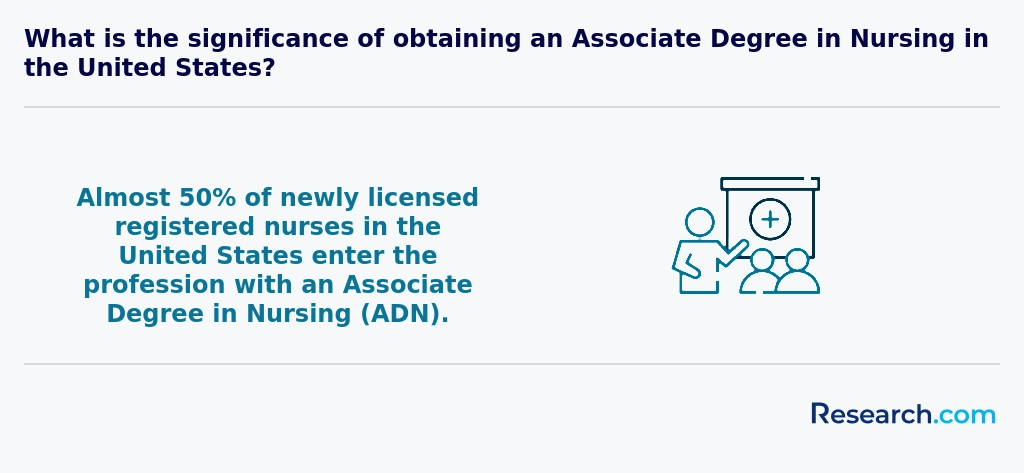
Understanding and planning for licensure is critical after graduation:
- Enroll in a CCNE- or ACEN-accredited program to meet state standards.
- Submit application to the Oklahoma Board of Nursing with official transcripts, background check, and required fees.
- Register for the NCLEX-RN exam via Pearson VUE and schedule testing.
- Complete fingerprinting, health screenings, and evidence of immunizations per state regulations.
- Monitor program NCLEX pass rates; aim for schools exceeding the state average (around 85%).
For nurses pursuing advanced practice roles, consider a Doctor of Nursing Practice degree and explore the cheapest dnp program online to support full practice authority in Oklahoma.
Coursework in Oklahoma nursing programs offers a solid balance between theory and practice, essential for building confidence in real clinical settings. Graduates from well-known institutions often recall starting with human anatomy and physiology, which gave them a clear map of the human body-crucial when caring for patients in Tulsa's busy hospitals or rural clinics around Stillwater.
Nursing fundamentals courses provide hands-on skills like patient care and clinical procedures, often practiced during rotations in diverse healthcare environments. Many students find these moments-such as communicating with patients or managing bedside tasks in Oklahoma City's health centers-to be eye-opening, shaping their empathy and professionalism.
As students advance, they encounter pharmacology and pathophysiology, deepening their understanding of how medications interact with disease processes. This knowledge becomes vital when graduates work with complex cases in community health settings around Norman or mental health patients facing unique challenges.
Alongside these, nursing research and leadership classes encourage critical thinking and preparation for future roles beyond bedside care. Students frequently reflect that such courses prepared them to advocate effectively for patients and contribute positively to Oklahoma's evolving healthcare landscape.
Nursing degree specializations in Oklahoma offer a diverse range of pathways tailored to meet the state's unique healthcare needs. Graduates from institutions like the University of Oklahoma Health Sciences Center often speak with pride about focusing on areas such as Family Nurse Practitioner or Emergency and Critical Care Nursing, which prepare them for hands-on roles in clinics and trauma centers around Oklahoma City and Tulsa. The variety here truly allows students to connect their studies with real-world impact, whether it's supporting Oklahoma's aging population through geriatric nursing or addressing mental health needs in psychiatric-mental health nursing.
Many students find that enrolling in Oklahoma nursing programs with specializations enables them to gain valuable clinical experience while remaining close to home. This connection to community strengthens their resolve, providing a sense of purpose and confidence that carries through their careers. For those exploring related options, checking out programs like the best rated north carolina lpn program can also offer insightful comparisons to nursing tracks in Oklahoma.
Choosing the best nursing degree in Oklahoma means balancing your career goals with practical realities. Many graduates from top nursing schools here emphasize the importance of selecting a program that fits both their academic level-like ADN or BSN-and their personal life. Programs at well-known Oklahoma colleges often boast NCLEX pass rates above 85%, which reflects strong preparation, but you should also consider how the program supports clinical placements and hands-on experience. Financially, Oklahoma's public institutions offer affordable nursing schools Oklahoma 2027, with in-state tuition significantly lower than private alternatives, making cost an essential factor for many students. Graduates frequently share how choosing accredited programs, recognized by agencies like ACEN or CCNE, not only ensured eligibility for licensure but also boosted their confidence entering the workforce. If you're looking to advance quickly, exploring options among the shortest online dnp programs can offer flexibility without sacrificing quality, helping you stay motivated and engaged throughout your studies.
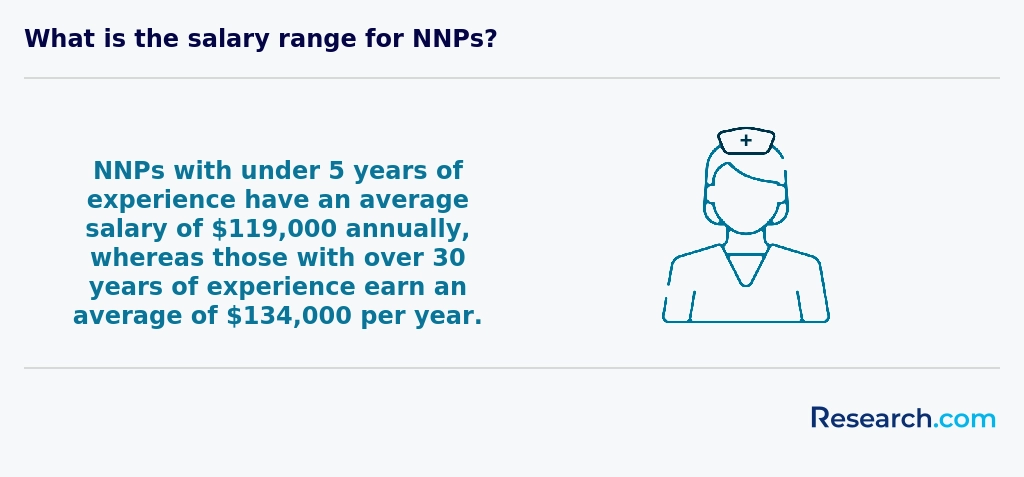
Nursing graduates in Oklahoma discover a spectrum of career paths shaped by the evolving needs of the state's healthcare system. Many begin as Registered Nurses, thriving in environments like hospitals or community health centers, commonly found near universities such as the University of Oklahoma or Oklahoma State University. Graduates recall the rewarding challenge of working in fast-paced hospital wards or providing compassionate care in long-term facilities, crucial for an aging population. Exploring nursing career options in Oklahoma often leads to specialization areas like pediatric, emergency, or mental health nursing, each requiring dedicated skills and offering unique satisfaction.
For those pursuing higher education at institutions like Tulsa Community College, advanced roles such as Nurse Practitioner or Clinical Nurse Specialist open doors to independent practice and leadership. Graduates frequently share feelings of pride when contributing to rural healthcare, where NPs fill critical gaps. The diversity of jobs for nursing degree holders Oklahoma offers extends beyond clinical settings to education and administration, with many former students becoming mentors and leaders.
Investing in a nursing education is rewarding both professionally and financially. Interested students can explore affordable options through Low Cost Online Nursing Degree Programs, helping balance cost with opportunity.
The job market for nursing degree holders in Oklahoma is notably robust, reflecting a strong demand shaped by the state's unique healthcare landscape. Graduates from well-regarded nursing programs at Oklahoma universities often share stories of seamless transitions into diverse roles, from rural clinics to bustling city hospitals. This is unsurprising given Oklahoma's growing need for qualified nurses across underserved rural areas and expanding medical facilities, a key factor strengthening nursing job opportunities in Oklahoma.
Employment projections show a promising 14% growth in registered nurse positions through 2030, encouraging many students. Graduates feel confident pursuing advanced practice roles or specialized nursing careers, knowing the state supports such growth both through education and healthcare investments. Salary ranges, while slightly below national averages, are balanced by Oklahoma's affordable living costs, making nursing careers financially viable and rewarding.
Many nursing students also explore quicker pathways in healthcare, often researching quick 6 month certifications that lead to high paying jobs as supplementary options alongside their degree. The Oklahoma nursing employment outlook, combined with these accessible entry routes and quality education, offers a hopeful and practical future for aspiring nurses in the state.
2027 Most Valuable Nursing Degree Programs Ranking in Oklahoma
Investing in your education is a significant decision that can shape your future, and the Research.com team understands the importance of making informed choices. To assist prospective students, we have meticulously crafted the "2027 Most Valuable Nursing Degree Programs Ranking in Oklahoma." Our commitment to quality, credibility, and accuracy is reflected in the extensive research and analysis conducted to compile this ranking.
We utilized the following reputable data sources to ensure a comprehensive evaluation of nursing programs:
By exploring this ranking, readers will gain valuable insights into the most valuable nursing degree programs available in Oklahoma, empowering them to make informed decisions about their educational and career goals. For more details on our methodology, please visit our Research.com methodology page.
# 1 position
Oklahoma Panhandle State University
Bachelor of Science in Nursing


# 7 position
Rogers State University
Bachelor of Science in Nursing


# 12 position
Southern Nazarene University
Bachelor of Science in Nursing


# 18 position
University of Oklahoma-Health Sciences Center
Bachelor of Science in Nursing

Frequently Asked Questions About nursing
Nursing degree students in Oklahoma can maximize their learning experience by engaging in hands-on clinical training early in their programs. Oklahoma requires nursing students to complete a minimum of 500 clinical hours to develop practical skills, according to the Oklahoma Board of Nursing. Seeking out diverse clinical settings, such as hospitals, community health centers, and long-term care facilities, exposes students to a variety of patient populations and health care challenges.
Students should also take advantage of the strong network of academic support and mentoring programs offered by many Oklahoma nursing schools. Participating in study groups and simulation labs enhances understanding of complex nursing concepts.
Additionally, staying informed about the state's nursing workforce trends, such as the projected 15% growth in registered nurse employment through 2030 reported by the U.S. Bureau of Labor Statistics, can help students align their skills with local healthcare demands.
The nursing field in Oklahoma is evolving with several emerging niche specialties gaining prominence. One key area is telehealth nursing, which has expanded rapidly due to increased access to broadband and the demand for remote healthcare, especially in rural Oklahoma communities. According to the Oklahoma Board of Nursing, telehealth roles grew by over 20% in the past three years.
Another growing niche is geriatric nursing, driven by Oklahoma's aging population. The state's elderly demographic is expected to increase by 35% by 2030, prompting more nurses to specialize in elderly care and chronic disease management.
Psychiatric-mental health nursing is also expanding as mental health awareness improves statewide, with a 15% rise in demand for specialized nurses reported by local healthcare employers.
Additionally, nurse informatics is emerging as a critical field in Oklahoma's healthcare systems, integrating data and technology to improve patient outcomes and operational efficiency.
After earning a nursing degree in Oklahoma, graduates should focus on obtaining licensure by passing the NCLEX-RN exam, which is required to practice as a registered nurse in the state. Preparing for this exam thoroughly increases job market competitiveness. Networking through local nursing associations, such as the Oklahoma Nurses Association, can help build professional connections.
Oklahoma's healthcare sector is growing, with the Oklahoma Employment Security Commission projecting a 9% increase in nursing jobs by 2030. Gaining clinical experience through internships or volunteer work in hospitals or clinics enhances practical skills and employability.
Additionally, considering certifications in specialties like gerontology or pediatrics may provide an edge in a diverse job market. Keeping up with continuing education is also essential to maintain and grow career opportunities in nursing.
Employers in Oklahoma prioritize several key skills when hiring nursing degree graduates. Clinical competence is essential, including proficiency in patient care, medication administration, and using healthcare technology. According to the Oklahoma Board of Nursing, hands-on experience through clinical rotations significantly boosts employability.
Strong communication skills are also critical. Nurses must effectively interact with patients, families, and interdisciplinary teams to provide quality care. Oklahoma healthcare facilities emphasize teamwork and clear communication to reduce errors and improve outcomes.
Additionally, critical thinking and adaptability are highly valued. Nurses often face rapidly changing situations and must make quick, informed decisions. The Oklahoma Nurses Association notes that these skills help graduates succeed in diverse care settings across the state.
Finding nursing internships in Oklahoma involves exploring partnerships between nursing programs and local healthcare providers. Many accredited nursing schools in the state, including those approved by the Oklahoma Board of Nursing, offer structured clinical placements as part of their curricula. Students should connect with their program's clinical coordinator who can guide them toward available internships.
Large hospital systems such as OU Health and Mercy Health often host student interns, providing practical experience in diverse medical settings. Additionally, the Oklahoma Nurses Association offers resources and networking opportunities that may lead to internship placements.
According to the Oklahoma State Department of Health, about 55% of nursing students secure internships through their educational institutions, emphasizing the importance of early communication with academic advisors and local facilities.
In Oklahoma, earning a nursing degree significantly enhances career mobility and advancement opportunities. According to the Oklahoma Board of Nursing, registered nurses (RNs) with a Bachelor of Science in Nursing (BSN) are more competitive for promotions and specialized roles than those with an associate degree. BSN graduates often qualify for leadership, research, and clinical specialist positions, which typically offer higher salaries and greater job stability.
The U.S. Bureau of Labor Statistics projects a 15% growth in nursing jobs in Oklahoma from 2021 to 2031, signaling strong demand for qualified nurses. Nurses with advanced degrees, such as a Master of Science in Nursing (MSN), can move into management, education, or advanced practice roles like nurse practitioners, further increasing earning potential and career flexibility.
Studying for a nursing degree in Oklahoma equips students with essential skills to work effectively in interdisciplinary healthcare teams. Nursing programs in the state emphasize collaboration with professionals such as physicians, social workers, and therapists. This training reflects the demands of modern healthcare settings where patient care requires coordination across multiple disciplines.
Oklahoma nursing curricula often include courses in communication, leadership, and healthcare systems, which prepare students for team-based decision making. According to the Oklahoma Board of Nursing, over 70% of licensed nurses report working within interdisciplinary teams, highlighting the relevance of this training.
The state's focus on clinical experiences in diverse environments also fosters practical skills in working alongside various healthcare providers. These experiences improve the nurse's ability to advocate for patients and contribute to holistic care plans.
Choosing between a thesis and a non-thesis nursing degree program in Oklahoma depends largely on your career goals and learning preferences. Thesis programs focus on research, preparing students for roles in academia, advanced clinical practice, or leadership positions that require analytical skills.
Non-thesis programs emphasize practical skills and clinical experience, suited for those aiming to work directly in healthcare settings. According to the Oklahoma Board of Nursing, graduates with research experience may have an advantage pursuing doctoral studies or teaching.
Both types of programs meet the requirements for licensure and certification in Oklahoma. Consider your long-term plans and consult advisors to make the best choice.
Students based in Oklahoma who wish to study nursing abroad have several pathways to consider. Many universities in Oklahoma have partnerships with international institutions, allowing students to participate in exchange programs or complete clinical rotations overseas. These opportunities vary by school but often include destinations in countries with strong nursing education systems, like Canada, the United Kingdom, and Australia.
Oklahoma nursing students can also explore accredited online international nursing programs. However, verifying the program's accreditation and its recognition in the US, especially by the Oklahoma Board of Nursing, is crucial. According to the National Council of State Boards of Nursing, students must ensure their foreign nursing education aligns with licensing requirements to work in Oklahoma.
Additionally, scholarships and grants designed for study abroad can help finance these experiences. The Oklahoma State Regents for Higher Education provide resources outlining available funding and support for nursing students pursuing education overseas. Overall, aiming for programs with clinical components and clear pathways to US licensure is recommended.
Part-time job opportunities in Oklahoma that complement nursing degree education often include roles such as certified nursing assistant (CNA), medical scribe, or pharmacy technician. These positions allow students to gain hands-on patient care experience and improve clinical skills while balancing academic responsibilities. According to the Oklahoma State Department of Health, CNAs can earn approximately $13-$16 per hour, providing both practical exposure and income.
Many healthcare facilities in Oklahoma, including hospitals and clinics, prefer hiring nursing students for part-time work due to their growing clinical knowledge. Additionally, positions in home health care or as phlebotomy technicians can help nursing students develop communication and technical skills critical to their future roles as registered nurses.
Nursing students in Oklahoma have access to numerous networking opportunities that support their education and career growth. Many universities, such as the University of Oklahoma and Oklahoma State University, host student nursing associations where students can connect with peers and professionals. These organizations often collaborate with state bodies like the Oklahoma Nurses Association (ONA), which offers events and conferences designed to foster professional relationships.
Clinical rotations and internships across Oklahoma's hospitals provide direct interaction with practicing nurses and healthcare teams. Additionally, the Oklahoma Board of Nursing maintains resources and updates that help students stay informed about the profession's latest developments. According to the U.S. Bureau of Labor Statistics, Oklahoma is projected to grow nursing employment by 11% through 2031, increasing the potential for meaningful industry connections.
Alumni networks offer valuable support to nursing degree students in Oklahoma by fostering professional connections that can lead to job opportunities. In a state where healthcare demand grows steadily, these networks provide access to experienced nurses who mentor recent graduates. According to the Oklahoma Board of Nursing, nearly 30% of new nurses find employment through personal contacts, highlighting the importance of alumni relationships.
Furthermore, alumni groups often share local job openings, continuing education resources, and industry updates specific to Oklahoma's healthcare environment. This guidance helps students navigate licensure requirements and evolving patient care standards efficiently. Overall, strong alumni networks contribute significantly to career advancement in nursing within Oklahoma.
Oklahoma offers several ways to customize nursing degree programs to align with individual career goals. Many state universities and community colleges provide specialized tracks, such as pediatrics, geriatrics, or psychiatric nursing, allowing students to focus on areas of interest. Students can also choose between traditional Bachelor of Science in Nursing (BSN) programs, accelerated BSN options, or RN-to-BSN pathways, depending on prior education and experience.
The Oklahoma Board of Nursing reports that nearly 30% of nurses in the state pursue continuing education or specialty certifications post-graduation to enhance their expertise. Clinical placements vary by program, enabling practical experience in diverse healthcare settings, which supports targeted career development. Additionally, some schools offer electives in leadership or healthcare informatics, broadening opportunities beyond bedside care.
Nursing students in Oklahoma face several common challenges during their studies. One major difficulty is balancing demanding clinical hours with coursework. Clinical placements often require students to travel to healthcare facilities, which can be time-consuming and expensive. According to the Oklahoma Board of Nursing, limited availability of clinical sites sometimes delays student progression.
Additionally, many students struggle with the high academic rigor of nursing programs, including mastering complex medical terminology and practical skills. Financial stress is another common issue; the average tuition for nursing programs in Oklahoma can range from $7,000 to $15,000 per year, excluding other expenses.
Students also report challenges adapting to the fast-paced healthcare environment and coping with emotional stress linked to patient care. Support services and peer networks are essential for overcoming these obstacles effectively.
With a nursing degree in Oklahoma, graduates can pursue various professional certifications that enhance job prospects and career growth. Common certifications include the Certified Nurse Assistant (CNA), Registered Nurse (RN) licensure through the Oklahoma Board of Nursing, and Advanced Practice Registered Nurse (APRN) credentials such as Nurse Practitioner (NP).
Specialty certifications are also available, including Certified Emergency Nurse (CEN) and Certified Pediatric Nurse (CPN). According to the Oklahoma Board of Nursing, over 50,000 RNs hold active licenses, many pursuing these certifications to meet healthcare demands.
These credentials demonstrate expertise and increase earning potential in Oklahoma's expanding healthcare sector.
Applying to nursing programs in Oklahoma requires careful preparation to stand out. Start with a strong academic record, as most programs expect a minimum GPA of 2.5 to 3.0, depending on the school. Highlight any healthcare experience, including volunteer work or certifications like CNA, to demonstrate commitment and practical skills. Many schools such as the University of Oklahoma Health Sciences Center look for clear, concise personal statements explaining your motivation and goals.
Standardized tests like the TEAS are often required, so preparing thoroughly can improve your score and chances. Letters of recommendation from educators or healthcare professionals can add credibility. Lastly, meet all deadlines and ensure your application materials are complete, as Oklahoma nursing programs have competitive admissions due to high demand.
Nursing is a globally respected profession, offering diverse career opportunities across countries. In the United States, including Oklahoma, nursing remains a critical and growing field with a projected 9% job growth rate by 2031, according to the U.S. Bureau of Labor Statistics. Internationally, nurses play vital roles in healthcare systems, responding to aging populations and evolving medical needs.
Oklahoma follows national standards for nursing education, enabling graduates to pursue careers worldwide with appropriate licensure. Programs here emphasize evidence-based practice, cultural competency, and technology skills, reflecting global trends. The state's demand for nurses aligns with worldwide shortages, making nursing a stable and globally portable career choice.
Gaining practical experience while studying for a nursing degree in Oklahoma is essential for building clinical skills and improving job prospects. Most accredited nursing programs in the state include clinical rotations in various healthcare settings such as hospitals, clinics, and long-term care facilities. These rotations allow students to apply classroom knowledge under supervision.
Additionally, many schools collaborate with Oklahoma health providers to offer internships and externships. The Oklahoma Board of Nursing recommends completing at least 500 clinical hours for registered nurse programs. According to the Oklahoma State Regents for Higher Education, hands-on training improves readiness for the NCLEX-RN exam and employment.
Students can also seek volunteer opportunities or part-time work in hospitals to further develop skills and professional networks early in their studies.
Choosing the right concentration within a nursing degree program in Oklahoma depends on your career goals and interests. Popular specialties include family nurse practitioner, psychiatric mental health, and pediatric nursing. Oklahoma's nursing workforce data from the Oklahoma Board of Nursing shows high demand for advanced practice registered nurses (APRNs), particularly in rural areas.
Consider the type of patients you want to serve and work environment preferences, such as hospitals, clinics, or community health. Review accredited programs approved by the Oklahoma Board of Nursing to ensure quality education and licensure eligibility. Many programs offer clinical rotations tailored to different specialties, providing hands-on experience.
Also, research local job market trends. According to the Oklahoma Employment Security Commission, nurse practitioners' median salary is above the national average, reflecting strong employment prospects. Finally, factor in program length, costs, and flexibility to fit your personal situation and educational needs.
- 2027 Most Valuable Online Nursing Degree Programs Ranking in Texas
- 2027 Most Valuable Online Nursing Degree Programs Ranking in Kansas
- 2027 Most Valuable Online Nursing Degree Programs Ranking in Arkansas
- 2027 Most Valuable Online Nursing Degree Programs Ranking in Missouri
- 2027 Most Valuable Online Nursing Degree Programs Ranking in Louisiana
- 2027 Most Valuable Online Nursing Degree Programs Ranking in Iowa
- 2027 Most Valuable Online Nursing Degree Programs Ranking in Mississippi
- 2027 Most Valuable Online Nursing Degree Programs Ranking in Tennessee
- 2027 Most Valuable Online Nursing Degree Programs Ranking in Illinois
- 2027 Most Valuable Online Nursing Degree Programs Ranking in Kentucky
See What Experts Have To Say About Studying Nursing
Read our interview with Nursing experts


- Top Skills Employers Want in Practical Nursing Graduates https://vervecollege.edu/what-employers-look-for-in-practical-nursing-graduates/
- Nursing - SUM Admission https://admission.sum.edu.pl/nursing/
- What Are the Best Jobs to Work While in Nursing School? https://www.dewv.edu/what-are-the-best-jobs-to-work-while-in-nursing-school/
- Medical University of GdaÅsk https://admission.mug.edu.pl/29318.html
- Become a Nurse - Oklahoma Center for Nursing https://okcenterfornursing.org/become-a-nurse/
- Top Nursing Skills U.S. Employers Want to See on Your Resume | O'Grady Peyton https://www.ogradypeyton.com/blog/job-seeker-resources/top-nursing-skills-u.s.-employers-want-to-see-on-your-resume
- The Nurses' Alumni Association https://giving.mainlinehealth.org/get-involved/auxiliaries-and-womens-boards/lankenau-medical-center-womens-board/the-nurses-alumni-association
- Nursing - WSEI University https://www.wsei.pl/en/admission/bachelors-degree/nursing-bachelor-degree/
- Your Questions About Online Nursing School, Answered https://www.allnursingschools.com/how-to-get-into-nursing-school/online-programs/
- Do I Have to Write a Thesis to Complete a Master’s Degree in Nursing? https://www.bestmasterofscienceinnursing.com/faq/write-thesis-complete-masters-degree-nursing/


