
2027 Most Affordable Nursing Degree Programs Ranking in Abilene

Co-Founder and Chief Data Scientist
Considering a nursing career in Abilene? Our article introduces the 2027 Most Affordable Nursing Degree Programs Ranking in Abilene, carefully crafted by Research.com's team of data scientists. This ranking is designed to help you identify the best-value nursing degree programs available locally.
Choosing the right program can make a big difference in your education and future. Nursing offers rewarding opportunities to make an impact while providing stability and growth.
Reading this guide will empower you to make smart decisions about your nursing education and take one step closer to a fulfilling career.
Key benefits of getting nursing degree in Abilene
- Salary for nursing degree graduates: Graduates in Abilene can expect competitive salaries, with roles like Registered Nurse, Clinical Nurse Educator, Public Health Nurse, and Emergency Room Nurse earning a mean annual wage of around $94,480.
- Career paths: Nursing degree holders from Abilene colleges often find diverse opportunities in hospitals, community health, and education, helping them build a rewarding and stable career in healthcare.
- Online nursing degrees: An online nursing degree from local universities offers flexibility and convenience, allowing students to balance work and studies while gaining skills that meet industry demands effectively.
- 2027 Most Affordable Nursing Degree Programs Ranking in Abilene
- What can I expect from nursing degree in Abilene?
- Where can I work with nursing degree in Abilene?
What can I expect from nursing degree in Abilene?
The average cost of pursuing a nursing degree in Abilene is quite reasonable, especially when compared to larger metropolitan areas. Graduates from Abilene Christian University often share how the tuition for the BSN program felt manageable, allowing them to focus more on studying and clinical practice rather than financial stress. Public institutions tend to offer even more affordable options, making nursing education accessible to a broad range of students in the community.
Many nursing students find that scholarships and financial aid tailored specifically for nursing disciplines significantly ease the burden. For example, some students at McMurry University have described feeling supported not just academically but financially, which made the demanding coursework and clinical rotations easier to navigate.
Balancing tuition costs with local living expenses and the flexibility of programs-sometimes including online courses combined with nearby clinical placements-helps students plan realistically. The financial aspects, when paired with the strong job prospects in Abilene's healthcare settings, often leave nursing students feeling hopeful and confident about their return on investment.
Where can I work with nursing degree in Abilene?
Graduates from nursing programs at institutions like Abilene Christian University or McMurry University often find themselves welcomed by a vibrant local healthcare network. Many start their careers at Hendrick Health System, where the variety of departments-from emergency care to pediatrics-offers a chance to discover a specialty that truly resonates with their passion. One graduate shared how working in oncology at Hendrick gave meaningful purpose every day, turning academic knowledge into life-changing care.
Others gravitate toward outpatient clinics or primary care offices, attracted by roles in patient coordination and health education. These settings enable nurses to build ongoing relationships with patients, which many find deeply rewarding beyond hospital walls. Long-term care facilities in Abilene also draw nursing graduates seeking stable schedules and a nurturing environment to support elderly residents.
Community health roles with school districts or public health departments open doors for those eager to impact wellness on a broader scale. Graduates often express pride in these paths, relishing opportunities to educate and prevent illness right where they live. In Abilene, nursing degree holders enjoy diverse career possibilities that align with both professional goals and personal values.
Graduates from nursing programs in Abilene often find themselves entering a rewarding career with solid earning potential. For example, a registered nurse working locally can anticipate an annual salary around $94,480, according to national BLS data, which aligns well with the cost of living in Abilene. Many local graduates from popular nursing schools in the area feel encouraged by this balance, knowing their efforts provide both meaningful work and financial stability.
Clinical nurse educator and public health nurse roles also share this $94,480 mean salary, offering graduates diverse career paths without sacrificing income. Those who choose to specialize further, especially in demanding environments like emergency rooms, similarly see salaries near this figure, reinforcing the value of advanced skills developed during their studies.
Operating room nurses represent an inspiring example of how dedication pays off, with mean annual earnings reaching approximately $128,490. Graduates from Abilene-based nursing programs often reflect on clinical rotations in nearby hospitals, where they witness firsthand the impact and compensation that come with such advanced roles.
These salary realities, combined with Abilene's affordable living, make pursuing a nursing degree here a thoughtfully rewarding choice.
- Tuition for associate nursing degrees in Abilene ranges from $5,000 to $8,000 per year, while bachelor's programs cost between $15,000 and $25,000 annually.
- Entry-level nursing salaries average about $58,000 per year, with experienced nurses earning $70,000 or more.
- Nursing jobs are expected to grow steadily in Abilene due to an aging population and expanding healthcare facilities.
- Graduates must pass the NCLEX-RN licensing exam to work as registered nurses in Texas.
- Additional expenses for nursing students include textbooks, uniforms, and exam fees.
Completing a nursing degree in Abilene varies, but many find the journey deeply rewarding despite its demands. At community colleges, an Associate Degree in Nursing (ADN) typically takes about two years, blending classroom learning with hands-on clinical practice. Graduates from these programs often share how quickly they felt prepared to enter the workforce, valuing the balance between theory and real-life patient care.
For those aiming higher, a Bachelor of Science in Nursing (BSN) from institutions like Abilene Christian University or Hardin-Simmons University generally requires four years. Graduates reflect on the comprehensive curriculum that expanded their skills beyond basic nursing-leadership and research became part of their toolkit, opening doors to greater career opportunities.
Accelerated BSN programs, lasting 12 to 18 months, attract students with prior degrees eager to shift careers. The intensity is challenging but exhilarating, with many appreciating how swiftly they could transition into nursing roles. Realistically, part-time options, summer courses, and clinical hour requirements can stretch these timelines, so planning is essential for managing both coursework and life outside school.
To make the most of your nursing education in Abilene, TX, it's essential to consider various factors that can enhance your learning experience and future career prospects. One crucial aspect is finding programs that balance affordability with quality education. Exploring affordable nursing programs in Texas can be a great starting point, as these programs often provide a comprehensive curriculum without the hefty price tag. By investing in a well-structured nursing program, you can gain the theoretical knowledge and practical skills necessary to succeed in this rewarding field. Furthermore, understanding the local job market, networking with healthcare professionals, and staying updated on the latest healthcare trends can also contribute to a fulfilling nursing career in Abilene, TX.
Choosing between online and on-campus nursing degrees in Abilene often comes down to lifestyle and learning preferences. Graduates from Hardin-Simmons University share how on-campus study immersed them in hands-on clinicals and lively campus debates, enriching their skills through direct interaction with professors and peers. This traditional path fosters a strong sense of community and immediate access to resources like simulation labs, which many find motivating and supportive.
Conversely, nursing graduates from Abilene Christian University who pursued online degrees appreciate the flexibility to juggle family, work, and study. Their coursework, delivered through engaging videos and virtual simulations, allowed them to learn at their own pace, while clinical hours were arranged locally. This balance helped reduce stress and made nursing education accessible without sacrificing quality.
Both formats require clinical placements, though on-campus students often benefit from established hospital connections nearby. Understanding these real-life experiences helps clarify which route aligns best with personal commitments and goals in Abilene's nursing landscape.
Accreditation is a vital factor when choosing a nursing program in Abilene, TX, as it directly impacts eligibility for licensure and the NCLEX-RN exam. Prospective students should verify that their program is accredited by either the Commission on Collegiate Nursing Education (CCNE) or the Accreditation Commission for Education in Nursing (ACEN). These accrediting bodies ensure that curricula meet rigorous national standards, cover essential competencies, and provide quality clinical experiences. Additionally, all programs must hold approval from the Texas Board of Nursing (BON), which confirms compliance with state regulations and safety protocols. Graduates of non-approved or non-accredited programs may face delays in licensure or may be ineligible to sit for the NCLEX-RN, so always check the BON’s online registry before enrolling. Understanding transfer credits is also crucial: CCNE and ACEN accreditation facilitates seamless credit transfers if you decide to pursue advanced degrees or relocate. For students seeking flexible, cost-effective alternatives beyond Texas, explore our Low Cost Online Nursing Degree Programs Ranking in North Carolina for programs that carry the same high accreditation standards. In summary, to safeguard your educational investment and professional future:
- Confirm CCNE or ACEN accreditation on the program’s website.
- Verify Texas BON approval via the board’s registry.
- Review articulation agreements if planning further study. By prioritizing accredited and board-approved nursing programs in Abilene, you’ll ensure a clear path to licensure and a solid foundation for a successful nursing career.
The average nursing degree cost in Abilene varies widely depending on the institution and residency status. Graduates from local private universities often recall tuition fees averaging between $28,000 and $32,000 per year, a price that reflects the smaller class sizes and personalized learning environments they experienced. Meanwhile, graduates of community colleges like Cisco College or Western Texas College highlight the affordability of their programs, typically costing around $4,000 to $6,000 annually for in-district students, making nursing education accessible without excessive financial strain.
For students pursuing a bachelor's degree in nursing (BSN) within Texas, the average tuition at public universities ranges roughly from $9,000 to $12,000 per year for in-state attendees. Although Abilene lacks a dedicated public BSN program, many students choose to enroll in nearby institutions or opt for online nursing programs to accommodate their schedules. These real-life choices showcase the flexibility students must consider when budgeting for nursing education.
Additional expenses such as clinical supplies, textbooks, and nursing program fees, which can add $1,500 to $2,500 annually, also shape the financial landscape. Graduates often express relief when financial aid and scholarships ease these costs, reinforcing the importance of researching all funding opportunities. Reflecting on the 2027 affordable nursing programs Abilene cost context, prospective students can see that careful planning can balance quality education with manageable expenses.
Assessing both tuition and associated costs helps clarify the true investment required to obtain a nursing degree in Abilene, guiding students toward informed decisions tailored to their financial situations and career goals.
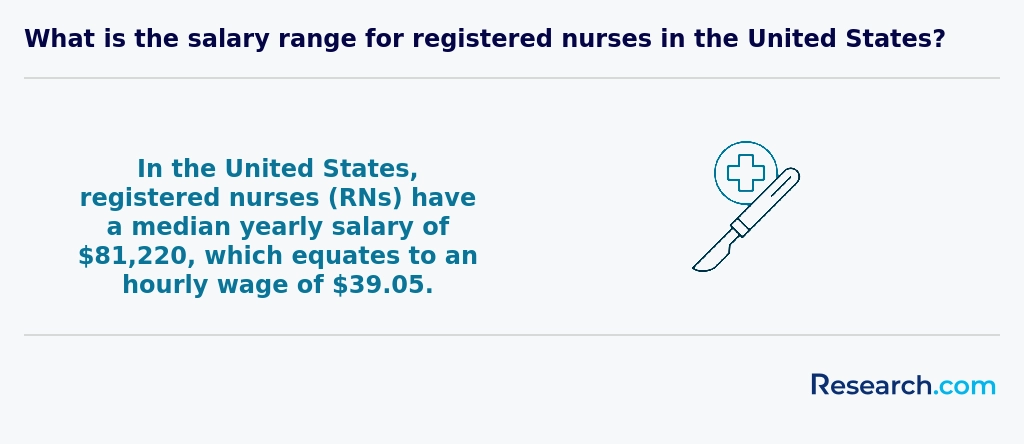
Local nursing programs in Abilene consistently demonstrate strong NCLEX-RN pass rates, reflecting the quality of instruction and clinical preparation:
- Hardin-Simmons University: 92% first-time NCLEX pass rate (2023 cohort)
- Abilene Christian University: 95% pass rate, ranking among the top programs in Texas
- McMurry University: 89% pass rate, underlining comprehensive clinical training
- Abilene Community College (ADN): 88% average pass rate, supported by targeted NCLEX prep workshops
High pass rates often translate into better job placement and employer confidence. Prospective students should verify the latest published rates and inquire about on-campus exam review resources.
For those interested in accelerated doctorate options, explore the shortest dnp program online.
Financial aid for nursing students in Abilene comes in many forms, offering real relief to those balancing the demands of study and life expenses. Graduates from institutions like McMurry University and Hardin-Simmons University often recall how scholarships ranging from $500 to $5,000 eased their financial burden. These awards, based on merit or need, made pursuing their nursing dreams feel more attainable and less daunting.
Many students start by completing the FAFSA, unlocking federal Pell Grants typically around $4,000 annually, along with low-interest federal loans that provide flexible repayment options. This foundational aid is crucial, as it brings immediate support for tuition and living costs.
State programs, such as the Nursing Shortage Reduction Program administered by the Texas Workforce Commission, have helped graduates by covering tuition in exchange for their commitment to serve underserved areas. This approach not only reduces financial stress but creates meaningful career pathways.
Part-time CNA roles and clinical internships offered by local hospitals often provide both income and hands-on experience. Some healthcare employers also support tuition reimbursement, blending work and study in a rewarding cycle of growth.
Private scholarships from nursing associations add another layer of opportunity, frequently targeting those dedicated to advancing nursing in Texas. Together, these resources create a supportive environment that many Abilene nursing students find genuinely encouraging and empowering.
Ensuring a nursing program’s quality starts with accreditation and transparent outcome data. In Abilene, TX, reputable institutions hold accreditation from the Accreditation Commission for Education in Nursing (ACEN) or the Commission on Collegiate Nursing Education (CCNE), guaranteeing that curricula meet rigorous national standards. When evaluating programs, review each school’s NCLEX-RN pass rate-programs with pass rates above 90% demonstrate consistent success in preparing students for licensure. For example, Abilene Christian University and Hardin-Simmons University both report NCLEX pass rates exceeding state averages, reflecting robust curriculum design and faculty expertise. Beyond initial licensure, look for programs that track employment rates and graduate satisfaction. Schools that publish data showing 80%–90% of graduates employed within six months signal strong clinical partnerships and career support services. Additionally, consider how easily credits transfer should you pursue advanced practice roles: many Abilene schools participate in statewide articulation agreements, smoothing the path to an MSN or DNP. For those exploring longer-term career growth, it’s valuable to benchmark local offerings against national leaders. Aspiring nurse practitioners often compare metrics like clinical hour requirements and faculty credentials. You can learn more about top-tier clinical training models by exploring what is the best nurse practitioner program in california, which highlights programs with exemplary accreditation status, NCLEX pass rates, and faculty profiles. By prioritizing accredited programs with strong outcome metrics, you’ll invest in a nursing education that not only meets regulatory standards but also propels your career forward.
Enrolling in a nursing degree program in Abilene often begins with meeting clear academic and personal prerequisites that set a strong foundation for success. Many graduates from well-known institutions like Abilene Christian University have shared how completing core science courses-biology, chemistry, and anatomy-early on made them feel confident entering nursing classes. These subjects aren't just boxes to check; they build essential knowledge that sustains students throughout their studies.
In addition to a high school diploma or GED, applicants are usually required to take the TEAS exam, which tests reading, math, science, and English skills. Graduates often describe the preparation for this test as a helpful way to identify their strengths and areas for improvement before starting rigorous coursework.
Beyond academics, students recount the importance of routine immunizations, background checks, and drug screenings as necessary steps that ensure clinical placements go smoothly, fostering both safety and professionalism. Letters of recommendation or practical healthcare experience often strengthen applications, reminding students that nursing is as much about human connection as science.

Prospective students aiming for the most affordable nursing degree programs in Abilene, TX, should familiarize themselves with each institution’s application steps and critical deadlines to secure admission and financial aid. Most programs follow a fall and spring intake schedule, with application windows opening six to nine months in advance. To help you plan effectively, here is a general timeline and checklist: • Research and Select Programs: By March–May, compile a shortlist of accredited ADN, BSN, or MSN tracks, comparing tuition, clinical rotations, and support services. For options in advanced nursing education, consider exploring cheap msn nursing education online programs that offer flexibility and affordability. • Prerequisite Completion: Ensure all required courses (biology, chemistry, anatomy) and standardized tests (TEAS) are completed by June. Submit official transcripts for GPA verification by July 1. • Application Submission: Complete online applications through each school’s portal by July 15 for fall entry and November 15 for spring entry. Include personal statements, letters of recommendation, and TEAS results. • Financial Aid and Scholarship Deadlines: File the FAFSA as early as October 1. Apply for school-specific nursing scholarships (e.g., Nurse Corps, SDS) by December 1 for maximum funding consideration. • Interview and Assessment: Some programs require virtual or in-person interviews between August and January. Prepare by reviewing common nursing scenarios and articulating your career goals. • Acceptance and Enrollment Deposit: Notification typically arrives 4–6 weeks after the application deadline. Submit your enrollment deposit and confirm clinical placement preferences within two weeks of acceptance to secure your spot. By following this structured timeline and meeting all deadlines, you’ll position yourself for admission into an affordable, high-quality nursing program in Abilene, TX, and maximize opportunities for financial aid and scholarships.
Nursing students in Abilene often find themselves immersed in a curriculum that balances essential science foundations with practical nursing skills. Graduates from McMurry University and Hardin-Simmons University recall how early courses like Anatomy and Physiology gave them a clear understanding of the human body-knowledge they quickly saw come alive during their clinical rotations.
Courses in Microbiology and Nutrition deepen this understanding, teaching how tiny organisms and diet influence patient recovery. Psychology classes help students connect with patients on a personal level, fostering empathy that graduates say made a lasting impact during stressful hospital shifts.
Core nursing subjects such as Pharmacology, Medical-Surgical Nursing, and Maternity Nursing bring classroom concepts into real-world scenarios. Community Health Nursing, in particular, opens students' eyes to diverse patient needs in Abilene's neighborhoods, reinforcing the rewarding feeling of making a direct difference. Many alumni emphasize how these comprehensive courses prepared them confidently for both the NCLEX-RN exam and a fulfilling nursing career in Texas.

Nursing degree specializations in Abilene commonly include pathways such as Registered Nurse (RN) to Bachelor of Science in Nursing (BSN) programs, which many graduates appreciate for advancing their roles within local hospitals. Other popular fields are Pediatric Nursing, where students develop a deep connection caring for children in family-focused clinics, and Geriatric Nursing, reflecting Texas's growing elderly population. These specializations resonate with students' desires to make meaningful impacts in their communities.
Abilene nursing programs with specialties often highlight Community Health Nursing, preparing students to serve in rural clinics and focus on preventative care, which is vital given the area's demographics. Further, Emergency and Trauma Nursing trains students for fast-paced hospital environments, a reality described vividly by alumni who thrived during clinical placements in Abilene's emergency departments. Such hands-on experiences make these specializations especially rewarding.
Many students also explore complementary fields, sometimes combining their nursing education with training at healthcare administration universities to broaden their career options. This integration enriches their perspective and adaptability, proving invaluable in today's evolving healthcare landscape.
Choosing the right nursing degree in Abilene means focusing on accredited programs that guarantee quality education and strong NCLEX pass rates. Graduates from McMurry University often share how the balanced pace and clear curriculum helped them feel confident entering the workforce. Meanwhile, students at Abilene Christian University highlight the advantage of flexible scheduling, especially with evening classes that accommodate part-time workers. These experiences demonstrate how important it is to consider program format and personal commitments when selecting your path.
Affordability also plays a crucial role. Many seek affordable nursing degree programs in Abilene where tuition aligns with state averages, easing financial stress without compromising education quality. Scholarships and financial aid available locally make these goals achievable.
Finally, exploring nursing options through practical clinical placements, such as those near Hendrick Medical Center, enriches learning and job prospects. For broader perspectives, reviewing nursing degrees riverside programs can also inspire ideas about different curricula and career paths.
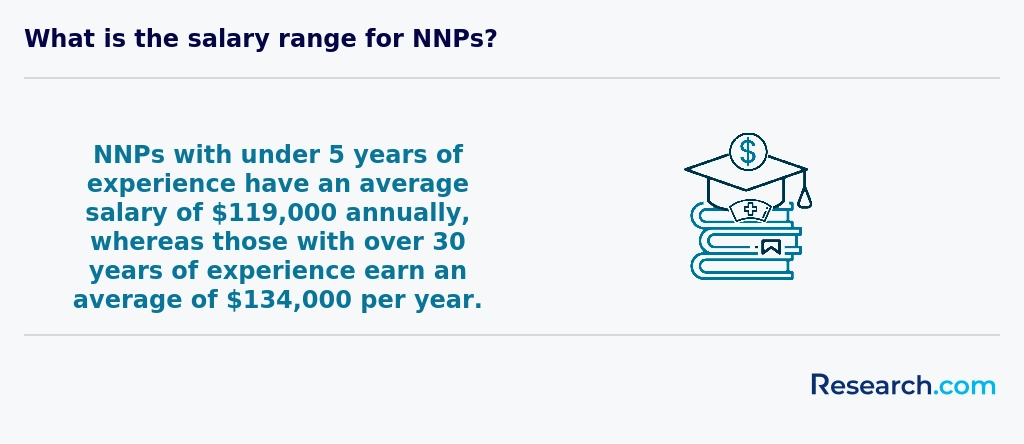
Nursing graduates in Abilene often find their career opportunities both diverse and rewarding, reflecting the broad scope of the healthcare field. Many graduates from local institutions like McMurry University and Hardin-Simmons University begin as Registered Nurses (RNs), thriving in hospitals, clinics, or long-term care settings where their compassionate care makes a tangible difference every day. These nursing career opportunities in Abilene include pathways such as Licensed Practical Nurse (LPN) to RN bridges, helping students accelerate their professional journey with practical experience.
Graduates often speak warmly about the specialized fields available-pediatrics, emergency nursing, or geriatrics-where they apply their skills in vibrant, skill-building environments. Others pursue advanced roles like Nurse Practitioners, which demand further education but offer more autonomy and an enhanced sense of purpose. Some find joy in teaching, shaping future nurses by taking faculty positions, including medical assistant degrees faculty profiles, ensuring that the next generation receives strong professional guidance.
The job prospects for nursing graduates Abilene are bolstered by steady regional growth, making these career paths not only fulfilling but also stable and promising. Leadership roles in hospital management or public health also attract those eager to influence healthcare systems beyond direct patient care, proving nursing here truly maps to varied passions and talents.

The nursing job outlook in Abilene is promising for graduates seeking meaningful careers. Local facilities such as Hendrick Medical Center offer steady recruitment, reflecting the expanding healthcare needs of the region. Graduates from popular nursing programs at Texas State Technical College often share how clinical rotations within these hospitals build confidence and real-world skills, preparing them well for entry-level roles. The demand spans registered nurse positions in various specialties, ensuring that graduates can find roles that suit their interests and strengths.
Abilene nursing career opportunities extend beyond hospitals to outpatient centers and long-term care facilities, where the aging population increases the need for skilled nurses. Residents appreciate that the cost of nursing education here remains manageable compared to many places, helping reduce financial stress. Some local students even explore options like nurse practitioner degrees illinois clinical experience to broaden their qualifications in the future.
2027 Most Affordable Nursing Degree Programs Ranking in Abilene
Investing in your education is a significant decision that can shape your future, and the Research.com team understands the importance of making informed choices. To assist prospective students in Abilene, we have meticulously crafted the "2027 Most Affordable Nursing Degree Programs Ranking in Abilene." Our commitment to quality, credibility, and accuracy is reflected in the extensive research and analysis conducted to compile this ranking. We utilized the following reputable data sources to ensure a comprehensive evaluation of nursing programs:
By exploring this ranking, readers will gain valuable insights into the most affordable nursing degree programs available in Abilene, empowering them to make well-informed decisions about their educational investments. For more details on our methodology, please visit our Research.com methodology page.


Frequently Asked Questions About nursing
Nursing degree students in Abilene can maximize their learning experience by combining classroom knowledge with hands-on clinical practice. Local hospitals and clinics, such as Hendrick Medical Center, offer valuable clinical placements that enhance practical skills essential for nursing careers. Actively participating in these internships can improve job readiness and networking opportunities.
Additionally, students should engage with academic support services available at Abilene-area institutions to strengthen challenging subjects like anatomy and pharmacology. Utilizing study groups and simulation labs contributes to deeper understanding and confidence development.
According to the Texas Board of Nursing, maintaining a strong GPA and completing accredited programs in Abilene significantly increase graduates' chances of passing the NCLEX-RN exam, which is crucial for licensure.
The nursing field in Abilene is expanding into several emerging niches that reflect national healthcare trends. One growing area is geriatric nursing, driven by Texas's aging population, which demands specialized care for seniors. Another important niche is telehealth nursing, which leverages technology to provide remote patient monitoring and virtual consultations-an area rapidly gaining traction since 2020.
Additionally, psychiatric and mental health nursing is becoming critical as mental health awareness rises. According to the Texas Board of Nursing, demand for nurses with expertise in behavioral health is high statewide, including Abilene. Finally, nurses specializing in informatics play key roles in managing healthcare data and improving patient outcomes through technology integration.
After completing a nursing degree in Abilene, preparing for the job market involves several key steps. First, obtaining licensure through the NCLEX-RN exam is essential to practice professionally. Abilene's healthcare sector, including facilities like Hendrick Health System, offers various entry-level opportunities.
Networking locally through job fairs and nursing associations such as the Texas Nurses Association helps connect graduates with employers. Additionally, acquiring Basic Life Support (BLS) and Advanced Cardiovascular Life Support (ACLS) certifications enhances employability. Practical experience via internships or clinical rotations in Abilene-area hospitals also improves job prospects. Staying up-to-date with healthcare trends and continuing education ensures competitiveness in the regional nursing job market.
Employers in Abilene prioritize a blend of clinical and interpersonal skills in nursing degree graduates. Critical thinking and effective communication are essential, as nurses often coordinate with diverse healthcare teams and patients. According to the Texas Board of Nursing, proficiency in patient assessment and safety protocols remains a top requirement.
Additionally, familiarity with electronic health records (EHR) systems is increasingly valued due to advances in healthcare technology locally. Time management and adaptability also rank highly, given the fast-paced nature of Abilene's medical facilities.
Strong ethical standards and cultural competence are important too, reflecting the region's diverse patient population. These skills help graduates stand out in the competitive healthcare job market in Abilene.
Finding nursing internships in Abilene involves exploring local healthcare facilities and educational institutions. Nursing students typically secure internships through partnerships that schools maintain with hospitals, clinics, and long-term care centers. In Abilene, key options include Hendrick Medical Center and Abilene Regional Medical Center, which both offer clinical placements for nursing students.
Students should contact nursing program coordinators at institutions like McMurry University or Cisco College to learn about available internship opportunities. These programs often provide guidance on application procedures and required qualifications.
The Texas Board of Nursing also recommends verifying that any clinical placement meets state educational standards. Additionally, students can check resources from the Texas Nurses Association for updated listings and networking opportunities. Clinical internships typically range from 100 to 300 hours, allowing practical experience critical for licensure.
Obtaining a nursing degree in Abilene significantly enhances career mobility and opportunities for advancement. According to the Bureau of Labor Statistics, registered nurses in Texas, including Abilene, enjoy a strong job market with projected employment growth of 15% from 2021 to 2031. A formal degree such as an Associate's or Bachelor of Science in Nursing (BSN) not only qualifies individuals for entry-level roles but also opens pathways to specialized positions and leadership roles.
Nurses with a BSN in Abilene access higher salaries and higher-level roles in hospitals, clinics, and community health organizations. Local healthcare providers often prefer or require advanced degrees for nurse management and clinical specialties.
In addition, many Abilene employers support continuing education, enabling nurses to pursue certifications and graduate degrees, which further improve career flexibility and growth potential. Degree holders also benefit from eligibility for advanced roles and better geographic mobility within Texas and beyond.
Studying for a nursing degree in Abilene prepares students for interdisciplinary roles by emphasizing collaboration across healthcare fields. Local programs integrate clinical experiences that involve working with professionals such as physicians, pharmacists, and social workers. This approach reflects nationwide trends identified by the American Association of Colleges of Nursing, which supports teamwork skills in nursing education.
Abilene's healthcare facilities often partner with nursing schools to provide practical, interdisciplinary training in real-world settings, enhancing communication and coordination abilities. These skills are essential for addressing complex patient needs in hospitals and community care.
Such training aligns with Texas Board of Nursing requirements, ensuring graduates are ready for diverse healthcare environments that demand teamwork and leadership.
When choosing between a thesis and a non-thesis nursing degree program in Abilene, consider your career goals and time commitment. Thesis programs often appeal to those aiming for research, teaching, or advanced clinical roles requiring detailed study and writing. These programs typically include a significant research project, which can extend the duration of your studies.
Non-thesis options prioritize practical training and coursework, suiting students focused on quickly entering the workforce or advancing clinical skills. According to the Texas Board of Nursing, Abilene's healthcare employers value both paths but show growing demand for nurses with practical experience.
Cost and flexibility are also key; non-thesis programs may be more affordable and faster to complete, as reported by the Texas Higher Education Coordinating Board. Evaluate program curricula, faculty expertise, and available resources at Abilene institutions before deciding.
Students based in Abilene looking to study nursing abroad have several pathways available through US higher education institutions that offer international clinical experiences. Many nursing programs in Texas, including those around Abilene, have established partnerships with universities in Canada, the United Kingdom, and Australia, allowing students to gain clinical hours overseas.
Abilene Christian University, for example, supports study abroad programs where nursing students can participate in global health initiatives. Such programs often combine coursework with hands-on practice in diverse healthcare settings.
Additionally, organizations like the Commission on Collegiate Nursing Education (CCNE) accredit programs that include international study components, ensuring transferability and quality standards.
Students should check with local institutions such as McMurry University or Cisco College for current offerings. According to Texas Higher Education Coordinating Board data, about 15% of nursing students in the region engage in study abroad or international clinical training as part of their degree.
Students pursuing nursing degrees in Abilene have several part-time job options that align with their education. Working as a certified nurse aide (CNA) or medical assistant in local hospitals such as Abilene Regional Medical Center provides hands-on patient care experience. According to the Texas Workforce Commission, healthcare support roles in Abilene grew by 5% from 2021 to 2023, reflecting steady demand.
Other opportunities include positions in outpatient clinics, pharmacies, or public health organizations, offering exposure to various healthcare settings. These jobs help develop critical skills like communication and time management, essential for nursing students balancing coursework and clinical hours.
Volunteering or internships at community health centers is also valuable for building practical knowledge while networking with healthcare professionals in Abilene.
Nursing students in Abilene have access to several valuable networking opportunities that can enhance their education and career prospects. Local institutions like McMurry University and Abilene Christian University often host nursing-related events, workshops, and guest lectures, providing direct interaction with faculty and healthcare professionals.
The Abilene-Taylor County Public Health District and local hospitals such as Hendrick Medical Center frequently offer clinical placements and internships, enabling students to develop connections in real healthcare settings. Nursing students can also join professional organizations like the Texas Nurses Association's Abilene chapter, which holds regular meetings and networking events.
These experiences help students build relationships that can lead to mentorships and job opportunities after graduation.
Alumni networks play an important role for nursing degree students in Abilene by providing valuable connections within the local healthcare community. Many nursing programs in Abilene, including those affiliated with Texas State Technical College and Abilene Christian University, have active alumni groups that offer mentoring and career advice.
These networks can help students find internships and job placements in Abilene's hospitals and clinics, where demand for registered nurses is expected to grow by over 15% through 2030, according to the Texas Workforce Commission. Alumni often share insights on licensing exams and continuing education, boosting student success rates locally.
Engaging with alumni also fosters professional development and keeps students informed about emerging nursing trends in West Texas healthcare settings.
Customizing a nursing degree program in Abilene starts with choosing between available paths such as Associate Degree in Nursing (ADN) or Bachelor of Science in Nursing (BSN). Local institutions often allow students to select elective courses tailored to specialties like pediatrics, geriatrics, or mental health. Clinical rotations provide hands-on experience in various healthcare settings across Abilene, helping to refine career focus.
The Texas Board of Nursing supports programs that offer flexible scheduling options, including part-time and online coursework, which can align with work or personal commitments. According to the U.S. Bureau of Labor Statistics, nurses in Texas saw a 15% growth in specialized roles over recent years, highlighting the importance of targeted training.
Students should engage with academic advisors at Abilene-area colleges to design a plan that meets state licensure requirements while matching their career goals. Additional certification courses are also available locally to enhance skills in areas like wound care or critical care nursing.
Nursing students in Abilene commonly face significant challenges that reflect wider trends in U.S. nursing education. One primary difficulty is managing rigorous clinical and academic workloads. Nursing programs combine complex science courses with demanding hands-on training, requiring strong time management skills.
Financial pressure is another concern. According to the Texas Higher Education Coordinating Board, the average undergraduate tuition in Texas is increasing, which can strain students, especially with additional costs like textbooks and clinical supplies.
Additionally, many nursing students must balance education with part-time work or family responsibilities, increasing stress levels. Limited availability of clinical placement sites in Abilene also poses scheduling conflicts and competition among students.
With a nursing degree in Abilene, graduates can pursue various professional certifications to enhance their careers. One common certification is the Registered Nurse (RN) license, required to practice nursing across Texas. Beyond this, nurses may obtain specialized credentials such as Certified Nurse Practitioner (CNP), Certified Nurse Midwife (CNM), and Certified Registered Nurse Anesthetist (CRNA).
Additional certifications include the Certified Medical-Surgical Registered Nurse (CMSRN) and certifications in pediatric or geriatric nursing. These credentials often require passing exams through the American Nurses Credentialing Center (ANCC) or other professional bodies. Such certifications can improve job prospects and earning potential in the Abilene healthcare market.
Applying to a nursing program in Abilene requires careful preparation to stand out among many applicants. Start by ensuring your academic records are strong, focusing on science and math courses, as these form the foundation for nursing studies. Programs like those at Abilene Christian University and Hardin-Simmons University value a GPA of 3.0 or higher.
Next, craft a clear and personal statement that highlights your passion for nursing and community care, referencing experiences relevant to healthcare in West Texas. Including volunteer work or job shadowing in local hospitals can strengthen your application.
Don't overlook recommendation letters from educators or healthcare professionals who can attest to your dedication and skills. Finally, prepare thoroughly for any required entrance exams like the TEAS, as competitive scores improve your chances of acceptance. According to the Texas Board of Nursing, programs in the area admit only about 50% of applicants annually.
The nursing profession is recognized worldwide as vital to healthcare systems, offering diverse career opportunities. In the United States, including Abilene, Texas, nurses are highly valued for their expertise and compassionate care. Globally, the demand for nursing professionals is rising due to aging populations and increased chronic health conditions.
Abilene's nursing programs align with international standards, preparing graduates for both local and global healthcare environments. According to the Texas Board of Nursing, nurses educated in Texas meet rigorous licensing requirements, which facilitates professional mobility within the U.S. and abroad.
Moreover, the World Health Organization identifies nursing as essential to achieving global health goals, emphasizing continuous education and cultural competence. Abilene students pursuing nursing degrees engage in evidence-based practice and ethical training that reflect these global trends.
Gaining practical experience while studying for a nursing degree in Abilene is essential for developing clinical skills. Local colleges often partner with nearby hospitals and healthcare facilities where students complete supervised clinical rotations. For example, students at institutions such as Texas State Technical College - Abilene frequently train at Hendrick Health System, one of the region's largest medical centers.
Clinical rotations typically occur during the latter part of nursing programs and provide real-world exposure to patient care. Additionally, some students pursue internships or volunteer positions at clinics or long-term care facilities around Abilene to enhance their hands-on learning.
The Texas Board of Nursing requires a minimum number of clinical hours-generally between 500 and 700-for program completion, ensuring students gain sufficient experience before licensing exams. Planning early to secure placements can improve practical learning outcomes.
Choosing the right concentration within a nursing degree program in Abilene depends on your career goals and local healthcare needs. Popular options include Registered Nurse (RN) tracks, Licensed Vocational Nurse (LVN) programs, and specialties like gerontology or pediatrics. Consider the demand in Abilene's healthcare sector; for instance, the Texas Workforce Commission reports steady growth in elderly care, suggesting gerontology could be a strong choice.
Also, evaluate program accreditation and clinical placement opportunities offered by schools in Abilene. Aligning your concentration with available internships in local hospitals, such as Hendrick Medical Center, enhances practical experience. Additionally, consult the Texas Board of Nursing to verify licensure pathways for your chosen specialty.
- 2027 Most Affordable Nursing Degree Programs Ranking in San Antonio
- 2027 Most Affordable Nursing Degree Programs Ranking in El Paso
- 2027 Most Affordable Nursing Degree Programs Ranking in Colorado Springs
- 2027 Most Affordable Nursing Degree Programs Ranking in Kansas City
- 2027 Most Affordable Nursing Degree Programs Ranking in Denver
- 2027 Most Affordable Nursing Degree Programs Ranking in Memphis
- 2027 Most Affordable Nursing Degree Programs Ranking in Lincoln
- 2027 Most Affordable Nursing Degree Programs Ranking in Hattiesburg
- 2027 Most Affordable Nursing Degree Programs Ranking in Omaha
- 2027 Most Affordable Nursing Degree Programs Ranking in Saint Louis
See What Experts Have To Say About Studying Nursing
Read our interview with Nursing experts


- Tips for Creating a Perfect Nursing School Application https://www.allnursingschools.com/articles/how-to-create-the-perfect-nursing-school-application/
- Essential Tips for Nursing Students to Advance Their Careers https://almanaltraining.com/essential-tips-for-nursing-students-to-advance-their-careers/
- Types of Nursing Careers & Specialties https://nursinglicensemap.com/nursing-specialties/
- 10 Nursing Fields That Are Growing in Demand https://promedcert.com/blog/10-nursing-fields-that-are-growing-in-demand
- Nursing Loan Repayment, Scholarship, and Grant Programs https://bhw.hrsa.gov/nursing-programs
- School of Nursing Alumni Resources https://nursing.utmb.edu/About/Alumni
- How to Choose the Right Nursing Program for Your Career Goals - Maria College https://mariacollege.edu/blog/how-to-choose-the-right-nursing-program-for-your-career-goals
- Client Challenge https://www.springerpflege.de/nursing-graduates-perceived-future-career-pathway-and-career-shi/50653658
- The Nurses' Alumni Association https://giving.mainlinehealth.org/get-involved/auxiliaries-and-womens-boards/lankenau-medical-center-womens-board/the-nurses-alumni-association
- Top Skills Employers Want in Practical Nursing Graduates https://vervecollege.edu/what-employers-look-for-in-practical-nursing-graduates/


