
2027 Most Affordable Online Nursing Degree Programs Ranking in Boston, MA

Co-Founder and Chief Data Scientist
If you're considering advancing your career in nursing, choosing the right program is essential. Our article introduces the 2027 Most Affordable Online Nursing Degree Programs Ranking in Boston, MA, created by the Research.com team of data scientists.
This ranking helps you identify quality, cost-effective nursing degree options without the stress of endless searching. Discover programs that fit your lifestyle and budget, so you can focus on what matters most-your education and future.
Investing in a nursing degree opens doors to rewarding opportunities in healthcare. Explore your options confidently and take a positive step toward a meaningful career today.
Key benefits of getting online nursing degree in Boston
- Salary for nursing degree graduates: Graduates can expect strong earnings, with Registered Nurses earning a mean annual wage of $94,480 and Operating Room Nurses making up to $128,490 in Boston.
- Career paths: Nursing graduates from Boston University often find rewarding roles in hospitals, public health, or education, allowing diverse opportunities to grow and impact communities positively.
- Online degree benefits: Earning a nursing degree online from institutions like Northeastern University offers flexible scheduling and the chance to balance work and study, making education accessible for busy adults.
- 2027 Most Affordable Online Nursing Degree Programs Ranking in Boston, MA
- What can I expect from online nursing degree in Boston?
- Where can I work with online nursing degree in Boston?
What can I expect from online nursing degree in Boston?
The average cost of an online nursing degree in Boston typically ranges between $15,000 and $40,000, depending on the level of study and the institution. Graduates from well-known universities in the city often share that competitive tuition rates, especially for in-state residents, made pursuing their BSN or MSN programs financially manageable.
Many students highlight the value of federal financial aid, scholarships, and employer tuition reimbursement programs that helped ease the financial burden. For example, a graduate from a popular Boston college recalled balancing weekend clinical hours at a local hospital with evening online coursework, which allowed saving on commuting costs and working part-time.
When budgeting, students should also consider additional expenses related to clinical placements, such as transportation or specialized uniforms, which may not always be covered by tuition. Careful financial planning ensures you can focus on excelling in both theoretical and hands-on experiences required for licensure in Massachusetts.
Choosing an accredited program with transparent tuition fees and accessible financial support can make the investment in your nursing career a rewarding and achievable goal.
Where can I work with online nursing degree in Boston?
With an online nursing degree from Boston's top institutions like Boston College or Northeastern University, graduates find diverse opportunities in the region's dynamic healthcare landscape. Many quickly secure roles at renowned hospitals such as Massachusetts General or Boston Medical Center, where their accredited online credentials are valued alongside hands-on clinical skills.
Others thrive in community health centers and public clinics, supporting Boston's underserved populations through patient education and preventive care, often citing rewarding experiences in these accessible settings. Graduates also report finding fulfilling positions in nursing homes and home healthcare, particularly as Boston's aging population creates growing demand for specialized elder care.
For students aiming beyond clinical roles, Boston's vibrant biotech and pharmaceutical industries offer exciting careers in clinical trials and nursing informatics. Alumni from local programs emphasize how their online coursework connected them to research roles at cutting-edge medical firms, fueling a sense of purpose and professional growth.
Ultimately, with an online nursing degree in Boston, pathways span from bustling hospitals and community clinics to advanced research, ensuring flexible choices to match diverse career aspirations.
Graduates with an online nursing degree in Boston typically start with competitive salaries that reflect the city's high demand for healthcare professionals. For entry-level Registered Nurses, the mean annual wage sits around $94,480, which aligns well with local expectations from nursing programs at institutions like Boston University and Northeastern University.
Those pursuing specialized roles after earning their bachelor's or advanced degrees often see a noticeable boost. For example, Operating Room Nurses, a role achievable through focused clinical training after an online nursing degree, command mean annual wages near $128,490 in Boston.
Many graduates describe feeling confident entering hospitals such as Massachusetts General Hospital, knowing their education positions them for leadership or specialty unit roles, where salaries can rise significantly.
By selecting programs that provide clinical placements and strong Boston-based healthcare partnerships, students can accelerate their career growth and salary potential while enjoying access to high-paying, thriving medical environments.
- Online nursing degrees in Boston typically cost between $15,000 and $40,000 for a BSN program, with ADN programs generally being less expensive.
- Graduates can expect entry-level RN salaries averaging $75,000 to $85,000 annually, with experienced nurses earning over $100,000.
- The job market for registered nurses in Boston is projected to grow by about 7% over the next decade.
- Online programs usually include clinical practice components at local healthcare facilities for hands-on experience.
- Accreditation by the CCNE or ACEN is required to ensure programs meet Massachusetts licensing standards and qualify graduates for the NCLEX-RN exam.
Completing an online nursing degree in Boston typically varies by program type and personal circumstances. For instance, ADN programs usually take 2 to 3 years. Graduates from Boston-based schools often appreciate these programs for enabling quicker entry into nursing careers, especially when balancing work or family commitments.
Bachelor of Science in Nursing (BSN) degrees are more flexible. Traditional students may spend about 4 years, but accelerated BSN tracks at well-known Boston colleges allow degree holders from other fields to finish in 12 to 18 months. Many students find this pace exciting and motivating, as it fast-tracks their career change.
Master's nursing programs (MSN) offer even more adaptability, with online options that last from 1.5 to 3 years. Busy nurses working at Boston hospitals benefit greatly from this flexibility, fitting coursework around shifts while gaining advanced skills.
Remember that clinical hours must be completed in person at local Boston healthcare facilities, which can extend the timeline but enrich real-world experience. Planning these hours ahead is key to staying on track and finishing confidently.
Upon graduating from an accredited online nursing program in Boston, MA, the next critical step is obtaining state licensure and, if desired, advanced certification. First, all aspiring Registered Nurses (RNs) must pass the National Council Licensure Examination for Registered Nurses (NCLEX-RN). The Massachusetts Board of Registration in Nursing requires candidates to submit official academic transcripts, complete a criminal background check, and provide proof of Basic Life Support (BLS) certification before sitting for the exam. Once you successfully pass the NCLEX-RN, you’ll receive your Massachusetts RN license, allowing you to practice in hospitals, outpatient clinics, and community health settings across the Commonwealth. For those aiming to advance into specialized practice, such as psychiatric-mental health nursing, obtaining an advanced practice registered nurse (APRN) certification is essential. After earning a Master of Science in Nursing (MSN) with an approved specialization, candidates must pass a national certification exam administered by a recognized body like the American Nurses Credentialing Center (ANCC). For example, nurses pursuing a Psychiatric-Mental Health Nurse Practitioner (PMHNP) credential can explore the easiest pmhnp program to identify high-quality certificate pathways that satisfy both educational and clinical hour requirements. Continuing education is mandated by the Massachusetts Board to maintain licensure. RNs must complete 15 contact hours of board-approved continuing education every two years, while APRNs typically require additional credits tied to their specialty area. Engaging in regular professional development-such as attending state board workshops, online seminars, or certification renewal courses-not only fulfills regulatory obligations but also enhances clinical skills and career prospects. By understanding and proactively planning for licensure and certification milestones, Boston-area nursing graduates can confidently transition from students to practicing professionals.
Online nursing degrees in Boston, such as those offered by prominent colleges, provide flexibility that suits busy adults balancing work and family. Graduates often share how asynchronous classes let them study late at night or early morning, fitting education into hectic schedules without sacrificing quality. This remote format removes commuting challenges common in cities like Boston, saving time and stress.
However, online students still complete in-person clinical hours at local Boston healthcare facilities, ensuring hands-on experience essential for licensure. On-campus programs at well-known universities offer daily face-to-face interaction, which many graduates find boosts networking and motivation through peer support and campus resources.
Cost-wise, Boston students may pay similar tuition for online and on-campus paths, but online learners often save on transit and housing. Technology fees apply, so being comfortable with digital tools is crucial. Successful online students emphasize self-discipline and embracing virtual collaboration, turning distance learning into a rewarding, manageable journey.
Graduates of online nursing programs in Boston, MA, consistently report strong outcomes on the National Council Licensure Examination (NCLEX), a critical milestone for practicing nurses. Most accredited online BSN programs in the region boast first-time pass rates between 90% and 97%, reflecting rigorous curricula and dedicated exam preparation resources. Key factors contributing to these high pass rates include comprehensive review workshops, simulated testing environments, and targeted faculty mentorship. Students aiming to maximize their NCLEX performance should:
- Leverage program-specific NCLEX review modules and question banks.
- Participate in peer-led study groups coordinated by academic advisors.
- Attend virtual workshops focused on test-taking strategies and time management. Prospective students can review comparative licensure success rates when evaluating affordability alongside quality. For insights into cost-effective options in a different market, explore the Most Affordable Online Nursing Degree Programs Ranking in New York, which also highlights programs with exemplary NCLEX outcomes. By prioritizing licensure metrics, aspiring nurses in Boston can choose online programs that not only fit their budgets but also deliver the support necessary for licensure success.
The average cost of an online nursing degree in Boston is around $62,740, reflecting both in-state and out-of-state tuition rates. Graduates from well-known schools like the University of Massachusetts Boston or Northeastern University frequently mention that while this figure might seem high, the investment pays off through strong clinical opportunities and job prospects in the region. These students often highlight that the pricing includes various fees, such as technology access and virtual resources, which are integral to the online learning experience.
Many prospective students searching for affordable online nursing programs Boston 2027 can find ways to manage costs effectively. For example, some graduates have shared how scholarship programs and employer tuition assistance significantly eased their financial burden. Additionally, comparing different program structures, credit requirements, and course fees helps students select options that fit both their budget and career goals.
Boston's online nursing programs offer savings on housing and commuting, allowing students to balance studies with work or family life. However, it's important to prepare for extra expenses like course materials and exam preparation, which may not be included in tuition. Exploring financial aid opportunities and scholarships specifically targeted at nursing students in Massachusetts can also make a big difference in overall affordability.
For those looking to explore related options, programs listed among cheap public health degrees online offer alternatives worth considering alongside nursing degrees.

Navigating the application process for online nursing programs in Boston, MA, involves several critical steps to ensure timely admission and preparedness for your studies. First, research each institution’s specific requirements and deadlines-most fall semesters begin in late August, with application windows opening as early as November of the prior year. 1. Gather Transcripts and Test Scores: Request official transcripts from all post-secondary institutions and submit TEAS or HESI scores by the program’s priority deadline, typically February 1 for fall entry and September 1 for spring entry. 2. Complete Prerequisites: Ensure completion of required courses (e.g., Anatomy & Physiology, Microbiology, Chemistry) with a minimum GPA of 2.5. Some programs may require additional certifications such as Basic Life Support (BLS). 3. Prepare Supporting Documents: Draft a compelling personal statement outlining your motivation for nursing, secure two letters of recommendation, and complete any background checks or health screenings as specified by the school. 4. Submit Online Application: Use each university’s online portal to upload documents, pay application fees (ranging from $50–$75), and track your status. Early submission by December can improve your chances for limited spots and scholarship consideration. 5. Interview and Placement: Qualified applicants may be invited for a virtual interview or campus visit. If accepted, coordinate clinical placements-some programs offer pre-arranged sites, while others require you to secure local affiliations. For RNs aiming to advance without added clinical hours, consider specialized pathways like rn to bsn online with no practical requirements, which streamline the transition and focus on leadership and research competencies. By adhering to these guidelines and tracking deadlines, you’ll position yourself for a seamless start to your online nursing education in Boston.
Online nursing students in Boston often begin their financial aid journey by completing the FAFSA to access federal grants and loans. One graduate from a top Boston university shared how receiving a Pell Grant, which can provide up to $7,395 annually, made balancing tuition and living expenses much less stressful. Federal Direct Loans with lower interest rates also offer manageable repayment options, with graduate students able to borrow up to $20,500 per year.
Many Boston-based schools reward merit with scholarships, recognizing high academic achievement or nursing experience. For example, a nursing student at a well-known Boston college received a merit scholarship that covered nearly half of their tuition, enabling them to focus entirely on studies without extra work.
State incentives like Massachusetts' Nursing Incentive Scholarship encourage graduates to work in critical nursing positions locally, making aid not just financial support but a pathway to career opportunities. Boston professionals also benefit from employer tuition reimbursement programs, easing costs while gaining valuable experience.
Finally, professional groups such as the Massachusetts Nurses Association offer scholarships and emergency grants, providing a vital safety net when unexpected challenges arise during the program.
To navigate the complexities of nursing education in Boston, MA, prospective students must consider various factors, including affordability, accreditation, and program flexibility. When evaluating online nursing programs, it's essential to research institutions that offer affordable online nursing programs in Massachusetts, as these can provide a high-quality education at a lower cost. By exploring these options, students can make informed decisions about their educational paths, ultimately leading to successful and fulfilling careers in nursing.
To enroll in an online nursing degree program in Boston, you'll need to meet specific prerequisites that prepare you for both the coursework and hands-on clinical experiences. Most programs, such as those at well-known Boston institutions, require a high school diploma or GED at minimum. If you're aiming for a bachelor's or higher degree, having an associate degree in nursing (ADN) or a nursing diploma is often essential. Successful graduates often mention how maintaining a GPA around 2.5 to 3.0 helped smooth their admission process.
Many programs expect prior healthcare experience, like working as a CNA or LPN. For instance, Boston-based students recall how documenting clinical hours gave them confidence entering advanced studies. If you're pursuing an RN-to-BSN pathway, an active Massachusetts RN license is mandatory, aligning with the state's rigorous standards.
You should also complete foundational science courses-anatomy, microbiology, and chemistry are common prerequisites. These classes build a strong knowledge base, making complex nursing concepts more manageable during your studies.
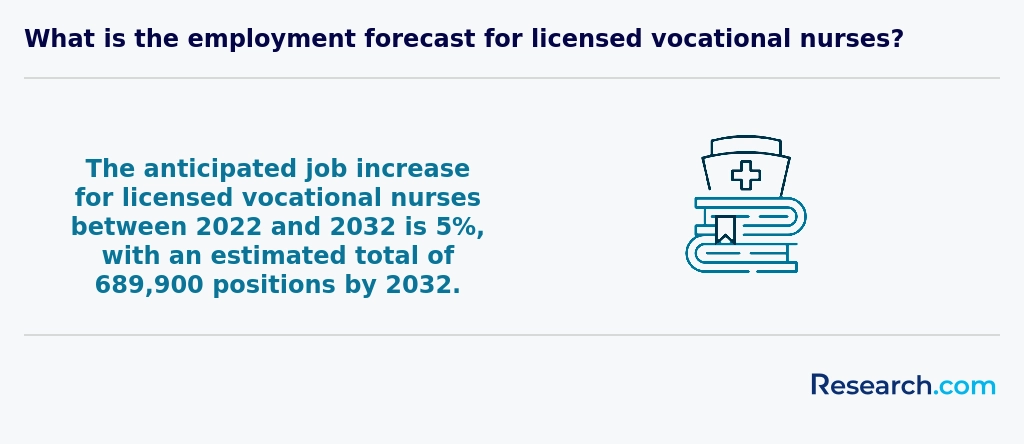
To practice as a registered nurse in Boston, MA, graduates must secure licensure through the Massachusetts Board of Registration in Nursing and pass the NCLEX-RN exam. Understanding this process ensures a smooth transition from student to professional nurse.
- Graduate from an accredited nursing program (CCNE or ACEN)
- Submit an application and fee to the Massachusetts Board of Registration in Nursing
- Register and schedule the NCLEX-RN exam with Pearson VUE
- Receive authorization to test (ATT) and pass the NCLEX-RN within the eligibility window
After passing the NCLEX-RN, you’ll receive your MA RN license and can begin clinical work. Many new nurses find that preparing with targeted review courses and practice tests boosts confidence and exam performance. For nurses aiming to advance into leadership or advanced practice roles, exploring cheapest dnp programs can be your next step toward specialized expertise.
Online nursing degree programs in Boston typically include essential courses such as human anatomy and physiology, microbiology, and pharmacology. Graduates from well-known Boston colleges often share how these foundational courses helped them confidently understand the science behind patient care before entering clinical environments.
Additional courses like pathophysiology teach how diseases affect the body, while health assessment classes train students to evaluate patients accurately-skills graduates recall using daily in their Boston-area hospital rotations. Nursing theory and ethics provide a crucial framework for professional practice, supporting ethical decision-making in diverse healthcare settings common to Boston's multicultural population.
- Evidence-based practice courses emphasize using research to improve patient outcomes, a key topic Boston students appreciate for staying current in their careers
- Community health and mental health nursing prepare students to serve Boston's urban communities effectively
- Healthcare informatics and leadership training equip graduates to handle evolving roles in local health systems
Many Boston students recall that clinical practicums arranged locally or virtual simulations tied coursework directly to real-life situations, making online study practical and rewarding for licensure readiness.
Online nursing degree specializations in Boston MA offer flexible pathways tailored to today's healthcare demands. Graduates from well-known local colleges often choose Family Nurse Practitioner (FNP), preparing them for primary care roles across diverse patient populations. Others specialize as Adult-Gerontology Acute Care Nurse Practitioners (AG-ACNP), addressing urgent needs in the region's aging communities, reflecting real clinical challenges seen at institutions like Massachusetts General Hospital.
Some nurses find fulfillment in Psychiatric-Mental Health Nurse Practitioner (PMHNP) programs, responding to Boston's rising behavioral health concerns. Leadership-focused tracks in Health Care Leadership and Management equip students to confidently navigate hospital administration and improve care systems. Those interested in community impact pursue Public Health Nursing, contributing to Boston's strong public health initiatives. Pediatric Nursing concentrations attract care providers focused on infants and adolescents.
Students report that these specializations not only enhance their skills but also align closely with job market growth, echoing trends seen in the registered nurse workforce in California. Choosing a specialization early helps students target their education, ensuring successful career outcomes in Boston's competitive nursing field.
Choosing the best online nursing degree in Boston starts with verifying program accreditation, ideally by CCNE or ACEN. Graduates from well-known Boston colleges often praise their programs' strong accreditation, which boosted their confidence when applying for jobs locally. Many recommend focusing on degree levels that match your career goals, especially since there is growing demand for BSN-prepared nurses in Boston. For example, students enrolled in affordable online nursing degree Boston options appreciated how their BSN programs balanced course rigor with flexible scheduling.
Cost matters, so weighing tuition against potential salary is essential. Graduates from popular Boston institutions note that investing in a reputable program paid off, given nurse practitioners' median wage above $120,000 locally. Flexibility plays a key role too; asynchronous classes and local clinical placements help students juggle work and study effectively. Career services and alumni connections often come up as positive highlights in their experiences.
Looking at NCLEX pass rates can save time and stress-Boston programs boasting rates over 85% reassure students on their success path. For those interested in further specialization, exploring online women's health nurse practitioner programs is a smart next step after an RN or BSN. Researching best online RN programs in Boston will help you find a fit that feels both achievable and rewarding.
Nurses with an online nursing degree career options Boston can pursue a variety of rewarding paths in the city's vibrant healthcare system. Graduates from institutions like Northeastern University and Simmons University often find roles as Registered Nurses (RN), Licensed Practical Nurses (LPN), or Clinical Nurse Specialists (CNS), benefiting from Boston's high demand for skilled professionals. These roles typically require passing the NCLEX-RN and state licensure, which many online programs are designed to prepare students for effectively.
For those aiming higher, completing a Bachelor of Science in Nursing (BSN) or a Master of Science in Nursing (MSN) opens doors to specialized careers such as Nurse Practitioner, Certified Nurse Midwife, or Nurse Educator. Graduates often share how their programs' flexible online formats allowed them to balance work and study while advancing swiftly into these advanced positions. Such roles align well with Boston's growing healthcare needs and competitive nursing job opportunities Boston MA.
Leadership is another viable avenue. Many nurses progress to Nurse Manager or Director of Nursing roles, leveraging strong clinical experience and advanced degrees. For diverse healthcare interests, exploring related careers can also be valuable; for example, transitioning toward an X-ray technician career is an option some graduates consider to broaden their expertise within Boston's medical field.
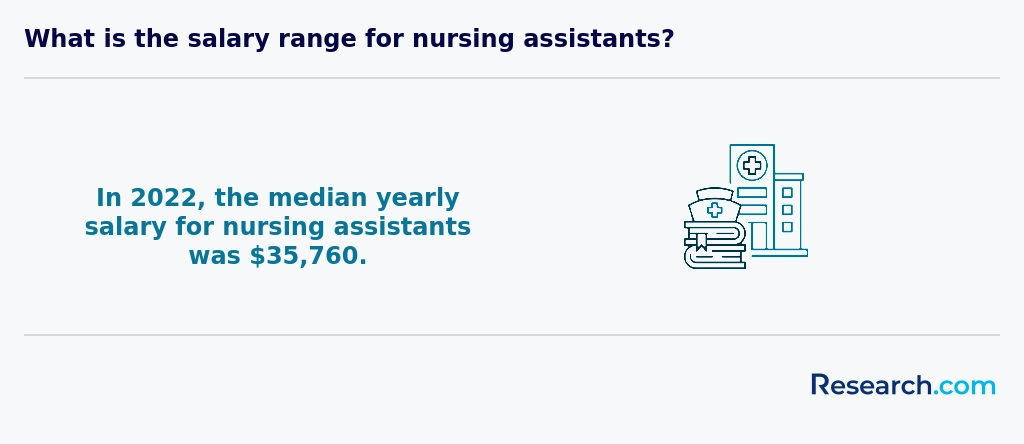
The online nursing degree job market Boston offers is strong and growing, particularly thanks to the city's renowned healthcare institutions. Graduates from popular universities and colleges in Boston often share how their online BSN programs prepared them well for diverse roles in acute care hospitals and community health settings. Many find rewarding positions in outpatient clinics or specialized nursing facilities, reflecting the broad nursing career opportunities in Boston MA. The competitive annual salary near $90,000 encourages many to pursue this flexible education path without relocating.
Graduates report that the accredited online programs enable them to meet licensure requirements and confidently take the NCLEX-RN exam, which Boston employers highly respect. The emphasis on bachelor's degrees makes online BSN programs a smart choice for career advancement. Students also cite how some schools provide financial aid options that make pursuing this credential more affordable. For those exploring further specialization, resources like nurse practitioner programs admissions Ohio can offer additional guidance and opportunities.
2027 Most Affordable Online Nursing Degree Programs Ranking in Boston, MA
Investing in your education is a significant decision that can shape your future, and the Research.com team recognizes the importance of making well-informed choices. To support prospective students in Boston, MA, we have carefully developed the "2027 Most Affordable Online Nursing Degree Programs Ranking in Boston, MA." Our dedication to quality, credibility, and accuracy is demonstrated by the thorough research and analysis performed to create this ranking.
We utilized the following reputable data sources to ensure a comprehensive evaluation of affordable nursing programs:
By reviewing this ranking, readers will obtain valuable insights into cost-effective nursing degree options that combine quality education with accessibility, empowering them to make informed decisions about their academic future. For more information on how this ranking was created, please visit our Research.com methodology page.


# 4 position
UMassOnline
Nursing, RN to BS
Frequently Asked Questions About nursing
Online nursing degree students in Boston can maximize their learning experience by actively engaging in virtual simulations and clinical practice opportunities. Massachusetts requires a minimum of 500 clinical hours for nursing programs, so students should seek programs with strong local healthcare partnerships to fulfill these requirements efficiently.
Utilizing Boston's rich healthcare network, including renowned hospitals like Massachusetts General, can enhance practical skills and networking. Additionally, students should leverage asynchronous course materials to study flexibly while maintaining consistent communication with instructors through video conferencing.
According to the Massachusetts Board of Registration in Nursing, graduates who combine online learning with hands-on experiences tend to perform better on the NCLEX-RN licensure exam.
The nursing field is rapidly evolving, with several emerging niches gaining attention among healthcare professionals. In Boston, specialized areas such as telehealth nursing are expanding due to increased demand for remote patient care. According to the Massachusetts Department of Public Health, telehealth services grew by over 50% between 2020 and 2023.
Another growing niche is gerontological nursing, as Boston's aging population rises. Nurses with expertise in elder care are critical to addressing chronic illnesses and improving quality of life. Additionally, psychiatric-mental health nursing is becoming essential, especially in urban areas like Boston where behavioral health services are in higher demand.
Specialized certification programs in these fields can often be pursued online, making them accessible options for Boston students seeking flexible educational routes in nursing.
Preparing for the job market after earning an online nursing degree in Boston begins with obtaining proper licensure. Graduates must pass the NCLEX-RN exam, a national requirement to become a registered nurse (RN). Massachusetts also mandates state licensure through the Board of Registration in Nursing. Gaining clinical experience through internships or externships, often facilitated by nursing programs, enhances employability.
Networking with Boston healthcare employers is vital. The Boston Healthcare Network reports that Boston's healthcare sector employs over 200,000 people, offering many nursing opportunities. Joining professional nursing organizations such as the Massachusetts Nurses Association can connect new graduates with job openings and mentorship.
Continuing education and certifications in specialties like gerontology or critical care are highly valued. The Massachusetts Department of Labor projects a 12% growth in nursing jobs through 2030, indicating strong demand in hospitals, clinics, and community care in the Boston area.
Employers in Boston highly value nursing graduates who demonstrate strong clinical competence and critical thinking skills. According to the Massachusetts Board of Registration in Nursing, proficiency in patient assessment and care planning is essential for new nurses entering the workforce. Communication skills are also key; nurses must effectively collaborate with diverse healthcare teams and provide clear patient education.
Technological literacy is increasingly important as Boston hospitals adopt advanced electronic health records. Familiarity with these systems can improve patient outcomes and workflow efficiency. In addition, cultural sensitivity and adaptability are critical due to Boston's diverse population, ensuring equitable care for all patients.
Finally, leadership potential and a commitment to continuous learning rank among top employer priorities, reflecting the dynamic nature of healthcare in the Boston area.
Finding nursing internships in Boston requires strategic efforts aligned with local healthcare providers and educational institutions. Many Boston hospitals, such as Massachusetts General Hospital and Boston Medical Center, offer structured internship programs specifically designed for nursing students. These programs provide hands-on clinical experience needed to fulfill degree requirements.
Students should contact their online nursing program's clinical coordinator to access partnerships with Boston-area facilities. Additionally, local nursing associations like the Massachusetts Nurses Association can offer resources and networking opportunities.
According to the Massachusetts Department of Higher Education, about 70% of nursing students in Boston secure internships through formal agreements between schools and hospitals, making institutional connections vital for securing placements.
An online nursing degree in Boston can significantly enhance career mobility and advancement by offering flexible education tailored to working professionals. Many Boston healthcare providers value accredited online programs, which often provide the same curriculum as on-campus degrees. According to the Massachusetts Department of Public Health, the demand for advanced nursing roles, such as nurse practitioners and nurse managers, is expected to grow by over 20% through 2030.
Completing an online nursing degree can also prepare students for leadership positions and specialized certifications essential for higher pay grades in Boston's competitive healthcare market. Institutions like the Massachusetts Board of Registration in Nursing recognize online degrees that meet state standards, ensuring eligibility for licensure advancement.
Studying for a nursing degree in Boston offers exposure to a multidisciplinary healthcare environment, which is essential for preparing students for interdisciplinary roles. Boston's healthcare institutions rank among the nation's best, providing nursing students with opportunities to collaborate with professionals from medicine, social work, pharmacy, and public health.
Many Boston-based online nursing programs incorporate coursework emphasizing teamwork, communication, and leadership across disciplines. According to the Massachusetts Board of Registration in Nursing, 78% of nurses in the state work in collaborative settings, highlighting the importance of these skills.
Online nursing degrees in Boston also often integrate clinical simulations and case studies reflecting real-world interdisciplinary scenarios, equipping graduates to coordinate patient care effectively.
Choosing between a thesis and a non-thesis nursing degree program in Boston depends on your career goals and learning preferences. Thesis programs require original research and are ideal if you plan to pursue a doctorate or a research-focused career. Non-thesis options focus on coursework and practical skills, suitable for those aiming to enter or advance clinical roles quickly.
Boston offers a strong nursing education environment, with many programs accredited by the Commission on Collegiate Nursing Education (CCNE). According to the Massachusetts Board of Registration in Nursing, the city's demand for advanced nursing roles grew by 15% from 2020 to 2023.
Consider your time availability; thesis tracks typically take longer. Also, investigate each program's delivery format and faculty expertise to ensure it fits your needs.
Students based in Boston seeking to study nursing abroad via online programs have several options, primarily through U.S.-accredited institutions offering international online learning. While direct international university partnerships for online nursing degrees specific to Boston residents are limited, many accredited U.S. programs, including those recognized by the Commission on Collegiate Nursing Education (CCNE), allow remote study from anywhere, including abroad.
Boston's strong healthcare network, hosting over 30 major hospitals, supports clinical placement locally, but students studying abroad may need to secure clinicals independently. Additionally, Massachusetts nurses must meet state licensing requirements, so students should ensure their program aligns with the Massachusetts Board of Registration in Nursing standards.
The National Center for Education Statistics reports that distance education enrollments continue to grow, reflecting increased accessibility. Boston-based students interested in studying nursing abroad should verify accreditation and state approval to guarantee licensure eligibility upon graduation.
Part-time job opportunities in Boston that complement nursing degree education offer practical experience and flexible schedules suitable for online students. Many nursing students find positions as certified nursing assistants (CNAs), providing hands-on patient care in hospitals or long-term care facilities. According to the Massachusetts Department of Public Health, Boston's healthcare sector employs thousands of CNAs, making it a readily available entry-level option.
Other common roles include medical scribing, patient care technician, and volunteer work in community health clinics. These jobs allow students to develop clinical skills and understand healthcare workflows.
Boston's extensive network of hospitals and research centers provides a dynamic environment for nursing students to gain relevant experience while studying.
Online nursing students in Boston benefit from various networking opportunities despite distance learning. Many local universities, such as Northeastern and Boston University, offer virtual events, webinars, and alumni groups that encourage connection among nursing students. These platforms often include guest speakers and professional development workshops tailored to nursing careers.
In addition, Boston's strong healthcare industry, including partnerships with leading hospitals like Massachusetts General, provides online students access to clinical networking and mentorship programs. Organizations such as the Massachusetts Nurses Association also host online forums and local chapter meetings, enhancing professional networking possibilities. According to the Massachusetts Department of Higher Education, such engagement improves job prospects in the region's competitive nursing market.
Alumni networks provide significant benefits to online nursing degree students in Boston by offering access to professional connections and job opportunities. According to the Massachusetts Nursing Association, strong professional networks improve employment outcomes by 30% in the region. These networks often organize events, webinars, and mentorship programs tailored specifically for Boston's healthcare landscape.
For online students, connecting with local alumni enhances understanding of Boston's healthcare systems, such as Massachusetts General Hospital and Boston Medical Center. This localized knowledge supports career advancement and practical guidance.
Furthermore, alumni networks often share resources like continuing education opportunities and industry updates relevant to Massachusetts nursing licensure requirements, helping graduates stay competitive in the job market.
Customizing an online nursing degree program in Boston allows students to align education with specific career goals. Many local schools offer flexible curricula where you can choose specialties such as gerontology, pediatrics, or mental health nursing. Clinical practicum options often accommodate working professionals by partnering with Boston-area hospitals and clinics.
Additionally, students can select electives focusing on leadership, informatics, or community health, useful in Boston's diverse healthcare settings. According to the Massachusetts Board of Registration in Nursing, over 40% of nurses in Boston hold bachelor's degrees, highlighting the value of advanced, tailored education. Online formats often enable paced learning to fit work schedules.
Advising services at Boston institutions help tailor programs to meet licensure and certification requirements, ensuring alignment with long-term goals.
Online nursing students in Boston often face several common challenges. One major difficulty is balancing clinical hours with remote coursework, as nursing programs require hands-on experience that can be tough to schedule locally. According to the Massachusetts Board of Registration in Nursing, students must complete supervised clinical practice, which may limit flexibility.
Another issue is time management, especially for working professionals. Many Boston students juggle full-time jobs, family responsibilities, and studies, which can cause stress and burnout. Technical problems with online platforms also disrupt learning for some.
Finally, limited in-person interactions with faculty and peers can affect networking opportunities and support, impacting student engagement and success rates in Massachusetts nursing programs.
An online nursing degree from Boston can open pathways to several respected professional certifications. Graduates commonly pursue certifications such as the Registered Nurse (RN) license, which is mandatory for nursing practice across Massachusetts. The American Nurses Credentialing Center (ANCC) offers specialized certifications like Family Nurse Practitioner (FNP) or Medical-Surgical Nursing (CMSRN), widely recognized by Boston employers.
Other options include the Certified Nurse Educator (CNE) and Emergency Nurse Certification (CEN). According to the Massachusetts Board of Registration in Nursing, over 80,000 nurses hold active licenses statewide, increasing demand for certified professionals.
These certifications require passing national exams and often a combination of clinical experience and continuing education. Many Boston-area hospitals and healthcare facilities prefer or require these credentials for advanced nursing roles.
To write a winning application for an online nursing program in Boston, start by carefully reviewing the program's prerequisites and deadlines. Most programs require a minimum GPA of around 3.0 and completion of foundational courses like biology and chemistry. Highlight your relevant healthcare experience, whether paid or volunteer, as Boston's nursing programs value clinical exposure.
Craft a strong personal statement explaining your motivation, career goals, and connection to Boston's healthcare community. Boston is home to top hospitals like Massachusetts General, so mentioning your interest in contributing to this environment can strengthen your application.
Request letters of recommendation from nursing supervisors or professors who can attest to your abilities. Also, ensure your resume is clear and concise, emphasizing leadership and teamwork skills crucial in nursing.
The nursing profession holds a critical role worldwide, with growing demand due to aging populations and healthcare advancements. In the United States, including Boston, nursing careers offer diverse opportunities and strong job security. According to the U.S. Bureau of Labor Statistics, registered nurse employment is projected to grow 6% from 2021 to 2031, reflecting global trends toward expanding healthcare access.
Boston's healthcare industry is one of the nation's leading centers, making it an attractive place for nursing professionals. Globally, nurses often face differing certification and training requirements, but online nursing degrees from accredited U.S. institutions are increasingly recognized abroad, easing international mobility.
As medical challenges evolve, the global perspective highlights the importance of continuous education, cultural competence, and adaptability in nursing. This is especially relevant for students in Boston seeking flexible online programs that prepare them for this dynamic field.
Students pursuing an online nursing degree in Boston can gain practical experience through clinical placements required by accredited programs. These placements often take place at local hospitals, clinics, or community health centers, including renowned institutions like Massachusetts General Hospital and Boston Medical Center. Programs coordinate with these facilities to ensure students meet hands-on training hours mandated by the Massachusetts Board of Registration in Nursing.
Additionally, many schools offer simulation labs or virtual clinical experiences to complement in-person hours. According to the Massachusetts Department of Higher Education, students must complete a minimum of 500 clinical hours to qualify for licensure, emphasizing the importance of practical training alongside online coursework.
Choosing the right concentration within an online nursing degree program in Boston requires understanding local healthcare needs and career goals. Boston's healthcare market is robust, with a growing demand for specialties like geriatric nursing and psychiatric-mental health, according to the Massachusetts Department of Public Health.
Consider your interests and strengths along with job prospects. For example, Boston's aging population emphasizes the value of gerontology. Additionally, evaluate programs' clinical placement options, as local hospital partnerships enhance practical experience.
Review accreditation status to ensure quality education and eligibility for licensure. The Commission on Collegiate Nursing Education (CCNE) accredits many Boston-area programs. Research Boston-specific nursing workforce trends from sources like the Massachusetts Nursing Workforce Center to guide your decision.
- 2027 Most Affordable Online Nursing Degree Programs Ranking in Dobbs Ferry, NY
- 2027 Most Affordable Online Nursing Degree Programs Ranking in South Orange, NJ
- 2027 Most Affordable Online Nursing Degree Programs Ranking in West Long Branch, NJ
- 2027 Most Affordable Online Nursing Degree Programs Ranking in Utica, NY
- 2027 Most Affordable Online Nursing Degree Programs Ranking in Rochester, NY
- 2027 Most Affordable Online Nursing Degree Programs Ranking in Washington, DC
- 2027 Most Affordable Online Nursing Degree Programs Ranking in Hampton, VA
- 2027 Most Affordable Online Nursing Degree Programs Ranking in Norfolk, VA
- 2027 Most Affordable Online Doctorate in Nursing Degree Programs Ranking in Pittsburgh, PA
- 2027 Most Affordable Online Nursing Degree Programs Ranking in Morgantown, WV
See What Experts Have To Say About Studying Nursing
Read our interview with Nursing experts


- How to Write https://esign.com/letter-of-intent/school/nursing/
- How Much Can I Earn With a BSN? https://www.allnursingschools.com/bsn/salary/
- 2025 Best Online Nursing Programs in Massachusetts https://www.onlineu.com/degrees/nursing/massachusetts
- Client Challenge https://www.springerpflege.de/nursing-graduates-perceived-future-career-pathway-and-career-shi/50653658
- How Do Nurses Prepare to Work in a Multidisciplinary Team? | NursingEducation https://nursingeducation.org/insights/multidisciplinary-team/
- Guide to Making a Career Change to Nursing https://teach.com/online-ed/healthcare-degrees/online-msn-programs/career-change-to-nursing/
- Top Skills Employers Want in Practical Nursing Graduates https://vervecollege.edu/what-employers-look-for-in-practical-nursing-graduates/
- Associate of Science in Nursing Online | Bay Path University https://www.baypath.edu/academics/undergraduate-programs/nursing-asn/
- Nursing student shares lessons learned in Hungary https://www.waynesburg.edu/news/nursing-student-shares-lessons-learned-hungary
- School of Nursing Alumni Resources https://nursing.utmb.edu/About/Alumni


