
2027 Most Valuable Nursing Degree Programs Ranking in Ohio

Co-Founder and Chief Data Scientist
Choosing the right nursing degree program is a big step toward a rewarding career in healthcare. This article introduces the 2027 Most Valuable Nursing Degree Programs Ranking in Ohio, developed by the expert data scientists at Research.com to help you find programs that offer the best value and opportunities.
By exploring this ranking, you'll gain insights into programs that balance quality education with strong career prospects. Whether you're starting out or advancing your nursing journey, this guide supports your goals with trustworthy information.
Investing in a nursing degree can open doors to meaningful work and personal fulfillment, making this read a helpful resource on your path.
Key benefits of getting nursing degree in Ohio
- Salary opportunities: Nursing degree graduates in Ohio can earn strong salaries, with Registered Nurses, Clinical Nurse Educators, Public Health Nurses, and Emergency Room Nurses averaging about $94,480 annually, while Operating Room Nurses can earn up to $128,490 per year.
- Career paths: Graduates from popular Ohio universities often find diverse opportunities ranging from hospital nursing to community health roles, offering rewarding and stable career options that make a meaningful impact.
- Online degree benefits: Completing a nursing degree online through Ohio-based programs can offer flexibility for working students and quicker entry into the workforce, helping balance life and education without sacrificing quality.
- 2027 Most Valuable Nursing Degree Programs Ranking in Ohio
- What can I expect from nursing degree in Ohio?
- Where can I work with nursing degree in Ohio?
What can I expect from nursing degree in Ohio?
The average cost of a nursing degree in Ohio can vary quite a bit depending on the type of program and the school you pick. For example, if you're aiming for an Associate Degree in Nursing (ADN) at a community college, you might spend around $6,000 to $15,000 total. Graduates from schools like Columbus State Community College often talk about how affordable and solid the ADN route is, especially since it usually takes just two years.
On the other hand, if you're thinking bigger with a Bachelor of Science in Nursing (BSN) from a university such as Ohio State or the University of Cincinnati, the price tag can be anywhere from $25,000 to over $50,000 for the full four years. Many grads mention the BSN is totally worth it because you get more hands-on experience, leadership training, and a leg up in the job market.
Plus, a lot of students find scholarships, financial aid, and part-time jobs help ease the financial load, making nursing degrees in Ohio feel more doable than they might at first seem.
Where can I work with nursing degree in Ohio?
If you're studying nursing in Ohio, there's a bunch of places you could end up working once you graduate. Many grads from schools like Ohio State University or University of Cincinnati find themselves in hospitals, which are the biggest employers here. Think about working at places like Cleveland Clinic or OhioHealth-these spots offer everything from emergency care to pediatrics, so you can really specialize in what you love.
Others take jobs in outpatient care centers or doctor's offices, where the vibe's a bit more low-key but you get to focus on everyday patient care and prevention. Plus, with healthcare shifting, these jobs are growing fast around the state. Nursing grads from places like Kent State often mention how rewarding working in nursing homes is. Ohio's aging population means there's huge need for nurses in senior care, helping people through rehab or just making their days better.
Community health is another cool path to explore. Nurses from Cincinnati State who've gone into public health talk about how great it feels working on vaccination drives or health education in local schools and nonprofits.
If you're diving into a nursing degree in Ohio, you can expect some pretty solid earnings once you graduate. Registered nurses coming out of schools like Ohio State University or the University of Cincinnati typically see a mean annual wage around $94,480, which is a nice step up from the state average mentioned by some grads early on in their careers.
Many recent grads working as clinical nurse educators or public health nurses also pull in about the same, around $94,000 a year, which feels pretty rewarding when you think about helping others while making a good paycheck.
Now, if you're someone aiming for a more specialized path, say as an operating room nurse, you're looking at higher earnings-close to $128,490 per year. Graduates from popular Ohio nursing programs often share stories about the excitement and challenge of these high-paying roles. It's a tough job but worth it, especially in cities like Columbus or Cleveland where the demand and pay tend to be better.
So, nursing in Ohio isn't just about passion; it's a career with trustworthy financial rewards that many local grads happily report on.
- Ohio offers nursing degrees including ADN, BSN, and advanced MSN programs, with most schools accredited by CCNE or ACEN.
- ADN program tuition ranges from $8,000 to $15,000, while BSN programs cost between $20,000 and $50,000 depending on the school type.
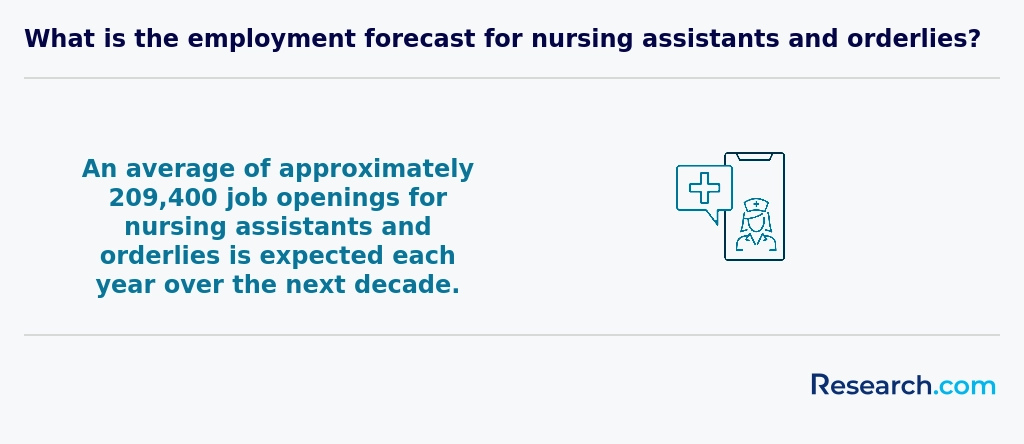
- The state had over 150,000 RN jobs recently, with a projected 9% growth in demand for nurses through 2030.
- Entry-level RN salaries in Ohio range from $55,000 to $65,000, with experienced nurses earning $75,000 to $85,000 based on specialization and location.
- All nursing graduates must pass the NCLEX-RN exam to be licensed by the Ohio Board of Nursing, which also manages continuing education requirements.
If you're wondering how long it takes to get a nursing degree in Ohio, it really depends on the path you choose. For example, many graduates who hit the ground running pick the Associate Degree in Nursing (ADN) at local community colleges like Cuyahoga Community College, finishing in about two years. It's a quick way to become an RN and jump into the workforce.
Others aiming for more opportunities go for a Bachelor of Science in Nursing (BSN) at bigger schools like Ohio State University or Miami University, which usually takes around four years. Many grads say that while it's a longer commitment, the extra time opens doors to leadership roles and better pay.
Then there are those who started with an ADN and later pursued an RN-to-BSN bridge program, common at places such as Kent State University, taking about 12 to 18 months. It's a great option if you want to keep working while studying.
And for nurses looking to specialize, a Master of Science in Nursing (MSN) adds another one to two years after the BSN. The journey might be challenging, but the reward of advanced roles like nurse practitioner is worth it!
Understanding the return on investment (ROI) for a nursing degree in Ohio helps you make an informed decision about your education and future earnings. On average, earning a BSN in Ohio costs between $89,556 and $211,392, while ADN programs range from $23,900 to $66,320. Considering the mean annual wage for Registered Nurses at $89,010 and Operating Room Nurses at $124,680, most graduates recoup their tuition costs within four to six years of full‐time employment. When calculating ROI, factor in additional expenses such as books, uniforms, and licensure fees-typically adding another $3,000 to $5,000 over the course of your program. By comparing total educational costs against projected earnings, you can estimate a breakeven point: for a BSN graduate earning the Ohio mean salary, the breakeven typically occurs by year five, after accounting for taxes and living expenses. Prospective students should also consider flexible formats like accelerated or part‐time pathways to minimize income loss during schooling. Conducting a side‐by‐side analysis of program length and clinical requirements will highlight options that balance affordability with quality outcomes. For those seeking even lower‐cost alternatives, explore the Cheapest Online Nursing Degree Programs Ranking in Missouri to compare tuition benchmarks and scholarship opportunities. Evaluating ROI isn’t just about numbers-it’s about aligning your financial goals with career aspirations. By projecting salary growth over time and considering factors such as job stability, geographic demand, and opportunities for specialization, you can choose a nursing program that delivers both personal fulfillment and financial security.
If you're thinking about nursing degrees in Ohio, the big difference between online and on-campus programs really comes down to how you learn. Take a graduate from Ohio State's College of Nursing, for example-online classes let them juggle work and family, watching lectures late at night from home. But even online students have to show up in person for clinical hours at local hospitals, because Ohio's nursing board requires hands-on practice to qualify for the NCLEX exam.
On the flip side, a graduate from Cincinnati's college campus loved the daily buzz of face-to-face classes and the chance to practice skills in simulation labs with peers and instructors right there. The immediate feedback made learning real and helped build strong connections in Ohio's healthcare community.
Cost-wise, Ohio's public schools generally charge between $7,000 and $11,000 a year, whether online or in person, but online students save on commuting and housing. Both paths are fully accredited, so whichever fits your lifestyle, you're set for a solid nursing career in Ohio.
Maintaining your nursing license in Ohio requires ongoing commitment to professional development and compliance with the Ohio Board of Nursing’s renewal guidelines. Every two years, registered nurses must complete 24 contact hours of continuing education (CE), including at least two hours in pain management and two hours in human trafficking awareness. These CEUs not only ensure you stay current with the latest clinical practices but also reinforce your expertise in critical areas of patient care. To streamline the renewal process, keep detailed records of all CE activities-certificates, transcripts, and course descriptions-to upload during your online renewal application. Many nurses choose to diversify their CE portfolio by enrolling in specialized workshops, webinars, and conferences offered by accredited bodies such as the Ohio Nurses Association (ONA) and the American Nurses Credentialing Center (ANCC). Additionally, exploring flexible options like lpn classes online can provide targeted refresher courses that fit into busy professional schedules without sacrificing quality. Beyond mandatory CEUs, consider pursuing advanced certifications-such as Certified Emergency Nurse (CEN) or Certified Hospice and Palliative Nurse (CHPN)-to distinguish yourself in niche practice areas. These credentials often require additional contact hours and a passing score on a national certification exam, but they can significantly boost your career prospects and salary potential. Finally, set calendar reminders for your renewal window and enroll in courses well before your expiration date to avoid late fees or lapses in licensure. By proactively planning your continuing education and renewal activities, you’ll ensure uninterrupted practice and uphold the highest standards of nursing excellence in Ohio.
The average nursing degree cost in Ohio typically sits around $19,000 for in-state students, which is a pretty reasonable investment when you consider the quality of education you get at popular schools like Ohio State University or University of Cincinnati. Graduates often share how managing tuition along with extra expenses like textbooks and uniforms added up, but financial aid options really eased the burden. The overall median total cost for nursing programs in Ohio is near $38,000, which aligns with what many students expect when factoring in both tuition and additional fees over the course of their studies.
Thinking about Ohio nursing program tuition and fees, community colleges offering ADN programs are a budget-friendly choice, often costing less than universities. Some students who wanted to keep costs down opted for these paths and still felt well-prepared for licensure exams. Others pursuing BSN degrees at private institutions might face higher expenses, so it's smart to explore scholarships and employer tuition reimbursements. You can even look up the cheapest nursing school in ohio to find great deals that suit your budget.
Many nursing students find it helpful to break down the expenses across the program's duration - ADN programs take about 2 years, BSNs usually 4 years, and advanced degrees even longer. Seeing the total cost upfront helps with planning and motivates students to seize financial support options early on.
Accreditation ensures your degree meets Ohio Board standards and qualifies you for licensure.
- CCNE (Commission on Collegiate Nursing Education)
- ACEN (Accreditation Commission for Education in Nursing)
To become a licensed RN in Ohio:
- Graduate from a CCNE- or ACEN-accredited nursing program.
- Apply for NCLEX-RN eligibility with the Ohio Board of Nursing; submit transcripts, fingerprinting, and background check.
- Pass the NCLEX-RN exam administered by NCSBN.
- Renew your license biennially, completing state-mandated continuing education hours.
For further advancement, consider RN-to-BSN pathways that balance cost and flexibility, such as the cheapest rn to bsn online, which align with licensure requirements and support career growth.
If you're aiming for a nursing degree in Ohio, there's good news-lots of financial aid options can really lighten the load. Take a graduate from Ohio State University's nursing program, for example, who relied on the Pell Grant to cover a chunk of tuition. This grant, which can give up to $7,395 a year, doesn't need to be repaid, making it a huge relief.
Then there's state help like the Ohio College Opportunity Grant. Many students at Cincinnati State Technical and Community College say this grant slashed their tuition bills when combined with scholarships. Speaking of scholarships, nursing grads from Case Western Reserve University often highlight scholarships from the Ohio Nurses Foundation or local hospital programs that helped them focus on studying instead of stressing over money.
Loan forgiveness programs are a real game-changer too. Some Ohio nursing grads who work in underserved areas have had up to $50,000 of student loans wiped out thanks to programs like the National Health Service Corps. Plus, once you land a nursing job in Ohio, many employers chip in with tuition assistance to keep education going without burning through your paycheck.
Choosing a nursing program accredited by the Commission on Collegiate Nursing Education (CCNE) or the Accreditation Commission for Education in Nursing (ACEN) is the first step toward licensure and long-term career growth. In Ohio, accreditation not only guarantees that your curriculum meets rigorous national standards but also ensures eligibility to sit for the NCLEX-RN exam and apply for state licensure through the Ohio Board of Nursing. Programs without proper accreditation may leave graduates ineligible for financing, licensure, or advanced practice roles. Key accreditation and licensure considerations:
- Recognized Accrediting Bodies: Verify CCNE or ACEN accreditation on the program’s website and through the U.S. Department of Education’s database.
- NCLEX-RN Pass Rates: Look for programs reporting annual NCLEX-RN pass rates above 85%, as higher rates often signal strong academic support and clinical preparation.
- State Board Approval: Ensure the program is approved by the Ohio Board of Nursing, which confirms compliance with state-specific clinical hour requirements and legal scope of practice.
- Continuing Education & Advanced Practice: Accredited programs facilitate seamless transitions to advanced degrees and certifications-if you’re aiming for a doctoral pathway, explore accelerated options like 1 year dnp programs online that maintain full accreditation and streamline your progression into leadership and policy roles. By prioritizing accreditation and state licensure alignment, prospective students can be confident their investment leads to a valid nursing license, higher NCLEX-RN success rates, and eligibility for federal aid and scholarships.
If you're aiming to enroll in a nursing degree program in Ohio, the first thing you'll hear is that having a high school diploma or GED is non-negotiable. It's the foundation, no matter if you're going for an associate's degree at a community college or jumping into a bachelor's program at a university like Ohio State or the University of Cincinnati. Graduates often mention that getting those prerequisite courses done early-think biology with labs, chemistry, anatomy, and some solid math like algebra or statistics-makes a huge difference in feeling ready.
Many students share how tricky it was to balance those courses with their other responsibilities, but knocking out those minimum grade requirements (usually a C or higher) really boosts your confidence once you get into the hands-on nursing classes.
Also, don't be surprised if you need to take entrance exams like the TEAS. Graduates say it's nerve-wracking at first, but prepping for it helps sharpen your skills and shows schools you're serious. On top of academics, most programs ask for background checks and health screenings-things one graduate called "necessary hurdles" to protect patients and keep everyone safe.
Some accelerated BSN grads mention that having some volunteer or healthcare experience beforehand was a game changer. It gave them a real taste of the nursing world and made the intense coursework feel a bit more manageable.
When considering a nursing degree in Ohio, one of the most significant factors to weigh is the financial aspect. The cost of tuition, fees, and living expenses can vary greatly depending on the institution and type of program. Prospective students should explore all available financial aid options, including scholarships, grants, and loans. For those looking for affordable options, researching the cheapest nursing school in ohio can be a practical first step. Understanding the financial commitments and potential returns on investment, such as salary expectations after graduation, is crucial for making an informed decision. By carefully planning and considering these financial factors, aspiring nurses can set themselves up for success and make their dreams of a career in nursing a reality.
If you're thinking about nursing in Ohio, expect a mix of courses that really get you ready for the real world. At popular schools like Ohio State University or Cleveland State, grads often mention starting with solid basics like anatomy, physiology, and microbiology-which help you understand what's going on inside the body. It's like getting the ultimate backstage pass to how your patients' bodies work.
Then, things get hands-on with core nursing courses that cover everything from Fundamentals of Nursing to Pharmacology, where you learn about meds and how to safely handle them. Imagine learning how to check vital signs one day and the next diving into caring for moms and babies or supporting mental health-all in Ohio's community health settings.
Many grads say the Leadership and Management classes stood out, especially when prepping for real-life roles in Ohio hospitals. Plus, those clinical hours get you into actual patient rooms, making learning concrete rather than just textbook stuff. It's tough but super rewarding!
If you're looking into nursing degree specializations in Ohio, there's a great variety to choose from that really match what the healthcare world here needs. Graduates from popular places like Ohio State University and University of Cincinnati often mention how programs tailor hands-on learning toward paths like Family Nurse Practitioner, helping them confidently work with patients of all ages in clinics or busy hospital settings.
Many students also love the Registered Nurse to BSN Completion route, which lets them build on existing skills and step into leadership roles. Others find that focusing on geriatric nursing feels super rewarding-especially here in Ohio, where taking care of an aging population is a big deal. Pediatric and psychiatric-mental health tracks are popular too, as they open doors to working in children's hospitals or supporting mental wellness across communities.
Ohio nursing programs with clinical focus often include specialties like critical care nursing, prepping grads to handle fast-paced environments like trauma centers. Plus, if you want to explore unique online options, don't forget to check out lpn classes online, which can offer some flexible ways to get started.
Picking the best nursing degree programs in Ohio really comes down to what fits your life and goals. Lots of students find themselves weighing the difference between an associate degree and a bachelor's, especially since programs in Ohio like those at Columbus State or Ohio University offer great clinical experiences. Graduates often share how accredited programs made their licenses easier to get and employers more interested. Cost is a huge factor too-affordable nursing schools in Ohio can save you serious cash, with some public schools charging around $8,000 to $12,000 a year. Remember to check out financial aid options so you're not stressing over tuition. Time is important as well: many programs offer part-time or accelerated paths, which worked wonders for busy students juggling work and family. If you're thinking of going further, some grads talk about finding quick routes like 1 year dnp programs online to speed up their careers.

Graduates with a nursing degree in Ohio find a bunch of exciting career paths waiting for them. Many start as Registered Nurses (RNs), working in hospitals or clinics, providing hands-on patient care. Students from popular schools like Ohio State University or Kent State often share how rewarding it feels to make a direct impact on patients' lives from day one. If you're into more specialized roles, Ohio's got you covered too. You could become a Nurse Practitioner or a Clinical Nurse Specialist with an advanced degree, stepping up to provide expert care and even prescribing treatments.
For those who want to take a different route, nursing careers in Ohio also offer jobs in healthcare administration or education-teaching future nurses or managing teams-and plenty work in public health, helping communities stay healthy. For Ohio students, this mix of clinical and non-clinical options really opens doors. Plus, with the state's affordable nursing programs, like those ranked in the Cheapest Online Nursing Degree Programs Ranking in Missouri, the Ohio nursing degree job outlook looks brighter than ever.
If you're looking at the nursing job outlook in Ohio, the news is pretty promising. Graduates from nursing programs at schools like Ohio State University or Kent State often find steady job opportunities pretty quickly. With an estimated 9% growth in RN employment from 2020 to 2030 according to state projections, hospitals and clinics around Ohio are eager to hire. Many new nurses share that landing a role at big healthcare systems such as the Cleveland Clinic feels achievable with the right training and experience.
Ohio nursing degree employment opportunities also come with a decent paycheck, averaging around $65,000 annually, which goes a long way given Ohio's reasonable cost of living. Nursing grads appreciate that public universities here offer affordable tuition, plus scholarships through organizations like the Ohio Nurses Foundation make education more accessible. Plus, with the rise of telehealth, nurses are stepping into new roles that blend traditional care with tech, making the field even more exciting.
For anyone balancing work and studies, checking out options like a one year online masters degree can be a real game-changer for career growth. Many Ohio nursing grads find these quicker program paths perfect for boosting their credentials without lengthy time commitments.
2027 Most Valuable Nursing Degree Programs Ranking in Ohio
Investing in your education is a significant decision that can shape your future, and the Research.com team understands the importance of making informed choices. To assist prospective students in Ohio, we have meticulously crafted the "2027 Most Valuable Nursing Degree Programs Ranking in Ohio." Our commitment to quality, credibility, and accuracy is reflected in the extensive research and analysis conducted to compile this ranking.
We utilized the following reputable data sources to ensure a comprehensive evaluation of nursing programs:
By exploring this ranking, readers will gain valuable insights into the most valuable nursing degree programs available in Ohio, empowering them to make well-informed decisions about their educational and professional futures. For more details on our methodology, please visit our Research.com methodology page.


# 4 position
Ohio University-Zanesville Campus
Bachelor of Science in Nursing

# 5 position
Ohio University-Southern Campus
Bachelor of Science in Nursing

# 6 position
Ohio University-Eastern Campus
Bachelor of Science in Nursing


.webp)

# 15 position
Bryant & Stratton College-Parma
Bachelor of Science in Nursing


Frequently Asked Questions About nursing
Nursing degree students in Ohio can maximize their learning experience by combining rigorous coursework with practical clinical opportunities. Ohio requires nursing students to complete a minimum of 500 clinical hours as part of their education, offering vital hands-on experience in diverse healthcare settings, which strengthens clinical judgment and skills.
Students should seek programs accredited by the Accreditation Commission for Education in Nursing (ACEN) or the Commission on Collegiate Nursing Education (CCNE) to ensure quality education aligned with industry standards. Additionally, Ohio's growing healthcare sector, with an 8% projected job growth by 2030 according to the Bureau of Labor Statistics, provides valuable internship and job shadowing opportunities.
Engaging in student organizations like the Ohio Nurses Association can enhance networking and professional development. Leveraging available state resources, such as Ohio's Board of Nursing, helps students stay informed about licensure requirements and continuing education options.
Emerging niches within the nursing field in Ohio reflect the growing complexity of healthcare and changing patient needs. One fast-growing area is gerontological nursing, addressing Ohio's aging population; by 2030, nearly 25% of the state's residents will be 60 or older, increasing demand for specialized elder care. Another expanding niche is informatics nursing, where nurses manage health data and technology, improving patient outcomes and efficiency in hospitals and clinics.
Additionally, Ohio sees growth in community health nursing, driven by efforts to improve public health access and education in rural areas. Pain management nursing and psychiatric mental health nursing are also rising fields, due to the opioid crisis and mental health awareness statewide.
Preparing for the job market after completing a nursing degree in Ohio involves several key steps. First, graduates must pass the National Council Licensure Examination (NCLEX-RN) to become licensed registered nurses. Ohio's Board of Nursing oversees this process and sets requirements for licensure.
Networking is crucial; attending local nursing association events such as those hosted by the Ohio Nurses Association can open doors to job opportunities. Ohio's healthcare sector is growing, with the U.S. Bureau of Labor Statistics projecting a 12% increase in nursing jobs statewide from 2022 to 2032.
Graduates should also consider gaining clinical experience through internships or residency programs. Additionally, maintaining updated certifications in Basic Life Support (BLS) and Advanced Cardiovascular Life Support (ACLS) enhances employability in Ohio's competitive job market.
Employers in Ohio prioritize several key skills when hiring nursing degree graduates. Strong clinical competency is essential, reflecting the ability to perform patient care tasks effectively and safely. According to the Ohio Board of Nursing, proficiency in patient assessment and medication administration ranks highly among required skills.
Communication skills are also critical. Nurses must interact clearly with patients, families, and healthcare teams to ensure coordinated care. Ohio healthcare facilities emphasize teamwork and emotional intelligence in their job listings.
Additionally, adaptability and critical thinking are valued. Nursing graduates must respond promptly to changing patient conditions and make informed decisions. Data from the Ohio Department of Job and Family Services highlights growing demand for nurses skilled in electronic health records (EHR) and technology integration.
Finding internships in Ohio relevant to a nursing degree involves several key strategies. Start by exploring partnerships between nursing schools and local hospitals, as many Ohio universities have formal affiliations. For example, Ohio State University and University Hospitals often offer clinical placements to nursing students. Check with your college's career services or nursing department for listings tailored to nursing internships.
The Ohio Board of Nursing provides guidelines on clinical experience requirements, which can help identify approved facilities. Internships typically take place in hospitals, clinics, or long-term care centers, offering hands-on patient care experience.
Additionally, networking through Ohio nursing associations, such as the Ohio Nurses Association, can uncover internship opportunities. Availability varies, so begin your search early to meet application deadlines.
A nursing degree significantly enhances career mobility and advancement opportunities in Ohio's healthcare sector. Registered nurses (RNs) with an Associate Degree in Nursing (ADN) can enter the workforce quickly; however, obtaining a Bachelor of Science in Nursing (BSN) is increasingly valued by employers. According to the Ohio Board of Nursing, facilities prioritize BSN-prepared nurses for higher-level roles and specialties.
The Bureau of Labor Statistics reports Ohio's registered nursing jobs are projected to grow 7% from 2021 to 2031, indicating sustained demand. Higher degrees facilitate transitions into leadership, advanced practice, or specialized areas like nurse practitioner roles, which require a master's or doctoral degree.
In summary, earning a nursing degree in Ohio expands access to better-paying jobs and upward career pathways within a competitive and growing field.
Studying for a nursing degree in Ohio equips students with skills essential for interdisciplinary collaboration in healthcare settings. Ohio's nursing programs integrate clinical training alongside courses in communication, healthcare policy, and ethics, fostering teamwork among nurses, doctors, social workers, and other specialists.
The Ohio Board of Nursing reports that statewide programs emphasize evidence-based practice and patient-centered care, promoting collaboration across disciplines. Many Ohio universities partner with local hospitals for clinical rotations, providing real-world experience in diverse healthcare teams.
This approach ensures graduates understand their role within a broader healthcare system, improving coordination and patient outcomes. According to the Ohio Department of Higher Education, 85% of RN graduates find employment in settings where interdisciplinary work is vital.
When choosing between a thesis and a non-thesis nursing degree program in Ohio, students should consider their career goals carefully. Thesis programs focus on research and are ideal for those interested in advanced clinical roles or pursuing doctoral studies. Non-thesis options emphasize practical skills and may suit nurses aiming for leadership or administrative positions.
Ohio has over 20 accredited nursing schools offering both tracks, including Ohio State University and University of Cincinnati. The Ohio Board of Nursing emphasizes clinical experience, which is integrated differently depending on the program type.
Research-intensive programs often require about 6 to 12 months to complete the thesis, which may extend graduation time.
Non-thesis tracks usually have more coursework but finish faster, typically within two years.
According to the National Center for Education Statistics, about 40% of Ohio nursing graduate students choose thesis options, reflecting strong demand for research roles in the state.
Students in Ohio seeking to study nursing abroad have several opportunities through exchange programs and partnerships offered by Ohio's universities. Many nursing schools in Ohio, such as Ohio State University and University of Cincinnati, provide study abroad options that allow students to gain international experience while completing clinical hours. According to the American Association of Colleges of Nursing, study abroad in nursing programs helps develop cultural competence, an important skill in Ohio's increasingly diverse healthcare settings.
Ohio nursing students typically spend a semester in countries with established healthcare systems, including the United Kingdom and Australia. These programs often align with coursework, ensuring credits transfer seamlessly. Additionally, financial aid may be available to support study abroad experiences, making international education more accessible to Ohioans.
Students pursuing nursing degrees in Ohio can benefit from various part-time job opportunities that complement their education. Common roles include medical assistants, nursing aides, or patient care technicians, which provide hands-on experience in clinical settings. According to the Ohio Department of Job and Family Services, healthcare support occupations are projected to grow by over 15% by 2030, reflecting strong demand.
Working as a home health aide is another viable option, especially given Ohio's aging population, which continues to increase the need for in-home care. These positions help students develop patient communication and basic clinical skills relevant to nursing.
Many hospitals and clinics in Ohio offer part-time work or internships that can align with academic schedules, allowing students to gain practical knowledge while studying. Engaging in these roles can enhance a nursing student's resume and improve job prospects after graduation.
Ohio offers nursing students numerous networking opportunities essential for career growth. Many nursing schools in Ohio partner with local hospitals and healthcare facilities for clinical placements, allowing students to connect with practicing nurses and healthcare leaders. Organizations like the Ohio Nurses Association and Beta Alpha Chapter of Sigma Theta Tau International provide access to conferences, workshops, and mentorship programs. According to the Ohio Board of Nursing, participation in these groups can improve job prospects and professional development. Additionally, students often attend career fairs hosted by universities such as Ohio State University and Cleveland State University, linking them directly with regional employers.
Alumni networks offer significant benefits to nursing degree students in Ohio by providing valuable professional connections essential for career growth. These networks often include experienced graduates working in Ohio's largest healthcare systems, such as the Cleveland Clinic and OhioHealth.
Through alumni events and online platforms, students gain mentorship, internship opportunities, and job leads. According to the Ohio Board of Nursing, graduates with strong professional connections have a higher employment rate within six months of graduation.
Additionally, alumni can share insights about licensure exam preparation and evolving healthcare policies, which improves students' readiness for Ohio's nursing workforce demands.
Customizing a nursing degree program in Ohio allows students to align education with specific career goals. Many Ohio nursing schools offer various tracks, such as pediatrics, geriatrics, or emergency nursing, enabling focused learning. Students can also choose from options like Bachelor of Science in Nursing (BSN), RN-to-BSN, or Master of Science in Nursing (MSN), depending on their current qualifications and ambitions.
Clinical placements are essential for hands-on experience, and Ohio programs often collaborate with local hospitals and healthcare facilities to offer diverse practicum opportunities. Additionally, pursuing electives or certifications in high-demand areas like critical care or nurse leadership can further tailor the degree. According to the Ohio Board of Nursing, over 70,000 licensed nurses practice statewide, reflecting a broad workforce with varied specialties.
Nursing students in Ohio commonly face several challenges that can impact their academic success and well-being. One primary difficulty is managing the intense clinical hours required, which often exceed 700 hours in programs like the Bachelor of Science in Nursing (BSN). This demanding schedule leaves limited time for part-time work or family responsibilities. According to the Ohio Board of Nursing, many students also report stress linked to high-stakes licensing exams like the NCLEX, with pass rates fluctuating around 85% statewide.
Additionally, the financial burden remains significant. Tuition costs for nursing programs vary but typically range from $8,000 to $25,000 annually, a considerable expense without sufficient scholarship opportunities. Students in rural areas face limited access to clinical sites and faculty, creating further obstacles to gaining essential hands-on experience. These factors combine, making support services and time management vital for success in Ohio's nursing education landscape.
With a nursing degree in Ohio, graduates can pursue several professional certifications that enhance their career opportunities. The most common certification is the Registered Nurse (RN) license, required to practice nursing in Ohio, administered by the Ohio Board of Nursing.
Beyond RN licensure, nurses may seek specialty certifications such as Certified Nurse Midwife (CNM), Certified Registered Nurse Anesthetist (CRNA), or certifications in areas like pediatric, geriatric, or psychiatric nursing. The American Nurses Credentialing Center (ANCC) offers many recognized certifications.
Ohio's healthcare demand supports over 150,000 registered nurses, emphasizing the importance of advanced credentials for career growth.
Writing a winning application for a nursing program in Ohio requires careful preparation and attention to detail. Begin by thoroughly researching programs accredited by the Ohio Board of Nursing, as accreditation ensures quality education and eligibility for licensure exams. Highlight any healthcare-related experience, such as volunteer work or certifications like CNA, to strengthen your application.
Ohio nursing programs often require a personal statement; use this opportunity to clearly express your passion for nursing and your commitment to serving diverse populations. Include specific goals and how the program aligns with your career plan.
Strong academic performance in prerequisite courses like anatomy and physiology is critical. Many Ohio schools expect a minimum GPA around 3.0 to 3.5 for competitive entry. Finally, request recommendation letters from professionals familiar with your skills and character to add credibility to your application.
The nursing profession is recognized globally as essential to healthcare systems. In the United States, including Ohio, nurses represent one of the largest healthcare workforces. According to the Ohio Board of Nursing, over 275,000 licensed nurses practice in the state as of 2023, reflecting strong local demand and growth.
Internationally, nursing careers offer diverse opportunities, including travel nursing and global health roles. U.S. nursing degrees, especially from Ohio, are well-respected worldwide due to rigorous accreditation standards and clinical training requirements.
Globally, the World Health Organization emphasizes the critical role nurses play in achieving universal health coverage, reinforcing the profession's importance across borders. For Ohio students, pursuing nursing opens doors to both local employment and international healthcare environments.
Gaining practical experience while studying for a nursing degree in Ohio is essential to prepare for a successful career. Most Ohio nursing programs integrate clinical rotations, which allow students to work in hospitals, long-term care facilities, and community health settings under supervision. These hands-on opportunities let students apply classroom knowledge to real patient care.
The Ohio Board of Nursing requires clinical hours for program accreditation, ensuring students gain meaningful experiences. Additionally, Ohio nursing students can participate in internships and externships, which provide exposure to specialized fields such as pediatrics or emergency nursing.
According to the Ohio Nurses Association, students who complete at least 500 clinical hours tend to perform better on the NCLEX-RN licensure exam.
Choosing the right concentration within a nursing degree program in Ohio depends on your career goals and interests. The state offers varied specializations including pediatric, geriatric, psychiatric, and critical care nursing. According to the Ohio Board of Nursing, the demand for registered nurses is growing at 9% through 2030, with certain areas like gerontology seeing higher demand due to Ohio's aging population.
Consider clinical settings where you envision working. For example, pediatric nursing suits those interested in child healthcare, while acute care nursing focuses on hospital environments. Research programs that align their curriculum with Ohio's licensure requirements and clinical opportunities to ensure practical experience.
Also, review employment statistics from the Ohio Department of Job and Family Services; some regions have higher job placements for specific concentrations. Financial aid and program length may also influence your decision. Ultimately, choosing a specialization that fits both your passion and Ohio's healthcare needs will enhance your career prospects.
- 2027 Most Valuable Online Nursing Degree Programs Ranking in Indiana
- 2027 Most Valuable Online Nursing Degree Programs Ranking in Kentucky
- 2027 Most Valuable Online Nursing Degree Programs Ranking in Pennsylvania
- 2027 Most Valuable Online Nursing Degree Programs Ranking in Michigan
- 2027 Most Valuable Online Nursing Degree Programs Ranking in Illinois
- 2027 Most Valuable Online Nursing Degree Programs Ranking in Virginia
- 2027 Most Valuable Online Nursing Degree Programs Ranking in Tennessee
- 2027 Most Valuable Online Nursing Degree Programs Ranking in North Carolina
- 2027 Most Valuable Online Nursing Degree Programs Ranking in Missouri
- 2027 Most Valuable Online Nursing Degree Programs Ranking in South Carolina
See What Experts Have To Say About Studying Nursing
Read our interview with Nursing experts

Lisa Grubb
Nursing Expert
Assistant Professor
Johns Hopkins School of Nursing

- Nursing Internship and Externship Programs https://jobs.mayoclinic.org/nursinginternexternprograms
- Nursing - WSEI University https://www.wsei.pl/en/admission/bachelors-degree/nursing-bachelor-degree/
- 51 Trending Nursing Specialties | All Nursing Schools https://www.allnursingschools.com/specialties/
- THE FIELD OF NURSING - FIRST-DEGREE OF STUDIES https://wnoz.wum.edu.pl/pl/content/field-nursing-first-degree-studies
- Nursing https://careers.ohiohealth.com/nursing/
- Top Nursing Skills U.S. Employers Want to See on Your Resume | O'Grady Peyton https://www.ogradypeyton.com/blog/job-seeker-resources/top-nursing-skills-u.s.-employers-want-to-see-on-your-resume
- Types of Nursing Careers & Specialties https://nursinglicensemap.com/nursing-specialties/
- How to Choose the Right Nursing Program for Your Career Goals - Maria College https://mariacollege.edu/blog/how-to-choose-the-right-nursing-program-for-your-career-goals
- Master’s in Nursing Degree Programs in Ohio (A-N) https://www.bestmasterofscienceinnursing.com/in/ohio-a-n/
- Colleges for Studying Abroad as a Nursing/IR Major - College Search & Lists - College Confidential Forums https://talk.collegeconfidential.com/t/colleges-for-studying-abroad-as-a-nursing-ir-major/3599385


