
2027 Most Valuable Online Nursing Degree Programs Ranking in Michigan

Co-Founder and Chief Data Scientist
Choosing the right nursing degree program can feel overwhelming, especially when balancing work, life, and education. This article offers a clear guide to help Michigan students explore their options.
We present the 2027 Most Valuable Online Nursing Degree Programs Ranking in Michigan, developed by the Research.com team of data scientists. This ranking highlights programs that deliver strong outcomes and real value.
Reading this article will empower you to make a confident, informed decision about your nursing education and future career. Pursuing a nursing degree opens doors to rewarding opportunities and personal growth.
Key benefits of getting online nursing degree in Michigan
- Graduates with a nursing degree in Michigan can earn competitive salaries, such as Registered Nurses and Public Health Nurses making around $94,480 annually, while Operating Room Nurses can earn up to $128,490 per year.
- A nursing degree opens many doors including roles like Emergency Room Nurse or Clinical Nurse Educator, as seen with graduates from the University of Michigan who enjoy diverse healthcare career options.
- Completing a nursing degree online, like through Michigan State University's program, offers flexibility to balance work and study, making it easier to graduate while managing personal commitments.
- 2027 Most Valuable Online Nursing Degree Programs Ranking in Michigan
- What can I expect from online nursing degree in Michigan?
- Where can I work with online nursing degree in Michigan?
What can I expect from online nursing degree in Michigan?
When considering the average cost of an online nursing degree in Michigan, expect tuition and fees to generally match on-campus rates at well-known schools like the University of Michigan or Wayne State University. Graduates often recall budgeting roughly $10,000 to $20,000 per year for bachelor's-level programs, though this varies based on the institution and program length.
Many students appreciate that these costs come with practical advantages, such as access to local clinical placements arranged near their homes instead of relocating. One graduate shared how balancing part-time work with asynchronous coursework helped manage expenses while gaining hands-on experience close to home.
Tuition is often offset by financial aid, scholarships, and employer tuition reimbursement programs, which are options worth exploring early. Being proactive about financial planning-requesting detailed cost breakdowns from Michigan nursing schools-can help clarify expected expenses and avoid surprises.
Ultimately, understanding these costs in context lets you confidently pursue a flexible, accredited nursing education designed both for career growth and a balanced lifestyle in Michigan.
Where can I work with online nursing degree in Michigan?
Graduates from online nursing programs at institutions like the University of Michigan or Michigan State University often find themselves working in hospitals such as Beaumont Health or Spectrum Health. These facilities offer a range of roles from emergency care to surgical units, providing steady employment and hands-on experience. Many graduates describe the fast-paced hospital environment as rewarding and energizing, fueling their passion for patient care.
Others pivot to outpatient clinics or community health centers, where nurses engage directly in patient education and care coordination. This path suits those who enjoy building long-term relationships with patients and prefer a more predictable schedule. Graduates often identify these settings as ideal for balancing work and personal life.
For those interested in specialized care, options like pediatrics, mental health, or geriatric nursing are accessible through additional certification and advanced degrees. Graduates from online master's programs report feeling confident stepping into nurse practitioner roles in family practices or public health agencies statewide.
Teaching roles and clinical research positions are also viable, especially for graduates with higher degrees. These roles allow nursing professionals to shape future caregivers or contribute to health innovations in Michigan's educational and research institutions.
Graduates from online nursing programs in Michigan, such as those offered by the University of Michigan-Flint or Grand Valley State University, can realistically expect competitive wages that support a strong start to their careers. For instance, registered nurses typically earn around $94,480 annually, which aligns well with practical career goals and living expenses in Michigan.
Those who specialize further may find even greater earning potential. Graduates pursuing roles as clinical nurse educators or public health nurses often see salaries near $94,480 per year. This steady income reflects a valuable combination of education and hands-on experience gained through online programs.
For nurses aiming higher, positions such as operating room nurses stand out with an average annual wage of $128,490. This premium pay rewards those who leverage advanced skills and certifications, a path many Michigan online nursing students take after initial licensure.
Practical advice: Focus on gaining experience and possibly continuing education through local programs to increase your salary prospects. Many graduates appreciate balancing online studies while working in regional hospitals, gradually moving into roles that offer better pay and job satisfaction.
- Online nursing degrees in Michigan range from ADN to MSN and combine virtual classes with in-person clinical practice.
- Tuition for online BSN programs usually costs between $15,000 and $40,000, while ADN programs range from $6,000 to $15,000.
- Entry-level registered nurses in Michigan earn about $62,000 per year, with median salaries rising to around $75,000 as they gain experience.
- The nursing job market in Michigan is growing, with employment for RNs expected to increase by approximately 15% in the next decade.
- Graduates must pass the NCLEX-RN exam to get licensed, and Michigan accepts many online degrees that meet accreditation and clinical standards.
Completing an online nursing degree in Michigan depends largely on your starting point and program choice. For example, graduates from popular schools like the University of Michigan-Flint often share that earning an Associate Degree in Nursing (ADN) online takes about 2 to 3 years if starting fresh. This timeline balances foundational nursing theory and required clinical hours at local healthcare facilities.
If you already hold a bachelor's degree and choose an accelerated Bachelor of Science in Nursing (BSN) program-such as those offered by Western Michigan University-you could finish in as little as 12 to 18 months. Others, especially new students in traditional BSN tracks at institutions like Grand Valley State University, experience a full 4-year commitment but appreciate the flexibility that online pacing offers, allowing them to balance work and family.
Registered nurses pursuing RN-to-BSN programs, common at Wayne State University, typically take 12 to 24 months online, fitting study around busy schedules. Graduate-level nurses pursuing an MSN find 18 months to 3 years is typical, depending on specialization and course load.
Applying to an online nursing program in Michigan involves a clear, step-by-step process that ensures you meet all requirements and submit a competitive application. Follow these guidelines to streamline your journey: 1. Research Accredited Programs • Verify program accreditation through agencies like CCNE or ACEN. • Compare tuition and flexibility-if you’re exploring affordability trends beyond Michigan, check our Inexpensive Nursing Degree Programs Ranking in San Francisco, CA for additional insights. 2. Confirm Prerequisites and Deadlines • Gather official transcripts showing completion of biology, chemistry, and anatomy courses with a minimum GPA of 2.5. • Note application deadlines-many fall between October and February for fall enrollment. 3. Prepare Standardized Test Scores • Register for and complete the TEAS exam, aiming for a score above program minimums (often 70–75%). • Keep official score reports available for upload during application. 4. Assemble Supporting Documents • Write a compelling personal statement outlining your passion for nursing and career goals. • Secure two to three professional or academic letters of recommendation. • Update your résumé to highlight healthcare experience or volunteer work. 5. Complete the Online Application Portal • Create an account on each school’s admissions portal or through NursingCAS. • Upload transcripts, test scores, personal statement, letters, and résumé. • Pay any nonrefundable application fees or submit fee-waiver requests if eligible. 6. Interview and Follow Up • Prepare for a virtual interview by reviewing common nursing school questions and practicing clear, concise responses. • Send a thank-you email to the admissions committee, reiterating your enthusiasm and fit for the program. By following these steps and staying organized, you’ll maximize your chances of acceptance into a top online nursing degree program in Michigan.
Choosing between online and on-campus nursing programs in Michigan often comes down to your lifestyle and learning preferences. Graduates from the University of Michigan's nursing school, for example, praise online options for allowing them to balance family and work while completing theoretical coursework remotely. You can watch lectures and submit assignments on your own schedule without daily campus commutes.
On the other hand, students at Michigan State University frequently highlight the value of face-to-face labs and simulations that require in-person attendance. These hands-on experiences are crucial for mastering clinical skills and connecting directly with instructors and peers.
Both formats require clinical practicums, typically arranged at local hospitals near your home, fulfilling Michigan Board of Nursing mandates. Online learners appreciate how clinical placements fit their geographic location, avoiding unnecessary travel.
Cost-wise, online programs can be more affordable when factoring in saved commuting and housing expenses, a plus noted by many Wayne State University graduates. However, reliable internet and self-discipline to manage online platforms are essential for success.
Before you can practice as a registered nurse in Michigan, you must meet the state’s licensure and certification requirements, which ensure patient safety and professional competence. Graduates of online nursing programs must:
- Graduate from a Board-approved nursing program: Ensure your degree is accredited by the Michigan Board of Nursing and recognized by the National Council of State Boards of Nursing (NCSBN).
- Pass the NCLEX-RN exam: Most recent Michigan NCLEX-RN pass rates exceed the national average of 87%; check each program’s reported rates to maximize your chances of success.
- Submit a licensure application: Complete the Michigan Department of Licensing and Regulatory Affairs (LARA) online application, pay the required fees, and authorize a criminal background check.
- Provide official transcripts: Request that your nursing school sends sealed transcripts directly to LARA to verify your graduation date and program accreditation.
- Complete any additional state requirements: Some applicants may need to submit fingerprint cards, proof of citizenship or legal residency, and verification of required continuing education units (CEUs) for license renewal. For those eager to advance into specialized roles-such as Nurse Practitioner or Clinical Nurse Specialist-comparing the most affordable np degree online can help you select a cost-effective path that aligns with Michigan’s certification standards. After earning an RN license, you can pursue national certification through organizations like the American Nurses Credentialing Center (ANCC) or the American Association of Nurse Practitioners (AANP). Remember, maintaining your Michigan nursing license requires renewal every two years and completion of at least 25 CEUs, so plan your continuing education early to stay compliant and competitive.
The average cost of an online nursing degree in Michigan typically centers around $36,746, with in-state students paying slightly more at approximately $37,861, and out-of-state learners facing higher expenses near $50,924. Graduates from public universities like the University of Michigan and Michigan State University often share how careful budgeting and selecting in-state tuition options help reduce the financial burden. These schools offer competitive rates that make earning a Bachelor of Science in Nursing or similar degrees more accessible within Michigan.
To put this into perspective, nursing students pursuing degrees online in Michigan often see tuition fees aligned with these median costs, reflecting the balance between quality education and affordability. For working professionals enrolled in RN-to-BSN or RN-to-MSN programs, tuition is frequently charged per credit hour, which ranges between $350 and $600 depending on the institution. With a typical BSN requiring around 120 credits, it's practical to calculate your total tuition by multiplying these rates by credit needs.
When considering Michigan online nursing degree tuition fees, it helps to keep in mind additional expenses such as technology fees and clinical placement costs. Some students have found value in programs that bundle these fees, making overall expenses more predictable. Investigating financial aid options, including state-specific grants and scholarships tailored for nursing students, can make a significant difference in managing costs. Explore the most affordable nursing schools in Michigan to find programs that fit your budget and career goals.

When considering an online nursing degree in Michigan, financial concerns are often at the forefront of students' minds. To alleviate some of these worries, it's essential to explore affordable options and understand the potential return on investment. For instance, students can look into the most affordable nursing schools in Michigan, which can significantly reduce the financial burden of pursuing a nursing degree. By weighing the costs against the potential benefits, including average salaries and job growth prospects, students can make informed decisions about their educational and career paths. This careful consideration can help future nurses navigate the financial aspects of their education, ensuring they're well-prepared for a rewarding career in healthcare without being overwhelmed by debt.
When financing an online nursing degree in Michigan, start by filling out the FAFSA to unlock federal aid such as the Pell Grant, which can provide up to $7,395 yearly without needing repayment. Many nursing students at institutions like the University of Michigan-Flint have relied on these grants to significantly reduce their tuition bills, making remote study manageable without overwhelming debt.
Next, check state-specific aid like the Michigan Competitive Scholarship and Tuition Grant. Graduates from Wayne State University often share how these need-based awards helped cover much of their in-state tuition, easing financial stress and allowing them to focus on coursework.
Scholarships through organizations such as the Michigan Nurses Association also offer competitive funding ranging from $500 to over $5,000. Many have found applying to these scholarships worthwhile, especially when balancing studies with family or work.
For working professionals enrolled at places like Grand Valley State University, tuition reimbursement programs through employers such as Henry Ford Health System provide crucial support, rewarding continued education with financial relief.
Programs like HRSA's Nurse Corps Scholarship offer tuition coverage in exchange for service commitments in underserved Michigan communities, turning a passion for nursing into practical financial aid paired with meaningful career steps.
Finally, explore each school's financial aid office offerings. Graduates frequently report finding unique grants or flexible payment plans designed just for online learners, perfectly matching their educational path and budget.
Ensuring your online nursing degree meets national and state standards is critical for a smooth path to licensure and employment in Michigan.
- Accredited by CCNE or ACEN
Verify on the organization’s website that the program maintains current accreditation.
- Approved by the Michigan Board of Nursing
Check the board’s directory to confirm the school appears as an approved provider.
- Strong NCLEX-RN pass rates
Aim for programs reporting first-time pass rates above 85% to boost your licensing success.
- RN-to-BSN pathways with waived clinicals
If you’re already a licensed RN, consider rn to bsn no clinicals options to streamline your BSN completion without arranging local practicum.
To enroll in an online nursing degree in Michigan, start by securing a high school diploma or GED-this is non-negotiable across programs at schools like Wayne State University or Grand Valley State University. Graduates often share that having a solid grounding in biology and chemistry truly eases the transition into nursing courses.
Next, complete prerequisite classes required by many BSN programs. For example, courses in anatomy, physiology, microbiology, and sometimes nutrition or statistics pave the way for success during the core nursing studies. One graduate from a popular Michigan college recalls how mastering these subjects ahead of time boosted their confidence dramatically.
Some programs still request standardized test scores such as the ACT, SAT, or the HESI Admission Assessment Exam. This exam tests your readiness with reading comprehension, math, and science sections and helps schools like Ferris State University identify prepared candidates.
Also, be prepared for necessary health screenings and background checks before starting clinical components, an experience previous students have found reassuring given the strict healthcare standards in Michigan.
If you're advancing to RN-to-BSN or graduate programs, holding a current Michigan RN license and submitting official transcripts with a solid GPA (often around 2.5 to 3.0) is essential. Students appreciate how these clear prerequisites help them focus their efforts productively.
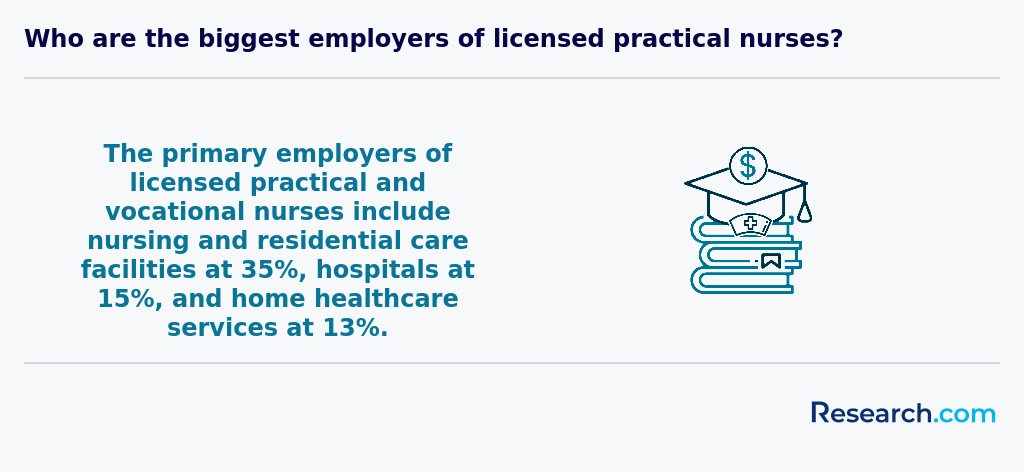
Understanding NCLEX pass rates is essential for evaluating the effectiveness of any online nursing program in Michigan. Prospective students should seek programs with first-time NCLEX-RN pass rates above 85%, which not only reflect rigorous academic preparation but also robust support services-such as live review sessions, dedicated NCLEX coaches, and simulated exams. For example, several Michigan-based online BSN programs consistently achieve pass rates between 90–95%, demonstrating a strong alignment between curriculum content and test requirements. High licensure success is often tied to comprehensive clinical simulations, personalized feedback on practice tests, and faculty expertise in exam strategies. When comparing schools, look for transparent reporting of annual pass rates on their websites and inquire about supplementary resources, like peer-led study groups or virtual tutoring platforms. Graduates who pass the NCLEX on their first attempt typically credit timely instructor feedback and realistic question banks for boosting their confidence and knowledge retention. After securing RN licensure, many nurses choose to advance their careers through doctoral-level specialization. If you’re considering career growth in clinical leadership or nurse education, explore our range of dnp programs that build upon NCLEX-driven competencies and prepare you for the highest level of practice.
Online nursing degree programs in Michigan typically include courses you can count on to build a solid foundation and practical skills. Graduates from well-known Michigan schools often start with anatomy and physiology, gaining clear insight into how the human body functions-knowledge they later apply directly during clinical rounds. Courses like microbiology and pathophysiology follow, offering an essential understanding of infections and disease mechanisms, which is crucial when caring for patients in real-life scenarios.
More advanced classes cover pharmacology, teaching safe medication administration, and health assessment techniques, where students learn to accurately evaluate patient status-skills a graduate recalled using during their first shift at a local Detroit hospital. Programs also emphasize nursing specialties important in Michigan, such as adult and geriatric nursing to support the aging population, and maternal and child health nursing, vital for clinics across the state.
Leadership, ethics, and community health courses prepare students to make smart decisions and serve diverse Michigan communities effectively. Although coursework is online, clinical practice happens locally, ensuring students have confidence before entering the workforce.
Online nursing specializations Michigan students often choose include Family Nurse Practitioner (FNP), Psychiatric Mental Health Nurse Practitioner (PMHNP), and Adult-Gerontology Nurse Practitioner (AGNP). Graduates from well-known Michigan institutions share how the FNP track allowed them to confidently serve patients across all ages, especially in under-resourced rural areas. Others found the PMHNP specialization essential for addressing rising mental health needs locally.
Many students gravitate toward the Neonatal Nurse Practitioner (NNP) specialization, drawn by the rewarding challenge of caring for fragile newborns. Clinical Nurse Specialist (CNS) and Nursing Education tracks attract those aiming to improve healthcare outcomes or teach future nurses in Michigan's well-regarded universities. These programs frequently include partnerships with regional healthcare providers for hands-on clinical placements, ensuring practical skills development alongside theory.
Choosing a specialization often depends on career goals and personal interests, with Michigan nursing degree specialization options reflecting diverse healthcare demands. For advanced clinical roles, some graduates explore dnp programs to enhance leadership and practice expertise.
When choosing the best online nursing degree in Michigan, first verify the program's accreditation-look for those approved by CCNE or ACEN. Graduates from popular Michigan universities praise how accredited programs prepared them thoroughly for their careers. Next, pick a degree that fits your background and goals; RN-to-BSN options are ideal for working nurses wanting to advance without repeating prior coursework, while BSN or MSN paths suit new or advancing students. Many find that paying attention to tuition ranges from $10,000 to $15,000 annually for in-state online students helps manage finances effectively.
Also, prioritize programs with strong clinical placement support within Michigan hospitals or clinics. Several alumni mention how local clinical partnerships boosted their confidence and job prospects. Checking NCLEX pass rates is crucial-aim for programs exceeding the 85% Michigan average to ensure solid exam preparation. Finally, choose schools with strong ties in Michigan's healthcare community for better networking.
Those seeking affordable options should explore the most affordable np degree online to complement their search for the best online nursing programs Michigan offers.
Graduates with an online nursing degree in Michigan have multiple career paths to consider, tailored to different interests and skill levels. Many start as registered nurses (RNs), working in hospitals or community clinics, supported by strong job growth and an average salary near $75,000 statewide. Those attending popular Michigan schools find the practical blend of online theory and in-person clinicals essential for NCLEX-RN licensure.
Others leverage their degree for specialized roles such as Licensed Practical Nurses (LPN), Advanced Practice Registered Nurses (APRNs), or public health nurses. Graduates often share how programs at local colleges help them smoothly transition into leadership or healthcare administration positions, offering more responsibility and financial reward. Practical experience in real Michigan healthcare settings enhances these opportunities.
When balancing cost and quality, many students compare options using resources like the Inexpensive Nursing Degree Programs Ranking in San Francisco, CA, which can guide thoughtful financial planning. Those researching online nursing career opportunities Michigan realize the degree's versatility opens many doors in direct care and beyond.
Understanding the nursing degree job outlook Michigan supports-graduates feel confident pursuing diverse pathways with solid support from local institutions and employers.
The job market for graduates with an online nursing degree in Michigan is strong, fueled by the state's aging population and steady healthcare growth. Nurses completing their degrees at popular Michigan institutions often find swift employment in diverse settings such as hospitals, long-term care facilities, and community health organizations. Graduates from programs at schools like Grand Valley State University or Wayne State University note that clinical placements arranged locally help them seamlessly transition from study to work, meeting all licensure requirements.
Those exploring online nursing jobs in Michigan benefit from a median annual salary near $70,000, which, combined with a lower cost of living, makes financial stability attainable. Many graduates appreciate flexible online study options that allow them to work while earning their degree. Michigan also offers strong incentives like scholarships and loan forgiveness, especially when serving rural or underserved areas, improving long-term career prospects.
Prospective students seeking affordable education can also consider most affordable bachelor's degree online programs that align with nursing credentials, making the pathway more accessible and practical.
2027 Most Valuable Online Nursing Degree Programs Ranking in Michigan
Investing in your education is a significant decision that can shape your future, and the Research.com team understands the importance of making informed choices. To assist prospective students in Michigan, we have meticulously crafted the "2027 Most Valuable Online Nursing Degree Programs Ranking in Michigan." Our commitment to quality, credibility, and accuracy is reflected in the extensive research and analysis conducted to compile this ranking.
We utilized the following reputable data sources to ensure a comprehensive evaluation of nursing programs:
By exploring this ranking, readers will gain valuable insights into the most valuable online nursing degree programs available in Michigan, helping them make informed decisions about their educational paths. For more details on our methodology, please visit our Research.com methodology page.


Frequently Asked Questions About nursing
Online nursing degree students in Michigan can maximize their learning experience by actively engaging with interactive course materials and virtual simulations. Studies show that Michigan has over 6,000 licensed nurses enrolled in online programs, indicating a growing trend toward digital education (Michigan Department of Licensing and Regulatory Affairs, 2023).
Utilizing local clinical sites for hands-on practice is essential since nursing education requires practical experience. Students should seek schools with strong partnerships with Michigan healthcare providers to ensure quality clinical placements.
Time management and consistent communication with instructors are crucial for successful learning in online environments. Many Michigan programs offer dedicated tutoring and academic support services that help address challenges unique to remote study.
The nursing field in Michigan is evolving with several emerging niches shaping healthcare delivery. One key area is gerontological nursing, driven by Michigan's aging population. The state's Department of Health reports that over 20% of residents are aged 65 or older, increasing demand for specialized elder care.
Another growing niche is telehealth nursing. Online nursing programs are expanding to train nurses in remote patient monitoring and virtual consultations, reflecting broader national trends. According to the Michigan Health Information Network, telehealth usage increased by 150% during recent years, highlighting this area's potential.
In addition, psychiatric mental health nursing is experiencing growth, prompted by rising awareness of mental wellness statewide. Specialized training programs prepare nurses to address these critical needs within communities.
Preparing for the job market after completing an online nursing degree in Michigan involves several key steps. First, graduates must pass the NCLEX-RN exam, which is required to become a licensed registered nurse in the state. According to the Michigan Board of Nursing, maintaining a current license is essential for employment.
Building practical experience through internships or clinical rotations-even during an online program-is highly valuable. Employers in Michigan often seek candidates with hands-on skills and familiarity with electronic health records.
Networking through local nursing associations like the Michigan Nurses Association can help graduates connect with job opportunities. The state's healthcare sector is growing, with a projected 12% increase in nursing jobs through 2030 (Bureau of Labor Statistics).
Continuing education and certification in specialties such as gerontology or critical care can also increase employability in Michigan's competitive nursing job market.
Employers in Michigan highly value nursing graduates who demonstrate strong clinical skills and critical thinking abilities. According to the Michigan Board of Nursing, competency in patient assessment and care planning remains essential. Communication skills are equally important, as nurses must coordinate effectively with healthcare teams and patients. With the rise of telehealth, digital literacy has become a key skill, enabling nurses to use electronic health records and virtual care platforms confidently.
Additionally, cultural competence and adaptability are critical in Michigan's diverse communities. A 2022 Michigan Department of Health report emphasized that employers seek graduates capable of managing complex healthcare environments and showing resilience under pressure. These skills significantly enhance a new nurse's employability in Michigan's competitive healthcare market.
Finding nursing internships in Michigan involves several strategic steps. Start by exploring clinical placement opportunities through accredited online nursing programs, as many offer partnerships with local hospitals and health systems. The Michigan Department of Health and Human Services provides resources on healthcare facilities that frequently accept nursing interns.
Contact major health networks in Michigan such as Beaumont Health, Henry Ford Health System, and Spectrum Health, which often provide structured internship and externship programs. Additionally, use platforms like the Michigan Nurses Association for networking and potential internship leads.
Ensure your chosen internship aligns with requirements for the Michigan Board of Nursing, which oversees clinical hours needed for licensure. According to the National Center for Education Statistics, over 15,000 nursing students were enrolled in Michigan in 2022, making competitive internships vital for real-world experience.
Obtaining an online nursing degree in Michigan significantly enhances career mobility and advancement opportunities. The Michigan Center for Nursing reports a growing demand for registered nurses, with expected job growth of 9% through 2030, surpassing the national average.
Online degrees offer flexibility, allowing working professionals to upskill without pausing their careers. Earning a Bachelor of Science in Nursing (BSN) or advanced degrees online is increasingly preferred by employers, improving chances for promotions into leadership, specialized nursing, or higher-paying roles.
Additionally, Michigan's nursing licensure supports graduates from accredited online programs, facilitating seamless entry into the state workforce.
Studying for a nursing degree in Michigan equips students to work effectively in interdisciplinary healthcare teams. Michigan's nursing programs emphasize collaboration between nurses, physicians, social workers, and other professionals. This approach reflects the state's healthcare demands, where teamwork improves patient outcomes, according to the Michigan Nurses Association.
Online nursing degrees often include courses on communication, ethics, and health informatics, all vital for interdisciplinary roles. The Michigan Board of Nursing supports curricula that prepare graduates to coordinate care across disciplines.
With Michigan expecting a 15% growth in nursing jobs by 2030 (Bureau of Labor Statistics), graduates are positioned to fill roles requiring interaction across diverse healthcare fields.
Choosing between a thesis and a non-thesis nursing degree program in Michigan depends largely on your career goals and learning preferences. Thesis programs typically involve conducting original research, which suits students aiming for leadership roles or doctoral studies.
Non-thesis options focus more on coursework and practical skills, ideal for nurses seeking advanced clinical roles or immediate career advancement. Michigan's nursing workforce is growing, with the Bureau of Labor Statistics projecting a 12% increase by 2030, emphasizing the need for specialized education.
Consider program length, cost, and your interest in research when deciding. Consulting program details from Michigan Nursing Schools and the Michigan Board of Nursing can clarify options.
Students in Michigan seeking to study nursing abroad have several pathways primarily through partnerships and study abroad programs offered by their home institutions. Many Michigan universities with nursing programs, such as the University of Michigan and Michigan State University, provide opportunities for international clinical experiences or semester exchanges. These experiences often complement online coursework, allowing students to gain global exposure while completing their degrees. According to the Michigan Center for Nursing, as of 2023, around 35% of nursing students in the state participate in some form of clinical practicum outside Michigan, highlighting growing interest in global health perspectives.
Students should verify whether foreign study components align with their licensing goals, as Michigan's Board of Nursing requires U.S.-based clinical hours for RN licensure. Additionally, programs approved by the Commission on Collegiate Nursing Education (CCNE) or the Accreditation Commission for Education in Nursing (ACEN) ensure quality education that meets Michigan standards. International opportunities can enhance cultural competence, a critical skill in nursing.
Michigan offers several part-time job opportunities that can effectively complement nursing degree education. Many students work as certified nursing assistants (CNAs), which provide hands-on patient care experience valuable for nursing studies. According to the Michigan Department of Health and Human Services, CNAs earn an average hourly wage of $13 to $17 in the state. Other common roles include medical scribes and pharmacy technicians, jobs that enhance understanding of clinical documentation and medication management.
Hospitals and clinics in Michigan, such as the University of Michigan Health System, often hire part-time nursing aides, allowing students to gain firsthand exposure to healthcare environments. These roles not only support academic learning but also strengthen resumes for future nursing licensure.
Online nursing students in Michigan have access to a variety of networking opportunities vital for their professional development. Many Michigan universities offering online nursing programs encourage participation in local chapters of national associations such as the Michigan Nurses Association (MNA), which hosts regular events and webinars. These platforms enable students to connect with practicing nurses and healthcare leaders throughout the state.
Additionally, virtual career fairs and alumni networks facilitated by schools help bridge connections between students and Michigan healthcare employers. According to a 2023 report by the Michigan Center for Nursing, nearly 60% of nursing students found employment through networking during or shortly after graduation.
Alumni networks play a vital role in supporting online nursing degree students in Michigan by offering access to professional connections. These networks often provide mentorship opportunities, helping students navigate the job market and understand local healthcare settings.
In Michigan, where the nursing workforce faces ongoing shortages, alumni connections can ease entry into hospitals and clinics statewide. According to the Michigan Center for Nursing, strong professional ties improve job placement rates for new graduates. Alumni events and online platforms also encourage knowledge sharing about emerging nursing practices specific to Michigan's healthcare regulations and patient needs.
Engagement with alumni networks strengthens career development by informing students about continuing education and certification opportunities, which are crucial given Michigan's evolving licensing requirements. This support system enhances both academic success and professional growth for nursing students studying online.
Customizing an online nursing degree in Michigan allows students to align their education with specific career goals. Many programs offer elective courses and specialization tracks such as nurse practitioner, nurse educator, or healthcare administration. This flexibility helps address the state's demand for advanced nursing roles, supported by the Michigan Board of Nursing and workforce reports.
Students can also opt for part-time study or accelerated tracks to match their lifestyle and professional timelines. Clinical placements within Michigan healthcare facilities provide practical experience tailored to target specialties. Utilizing academic advising services is vital to selecting the right combination of courses and clinical hours that meet both licensure and personal career aspirations.
Online nursing students in Michigan often face several challenges while pursuing their degrees. A common hurdle is balancing rigorous coursework with clinical requirements. Michigan mandates in-person clinical hours, which can be difficult to schedule alongside full-time jobs or family commitments. According to the Michigan Board of Nursing, students must complete set clinical hours to qualify for licensure, which cannot be replaced by online activities.
Technology access and proficiency also impact students. Reliable internet and familiarity with digital platforms are essential, yet gaps remain among some learners. Furthermore, limited face-to-face interaction with instructors and peers can affect support and networking opportunities, critical for nursing education.
With an online nursing degree from Michigan, you can pursue a variety of professional certifications to advance your career. Common certifications include the Registered Nurse (RN) license, required for clinical practice. Beyond this, specialty certifications such as Certified Nurse Practitioner (CNP), Critical Care Registered Nurse (CCRN), and Certified Nurse Educator (CNE) are popular.
According to the Michigan Board of Nursing, certification enhances job prospects and may increase salaries by up to 20%. Many employers in Michigan's healthcare sector prioritize nurses with national certification from bodies like the American Nurses Credentialing Center (ANCC).
Certifications often require passing exams and continuing education, which online degree programs can help prepare you for.
Applying to an online nursing program in Michigan requires a clear, organized approach. Start by thoroughly researching each school's admission criteria, as these can vary. Focus on demonstrating your academic readiness, especially by highlighting a strong GPA and relevant science coursework.
Michigan's nursing programs often look for applicants with healthcare experience or certifications such as CNA or EMT. Include this in your application to boost your competitiveness. According to the Michigan Board of Nursing, clinical experience greatly enhances acceptance chances.
Your personal statement should clearly explain your motivation for nursing and how the program aligns with your career goals. Be concise and genuine. Letters of recommendation from professionals who know your work ethic can also add value.
Lastly, ensure all transcripts and supporting documents are submitted on time. Meeting deadlines is crucial to avoid disqualification.
The nursing profession is recognized worldwide for its critical role in healthcare. In the United States, including Michigan, nursing remains a strong career choice due to steady job growth and competitive salaries. According to the U.S. Bureau of Labor Statistics, nursing employment is projected to grow 6% from 2021 to 2031, faster than the average for all occupations.
Globally, there is a growing demand for nurses as populations age and healthcare systems expand. Michigan's focus on online nursing degrees reflects a broader trend of increasing access to education, helping to meet this demand while offering flexibility to working adults.
Internationally, nursing standards vary, but U.S. nursing degrees, especially those accredited by bodies recognized nationally, are highly respected. This respect can open doors for Michigan graduates to work or collaborate in global health initiatives.
Gaining practical experience is essential when pursuing an online nursing degree in Michigan. Most programs incorporate clinical rotations or practicums at local healthcare facilities, allowing students to apply classroom knowledge in real-world settings. The Michigan Board of Nursing requires a specified number of supervised clinical hours-often around 500 to 700 depending on the degree type-to qualify for licensure. Students typically coordinate with their school to arrange clinical placements in hospitals, clinics, or long-term care centers near their residence.
Additionally, some online programs partner with well-known Michigan healthcare providers, such as the Henry Ford Health System or Spectrum Health, to facilitate quality clinical experiences. These partnerships can boost learning through exposure to diverse patient populations and healthcare technologies. For up-to-date program-specific details, students should consult accredited Michigan institutions and the Michigan Board of Nursing website.
Choosing the right concentration in an online nursing degree program in Michigan requires careful consideration of your career goals and the state's healthcare needs. Michigan's Bureau of Labor Market Information projects a 15% growth in nursing jobs between 2022 and 2032, particularly in geriatrics and critical care. Prospective students should evaluate concentrations such as Family Nurse Practitioner, Psychiatric-Mental Health, or Nurse Educator based on local demand and salary potential. According to the Michigan Center for Nursing, advanced practice nurses earn between $90,000 and $120,000 annually, depending on specialization. Accreditation and clinical placement support are also important when selecting a program.
- 2027 Most Valuable Online Nursing Degree Programs Ranking in Ohio
- 2027 Most Valuable Online Nursing Degree Programs Ranking in Indiana
- 2027 Most Valuable Online Nursing Degree Programs Ranking in Wisconsin
- 2027 Most Valuable Online Nursing Degree Programs Ranking in Illinois
- 2027 Most Valuable Online Nursing Degree Programs Ranking in Pennsylvania
- 2027 Most Valuable Online Nursing Degree Programs Ranking in Kentucky
- 2027 Most Valuable Online Nursing Degree Programs Ranking in Iowa
- 2027 Most Valuable Online Nursing Degree Programs Ranking in Missouri
- 2027 Most Valuable Online Nursing Degree Programs Ranking in New York
- 2027 Most Valuable Online Nursing Degree Programs Ranking in Tennessee
See What Experts Have To Say About Studying Nursing
Read our interview with Nursing experts


- Nursing Study Abroad Programs | Go Overseas https://www.gooverseas.com/study-abroad/nursing
- Scholarships & Financial Aid https://www.aacnnursing.org/students/scholarships-financial-aid
- 7 Things to Consider When Getting a Nursing Degree Online https://onlinedegrees.elmhurst.edu/blog/seven-things-consider-when-picking-online-nursing-program
- Online versus Face-to-Face Nursing Degrees: A Study of Recruiters’ Perceptions - OJDLA https://ojdla.com/articles/online-versus-face-to-face-nursing-degrees-a-study-of-recruiters-perceptions
- How to Write https://esign.com/letter-of-intent/school/nursing/
- The Benefits of Online Nursing Programs in Michigan | NMU https://online.nmu.edu/online-nursing-programs-in-michigan/
- Client Challenge https://www.springerpflege.de/nursing-graduates-perceived-future-career-pathway-and-career-shi/50653658
- What Nursing Concentration Is Right for Me? | Maryville Nursing https://nursing.maryville.edu/blog/what-nursing-concentration-is-right-for-me
- Study Nursing Abroad | Boomerang International Educational Services https://boomerangedu.com/study-nursing-abroad/
- Online Nursing Prerequisites | Sophia Nursing Pathway https://www.sophia.org/online-courses/course-pathways/nursing-pathway/


