2027 Most Popular Nursing Degree Programs Ranking in Fort Worth

Co-Founder and Chief Data Scientist
Choosing the right nursing degree program in Fort Worth can feel overwhelming. Our article offers clarity by presenting the 2027 Most Popular Nursing Degree Programs Ranking in Fort Worth, developed by the Research.com team of data scientists. This trusted ranking helps you identify which programs truly stand out.
By exploring this guide, you'll discover valuable insights to support your education journey. Earning a nursing degree opens doors to meaningful careers and personal growth. Take the first step toward making an informed choice that aligns with your goals and passions.
Key benefits of getting nursing degree in Fort Worth
- Nursing degree graduates in Fort Worth can expect strong salaries, with Registered Nurses earning a mean annual wage of $94,480 and Operating Room Nurses making up to $128,490 yearly, offering great financial stability.
- Career paths for nursing graduates from universities like Texas Christian University include roles such as Clinical Nurse Educator or Public Health Nurse, providing diverse and rewarding opportunities to impact patient care and community health.
- Completing a nursing degree online from institutions like University of Texas at Arlington offers flexible scheduling and allows students to balance work and study, making education more accessible and convenient.
- 2027 Most Popular Nursing Degree Programs Ranking in Fort Worth
- What can I expect from nursing degree in Fort Worth?
- Where can I work with nursing degree in Fort Worth?
What can I expect from nursing degree in Fort Worth?
In Fort Worth, the cost of pursuing a nursing degree varies significantly depending on the institution and program level. Graduates from Texas Christian University and Texas Wesleyan University often recall that four-year BSN programs can be a considerable investment, reflecting higher tuition fees but paired with rich clinical experiences and specialized coursework. Conversely, many students find Tarrant County College's ADN programs more affordable, offering a budget-friendly pathway into nursing with competitive tuition rates that appeal to those balancing finances and education.
While tuition at community colleges is generally lower, students often highlight the value of financial aid and scholarships provided locally, which can ease the burden substantially. One graduate reflected that scholarships tied to local hospitals not only helped with costs but also created networking opportunities crucial for employment.
Ultimately, those pursuing nursing degrees in Fort Worth must weigh the tangible monetary costs against the quality of clinical training and career prospects, recognizing that affordability does not always equate to the best fit for every student's goals and circumstances.
Where can I work with nursing degree in Fort Worth?
Nursing graduates from Fort Worth institutions often find employment across a variety of healthcare environments that reflect the city's diverse medical landscape. For example, many graduates from local colleges gain invaluable experience through clinical rotations at major hospitals like Texas Health Resources or JPS Health Network, which subsequently leads to job opportunities within those systems. These hospitals offer dynamic roles from emergency care to maternity wards, allowing nurses to build specialized skills in real-world settings.
Other graduates share their rewarding experiences working in outpatient clinics or physician offices, where nursing roles focus on patient education and chronic disease management, providing a closer, ongoing relationship with patients. The stability of long-term care facilities also appeals to many due to increasing demand from Texas's aging population; this sector is known for its meaningful, compassionate work with elderly patients.
Furthermore, some graduates pursue careers in public health organizations or school districts, finding satisfaction in community-based roles that prioritize wellness and prevention rather than acute care. Advanced practice nurses often thrive in Fort Worth's underserved areas, benefiting from institutional support and enjoying professional autonomy with greater income potential.
Graduates with nursing degrees in Fort Worth can expect diverse salary outcomes depending on their chosen career paths and experience levels. For instance, registered nurses (RNs) and clinical nurse educators earn a mean annual wage of around $94,480, which aligns well with Fort Worth's demand for skilled healthcare professionals. A graduate from a reputable nursing program at institutions like Texas Christian University or the University of North Texas Health Science Center often finds this wage a realistic starting point after licensure.
Those pursuing specialized areas may see higher earnings. Emergency room nurses also earn approximately $94,480 annually, reflecting the critical nature of their roles. Meanwhile, operating room nurses command significantly higher salaries, averaging $128,490 per year, rewarding the advanced training and acute responsibilities they handle daily.
Graduates can feel optimistic about Fort Worth's healthcare landscape, where large systems value clinical expertise and offer competitive salaries. As one nurse recalls, transitioning from classroom theory to hands-on care in these environments was challenging but fulfilling, with salary growth matching their increasing confidence and skills.
- Tuition for public nursing programs in Fort Worth ranges from $6,000 to $12,000 per year for in-state students, while private colleges often charge over $15,000 annually.
- Additional costs include books, uniforms, and licensing exam fees, which can add several thousand dollars to the total education expenses.
- Starting salaries for newly graduated nurses in Fort Worth average around $58,000 per year, with experienced nurses earning up to $75,000 or more.
- The Dallas-Fort Worth metroplex is expected to see a 15% annual growth rate in registered nurse jobs over the next decade.
- Nursing programs in Fort Worth include NCLEX-RN exam preparation and clinical practice partnerships with local healthcare providers.
Completing a nursing degree in Fort Worth typically ranges from 2 to 4 years, depending on the program and personal circumstances. For example, graduates from local community colleges offering ADN programs often describe the 2 to 3-year commitment as both challenging and rewarding, thanks to hands-on clinical experiences that prepare them well for the NCLEX-RN licensure exam.
On the other hand, students pursuing a BSN at universities like Texas Christian University or the University of North Texas Health Science Center often spend about 4 years, reflecting a more comprehensive curriculum and broader clinical exposure. Some graduates appreciate accelerated BSN tracks that shorten this timeline to 12-18 months, especially for those switching careers, which can feel intense but deeply satisfying when balancing work and studies.
For those aiming at an MSN, the timeline extends by 1.5 to 3 years, depending on full- or part-time enrollment and specialization choices. Many Fort Worth students juggling family and jobs find the flexibility of part-time study invaluable, even if it means a longer path to completion.
Choosing an accredited nursing program is essential to ensure eligibility for the NCLEX-RN exam and compliance with Texas Board of Nursing requirements. In Fort Worth, most reputable schools hold accreditation from the Commission on Collegiate Nursing Education (CCNE) or the Accreditation Commission for Education in Nursing (ACEN), which validates the quality of curriculum, faculty qualifications, and clinical training. Completing a CCNE- or ACEN-accredited program not only fulfills educational requirements but also signals to employers that you’ve met rigorous national standards. Before enrolling, verify each program’s accreditation status via the Texas Board of Nursing website and review recent NCLEX-RN pass rates-programs with pass rates above 85% typically demonstrate strong academic support and effective test preparation. Graduates must apply for licensure through the Texas Board, submit background checks, and complete fingerprinting; approved candidates receive an Authorization to Test (ATT) for the NCLEX-RN. Upon passing, you’ll earn your Texas nursing license, empowering you to practice across a variety of clinical settings. For students seeking flexibility without sacrificing accreditation, consider exploring top nursing programs that balance online coursework with local clinical placements. These hybrid options often partner with Fort Worth health systems to secure your hands-on experience, ensuring you meet state licensure prerequisites while studying on your own schedule. By prioritizing an accredited curriculum and understanding licensure steps up front, you’ll streamline your path from student to licensed nurse in Texas.
In Fort Worth, nursing degrees come in two main formats: online and on-campus, each shaping the student experience differently. Graduates from local universities often reflect that on-campus programs offer a hands-on environment with direct access to simulation labs and face-to-face guidance, which can build confidence through immediate feedback during clinical skills practice. For example, those attending on-campus at prominent colleges appreciate the chance to bond closely with peers and healthcare professionals, which helps with networking and career entry.
Conversely, online students value the flexibility to balance coursework with jobs or family responsibilities, as online study allows them to attend lectures virtually. However, these students still must attend in-person clinicals arranged locally, creating a hybrid rhythm that mixes convenience with essential hands-on training. Graduates often mention feeling accomplished managing time independently but sometimes miss spontaneous interactions with instructors.
Understanding these differences helps Fort Worth nursing hopefuls make thoughtful decisions aligning with their lifestyle and learning preferences while preparing for the same licensure required statewide.
Registered Nurses holding an ADN or diploma can fast-track their career by enrolling in an accelerated RN to BSN bridge program, which builds on prior clinical coursework and experience to deliver advanced training in leadership, evidence-based practice, and community health. These bridge programs often leverage online and hybrid delivery to accommodate working professionals while maintaining rigorous academic standards. One of the primary advantages of an accelerated RN to BSN is the potential to complete the degree in as little as six months, significantly reducing time to degree and overall cost compared to traditional BSN pathways. For RNs seeking a condensed schedule, consider a rn to bsn program in 6 months online, which offers flexible, competency-based modules that can be completed around shift work. Graduates of these programs report higher starting salaries-often exceeding $95,000 annually-and stronger qualifications for leadership roles, specialty certifications, and graduate-level study. Admission into an accelerated RN to BSN bridge program typically requires: • An active RN license in Texas • Official transcripts showing an ADN or diploma and minimum GPA (usually 2.5–3.0) • Completion of core prerequisites such as statistics, nutrition, and pathophysiology • Proof of clinical experience (some programs require 1–2 years of work as an RN) Curriculum highlights include community health nursing, nursing informatics, healthcare policy, and a capstone project focused on quality improvement. Fort Worth institutions like Texas Christian University and online providers such as University of Texas at Arlington offer cohort-based models that foster peer collaboration and mentorship. By choosing an accelerated RN to BSN bridge program, ADN-prepared nurses in Fort Worth can enhance their clinical expertise, expand their professional network, and position themselves for the highest-demand roles in today’s healthcare market.
The average nursing degree cost in Fort Worth varies significantly based on program type and institution, with median total expenses around $50,661 for in-state students and $69,093 for out-of-state students. Graduates from institutions like Tarrant County College often highlight how an Associate Degree in Nursing (ADN) offered a more affordable pathway, costing roughly half of what a Bachelor of Science in Nursing (BSN) at a four-year university might demand. This affordability allows students to feel confident about entering the workforce without overwhelming debt.
At public universities such as Texas Christian University or the University of North Texas Health Science Center, students pursuing a BSN face annual tuition that can range broadly, contributing to the average cost, which can be significantly higher over four years compared to ADN programs. Many nursing students share stories of balancing part-time jobs alongside their studies to manage expenses, further enriching their experience and resilience. These stories underscore important considerations about the total cost of nursing programs Fort Worth offers and the need for careful financial planning.
Beyond tuition, students commonly navigate extra costs for textbooks, uniforms, and clinical fees, which can add a few thousand dollars annually. Scholarships and grants frequently help ease this burden, enabling many to pursue their nursing ambitions with pride and hope. For those seeking diverse healthcare career options, exploring details about radiology job benefits may also offer insights into complementary paths within the health sector.
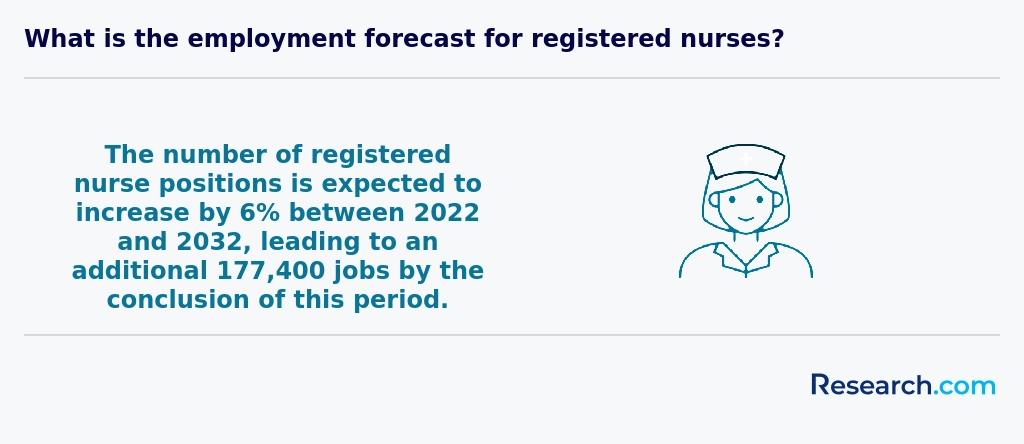
To embark on a nursing career in Fort Worth, TX, it's essential to understand the landscape of nursing education and the opportunities available. Prospective students can explore various nursing degree programs, including Associate Degree in Nursing (ADN) and Bachelor of Science in Nursing (BSN), each offering a unique path to a fulfilling career in healthcare. For those interested in advancing their education, exploring the most popular nursing colleges can provide valuable insights into the best programs available. By delving into the specifics of these programs, such as curriculum, clinical rotations, and faculty expertise, students can make informed decisions about their educational journey. Furthermore, understanding the job market for nursing graduates in Fort Worth, including employment growth, demand for specific specializations, and salary insights, can help aspiring nurses navigate their career paths with confidence.
Nursing students in Fort Worth often rely on a mix of financial aid that can make pursuing their degrees more manageable. Many graduates from institutions like Tarrant County College report that federal Pell Grants, which do not require repayment, significantly eased their tuition burden, covering a substantial portion of costs that average between $8,000 and $25,000 annually depending on the school. While these grants are based on financial need, some students find themselves balancing the uncertainty of loan eligibility with the need to start working sooner rather than later.
State programs also play a vital role. For instance, the Texas Educational Opportunity Grant helps Fort Worth community college students offset expenses, which past recipients describe as a crucial stepping stone. Scholarships from organizations like the Texas Nurses Foundation tend to reward both merit and dedication, often energizing applicants who feel their hard work is recognized.
Employment-related tuition reimbursement is another common strategy. Graduates who worked with Texas Health Resources found that such programs provided both financial relief and job security, though they also note the commitment required to stay with the employer post-graduation. Finally, loan forgiveness programs like Public Service Loan Forgiveness offer hope to many, but students should carefully assess eligibility criteria and long-term career plans to fully benefit.
Before enrolling in any nursing program in Fort Worth, TX, it’s essential to verify both institutional and programmatic accreditation to ensure your education meets state and national standards. The Commission on Collegiate Nursing Education (CCNE) and the Accreditation Commission for Education in Nursing (ACEN) are the two primary bodies that accredit bachelor’s and associate-level nursing programs, respectively. In addition, each program must hold approval from the Texas Board of Nursing (BON), which monitors curriculum rigor, faculty qualifications, and clinical partnerships. Attending a CCNE- or ACEN-accredited school not only guarantees a quality education but also preserves your eligibility for federal financial aid and eases the transfer process should you choose to advance to a Master of Science in Nursing (MSN) or Doctor of Nursing Practice (DNP). Once your program is accredited, obtaining your Registered Nurse (RN) license requires passing the National Council Licensure Examination for Registered Nurses (NCLEX-RN). To be eligible, you must submit an application to the Texas BON, complete a criminal background check, and meet all health and immunization requirements. Many Fort Worth programs offer NCLEX-prep workshops and track graduate pass rates-key indicators of a school’s commitment to student success. Aim for programs boasting pass rates above the state average (typically 85–90%), as this often correlates with strong faculty support and comprehensive review materials. Understanding accreditation and licensing can also inform your decision if you’re considering flexible or online pathways. While Fort Worth offers numerous on-campus options, prospective students should compare out-of-state online programs for cost and convenience. For a detailed look at budget-friendly alternatives, explore our Most Affordable Online Nursing Degree Programs Ranking in St. Louis, MO, which highlights accredited online options that meet Texas BON standards and prepare you thoroughly for the NCLEX-RN.
Enrolling in nursing degree programs in Fort Worth, such as those at Texas Christian University or Tarrant County College, typically requires a high school diploma or GED, reflecting a fundamental baseline for all applicants. Graduates often recall that completing prerequisite courses in anatomy, physiology, microbiology, and chemistry was crucial, as these subjects lay the groundwork for the scientific demands of nursing.
Most programs require the TEAS exam, testing skills in reading, math, science, and English, to ensure students are academically prepared. One graduate shared how dedicating time to TEAS preparation boosted confidence before starting classes. Additionally, proof of immunizations and a clear criminal background check are mandatory to secure clinical placements, a real-world necessity for gaining hands-on experience in Fort Worth healthcare facilities.
While not always compulsory, relevant healthcare experience-such as volunteering or working as a CNA-can meaningfully strengthen applications, as noted by recent graduates. This exposure not only demonstrates commitment but helps students adjust emotionally and practically to nursing roles, fostering enthusiasm for their studies in these respected local programs.

Nursing programs in Fort Worth must meet state and national standards to qualify graduates for the NCLEX-RN licensure exam and ensure ongoing professional recognition.
- Accreditation: Select programs accredited by the Commission on Collegiate Nursing Education (CCNE) or the Accreditation Commission for Education in Nursing (ACEN) to guarantee adherence to quality benchmarks.
- State Approval: Confirm approval by the Texas Board of Nursing, ensuring curriculum alignment with state licensure requirements and clinical hour mandates.
- NCLEX-RN Preparation: Choose programs that embed NCLEX-RN review courses, practice exams, and dedicated support to boost your pass rates.
- Continuing Competency: After initial licensure, Texas mandates renewal every two years with proof of 20 contact hours of continuing education, keeping you current with evolving healthcare standards.
For those aiming to advance their practice, compare accreditation standards in online np programs california to understand national benchmarks.
Nursing degree programs in Fort Worth typically include a combination of foundational sciences and specialized nursing courses tailored to prepare students for diverse healthcare environments. Graduates from popular institutions like Texas Christian University or Tarrant County College often recall intensive courses in human anatomy, physiology, and microbiology, which provide essential understanding of the human body and disease mechanisms. This solid scientific base supports more advanced nursing topics, such as pharmacology and nutrition, allowing students to manage medications safely and plan holistic patient care.
Beyond sciences, nursing-specific classes emphasize skills in patient assessment, care planning, and clinical decision-making. Graduates describe hands-on experiences with medical-surgical nursing, maternal-child health, and mental health nursing as challenging yet rewarding, often highlighting how these courses build confidence to handle real-world patient needs.
- Health assessment and clinical nursing skills development
- Pathophysiology, covering mechanisms of diseases
- Pharmacology for medication administration and management
- Evidence-based practice and nursing research to apply scientific methods
- Leadership and healthcare policy to prepare for professional roles
Many students appreciate the relevance of leadership and healthcare policy courses, which prepare them for future roles beyond bedside care. While some may find the course load demanding, especially when balancing clinical rotations at local hospitals, they often express a sense of accomplishment and readiness to enter the growing Texas healthcare workforce.
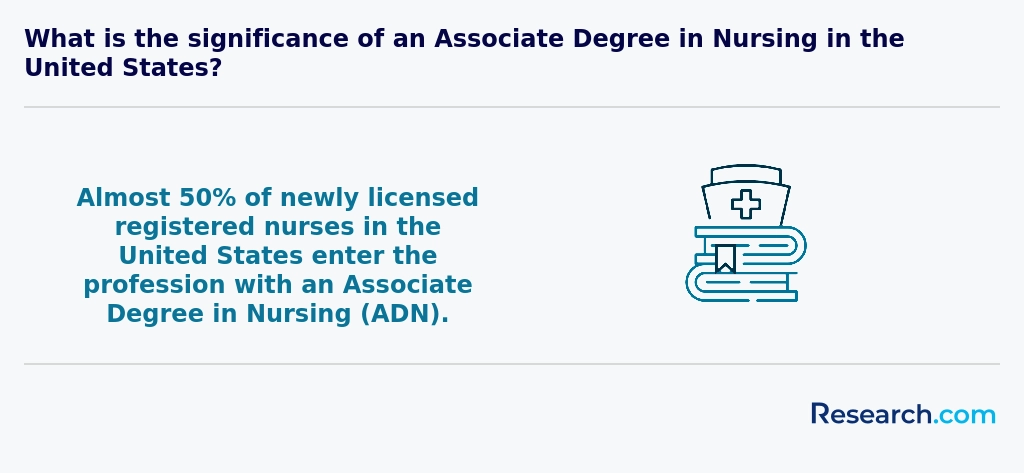
Nursing degree specializations in Fort Worth are designed to meet diverse healthcare demands while allowing students to focus on areas aligning with their passions and career goals. Popular options at local universities include the RN to Bachelor of Science in Nursing (BSN), which appeals to licensed nurses eager to upgrade their qualifications and enhance job prospects in Fort Worth's competitive healthcare market.
Other notable tracks involve Family Nurse Practitioner (FNP) programs, where graduates often describe rewarding experiences providing primary care across age groups-particularly vital in Fort Worth's expanding community. Psychiatric-Mental Health Nursing is another specialization, reflecting Texas's efforts to address mental health service shortages; graduates find fulfillment supporting underserved populations. Nurse Anesthesia and Pediatric Nursing also attract students, given Fort Worth's strong hospital network and growing young population, respectively. Practical clinical exposure, often at facilities like Texas Health Harris Methodist, enriches learning beyond textbooks.
Students considering Fort Worth nursing programs with specialization options should also weigh costs and career outcomes carefully. Those seeking financial insights may explore sonography graduate salaries for comparison, as advanced specializations often correspond with higher earnings and satisfaction.
Choosing the best nursing degree in Fort Worth involves weighing accreditation, cost, program length, and practical experience opportunities. Graduates from Tarrant County College often praise its affordable ADN program and flexible schedules, which fit well around work commitments. Meanwhile, those attending Texas Christian University highlight the value of a BSN for career advancement despite higher tuition costs. Considering your personal goals is essential: an ADN provides quicker entry to the workforce, while a BSN may open doors to leadership roles and specialized nursing fields.
Clinical training partnerships are another key factor. Programs connected with Fort Worth's major hospitals offer hands-on experiences that many graduates recall as pivotal for their confidence and job readiness. Location also matters; commuting time affects your daily routine, so finding a program close to home or with online options can reduce stress. However, ensure online offerings follow Texas Board of Nursing rules to avoid licensure issues.
Students evaluating affordable nursing schools Fort Worth TX might also compare job placement rates and alumni networks for ongoing support. For a broader perspective on preparing for nursing careers, see Preparing future nurses in NYC to understand how different regions approach nursing education.

Graduates with a nursing degree in Fort Worth encounter diverse nursing career opportunities in Fort Worth that reflect the city's robust healthcare ecosystem. Many begin as registered nurses (RNs), gaining hands-on experience in major facilities like Texas Health Harris Methodist Hospital or Cook Children's Medical Center, working in environments ranging from busy hospital wards to community clinics. Such settings challenge nurses to adapt quickly and develop valuable clinical skills.
For those considering specialization, Fort Worth graduates often explore fields like pediatric, critical care, geriatric, or emergency nursing, each presenting unique demands and rewards. Alumni from local institutions such as Texas Christian University frequently share how their education prepared them to handle complex patient needs across these specialized areas.
The Fort Worth nursing degree job options expand for those pursuing advanced roles through BSN programs, enabling transitions into nurse practitioner or nurse anesthetist positions, which offer higher earning potential as well as professional autonomy. Others find fulfillment in non-clinical careers, including nursing education and healthcare administration, supported by educational resources at the University of North Texas Health Science Center. Prospective students can learn more based on nursing universities fort worth student reviews.

The nursing job opportunities in Fort Worth remain strong, supported by a growing healthcare sector that includes major employers like Texas Health Harris Methodist Hospital and John Peter Smith Health Network. Graduates from popular nursing programs at local colleges often share positive experiences about securing positions soon after completing their degrees, emphasizing the steady demand for skilled nurses in various settings. One graduate described feeling confident entering the job market due to the metropolitan area's expanding outpatient care centers and long-term care facilities.
Fort Worth nursing degree employment outlook is shaped by demographic trends, especially an aging Texas population that increases demand for nursing care in homes and facilities. While salaries averaging around $75,000 annually are competitive, graduates recognize the importance of ongoing education and certifications to advance. For prospective students weighing tuition costs, it's worth noting that associate and bachelor programs in Texas vary widely in price, but strong local job prospects help justify the investment. Those seeking broader options might explore online nursing degrees michigan reviews for alternative pathways.
2027 Most Popular Nursing Degree Programs Ranking in Fort Worth
Investing in your education is a significant decision that can shape your future, and the Research.com team understands the importance of making informed choices. To assist prospective students in Fort Worth, we have meticulously crafted the "2027 Most Popular Nursing Degree Programs Ranking in Fort Worth." Our commitment to quality, credibility, and accuracy is reflected in the extensive research and analysis conducted to compile this ranking.
We utilized the following reputable data sources to ensure a comprehensive evaluation of nursing programs:
By exploring this ranking, readers will gain valuable insights into the most popular nursing degree programs available in Fort Worth, helping them make confident and informed decisions about their educational paths. For more details on our methodology, please visit our Research.com methodology page.


Frequently Asked Questions About nursing
Nursing degree students in Fort Worth can maximize their learning experience by combining academic study with practical opportunities. Fort Worth's numerous healthcare facilities, including Texas Health Harris Methodist Hospital, offer essential clinical placements that allow students to apply classroom knowledge in real-world settings. According to the Texas Board of Nursing, hands-on training significantly improves competency and readiness for the NCLEX-RN licensure exam.
Students should also engage in local nursing organizations like the Texas Nurses Association to build professional networks and access additional learning resources. Utilizing Fort Worth's libraries and online academic databases further supports evidence-based learning, a crucial skill in nursing.
The nursing field is rapidly evolving, with several emerging niches gaining attention nationwide and in Fort Worth. One prominent area is gerontological nursing, reflecting the growing elderly population in Texas, which is projected to increase by 20% by 2030 according to the Texas Demographic Center. Nurses specializing in elder care address chronic conditions and improve seniors' quality of life.
Another emerging niche is informatics nursing, where professionals integrate healthcare with technology for better patient outcomes. Fort Worth hospitals are increasingly adopting electronic health records, creating demand for such specialists.
Additionally, psychiatric-mental health nursing is expanding due to rising awareness of mental health issues. The Texas Health and Human Services Commission reports growing needs in this sector locally.
Preparing for the job market after earning a nursing degree in Fort Worth involves strategic steps. First, graduates must obtain licensure by passing the NCLEX-RN exam, a mandatory requirement to practice as a registered nurse in Texas.
Networking is crucial; joining local professional organizations like the Fort Worth District Nurses Association can connect new nurses with job openings and mentorship. Fort Worth's healthcare sector is growing, with the Texas Workforce Commission projecting a 15% increase in nursing jobs through 2030.
Gaining hands-on experience through internships or clinical rotations in local hospitals enhances employability. Additionally, updating and tailoring resumes to highlight relevant skills and certifications ensures candidates meet employer expectations.
Employers in Fort Worth prioritizing nursing degree graduates seek a blend of technical and interpersonal skills. Clinical competence is essential, enabling nurses to deliver safe, evidence-based care. According to the Texas Board of Nursing, strong assessment and critical-thinking abilities are crucial for managing diverse patient needs effectively.
Communication skills rank highly as well. Nurses must coordinate with healthcare teams and provide clear explanations to patients and families. Fort Worth healthcare facilities also value cultural awareness, reflecting the city's growing diversity.
Time management and adaptability are important due to fast-paced hospital environments. Additionally, proficiency with electronic health records (EHR) software is often required.
These competencies together enhance the readiness of nursing graduates to meet Fort Worth's healthcare demands.
Finding nursing internships in Fort Worth involves researching local hospitals, clinics, and healthcare organizations that partner with nursing programs. Major institutions like Texas Health Harris Methodist Hospital and JPS Health Network frequently offer clinical placements and internship opportunities tailored for nursing students.
Many Fort Worth colleges with nursing degrees maintain formal internship programs and assist students with placements. Contacting the school's nursing department early can provide access to resources and guidance on application procedures. Networking through local nursing associations, such as the Texas Nurses Association - Fort Worth chapter, also increases internship prospects.
The Texas Workforce Commission reports that Fort Worth's healthcare sector continues expanding, which raises available clinical training spots for nursing students. Students should apply well before the desired start date due to competitive demand.
A nursing degree significantly enhances career mobility and advancement opportunities in Fort Worth's healthcare market. According to the Texas Workforce Commission, registered nurses (RNs) with formal education, such as an Associate Degree in Nursing (ADN) or Bachelor of Science in Nursing (BSN), have better chances of securing specialized roles and leadership positions. Hospitals in Fort Worth increasingly prefer BSN-prepared nurses due to their advanced training, correlating with higher salaries and promotion potential.
Further education enables nurses to qualify for roles in management, education, or specialized fields like critical care or pediatrics. The Fort Worth healthcare sector's growth, projected by local economic studies, underscores the value of degrees for upward mobility.
Studying for a nursing degree in Fort Worth equips students with skills vital for interdisciplinary collaboration. Programs often emphasize teamwork across healthcare fields, including medicine, social work, and pharmacy. This approach aligns with recommendations from the American Association of Colleges of Nursing (AACN) for interprofessional education.
Clinical experiences in Fort Worth hospitals and community health settings expose nursing students to diverse healthcare teams. According to the Texas Board of Nursing, local programs integrate simulations and real-world scenarios that promote communication and decision-making with various professionals.
Fort Worth's growing healthcare industry demands nurses who can coordinate care efficiently, especially in patient-centered models. Graduates are therefore prepared to navigate complex environments where interdisciplinary cooperation is essential for quality outcomes.
Choosing between a thesis and a non-thesis nursing degree program in Fort Worth depends on your career goals and learning preferences. Thesis programs typically involve conducting original research, which suits those interested in advancing nursing science or pursuing doctoral studies. Non-thesis programs focus more on practical skills and coursework, ideal for nurses aiming to enter advanced clinical roles quickly.
Fort Worth features several accredited institutions offering both options, such as Texas Christian University and University of North Texas Health Science Center. According to the National Center for Education Statistics, nursing programs with thesis options often take longer to complete.
Consider licensing and certification goals, as well as the time you can dedicate to research versus clinical practice.
Students in Fort Worth seeking nursing degrees abroad have several paths through partnerships and exchange programs available via local institutions. Texas Christian University (TCU) and the University of North Texas Health Science Center offer global study opportunities, including clinical placements overseas in countries like Spain and Australia. These experiences provide exposure to diverse healthcare systems and enhance cultural competence, crucial in nursing. According to the American Association of Colleges of Nursing, about 15% of nursing students nationally participate in study abroad or international clinical experiences. Fort Worth students can leverage these programs to gain international credentials while maintaining transferability to U.S. licensure requirements.
Fort Worth offers several part-time job opportunities that can enhance nursing degree education. Roles such as certified nursing assistant (CNA), medical receptionist, or patient care technician provide practical experience while students balance coursework. According to the Texas Workforce Commission, healthcare support occupations in Fort Worth are expected to grow by 15% through 2030, reflecting increasing demand.
Part-time work in local hospitals like Texas Health Harris Methodist or outpatient clinics allows students to apply clinical skills in real-world settings. Additionally, positions in home health care services offer exposure to patient-centered care, crucial for nursing practice. These roles not only supplement income but also strengthen resumes for future nursing licensure and employment.
Nursing students in Fort Worth have access to a variety of valuable networking opportunities that support their educational and professional growth. Local universities often host career fairs and panel discussions featuring experienced healthcare professionals and alumni. These events provide direct connections with potential employers and mentors.
Institutions like Texas Christian University and University of North Texas Health Science Center collaborate with major medical centers such as JPS Health Network, offering clinical rotations and internships that help students build contacts within Fort Worth's healthcare system. Additionally, students can join local chapters of national organizations like the Texas Nurses Association, which hosts regular meetings and workshops.
According to the Texas Workforce Commission, Fort Worth's healthcare sector is projected to grow steadily, making these networking opportunities especially beneficial for nursing students seeking employment post-graduation.
Alumni networks play a significant role in supporting nursing degree students in Fort Worth by providing valuable professional connections. Many nursing graduates in Fort Worth remain active in these networks, helping current students access internships and job opportunities in local hospitals and clinics. According to a 2023 study by the Texas Nurses Association, 65% of nursing students who engaged with alumni networks found employment within six months of graduation.
These networks also offer mentorship programs that enhance clinical skills and career guidance tailored to Fort Worth's healthcare environment. For students, this means direct access to experienced nurses familiar with local healthcare standards and challenges.
Furthermore, alumni often host workshops and networking events, which help nursing students build relationships that are crucial in a competitive job market. The collective experience and support from alumni can accelerate students' transition from education to practice in Fort Worth's growing medical community.
Customizing a nursing degree program in Fort Worth allows students to align their education with specific career ambitions. Many local institutions offer flexible curricula where you can choose electives focused on specialties like pediatric, geriatric, or emergency nursing. This tailored approach helps build relevant skills for targeted roles.
Students often combine classroom learning with clinical rotations at Fort Worth hospitals such as Texas Health Harris Methodist or John Peter Smith Health Network. These partnerships provide practical experience in diverse medical settings, enhancing career readiness.
Additionally, nurse practitioner tracks or certifications in areas like informatics or leadership are options for advanced career paths. According to the Texas Workforce Commission, nursing roles in Fort Worth are projected to grow by 15% through 2030, making customized programs a practical investment.
Nursing students in Fort Worth commonly face several challenges during their studies. One major hurdle is managing the rigorous academic workload combined with clinical hours, which often leads to high stress levels. According to the Texas Higher Education Coordinating Board, many students report difficulty balancing coursework and hands-on training.
Access to clinical placements can be competitive in Fort Worth's busy healthcare system, limiting hands-on experience opportunities. Additionally, some students encounter financial barriers, as nursing programs frequently require costly certifications and materials.
Another challenge is adapting to evolving healthcare technologies and protocols, which requires continuous learning and flexibility. Lastly, students may face emotional strain from exposure to patient care environments, highlighting the importance of strong support networks.
With a nursing degree in Fort Worth, graduates can pursue various professional certifications to enhance their careers and specialize in specific areas of healthcare. Common certifications include the Certified Registered Nurse Anesthetist (CRNA), Nurse Practitioner (NP), and Certified Nurse Midwife (CNM). Additionally, registered nurses can earn credentials such as the Certified Medical-Surgical Registered Nurse (CMSRN) or the Certified Critical Care Nurse (CCRN).
The Texas Board of Nursing recognizes many of these certifications, which often require passing national exams and completing clinical hours. According to the Texas Nurses Association, certification can increase earning potential and job opportunities in Fort Worth's competitive healthcare market.
Applying for a nursing program in Fort Worth requires a combination of strong academic records and well-crafted personal statements. Begin by highlighting your relevant coursework, such as biology and chemistry, demonstrating your preparedness for rigorous nursing studies. Local programs often emphasize hands-on experience, so include any healthcare volunteering or employment, underscoring your commitment to patient care.
Admissions committees in Texas typically expect applicants to have completed prerequisite courses with a minimum GPA around 3.0, though this varies. Fort Worth nursing programs may also require passing scores on the TEAS exam, which measures your reading, math, and science skills.
Personal essays should clearly explain your motivation to join nursing, linking it to both personal values and professional goals. Be authentic and concise.
The nursing profession is widely recognized across the globe for its critical role in healthcare systems. In the United States, and specifically in Fort Worth, nursing is seen as a stable and growing career path. According to the U.S. Bureau of Labor Statistics, employment for registered nurses in Texas is expected to grow by 15% from 2021 to 2031, reflecting a strong demand nationwide.
Internationally, nursing standards and education vary, but the core values of patient care, ethics, and continual learning remain universal. Fort Worth's nursing programs follow rigorous accreditation standards, ensuring graduates are well-prepared to meet both local and global healthcare needs. This global perspective of nursing highlights its adaptability and vital importance in diverse healthcare environments.
Gaining practical experience while studying for a nursing degree in Fort Worth is essential for career readiness. Most nursing programs in the area, such as those at Texas Christian University and Tarrant County College, incorporate clinical rotations into their curriculum. These rotations place students in local hospitals and healthcare facilities, allowing hands-on patient care under supervision.
Additionally, Fort Worth offers opportunities through partnerships with well-known organizations like John Peter Smith Health Network, where students can engage in internships and externships. The Texas Board of Nursing requires a minimum number of clinical hours, ensuring graduates have real-world experience.
Volunteering in community health programs and simulation labs is also common. These experiences enhance practical skills before entering the workforce.
Choosing the right concentration within a nursing degree program in Fort Worth requires careful consideration of your career goals and interests. Common concentrations include family nurse practitioner, pediatric nursing, and geriatric nursing, each addressing different patient populations and care settings.
Consider the local healthcare needs; Fort Worth's growing elderly population increases demand for geriatric specialists, according to recent Texas Health and Human Services reports. Additionally, hospitals like Texas Health Harris Methodist emphasize acute care nursing, which may influence your choice if you aim for hospital work.
Research available programs at Fort Worth institutions to see which concentrations align with licensure requirements and offer relevant clinical experiences. Understanding these factors helps you select a path that matches both job prospects and personal interests.
- 2027 Most Popular Nursing Degree Programs Ranking in Lubbock
- 2027 Most Popular Nursing Degree Programs Ranking in Kansas City
- 2027 Most Popular Nursing Degree Programs Ranking in Hattiesburg
- 2027 Most Popular Nursing Degree Programs Ranking in Lincoln
- 2027 Most Popular Nursing Degree Programs Ranking in Mobile
- 2027 Most Popular Nursing Degree Programs Ranking in Saint Louis
- 2027 Most Popular Nursing Degree Programs Ranking in Omaha
- 2027 Most Popular Nursing Degree Programs Ranking in Colorado Springs
- 2027 Most Popular Nursing Degree Programs Ranking in Birmingham
- 2027 Most Popular Nursing Degree Programs Ranking in Denver
See What Experts Have To Say About Studying Nursing
Read our interview with Nursing experts


- Pros And Cons Of Online Nursing In 2025 | Davis & Elkins https://www.dewv.edu/the-pros-and-cons-of-online-nusing-in-2025-is-it-right-for-you/
- Top Nursing Skills U.S. Employers Want to See on Your Resume | O'Grady Peyton https://www.ogradypeyton.com/blog/job-seeker-resources/top-nursing-skills-u.s.-employers-want-to-see-on-your-resume
- Tips for Creating a Perfect Nursing School Application https://www.allnursingschools.com/articles/how-to-create-the-perfect-nursing-school-application/
- Nursing School Near Fort Worth | WCU https://westcoastuniversity.edu/nursing-school-near-fort-worth
- Career Advancement Pathways for Nurses : Expert RN shares 10+ Professional growth opportunities - MuminMed https://blog.muminmed.com/career-advancement-pathways-for-nurses/
- Work-life balance | Careers Crossroads | RCN Careers Resources | Royal College of Nursing https://www.rcn.org.uk/Professional-Development/Your-career/Nurse/Career-Crossroads/Career-Ideas-and-Inspiration/work-life-balance
- How to Choose the Right Nursing School for Your Career Goals | Archer Review https://www.archerreview.com/blog/how-to-choose-the-right-nursing-school-for-your-career-goals
- Essential Tips for Nursing Students to Advance Their Careers https://almanaltraining.com/essential-tips-for-nursing-students-to-advance-their-careers/
- Know more about thesis vs non- thesis: what is the difference? https://studyfans.com/en/blogs/816
- | NRR | Dove Medical Press https://www.dovepress.com/internship-challenges-encountered-by-nursing-students-a-qualitative-st-peer-reviewed-fulltext-article-NRR