2027 Most Valuable Online Nursing Degree Programs Ranking in District of Columbia

Co-Founder and Chief Data Scientist
Choosing the right nursing degree program can be challenging, especially when balancing work and personal life. This article introduces the 2027 Most Valuable Online Nursing Degree Programs Ranking in District of Columbia, developed by the Research.com team of data scientists to guide you in making an informed decision.
By exploring this ranking, you'll discover programs that offer great value and flexibility, helping you advance your career while managing your busy schedule.
Investing in your nursing education opens doors to a rewarding and stable future-let us help you find the best path.
Key benefits of getting online nursing degree in District of Columbia
- Salary for nursing degree graduates: Registered Nurses and Clinical Nurse Educators in the District of Columbia can expect an average annual salary of about $94,480, while Operating Room Nurses earn significantly more, around $128,490 per year, offering strong financial rewards.
- Career paths: Graduates from local universities like Georgetown University often pursue diverse roles including Public Health Nurse, Emergency Room Nurse, or Clinical Nurse Educator, providing flexible and rewarding opportunities.
- Benefits of online degrees: Online nursing graduates gain the same quality education while enjoying flexible schedules and reduced commuting, making it easier to balance work and study without compromising career growth.
- 2027 Most Valuable Online Nursing Degree Programs Ranking in District of Columbia
- What can I expect from online nursing degree in District of Columbia?
- Where can I work with online nursing degree in District of Columbia?
What can I expect from online nursing degree in District of Columbia?
Exploring the cost of an online nursing degree in the District of Columbia opens a world of possibilities for motivated learners. Graduates from popular local universities often recall managing tuition fees that typically range between $15,000 and $40,000 for a full program, depending on the degree level and school. This investment covers not only dynamic online coursework but also crucial clinical practicum experiences arranged in nearby hospitals or clinics, adding tangible value to flexible study schedules.
Many students appreciate how financial aid options, like those from the DC Higher Education Financial Aid Program, help soften the financial commitment. Imagine balancing a part-time job while accessing scholarship support designed specifically for DC nursing students-this makes pursuing dreams both approachable and exciting. The thrill of joining a vibrant, respected nursing community while navigating accredited programs that prepare you for a flourishing career fills students with confidence and pride.
These costs reflect robust state regulation and the high-quality education that local nursing programs provide, fueling a sense of readiness to step into the growing healthcare landscape of DC energized and well-prepared.
Where can I work with online nursing degree in District of Columbia?
With an online nursing degree earned through well-regarded programs in the District of Columbia, graduates find themselves stepping into a vibrant healthcare scene bursting with opportunity. Imagine walking the halls of MedStar Washington Hospital Center or George Washington University Hospital, where nurses educated online are embraced for their adaptable, accredited training. Many graduates share stories of landing roles in specialty units or thriving as part of dynamic nursing teams that combine medical expertise with compassionate care.
Others venture beyond hospitals, thriving in community clinics and public health organizations across D.C., where they champion preventive care and health education. Graduates often speak excitedly about working with underserved communities through nonprofits and the DC Department of Health, making real differences in people's lives every day.
The adventure can even take a federal turn, with nurses joining agencies like NIH or Veterans Affairs, engaging in research, policy, or veteran care. The key is ensuring your online program meets District licensure standards, unlocking the door to this diverse and fulfilling healthcare landscape.
Graduates from online nursing programs in District of Columbia dive into careers with promising salaries that bring real excitement and reward. For example, many online graduates stepping into roles as Registered Nurses earn an average annual wage around $94,480, offering a strong return on their educational investment. This aligns well with what recent alumni from popular institutions like Georgetown University and The Catholic University of America experience firsthand.
Specialized roles offer even more thrilling opportunities. Operating Room Nurses, often pursued by those who took advanced online courses, enjoy a notable jump with mean salaries close to $128,490 annually. Imagine the pride of working in cutting-edge hospital environments across DC, earning handsomely while making a tangible impact.
Other paths like Clinical Nurse Educator or Public Health Nurse also hover around a rewarding $94,480 per year, allowing graduates to explore diverse healthcare settings from government health services to private clinics. The blend of flexible online education in DC and competitive wages sparks a career journey full of potential and personal growth.
- Online nursing programs in the District of Columbia combine flexible online coursework with in-person clinical requirements to support students balancing work or family.
- Bachelor's degree tuition ranges from $15,000 to $40,000, while Master of Science in Nursing programs typically cost between $30,000 and $60,000.
- Starting salaries for new BSN graduates average around $70,000 per year, with experienced nurses earning over $90,000 annually.
- The job market is strong, with steady demand for registered nurses driven by healthcare growth and an aging population.
- Graduates must pass the NCLEX-RN exam and obtain licensure through the District of Columbia Board of Nursing to practice legally.
For those who already hold an ADN and want to boost their credentials, RN-to-BSN programs offered by popular local colleges can be thrillingly swift, wrapping up in just 12 to 18 months. Graduates in these programs revel in the balance of work, study, and family, describing it as an empowering leap forward.
Graduate paths like a Master of Science in Nursing (MSN) add even more adventure, taking around 1.5 to 3 years. Students appreciate how schools in D.C. tailor these programs to working professionals, often part-time, blending rigorous academics with real-life demands.
Imagine stepping into a flexible online classroom, sipping coffee while joining peers from a city pulsing with healthcare innovation-this blend of convenience and expertise defines the nursing education experience here.
When considering online nursing programs in District of Columbia, it's essential to think about the cost and financial aid options available. Pursuing an online nursing degree can be a significant investment, but there are various forms of financial assistance that can help make this career goal a reality. Students can explore scholarships, grants, and student loans to help fund their education. For those looking for affordable options, checking out affordable nursing programs in district of columbia can be a great starting point. By understanding the cost considerations and financial aid options, students can make informed decisions about their education and career paths, and set themselves up for success in the nursing field.
Imagine juggling a busy life in D.C. while earning your nursing degree-online programs at popular schools like Georgetown University or Howard University offer that freedom. Graduates often recall how recorded lectures and virtual discussions allowed them to study during late-night hours or between shifts, making their education fit their lifestyle. However, when it came to hands-on clinical practice, they traveled to local hospitals arranged through the university, merging flexibility with essential real-world experience.
On the other hand, nursing students who chose traditional on-campus routes enjoyed the vibrant energy of in-person labs and face-to-face mentoring. Spending full days at places like George Washington University gave them immediate access to campus resources and fostered close peer connections. Many describe how this encouraged active learning and built their confidence in a tightly-knit community.
Both paths lead to the same professional goal, but online programs demand self-discipline and tech-savvy skills, while on-campus studies immerse you in the campus culture-a personal adventure in learning either way.
DC online nursing programs must be approved by the DC Board of Nursing and accredited by CCNE or ACEN to ensure eligibility for the NCLEX-RN exam. Understanding licensure requirements and exam outcomes helps you choose a program that supports your career goals.
- Georgetown University: 92-95% first-time NCLEX-RN pass rate
- University of the District of Columbia: 88-90% first-time pass rate
- Catholic University of America: 90-93% first-time pass rate
DC licensure steps include criminal background check, CPR certification, and submitting official transcripts. For alternative options, explore nursing programs with high acceptance rates.
Nursing students exploring the average cost of online nursing degree in District of Columbia often find an intriguing balance between quality education and investment. The median total cost hovers around $53,795, offering a more accessible path than some expect in this vibrant, competitive market. Many graduates from popular DC universities share stories of how flexible online programs allowed them to juggle work and study without sacrificing the dynamic learning experience that led to fulfilling careers.
In the District of Columbia, tuition tends to reflect local educational standards and living expenses, but online nursing degree tuition fees DC 2027 promise options that are both rigorous and budget-friendly. Students pursuing their Bachelor of Science in Nursing online often cover costs close to this median, while those advancing to graduate degrees may encounter higher tuition per credit, though still manageable within a clear financial plan supported by university resources.
The journey of mastering nursing here is often enhanced by financial aid and scholarships, which cushion tuition expenses. Universities in DC, renowned for their comprehensive nursing programs, also encourage prospective students to dive into opportunities like federal loans and employer tuition reimbursement. Graduates often recount how these programs both motivated and supported them through every clinical challenge and academic test.
Real, lived experience in these programs often reveals a profound connection to the local healthcare landscape. Reflecting on the impact of nursingshortages, students feel a calling to contribute meaningfully amid rising demand. This adds value beyond numbers and tuition, inspiring each learner to embrace their unique educational path in the District of Columbia.

Before committing to an online nursing degree in the District of Columbia, verify that your chosen program holds accreditation from recognized bodies such as the Commission on Collegiate Nursing Education (CCNE) or the Accreditation Commission for Education in Nursing (ACEN). Accreditation guarantees that coursework meets rigorous academic and clinical standards, and it is often a prerequisite for sitting the NCLEX-RN exam and obtaining state licensure. In addition, DC’s Board of Nursing requires all graduates to complete a program authorized by the D.C. Higher Education Licensure Commission and to pass the NCLEX-RN within a specified timeframe. Prospective students should review each school’s published NCLEX-RN pass rates, which reflect how effectively graduates are prepared for entry-level practice. Programs with consistently high pass rates-ideally above 85%-demonstrate strong curricula, dedicated faculty support, and robust clinical partnerships. Equally important is checking for state authorization: some online programs may not enroll DC residents unless explicitly approved to deliver clinical placements locally. For those considering a hands-on bridge into nursing, exploring foundational practical nurse pathways can be beneficial. To compare accredited options that meet stringent state requirements, you may also want to review the hca online lpn program, which offers a streamlined route to licensure as a Licensed Practical Nurse before advancing to an RN track. By ensuring both regional and national accreditation-and confirming compliant clinical affiliations-you can safeguard your investment, secure eligibility for licensure exams, and position yourself for a successful nursing career in the District of Columbia.
Imagine stepping into an online nursing program at a well-known D.C. university, excitement buzzing alongside the financial worries. Fortunately, many students discover relief through federal aid like the Pell Grant, which can provide up to $7,395 annually-enough to cover a significant part of tuition at local schools. Graduates often recall how this grant made the difference between dreaming of nursing and fully committing to their studies.
Beyond grants, Direct Subsidized and Unsubsidized Loans offer flexible repayment options with relatively low fixed interest rates. One recent graduate shared how these loans eased the pressure, allowing balance between work and study without the weight of immediate repayments.
Then there's the DC Tuition Assistance Grant (DCTAG), a treasure for residents attending approved programs across D.C. Institutions. Many online nursing students tap into this to reduce costs dramatically, making education more affordable right in their backyard.
Adding to the financial toolkit, Public Service Loan Forgiveness encourages graduates to serve in local healthcare, rewarding commitment with loan forgiveness. Scholarships from nursing organizations and schools also brighten the path, offering support based on merit or need, turning ambition into achievable goals.
Choosing an accredited online nursing program is essential to ensure your degree is recognized by employers and qualifies you to sit for the NCLEX-RN licensure exam. In District of Columbia, reputable accreditation bodies include the Commission on Collegiate Nursing Education (CCNE) and the Accreditation Commission for Education in Nursing (ACEN). Programs accredited by these organizations meet rigorous standards for curriculum, faculty qualifications, student outcomes, and clinical practice, guaranteeing that your coursework and clinical hours will be accepted by the DC Board of Nursing. Before enrolling, verify that your online nursing program holds either CCNE or ACEN accreditation. This information is typically displayed on a school’s website or course catalog. Accreditation not only confirms academic quality but also determines eligibility for federal financial aid and professional certifications. Graduates of non-accredited programs may face barriers when applying for state licensure or seeking employment at top healthcare facilities. After completing an accredited program, you must apply for licensure through the District of Columbia Board of Nursing. This process involves submitting official transcripts, providing proof of accreditation, completing a criminal background check, and registering for the NCLEX-RN exam. Most programs include dedicated licensure preparation courses, mock exams, and one-on-one advisement to help you achieve the board’s pass rate benchmarks and launch your nursing career without delays. For those planning to advance beyond the BSN, consider exploring our guide to online master nursing programs to learn about graduate-level accreditation standards, specialty certifications, and streamlined pathways to roles such as nurse practitioner, clinical nurse specialist, or nurse educator. By understanding accreditation and licensure requirements from the outset, you’ll set the foundation for a seamless transition from student to licensed nursing professional in District of Columbia.
To even start this adventure, having a high school diploma or GED is a must. Many programs, especially entry-level ones like ADN or BSN, ask for those essential science credits, ensuring you're primed for the complexities ahead. Familiar faces at well-known DC institutions often mention how standardized tests like the TEAS sharpened their skills and boosted their competitive edge during admissions.
For those already licensed as LPNs or RNs, there's a rewarding pursuit through bridge or RN-to-BSN programs, making professional growth feel like a natural next chapter-much like some graduates from DC's esteemed nursing schools have shared. Even amid online learning, expect hands-on clinical experiences in local healthcare settings, which come with background checks and immunization requirements, embracing the real-world pulse of nursing in the capital.
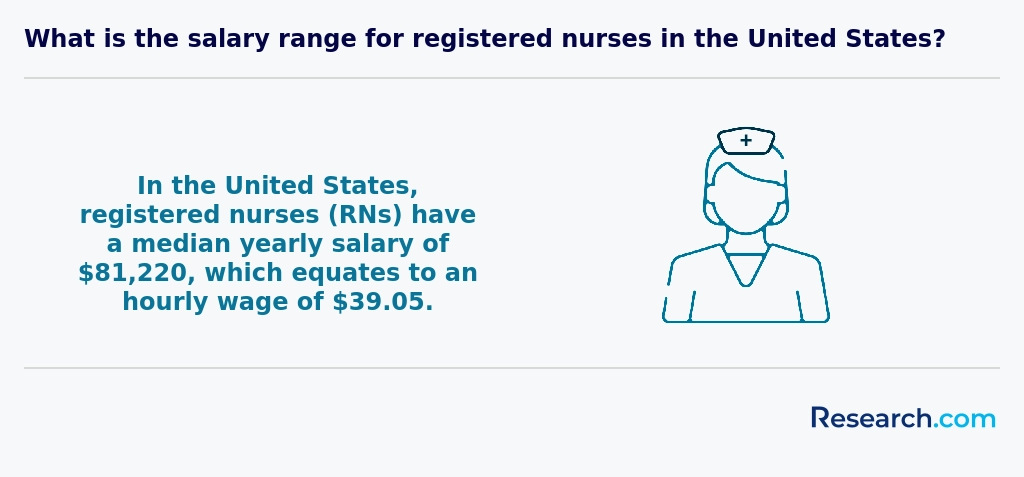
Choosing an online nursing program that meets both national accreditation standards and District of Columbia licensure requirements is essential for ensuring your degree is recognized and your path to practice is seamless. In DC, the Board of Nursing mandates that graduates hold a program accredited by either the Commission on Collegiate Nursing Education (CCNE) or the Accreditation Commission for Education in Nursing (ACEN). Before enrolling, verify that the online curriculum includes the following:
- CCNE or ACEN accreditation details prominently on the school’s website and course catalog.
- Clinical practice hours aligned with DC’s 600-hour minimum requirement, arranged through approved local healthcare partners.
- A curriculum outline covering state-specific content, including DC nursing laws, ethics, and public health regulations. Accredited programs not only guarantee quality education but also facilitate eligibility for the NCLEX-RN exam and expedite licensure. If you’re considering cost-effective options outside DC, explore our Cheapest Online Master's in Nursing Degree Programs Ranking in the South to compare accredited offerings and financial aid packages. Key steps to confirm accreditation and licensure compliance: 1. Check the DC Board of Nursing website for approved program listings. 2. Request documentation of accreditation status from admissions advisors. 3. Ensure your online program provides guidance through the NCLEX application and DC licensure process. By prioritizing accredited schools and understanding local licensure pathways, you’ll safeguard your investment and accelerate your journey from student to licensed nurse in the nation’s capital.
Imagine diving into an online nursing degree in the District of Columbia, where courses weave together science, hands-on skills, and real-world healthcare challenges. Graduates from local universities often recall mastering essentials like anatomy, physiology, microbiology, and pharmacology-all crucial for understanding how bodies heal and how medicines work.
Core classes such as Introduction to Nursing Practice and Health Assessment bring students face-to-face with patient care scenarios, sharpening critical thinking while preparing for clinical settings. Courses like Pathophysiology and Nursing Research unlock the mystery behind diseases and teaching how to apply the latest evidence-based practices.
- Healthcare Ethics and Law
- Community and Public Health Nursing
- Leadership and Management in Nursing
- Clinical Practicum or Simulation Experiences
Students often share how local clinical practicums in D.C. hospitals or clinics bring classroom knowledge to life, especially within the city's diverse urban healthcare environment. This unique blend of study and practice makes exploring nursing here a truly enriching adventure.

Navigating online nursing specializations in District of Columbia feels like embarking on an exciting journey through diverse healthcare roles. Graduates from popular universities in DC often share how choosing the Family Nurse Practitioner (FNP) path allowed them to deeply connect with patients of all ages, blending health promotion and acute care in real community clinics. For those drawn to mental health, the Psychiatric-Mental Health Nurse Practitioner (PMHNP) specialization opens doors to powerful roles in urban mental health settings, addressing critical needs with compassion and expertise.
District of Columbia nursing degree concentration options also include Adult-Gerontology Acute and Primary Care, where learners gain skills to manage complex conditions faced by older adults-an ever-growing population in DC. Specialized tracks like Neonatal and Pediatric Nursing paint vivid, hands-on experiences caring for our most vulnerable patients, from newborns at top hospitals to energetic children in vibrant city clinics.
Many aspiring leaders find their calling in Leadership and Administration, preparing to steer healthcare organizations with vision and care. Students discovering these pathways often explore options through programs praised for quality and flexibility, sometimes comparing their journeys with insights found in online nursing degrees colorado job satisfaction.
Choosing the best online nursing degree in District of Columbia means diving into the vibrant world of local program options, where accreditation and licensure are your compass points. Graduates from DC's top institutions often share how confirming a program's approval by CCNE or ACEN transformed their journey, ensuring their nursing licenses were fully recognized here. Imagine balancing asynchronous classes with local clinical sites-this flexibility fuels success for working students navigating busy lives.
Affordability in DC is a real game-changer. Many find that searching for affordable nursing degrees online in DC uncovers hidden gems with competitive tuition and federal aid opportunities. One graduate fondly recalls how these options eased financial pressure, allowing full focus on studies and practice. Also, programs boasting NCLEX-RN pass rates near 90% reflect strong preparation, a reassuring milestone for aspiring nurses ready to turn dreams into reality.
Explore faculty expertise and student support like career counseling, which many students credit for their seamless transition into healthcare roles. For those curious about expanding healthcare skills beyond nursing, exploring resources on medical coder skills can open new professional avenues alongside your degree path.

Graduates embarking on an online nursing degree in District of Columbia find themselves stepping into a vibrant world of career possibilities. Many recent graduates from popular local universities reported thrilling experiences as they transitioned to becoming Registered Nurses (RNs), thriving in diverse settings like bustling hospitals and outpatient care facilities. The nursing job opportunities District of Columbia online graduates enjoy reflect the region's booming healthcare sector, where the demand for skilled nurses continues to rise. Imagine advancing through your degree only to find yourself leading patient care with confidence, just as others have in long-term care centers.
For those curious to explore beyond traditional nursing roles, Master of Science in Nursing (MSN) graduates often pivot to specialized paths like Nurse Practitioners or Clinical Nurse Specialists, embracing autonomy and advanced skills. Leadership and education roles also beckon, especially with many programs weaving in healthcare policy and management to prepare students for roles in D.C.'s unique political and healthcare landscape. If you're navigating your online degree journey, consider how financial strategies such as employer tuition reimbursement can ease your way. It's worth exploring lpn degrees oklahoma admission requirements as part of your broader education plan, adding perspective to your ambitions.

Graduates with an online nursing degree in the District of Columbia unlock vibrant job opportunities fueled by a dense network of hospitals, federal health agencies, and specialized clinics. Nursing students from popular DC colleges often share how quickly their education translated into real-world impact, stepping confidently into roles backed by competitive salaries, often surpassing $90,000 annually. This encouraging employment outlook energizes those pursuing an online nursing degree as they navigate one of the city's bustling healthcare landscapes.
Exploring the District's nursing degree employment outlook reveals a steady demand for nurses in diverse settings-from Veterans Affairs hospitals to community health organizations. Many graduates appreciate how their online coursework and clinical experiences offered flexibility while preparing them for the region's rigorous licensing requirements. This blend of convenience and thorough preparation makes the journey not only manageable but inspiring.
Prospective students should also consider local resources like scholarships and in-state tuition options that enhance affordability. For those ready to take the leap, understanding the prerequisites for RN program is a crucial first step toward joining DC's dynamic nursing workforce.
2027 Most Valuable Online Nursing Degree Programs Ranking in District of Columbia
Investing in your education is a significant decision that can shape your future, and the Research.com team understands the importance of making informed choices. To assist prospective students in the District of Columbia, we have meticulously crafted the "2027 Most Valuable Online Nursing Degree Programs Ranking in District of Columbia." Our commitment to quality, credibility, and accuracy is reflected in the extensive research and analysis conducted to compile this ranking. We utilized the following reputable data sources to ensure a comprehensive evaluation of nursing programs:
By exploring this ranking, readers will gain valuable insights into the most valuable online nursing degree programs available in the District of Columbia, helping them make well-informed decisions about their educational investments. For more details on our methodology, please visit our Research.com methodology page.

Frequently Asked Questions About nursing
Students pursuing online nursing degrees in the District of Columbia can enhance their learning by actively engaging with virtual simulations and clinical practice opportunities. DC requires nursing students to complete supervised clinical hours, so selecting programs with strong local partnerships helps meet these requirements effectively. Utilizing resources from the DC Board of Nursing ensures compliance with state licensure standards and guides students through practical experience mandates.
Time management and regular communication with faculty are crucial for balancing coursework and hands-on training. According to the U.S. Bureau of Labor Statistics, registered nurses in DC earn a median annual wage of around $90,000, emphasizing the value of thorough preparation. Joining local nursing organizations and study groups further supports skill development and networking within the community.
The nursing field in the District of Columbia is rapidly evolving, with several emerging niches gaining importance. One growing area is gerontological nursing, driven by the increasing elderly population in the region. According to the DC Department of Health, adults aged 65 and older now comprise nearly 13% of the local population, increasing demand for specialized care.
Another significant niche is telehealth nursing, which has expanded substantially since the COVID-19 pandemic. Online nursing programs are incorporating telehealth training to prepare graduates for virtual patient care.
Additionally, psychiatric nursing is becoming more vital due to rising mental health awareness in the capital. Nurses specializing in these areas can expect strong employment growth as healthcare needs diversify.
After completing an online nursing degree in the District of Columbia, preparing for the job market involves several key steps. First, graduates must obtain licensure by passing the NCLEX-RN exam, as required by the DC Board of Nursing. The exam's pass rate for first-time takers in DC is approximately 85%, slightly above the national average, indicating a strong local demand for qualified nurses. Networking is also critical; joining local nursing associations such as the DC Nurses Association can open doors to job opportunities and professional development.
Building a robust resume highlighting clinical experiences gained during the program is essential. Many healthcare employers in DC value experience with diverse patient populations, reflecting the city's varied demographics. Additionally, exploring specialization certifications can enhance employability in competitive areas like geriatric or psychiatric nursing.
Employers in the District of Columbia seek nursing graduates who demonstrate strong clinical skills combined with excellent communication abilities. According to the District's Health Workforce Council, proficiency in patient care, critical thinking, and adaptability are particularly valued. Nurses must navigate diverse healthcare settings, so cultural competence and teamwork are essential skills. Familiarity with electronic health records (EHR) systems is another critical requirement, as DC health institutions widely use digital documentation.
Leadership potential and the ability to manage stressful situations also rank highly. Given DC's focus on public health, knowledge of community health nursing and preventative care is increasingly important. These skills enable new nurses to meet the evolving demands of local healthcare employers effectively.
Finding nursing internships in the District of Columbia involves utilizing local healthcare networks and educational resources. Many nursing programs partner with hospitals such as MedStar Washington Hospital Center and Children's National Hospital, offering clinical placements for students. The D.C. Board of Nursing and local university career centers also provide listings of available internships and externships.
Online nursing students can contact program advisors to access affiliated sites. Additionally, platforms like the National Student Nurses' Association (NSNA) feature internship opportunities tailored to nursing students in D.C.
According to the U.S. Bureau of Labor Statistics, practical experience is crucial, as the demand for registered nurses in D.C. is projected to grow by 14% through 2030, emphasizing the importance of internships in securing employment.
Obtaining an online nursing degree in District of Columbia significantly enhances career mobility and advancement opportunities. According to the U.S. Bureau of Labor Statistics, nurses with bachelor's degrees or higher tend to have better job prospects and higher earning potential nationwide, including DC. An online degree offers flexibility for working professionals to gain advanced skills without leaving their current job.
In DC, healthcare institutions often prefer candidates with a Bachelor of Science in Nursing (BSN) or higher for leadership, specialized nursing roles, and management positions. The DC Health Workforce Alliance highlights a growing demand for nurses with advanced credentials due to an aging population and expanding healthcare services.
Therefore, online nursing degrees provide essential credentials that support career growth within the competitive DC healthcare market.
Studying for a nursing degree in the District of Columbia equips students with skills vital for interdisciplinary healthcare roles. Programs emphasize collaboration with professionals in medicine, social work, and public health to provide holistic care. DC's healthcare curriculum often integrates case studies and simulations that reflect the city's diverse patient populations and complex healthcare systems.
According to the District of Columbia Board of Nursing, graduates are trained to communicate effectively with multidisciplinary teams, enhancing patient outcomes. Online nursing degrees in DC also incorporate public health principles unique to urban environments, preparing nurses to address social determinants of health collaboratively.
This interdisciplinary focus aligns with national recommendations from the Institute of Medicine promoting team-based approaches in nursing education.
Choosing between a thesis and a non-thesis nursing degree program in District of Columbia depends on your career goals and interests. Thesis programs typically require original research and are ideal for students aiming to pursue advanced roles in clinical research, academia, or doctoral studies. Non-thesis programs focus more on practical skills and coursework, preparing students for leadership or administrative roles in nursing practice.
In DC, where healthcare innovation is significant, research-oriented programs may offer access to institutions like George Washington University. The District's nursing workforce report (2023) shows that 64% of registered nurses hold bachelor's degrees, so advanced education with or without a thesis can enhance job prospects. Consider your interest in research and your professional plans when deciding.
Students based in the District of Columbia who want to study nursing abroad face limited but viable options through online degree programs offered by internationally accredited institutions. Since licensing in the U.S. requires a degree from a recognized program, students often choose schools that align with U.S. nursing standards or have partnerships with U.S. accrediting bodies.
Some universities abroad offer fully online Bachelor of Science in Nursing (BSN) or Master of Science in Nursing (MSN) degrees accessible to DC residents. However, graduates must verify eligibility for the NCLEX-RN licensing exam by the District of Columbia Board of Nursing. According to the National Council of State Boards of Nursing, foreign-educated nurses must meet specific credential evaluation requirements.
Students should research programs carefully to ensure their coursework meets local professional licensure standards while providing international perspective and flexible study options.
Part-time job opportunities in the District of Columbia that complement nursing degree education include roles such as medical assistants, patient care technicians, and home health aides. These positions offer practical experience in clinical settings, which can enhance nursing skills and knowledge. According to the U.S. Bureau of Labor Statistics, D.C. has a higher demand for healthcare support roles compared to the national average, making employment more accessible for nursing students.
Additionally, jobs in community health organizations and clinics provide exposure to public health nursing practices, critical in D.C.'s diverse urban population. Flexible schedules in these roles allow students to balance work and online coursework effectively.
Online nursing students in the District of Columbia have several networking opportunities despite studying remotely. Many local nursing schools and professional organizations host virtual events, webinars, and discussion groups to connect students and professionals. For example, the District of Columbia Nurses Association offers networking activities that students can join online.
Additionally, students can participate in clinical placements with local healthcare facilities in Washington, D.C., facilitating in-person networking with practitioners. The city's dense healthcare environment provides access to over 20 hospitals and many clinics, expanding real-world connections.
According to the Bureau of Labor Statistics, there are over 12,000 nursing jobs in D.C., highlighting a strong local network for job placement and mentorship programs.
Alumni networks play a crucial role in supporting online nursing degree students in the District of Columbia. These networks offer opportunities to connect with experienced professionals who understand the local healthcare landscape and regulations. In a region where nursing demand grows steadily-DC's Bureau of Labor Statistics reports a 12% increase in nursing jobs through 2031-such connections can be invaluable for career advancement.
Through alumni events, mentorship programs, and job boards, students gain access to insider knowledge and employment opportunities. These networks also foster a sense of community, which can be particularly beneficial for online learners who may feel isolated. The familiarity with DC's healthcare institutions and licensing nuances strengthens students' readiness to enter the workforce.
Customizing an online nursing degree program in the District of Columbia allows students to align their education with specific career goals. Many accredited programs offer electives or specialization tracks such as family nurse practitioner, nurse educator, or healthcare administration. Students can select courses that emphasize clinical skills, leadership, or research methodologies.
Local clinical placements in D.C. hospitals or community health clinics support hands-on experience tailored to one's chosen field. The online format enables flexibility for working professionals to balance studies with employment.
Programs often include options to pursue certifications recognized by the District of Columbia Board of Nursing, enhancing job prospects in the local healthcare market.
Online nursing students in the District of Columbia often face unique challenges related to balancing rigorous coursework with clinical requirements. Since nursing programs require hands-on experience, students must arrange in-person clinical placements, which can be difficult to coordinate locally due to limited availability or scheduling conflicts.
Additionally, the hybrid nature of many programs demands strong time management skills, as students juggle asynchronous online lectures with synchronous practical sessions. Limited access to local support services, such as tutoring or career counseling, can also hinder progress.
According to the District's Health Licensing Board, passing the NCLEX-RN exam remains a significant hurdle, with roughly 85% pass rates in recent years, highlighting the need for comprehensive preparation despite the online format.
With an online nursing degree, graduates in the District of Columbia can pursue various professional certifications that enhance their career opportunities. Common certifications include the Certified Nurse Assistant (CNA), Licensed Practical Nurse (LPN), and Registered Nurse (RN) credentials, all regulated by the D.C. Board of Nursing. Advanced certifications such as the Certified Nurse Practitioner (CNP) or Clinical Nurse Specialist (CNS) are also options for those with higher degrees.
These certifications often require passing national exams, like those from the National Council Licensure Examination (NCLEX) for RNs. According to the D.C. Department of Health, the nursing workforce is growing steadily, emphasizing demand for certified professionals.
To write a winning application for an online nursing program in the District of Columbia, start by clearly showcasing your academic background and relevant healthcare experience. Many programs require at least a minimum GPA of 3.0; ensure your transcripts demonstrate strong performance, particularly in science courses.
Highlight your commitment to nursing through well-crafted personal statements that reflect understanding of the healthcare challenges in DC. The district's demand for nurses is high, with an expected job growth rate of 14% by 2030 according to the Bureau of Labor Statistics, so emphasize your motivation to serve local communities.
Include letters of recommendation from supervisors or instructors who can attest to your clinical skills and work ethic. Finally, carefully follow each program's application checklist to avoid missing documents or deadlines, which is crucial for competitive DC nursing schools registered with the DC Board of Nursing.
Nursing is a highly respected profession worldwide, with increasing demand in many countries, including the United States. Globally, nurses are vital to healthcare delivery, especially as populations age and chronic diseases rise. In the U.S., District of Columbia reports a strong nursing workforce, with the Bureau of Labor Statistics projecting a 9% growth in nursing jobs by 2031. This demand reflects a global trend toward valuing nursing roles in patient care and public health.
The U.S. nursing education system, including online degrees available in the District of Columbia, aligns with international standards emphasizing evidence-based practice and cultural competence. These programs prepare nurses to work in diverse, multicultural settings.
Globally, nurses enjoy varied career paths, from clinical practice to policy and education. This flexibility makes nursing attractive to students seeking both stability and growth.
Students pursuing an online nursing degree in the District of Columbia can gain practical experience primarily through clinical placements coordinated by their academic programs. These virtual programs often partner with local hospitals, clinics, and healthcare facilities to facilitate hands-on training.
DC's healthcare network includes prominent institutions such as MedStar Washington Hospital Center and Children's National Hospital, which offer diverse clinical settings. According to the DC Board of Nursing, most accredited programs require completion of supervised clinical hours to meet state licensure requirements.
Additionally, some programs offer simulation labs and telehealth practicums to supplement real-world experience.
Choosing the right concentration within an online nursing degree program in the District of Columbia involves weighing your career goals and local healthcare needs. The DC health system emphasizes specialties such as family nursing, geriatrics, and mental health due to demographic trends. For example, the District has a growing elderly population, increasing demand for geriatric nursing professionals, according to the DC Department of Health.
Consider programs that align with high-demand roles supported by state data. Online options often include concentrations like Nurse Practitioner, Clinical Nurse Leadership, or Public Health Nursing, each with distinct scopes of practice regulated by the DC Board of Nursing.
It is also important to check if the program is accredited and prepares you for relevant licensure exams specific to DC. This ensures your degree will be recognized by local employers and licensing bodies.
- 2027 Most Valuable Online Nursing Degree Programs Ranking in North Dakota
- 2027 Most Valuable Online Nursing Degree Programs Ranking in Kansas
- 2027 Most Valuable Online Nursing Degree Programs Ranking in Texas
- 2027 Most Valuable Online Nursing Degree Programs Ranking in Iowa
- 2027 Most Valuable Online Nursing Degree Programs Ranking in Missouri
- 2027 Most Valuable Online Nursing Degree Programs Ranking in Arkansas
- 2027 Most Valuable Online Nursing Degree Programs Ranking in Louisiana
- 2027 Most Valuable Online Nursing Degree Programs Ranking in Wisconsin
- 2027 Most Valuable Online Nursing Degree Programs Ranking in Illinois
- 2027 Most Valuable Online Nursing Degree Programs Ranking in Mississippi
See What Experts Have To Say About Studying Nursing
Read our interview with Nursing experts

Lisa Grubb
Nursing Expert
Assistant Professor
Johns Hopkins School of Nursing

- Become a Nurse in District of Columbia (DC) - APRN, RN, & NP https://nursinglicensemap.com/states/district-of-columbia-nursing-license/
- How Do Nurses Navigate Career Advancement? | NursingEducation https://nursingeducation.org/insights/career-advancement/
- Online versus Face-to-Face Nursing Degrees: A Study of Recruiters’ Perceptions - OJDLA https://ojdla.com/articles/online-versus-face-to-face-nursing-degrees-a-study-of-recruiters-perceptions
- How to Choose a Nursing Program | All Nursing Schools https://www.allnursingschools.com/how-to-get-into-nursing-school/choose-the-right-school/
- What Are the Best RN Certifications for Your Career? https://credenzahealth.com/career-advice/what-are-the-best-rn-certifications-for-your-career
- Essential Tips for Nursing Students to Advance Their Careers https://almanaltraining.com/essential-tips-for-nursing-students-to-advance-their-careers/
- Can I Get a Nursing Degree Online? | University of Phoenix https://www.phoenix.edu/articles/nursing/can-i-get-a-nursing-degree-online.html
- How to Become a Nurse in District of Columbia (2026) - Step-by-Step https://mynursingschools.com/how-to-become-a-nurse/district-of-columbia
- 10 Nursing Fields That Are Growing in Demand https://promedcert.com/blog/10-nursing-fields-that-are-growing-in-demand
- Exploring Diverse Nursing Career Horizons - N2S Healthcare Blog https://n2shealthcare.com/blog/exploring-diverse-nursing-career-horizons-n2s-healthcare-blog