
2027 Most Valuable Online Doctorate in Nursing Degree Programs Ranking in Texas

Co-Founder and Chief Data Scientist
Choosing the right online doctorate in nursing program can shape your future career and personal growth. This article introduces the 2027 Most Valuable Online Doctorate in Nursing Degree Programs Ranking in Texas, developed by the Research.com team of data scientists.
Our ranking helps Texas students navigate their options by highlighting programs that offer the most value for your time and investment. Whether you're advancing your expertise or opening new opportunities, this guide supports making an informed, confident decision.
Discover clear insights and find a nursing program that fits your goals and lifestyle.
Key benefits of getting online nursing degree in Texas
- Graduates with an online nursing degree in Texas can expect strong salaries; for example, Advanced Practice Registered Nurses earn a mean annual wage of $128,490, reflecting rewarding financial opportunities.
- Career paths for nursing graduates are diverse, including roles like Family Nurse Practitioner or Psychiatric Nurse Practitioner, offering exciting options for specialization and growth within Texas healthcare.
- Online nursing degrees from Texas universities provide flexibility and convenience, allowing graduates to balance work and study effectively while gaining the same respected credentials as traditional programs.
- 2027 Most Valuable Online Doctorate in Nursing Degree Programs Ranking in Texas
- What can I expect from online nursing degree in Texas?
- Where can I work with online nursing degree in Texas?
What can I expect from online nursing degree in Texas?
The average cost of an online nursing degree in Texas varies significantly based on the institution and level of study, ranging from approximately $10,000 for associate programs at community colleges to upwards of $40,000 for bachelor's and master's degrees at larger universities. Many institutions, such as those in the Texas A&M and University of Texas systems, offer competitive in-state tuition rates that make these programs financially accessible for Texas residents, even in an online format.
Graduates often recall balancing work, family, and study, appreciating programs that allow asynchronous coursework combined with short, localized clinical requirements. For example, a graduate from a popular Texas university mentioned how this flexibility reduced stress but also emphasized the need to budget carefully for clinical fees and materials that may not be included in tuition.
While financial aid and nursing-specific scholarships are widely available, prospective students should investigate total costs beyond tuition, including licensure exam fees and required supplies. Transparent cost understanding enables students to make pragmatic decisions rather than assuming online means low cost or fewer commitments.
Where can I work with online nursing degree in Texas?
Graduates from online nursing programs in Texas often find diverse employment opportunities across the state's extensive healthcare network. For instance, those earning their BSN through popular institutions like the University of Texas at Arlington or Texas Woman's University typically secure roles in hospitals, clinics, and long-term care facilities. One graduate shared that working in a Dallas-area hospital felt rewarding, especially knowing their degree met Texas Board of Nursing licensure requirements.
Beyond bedside nursing, online MSN or DNP graduates report advancing into specialized positions such as nurse practitioners or administrators, particularly in urban centers like Houston and Austin. These roles often involve managing patient care or leading health programs, which can bring both challenges and fulfillment in fast-paced environments.
Some graduates also embrace emerging fields like telehealth or community health departments, appreciating the flexibility their online education provided. For example, a nurse working remotely for a Texas health network described feeling empowered by the ability to educate patients virtually, a growing service especially valuable in rural counties with limited healthcare access.
Graduates from online nursing programs in Texas can anticipate varied earnings depending on their specialization and advanced qualifications. For example, nurses completing programs at institutions like the University of Texas at Austin or Texas Woman's University often enter roles such as Family Nurse Practitioners or Psychiatric Nurse Practitioners with mean annual wages around $128,490, according to the latest Bureau of Labor Statistics data. This figure reflects a significant boost compared to the average registered nurse salary in Texas, which is approximately $77,250.
Many graduates recall feeling optimistic yet cautious upon entering the job market, realizing that geographic location-urban centers like Dallas or Houston-can affect income by up to 20%. Graduates from these metropolitan areas often find opportunities with competitive salaries and diverse clinical experiences, enhancing their career satisfaction.
Those advancing into specialized fields such as Acute Care Nurse Practitioner roles also see similar earnings near $128,490 annually. The option to complete these degrees online provides flexibility, allowing students to balance work and study while positioning themselves for higher wages and greater responsibility.
- Online nursing programs in Texas combine online coursework with local clinical practice and require accreditation from CCNE or ACEN.
- The average cost for a Bachelor of Science in Nursing (BSN) online ranges from $30,000 to $60,000, varying by public/private status and residency.
- Starting salaries for registered nurses in Texas average around $62,000 per year, increasing to $80,000 or more with experience.
- Nursing jobs in Texas are projected to grow about 15% over the next decade, driven by population growth and healthcare demand.
- Graduates must pass the NCLEX-RN and meet Texas Board of Nursing requirements to become licensed registered nurses.
Completing an online nursing degree in Texas commonly varies from about 2 to 4 years, but individual experiences highlight a range of possibilities depending on degree type and pace. For example, graduates of Texas Tech University's online ADN program often reflect on the program's 2-to-3-year duration as manageable alongside family obligations, appreciating the clear pathway to NCLEX-RN licensure. Meanwhile, those advancing through online RN-to-BSN tracks at the University of Texas at Arlington emphasize how flexible 12 to 24-month timelines helped them balance full-time nursing jobs with coursework.
More advanced degrees like the MSN or DNP naturally extend the timeline, often lasting 1.5 to 4 years. Graduates from Texas Woman's University note that part-time enrollment options allowed them to maintain clinical roles while progressing steadily, illustrating that program length is less about a fixed number of years and more about aligning to personal and professional circumstances.
Because clinical hours must be completed locally per Texas Board of Nursing requirements, students' proximity to approved facilities also influences pacing. This element often enriches the learning experience though it can extend completion time, showcasing how online nursing education in Texas blends flexibility with hands-on rigor.
Online and on-campus nursing degrees in Texas differ mainly in delivery and daily experience, though both meet the Texas Board of Nursing's strict standards. Graduates from the University of Texas Health Science Center note that online programs offer exceptional flexibility, allowing them to attend lectures late at night after work or childcare, which makes balancing life and study much easier.
Conversely, students at Texas Woman's University emphasize the value of face-to-face interaction and hands-on practice in simulation labs, which fosters a strong sense of community and immediate support from professors. Many on-campus students appreciate the easier coordination of clinical hours through university agreements with nearby Texas hospitals, providing seamless access to real-world healthcare settings.
Both pathways require identical in-person clinical experience, but online students often must be proactive about securing local placements. Financially, online options at several Texas institutions can reduce extra costs like commuting, although tuition rates remain comparable statewide. This realistic perspective helps prospective students weigh convenience against the immersive campus environment.
When considering an online nursing degree in Texas, prospective students often find it helpful to explore resources beyond their chosen program, including information on affordability and accessibility. For those interested in finding an affordable nursing school in Texas, understanding the variations in tuition and fees across different institutions can be invaluable. This research can lead to a more informed decision, balancing academic quality with financial considerations, ultimately enhancing the overall educational experience and post-graduation career prospects in the nursing field.
The average cost of an online nursing degree in Texas varies notably depending on the type of institution and the program level. Public universities typically offer more affordable tuition, especially for in-state residents, with undergraduate programs averaging around $120 per credit hour. For instance, pursuing a Bachelor of Science in Nursing (BSN) online often involves approximately 120 credit hours, leading to tuition costs near $14,400. Graduates from well-known Texas schools recall feeling relief at balancing quality education with such reasonable tuition, especially compared to private universities that may charge between $300 and $600 per credit hour, significantly increasing overall expenses.
Graduate-level programs, particularly Texas online doctorate nursing program prices, can be highly variable. Doctor of Nursing Practice (DNP) students at public institutions may spend anywhere from $10,000 to $30,000, while private school candidates sometimes encounter costs exceeding $40,000. These figures usually exclude extra fees and materials, factors that some Texas nursing graduates mention as important to budget for. Importantly, many nursing programs incorporate financial aid and scholarships targeting students in Texas, which can ease the financial burden and make pursuing an advanced degree more attainable.
Another key aspect to consider when assessing the average cost of online nursing degrees in Texas is that potential savings extend beyond tuition. Graduates often emphasize the value of avoiding commuting and housing expenses typically associated with on-campus programs. Additionally, some online nursing programs include clinical placements in local healthcare facilities at no extra charge, helping students meet licensing requirements efficiently. For those interested in learning more about advanced nursing opportunities beyond Texas, resources like the nurse practitioner degrees minnesota alumni network provide useful comparative insights.
Embarking on an online doctorate in nursing in Texas involves a rigorous dissertation process that demonstrates scholarly expertise and contributes to nursing practice. Most programs require completion of advanced research methodology courses-often titled Quantitative and Qualitative Research Designs-before students propose and defend their dissertation topic to a faculty committee. Prospective candidates should plan for the following milestones: 1. Topic Selection and Proposal • Identify a gap in nursing practice or policy, supported by a literature review. • Craft a written proposal outlining objectives, hypotheses, methodology, and significance. • Obtain Institutional Review Board (IRB) approval for studies involving human subjects. 2. Research Coursework and Milestones • Complete core courses in biostatistics, epidemiology, and ethics, typically within the first year. • Participate in research seminars and virtual workshops that refine data analysis skills. • Present a dissertation prospectus during a formal proposal defense to secure committee approval. 3. Data Collection and Analysis • Leverage university library databases and partnerships with healthcare facilities. • Employ software tools like SPSS, NVivo, or R for robust statistical and thematic analysis. • Maintain regular committee meetings to review progress and address methodological challenges. 4. Writing and Defense • Draft chapters on introduction, literature review, methodology, results, and discussion. • Submit a pre-defense draft for external reviewer feedback. • Successfully defend the dissertation via video conferencing, demonstrating contribution to evidence-based nursing. Before finalizing research plans, explore funding and support services-programs highlighted among the most affordable np programs often offer dedicated research grants and librarian assistance that can ease the financial and logistical burdens of doctoral research.
Online nursing students in Texas can access a variety of financial aid options that often make pursuing degrees at institutions like the University of Texas at Austin or Texas Tech University more attainable. For many, the first step is completing the FAFSA, unlocking federal aid such as Pell Grants, which provide non-repayable funds based on need, and Federal Direct Loans with reasonable interest rates. Graduates recall how these resources lifted a significant portion of their tuition burden, especially during challenging financial times.
State-specific assistance is another crucial pillar. Nursing students enrolled in public universities frequently benefit from grants like the Texas Public Educational Grant or the Texas Supplemental Grant, both administered through THECB. These programs reflect Texas's commitment to supporting future nurses but often require careful eligibility checks, reflecting financial need and enrollment status.
Scholarships targeted at nursing aspirants-offered by organizations like the Texas Nurses Foundation-add further relief. These awards often motivate recipients by rewarding academic merit or dedication to serving Texas's underserved communities. Employers such as Texas healthcare systems may also provide tuition reimbursement, enabling working nurses to advance their qualifications with less financial strain.
Choosing the right doctoral path begins with understanding the two primary degrees: the Doctor of Nursing Practice (DNP) and the PhD in Nursing:
- Doctor of Nursing Practice (DNP)
- Focus: Clinical leadership, evidence-based practice
- Outcome: Capstone project driving real-world improvements
- Duration: 2–4 years, often part-time options available
- PhD in Nursing
- Focus: Original research, theory development
- Outcome: Academic roles, grant-funded studies, publications
- Duration: 3–5 years, dissertation required
Your BSN foundation-often earned through an rn to bsn online no clinicals program-sets the stage for success in either doctorate, ensuring you meet admission prerequisites and bring essential clinical experience to advanced study.
Enrolling in an online nursing degree in Texas commonly requires a high school diploma or GED, establishing a foundational academic level necessary for success. Graduates from well-known institutions like the University of Texas at Austin recall the clear expectation to complete prerequisite courses such as anatomy, physiology, and microbiology before starting nursing classes. These courses serve as critical building blocks, ensuring students are adequately prepared rather than overwhelmed by rigorous concepts.
Many programs also require passing the TEAS exam, which tests skills in reading, math, science, and English. For instance, graduates from Texas Woman's University found that investing time in TEAS prep not only boosted admission chances but also increased confidence heading into coursework. Beyond academics, background checks and immunization records protect both students and patients during clinical experiences, which some students describe as nerve-wracking yet rewarding.
Additionally, reliable internet and technology access are essential. Nursing students across Texas emphasize how having a dependable laptop and webcam made virtual simulations more engaging and manageable, capturing the hands-on feel that online learning can sometimes lack. Arranging local clinical placements also challenges students but ultimately grounds their education in real-world healthcare settings.
Embarking on a Doctor of Nursing Practice (DNP) journey requires a clear roadmap. Follow these nine essential steps to maximize your chances of acceptance and ensure a smooth transition into advanced practice nursing: 1. Research and Shortlist Programs Begin by identifying institutions that align with your career goals. When comparing dnp programs online, prioritize program length, clinical residency options, and faculty expertise in your specialty area. 2. Verify Accreditation and State Approval Confirm that each program holds CCNE or ACEN accreditation and is authorized by the Texas Board of Nursing. Accredited programs guarantee eligibility for national certification exams and licensure. 3. Review Prerequisite Requirements Gather details on GPA thresholds, prerequisite courses (e.g., statistics, pathophysiology), and any clinical hours required for admission. Create a checklist to track completed and pending requirements. 4. Prepare Official Transcripts and Test Scores Request transcripts from all prior institutions early. If standardized tests like the GRE or MAT are required, schedule your exam at least three months before application deadlines to allow for score reporting. 5. Craft a Compelling Personal Statement Clearly articulate your professional journey, leadership experiences, and research interests. Use specific examples to demonstrate how a DNP will bridge gaps in your practice or community. 6. Secure Strong Letters of Recommendation Choose recommenders who can speak to your clinical acumen, academic readiness, and leadership potential. Provide them with your résumé and personal statement draft to help tailor their endorsements. 7. Submit Applications Before Deadlines Aim to submit at least two weeks ahead of the final date to avoid technical glitches. Double-check each institution’s portal for document requirements and application fees. 8. Participate in Interviews or Submit Writing Samples Some schools may request video interviews or additional writing. Prepare by reviewing common DNP interview questions and showcasing your problem-solving approach in healthcare scenarios. 9. Complete Financial Aid and Enrollment Steps File the FAFSA and apply for program-specific scholarships. Once accepted, confirm your enrollment, register for orientation, and secure any clinical site placements. By following this structured approach, you’ll streamline your application process, reduce last-minute stress, and position yourself for success in Texas’s top online DNP programs.
Online nursing degree programs in Texas typically include core courses such as anatomy and physiology, microbiology, and pharmacology, which build a foundational understanding of the human body and medical treatments. Graduates from well-known Texas institutions often describe how these classes felt challenging yet rewarding, providing them with essential knowledge for patient care in busy hospital settings.
Many programs also emphasize pathophysiology and nursing theory, helping students connect scientific concepts to clinical decision-making. For instance, one graduate shared that studying evidence-based practice significantly boosted their confidence when assessing complex patient symptoms during local clinical placements.
Practical skills courses frequently incorporate health assessment and clinical judgment, alongside virtual simulations or supervised onsite experiences required by the Texas Board of Nursing. This blend of learning methods evokes positive feelings of preparedness among students, who often reflect on how realistic simulations helped them stay calm in high-pressure scenarios.
Specialized electives like pediatric nursing or gerontology are also common, allowing students to tailor education to specific interests. These options are valued by many graduates eager to pursue advanced roles or focus on areas they feel passionate about within Texas's diverse healthcare landscape.
Online nursing specializations in Texas typically include Family Nurse Practitioner (FNP), Psychiatric-Mental Health Nurse Practitioner (PMHNP), and other focused tracks like Adult-Gerontology Acute Care Nurse Practitioner (AG-ACNP), Neonatal Nurse Practitioner (NNP), Women's Health Nurse Practitioner (WHNP), Clinical Nurse Specialist (CNS), and Nursing Education. Graduates from popular Texas universities often share how choosing a specialization like Family Nurse Practitioner enabled them to serve underserved rural communities, addressing real healthcare gaps.
Some students pursuing Texas doctorate nursing degree concentrations appreciate the flexibility of online formats, balancing work while gaining skills in high-demand fields. For example, those in psychiatric care emphasize the emotional reward of providing mental health support to populations facing professional shortages in Texas. However, not all experiences are effortless; balancing clinical components while studying remotely can require significant time management.
Programs at well-known Texas colleges also offer access to practical pathways, such as online adult-gerontology nurse practitionerprograms, which appeal to nurses interested in elder care. Considering these various specializations helps prospective students align their career goals with Texas healthcare needs effectively.
Choosing the best online nursing degree in Texas demands attention to accreditation and clinical experience to ensure licensure eligibility. Graduates from well-known Texas programs often emphasize how accreditation by the Commission on Collegiate Nursing Education or the Accreditation Commission for Education in Nursing helped them confidently meet licensure requirements. These students recommend confirming that clinical hours are offered locally, as hands-on practice remains essential despite the online format.
Affordability can vary widely across institutions; some Texas-based programs are celebrated for being affordable online nursing degrees Texas candidates appreciate. Yet, total costs often include indirect fees like technology and clinical placement expenses, so a look beyond tuition is critical.
Flexibility also shapes student satisfaction. Many working nurses in Texas prefer asynchronous courses to balance family and jobs. Programs offering accelerated tracks especially appeal to those already holding related credentials. Reflecting on real stories from popular Texas colleges, graduates highlight how strong curriculum design and clear links to state license or certification processes create a sense of empowerment and practical readiness for professional growth.
Prospective students aiming for the best online nursing doctorate programs Texas has may find that performance metrics such as NCLEX pass rates and employment outcomes provide the most transparent indicators of program quality and eventual success.

Graduates of online nursing degrees in Texas find diverse career paths shaped by the state's growing healthcare needs and flexible education options. Many begin as Registered Nurses (RNs), a role showing strong growth at 22% according to the Texas Workforce Commission. Graduates from universities like the University of Texas at Austin often highlight the rewarding experience of working directly with patients in hospitals or outpatient clinics, where they apply both clinical skills and compassionate care.
Advancement opportunities are also robust. Some graduates pursue online Master of Science in Nursing programs, which open doors to roles such as Nurse Practitioner or Clinical Nurse Specialist. These positions offer the chance to address physician shortages in rural Texas areas, providing specialized care and leadership. Others find fulfillment in public health nursing or nurse educator positions, influencing community health or training the next generation of nurses. Exploring RN to BSN programs often helps graduates enhance their credentials while balancing life commitments.
Careful consideration of various options and certification requirements enhances the positive outlook for online nursing career opportunities in Texas, reflecting both practical experience and academic preparation.
The job market for online nursing degrees in Texas is notably robust, supported by strong demand driven by statewide healthcare needs and population growth. Graduates from well-known nursing programs at public institutions often share how the flexibility of online coursework allows them to balance work, family, and studies, making it easier to enter the workforce without sacrificing commitments. Several nursing students speak positively about how such flexibility helped them meet employer demands in a highly competitive environment. This demand is apparent in online nursing jobs Texas demand, where registered nurses can expect competitive wages averaging around $77,000 annually with advancement opportunities to roles like nurse practitioners who earn substantially more.
However, the affordability of nursing programs varies. Many public universities in Texas offer tuition ranging from $7,000 to $20,000 per year, and some online programs reduce fees further or provide additional aid, helping students manage costs effectively. Those interested in advanced nursing studies will find this important in assessing return on investment.
Graduates often emphasize the importance of understanding licensing and passing the NCLEX-RN exam to fully benefit from Texas's strong healthcare sector. The Texas nurse practitioner job outlook also points to promising prospects, particularly for those pursuing higher qualifications. Overall, navigating the job market with an online nursing degree in Texas means blending education flexibility with clear career goals, benefiting from persistent workforce demand.
2027 Most Valuable Online Doctorate in Nursing Degree Programs Ranking in Texas
Investing in your education is a significant decision that can profoundly impact your career and future, and the Research.com team recognizes the importance of making well-informed choices. To support prospective students in Texas, we have carefully developed the "2027 Most Valuable Online Doctorate in Nursing Degree Programs Ranking in Texas." Our dedication to quality, credibility, and accuracy is demonstrated through rigorous research and thorough analysis.
We utilized the following reputable data sources to create this ranking:
By consulting this ranking, readers will receive valuable guidance on the top online doctorate nursing programs in Texas, empowering them to make confident educational decisions. For an in-depth understanding of our ranking process, please visit our Research.com methodology page.


Frequently Asked Questions About nursing
Online nursing students in Texas can enhance their learning by actively engaging with course materials and instructors. Texas has over 40 accredited nursing programs offering online options, many providing access to virtual labs and simulation tools, which are crucial for skill development (Texas Board of Nursing, 2023).
Students should also leverage Texas-based clinical placements when possible, as these real-world experiences strengthen practical knowledge and meet state licensing requirements. Additionally, joining professional networks like the Texas Nurses Association offers mentorship and career resources.
Time management and consistent study routines are essential, especially balancing clinical hours with coursework. Utilizing academic support services provided by institutions ensures better completion rates and preparation for the NCLEX-RN exam.
The nursing field in Texas is evolving with several emerging niches driven by advances in healthcare technology and demographic shifts. One rapidly growing area is telehealth nursing, which combines nursing expertise with virtual care technologies to support remote patient monitoring and consultations. This niche has expanded notably since the COVID-19 pandemic, reflecting changes in healthcare delivery.
Another promising specialty is geriatric nursing, essential due to Texas's aging population. According to the Texas Health and Human Services, adults aged 65 and older are expected to reach almost 5 million by 2030, increasing demand for specialized care.
Additionally, informatics nursing, which focuses on managing healthcare data and improving systems, is gaining importance. Specialists in this area help translate data into actionable clinical decisions, a skill highly valued in Texas hospitals and clinics.
After completing an online nursing degree in Texas, preparing for the job market involves several strategic steps. First, obtaining Texas Board of Nursing licensure is essential for practicing professionally. The Texas Workforce Commission highlights that healthcare occupations, including nursing, are projected to grow by 15% through 2030, emphasizing strong job prospects.
Networking within professional organizations such as the Texas Nurses Association can provide valuable local connections and career resources. Additionally, seeking clinical experience opportunities during or after your program helps build practical skills employers seek. Joining job fairs, updating resumes with competency-based language, and enhancing interview skills also improve employability.
Staying current with Texas-specific healthcare regulations and certifications, such as Basic Life Support (BLS), further boosts market readiness. Continuous professional development remains key in a rapidly evolving field.
Employers seeking nursing degree graduates in Texas prioritize a blend of clinical expertise and interpersonal abilities. Key skills include strong patient assessment and critical thinking, essential for making informed decisions in fast-paced healthcare settings.
Communication skills also rank highly, as nurses must effectively interact with patients, families, and multidisciplinary teams. Texas employers value cultural competency given the state's diverse population.
According to the Texas Board of Nursing, adaptability and proficiency with healthcare technology are increasingly important due to the rise in telehealth and electronic health records. Time management and ethical judgment are other vital competencies expected of new graduates.
Overall, possessing both technical knowledge and soft skills improves graduate employability in Texas's competitive nursing market.
Finding internships relevant to a nursing degree in Texas involves proactive research and networking. Start by consulting the Texas Board of Nursing and local healthcare facilities, which often post clinical placement opportunities for nursing students. Many Texas universities with online nursing programs have partnerships with hospitals and clinics, offering internship placements to enrolled students.
The Texas Workforce Commission reported that healthcare occupations, including nursing, are among the fastest-growing fields in the state, making internships highly competitive but abundant. Additionally, professional organizations such as the Texas Nurses Association provide resources and networking events that can help connect students to internship programs.
It is also vital to reach out directly to hospitals, long-term care facilities, and community health centers within Texas. Facilities like Texas Health Resources and Baylor Scott & White Health often offer structured internship programs that comply with state nursing education requirements. Checking hospital websites frequently and attending career fairs can increase chances of securing an internship.
Lastly, verify that the internship credits will count toward your nursing program, especially for online degrees where you might need confirmation from your academic advisor. Ensuring internships meet Texas Board of Nursing standards is key to successful licensure preparation.
Obtaining an online nursing degree in Texas can significantly enhance career mobility and advancement. Many Texas healthcare employers recognize accredited online programs, allowing nurses to pursue higher education without sacrificing current job commitments. According to the Texas Board of Nursing, nurses with advanced degrees, such as a Bachelor of Science in Nursing (BSN) or higher, often qualify for leadership roles, nurse practitioner positions, and specialized clinical careers.
Online degrees provide flexibility to gain credentials that meet Texas's growing demand for skilled nurses. The Texas Workforce Commission reports a 22% projected growth in nursing jobs through 2030, highlighting opportunities for degree holders. Furthermore, advanced education typically leads to higher salaries and expanded job prospects in Texas's expanding healthcare market.
Studying for a nursing degree in Texas emphasizes interdisciplinary collaboration, preparing students to work effectively with diverse healthcare teams. Texas nursing programs integrate coursework and clinical experiences that promote communication skills across professions such as medicine, pharmacy, social work, and public health.
According to the Texas Board of Nursing, over 60% of programs include interdisciplinary simulations or team-based projects to enhance practical understanding. This approach aligns with recommendations from the Institute of Medicine, encouraging nurses to lead and participate in coordinated care.
Moreover, Texas online nursing degrees often incorporate case studies reflecting regional healthcare challenges, fostering teamwork skills vital for improving patient outcomes in complex settings.
When choosing between a thesis and a non-thesis nursing degree program in Texas, students should consider their career goals. A thesis program involves conducting original research and writing, which suits those interested in academic or research roles. In Texas, about 30% of doctoral nursing students opt for thesis tracks linked to universities like UT Health Science Center, where research opportunities are robust.
Non-thesis options focus on advanced clinical practice or leadership without a research component. These are ideal for nurses aiming to advance in healthcare administration or practice-based roles. Given Texas' growing healthcare system and a 16% projected nursing job growth by 2030 (BLS), non-thesis paths are practical for timely workforce entry.
Students based in Texas who wish to study nursing abroad while earning an online degree typically explore partnerships between Texas institutions and foreign universities. These programs allow learners to complete coursework online through a U.S.-accredited school while gaining international clinical experience via study abroad components. The Texas Board of Nursing requires that all clinical hours be supervised and meet U.S. standards, which can limit fully foreign-based practical training.
According to the Texas Higher Education Coordinating Board, about 43% of nursing students in Texas seek flexible options like online or hybrid degrees. Many online nursing programs in Texas include exchange opportunities or internships abroad, mainly in countries with recognized healthcare systems.
Prospective students should verify that any foreign clinical training satisfies Texas licensing requirements and that the online nursing program maintains accreditation by bodies such as ACEN or CCNE. This ensures eligibility for the NCLEX-RN exam and employment in Texas healthcare settings.
Part-time job opportunities in Texas that complement nursing degree education often include roles such as certified nursing assistants (CNAs), medical scribes, and patient care technicians. These positions provide valuable hands-on experience in clinical settings while allowing students to balance their studies. According to the Texas Workforce Commission, CNAs earn an average of $14.50 per hour, supporting students financially while enhancing patient care skills.
Medical scribe positions, especially in busy Texas hospitals, help nursing students familiarize themselves with medical terminology and documentation. Additionally, working as a pharmacy technician can deepen knowledge of medications, a crucial area in nursing education. These roles not only reinforce classroom learning but also improve employability after graduation.
Online nursing students in Texas have various networking opportunities despite the remote nature of their programs. Many Texas universities offering online nursing degrees provide virtual networking events, discussion boards, and group projects to connect students. Professional organizations like the Texas Nurses Association offer membership to students, enabling access to local chapters, conferences, and seminars. Networking through clinical placements in Texas healthcare facilities also supports building local professional relationships. According to the Texas Board of Nursing, maintaining these connections is crucial, as Texas is projected to experience a 15% growth in nursing jobs through 2028, increasing local demand for skilled nurses.
Alumni networks play a significant role in supporting online nursing degree students in Texas. These networks provide access to experienced professionals who can offer mentorship, guidance, and career advice tailored to the Texas healthcare landscape. According to the Texas Board of Nursing, the state's nursing workforce is expected to grow substantially, making connections valuable for job placement.
Membership in an alumni network can increase employment opportunities by linking students with hospitals and clinics actively recruiting in Texas. Networking events, both virtual and local, facilitate knowledge sharing and professional growth.
Additionally, alumni often share updates on continuing education and certification requirements specific to Texas, helping students maintain licensure and remain competitive.
Customizing an online nursing degree program in Texas allows you to align studies with your career goals effectively. Many Texas universities offer flexible options such as choosing between specialties like family nurse practitioner, nurse educator, or nurse administrator. You can select elective courses that deepen skills in areas relevant to your desired role. Additionally, some programs provide clinical placements tailored to local healthcare facilities, enhancing practical experience in Texas communities.
Texas requires nurses to complete accredited programs that meet state board standards, ensuring quality education. According to the Texas Board of Nursing, over 80% of registered nurses work in hospitals, influencing specialization trends.
Online nursing students in Texas commonly face challenges related to balancing coursework with clinical hour requirements. Although lectures and exams are delivered virtually, Texas nursing boards mandate in-person clinical practice, which can be difficult to schedule around personal and work commitments.
Another issue involves technology access and digital literacy. Some students encounter difficulties with reliable internet service or navigating specialized nursing software platforms. This can affect their ability to fully engage with online coursework and simulation labs.
Furthermore, staying motivated without face-to-face interaction poses a significant hurdle. Research from the Texas Board of Nursing highlights that student retention rates in online programs are slightly lower than traditional in-person programs.
Finally, navigating financial aid options specific to online nursing programs in Texas adds complexity for many students seeking affordable education paths.
With an online nursing degree from Texas, graduates can pursue various professional certifications to advance their careers. One common path is obtaining Registered Nurse (RN) licensure by passing the NCLEX-RN exam administered by the Texas Board of Nursing. Beyond the RN license, nurses may seek specialty certifications such as Certified Nurse Practitioner (CNP), Clinical Nurse Specialist (CNS), or Nurse Anesthetist (CRNA), each requiring additional education and certification exams.
Certifications through organizations like the American Nurses Credentialing Center (ANCC) are widely recognized. Some specialties relevant in Texas include family nurse practitioner and psychiatric-mental health nurse certifications. These credentials can increase job opportunities and earning potential in diverse healthcare settings.
Applying to an online nursing program in Texas requires careful preparation and attention to detail. Start by researching accredited programs approved by the Texas Board of Nursing to ensure your degree will be recognized professionally. Strong academic records are essential; the average GPA for accepted nursing students in Texas is typically above 3.0. Highlight relevant healthcare experience, whether from employment or volunteer work, to demonstrate commitment and understanding of the field.
Texas nursing programs often require a detailed personal statement. Use this to clearly explain your motivation, career goals, and how the program fits your ambitions. Be concise and authentic to stand out. Also, gather strong letters of recommendation from healthcare professionals or educators who can attest to your skills and character.
Prepare for standardized tests like the TEAS (Test of Essential Academic Skills), commonly required in Texas nursing admissions. Familiarity and preparation can boost your scores, enhancing your application. Finally, meet all deadlines and follow application instructions precisely to avoid disqualification. According to the Texas Center for Nursing Workforce Studies, competition is rising as demand for nurses grows in Texas, so a polished application is vital.
Nursing is a globally respected career, offering many opportunities to work both in the United States and abroad. According to the U.S. Bureau of Labor Statistics, Texas employs over 300,000 registered nurses, reflecting strong regional demand. Globally, nurses are crucial to healthcare systems, especially in aging populations and during crises like pandemics.
Many countries recognize U.S. nursing credentials, allowing Texas-trained nurses to pursue international roles. Moreover, global organizations emphasize nursing leadership and advanced degrees, making online nursing programs a valuable path.
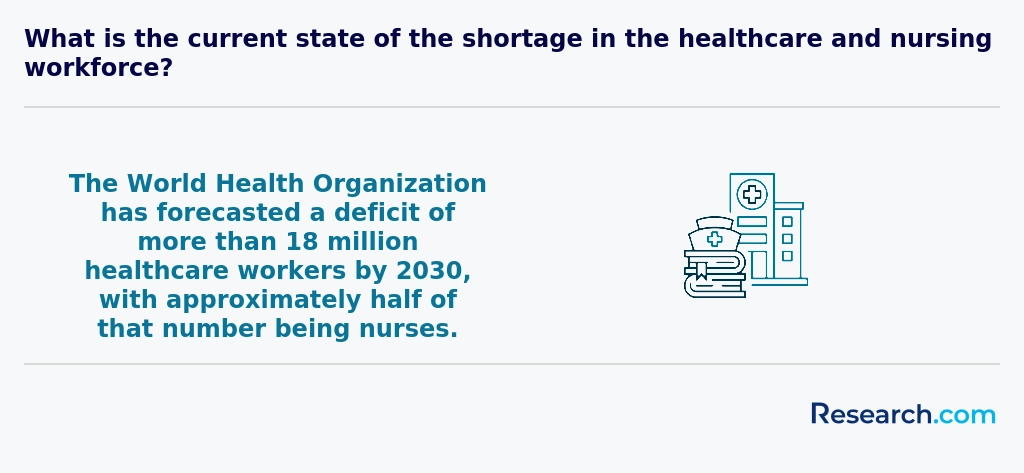
The global nursing shortage, noted by the World Health Organization, highlights growing demand, reinforcing nursing as a stable, versatile career choice.
Gaining practical experience while studying for an online nursing degree in Texas typically involves completing clinical hours required by the Texas Board of Nursing. Students must arrange local clinical placements in approved healthcare facilities such as hospitals, clinics, or long-term care centers. Many online nursing programs in Texas assist students in securing these placements close to their residence.
The Texas Board of Nursing mandates specific hands-on clinical hours for licensure, ensuring students gain real-world patient care experience. According to the board's 2023 guidelines, Bachelor of Science in Nursing (BSN) programs generally require a minimum of 500 clinical hours.
Additionally, some programs offer simulation labs or virtual clinical experiences to complement traditional clinical hours, but in-person practice remains essential. Networking with local healthcare providers can also help students find suitable clinical opportunities while maintaining their online coursework.
When choosing a concentration within an online nursing degree program in Texas, consider your career goals and interests first. Texas offers various specialties, including family nurse practitioner, psychiatric mental health, and nurse educator tracks. The Texas Board of Nursing reports that nurse practitioners are in high demand, with a 26% job growth expected by 2030.
Accreditation matters: ensure the program is approved by the Texas Board of Nursing and accredited by bodies like CCNE or ACEN. Also, review clinical placement support, as hands-on experience is crucial.
Finally, evaluate faculty expertise, tuition costs, and program flexibility to find a concentration that fits your lifestyle and long-term plans.
- 2027 Most Valuable Online Doctorate in Nursing Degree Programs Ranking in Louisiana
- 2027 Most Valuable Online Doctorate in Nursing Degree Programs Ranking in New Mexico
- 2027 Most Valuable Online Doctorate in Nursing Degree Programs Ranking in Kansas
- 2027 Most Valuable Online Doctorate in Nursing Degree Programs Ranking in Missouri
- 2027 Most Valuable Online Doctorate in Nursing Degree Programs Ranking in Colorado
- 2027 Most Valuable Online Doctorate in Nursing Degree Programs Ranking in Arizona
- 2027 Most Valuable Online Doctorate in Nursing Degree Programs Ranking in Georgia
- 2027 Most Valuable Online Doctorate in Nursing Degree Programs Ranking in Florida
- 2027 Most Valuable Online Doctorate in Nursing Degree Programs Ranking in Kentucky
- 2027 Most Valuable Online Doctorate in Nursing Degree Programs Ranking in South Carolina
See What Experts Have To Say About Studying Nursing
Read our interview with Nursing experts

Lisa Grubb
Nursing Expert
Assistant Professor
Johns Hopkins School of Nursing

- Take a look at the Recent articles https://www.oatext.com/nursing-student-engagement-researching-the-journey-and-its-potential-impact-on-transitions-to-practice.php/faqs.php
- Top Skills Employers Want in Practical Nursing Graduates https://vervecollege.edu/what-employers-look-for-in-practical-nursing-graduates/
- Getting RN Experience After Graduation | All Nursing Schools https://www.allnursingschools.com/articles/getting-rn-experience/
- Nursing Internship and Externship Programs https://jobs.mayoclinic.org/nursinginternexternprograms
- Online versus Face-to-Face Nursing Degrees: A Study of Recruiters’ Perceptions - OJDLA https://ojdla.com/articles/online-versus-face-to-face-nursing-degrees-a-study-of-recruiters-perceptions
- What Nursing Concentration Is Right for Me? | Maryville Nursing https://nursing.maryville.edu/blog/what-nursing-concentration-is-right-for-me
- 7 Nursing School Tips for Studying https://www.denvercollegeofnursing.edu/blog/nursing/7-Nursing-School-Tips-for-Studying.html
- Top Nursing Skills U.S. Employers Want to See on Your Resume | O'Grady Peyton https://www.ogradypeyton.com/blog/job-seeker-resources/top-nursing-skills-u.s.-employers-want-to-see-on-your-resume
- The Nurses' Alumni Association https://giving.mainlinehealth.org/get-involved/auxiliaries-and-womens-boards/lankenau-medical-center-womens-board/the-nurses-alumni-association
- Nurse Salary https://nursinglicensemap.com/resources/nurse-salary/


