
2027 Most Valuable Online Doctorate in Nursing Degree Programs Ranking in Georgia

Co-Founder and Chief Data Scientist
Are you considering advancing your nursing career with an online doctorate in Georgia? This article introduces the 2027 Most Valuable Online Doctorate in Nursing Degree Programs Ranking in Georgia, carefully developed by the Research.com team of data scientists to guide you on the best options available.
Choosing the right program can be overwhelming, but this ranking simplifies your search, highlighting valuable programs that align with your goals. Earning a nursing doctorate opens doors to leadership roles and greater impact in healthcare.
Explore your opportunities with confidence and take a meaningful step forward in your professional journey.
Key benefits of getting online nursing degree in Georgia
- Nursing degree graduates in Georgia can expect competitive salaries, with roles such as Advanced Practice Registered Nurse and Family Nurse Practitioner earning an average annual wage of $128,490 and hourly wages around $61.78.
- Graduates from popular Georgia universities often pursue diverse career paths, including specialties like Psychiatric or Acute Care Nurse Practitioner, offering rewarding opportunities in various healthcare settings.
- Getting a nursing degree online in Georgia provides flexibility to balance work and study, as seen with online graduates from well-known state universities who value saving commute time while gaining high-quality education.
- 2027 Most Valuable Online Doctorate in Nursing Degree Programs Ranking in Georgia
- What can I expect from online nursing degree in Georgia?
- Where can I work with online nursing degree in Georgia?
What can I expect from online nursing degree in Georgia?
When it comes to the average cost of an online nursing degree in Georgia, you'll find a range that reflects both opportunity and value. Many students at well-regarded institutions like Georgia Southern University or Kennesaw State University discover that in-state tuition rates often fall between $7,000 and $15,000 per year for programs like the Bachelor of Science in Nursing (BSN). This affordability has a way of easing the financial stress, allowing students to focus on their studies and clinical placements.
Graduates frequently share how the blend of flexible online coursework-tackling anatomy or pharmacology at their own pace-and real-world clinical experiences at local hospitals creates a supportive learning adventure.
Some students appreciate the availability of scholarships and financial aid, which transform what might seem a steep investment into a thrilling, achievable journey toward becoming a nurse.
With practical training embedded in community clinics nearby, the learning feels tangible and rewarding, reinforcing the excitement of progressing in Georgia's booming healthcare landscape.
Where can I work with online nursing degree in Georgia?
Graduates from online nursing programs at schools like Georgia State University and Augusta University find themselves stepping into dynamic roles across the Peach State. Picture yourself thriving in bustling hospitals operated by Emory Healthcare, where your skills as a registered nurse bring comfort and healing to patients day after day.
Others embrace the rewarding challenge of long-term care at skilled nursing facilities, supporting Georgia's growing elderly population with compassion and patience. Imagine the gratitude from families as you help patients regain strength after surgery in these vital settings.
Community health is another exciting frontier. Many grads join county health departments, leading immunization outreach or health education programs that truly impact neighborhoods. You might even become part of Georgia's expanding telehealth sector, connecting with patients remotely and offering care through innovative digital platforms.
For those ready to advance, online graduate nursing degrees open doors to become nurse practitioners or specialists, especially serving rural areas hungry for expert care. These paths offer not just growth but a sense of making a meaningful difference in diverse Georgian communities.
Graduates with online nursing degrees from Georgia's well-known programs often discover rewarding earnings waiting for them. For instance, those stepping into roles like Family Nurse Practitioner, Adult Nurse Practitioner, or Psychiatric Nurse Practitioner can anticipate a mean annual wage of about $128,490, as reported by the U.S. Bureau of Labor Statistics. Imagine working in the vibrant healthcare scene around Atlanta, where demand pushes salaries even higher-this is a thrilling prospect for many fresh graduates from schools like Georgia State University or Augusta University.
Many graduates share how their advanced online degrees opened doors to lucrative specializations and leadership roles, fueling excitement about their career paths. Entry-level nurses often start near $68,000, but as experience deepens-especially in urban hospitals or clinics-their paychecks grow substantially, sometimes by 10-20% within a few years.
Choosing an online degree within Georgia's diverse nursing landscape means stepping into a world where competitive salaries combine with meaningful, hands-on experiences, propelling careers to new heights.
- Online nursing programs in Georgia offer flexibility and include ADN, BSN, and some MSN degrees.
- Tuition for online BSN programs ranges from $7,000 to $12,000 per year at public universities, with private schools typically costing more.
- There is strong demand for registered nurses in Georgia due to population aging and healthcare growth, leading to good job prospects.
- Starting salaries for new RNs usually range from $55,000 to $65,000 annually, increasing to $75,000-$90,000 with experience.
- Nurses must pass the NCLEX-RN exam and complete clinical hours, with online students fulfilling this locally; Georgia also participates in the Nurse Licensure Compact for multi-state practice.
Licensed nurses expanding their horizons through RN-to-BSN tracks find themselves finishing in 12 to 24 months, fueled by prior clinical experience and credits. A graduate from a popular Georgia university shared how part-time study stretched their MSN program to two years, balancing work and life beautifully.
With clinical hours hands-on in approved local settings, every step feels grounded in reality, making the online experience both flexible and tangible in the Peach State.
Ensuring your online nursing program is properly accredited and meets Georgia’s licensure standards is critical for both academic recognition and professional practice. All reputable programs should hold regional accreditation from the Southern Association of Colleges and Schools Commission on Colleges (SACSCOC) and programmatic accreditation from either the Commission on Collegiate Nursing Education (CCNE) or the Accreditation Commission for Education in Nursing (ACEN). These accreditations verify that curricula adhere to rigorous standards for faculty qualifications, clinical hours, and student outcomes. Graduates of accredited programs become eligible to sit for the National Council Licensure Examination (NCLEX-RN) for registered nurses or respective APRN certification exams. To apply for licensure through the Georgia Board of Nursing, candidates must submit official transcripts, verification of completed clinical practicum hours, a criminal background check, and proof of U.S. citizenship or lawful residency. Advanced practice roles, such as Nurse Practitioner or Clinical Nurse Specialist, require additional credentialing through the Georgia Board’s Advanced Practice Section, including national certification in a chosen specialty area. Students should always verify program approval on the Georgia Board of Nursing website before enrolling. This step ensures that upon graduation, you can seamlessly apply for licensure without delays or additional coursework. For comparative insights into accredited, budget-friendly doctoral options, consider our Low Cost Online Doctorate in Nursing Degree Programs Ranking in St. Louis, MO, which highlights programs balancing quality and affordability.
Both paths immerse students in essential clinical hours at local healthcare facilities, a must for practical skills and state accreditation through the Georgia Board of Nursing. This blend of virtual learning convenience or hands-on campus energy opens doors to nursing careers without compromising quality.
Tuition at institutions like the University of Georgia remains fairly similar for both formats, but online learners often celebrate savings from avoiding daily commutes and housing costs, making education feel both adventurous and affordable in the Peach State.
Ensuring your online doctorate or advanced nursing degree is properly accredited and meets Georgia’s licensure standards is critical for both employment and scope of practice. Georgia Board of Nursing (GBON) approval and national accreditation by bodies such as the Commission on Collegiate Nursing Education (CCNE) or the Accreditation Commission for Education in Nursing (ACEN) validate program quality and are often prerequisites for sitting for the NCLEX or APRN certification exams. Before enrolling, verify a program’s status by checking GBON’s “Approved Programs” list and the CCNE/ACEN directories. Key considerations include:
- State Authorization: Programs must hold a Georgia “Letter of Approval” or participate in a state reciprocity agreement to deliver clinical experiences within Georgia.
- National Accreditation: Accreditation by CCNE or ACEN signals curricular rigor, faculty qualifications, and student support systems-features employers and certification boards look for.
- NCLEX and APRN Exam Eligibility: Doctorate and APRN students should confirm that clinical hour requirements and supervised practice components align with GBON rules, ensuring eligibility for licensure upon graduation. Documentation Tips: 1. Request official accreditation certificates during application. 2. Keep copies of syllabi that detail clinical clock hours. 3. Review GBON’s continuing education requirements to maintain licensure post-graduation. For aspiring nurses holding or pursuing an LPN credential, understanding accreditation parallels can be enlightening. Comparing standards through resources like online lpn programs in va offers a window into how clinical supervision, state approval, and accreditation guidelines support professional mobility across jurisdictions. This due diligence ensures your Georgia online nursing degree not only equips you with advanced skills but also seamlessly transitions you into licensed practice and long-term career growth.
The average cost of an online nursing degree in Georgia hovers around $14,000, a figure that reflects a careful balance between quality education and accessibility. Graduates from popular programs at state universities often share stories of how manageable tuition fees, combined with flexible online schedules, allowed them to pursue their nursing ambitions without overwhelming debt. For example, those enrolled in Bachelor of Science in Nursing (BSN) tracks found that public institutions typically kept expenses reasonable, especially when factoring in in-state tuition perks.
For students aiming higher with graduate nursing degrees, such as online Master of Science in Nursing (MSN) or Doctor of Nursing Practice (DNP), the stakes-and tuition-rise accordingly. Graduate programs are an investment, with costs adjusted to accommodate the depth of training necessary for advanced clinical roles. Yet many alumni express a sense of fulfillment, noting that the specialized knowledge gained makes the journey worthwhile. The support from university systems in Georgia often includes financial aid, making it easier to manage the total tuition and fees for online nursing doctorate Georgia.
Beyond tuition, practical expenses add to the adventure-course fees, technology costs, and clinical placements. Future nursing students have found success by exploring options like scholarships, employer assistance, and public school discounts. For curious learners deciding where to start, it's smart to explore the most affordable nursing schools in Georgia, where educational dreams and finances align harmoniously.
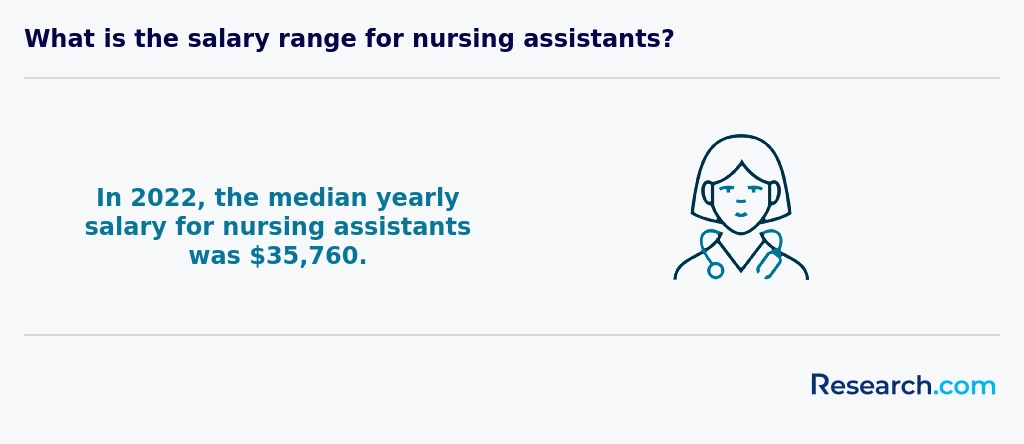
When considering an online doctorate in nursing, it’s essential to understand the distinct purposes and outcomes of the Doctor of Nursing Practice (DNP) and the Doctor of Philosophy in Nursing (PhD). A DNP emphasizes clinical leadership, evidence-based practice, and healthcare system improvement. Graduates often assume roles as advanced practice providers, nurse executives, or policy advocates. Core advantages include:
- Practice-Focused Curriculum: Courses in quality improvement, informatics, and population health prepare nurses for immediate impact in clinical settings.
- Clinical Hours or Capstone Project: Students complete hands-on hours or a practice-based capstone, enhancing real-world competencies.
- Leadership Development: Training in organizational change and interprofessional collaboration equips graduates to lead teams and influence healthcare delivery. By contrast, a PhD in Nursing centers on generating new knowledge through original research. Key features are:
- Research Methodology: Intensive coursework in statistics, qualitative methods, and grant writing primes graduates for academic or research roles.
- Dissertation Process: A multi-year research project under faculty mentorship drives advances in nursing science.
- Academic Career Path: PhD holders typically pursue faculty positions, research fellowships, and leadership in scholarly organizations. Both tracks demand rigorous prerequisites-often an MSN or relevant master’s degree-and span 3–4 years of full-time study. Your choice should align with long-term goals: clinical expertise and system change (DNP) versus scholarly inquiry and teaching (PhD). Nurses aiming to enhance advanced practice skills before committing to a doctoral path may first explore the fastest post masters fnp certificate online, then transition seamlessly into a DNP program. Understanding these distinctions ensures you select the doctorate in nursing degree program in Georgia that best supports your professional vision.
Envision yourself navigating financial aid options while pursuing an online nursing degree at the University of Georgia or Kennesaw State University-both popular choices among Georgia nursing students. Many graduates recall the relief of securing federal aid like Pell Grants and Direct Subsidized Loans simply by submitting the FAFSA, unlocking funds that don't require immediate repayment. This federal support often serves as a lifeline, easing the pressure of tuition fees that hover around the national average.
Beyond federal help, Georgia's unique HOPE Scholarship and HOPE Grant stand as beacons for local students, rewarding academic dedication with significant financial backing. Imagine the pride of nursing students at Georgia Southern University who tap into these state-funded resources tailored just for them.
- Many also find targeted scholarships through the Georgia Nurses Foundation, designed exclusively to support nurses advancing their education within the state.
- Others benefit from the Georgia Board of Nursing's occasional scholarship and loan repayment programs, which actively encourage graduates to join the state's healthcare workforce.
- Meanwhile, working nurses often find tuition assistance through employer-sponsored programs, turning their job into a partner in their academic journey.
For those balancing study and work, federal work-study programs provide invaluable hands-on experience while offsetting costs. Military families discover special tuition rates that acknowledge their service, making education more accessible. The common thread? Nursing students in Georgia continually uncover financial pathways that transform ambition into achievement.
When considering the cost of an online nursing degree in Georgia, it's essential to explore options that balance affordability with quality. For those seeking budget-friendly paths, researching the most affordable nursing schools in Georgia can be a valuable first step. This approach allows prospective students to weigh their options carefully, ensuring they find a program that meets their financial and academic needs without compromising on the educational experience. Many schools in Georgia offer competitive pricing for their online nursing programs, making it possible for students to pursue their passion for nursing without breaking the bank. By comparing costs, program structures, and accreditation, aspiring nurses can make informed decisions that set them up for success in their future careers.
Diving into an online nursing degree in Georgia means gearing up with some key prerequisites that set you on the right path. Imagine a motivated student at Georgia Southern University, who first had to secure a high school diploma or GED, proving a solid grip on biology, chemistry, and math before even starting. These fundamentals are more than box-checking-they're the launchpad for the complex world ahead.
Many students share how having completed courses like anatomy, microbiology, and nutrition unlocked their confidence. For example, those enrolling in institutions such as Kennesaw State University had to provide transcripts showing at least a "C" grade in these subjects, reassuring both themselves and admissions of their readiness.
If you're aiming for accelerated or RN-to-BSN programs, like many graduates from Augusta University recall, holding an active Georgia RN license is non-negotiable. This bright credential proves your clinical experience and lets you dive deeper into nursing quickly.
Alongside these, tests like the TEAS challenge applicants to showcase their skills in science, reading, and math, building excitement about the journey ahead. Additional steps-like background checks and personal statements-add layers to your story, making your application uniquely yours.

Doctor of Nursing Practice (DNP) programs emphasize clinical leadership and the application of research to improve patient outcomes, while PhD in Nursing programs focus on generating original research and advancing nursing science. Key distinctions include:
- Program focus: DNP hones advanced practice skills and quality-improvement initiatives; PhD strengthens research design, theory development, and academic scholarship.
- Capstone vs. dissertation: DNP curricula culminate in a practice-focused capstone project; PhD tracks require a traditional dissertation and defense.
- Career outcomes: DNP graduates often assume roles as nurse executives, clinical nurse specialists, or advanced practice nurses; PhD holders pursue faculty appointments, research positions, and policy analysis.
- Time to completion: DNP programs usually span 2–3 years full time; PhD pathways may extend 4–5 years depending on dissertation research.
For those aiming to lead clinical initiatives or become advanced practice nurses-such as family nurse practitioners-explore the cheapest fnp programs online in Georgia.
Jumping into an online nursing degree in Georgia means immersing yourself in courses like anatomy and physiology, microbiology, and pharmacology that bring the human body and its mysteries to life. Graduates from Georgia's top universities often describe the thrill of mastering these basics, realizing how each lesson connects directly to caring for real patients.
There's excitement in tackling nursing fundamentals and health assessment, where you learn essential skills like reading vital signs or communicating with empathy-just like students at well-known colleges around Atlanta who balance virtual labs with local clinical hours.
As you explore pathophysiology and evidence-based practice, you start thinking like a detective, piecing together patient clues to solve healthcare puzzles. Many online learners in Georgia embrace specialized courses in pediatrics or community health nursing, sparking passion for making real community impacts.
For those aiming higher, classes on leadership and informatics open doors to future roles beyond bedside care, blending technology and management in dynamic healthcare settings across Georgia.
Diving into online nursing specializations in Georgia reveals a vibrant array of focused paths that bring nursing students face-to-face with real-world challenges they're eager to conquer. Graduates from schools like the University of Georgia embrace the Family Nurse Practitioner track, where they joyfully connect with patients of all ages, providing primary care in bustling urban clinics or quiet countryside offices. Meanwhile, those drawn to more acute settings often choose Adult-Gerontology Acute Care Nurse Practitioner, a specialization bursting with adrenaline as learners master treatment for critically ill adults in busy hospitals.
Georgia nursing degree specialization options also include fields that touch the soul deeply, such as Psychiatric-Mental Health Nurse Practitioner, where students report feeling a profound sense of purpose by addressing mental health needs right here in the state. Other graduates find passion in Nursing Education, stepping into classrooms to inspire new generations, or Community Health Nursing, where they rally efforts to uplift both city and rural health communities. For those curious about expanding their nursing journey further, exploring online lpn programs in va offers complementary insights beyond state lines.
Imagine stepping into the vibrant world of nursing education in Georgia, where choosing the right online program can feel like navigating a map filled with possibilities. Graduates from well-known institutions celebrate the value of accreditation-programs approved by CCNE or ACEN ensure their degrees open doors statewide. One graduate from a popular Georgia college recalls how a strong curriculum blending theory and local clinical placements gave them confidence and real-world skills.
Cost plays a storytelling role too, as many find that affordable nursing degree Georgia online options balance quality and budget, with tuition costing between $7,000 and $20,000 annually for residents. Financial aid often transforms dreams into reality. Another common thread among alumni is the support network-experienced faculty and tutoring services become guiding stars through challenges.
Looking forward, those curious about advancing within nursing chase paths like the fastest post masters fnp certificate online. It's no surprise that success also springs from programs with high NCLEX-RN pass rates, ensuring graduates enter the profession prepared and ready.
Embracing technology with flexible schedules, engaging lectures, and practical clinical opportunities, Georgia's online nursing programs invite you to embark on a rewarding adventure toward your nursing doctorate or career goals.
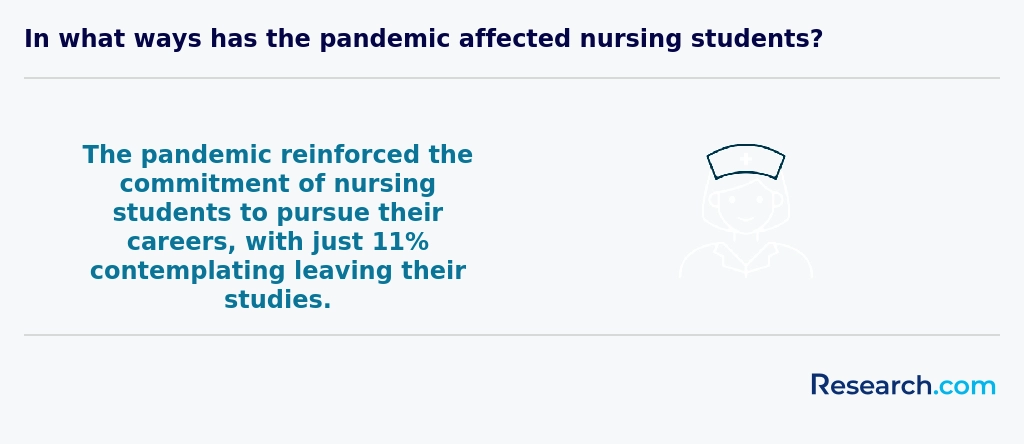
Graduates from online nursing programs in Georgia often find themselves stepping into vibrant roles that spark both passion and purpose. Many alumni from popular institutions like the University of Georgia and Georgia State University share stories of becoming Registered Nurses, thriving in hospitals and clinics across the state. This foundational path offers rich patient care experiences that fuel deeper ambitions.
Some take adventurous leaps toward leadership, earning their BSN online and stepping up as Nurse Managers or Clinical Nurse Leaders. These roles come alive in bustling metro Atlanta hospitals, where the demand for skilled leaders with advanced education grows daily-an exciting frontier for anyone craving more responsibility and impact. Advanced nursing degrees open doors to specialized roles like Nurse Practitioner, Nurse Educator, or Clinical Nurse Specialist, each offering both autonomy and rewarding challenges, especially given Georgia's full practice authority for NPs.
Beyond traditional careers, the online nursing degree career opportunities in Georgia also include unique avenues such as Public Health Nursing, Legal Nurse Consulting, and Health Informatics. Graduates recall working with diverse communities or aiding legal cases with expert insights. Those intrigued can even explore the Low Cost Online Doctorate in Nursing Degree Programs Ranking in St. Louis, MO for further advancement. These paths exemplify the dynamic possibilities awaiting those who embark on nursing journeys within Georgia's evolving healthcare landscape.
Graduates from online nursing programs in Georgia often find themselves stepping into a vibrant job market teeming with opportunities. Cities like Atlanta and Augusta have bustling healthcare centers where nursing professionals quickly secure roles in hospitals, outpatient clinics, and community health organizations. Many graduates from well-known institutions report feeling energized by how their flexible online education prepared them to meet the demands of these diverse workplaces. This strong demand captures the essence of online nursing job opportunities in Georgia, fueled by the state's growing healthcare infrastructure and aging population.
Moreover, graduates often describe the competitive wages as a rewarding reflection of their dedication. While starting salaries average around $68,000 annually for registered nurses, advanced roles can bring even higher earnings. Financially conscious students benefit from tuition costs typically between $8,000 and $20,000 per year, comparable to national rates, and many explore options for scholarships or employer assistance. Those seeking a bachelor's degree online cheap find Georgia schools combine quality with affordability, making the journey both exciting and attainable.
Looking ahead, the Georgia nursing degree employment outlook is bright, attracting students who want a career rich in meaning and growth. Online graduates often share how their education opens doors to hospitals and specialty practices that value advanced skills earned through programs like BSN or DNP, turning their studies into thrilling new chapters in health care.
2027 Most Valuable Online Doctorate in Nursing Degree Programs Ranking in Georgia
Investing in your education is a significant decision that can shape your future, and the Research.com team understands the importance of making informed choices. To assist prospective students in Georgia, we have meticulously developed the "2027 Most Valuable Online Doctorate in Nursing Degree Programs Ranking in Georgia." Our commitment to quality, credibility, and accuracy is demonstrated by the thorough research and analysis undertaken to compile this ranking.
We utilized the following reputable data sources to ensure a comprehensive evaluation of online nursing doctorate programs:
By exploring this ranking, readers will gain valuable insights into the most valuable online nursing doctorate programs in Georgia, empowering them to make well-informed decisions about their educational investments. For more details on our methodology, please visit our Research.com methodology page.


Frequently Asked Questions About nursing
Online nursing degree students in Georgia can enhance their learning by actively engaging with both digital coursework and local clinical opportunities. Since hands-on practice is vital, students should seek clinical placements approved by their programs to satisfy Georgia Board of Nursing requirements.
Utilizing campus resources such as tutoring, library databases, and student nursing organizations, even remotely, can strengthen comprehension and professional networking. According to the Georgia Nurses Association, building connections within the state's large healthcare system supports career growth after graduation.
Time management and creating a structured study schedule help balance work, family, and school obligations, increasing course completion rates. Georgia's Board of Regents reports that leveraging online platforms for collaboration with peers also improves understanding of complex nursing concepts.
The nursing field is evolving rapidly, with several emerging niches gaining prominence, especially for students pursuing online nursing degrees in Georgia. One key area is gerontological nursing, driven by Georgia's aging population, which is expected to grow by nearly 20% over the next decade according to the U.S. Census Bureau. Nurses specializing in elder care focus on managing chronic conditions and improving quality of life for older adults.
Another fast-growing niche is informatics nursing. This specialty blends nursing knowledge with information technology to improve patient care through data management and digital systems. Georgia's healthcare facilities increasingly seek professionals with these skills, reflecting nationwide trends reported by the American Nurses Association.
Additionally, psychiatric-mental health nursing has expanded due to rising awareness of mental health issues. The Georgia Board of Nursing highlights a shortage of mental health professionals, creating opportunities for nurses in this field. These niches demonstrate how specialized skills enhance career prospects for nursing graduates in Georgia.
After completing an online nursing degree in Georgia, preparing for the job market requires focused steps. First, obtain licensure by passing the NCLEX-RN exam, mandatory for all registered nurses in Georgia, as administered by the Georgia Board of Nursing.
Networking with local healthcare providers is essential. Georgia hospitals, such as Emory Healthcare and Piedmont Healthcare, often recruit nurses through career fairs and online job portals. Joining professional organizations like the Georgia Nurses Association can offer valuable connections and job leads.
Considering Georgia's projected 12% growth in nursing jobs through 2030 by the U.S. Bureau of Labor Statistics, staying current with continuing education and certifications in specialties like gerontology or critical care enhances employability. Practical experience, even via clinical rotations or internships offered by your online program, also improves hiring prospects.
Employers in Georgia seek nursing graduates with a balanced mix of clinical and interpersonal skills. Critical thinking and clinical judgment are highly valued, as nurses often face complex patient situations requiring quick, accurate decisions. According to the Georgia Board of Nursing, effective communication is essential for coordinating with healthcare teams and providing patient-centered care.
Technical proficiency, including familiarity with electronic health records (EHR), is increasingly important due to Georgia's growing use of healthcare informatics. Additionally, adaptability and cultural competence help nurses serve Georgia's diverse populations.
The Georgia Hospital Association highlights teamwork and ethical responsibility as top qualities for successful nursing professionals in the state's healthcare settings.
Finding nursing internships in Georgia typically involves leveraging partnerships between online nursing programs and local healthcare facilities. Many Georgia nursing schools, including those offering online degrees, coordinate clinical placements with hospitals, clinics, and long-term care centers across the state.
Students should contact their program's clinical coordinator early to explore available opportunities. The Georgia Board of Nursing requires all nursing students to complete supervised clinical hours to qualify for licensure, making internships an essential component.
Additionally, professional organizations like the Georgia Nurses Association and local health departments often post internship openings. Networking at virtual nursing conferences and career fairs can also reveal hidden opportunities.
Obtaining an online nursing degree in Georgia can significantly enhance career mobility and advancement opportunities. The state's healthcare sector is expanding rapidly, with the Georgia Department of Labor projecting a 15% growth in registered nurse employment from 2022 to 2032.
Online programs accredited by recognized bodies such as the CCNE or ACEN enable nurses to meet state licensure requirements while advancing their education. These degrees often prepare graduates for leadership, specialized nursing roles, or nurse practitioner licenses, which command higher salaries and greater job flexibility.
According to the Bureau of Labor Statistics, Georgia's median annual wage for registered nurses is around $70,000, with advanced roles offering considerably higher pay.
Additionally, many healthcare employers in Georgia value the flexibility and self-discipline demonstrated by completing online degrees, often leading to faster promotions and better geographic employment options.
Online nursing degree programs in Georgia emphasize interdisciplinary collaboration, preparing students to work effectively across healthcare teams. Courses often integrate leadership, communication, and case management skills crucial for cooperative practice with physicians, therapists, and social workers.
The curriculum aligns with Georgia Board of Nursing standards, ensuring graduates understand diverse professional roles within patient care settings. According to the Georgia Nurses Association, 70% of employers value nurses who can navigate complex health systems and coordinate with multiple disciplines to improve outcomes.
Additionally, clinical simulations and virtual practicums replicate real-world team scenarios, enhancing students' abilities to solve problems collaboratively. This integrated training supports a smoother transition into roles such as nurse practitioners or care coordinators in Georgia's evolving healthcare landscape.
When choosing between a thesis and a non-thesis online nursing degree program in Georgia, consider your career goals and learning preferences. Thesis programs typically focus on research and require students to complete a substantial research project, suitable for those aiming for academic, research, or leadership roles. Non-thesis options emphasize practical skills and may include additional coursework or projects instead of a thesis, ideal for nurses seeking advanced clinical practice or administration.
Georgia's Board of Nursing reported a steady increase in demand for nurse leaders and educators, roles often supported by thesis experience. Cost and program length also differ, with thesis tracks sometimes taking longer. Always verify the program's accreditation and alignment with Georgia's licensure requirements.
Students based in Georgia interested in studying nursing abroad through online programs have limited direct options due to accreditation and licensure requirements. Most online nursing degrees offered to Georgia residents come from U.S.-based institutions, as state nursing boards require programs to meet specific approval standards aligned with U.S. regulations.
While fully online international nursing degrees are rare for Georgia students, some universities abroad offer hybrid or international clinical experiences complementing U.S. online coursework. However, licensure eligibility in Georgia after completing an international program can be complex and requires a detailed review by the Georgia Board of Nursing.
According to the Georgia Board of Nursing, students should prioritize programs accredited by the Commission on Collegiate Nursing Education (CCNE) or the Accreditation Commission for Education in Nursing (ACEN) to ensure transferability and licensure success.
In summary, while options to study abroad online exist, the most practical route for Georgia students remains accredited U.S.-based nursing programs with possible international clinical components.
Part-time job opportunities in Georgia that complement nursing degree education provide valuable experience alongside academic studies. Many students work as certified nursing assistants (CNAs), a role that offers hands-on patient care exposure. The Georgia Board of Nursing reports steady demand for CNAs due to the state's aging population.
Medical assistant positions are also popular, allowing students to develop clinical and administrative skills in healthcare settings. Additionally, pharmacy technicians roles help nursing students understand medication management, a critical nursing aspect. According to the Georgia Department of Labor, healthcare support jobs are projected to grow by 19% through 2030, indicating strong employment prospects.
These part-time roles provide flexible schedules that fit around online coursework, enhancing practical knowledge while fostering career readiness.
Online nursing students in Georgia benefit from various networking opportunities tailored to bridge the gap between virtual learning and professional connections. Many accredited programs encourage participation in local nursing organizations such as the Georgia Nurses Association, which hosts events, conferences, and workshops accessible to online students.
Additionally, students can join specialized groups like the Georgia Organization of Nurse Leaders, fostering mentorship and leadership development. Clinical placements and partnerships with nearby hospitals also provide practical environments for networking.
According to Georgia Board of Nursing reports, 75% of nursing graduates find employment through connections made during studies, highlighting the importance of active networking.
Alumni networks provide vital support for online nursing degree students in Georgia by connecting them to experienced professionals and job opportunities. Georgia ranks among the top states for nursing careers, and strong alumni associations enable students to leverage local healthcare connections effectively. According to the Georgia Board of Nursing, nearly 70% of new graduates find employment through networking within six months of graduation. These networks offer mentorship, career advice, and access to exclusive job fairs, which is especially important for those studying remotely. Additionally, alumni events and online platforms foster ongoing education and professional growth, helping students stay current with the state's healthcare demands.
Customizing your online nursing degree program in Georgia involves selecting courses and specializations aligned with your career ambitions. Many programs offer electives in areas like nurse practitioner roles, healthcare leadership, or informatics. This flexibility allows you to gain skills sought in Georgia's growing healthcare industry, which is expected to increase nursing jobs by 12% through 2030 according to the Georgia Department of Labor.
Additionally, some schools provide clinical placements anywhere in Georgia, enabling you to gain hands-on experience locally. Accredited programs also let you choose between part-time or full-time study to fit your work schedule. Checking whether your program prepares you for Georgia's state nursing licensure is key to ensuring relevant career advancement.
Online nursing students in Georgia commonly face challenges related to balancing clinical practice with remote coursework. While didactic content can be completed online, nursing programs require clinical hours that must be scheduled locally, which can be difficult in areas with limited healthcare facilities. According to the Georgia Board of Nursing, securing clinical placements can delay progress.
Another challenge involves technology access and digital literacy, as students must navigate learning management systems and virtual simulations, which can be barriers for some.
Time management is critical, especially for working nurses or parents, since online programs demand self-discipline and consistent participation.
Finally, students may experience limited peer interaction, which can affect networking and professional growth opportunities.
With an online nursing degree in Georgia, graduates can pursue a variety of professional certifications to enhance their careers. Common certifications include the Certified Nurse Practitioner (CNP), Certified Nurse Educator (CNE), and Registered Nurse Executive (NE-BC). These credentials often require completing accredited programs and passing national exams through organizations like the American Nurses Credentialing Center (ANCC).
According to the Georgia Board of Nursing, earning such certifications can improve job prospects and increase earning potential. For example, nurse practitioners in Georgia earn a median annual salary of about $105,000, reflecting high demand in the state's growing healthcare sector.
Advanced certifications also open paths to specialized roles in pediatrics, geriatrics, and psychiatric nursing, supporting career advancement for online degree holders.
Writing a winning application for an online nursing program in Georgia requires careful preparation and attention to detail. Start by researching accredited programs approved by the Georgia Board of Nursing to ensure your degree meets state requirements. Highlight your clinical experience, especially if you have worked in Georgia healthcare settings, as local relevance strengthens applications.
Emphasize your commitment to nursing by including clear career goals and how the program aligns with Georgia's healthcare needs. Many programs value applicants who understand challenges such as rural patient care, which is significant in the state.
Submit all required documents on time, including transcripts, letters of recommendation, and proof of licensure if applicable. According to the Georgia Nurses Association, around 70% of applicants with complete, well-organized packets receive acceptance into competitive online programs.
The nursing profession is recognized worldwide as essential to healthcare systems. Globally, nursing is valued for its critical role in patient care, disease prevention, and health education. In the United States, including Georgia, the demand for nurses is growing rapidly due to an aging population and increased access to healthcare services. According to the Georgia Board of Nursing, the state expects a nearly 15% growth in registered nurse employment through 2030.
Internationally, nursing careers offer opportunities for specialization and leadership. Nurses often work in diverse settings such as hospitals, community clinics, and research institutions. The profession is supported by rigorous education and licensing standards, which are reflected in growing interest in online nursing degrees, providing flexibility for students in Georgia.
Furthermore, a nursing degree from accredited programs in Georgia aligns with global standards, enabling potential careers both domestically and abroad. This global recognition benefits students seeking mobility and diverse career options.
Students pursuing an online nursing degree in Georgia must complete practical experience through clinical placements. These hands-on sessions are a required part of nursing programs to meet state board licensing standards. Typically, online programs partner with healthcare facilities across Georgia, such as hospitals and clinics, to arrange local clinical hours.
The Georgia Board of Nursing mandates a minimum number of supervised clinical hours for licensure, which online students fulfill through these arranged partnerships. Students are advised to communicate early with their program coordinators to identify nearby clinical sites. The Georgia Nurses Association provides resources to help locate approved training sites.
Additionally, some programs offer simulation labs in strategic locations statewide to complement real-world experience, ensuring students develop critical skills safely. Navigating clinical requirements efficiently is vital, as Georgia's registered nurse workforce is projected to grow by 15% through 2030, emphasizing demand for qualified graduates.
Choosing the right concentration within an online nursing degree program in Georgia starts with understanding your career goals and interests. Georgia offers various specializations such as family nurse practitioner, nurse educator, and psychiatric mental health nursing. According to the Georgia Board of Nursing, areas like family practice and mental health are in high demand due to ongoing healthcare needs.
Consider local job market trends. The Georgia Department of Labor reports a steady growth of 15% in healthcare roles through 2030, especially in primary care and community health. Selecting a concentration aligned with these growth sectors can improve employment prospects.
Accreditation is another key factor. Ensure your program's concentration is recognized by bodies such as the Commission on Collegiate Nursing Education (CCNE) or the Accreditation Commission for Education in Nursing (ACEN).
Lastly, review curriculum specifics and practicum opportunities offered online. Concentrations providing robust clinical experiences in Georgia's healthcare settings help build essential skills and meet state licensure requirements.
- 2027 Most Valuable Online Doctorate in Nursing Degree Programs Ranking in South Carolina
- 2027 Most Valuable Online Doctorate in Nursing Degree Programs Ranking in Florida
- 2027 Most Valuable Online Doctorate in Nursing Degree Programs Ranking in Kentucky
- 2027 Most Valuable Online Doctorate in Nursing Degree Programs Ranking in Virginia
- 2027 Most Valuable Online Doctorate in Nursing Degree Programs Ranking in Louisiana
- 2027 Most Valuable Online Doctorate in Nursing Degree Programs Ranking in Missouri
- 2027 Most Valuable Online Doctorate in Nursing Degree Programs Ranking in Ohio
- 2027 Most Valuable Online Doctorate in Nursing Degree Programs Ranking in Illinois
- 2027 Most Valuable Online Doctorate in Nursing Degree Programs Ranking in Pennsylvania
- 2027 Most Valuable Online Doctorate in Nursing Degree Programs Ranking in Texas
See What Experts Have To Say About Studying Nursing
Read our interview with Nursing experts


- Nursing Internship and Externship Programs https://jobs.mayoclinic.org/nursinginternexternprograms
- The Outlook for Nurses in Georgia - Mercer ABSN https://absn.mercer.edu/blog/nurses-in-georgia/
- Know more about thesis vs non- thesis: what is the difference? https://studyfans.com/en/blogs/816
- Online Nursing Programs in GA: Your Guide to the Best Schools https://www.edumed.org/online-schools/nursing-rn-programs/georgia/
- The Nurses' Alumni Association https://giving.mainlinehealth.org/get-involved/auxiliaries-and-womens-boards/lankenau-medical-center-womens-board/the-nurses-alumni-association
- Nursing Courses in Georgia: Opportunities Beyond Borders - Aspire International https://aspireea.com/nursing-courses-in-georgia-opportunities-beyond-borders/
- School of Nursing Alumni Resources https://nursing.utmb.edu/About/Alumni
- From our readers…Strengthening nursing networks https://www.myamericannurse.com/from-our-readersstrengthening-nursing-networks/
- How Do Nurses Prepare to Work in a Multidisciplinary Team? | NursingEducation https://nursingeducation.org/insights/multidisciplinary-team/
- Can I Get a Nursing Degree Online? | University of Phoenix https://www.phoenix.edu/articles/nursing/can-i-get-a-nursing-degree-online.html


