2027 Most Popular Nursing Degree Programs Ranking in Saint Louis

Co-Founder and Chief Data Scientist
Choosing the right nursing degree program in Saint Louis can feel overwhelming, but the right information makes all the difference. This article presents the 2027 Most Popular Nursing Degree Programs Ranking in Saint Louis, created by the Research.com team of data scientists to guide you through your options.
By exploring this ranking, you'll gain valuable insights to help you find programs that match your goals and interests. Pursuing a nursing degree offers rewarding career opportunities and a chance to make a positive impact in healthcare. Let this guide support your journey toward a fulfilling future.
Key benefits of getting nursing degree in Saint Louis
- Nursing degree graduates in Saint Louis can expect competitive salaries, with Registered Nurses earning a mean annual wage of $94,480 and Operating Room Nurses earning up to $128,490, providing strong financial stability.
- Career paths from Saint Louis universities include roles like Clinical Nurse Educator and Public Health Nurse, offering diverse opportunities to grow and make a meaningful impact in healthcare.
- Online nursing degrees from Saint Louis institutions offer flexibility and convenience, allowing graduates to balance studies with work or family while earning the same respected credentials as traditional programs.
- 2027 Most Popular Nursing Degree Programs Ranking in Saint Louis
- What can I expect from nursing degree in Saint Louis?
- Where can I work with nursing degree in Saint Louis?
What can I expect from nursing degree in Saint Louis?
The average cost of a nursing degree in Saint Louis varies depending on the institution and program level, but students can generally expect to invest between $10,000 and $35,000 per year. Graduates from Saint Louis University and the University of Missouri-St. Louis often share how they balanced tuition expenses with part-time jobs or scholarships tailored for nursing students. These financial aids are often available and crucial, especially when attending well-known programs like Fontbonne University's nursing school.
Many students appreciate the flexibility offered by local programs, with options like evening classes or hybrid formats that allow working students to continue supporting themselves while pursuing their degree. This support system, combined with affordable local living costs, helps reduce the financial stress often associated with nursing education.
Investing in a nursing degree in Saint Louis means gaining access to excellent clinical placements at top hospitals like Barnes-Jewish, enriching both experience and résumé. Graduates often highlight how this hands-on approach made the tuition worthwhile, fueling their confidence and passion for nursing careers.
Where can I work with nursing degree in Saint Louis?
Graduates from nursing programs at Saint Louis universities often find rewarding opportunities in several key healthcare settings throughout the city. Many of them share how starting their careers in hospitals like Barnes-Jewish Hospital or St. Louis University Hospital helped them build strong clinical skills while working alongside experienced teams in critical care or emergency nursing. These environments provide dynamic, hands-on experiences that truly bring classroom learning to life.
Others have pursued roles in outpatient clinics or community health centers such as those operated by the Saint Louis County Department of Public Health. Here, nurses contribute to wellness programs, immunizations, and patient education-making a real impact on community health.
Long-term care facilities and hospice centers also attract graduates, especially given Saint Louis's growing elderly population. Many alumni appreciate the meaningful connections they form while supporting patients in assisted living and rehab centers.
Home health nursing offers flexible schedules and autonomy, which appeals to those seeking work-life balance. Nursing graduates from Saint Louis colleges often describe this path as deeply satisfying, empowering them to care for patients in their own homes.
Finally, some find unique fulfillment in public health roles and school nursing, supporting health literacy and safety in diverse populations. Wherever you choose, nursing in Saint Louis means engaging with a vibrant healthcare community that values your skills and compassion.
Graduates from nursing programs in Saint Louis, including those from well-regarded institutions like the University of Missouri-St. Louis and Saint Louis University, can anticipate competitive earnings that grow with experience and specialization. For example, entry-level registered nurses often start near $73,000 annually, aligning with regional data from the U.S. Bureau of Labor Statistics. Many graduates quickly find themselves earning the mean annual wage of about $94,480, especially if they pursue roles such as Clinical Nurse Educators or Public Health Nurses.
For nurses who specialize further, such as Operating Room Nurses, the financial rewards are notably higher, with mean wages around $128,490 per year, reflecting both the advanced skill set and critical responsibility. In my mentoring experience, I've seen graduates embrace these demanding roles with enthusiasm, supported by clinical training experiences in Saint Louis hospitals, which prepare them well for such opportunities.
Balancing hard work with passion, nursing graduates in Saint Louis enjoy a stable career path that offers steady income increases and the ability to positively impact their communities while securing financial independence.
- Nursing degree options in Saint Louis include ADN, BSN, and MSN programs offered by both public and private institutions.
- ADN programs cost between $6,000 and $12,000, while BSN tuition ranges from $25,000 to $45,000 for the full degree.
- Students should budget for extra expenses such as books, uniforms, and clinical placement fees.
- Approximately 40,000 registered nurses are employed in the Saint Louis area as of 2023, reflecting steady job growth.
- Starting salaries for nursing graduates range from $55,000 to $65,000 annually, with experienced nurses earning $75,000 or more.
Completing a nursing degree in Saint Louis typically takes between 2 and 4 years, depending on your chosen path. Many graduates from local community colleges share how their Associate Degree in Nursing (ADN) took just about 2 to 3 years, allowing them to quickly start working as registered nurses. This shorter timeline is perfect for those eager to enter the field and gain hands-on experience while considering further education later.
On the other hand, students at well-known universities like Saint Louis University or University of Missouri-St. Louis often pursue a Bachelor of Science in Nursing (BSN), which usually takes 4 years. Some graduates recall how accelerated BSN programs, lasting just 12 to 18 months, helped them fast-track their careers after completing degrees in other fields. These programs offer flexibility and a focused, inspiring journey into nursing.
For those aiming higher, the Master of Science in Nursing (MSN) takes an additional 2 to 3 years beyond the BSN. Many working nurses in Saint Louis appreciate part-time and online options that fit busy schedules, empowering them to grow as leaders while balancing life's demands.
After earning a nursing degree in Saint Louis, MO, many graduates look to deepen their clinical expertise and stand out in a competitive job market through advanced certifications and graduate programs. Specialty certifications-such as Critical Care Registered Nurse (CCRN), Certified Pediatric Nurse (CPN), and Nurse Educator (CNE)-not only validate clinical skills but also often lead to higher salaries and leadership roles. To pursue these credentials, candidates must complete targeted coursework, accumulate practice hours in the chosen specialty, and pass rigorous exams administered by certifying bodies like the American Nurses Credentialing Center (ANCC). Graduate pathways include Master of Science in Nursing (MSN) and Doctor of Nursing Practice (DNP) programs, which open doors to roles such as Nurse Practitioner, Clinical Nurse Specialist, and Nurse Anesthetist. These programs emphasize evidence-based practice, advanced pharmacology, and health policy leadership. For nurses interested in mental health specialties, the most affordable online psychiatric nurse practitioner program offers a seamless pathway to certification while balancing work and study. Maintaining licensure requires ongoing professional development; most state boards mandate 24–30 continuing education credits every two years. Online platforms and local hospitals in Saint Louis provide approved CE courses covering topics like pediatric trauma, geriatric care, and legal-ethical issues in nursing. Additionally, professional organizations-such as the Missouri Nurses Association-offer workshops, leadership seminars, and mentorship networks that help nurses stay current with best practices and emerging technologies. By strategically selecting certifications and advanced degrees aligned with personal interests and local healthcare demands, nursing graduates can ensure they remain competitive, deliver high-quality patient care, and continuously advance in their careers.
Choosing between online and on-campus nursing degrees in Saint Louis often comes down to how you learn best and what fits your lifestyle. Graduates from Saint Louis University who chose on-campus programs frequently talk about the value of face-to-face mentorship and access to campus simulation labs that deepen their hands-on skills. They describe the energy of studying alongside peers and immediate support from instructors as motivating and confidence-building.
Conversely, graduates from University of Missouri-St. Louis highlight the freedom online programs offer, especially for those juggling work or family. They appreciate attending lectures digitally at their own pace while still completing essential clinical hours nearby in local hospitals. This flexibility allows them to balance personal commitments without losing sight of their nursing goals.
Both pathways demand rigorous clinical experience and accredited curricula, ensuring you're prepared for the NCLEX-RN exam. Online or on-campus, what matters most is how well the program fits your unique circumstances while delivering quality education in Saint Louis's supportive healthcare community.
Nursing education in Saint Louis, MO, is marked by a stringent emphasis on accreditation and licensure, ensuring that graduates are not only academically prepared but also legally qualified to practice in their chosen field. The complexity of healthcare demands that nursing professionals adhere to the highest standards of competence and ethical practice. For instance, to become a licensed Registered Nurse (RN), one must complete an accredited nursing program and pass the National Council Licensure Examination (NCLEX-RN). This process underscores the importance of selecting a nursing program that is accredited by a recognized accrediting agency, such as the Accreditation Commission for Education in Nursing (ACEN) or the Commission on Collegiate Nursing Education (CCNE). Prospective students can explore the popular nursing degree programs in Saint Louis, MO, which are carefully evaluated based on factors like accreditation status, program outcomes, and faculty expertise. Furthermore, understanding the implications of accreditation on licensure and employment opportunities is crucial for making informed decisions about one's nursing education. By prioritizing accreditation and licensure, aspiring nurses in Saint Louis can ensure they are well-prepared to navigate the challenges of the healthcare sector and provide high-quality patient care.
The average cost of a nursing degree in Saint Louis varies based on your residency status and choice of school. For in-state students, the median total cost is around $31,750, making public universities like the University of Missouri-St. Louis attractive options for those seeking quality education with manageable tuition fees. Graduates from these programs often reflect warmly on their experience, noting how the balance of cost and comprehensive training helped them launch their nursing careers confidently.
Out-of-state students or those attending private institutions face higher costs, with median totals reaching approximately $50,364. Schools such as Saint Louis University offer excellent nursing programs, though their tuition is considerably higher. Many students find that scholarships and financial aid are essential tools in offsetting these costs, especially in Saint Louis, where aid programs for nursing disciplines are both competitive and rewarding.
Given the length of nursing programs-typically two years for an ADN and four years for a BSN-it's important to consider the overall financial commitment. The Saint Louis nursing program tuition fees also include expenses beyond tuition, such as textbooks and clinical supplies, which are often overlooked initially but are part of the true cost of education.
Exploring the popular nursing degree options in Missouri can give prospective students a clearer picture of where to invest wisely. Many graduates recall how investing smartly in their education paid off, leading to fulfilling roles in healthcare with a strong foundation built during their time at these schools.

If you're pursuing a nursing degree in Saint Louis, financial aid options can truly lighten the load and keep your focus on building your future. Graduates from universities like Saint Louis University often share how applying for federal aid through FAFSA unlocked access to Pell Grants and Federal Direct Loans, which cover significant portions of their tuition without overwhelming debt. Pell Grants, in particular, can award up to $6,895 a year, making a massive difference when balancing costs.
Many nursing students also tap into state-specific programs like Missouri's Access Missouri Financial Assistance or the Healthcare Professional Loan Repayment Program. These opportunities not only provide funding but offer an inspiring connection to serving underserved communities across the state.
Local hospitals such as Barnes-Jewish Hospital and SSM Health are well-known for scholarships that include loan forgiveness or require working in Saint Louis after graduation. This creates a rewarding pathway that supports your education and jumpstarts your career while giving back to the community.
Private scholarships, too, open doors-offered by organizations like the Greater St. Louis Nurses Association, they recognize your dedication and leadership. Many students combine these with part-time work in campus clinics or healthcare centers, gaining hands-on experience while easing expenses.
Navigating the admissions process for nursing degree programs in Saint Louis, MO, requires careful planning to meet key deadlines and submit a compelling application. To secure your spot, follow these steps: 1. Research and Select Programs Begin by comparing program requirements and start dates for ADN, BSN, and accelerated tracks. If you’re an LPN seeking an accelerated path, consider our top 6 month online lpn to rn bridge program for a streamlined transition to RN licensure. 2. Confirm Prerequisites and Testing Ensure completion of prerequisite courses (biology, chemistry, anatomy) with the minimum GPA. Register for the TEAS exam at least three months before your target term and aim for a score above the program’s cutoff to strengthen your application. 3. Prepare Application Materials - Official transcripts from all institutions - Personal statement highlighting your passion for nursing and community impact - Two to three professional or academic letters of recommendation - Up-to-date resume showcasing healthcare or volunteer experience - Immunization records and background check documentation 4. Monitor Application Deadlines - Fall Admission: Applications open January 1; priority deadline March 15; final deadline June 1 - Spring Admission: Applications open July 1; priority deadline September 15; final deadline November 1 - Summer Admission (accelerated tracks): Applications open October 1; priority deadline December 15; final deadline February 1 5. Interview and Notification Selected candidates will be invited for interviews-virtual or on-site-to assess communication skills and fit with clinical partners. Final admission decisions are typically released 4–6 weeks after the application deadline. By adhering to these timelines and preparing thorough, personalized application materials, you’ll maximize your chances of joining a leading nursing program in Saint Louis, MO, and taking the first step toward a rewarding healthcare career.
To begin your nursing journey in Saint Louis, you'll need a high school diploma or GED-this is your essential first step. Graduates from local programs often recall how completing core science courses like biology with lab, chemistry, and anatomy helped them confidently tackle tough nursing concepts. Popular schools such as Saint Louis University or Webster University emphasize prerequisites including microbiology, college-level math, and English composition to ensure you build a strong academic foundation.
Many students share how taking the TEAS or HESI exams boosted their readiness by sharpening their reading, math, and science skills before entering nursing coursework. You'll also face practical requirements, like providing immunization records and clearing background checks, which safeguard your health and the community you'll serve.
Letters of recommendation and personal statements give you a chance to showcase your passion and commitment-qualities that Saint Louis institutions highly value. Students often find that preparing these thoughtfully opens doors and builds confidence as they step into this rewarding profession.
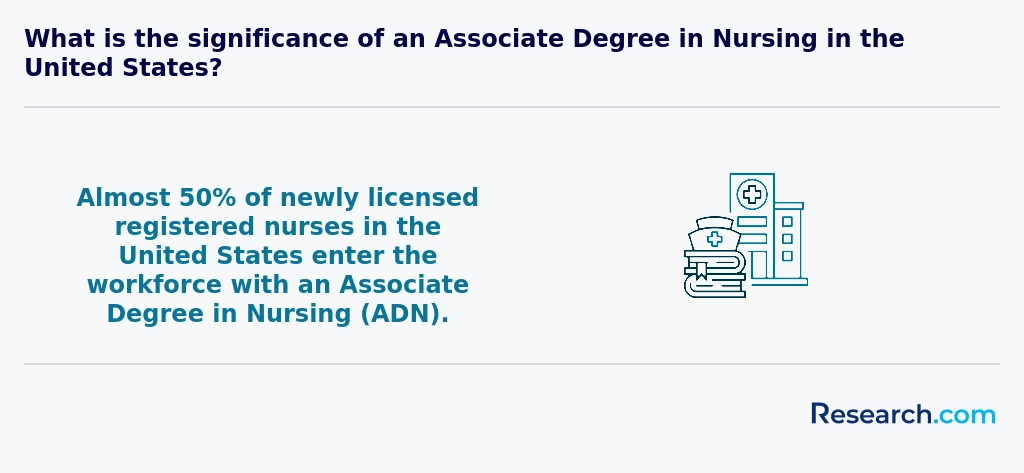
Understanding NCLEX-RN success is key to choosing a nursing program in Saint Louis. High pass rates signal strong curriculum, effective faculty support, and thorough exam preparation.
- Saint Louis University: 95% average first-time pass rate, reflecting robust clinical training and dedicated NCLEX review workshops
- University of Missouri–St. Louis: 92% pass rate, with integrated practice questions and simulation labs
- Saint Louis Community College: 88% pass rate, supported by peer-led study groups and online prep modules
- Lindenwood University RN-to-BSN: 90% pass rate, thanks to flexible review sessions tailored for working RNs
Programs with pass rates above 90% typically offer:
- Structured NCLEX study plans embedded in coursework
- Access to question banks and simulated exams
- Faculty-led review seminars before graduation
Strong licensure exam outcomes not only boost confidence but also enhance employability in competitive Saint Louis healthcare settings. For nurses seeking to build on BSN success and advance to doctoral-level practice, explore our easiest online dnp programs.
When pursuing a nursing degree in Saint Louis, you can expect a well-rounded curriculum that blends science and hands-on skills. Graduates from popular local colleges often describe how courses like anatomy, physiology, and microbiology gave them a deep understanding of the human body, which proved essential during their clinical rotations at nearby hospitals.
Alongside these foundations, you'll dive into specialized nursing classes such as adult health nursing, pediatric nursing, and mental health nursing. For example, students frequently share how studying mental health nursing helped them approach patient care with compassion and confidence, especially in community settings common around Saint Louis.
Courses in pharmacology and community health nursing prepare you to manage medications carefully and address public health challenges. These classes, combined with psychology and sociology, ensure you see patients as whole people influenced by their environments.
Saint Louis programs emphasize real-world experience, so you'll spend significant time in clinical practice, building skills that employers highly value in this growing healthcare hub.
Nursing degree specializations in Saint Louis offer you a rich variety of paths tailored to your passions and career goals. Many graduates from popular universities find themselves drawn to the Registered Nurse (RN) to Bachelor of Science in Nursing (BSN) track, allowing them to elevate their credentials while balancing work and study, often through flexible online or on-campus options. Others pursue the Family Nurse Practitioner (FNP) specialization, energized by the chance to deliver primary care across all ages-a rewarding role growing rapidly nationwide.
Saint Louis nursing program focus areas also include critical fields like Psychiatric-Mental Health Nursing and Geriatric Nursing. Graduates often share how valuable hands-on clinical rotations at city hospitals have been for gaining real-world confidence, whether addressing mental health challenges or supporting the aging community. Those interested in fast-paced environments thrive in Critical Care and Emergency Nursing programs, where skills in high-stress urban hospital settings sharpen every day.
For those seeking targeted training, exploring options such as the most affordable online psychiatric nurse practitioner program can be a strategic choice, offering advanced expertise at accessible costs and fitting well with Saint Louis's healthcare growth trends.
Choosing the best nursing degree in Saint Louis starts with understanding your career aspirations. Graduates from Saint Louis University often share how pursuing a BSN gave them confidence and opened doors to varied clinical and leadership roles. The city's healthcare employers highly value this degree, aligning with the growing trend favoring BSN-trained nurses for better patient outcomes. If affordability is key, exploring affordable nursing schools Saint Louis offers, like community colleges with accredited programs recognized by CCNE or ACEN, can ease financial pressures while ensuring quality education.
Flexibility matters, too. Many students juggling work and study appreciate how the University of Missouri-St. Louis provides evening and online classes, supporting real-life commitments. This approach helps learners gain hands-on experience without sacrificing income. When considering options, pay close attention to NCLEX pass rates and employer partnerships that many local programs cultivate, as these significantly impact your readiness and job prospects.
For those looking to accelerate their journey, graduates often recommend checking out the top 6 month online lpn to rn bridge program that can turn prior experience into a registered nurse license faster, blending convenience with advancement.

Graduates with a nursing degree in Saint Louis have access to a rich variety of career paths thanks to the city's strong healthcare network and educational institutions like Saint Louis University and the University of Missouri-St. Louis. Many start as Registered Nurses, providing vital patient care in hospitals or outpatient centers, quickly gaining hands-on experience that shapes their professional confidence.
Beyond general nursing, specialized roles offer exciting opportunities. Graduates have pursued careers in Critical Care Nursing within intensive care units or chosen Pediatric Nursing to make a difference in children's lives. Community Health Nursing is another rewarding path, where nurses actively engage in improving public health through local agencies, embodying the spirit of nursing career opportunities in Saint Louis.
Some graduates find fulfillment working as Home Health Nurses, supporting patients in their homes, while others have pursued Legal Nursing Consulting, blending healthcare expertise with the legal system. For those looking to advance further, roles such as Nurse Practitioners or Nurse Educators offer both autonomy and higher earning potential. If you're concerned about costs, consider exploring the Affordable Nursing Degree Programs Ranking in the South to find the best educational fit that balances quality and expense.
The nursing job outlook Saint Louis is exceptionally promising, driven by strong demand across local hospitals, clinics, and long-term care facilities. Graduates from well-regarded nursing programs in the city often share how their training equipped them to confidently step into roles where staffing shortages mean they quickly find rewarding employment opportunities. For example, those from popular colleges in Saint Louis often secure positions in critical care or community health settings within months, reflecting the city's urgent need for skilled nurses.
Healthcare employment opportunities Saint Louis extend beyond bedside nursing to include public health organizations and research institutions, offering diverse career paths. Many recent graduates highlight how the city's network of healthcare providers fosters professional growth and job stability, especially as the region experiences an estimated RN employment growth near 15% over the next decade.
Investing in your education here makes sense; you can explore affordable options like 6 month associate programs online that balance quality and cost. This way, you're prepared to join a thriving workforce where salaries start competitively and advance with experience, fueling both your passion and your financial independence.
2027 Most Popular Nursing Degree Programs Ranking in Saint Louis
Investing in your education is a significant decision that can profoundly impact your future, and the Research.com team is fully aware of the importance of making well-informed choices. To support prospective students in Saint Louis, we have carefully developed the "2027 Most Popular Nursing Degree Programs Ranking in Saint Louis." Our dedication to quality, credibility, and accuracy is demonstrated through thorough research and detailed analysis that underpin this ranking.
We utilized the following reputable data sources to ensure a comprehensive evaluation of nursing programs:
By reviewing this ranking, readers will gain valuable insights into the most popular nursing degree programs in Saint Louis, enabling them to make educated decisions about their educational journey. For a deeper understanding of how this ranking was created, please visit our Research.com methodology page.


Frequently Asked Questions About nursing
Students pursuing nursing degrees in Saint Louis can significantly enhance their learning by engaging in clinical experiences offered by the city's numerous healthcare facilities. Saint Louis features several renowned hospitals such as Barnes-Jewish and St. Louis Children's Hospital, which serve as vital clinical training sites. According to the Missouri State Board of Nursing, hands-on practice in these settings improves critical thinking and patient care skills.
Furthermore, joining local nursing organizations like the Missouri Nurses Association allows students to network and access continuing education resources. Taking advantage of simulation labs available at many Saint Louis universities also strengthens practical skills in a controlled environment.
Lastly, students should consider participating in community health initiatives in Saint Louis, which help develop cultural competence and real-world problem-solving abilities, both highly valued in today's healthcare sector.
The nursing field in Saint Louis is evolving with several emerging niches driven by healthcare advancements and demographic changes. One rapidly growing area is gerontological nursing, reflecting the increasing elderly population in Missouri. This specialty focuses on providing care tailored to older adults' complex needs.
Another expanding niche is telehealth nursing. With digital healthcare gaining momentum, nurses trained in telemedicine technologies are in higher demand, especially to serve rural Missouri communities. Saint Louis institutions are integrating telehealth training within nursing programs to meet this need.
Additionally, psychiatric-mental health nursing is seeing growth due to heightened awareness of mental health issues nationwide, including Saint Louis. Nurses skilled in behavioral health support have more employment opportunities in hospitals and community clinics.
These niches highlight dynamic career paths within nursing degrees offered locally, aligning education with emerging healthcare trends.
After completing a nursing degree in Saint Louis, preparing for the job market involves several key steps. First, obtaining licensure through the NCLEX-RN exam is essential to practice as a registered nurse. Missouri's Board of Nursing provides guidance on this process.
Networking is crucial; local healthcare facilities such as Barnes-Jewish Hospital and SSM Health Saint Louis offer employment opportunities, internships, and residencies. According to the U.S. Bureau of Labor Statistics, Saint Louis has a growing demand for registered nurses, with employment projected to increase by 12% over the next decade.
Joining professional organizations like the Missouri Nurses Association can provide mentorship and continued education resources to enhance your career prospects.
Employers in Saint Louis highly value nursing graduates who demonstrate strong clinical skills combined with effective communication. According to data from the Missouri Center for Nursing, critical thinking and patient care abilities rank among the top competencies sought by local healthcare providers. Nurses must be proficient in time management and teamwork to succeed in fast-paced hospital environments common in the region.
Additionally, given Saint Louis's diverse population, cultural competence is essential to ensure inclusive patient care. Familiarity with electronic health records (EHR) systems is increasingly important, as digital documentation is now standard in most organizations. Nursing programs in the area typically emphasize these skills to prepare graduates for local job market demands.
Finding nursing internships in Saint Louis involves leveraging connections between local healthcare providers and educational institutions. Many universities with nursing programs, such as Saint Louis University and the University of Missouri-St. Louis, offer dedicated internship placement services that assist students in securing clinical experiences in hospitals and clinics.
Saint Louis is home to several major healthcare facilities, including Barnes-Jewish Hospital and Mercy Hospital, which regularly partner with nursing schools to offer internships. Checking hospital websites and contacting their human resources or education departments can reveal specific internship openings.
Additionally, the Missouri State Board of Nursing and regional nursing associations provide resources and listings for clinical opportunities, helping students find roles aligned with their degree progress and career goals.
A nursing degree significantly enhances career mobility and advancement opportunities in Saint Louis, a city with a robust healthcare industry. According to the Missouri Economic Research and Information Center, the healthcare sector, including nursing, is one of the fastest-growing employment areas in the region. Holding a nursing degree qualifies individuals for a variety of roles, from staff nurse positions to specialized clinical or leadership roles.
Educational advancement is often linked with higher salaries and increased responsibility. For example, registered nurses with a Bachelor of Science in Nursing (BSN) in Saint Louis earn a median annual wage approximately 15-20% higher than those with associate degrees, based on data from the U.S. Bureau of Labor Statistics.
The degree also facilitates eligibility for advanced certifications and graduate studies, which are important for roles such as nurse practitioners or nurse educators, both in demand locally. Employers in Saint Louis frequently prefer or require a nursing degree for promotion, improving long-term job security and career growth prospects.
Studying for a nursing degree in Saint Louis offers a strong foundation for interdisciplinary roles in healthcare. Local nursing programs emphasize collaboration with other health professions, such as medicine, pharmacy, and social work, reflecting the integrated care models common in US healthcare systems.
Saint Louis nursing students often engage in clinical rotations at renowned hospitals like Barnes-Jewish and SSM Health, where interdisciplinary teamwork supports patient-centered care. According to the Missouri Economic Research and Information Center, registered nurses in the Saint Louis metro area have a 15% higher employment growth rate than the national average, highlighting the demand for versatile nurses skilled in diverse healthcare environments.
Additionally, many programs incorporate interprofessional education (IPE) initiatives, preparing students to communicate effectively and coordinate with various healthcare providers. This hands-on, team-based learning enhances critical thinking and leadership skills crucial for navigating complex patient needs in hospital or community settings.
Choosing between a thesis and a non-thesis nursing degree program in Saint Louis depends largely on your career goals and learning preferences. Thesis programs focus on research and typically require students to complete an original study, which suits those interested in advanced practice roles, teaching, or doctoral preparation.
Non-thesis programs emphasize practical skills and clinical experience rather than research. These are often preferred by nurses aiming for immediate clinical advancement or leadership positions within healthcare settings.
Saint Louis houses reputable institutions offering both options, with their nursing graduates contributing to Missouri's demand for skilled nurses, which is projected to grow by 15% through 2030 according to the Missouri Economic Research and Information Center.
Consider your time availability, readiness for independent research, and professional goals before deciding on the program type.
Students based in Saint Louis who wish to study nursing abroad have several options focused on international partnerships and exchange programs. Many nursing schools in Saint Louis, such as those affiliated with Saint Louis University, offer study abroad opportunities with institutions in Europe, Australia, and Canada. These programs typically last a semester and allow students to gain global clinical experience while earning credits towards their nursing degree.
The U.S. Bureau of Labor Statistics reports strong demand for nurses, encouraging students to seek diverse international perspectives. Financial aid and scholarships may be available, but students should verify eligibility for study-abroad funding. Additionally, Saint Louis nursing students must ensure their program abroad aligns with U.S. nursing licensure requirements to facilitate a smooth transition back to the U.S. healthcare system.
Students pursuing nursing degrees in Saint Louis can find various part-time job opportunities that complement their education and provide valuable practical experience. Common roles include nursing assistants, patient care technicians, and medical office assistants, which allow hands-on interaction with patients while supporting healthcare teams.
According to the U.S. Bureau of Labor Statistics, Missouri's healthcare sector continues to grow steadily, increasing demand for entry-level healthcare positions. Saint Louis, with its large network of hospitals such as Barnes-Jewish and Saint Louis University Hospital, offers many such roles suited for nursing students.
Working in these positions helps students develop clinical skills, time management, and a professional understanding of hospital operations. Additionally, some students pursue roles in home healthcare or outpatient clinics, providing flexible hours that fit academic schedules.
Nursing students in Saint Louis have access to various valuable networking opportunities that can enhance their education and career prospects. The city hosts active chapters of national organizations such as the American Nurses Association (ANA) and the National Student Nurses' Association (NSNA). These groups frequently organize local events, workshops, and conferences to connect students with practicing nurses and healthcare leaders.
Saint Louis is home to several top nursing schools, including Saint Louis University and the University of Missouri-St. Louis, which partner with local hospitals like Barnes-Jewish and Mercy Health. These partnerships offer clinical rotations and networking events, helping students build professional relationships early.
Additionally, the region's nursing workforce is growing; the Missouri Center for Nursing reported a 5% increase in nursing employment from 2019 to 2023 in the Saint Louis metro area, which encourages a supportive environment for student connections.
Alumni networks play a crucial role in supporting nursing degree students in Saint Louis by providing access to professional connections and mentorship opportunities. Graduates who stay engaged contribute to a community that offers guidance on clinical placements and job openings at prominent local hospitals such as Barnes-Jewish Hospital and SSM Health.
The Saint Louis nursing alumni network often hosts events and workshops, enhancing students' skills beyond the classroom. These connections can improve employment prospects in a competitive healthcare market where the Missouri Department of Health reports steady growth in nursing jobs.
Moreover, alumni networks foster a sense of belonging that helps students navigate the challenges of rigorous nursing programs.
Customizing a nursing degree program in Saint Louis allows students to align education with specific career goals. Many local institutions offer flexible options such as choosing between an Associate Degree in Nursing (ADN), Bachelor of Science in Nursing (BSN), or advanced practice degrees. Saint Louis programs frequently include electives or specialty tracks in areas like pediatrics, geriatrics, or community health, helping tailor skills to desired fields.
Clinical placements within Saint Louis healthcare facilities provide valuable hands-on experience and networking opportunities. Some programs also offer part-time, online, or hybrid formats, accommodating working students or those seeking to advance while employed.
According to the Missouri Center for Nursing, Saint Louis has a growing demand for nurses with specialization, reinforcing the value of customizing studies to match workforce needs.
Nursing students in Saint Louis often face several common challenges during their studies. One significant obstacle is the high demand for clinical placements, which can limit hands-on learning opportunities. According to the Missouri Center for Nursing, over 60% of students reported difficulty securing sufficient clinical hours. This affects their preparation for real-world patient care.
Additionally, balancing rigorous coursework with part-time jobs or family responsibilities poses time-management challenges. The competitive nature of nursing programs in Saint Louis adds stress, with some programs admitting fewer than 50% of applicants annually.
Financial strain is another factor, as nursing education costs in Saint Louis average above the national median, despite available scholarships.
With a nursing degree in Saint Louis, graduates can pursue several professional certifications to enhance their credentials and career opportunities. Popular certifications include the Certified Nurse Assistant (CNA), Registered Nurse (RN) license through the NCLEX-RN exam, and advanced certifications like the Certified Nurse Practitioner (CNP). Specialized credentials, such as the Certified Pediatric Nurse (CPN) or Critical Care Registered Nurse (CCRN), are also available.
Saint Louis nurses often seek certification through organizations like the American Nurses Credentialing Center (ANCC). According to the Missouri State Board of Nursing, about 40% of local RNs hold at least one specialty certification, reflecting strong professional development trends.
To write a winning application for a nursing program in Saint Louis, start by carefully reviewing the specific admission requirements of each school, as they can vary. Many top programs look for a strong academic record, especially in science and math courses. Highlight any healthcare experience or volunteer work to demonstrate commitment. Saint Louis nursing programs often require standardized test scores such as the TEAS or HESI; preparing thoroughly for these exams can improve your chances.
Personal statements should clearly explain your motivation for nursing and include specific goals. Letter(s) of recommendation from healthcare professionals or educators can also strengthen your application.
According to the Missouri Nurses Association, Saint Louis hospitals and clinics value candidates who show cultural competence and community involvement, so emphasize these qualities where relevant.
Nursing is a globally respected profession, offering diverse opportunities across countries. In the United States, the demand for nurses continues to grow, with the Bureau of Labor Statistics projecting a 9% increase in nursing jobs from 2020 to 2030. Saint Louis reflects this trend, as its healthcare sector expands alongside regional population growth.
Globally, nursing careers emphasize cultural competence and adaptability due to varied healthcare systems. U.S. nursing education, including programs in Saint Louis, often incorporates global health topics to prepare graduates for these realities. Additionally, research from the American Association of Colleges of Nursing highlights that U.S. nurses frequently participate in international partnerships and exchange programs.
Nursing degrees in Saint Louis provide foundational skills recognized worldwide, making graduates competitive for global roles while addressing local community needs.
Gaining practical experience while studying for a nursing degree in Saint Louis is essential for career readiness. Many nursing programs in the area incorporate clinical rotations, allowing students to work directly with patients under supervision at local hospitals and healthcare facilities.
Institutions often partner with major medical centers like Barnes-Jewish Hospital and St. Louis Children's Hospital, providing diverse clinical settings. According to the Missouri Center for Nursing, more than 70% of nursing students in the state complete at least 500 clinical hours during their education, reinforcing hands-on skills.
Additionally, some colleges encourage internships and volunteer opportunities in community health organizations, expanding real-world experience beyond hospitals.
Choosing the right concentration within a nursing degree program in Saint Louis requires understanding your career goals and the healthcare needs of the region. Saint Louis has a strong demand for specialties like geriatric nursing, due to its aging population, and critical care nursing, which supports its major hospitals such as Barnes-Jewish and St. Louis Children's Hospital.
Research programs' curricula and clinical opportunities-Saint Louis universities often partner with local healthcare providers for hands-on experience. According to the Missouri Economic Research and Information Center, registered nursing is a fast-growing occupation in the state, especially in community health settings.
Consider licensure requirements and certification availability for each concentration, and seek advice from current professionals or academic advisors to align your interests with job prospects.
- 2027 Most Popular Nursing Degree Programs Ranking in Peoria
- 2027 Most Popular Nursing Degree Programs Ranking in Indianapolis
- 2027 Most Popular Nursing Degree Programs Ranking in Kansas City
- 2027 Most Popular Nursing Degree Programs Ranking in Louisville
- 2027 Most Popular Nursing Degree Programs Ranking in Chicago
- 2027 Most Popular Nursing Degree Programs Ranking in Cincinnati
- 2027 Most Popular Nursing Degree Programs Ranking in Omaha
- 2027 Most Popular Nursing Degree Programs Ranking in Lincoln
- 2027 Most Popular Nursing Degree Programs Ranking in Columbus
- 2027 Most Popular Nursing Degree Programs Ranking in Birmingham
See What Experts Have To Say About Studying Nursing
Read our interview with Nursing experts


- Medical University of GdaÅsk https://admission.mug.edu.pl/29318.html
- How to Write https://esign.com/letter-of-intent/school/nursing/
- Nurse Residency Program Jobs at SSM Health https://jobs.ssmhealth.com/us/en/gn-jobs
- What Are the Best Jobs to Work While in Nursing School? https://www.dewv.edu/what-are-the-best-jobs-to-work-while-in-nursing-school/
- The Importance of Clinical Experience for Nursing Students https://bealuniversity.ca/clinical-experience-for-nursing-students/
- How to Choose the Right Nursing School for Your Career Goals | Archer Review https://www.archerreview.com/blog/how-to-choose-the-right-nursing-school-for-your-career-goals
- Nursing Career https://slchc.edu/nursing/nursing-career/
- Do I Have to Write a Thesis to Complete a Master’s Degree in Nursing? https://www.bestmasterofscienceinnursing.com/faq/write-thesis-complete-masters-degree-nursing/
- Work-life balance | Careers Crossroads | RCN Careers Resources | Royal College of Nursing https://www.rcn.org.uk/Professional-Development/Your-career/Nurse/Career-Crossroads/Career-Ideas-and-Inspiration/work-life-balance
- What Nursing Concentration Is Right for Me? | Maryville Nursing https://nursing.maryville.edu/blog/what-nursing-concentration-is-right-for-me