2027 Most Affordable Nursing Degree Programs Ranking in the South

Co-Founder and Chief Data Scientist
Are you ready to take the next step toward a rewarding nursing career? Our 2027 Most Affordable Nursing Degree Programs Ranking in the South was crafted by the Research.com team of data scientists to guide you through the best value nursing programs available.
Choosing the right program can feel overwhelming, but this ranking simplifies your search by highlighting affordable, quality options.
Getting a nursing degree opens doors to meaningful work and stability, making it a smart investment in your future.
Key benefits of getting nursing degree in the South
• Graduates with a nursing degree in the South can expect competitive salaries, with roles like Registered Nurse, Public Health Nurse, and Emergency Room Nurse earning around $94,480 annually, while Operating Room Nurses can earn up to $128,490.
• Nursing degrees open diverse career paths, such as clinical nurse educator, public health nurse, or emergency care, offering graduates from Southern universities many rewarding options to positively impact their communities.
• Pursuing an online nursing degree from a Southern university offers flexibility and convenience, allowing students to balance work and study while gaining the same respected qualifications as traditional programs.
- 2027 Most Affordable Nursing Degree Programs Ranking in the South
- What can I expect from nursing degree in the South?
- Where can I work with nursing degree in the South?
What can I expect from nursing degree in the South?
When diving into nursing programs in the South, many students find the cost surprisingly manageable compared to other regions. Graduates from well-known schools like those in Texas and Florida often share how public universities offer annual tuition rates ranging roughly from $5,000 to $15,000, a relief for many balancing budget concerns with ambitious career goals. Imagine being part of a vibrant campus in Georgia, where not only affordable tuition but also federal financial aid and targeted scholarships brighten the path to earning your degree.
One graduate recalls how these financial supports allowed them to focus on clinical experiences across urban hospitals and rural clinics without the heavy burden of overwhelming debt. This blend of quality education and accessibility makes the South an inviting place to launch a nursing career.
Beyond cost, these programs promise not just classes but real-world immersion, ensuring every dollar spent leads directly to hands-on learning and professional readiness in diverse healthcare settings.
Where can I work with nursing degree in the South?
Graduates from nursing programs at universities like the University of Texas or the University of Florida often find themselves stepping into vibrant hospitals in cities such as Houston or Miami, where every shift brings a new challenge and the thrill of saving lives firsthand. These bustling medical centers offer roles from critical care to outpatient services, allowing new nurses to rapidly build confidence and expertise.
Others discover rewarding careers in outpatient care centers or physician offices, enjoying the faster pace and personalized patient connections found in these growing settings. Imagine working in a community clinic in Raleigh, where your care directly impacts families and the local neighborhood.
For those drawn to geriatric care, long-term facilities in Florida or Texas provide a meaningful path, caring for the region's aging population and forming deep bonds with patients through rehabilitation and daily support. Graduates from popular southern nursing schools often describe these experiences as both humbling and uplifting.
Home healthcare agencies and rural clinics also offer exciting roles, especially in medically underserved counties. Here, nurses become healthcare heroes, bridging gaps in access and bringing essential care to remote communities-an adventure in its own right for those eager to make a tangible difference.
Graduates from nursing programs at universities like the University of North Carolina or Emory University often find themselves diving into dynamic roles with rewarding paychecks. Registered Nurses fresh out of school can anticipate mean annual wages around $94,480 in the South, which is a thrilling starting point for anyone eager to make a real impact in healthcare.
Those with a passion for teaching and mentorship might explore Clinical Nurse Educator positions that also offer salaries averaging about $94,480 per year. Imagine guiding the next wave of nurses while earning a competitive wage-that's a reality many Southern grads enjoy.
If emergency pulse-pounding moments spark your interest, working as an Emergency Room Nurse comes with similar mean earnings of $94,480 annually, blending adrenaline with financial stability.
Operating Room Nurses take the experience one step further, commanding mean wages around $128,490, thanks to the intricate skills their roles demand. Graduates who chose this path from prominent Southern institutions often describe their journey as both challenging and incredibly fulfilling.
In cities like Houston or Atlanta, these salaries are just the beginning, thanks to vibrant healthcare markets eager for skilled professionals ready to embrace new adventures every shift.
- Tuition for nursing programs in the South ranges from $7,000 to $12,000 annually at public universities and $20,000 to $30,000 at private schools.
- Entry-level registered nurses earn between $52,000 and $58,000 per year, with experienced nurses making $65,000 to $75,000 or more.
- Nursing employment in Southern states is expected to grow by around 15% over the next decade, matching the national average.
- Nursing degrees offered include ADN, BSN, and advanced practice programs, along with bridge programs for LPNs and working professionals.
- Licensure requires passing the NCLEX-RN exam, with some states having additional continuing education or renewal requirements.
Imagine starting your nursing journey at a bustling community college in Texas where the ADN program wraps up in about two years-perfect for those eager to dive into hands-on patient care quickly. Graduates from these programs often share how the fast pace kept their motivation high and made entering the workforce sooner a thrilling reality.
On the other hand, enrolling in a BSN program at a renowned Southern university, like one in Florida or Georgia, means embracing a four-year adventure. Many students recall the excitement of blending classroom theory with clinical experiences across vibrant hospital settings in Atlanta or Charlotte, building leadership skills along the way.
For those with some nursing background, accelerated BSN tracks can be a rewarding sprint-taking anywhere from 12 to 24 months-allowing seamless progress through familiar academic territory.
And for aspiring nurse educators or specialists, an MSN adds 1.5 to 3 years beyond the BSN, often through flexible online options that let students balance life and study. This layered timing reflects the dynamic and personalized paths Southern nursing students proudly navigate.
Southern nursing programs pride themselves on robust support systems designed to help students thrive academically, clinically, and personally. From day one, you’ll have access to academic advising that maps out prerequisite courses, clinical placements, and licensure preparation. Dedicated tutors and writing centers assist with challenging subjects like pharmacology and pathophysiology, ensuring you master complex concepts before entering clinical rotations. Career services teams offer resume workshops, interview coaching, and job fairs tailored to healthcare employers across Alabama, Florida, Georgia, and beyond. Many schools host alumni panels where recent graduates share insider advice on negotiation, specialty certifications, and navigating state licensure requirements. Peer mentoring programs pair upper-level nursing students with first-years to provide guidance on time management, study strategies, and balancing work–life commitments. Mental health and wellness resources are equally important in high-stress programs. Counseling centers provide free or low-cost therapy, stress-reduction workshops, and crisis hotlines. Student organizations often coordinate group mindfulness sessions, yoga classes, and resilience training. If you’re passionate about behavioral health, you can explore what are the most affordable online psychiatric nurse practitioner programs to plan for advanced practice roles in mental health nursing. Finally, technology support teams ensure seamless access to online learning platforms, simulation labs, and electronic health record (EHR) training modules. Library services offer virtual research consultations, interlibrary loan services, and 24/7 access to nursing journals and clinical guidelines. By leveraging these comprehensive support resources, Southern nursing students can focus on clinical excellence, personal growth, and a successful transition to professional practice.
Imagine balancing your nursing studies while managing family life or a part-time job-this is where online nursing degrees in the South truly shine. Graduates from programs like those at the University of Florida appreciate the flexibility of virtual classes paired with local clinical placements, letting them gain hands-on experience without long commutes. It's a self-driven adventure requiring discipline but enriched by the freedom to study from anywhere.
On the flip side, those who choose on-campus nursing at schools such as the University of North Carolina often speak about the energy of bustling campuses and face-to-face interactions. Picture diving into lab work alongside classmates or receiving instant feedback from instructors during clinical hours at nearby hospitals. This traditional path fosters camaraderie and immersion, perfect for students craving a structured environment and personal connections.
Both paths lead to licensure readiness, but they offer distinct rhythms and experiences suited to varied lifestyles across the South's diverse communities.
One of the most critical indicators of a nursing program’s quality is its NCLEX®-RN licensure examination pass rate. In the South, top-tier institutions consistently report first-time pass rates above 90%, reflecting rigorous curricula and robust exam preparation. For example, graduates from the University of Alabama at Birmingham achieved a 94% first-time pass rate on the NCLEX-RN in 2023, while Florida State University reported a 92% rate, underscoring the effectiveness of their clinical training and review workshops. Prospective students should review each program’s published NCLEX outcomes to ensure they select a school with proven licensure support. Programs with high NCLEX pass rates often provide dedicated resources such as simulated testing environments, personalized study plans, and faculty-led review sessions. These offerings can make a significant difference in students’ confidence and competence on exam day. When researching programs, look for data on both first-time and overall pass rates, as well as the availability of remediation services for those who need additional support. Remember, a strong NCLEX performance not only grants licensure but also enhances your employability in competitive healthcare markets. If you’re interested in exploring accelerated pathways to a nursing career, compare these NCLEX success metrics with options available through fast track medical lpn programs, which often boast equally robust licensure preparation for LPN candidates. Whether you choose an RN or LPN track, prioritizing programs with exceptional exam outcomes will set the foundation for a successful and sustainable nursing career.
Exploring the average cost of nursing degree programs in the South reveals an inviting pace for many aspiring nurses. Graduates from public universities in states like Georgia and Florida often find their in-state total expenses hovering around $12,630, making the journey toward a Bachelor of Science in Nursing more accessible than expected. At community colleges offering Associate Degrees in Nursing, tuition is even friendlier, frequently ranging from $4,000 to $7,000 annually. This affordability allows students to focus on their clinical skills and hands-on experience without overwhelming financial stress.
Private institutions bring a broader spectrum, with costs varying heavily but often topping $25,000 per year. Despite this, many graduates describe their experiences as worthwhile investments enriched by smaller class sizes and ample networking opportunities. These stories reflect an exciting balance between affordability and quality education, especially for those who thrive in personalized learning environments.
For those curious about financial strategies or alternative paths to a nursing career, exploring options like scholarships, employer tuition reimbursement, and what are the most affordable online psychiatric nurse practitioner programs can offer surprising affordability. Overall, the South stands out, offering affordable nursing degree tuition fees Southern states with programs tailored to diverse budgets and ambitions.
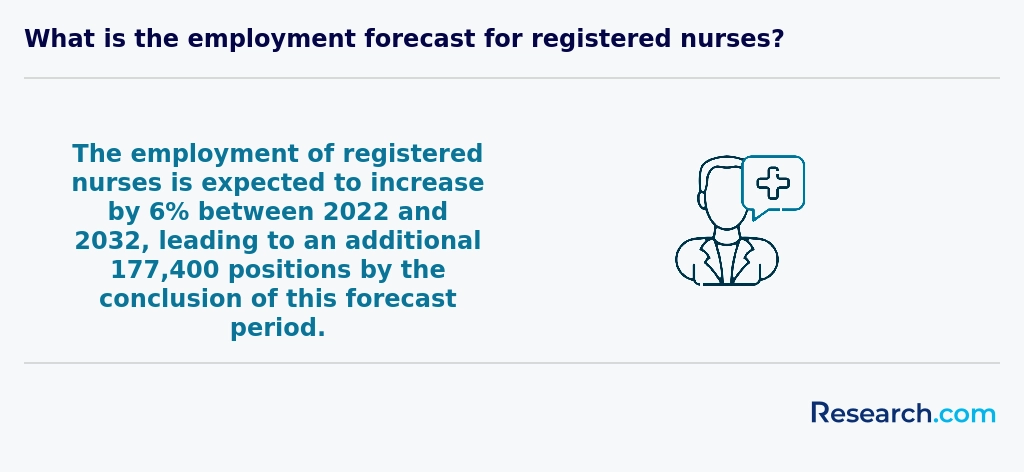
Program accreditation by CCNE or ACEN ensures eligibility for the NCLEX-RN exam and reflects academic quality. Reviewing each school's recent pass rates reveals curriculum strength and exam preparation effectiveness.
- CCNE-accredited ADN programs in the South often report NCLEX pass rates of 85–92%.
- BSN programs typically achieve rates above 90%, with top-ranked schools exceeding 95%.
- Pass rates are published on state nursing board websites and college fact sheets.
Prioritizing programs with high NCLEX results helps you start your nursing career on schedule. For guidance on finding a balanced program, see whats the easiest nursing program to get into?
Imagine starting your nursing journey at the University of North Carolina, where financial aid opens doors like unexpected treasures. Many graduates recall how federal Pell Grants, offering up to $7,395 annually, transformed their dreams into reality by significantly lowering tuition costs. Beyond federal help, Southern states pitch in with grants and scholarships uniquely designed for aspiring nurses. For example, nursing students in Texas find remarkable support through the Texas Workforce Commission scholarships, which often come with an exciting commitment to serve the state's healthcare needs.
At Georgia State University, students frequently tap into merit-based scholarships and need-based grants, which can feel like personalized rewards for dedication and talent. Some students share stories of how employer-sponsored tuition assistance programs, available through local hospitals, have fueled their passion-allowing them to study while gaining hands-on experience.
Plus, organizations such as the Southern Nurses Foundation provide scholarships that champion diversity and support economically disadvantaged students, making the nursing path in the South not just attainable but invigorating.
Strong NCLEX-RN pass rates are a key indicator of a nursing program’s quality and its graduates’ preparedness for clinical practice. In the South, top affordable nursing schools boast first-time NCLEX pass rates that consistently exceed the national average of 88%. For example, the University of Alabama at Birmingham reported a 94% first-attempt pass rate in 2023, while Florida State University achieved 92%. These metrics reflect rigorous curricula, dedicated faculty support, and advanced simulation lab experiences. When evaluating programs, aim for a first-time pass rate of at least 90%. Schools publishing breakdowns by cohort year demonstrate transparency and commitment to continuous improvement. High pass rates not only enhance your confidence entering the workforce but also signal strong institutional resources-such as NCLEX prep workshops, peer tutoring, and online question banks. For broader context on how affordability aligns with program success, explore our Most Affordable Online Nursing Degree Programs Ranking in Colorado, which highlights institutions that pair competitive tuition with outstanding NCLEX outcomes.
Ready to embark on a nursing journey in the South? First, picture yourself as many graduates do from popular schools like the University of Alabama or UNC Charlotte-looking back on their required steps with a sense of accomplishment. Almost all nursing programs here expect a solid foundation: a high school diploma and strong grades in biology, chemistry, and math. Imagine tackling anatomy or microbiology classes that firmly prepare you for hands-on clinicals.
Many Southern schools also ask for college-level prerequisites, often with a "C" or better, ensuring you're truly ready. Then there's the TEAS exam, which some institutions use to gauge your readiness-it's like a checkpoint before diving deep into nursing science. Beyond academics, think about completing a background check and showing up with immunization records-these protect both you and your future patients during those early hospital shifts.
Picture managing finances too-tuition in Southern public colleges ranges from about $5,000 to $15,000 annually, shaping your adventure with careful budgeting for fees and supplies. Many graduates cherish the extra edge that healthcare volunteering gave them, turning early compassion into lifelong dedication.

Nursing degree programs in the South must be accredited by reputable organizations to ensure they meet the highest standards of education and training. The two main accrediting bodies for nursing programs are the Commission on Collegiate Nursing! Education (CCNE) and the Accreditation Commission for Education in Nursing (ACEN). These organizations assess programs based on criteria such as curriculum, faculty, and clinical experiences to guarantee that graduates are adequately prepared for the NCLEX licensing exam and future nursing practice. When choosing a nursing program, it is essential to verify its accreditation status, as attending an accredited program is crucial for eligibility to take the NCLEX exam and for future career opportunities. Additionally, nursing programs may have different types of accreditation, such as institutional accreditation, which applies to the entire institution, or programmatic accreditation, which is specific to the nursing program. Some of the benefits of attending an accredited nursing program include increased job prospects, higher salaries, and enhanced educational experiences. Moreover, accredited programs often have higher NCLEX pass rates, which is a testament to the quality of education provided. In the South, many reputable nursing programs are accredited by the CCNE or ACEN, ensuring that graduates are well-prepared to enter the nursing workforce. Examples of accredited nursing programs in the South include the University of Alabama at Birmingham, the University of North Carolina at Chapel Hill, and Florida State University, among others. The accreditation process typically involves a self-study report, a site visit, and a review by the accrediting agency, which helps to ensure that nursing programs maintain high standards of quality and effectiveness. By attending an accredited nursing program, students can trust that they are receiving a high-quality education that will prepare them for a successful and rewarding career in nursing. Accreditation also promotes lifelong learning, as many accredited programs offer continuing education opportunities and professional development resources to support nurses throughout their careers. In conclusion, accreditation is a critical factor to consider when selecting a nursing program, as it directly impacts the quality of education, job prospects, and future career opportunities.
Diving into a nursing degree in the South means embracing a vibrant mix of courses designed to ignite your passion for healthcare and sharpen your skills. Imagine walking the halls of a well-known Southern university, where graduates recall their first challenging anatomy and physiology classes, discovering the intricate systems of the body with hands-on labs that felt like unlocking a medical mystery every week.
Alongside these foundational sciences, you'll plunge into pharmacology and pathophysiology, learning not just about drugs but how diseases alter the body's landscape. Students often share stories of mastering microbe identification, a thrilling step toward understanding infections affecting real patients in their clinical rotations at local hospitals.
What sets Southern nursing programs apart is their commitment to blending theory with practice-health assessment classes bring patient interviewing and physical exam skills to life, while courses in adult health, maternal and child nursing, and psychiatric care broaden your ability to serve diverse communities right where you live.
Picture finishing a lecture at a top Southern college, then heading straight to a clinical site, where every lesson learned transforms into compassionate care, reinforcing why so many graduates feel prepared and excited to step into their nursing careers.
Exploring nursing degree specializations in the South reveals a dynamic landscape shaped by regional needs and vibrant student experiences. Graduates from renowned Southern colleges often share how diving into areas like Pediatric Nursing unlocks rewarding moments, such as supporting families in bustling children's clinics. Meanwhile, those drawn to Geriatric Nursing find deep fulfillment caring for the aging population, a growing community in Southern states. Programs at popular universities equip students with focused skills, whether advancing through an RN to BSN pathway or embracing the challenge of Family Nurse Practitioner roles, especially vital in rural areas where healthcare access is limited.
South regional nursing program specialties also open doors to mental health fields, where passionate students engage with communities to make real differences. Others thrive in Critical Care or Emergency Nursing, feeling the adrenaline of hospital frontlines. For those eager to accelerate their journey, options like fast track medical lpn programs provide adventurous pathways to launch their careers quickly and deeply connect with the Southern healthcare scene.
Choosing the best nursing degree in the South means diving into a world where education meets real-life impact. Imagine yourself walking through a bustling campus at a well-known Southern university, where graduates recall how affordable nursing degree programs in the South allowed them to pursue their dreams without overwhelming debt. From community colleges offering hands-on ADN experiences to four-year universities fostering advanced BSN skills, every pathway offers unique adventures.
Picture the excitement of clinical rotations at local hospitals or community health centers, where partnerships enable students to practice with diverse patient groups. Graduates often speak of how these immersive placements sparked their passion and prepared them for future challenges. Don't forget to check program accreditation, as it's your key to taking the NCLEX and advancing confidently.
For those weighing options, comparing tuition-from $3,000 ADN programs to $12,000 BSN degrees-is a thrilling part of the journey. To explore affordable routes, check out the Most Affordable Online Nursing Degree Programs Ranking in Colorado. Choosing the right program in line with your career goals lets you embrace a future where care and opportunity converge seamlessly.
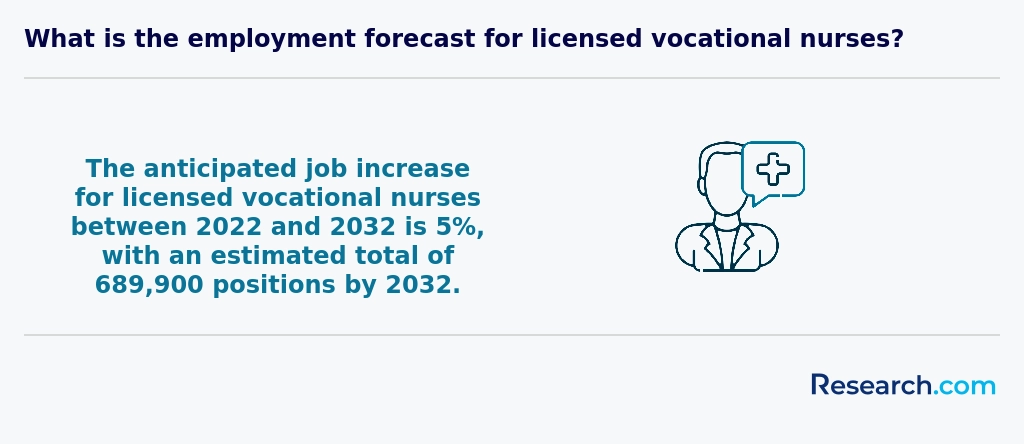
Nursing graduates in the South embark on a thrilling journey through vibrant career paths, fueled by the region's growing healthcare demands. Many begin as Registered Nurses (RNs), securing vital roles in bustling hospitals, outpatient clinics, or cozy long-term care facilities scattered across states like Texas and Georgia. Graduates from top Southern universities often share how hands-on experience in diverse settings shaped their passion and confidence, reinforcing the abundance of nursing career opportunities in the South.
Some choose to dive deeper into specialties such as Family Nurse Practitioner, Nurse Anesthetist, or Public Health Nurse, transforming healthcare in rural communities and urban centers alike. Those pursuing advanced degrees find themselves leading primary care independently in states like North Carolina, relishing the challenge and autonomy. Others discover exciting leadership or educational roles, inspiring new nurses or influencing policies that ripple across the South region nursing degree job prospects.
For those eager to accelerate their journey, exploring quickest degree college options for working adults can unlock even more opportunities, balancing study with life adventures while embracing the South's rich healthcare landscape.
The nursing job outlook in the South is vibrant and full of promise for graduates eager to launch their careers. Imagine stepping out of a well-known nursing program at a university in Texas or Georgia and immediately tapping into a market hungry for skilled professionals. Graduates often share stories of how local hospitals and outpatient centers are expanding rapidly, creating abundant roles for registered nurses and advanced practice nurses. Many feel a sense of excitement as they navigate a booming sector influenced by an aging population and expanding healthcare access.
South regional nursing employment trends reveal competitive salaries, especially in urban hubs like Dallas or Miami, where recent BSN graduates find annual wages ranging from $68,000 to $75,000. Amidst this encouraging environment, students ponder practical choices, balancing cost and career goals-especially since nursing tuition tends to hover around $8,000 to $12,000 annually for in-state students. For those wondering about paths in healthcare, exploring what's the easiest associate's degree to get often sparks new ideas.
2027 Most Affordable Nursing Degree Programs Ranking in the South
Investing in your education is a significant decision that can shape your future, and the Research.com team understands the importance of making informed choices. To assist prospective students in the South, we have meticulously crafted the "2027 Most Affordable Nursing Degree Programs Ranking in the South." Our commitment to quality, credibility, and accuracy is reflected in the extensive research and analysis conducted to compile this ranking.
We utilized the following reputable data sources to ensure a comprehensive evaluation of nursing programs:
By exploring this ranking, readers will gain valuable insights into the most affordable and quality nursing degree programs available in the South, empowering them to make informed and confident decisions about their educational paths. For more details on our methodology, please visit our Research.com methodology page.


# 16 position
University of Arkansas Grantham
Master of Science in Nursing


Frequently Asked Questions About nursing
Nursing degree students in the South can maximize their learning by combining strong academic preparation with practical experience. Many Southern states, such as Texas and Florida, offer diverse clinical settings ranging from urban hospitals to rural clinics, which provide valuable hands-on training. According to the National Council of State Boards of Nursing, students who engage in at least 50% clinical practice during their education perform better on the NCLEX-RN licensing exam.
Networking with local healthcare professionals and participating in regional nursing associations like the Southern Nursing Research Society can enhance knowledge and career opportunities. Additionally, utilizing state-specific scholarship programs designed to address regional healthcare shortages can reduce financial burdens and allow students to focus more on their studies.
The nursing field in the South is expanding into several emerging niches driven by demographic changes and advances in healthcare. One growing area is gerontological nursing, focusing on the aging population; the South has one of the fastest-growing senior populations in the US, according to the Southern Nursing Research Society. Another niche is telehealth nursing, which has surged after the COVID-19 pandemic and offers remote patient care, especially important in rural Southern communities.
Additionally, psychiatric mental health nursing is gaining attention due to rising mental health needs in the region. Lastly, nurse informatics is becoming vital as healthcare systems in the South adopt more digital technologies for patient data management and care coordination.
After completing a nursing degree in the South, preparing for the job market involves several key steps. First, obtaining your nursing license by passing the NCLEX-RN exam is essential. The Southern Regional Board of Nursing provides guidance tailored to states in the region.
Next, gaining clinical experience through internships or externships during your studies can improve job prospects. According to the Bureau of Labor Statistics, registered nurse employment in Southern states is projected to grow by approximately 12% through 2031, higher than the national average.
Networking with local healthcare organizations and joining professional bodies like the Southern Nursing Research Society can increase your connections and access to job openings.
Finally, consider continuing education or certifications in specialized fields such as gerontology or critical care to stand out in the competitive Southern market.
Employers in the South seeking nursing degree graduates prioritize a blend of clinical skills and interpersonal strengths. According to the American Association of Colleges of Nursing (AACN), essential clinical competencies include patient assessment, medication administration, and proficiency in electronic health records. Additionally, Southern healthcare employers emphasize strong communication skills, as nurses often serve as the link between patients, families, and medical teams.
Adaptability and critical thinking are also highly valued, especially in rural and underserved areas common in the South. The Bureau of Labor Statistics notes that South Carolina and Georgia have growing nursing demands, increasing the need for graduates who can manage diverse patient populations effectively.
Finding internships relevant to a nursing degree in the South involves several strategic steps. Start by exploring partnerships between nursing schools and healthcare facilities, as many Southern universities maintain exclusive agreements with local hospitals and clinics. According to the American Association of Colleges of Nursing (AACN), nearly 70% of nursing programs in Southern states incorporate clinical placements into their curriculum.
Use your school's career services and nursing department resources to identify available internship opportunities. Additionally, look into state-specific nursing associations, such as the Texas Nurses Association or the Georgia Nurses Association, which often list internship vacancies and networking events.
Online databases like the National Student Nurses' Association also provide listings tailored to regional internships. Early applications and maintaining a strong GPA increase your chances due to high demand in these competitive programs.
A nursing degree significantly enhances career mobility and advancement opportunities in the South. According to the National Council of State Boards of Nursing (NCSBN), registered nurses (RNs) with bachelor's degrees earn approximately 15% more than those with an associate degree in nursing (ADN), supporting faster career growth. Many Southern states have employer preferences for nurses with a Bachelor of Science in Nursing (BSN), especially in metropolitan areas like Atlanta and Dallas.
The Southern Regional Education Board notes that nurses holding advanced degrees, such as a Master of Science in Nursing (MSN), often move into leadership, education, or specialized clinical roles more quickly. Additionally, hospitals pursuing Magnet status prioritize hiring BSN-prepared nurses, influencing hiring practices in Southern healthcare facilities.
With the South facing a growing nursing shortage, degree-holding nurses are in higher demand, increasing chances for promotion and salary increases. Overall, a nursing degree broadens career pathways and supports long-term professional success in the region.
Studying for a nursing degree in the South equips students with essential skills for interdisciplinary roles through comprehensive curricula that emphasize teamwork and communication.
Many Southern nursing programs incorporate clinical rotations alongside professionals from medicine, social work, and allied health, fostering collaboration in real-world settings.
The Southern Regional Education Board reports that nursing graduates in this region often participate in interprofessional education initiatives, boosting their readiness for diverse healthcare teams.
Additionally, Southern institutions frequently offer courses on healthcare policy and patient-centered care, preparing nurses to navigate complex systems alongside other disciplines.
These educational experiences ensure graduates are competent in both nursing-specific tasks and collaborative decision-making crucial for modern healthcare environments.
When choosing between a thesis and a non-thesis nursing degree program in the South, consider your career goals and learning preferences. Thesis programs typically require original research and a formal written thesis, preparing students for roles in academia, research, or advanced practice. Non-thesis options often emphasize clinical practice and coursework, fitting professionals aiming for leadership or direct patient care.
In Southern states, programs with theses may take longer to complete, averaging 24 to 36 months, while non-thesis tracks often finish in about 18 to 24 months, according to the Southern Regional Education Board (SREB).
Cost and time commitment are also important-non-thesis programs usually cost less overall. Finally, check if your target school's program aligns with your desired licensure or certification, as some employers may prefer one format over the other.
Students based in the South interested in studying nursing abroad have several pathways through U.S. university partnerships and exchange programs. Many Southern universities participate in global nursing initiatives that allow students to complete clinical experiences or coursework internationally, supplementing their degree from an accredited U.S. institution.
These options provide exposure to different healthcare systems while maintaining progression toward licensure in the U.S. According to the American Association of Colleges of Nursing (AACN), over 30% of nursing programs nationally offer some form of international study component. Students often travel to countries with established nursing education collaborations in Europe, Australia, and parts of Asia.
Financial aid and scholarships may be available specifically for study abroad nursing practicums, helping Southern students manage costs while gaining valuable cross-cultural skills. Universities in states like North Carolina, Georgia, and Florida are actively expanding these opportunities to meet growing interest in global health nursing careers.
Students pursuing nursing degrees in the South can benefit from various part-time jobs that complement their education. Common opportunities include working as certified nursing assistants (CNAs) or patient care technicians. These roles provide hands-on experience with patient care, crucial for nursing skills development. According to the Bureau of Labor Statistics, healthcare support jobs in Southern states are projected to grow faster than the national average, offering ample positions.
Other positions like medical scribes or pharmacy technicians allow students to learn medical terminology and improve communication skills. These part-time roles often have flexible hours to accommodate class schedules.
Nursing students in the South benefit from numerous networking opportunities essential for career development. Regional organizations like the Southern Nursing Research Society offer conferences and workshops, fostering connections with experienced professionals and researchers. Many universities collaborate with local hospitals, providing clinical placements that help students build practical relationships within healthcare settings.
State nursing associations in Southern states-such as Texas and Florida-host regular events and seminars, enhancing peer and professional interaction. According to the National League for Nursing, Southern schools often emphasize mentorship programs, pairing students with practicing nurses to guide their early careers.
Alumni networks play a crucial role for nursing degree students in the South by providing valuable professional connections. These networks often link students with experienced nurses who offer mentorship, job leads, and career guidance. According to the National Student Nurses' Association, Southern states report higher demand for nurses, making such support networks essential for securing competitive positions.
Moreover, alumni can facilitate access to local hospitals and clinics through established partnerships, increasing student internship opportunities. Southern nursing programs also benefit from graduates who advocate for updated curricula based on real-world healthcare trends. This dynamic strengthens both education and workforce readiness.
Engaging with alumni networks can significantly improve employment prospects and professional growth after graduation.
Customizing a nursing degree program in the South often involves selecting concentrations or electives that align with your career goals. Many Southern universities offer specialties such as pediatric nursing, gerontology, or nurse anesthetist tracks. According to the Southern Regional Education Board (SREB), about 60% of nursing programs in this region allow students to tailor clinical experiences to specific populations.
Additionally, some programs include flexible scheduling or online components, essential for working professionals. Certification opportunities during studies, like becoming a Certified Nurse Midwife (CNM) or a Family Nurse Practitioner (FNP), can further enhance career prospects. Researching state licensure requirements in Southern states can also help guide program choices to meet local healthcare demands.
Nursing students in the South face several unique challenges during their education. One common issue is clinical placement shortages, as many hospitals in rural Southern areas have limited capacity for student training. According to the American Association of Colleges of Nursing (2023), 43% of Southern nursing programs report difficulty securing enough clinical sites.
Additionally, financial constraints are significant. The Southern region has higher rates of students requiring financial aid, and tuition costs can vary widely between public and private institutions. Many students also juggle part-time work alongside demanding coursework and clinical hours.
The region's healthcare workforce shortage adds pressure, leading to intense competition for jobs and internships after graduation. Mental health concerns and academic stress are common, with retention rates lower than the national average.
With a nursing degree in the South, graduates can pursue several professional certifications to advance their careers. Common certifications include the Certified Nurse Practitioner (CNP), Certified Nurse Educator (CNE), and Certified Nurse Midwife (CNM). These credentials often require passing national exams through organizations like the American Nurses Credentialing Center (ANCC) or the National Certification Corporation (NCC).
According to the Southern Regional Education Board, the demand for nurse practitioners in Southern states is expected to grow by over 30% by 2030, making such certifications valuable. Additionally, certifications in specialties like gerontology and pediatric nursing are popular due to the region's diverse population needs.
Obtaining these certifications can lead to higher salaries and expanded job roles in healthcare facilities throughout the South.
Writing a winning application for a nursing program in the South starts with understanding regional expectations. Southern nursing schools often emphasize strong academic records, particularly in science courses. Applicants should highlight achievements in biology, chemistry, and anatomy, as these are key prerequisites.
Personal statements must clearly express a passion for nursing and Southern community health needs. Programs value candidates who show commitment to serving diverse populations, especially given the South's higher rates of chronic illnesses reported by the CDC.
Letters of recommendation should come from healthcare professionals or educators who can attest to your work ethic and character. Including volunteer or work experience in Southern healthcare settings strengthens your application.
Finally, prepare for standardized tests like the TEAS, since many Southern schools require competitive scores. According to the National League for Nursing, scoring above the 70th percentile improves admission chances significantly in this region.
Nursing is a consistently growing career worldwide, and this trend is reflected in the United States, especially in the South. Globally, nursing offers diverse opportunities, with roles spanning from clinical care to healthcare management and research. According to the Bureau of Labor Statistics, nursing jobs in Southern states like Texas, Florida, and Georgia are projected to grow by over 15% through 2030, reflecting strong demand.
Internationally, nursing education standards vary, but U.S. degrees, particularly those from Southern institutions, are highly regarded due to rigorous clinical training. Many Southern nursing programs emphasize evidence-based practice and cultural competency, preparing graduates for a global healthcare environment. This makes nursing an attractive career for students seeking long-term stability and mobility.
Gaining practical experience while studying for a nursing degree in the South is essential for skill development and career readiness. Many nursing programs in Southern states, such as Texas and North Carolina, include clinical rotations as a required part of their curriculum. These rotations allow students to work directly in healthcare settings like hospitals, nursing homes, and community clinics.
Additionally, students can pursue internships or volunteer positions to supplement clinical hours. According to the National Council of State Boards of Nursing, Southern nursing programs often partner with local healthcare providers to offer these opportunities, helping students meet state licensing requirements.
Some schools also offer simulation labs, giving hands-on practice in a controlled environment. This combination of clinical experience and simulations prepares students to enter the workforce more confidently.
Choosing the right concentration within a nursing degree program in the South requires evaluating your career goals and local healthcare needs. Concentrations such as pediatric, geriatric, or acute care nursing allow you to specialize and increase your job prospects in regional markets. According to the Bureau of Labor Statistics, demand for registered nurses in Southern states is expected to grow by 12% through 2031, especially in rural and underserved areas.
Consider programs accredited by the Commission on Collegiate Nursing Education (CCNE) or the Accreditation Commission for Education in Nursing (ACEN) to ensure quality education. Also, investigate clinical placement opportunities, which vary widely by concentration and location in the South.
Speak with advisors and review employment data for your preferred concentration to match education with job availability. Tailoring your choice can lead to a more successful nursing career in the Southern healthcare system.
See What Experts Have To Say About Studying Nursing
Read our interview with Nursing experts


- How Much Can I Earn With a BSN? https://www.allnursingschools.com/bsn/salary/
- What Are the Best Jobs to Work While in Nursing School? https://www.dewv.edu/what-are-the-best-jobs-to-work-while-in-nursing-school/
- Nursing Career Paths [Infographic] https://nursinglicensemap.com/blog/nursing-career-pathways/
- 10 Nursing Fields That Are Growing in Demand https://promedcert.com/blog/10-nursing-fields-that-are-growing-in-demand
- How to Write https://esign.com/letter-of-intent/school/nursing/
- Work-life balance | Careers Crossroads | RCN Careers Resources | Royal College of Nursing https://www.rcn.org.uk/Professional-Development/Your-career/Nurse/Career-Crossroads/Career-Ideas-and-Inspiration/work-life-balance
- Nursing Workforce Fact Sheet https://www.aacnnursing.org/news-data/fact-sheets/nursing-workforce-fact-sheet
- 8 Essential Real-world Experiences Nursing Students Need https://www.berry.edu/articles/blog/2025/8-nursing-experiences
- Types of Nurses & Nursing Careers: Understanding Your Options Blog | South University https://www.southuniversity.edu/news-and-blogs/2021/01/types-of-nurses
- The Nurses' Alumni Association https://giving.mainlinehealth.org/get-involved/auxiliaries-and-womens-boards/lankenau-medical-center-womens-board/the-nurses-alumni-association